What Vegetables Can Be Grown in Pots: A Complete Guide for Beginners
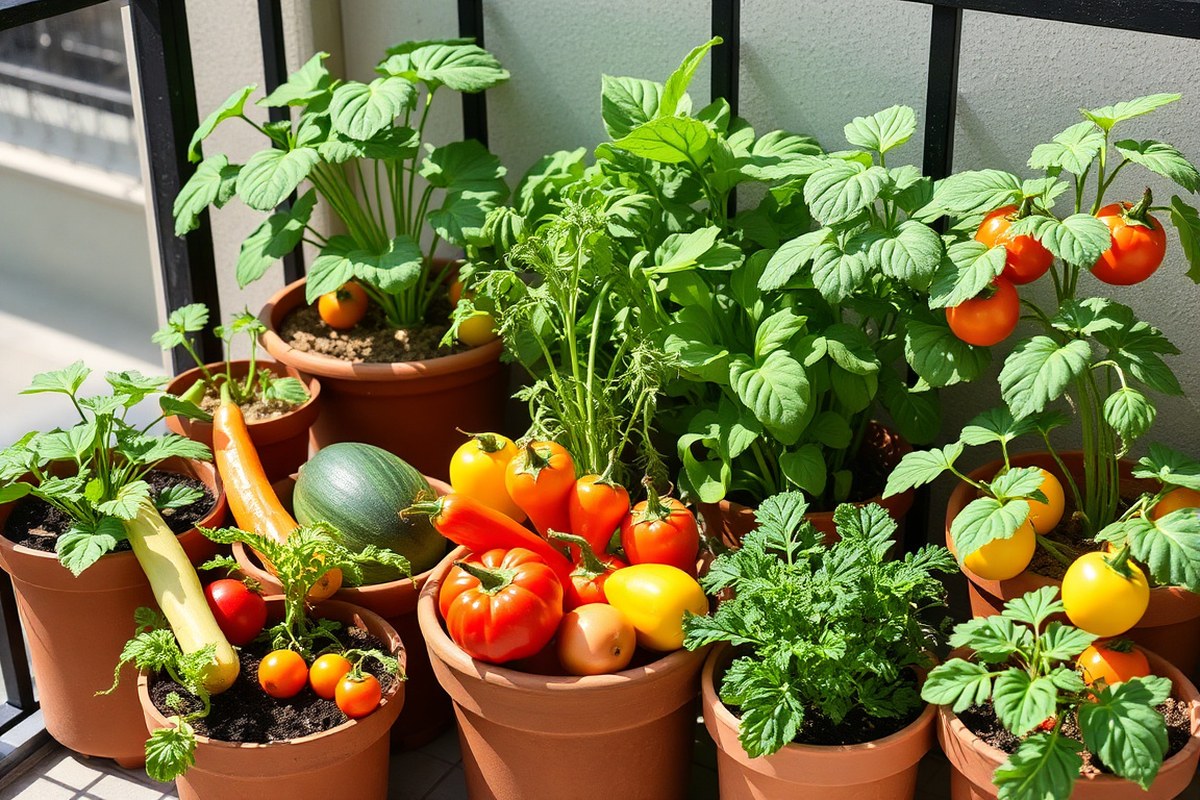
What vegetables can be grown in pots depends mainly on your space and pot size. Many common vegetables like tomatoes, peppers, kale, and radishes thrive well in containers. You just need to pick the right pot and soil to get started.
Small pots work for herbs and quick growers like radishes, which can mature in 30 days. Larger pots fit bigger plants like bell peppers and kale.
Both need at least 12 inches wide pots and deep soil. Good drainage and potting mix are key to healthy roots.
Start seeds like peppers indoors about 6 to 8 weeks before frost. This timing gives plants a strong start.
Keep an eye on watering since container soil dries out quicker than garden beds. Choosing the right pot size saves you effort and keeps plants thriving.
Key Takeaways
- Use pots at least 12 inches wide for most vegetables to allow root growth.
- Small herbs and quick-grow veggies do well in 5-gallon containers.
- Radishes mature fast and only need shallow pots about 6 to 8 inches deep.
- Kale grows tall but fits in pots about 18 inches wide and 10 inches deep.
- Start pepper seeds indoors 6-8 weeks before your last frost date.
- Well-draining potting mix is essential to prevent root rot and overwatering.
Which Vegetables Thrive Best in Pots
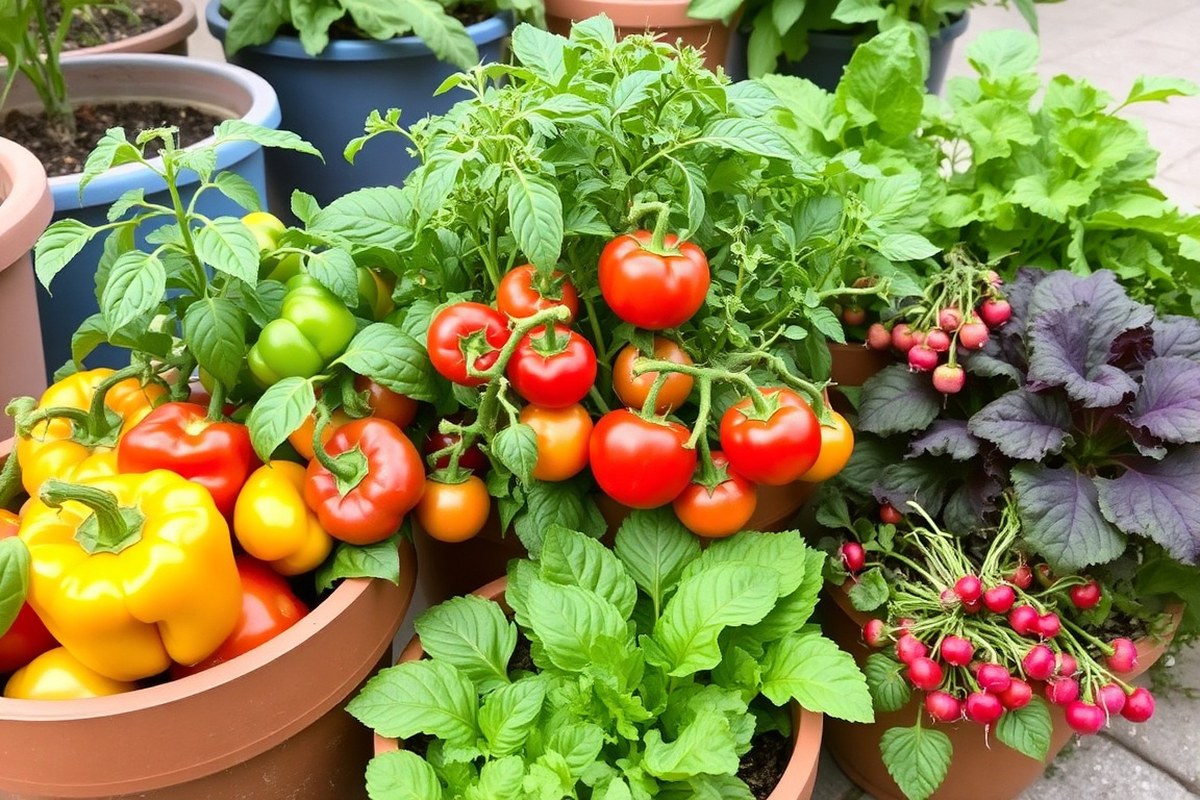
Many vegetables grow well in pots, especially when you pick the right kinds. Lettuce and spinach work great because they don’t need deep soil and grow fast. Tomatoes and peppers grow well in bigger containers.
They need enough sun to thrive. You also have to water them properly.
Dwarf or compact vegetable varieties save space on balconies and windowsills. Dwarf chiles fit nicely in 2-gallon pots. Bell peppers grow best in 5-gallon containers.
Compact tomatoes like cherry or patio types are easy to manage too. These smaller plants need less soil, so you won’t have to lift heavy pots.
- Lettuce and spinach: shallow roots, quick harvest, grows in 6-8 inch pots
- Dwarf chiles: 2-gallon pot, bright sunlight, minimal staking needed
- Bell peppers: 5-gallon container, regular watering, steady heat essential
- Compact or cherry tomatoes: 5-7 gallon pots, support with stakes
- Radishes: grow fast, need only 6-inch depth, perfect for beginners
- Green beans (bush varieties): 3-5 gallon pots, prefer sunny spots
- Herbs (like basil and parsley): thrive in small pots, great for indoor spots
Balcony gardeners often struggle with space and sunlight. Choose plants that mature quickly and like partial shade, such as herbs or leafy greens.
Containers with good drainage prevent root rot in wetter conditions. You’ll save money by using seeds instead of seedlings, but both work well.
Good results show strong, green leaves and steady growth. Watch out for wilting or yellow leaves, which mean watering or sunlight issues.
Growing vegetables in pots lets you enjoy fresh produce even without a garden. It just takes the right plant and pot size matching your space.
How to Choose the Right Pot Size for Vegetables
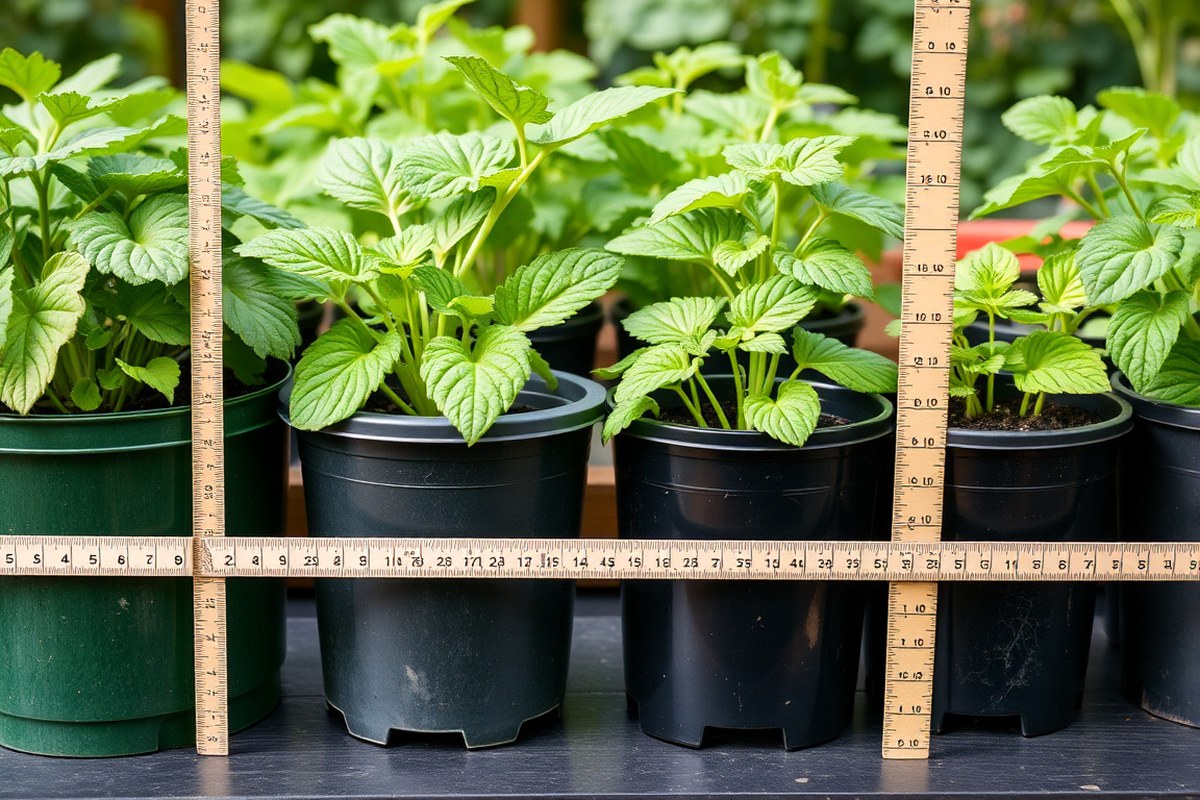
Pick a pot size that fits your vegetable’s root depth and width. Small, wide pots suit shallow-rooted veggies like lettuce just fine.
Carrots and other deep-rooted plants need pots at least 12 inches deep. Also, make the pot about 25% to 50% bigger than your plant’s roots.
Pot Sizes for Shallow-Rooted Vegetables
Leafy greens and beans have shallow roots. They usually thrive in pots only 6 to 10 inches deep. Wider pots are better because they allow more space for the roots to spread horizontally.
Lettuce and salad greens do well in shallow, wide containers about 6 inches deep. Beans need a little more space.
So choose pots around 10 to 12 inches deep and wide. These sizes help avoid root crowding and ensure healthy growth.
Pot Sizes for Deep-Rooted Vegetables
Root vegetables like carrots and potatoes need the deepest pots. Carrots, for example, grow best in pots at least 12 inches deep. Larger varieties or potatoes may need pots 15 to 24 inches deep to accommodate tuber growth.
Broccoli and kale are heavy feeders with bigger root systems. Choose pots about 18 to 24 inches wide for these plants. Make sure the pots are also 18 to 24 inches deep.
This size gives the plants enough space to grow well. Bigger pots help prevent water stress and improve yield.
| Vegetable Type | Pot Depth | Pot Width |
|---|---|---|
| Leafy greens (lettuce, salad leaves) | 6 inches | 12 inches or wider |
| Beans | 6 to 12 inches | 12 inches or wider |
| Carrots (short root varieties) | 12 inches | 12 to 14 inches |
| Carrots (long root varieties) | 15 inches or more | 14 inches or wider |
| Broccoli | 18 to 24 inches | 18 inches or wider |
| Kale | 10 inches or more | 18 inches wide |
| Potatoes | 18 to 24 inches | 15 to 20 inches |
Using the right pot size keeps roots healthy and plants productive. Too small a pot causes stress and weak plants. You get less vegetable yield when roots don’t fit well.
Container Material Considerations
Your pot’s material affects how much space you actually get. Plastic pots hold moisture better but may heat up faster in full sun. Clay pots are porous, which helps prevent overwatering but may dry out faster.
Heavy materials like ceramic or concrete are less likely to tip over. They help support tall plants like broccoli.
But they’re harder to move and may cost more. Choose containers that balance stability, water needs, and your space.
Always check container drainage holes, poor drainage leads to root rot and poor growth.
Lighting and Sunlight Needs for Container Vegetables
Most vegetables in containers need at least six to eight hours of sunlight daily. Tomatoes, peppers, and okra require about eight hours. Lettuce needs about eight hours of sun daily.
It benefits from some afternoon shade. This helps avoid bolting in hot weather.
Some vegetables tolerate less light, making partial shade spots useful. Radishes and many greens like kale and spinach do well with six hours or less sun. They can grow fine without full sun.
Moving pots helps you balance light and shade for vegetables during the day. Change their spot as needed to get the right sun.
Place indoor vegetable pots near a south- or west-facing window. This gives them the best light indoors. Indoor peppers and peas need at least six hours of direct sunlight.
Use a grow light if natural light isn’t enough. You can move these container plants outside during sunny days to boost their sunlight exposure.
Positioning pots carefully is key. Use balconies or patios that face south or west to maximize sun. Move pots if the sun shifts or leaves start wilting.
Try to get more light or add afternoon shade. Containers with wheels or lightweight plastic make this easier. So you can adjust their position daily.
Allow enough space between pots and walls or railings to avoid shadowing your plants. Raised surfaces or plant stands can help smaller pots get sunlight without being blocked.
Use a handheld light meter or smartphone app to measure sunlight hours. This helps if you’re unsure about your spot’s brightness.
Good sunlight exposure helps your vegetables produce more leaves, flowers, and fruit. Without enough light, plants grow leggy and weak, with fewer vegetables. Overheating under direct sun is rare in most climates.
Lettuce and other greens do better with afternoon shade. Shade keeps leaves crisp and prevents plant stress.
Soil, Watering, and Fertilization for Vegetables in Pots
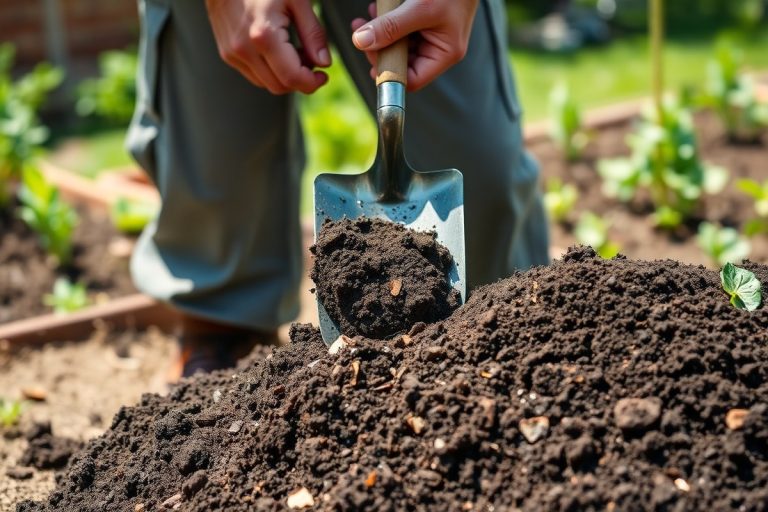
Choose a high-quality potting mix labeled for vegetables or herbs. Avoid garden soil because it’s too dense and can hold too much water. Look for soil that drains well but still holds moisture.
A mix containing peat moss or coconut coir works well. It keeps soil light while holding water evenly.
Use a pot with holes to let excess water drain out. This prevents roots from sitting in soggy soil that causes rot. Keep the soil moist but not wet.
Water when the top inch feels dry. The frequency varies by plant size, container size, and weather. Usually, watering every 2 to 3 days works in warmer months.
Potted plants need fertilizing regularly because nutrients wash out with watering. Choose a balanced, water-soluble fertilizer or slow-release pellets made for vegetables.
Feed plants every two weeks during the growing season with liquid fertilizer diluted to half strength. Slow-release fertilizers work for up to three months and reduce feeding chores.
Avoid overwatering by checking pot weight before watering and soil moisture. Lift the pot; if it feels light, water. A moisture meter can help for beginners.
Underwatering causes wilted, tired leaves and slow growth. Overwatering shows yellow leaves and mushy stems. Clay pots help reduce overwatering by allowing air to dry the soil faster.
Adjust watering for your setup: small pots dry out faster than bigger ones. Shady balconies keep soil moist longer than sunny spots. Plants in hotter weather need more frequent watering.
Set a schedule but check soil often and adjust as needed. Follow a simple routine: water deeply, let pots drain, then wait before watering again.
Growing Root Vegetables in Containers Successfully
Root vegetables like carrots, radishes, beets, and potatoes grow well in pots. You must pick the right types and pot sizes. This helps them develop properly.
Most root vegetables need deep and loose soil for proper root development. A pot at least 12 to 15 inches deep works best for carrots and potatoes.
Selecting Appropriate Root Vegetables
Choose root vegetables that handle container growing well and don’t require extremely deep soil. Carrots, radishes, beets, and turnips all adapt nicely to pots. Potatoes also grow well but need more space.
Look for smaller or shorter varieties of these roots if your space or depth is limited. Radishes, for example, grow quickly in shallow containers around 6 to 8 inches deep. Carrots need at least 10 to 12 inches to develop straight roots.
Pot Preparation and Soil Depth
You need a pot with good drainage and enough depth for roots to grow straight. Carrots and beets do best in pots 12 to 15 inches deep. Use loose, well-draining potting mix to fill the pots.
This prevents waterlogging and promotes root growth. Potatoes require even deeper containers, about 15 inches or more.
Fill the pot with a loose, compost-enriched soil mix. This helps roots push down without struggling. Keep the soil consistently moist but not wet to avoid rot and encourage root growth.
Make sure drainage holes are large enough to prevent waterlogging and root rot.
Here’s how to get started growing root vegetables in containers:
- Pick a pot that is 12 to 15 inches deep or deeper for potatoes.
- Fill the pot with loose, well-draining, compost-enriched potting soil.
- Plant seeds or seed potatoes following packet directions on spacing.
- Water gently after planting and keep soil moist, not soaked.
- Place the pot in a sunny spot with 6 or more hours of sun.
- Thin seedlings so roots have room to grow healthy and straight.
- Check regularly for pests or diseases and treat naturally if needed.
- Harvest when roots reach the size you want, usually 60 to 90 days.
Harvesting Timing and Techniques
Root vegetables mature at different times, so watch them closely. Radishes grow fast and are ready in about 25 to 30 days. Carrots and beets may take 60 to 90 days.
Harvest by loosening the soil around the root with your fingers or a trowel. Pull gently to avoid breaking. Harvest early for baby vegetables when roots are small and taste good.
This gives you tender and mild-flavored produce. Check the size and flavor before picking.
Supporting Vining and Tall Vegetables in Pots
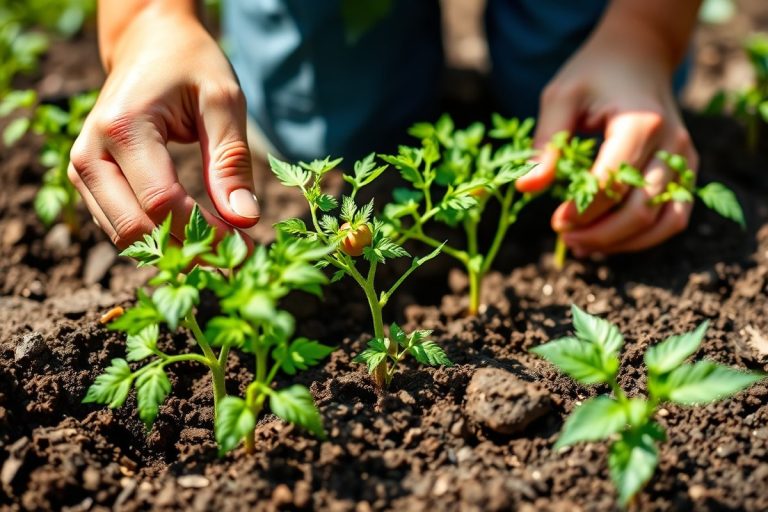
Yes, you can grow vine plants like tomatoes, cucumbers, and peas in pots. These vegetables need support as they grow tall or spread out. Using cages, trellises, or stakes helps keep plants upright and healthy.
Choosing Support Types for Different Plants
Tomatoes benefit most from cages or stakes because they can grow several feet tall. Cucumbers need trellises, especially vining kinds, since they can reach up to 8 feet long. Peas and sugar snap peas grow best with smaller stakes or teepee-style supports in pots.
Vining cucumbers require wider pots, at least 14 inches in diameter, for their roots. Bush varieties of cucumbers can grow in smaller containers and need less extensive support. When choosing supports, match the structure to how tall or spread out the plant will get.
Installing Supports in Containers
Setting up supports early ensures plants grow upright and don’t break under their weight. Begin by placing the support before or right after planting.
For tomatoes, put stakes or cages 2 to 3 inches from the stem. This keeps roots safe from getting bumped or hurt.
Choose a sturdy trellis or cage that fits your container size for cucumbers and peas. Push the support deep into the soil.
Make sure it’s firm so it won’t fall as the plant grows. Tie plants gently to the support using soft twine or garden ties to avoid stem damage.
- Select a container with good drainage, 3 to 5 gallons per plant for tomatoes.
- Insert stakes or trellises into the soil near the plant base, 2 to 3 inches away.
- Make sure the support is firmly planted to prevent wobbling.
- Plant your vegetable seedlings carefully beside the support.
- Use soft garden ties to loosely attach plants to stakes or trellises.
- Check ties weekly and adjust as the stems grow thicker.
Maintaining and Adjusting Supports
As plants grow, tie new shoots to supports to guide their direction. Regularly check supports for stability and adjust ties to not strangle stems. Remove lower leaves touching the soil to improve air circulation and reduce disease risks.
Some plants may outgrow their early supports. Replace cages or trellises with taller or stronger ones before plants top out. This helps prevent stems from bending or breaking under the weight of fruit or foliage.
Seasonal and Indoor Container Vegetable Gardening
Cool-season vegetables like kale, spinach, and lettuce grow well in pots during winter. They thrive between 40 and 80 degrees Fahrenheit, fitting indoor or sheltered outdoor spots. Use pots that drain well.
Fill them with rich, loose soil. This helps roots grow strong and healthy. Keep the soil evenly moist but not waterlogged to avoid root rot.
You can grow many vegetables indoors with the right light and care. Leafy greens, radishes, and herbs like basil or cilantro work well inside. Choose small or compact vegetable varieties suited for pot growth.
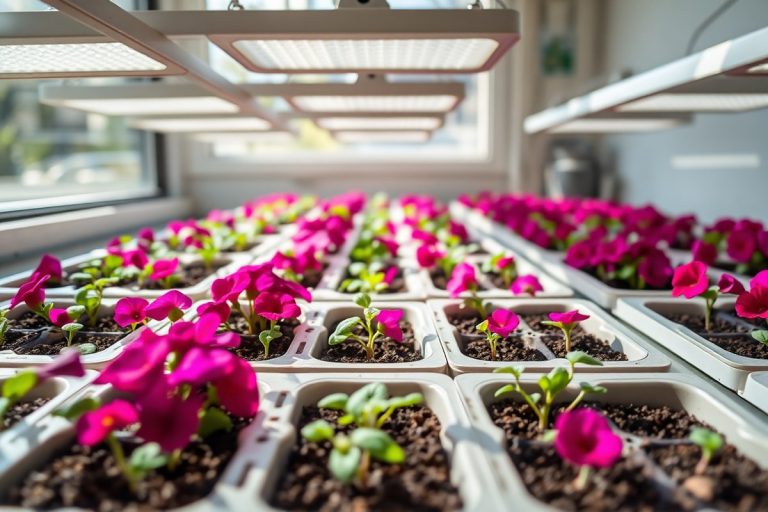
Place containers near south-facing windows or use grow lights providing around 12-16 hours of light daily. This helps plants stay healthy and produce leaves or fruit.
Low-light or indoor conditions suit certain vegetables better than others. Leafy greens tolerate lower light more than fruiting plants like tomatoes or peppers. Choose lettuce, spinach, or mustard greens when natural light is limited.
They need at least 6 hours of bright indirect light. For darker rooms, use LED grow lights.
They cost about $20 to $50. These lights save energy.
Start seeds indoors 4 to 6 weeks before the last frost. This helps you get a jump on the season. Transplant seedlings to larger pots when they develop true leaves.
Rotate pots weekly if plants bend toward the light, ensuring even growth. Keep indoor temps steady, ideally around 65 to 75 degrees. Too much heat or cold slows growth or causes leaf drop.
Watch for signs of overwatering like yellowing leaves or wilting despite moist soil. Good airflow reduces disease risk, so avoid cramped indoor setups.
You can feed plants with liquid fertilizer every two weeks to replace nutrients lost in containers. Organic options cost $10 to $15 per bottle and work well for edible plants.
Common Container Gardening Mistakes and How to Fix Them
One common mistake is overwatering container vegetables. Their roots need air, or they risk rotting. Check the soil with your finger.
Cut back on watering when it feels soggy or smells musty. Let the top inch of soil dry before watering again.
Poor drainage causes many problems, too. Pots without drainage holes trap water and drown the roots. Use containers with holes at the bottom.
Add a layer of small stones or broken pottery. This helps water drain better. This helps water flow freely, keeping roots healthier.
Selecting vegetables that need too much space or depth is another frequent error. Small pots suit baby spinach or herbs. But not larger plants like tomatoes or peppers.
Choose veggies that stay compact, like quinoa, which only grows about two feet tall. A 6- to 12-inch deep pot often works well for most.
It’s easy to confuse overwatering with underwatering. Wilting leaves usually point to drought, but soggy soil means you’ve watered too much. Yellow leaves mean roots may be struggling from too much water or poor drainage.
Lift the pot to feel if it’s heavy or light. Heavy pots mean wet soil while light pots are dry. Adjust watering based on these tests.
Check the soil mix first when your vegetables aren’t thriving. Dirt from outdoors often lacks the right nutrients and drains poorly. Using a good potting mix designed for containers usually fixes this.
Make sure you’re fertilizing regularly, following the instructions on the fertilizer label. Plants in pots lose nutrients faster than those in the ground.
Check for pests or diseases if growth slows suddenly. Container plants can get bugs or fungus quickly in small spaces. Gently wipe leaves and spot treat with safe, plant-friendly solutions if needed.
Also, watch sunlight levels since too little light can stunt growth fast. Most veggies need six hours of direct sun.
When roots fill the pot, vegetables can stall. Repot into a bigger container or prune crowded roots to encourage growth. Keep an eye on the pot size and root health to avoid this problem.
Test soil moisture with your finger daily. Dry topsoil means it’s time to water again. Avoid watering on a fixed schedule.
Step-by-Step Action Plan for Growing Vegetables in Pots
Follow these steps to start growing vegetables in your containers successfully. Check for signs of healthy growth at each stage.
- Before you start: Choose pots with drainage holes and suitable sizes based on the vegetable type. Well-draining containers prevent waterlogging, which you can test by pouring water through the soil.
- Day 1: Fill pots with a quality potting mix rich in organic matter. The soil should feel light and crumbly, not dense or dry.
- Week 1: Plant seeds or seedlings according to their spacing needs. Watch for sprouting or new leaves in about 7 to 14 days as a good sign.
- Week 2: Place pots where they get at least 6 hours of direct sunlight daily. Check the leaves for healthy green color without signs of wilting or scorching.
- Week 3: Start a regular watering schedule to keep the soil moist but not soaked. Test by sticking your finger an inch into the soil; it should feel damp.
- Week 4: Begin feeding plants with a balanced liquid fertilizer every two weeks. Look for steady new growth and no yellowing leaves as a positive response.
- Weeks 5-8: Support vining or tall plants with stakes or trellises as they grow. Adjust supports if plants lean or sag.
- Harvest time: Pick vegetables when they reach the recommended size or color for each type. Regular harvesting encourages more production.
Frequently Asked Questions
Can I Grow Leafy Greens Like Spinach and Lettuce in Pots?
Yes, leafy greens such as spinach and lettuce do well in pots. They need cool weather and consistent moisture to stay tender and fresh.
Which Vegetables Can Handle Indoor Container Gardening Best?
Herbs, leafy greens, and small peppers grow well indoors in pots. Use grow lights or place them near bright windows for enough light.
How Often Should I Rotate Vegetables in Pots to Avoid Soil Issues?
Rotate different vegetable families yearly in your pots to prevent soil nutrient depletion. This helps reduce pests and disease buildup too.
Can I Reuse Potting Soil for Planting New Vegetables in Containers?
You can reuse potting soil if refreshed with compost and fertilizer. However, replacing soil every year reduces disease risk and improves growth.
Are Dwarf Vegetable Varieties Better Suited for Container Gardening?
Yes, dwarf or compact vegetable varieties fit pots better and produce well. They take up less space and often need less support.
How Do I Keep Soil Moisture Steady in Vegetable Pots During Hot Weather?
Mulch the soil surface and water deeply to keep moisture steady. Water early morning or late evening to reduce evaporation.
Before You Go
Growing vegetables in pots is not only possible but rewarding when done right. Start today by selecting the right pots and soil. Watching your plants grow is your next great step toward harvesting fresh veggies at home.