What Is a Compost Pile? A Complete Guide with Practical Steps
What is a compost pile? It’s a spot where you collect and break down organic waste.
This includes kitchen scraps, leaves, and plant clippings. Over time, these materials turn into rich soil food called compost.
The process happens naturally with help from bacteria, fungi, and small critters. They feed on the waste, breaking it into dark, crumbly material. This compost nourishes plants and cuts down trash going to the landfill.
Start your pile by layering greens like vegetable peels with browns like dry leaves. Keep it moist but not soggy, aiming for around 40% to 50% moisture. A pile about 3 feet tall helps stuff break down efficiently.
Turning the pile every week or two adds air, speeding up decomposition. Avoid adding meat, dairy, or oily foods to keep pests away. Over a few months, you’ll get nutrient-rich compost ready for your garden.
Key Takeaways
- Choose a spot at least 10 by 7 feet for your compost pile.
- Layer greens and browns thinly, ending with browns on top.
- Keep compost moisture around 40% to 50% for best breakdown.
- Build the pile up to 3 to 5 feet high for good airflow.
- Turn your pile every few days if you want compost quickly.
- The finished compost weighs about half to 80% less than the start weight.
What Exactly Is a Compost Pile?
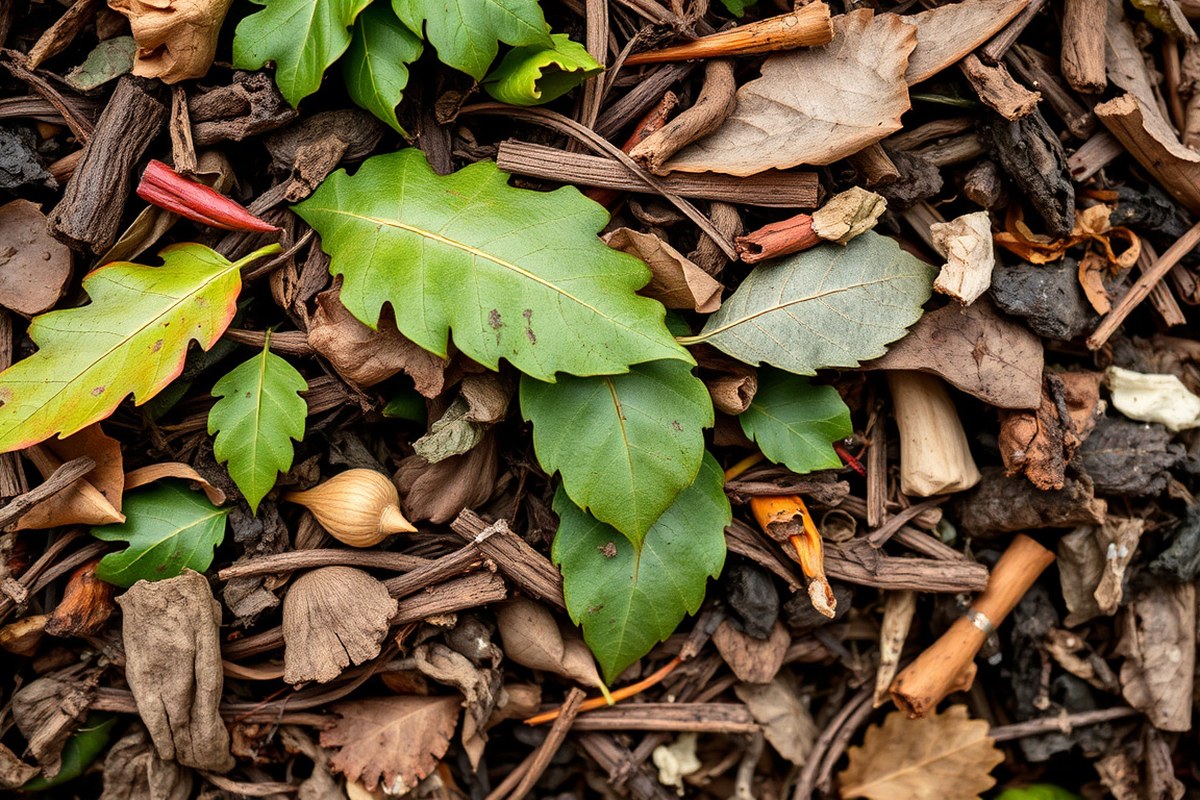
A compost pile is simply a heap of organic materials that break down naturally. It usually includes things like leaves, grass clippings, kitchen scraps, and sometimes manure. Over time, these materials break down into rich compost.
This compost is dark and full of nutrients. You can use it to improve your garden soil.
The purpose of a compost pile is to recycle organic waste into nutrient-rich humus. This soil-like material helps plants grow better. It keeps moisture in the soil longer.
It also adds nutrients back to the soil. Don’t throw yard waste and food scraps away.
A compost pile turns them into a garden resource. Your plants will benefit from this.
Choose a spot in your yard that’s about 10 by 7 feet. Make sure the spot has good drainage. This is where you’ll build your compost pile.
Start with thin layers of green and brown materials. Use kitchen scraps and dry leaves. Layer them evenly to help them break down.
Keep the pile moist, about 40 to 50 percent moisture. Add more materials as the pile grows. Aim for a pile about 3 feet tall.
Managing the pile actively helps speed up composting. That means turning it occasionally to add oxygen and keep the materials breaking down evenly. Add a thin layer of garden soil or finished compost.
This introduces microbes that help break down materials. These microbes speed up decomposition.
Good compost looks dark, crumbly, and smells earthy. It usually takes around 30 days to get usable compost if you keep conditions right. Too wet or dry, or not enough air, can slow the process or cause bad odors.
How Does the Composting Process Work?
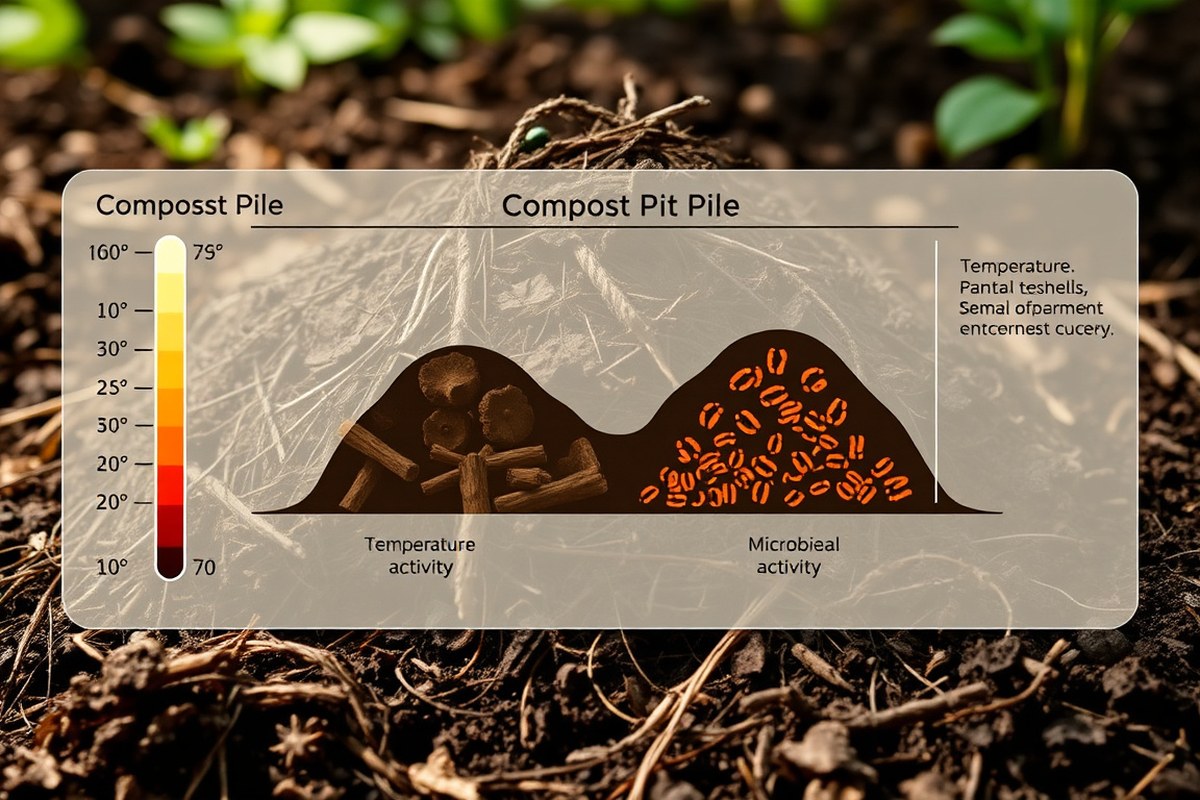
A compost pile breaks down organic materials through a natural process powered by tiny living microbes. These microbes eat scraps and yard waste. They change it into rich soil.
This process takes weeks to months. The pile heats up as microbes grow, then cools as decomposition finishes.
Microbial Roles in Decomposition
Microorganisms like bacteria and fungi eat the carbon and nitrogen in your compost pile. They need the right mix of these nutrients to work well. Good compost has enough green (nitrogen) and brown (carbon) materials for microbes to break down efficiently.
Aerobic bacteria require oxygen above 5% to keep working fast. You can help by turning your compost pile regularly to add air. Without enough oxygen, slower anaerobic bacteria take over, which can cause bad smells.
Microbes also need moisture to survive. But too much water blocks air and slows the process.
Check moisture by squeezing a handful of compost, if it drips, it is too wet. Balanced moisture keeps microorganisms active and happy.
Temperature Phases Explained
The compost pile temperature starts low and quickly rises as microbes multiply. The pile should reach at least 120° Fahrenheit within four days to compost efficiently. This heat kills many harmful seeds and pathogens.
The hot phase lasts a few weeks while organic matter rapidly breaks down. After this, the pile cools during the curing phase, which stabilizes the compost. Finished compost is dark, crumbly, and smells earthy.
Cold composting happens in smaller or less managed piles and can take up to a year. This slower process still produces good compost but requires more patience and careful balance.
How Moisture and Oxygen Affect Composting
Oxygen fuels aerobic bacteria that decompose your compost materials. Turning your pile every few days mixes air and helps keep oxygen levels high. Without enough airflow, the pile becomes wet and smelly.
Moisture content in compost should be about as damp as a wrung-out sponge. Above 60% moisture, oxygen can’t get in well, and anaerobic bacteria take over. This leads to foul odors and slows composting.
To keep moisture balanced, water the pile only when it feels dry. Add dry brown materials like leaves or shredded paper when too wet. This keeps your compost pile working smoothly and smelling fresh.
Turn your compost pile every few days to supply oxygen and speed up decomposition.
What Materials Can You Add to a Compost Pile?
You can add many kitchen scraps and yard waste to your compost pile. Aim for two to three parts browns to one part greens to keep things balanced. Avoid meat, dairy, and pet waste because they attract pests and slow decomposition.
Nitrogen-Rich (Greens) Materials
Nitrogen-rich materials provide protein and moisture for microbes to break down organic matter. These “greens” usually come from fresh, moist sources that decompose quickly. Adding too many greens without enough browns can make your pile smelly and soggy.
Common greens to add include:
- Fruit and vegetable scraps
- Fresh grass clippings
- Coffee grounds and used paper coffee filters
- Unprinted paper tea bags without staples
- Crushed eggshells
Use these materials in moderate amounts and mix them well between brown layers.
Carbon-Rich (Browns) Materials
Browns supply carbon, which acts as energy and structure for compost microbes. They are dry, fibrous, and break down slower than greens. To avoid a smelly pile, balance greens with more browns.
Aim for two to three times as many browns by volume. This helps keep odors down and compost healthy.
Common browns include:
- Dry leaves, straw, and hay
- Plant stalks and twigs
- Shredded non-glossy paper and cardboard
- Untreated wood chips and sawdust (in moderation)
Put a 6-inch thick layer of browns on top of greens. This helps keep air and moisture flowing well. Good flow speeds up composting and prevents smell.
Materials to Avoid and Why
Some materials cause problems in compost piles by attracting pests or by not breaking down properly. Backyard piles usually do not get hot enough to safely compost meat, dairy, or pet waste. Avoid these to prevent bad smells and rodents.
Also skip these items:
- Meat, fish, bones, cheese, and other dairy products
- Fats, oils, and grease
- Herbicide-treated plants and grass clippings
- Aggressive weeds or plants with seeds
- Diseased or pest-infested plants
- Treated or painted wood
- Glossy paper and produce stickers
Consider a sealed compost bin for smelly or bulky items. You might also use a commercial composting service. These options control odors better than open piles.
How to Build and Maintain a Healthy Compost Pile
Start your compost pile by choosing a good spot, then layering materials right. Keep it moist but not soaked, and turn it regularly for fast, healthy breakdown. These steps will help you make rich compost you can use in your garden.
Selecting the Site and Size
Pick a spot that’s out of direct sun to avoid drying the pile too much. A corner of your yard where grass grows poorly works well. Make sure the area is level and has good drainage to keep water from pooling underneath.
The compost pile should be at least 3 feet wide. It should also be 3 feet tall. This size helps the pile heat up well.
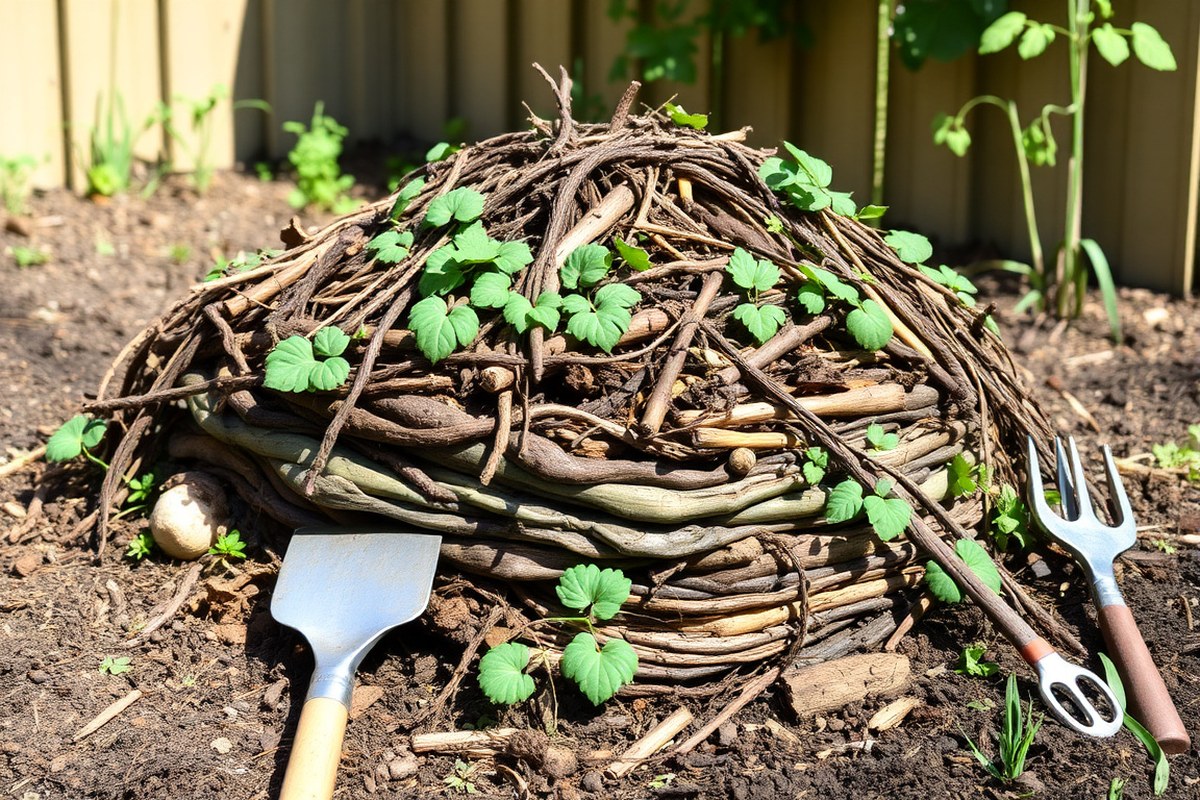
Make a base about 3 feet wide using 10 to 12 sticks. These long branches create air space underneath.
Air helps the pile break down faster. Piles smaller than 1 cubic meter (about 35 cubic feet) may stay cool and decompose slowly.
Layering Materials Correctly
Start with a base layer of sticks or branches about 6 to 12 inches thick. This gives the pile good airflow from underneath to feed microbes. On top, add alternating layers of green and brown materials to keep the mix balanced.
Green layers include kitchen scraps, grass clippings, or fresh plant trimmings. Brown layers are dry leaves, straw, or paper.
Aim for a ratio near 2 parts brown to 1 part green by volume. This ratio helps microorganisms work fast and keeps odors down.
Turning and Watering Schedule
Turn your compost pile every 4 to 6 days to add oxygen and speed up decomposition. Pushing the outside material toward the center and flipping the pile keeps it well mixed. Turning less means the pile will be slower but still break down eventually.
Keep the pile moist like a wrung-out sponge. When the pile looks dry, add water slowly. Wet it until it feels damp but not dripping.
You might need to water more often in hot weather, especially during summer. Watch for steaming or heat near 140°F (60°C), which may dry the pile.
Troubleshooting Common Problems
Too much moisture causes a smelly, soggy pile. Add dry brown materials and turn it more to fix that.
Check if the pile isn’t heating. It might be too small or need more green materials.
Compacted piles can turn slimy or stop breaking down. Break apart the pile with a pitchfork when turning to add air.
Keep an eye out for pests. Turning and covering the pile deters them and controls smells.
- Choose a shady, well-drained spot at least 3 feet wide and tall.
- Lay down a 6- to 12-inch base of long sticks for airflow.
- Add layers of green and brown materials, starting with brown.
- Moisten each layer to feel damp, not wet.
- Turn the pile every 4 to 6 days with a garden fork or shovel.
- Water the pile in dry weather to keep it moist but not soggy.
- Watch for heat around 140°F to know microbes are active.
- Add more green materials or increase pile size if it stays cool.
How Long Does It Take for Compost to Be Ready?
A well-kept compost pile takes about three to five months to be ready. Turning it regularly helps air reach the materials and speeds up decomposition. Without care, the process still happens, but it takes longer.
Finished compost looks dark brown or black and smells earthy, like damp forest soil. It feels crumbly and should not have a rotten or sour smell. These signs show the pile’s organic material broke down fully and is ready for your garden.
You can speed up compost by chopping scraps into smaller pieces before adding them. Adding a compost accelerator or keeping the pile moist but not wet also helps.
The Berkeley method, a specific fast-heat approach, can produce compost in just 18 days. But it takes extra work and monitoring.
Compost piles smaller than 1 cubic meter still work but are slower than bigger ones. Trenching waste in your garden takes about 12 months to break down and needs little effort. The pile loses weight as water evaporates from it.
Bacteria break down the waste, reducing its mass further. Overall, the pile ends up 50% to 80% lighter than before.
Turn your compost every week or two to keep it hot and break down faster.
How to Recognize and Fix Compost Pile Problems
Bad smells usually mean your compost is too wet or lacks air. Turn the pile every few days to add oxygen. Break up clumps.
Mix in dry brown materials like straw. They soak up extra moisture.
Pests mostly come from food scraps. These scraps attract animals. Also from piles too close to your house.
Avoid adding meat, dairy, and oily foods. Place your pile at least 10 feet from your home.
Cover fresh food scraps with brown material. This keeps critters away.
Soggy compost happens in rainy places or where water pools under the pile. Don’t site your compost under gutters or low spots with poor drainage. Add dry browns when it’s wet.
Turn the pile often. For dry piles, add water evenly until it feels like a wrung-out sponge, then keep turning.
Compost not breaking down means it lacks balance. It might have too few greens or browns. Or it isn’t warm enough.
Make your pile 3 to 5 feet tall. Use plenty of mixed materials. Add small amounts of nitrogen-rich materials.
Fresh grass clippings work well. Even a bit of urine helps. These increase heat and speed breakdown.
- Turn compost every 3 to 5 days for air and heat
- Add dry brown materials if smell or sogginess starts
- Keep food scraps buried under brown layers to avoid pests
- Place compost away from house and avoid flooded areas
- Add water only to reach damp, wrung-out sponge feel
- Keep pile height between 3.5 and 5 feet
- Mix diverse materials to help break down faster and resist problems
Keeping your compost balanced and aired helps avoid slow breakdown and smells. Turn the pile and keep the right wet and dry mix.
You’ll see soil-friendly compost in a few months. Check the pile regularly and fix moisture or pest issues quickly to avoid bigger problems.
Comparing Compost Piles and Compost Bins
Compost piles need more garden space because they spread out naturally. Compost bins hold materials within a fixed area, saving room. Picking a bin size depends on your available space and garden waste amount.
Piles usually require more effort to turn and manage airflow. Bins provide better structure, making it easier to keep the compost aerated.
Open bins or compost piles work well for yard waste. But bins protect better against pests when adding kitchen scraps.
| Aspect | Compost Pile | Compost Bin |
|---|---|---|
| Space Used | More area needed; spreads out naturally | Takes less space; contains waste in a fixed space |
| Effort to Manage | Needs frequent turning for airflow and moisture | Structure helps turn and aerate compost more easily |
| Speed of Composting | Good airflow can speed process but hard to maintain | Maintains heat well, especially plastic bins, speeding breakdown |
| Visual Impact | Untidy, heap form; blends with garden less | Neat, contained look; less visible mess |
| Pest Control | Open pile attracts animals if food waste added | Bins, especially closed ones, keep pests out |
Temperature keeps rising better in bins, including plastic ones. This helps materials break down faster.
You can add kitchen scraps in bins without attracting bugs. Instead, cover food waste with dry leaves or garden trimmings to discourage flies.
Small bins work best when filled fully. Half-empty larger bins won’t heat up well.
Compost piles usually have more natural air but require more effort to turn. Using both pile and bin together helps handle large garden waste and scraps efficiently.
Safety and Environmental Benefits of Compost Piles
Keep animal manure out of your home compost pile. It must heat above 140°F for several days to be safe. Otherwise, avoid adding it.
This temperature kills harmful pathogens in manure from meat-eating animals. Your pile stays cooler? Use only plant waste, grass clippings, and herbivore manure like horse or cow.
Cover the pile with a tarp when it rains. This stops extra water from soaking in. It also helps prevent smells and runoff.
Human waste should never go into home compost piles. It can carry dangerous bacteria and parasites needing industrial composting methods to make it safe. Instead, use commercial composting programs if you want to recycle human waste safely.
Manure compost works best in a windrow system. It handles large piles with controlled conditions. This helps kill germs and cut down odors.
Your compost pile reduces waste that would otherwise go to landfills, lowering methane gas emissions. Compost adds organic matter and nutrients to your soil. It improves water retention.
It also helps good microbes grow in your garden. This helps your plants grow better and reduces the need for chemical fertilizers. You’ll also avoid hauling yard waste to public compost centers, saving time and transportation emissions.
Keep your pile balanced by adding browns with wet greens. Use shredded paper, straw, or wood chips. This controls moisture and texture.
This balance helps the pile break down faster and controls odors. Big leaves and branches slow decomposition.
Chop or chip them before adding to speed things up. Monitor the temperature and turn the pile often to keep microbes active and healthy.
Wear gloves when handling manure or turning compost. Wash your hands afterward to reduce infection risk.
Step-by-Step Action Plan to Start Your Compost Pile
Follow these steps to build and keep your compost pile healthy. Watch for signs that each step is working well.
- Day 1: Pick a dry, shaded spot with good air flow for your pile. It should be easy to reach and not too close to your house.
- Week 1: Begin layering brown and green materials. You want about two parts browns to one part greens. Check that the pile stays moist but not soggy.
- Week 2: Turn or mix the pile with a pitchfork. This adds oxygen and speeds breakdown. You’ll know it’s working if the pile starts to feel warm.
- Week 3 to 4: Keep adding kitchen scraps and yard waste in the right mix. Keep the pile moist and turn it weekly. Look for a rich, earthy smell.
- After 5 Weeks: Watch for dark, crumbly soil forming at the bottom. This means your compost is nearing readiness. Stop adding new materials to this batch now.
- Week 6 to 8: Let the compost rest without turning. It should cool down and fully mature. Use it in your garden when it smells fresh and looks like soil.
- Ongoing: Start a new pile as you harvest finished compost. Rotate piles to keep steady supply and prevent odors or pests.
Frequently Asked Questions
How Often Should I Pee on a Compost Pile?
You generally shouldn’t pee on a compost pile. Human urine can add nitrogen but too much may upset the balance. Add fresh greens regularly.
Keep adding water when needed. Keep moisture at 40% to 50%.
How Do You Create a Compost Pile?
Start by layering greens and browns in thin layers. Alternate these layers, finishing with a brown layer, and keep the pile moist.
Try for a pile about 3 feet tall. Use an open space 10 by 7 feet.
Can You Put Any Food in a Compost Pile?
Not all foods belong in a compost pile. Avoid meat, dairy, and oily items as they attract pests and cause odors. Stick to vegetable scraps, coffee grounds, and fresh grass clippings instead.
What Are the Downsides of Composting?
Composting takes time and effort to maintain properly. Bad moisture or poor aeration can cause odors and pests. Also, it needs space and might attract unwanted wildlife if not managed carefully.
What Is Compost?
Compost is decomposed organic material used to enrich soil. Microorganisms break down greens and browns into dark, nutrient-rich matter. This finished product helps plants grow healthier when mixed into garden soil.
Can I Add Pet Waste to My Compost Pile?
Pet waste is not recommended for most home compost piles. It can carry harmful pathogens and needs special composting conditions to break down safely. Use it only in systems designed to handle it or dispose of it separately.
Before You Go
Good compost comes from patient care and the right materials. Start your pile today with simple layers and keep it moist. You’ll enjoy rich soil for your garden soon.