How Big Does Lavender Get: A Complete Guide with Varieties & Care Tips
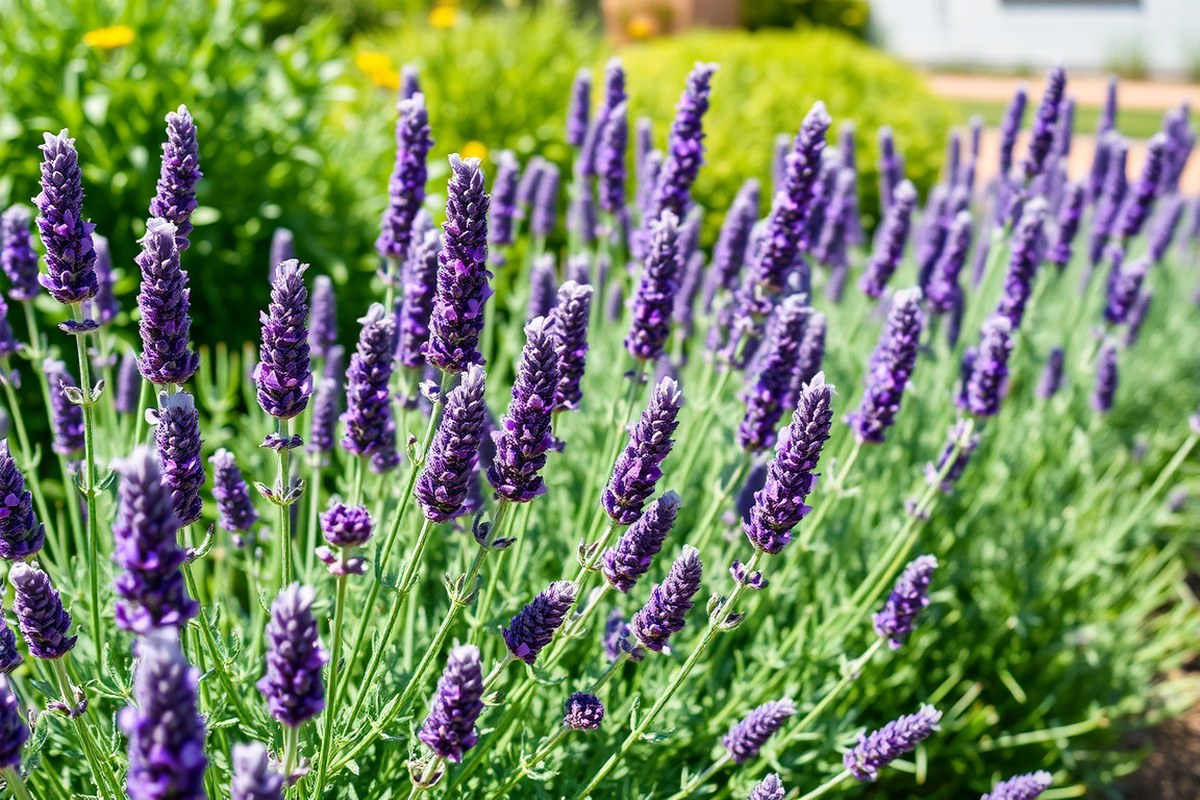
Lavender size depends on the variety you choose. Most lavenders grow 1 to 3 feet tall. They spread 2 to 4 feet wide. ‘Phenomenal’ lavender can reach 3 feet tall and wide with good care.
Smaller types, like French lavender, usually grow 12 to 15 inches tall. Space plants 12 to 18 inches apart to give them room. Start with nursery plants about 5 inches tall for a strong start.
Planting conditions affect lavender size. Well-drained soil and full sun help plants reach their potential. Crowded spaces or poor soil stunt growth and reduce flowers.
Prune lavender yearly to control size and keep it bushy. Cut back one-third after flowering to encourage new growth. This keeps your lavender healthy and tidy.
Key Takeaways
- Most lavender reaches 1 to 3 feet tall and 2 to 4 feet wide at maturity.
- ‘Phenomenal’ lavender grows large, up to 3 feet tall and wide.
- French lavender is compact, typically 12 to 15 inches tall.
- Space plants 12, 18 inches apart to prevent crowding and promote growth.
- Starting with well-rooted 5-inch nursery plants speeds size development.
- Lavender usually grows 6 to 12 inches per year, reaching full size in 2, 3 years.
How Big Does Lavender Typically Grow?
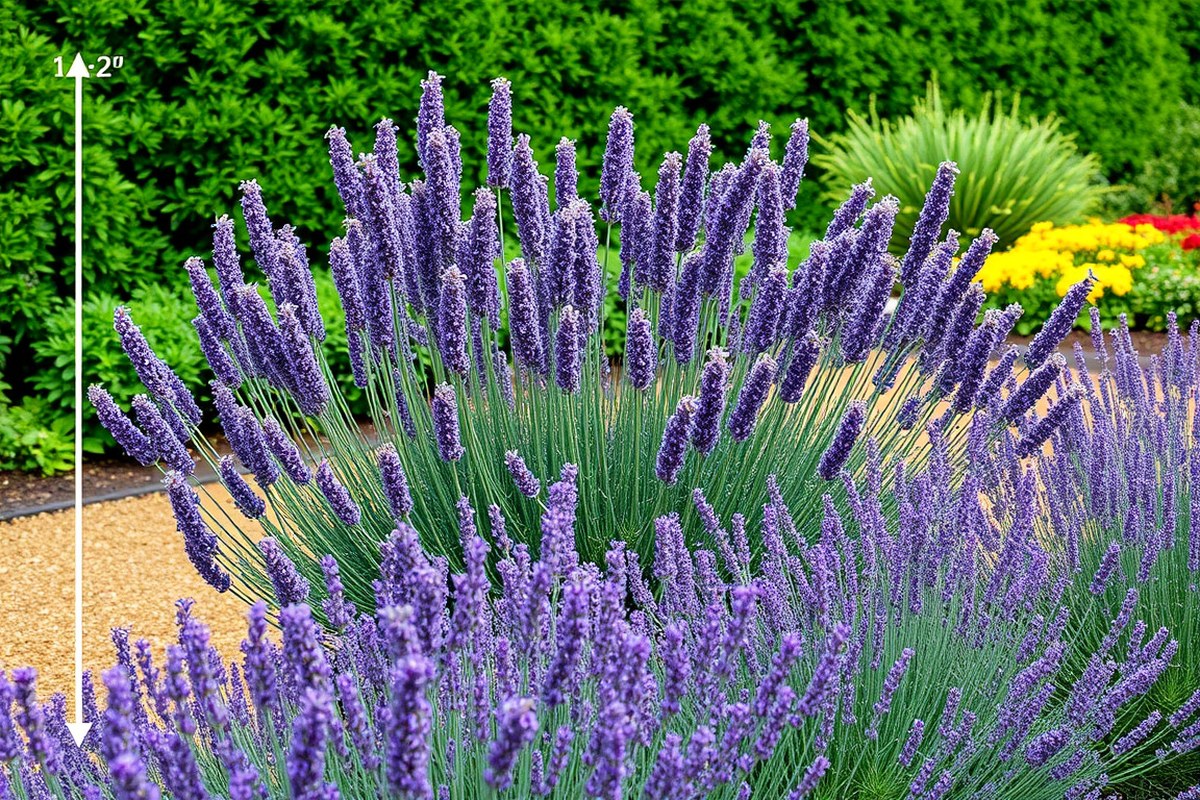
Lavender plants usually grow between 1 and 3 feet tall. Their spread typically ranges from 2 to 4 feet wide. Most common garden varieties fall within this size range.
Some compact types, like ‘Hidcote’ and ‘Munstead,’ stay smaller at about 18 inches tall. Larger varieties, such as Grosso lavender, can reach up to 3 or even 4 feet tall. Their width often matches or exceeds their height.
Growing to this size helps lavender form dense, bushy mounds that fill garden spaces well. Knowing your plant’s mature size guides how much room it needs. This avoids crowding and keeps each plant healthy.
Size Differences Among Popular Lavender Varieties
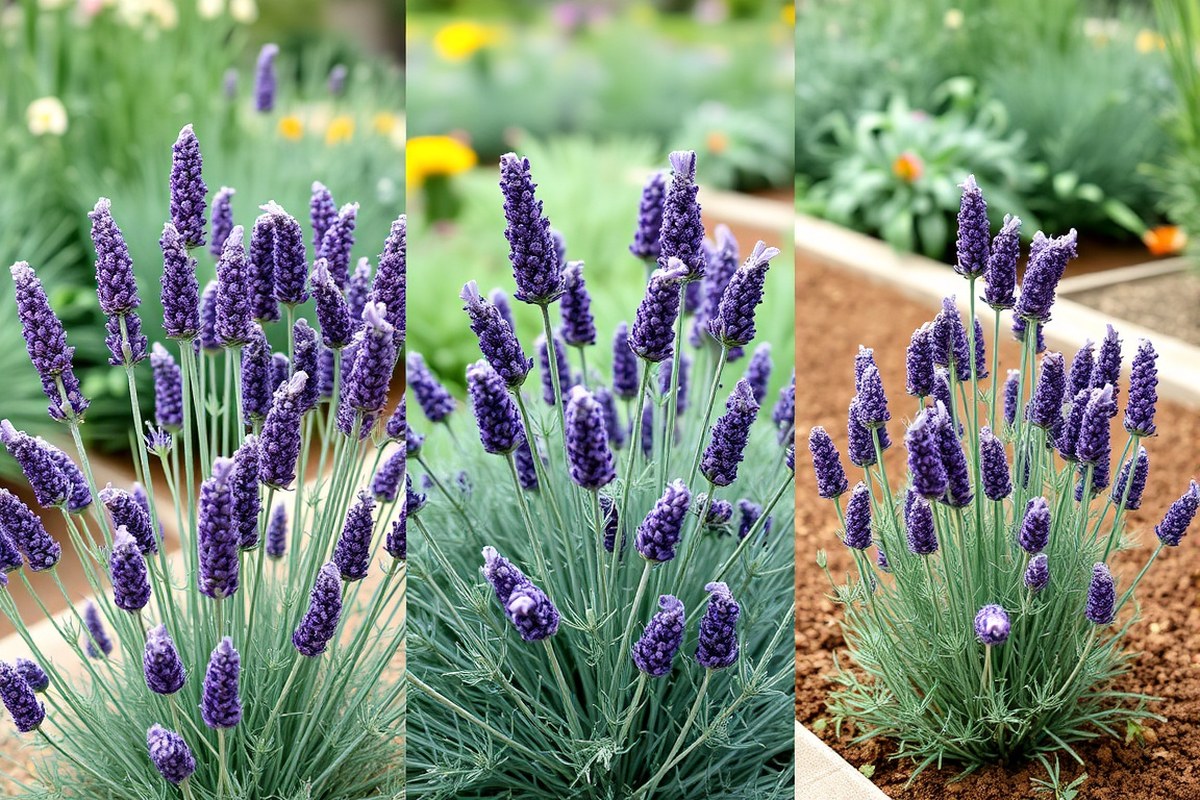
Lavender size varies widely depending on the variety. Some remain compact, while others grow into large bushes. Picking the right type helps you use your garden space well.
Dwarf Lavender Varieties
Dwarf lavender types tend to stay very small. They usually grow between 6 and 12 inches tall.
This size fits well in pots or small garden beds. Their spread stays compact, often around 12 inches wide.
Varieties like ‘Munstead’ and ‘Hidcote Blue’ fit this category. These plants offer fragrant blooms without taking much room. Use them in containers or near walkways where you want low plants.
Medium-Sized Garden Classics
Medium lavenders grow taller and wider, about 1 to 2 feet in height and spread. ‘Royal Velvet’ and ‘Buena Vista’ are popular medium varieties that fit well in most garden beds. They create fuller plants but don’t overwhelm small spaces.
These sizes work well for borders and can fit in between dwarf plants. Space medium lavenders about 18 to 24 inches apart to give them room to grow. You’ll get good flower coverage without crowding.
Large Lavender Types
Some lavender types grow big, reaching about 3 to 4 feet in height and spread. The ‘Provence’ variety is a common example that can become a striking centerpiece. Large lavenders suit big gardens or hedges where they can spread freely.
Spacing for large varieties should be 24 to 36 inches apart, allowing air flow and growth. These big bushes produce a strong fragrance and lots of flowers that fill space well. They need more room but bring bold color and scent.
Lavender Species Overview
The size difference starts with the species and specific cultivars. Spanish lavender (Lavandula stoechas) has edible flowers. It stays small, about 2 feet tall.
Its spread is also around 2 feet. Hybrid lavenders like Hidcote (Lavandula x intermedia) show medium to dwarf sizes.
Knowing species size helps plan your layout before planting. Small varieties suit containers or small yards. Larger species do well in open areas or as hedges when you want more impact.
Use this table to compare common lavender varieties by size for easy reference:
| Variety | Mature Height | Spread |
|---|---|---|
| Hidcote | 16, 20 inches | 18, 24 inches |
| Munstead | 1, 2 feet | 1, 2 feet |
| Grosso | 2, 3 feet | 3, 4 feet |
| Spanish | 2, 3 feet | 2, 3 feet |
This size guide lets you choose plants that fit your garden space well. Measure your area and pick varieties that won’t crowd each other. Proper spacing improves plant health and flower yield.
Tip: Space lavender plants 12 to 18 inches apart. This prevents overcrowding. It also helps air circulate well.
Growth Timeline: How Long to Reach Full Lavender Size
Lavender grows at a moderate pace, usually adding 6 to 12 inches each year. It takes about two to three years for lavender plants to reach their full size. This timeline applies to both seedlings and cuttings grown under good conditions.
Annual Growth Rate and Size Milestones
Lavender tends to grow steadily but not quickly during the growing season. Expect around half a foot to one foot of growth per year.
In good sunlight and soil, plants grow 1 to 3 feet tall. This happens by the third year.
This moderate growth rate means that your plant will slowly fill out its space. The slow, seasonal bursts of growth usually start in spring and pause in winter. That makes patience important if you want a dense, full shrub.
Starting Lavender: Seedlings vs. Cuttings
Seedlings usually take the full two or three years to reach size. They start smaller and need proper pots and good light to grow well. Cuttings, taken from mature plants, may establish faster but still require similar timelines to reach maturity.
Move seedlings to bigger pots like a 1-quart container. This helps them grow steadily over time. This step helps roots grow strong and healthy.
Strong roots let plants reach their full size. This happens by year two or three.
Sunlight and Soil Influence on Timeline
Lavender needs at least six hours of direct sunlight every day for the best growth speed. Well-drained soil also helps prevent root issues that slow growth.
Without enough sun or good soil, lavender grows slower. It may stay small or take longer to mature.
Providing these conditions can ensure your plant reaches its maximum height on time. Poor drainage or shade slows growth. Plants might stay small after three years.
Common Growth Timeline Variations
The climate where you grow lavender can change how fast it grows. Mediterranean-like climates help some varieties quickly reach 3 or 4 feet tall. Cooler or wetter climates often slow growth, stretching the timeline beyond three years.
Also, the lavender variety matters. Some stay smaller and reach full size sooner. Others take the full timeline or more to reach their mature height and spread.
How Growing Conditions Affect Lavender Size
Lavender needs at least 6-8 hours of direct sunlight daily to grow well. Choose a sunny spot in your garden that gets consistent light. Without enough sun, lavender grows slowly and stays smaller, with less fragrant blooms.
The type of soil affects how large your lavender will get. Lavender prefers well-drained, slightly alkaline soil with a pH between 6.5 and 7.5. Plant lavender slightly above the soil if your soil is heavy or clay-like.
This helps avoid water buildup around the roots. Don’t add organic matter that holds water.
Too much moisture causes root rot. Root rot can stunt lavender growth.
Watering plays a big role too. Lavender likes dry conditions and can suffer if overwatered. Water deeply but infrequently, letting the soil dry out between sessions.
Overwatering encourages fungi, which harms roots and stops plants from reaching full size. Adjust watering for rainy seasons or humid climates by cutting back to prevent soggy soil.
Climate zone affects growth speed and mature size. Lavender grows best in USDA zones 7 and 8, where temperatures suit its needs. In cooler zones like 5, growth is slower and plants stay smaller.
Warmer zones up to 9 allow faster growth but watch for humidity, which can cause disease. You can maximize size by matching lavender types to your zone.
Pick a sunny spot for lavender. Use light, alkaline soil, and avoid wet soil. Water your lavender sparingly.
These tips help it grow well. In heavy clay areas, raise the roots and avoid moisture-holding mulch. In humid climates, give extra airflow by spacing plants properly to prevent disease.
Sunlight, soil type, water, and climate make or break lavender size. By adjusting these carefully, you help your plants grow fuller and taller. Give your lavender consistent care and be patient.
This leads to vibrant, large bushes. They add color and scent to your garden.
Managing Lavender Size with Pruning Techniques
Pruning is a reliable way to control or reduce lavender size while keeping it healthy. Regular trimming shapes the plant and encourages bushy growth instead of woodiness.
Cutting back one-third of new green growth in spring helps. It keeps plants neat and stems strong.
Timing Your Pruning
Late spring, right after your lavender blooms, is the best time to prune. The plant has used energy on flowers, so it won’t mind a trim. Avoid pruning in late fall or winter because cold can damage new shoots.
Prune again in early autumn if needed, but keep cuts lighter. Frequent, moderate pruning between seasons fosters denser growth. This helps maintain a rounded shape and controls height naturally.
Pruning Tools and Methods
Use sharp pruning shears for clean cuts and less stress on the plant. Dirty or dull tools can spread disease and harm stems. Handheld bypass pruners work well for small branches, while loppers help on thicker stems.
Make cuts just above a leaf node or branch junction. It guides new growth to develop evenly. Remove dead, damaged, or woody stems entirely during your pruning session to improve air flow.
Shaping for Size Control
Begin pruning by cutting back about one-third of the plant’s green growth. Shape lavender into a low mound with rounded edges to avoid bare woody spots. Keep the center open enough to allow sunlight and air inside the bush.
Focus on reducing height if your lavender grows too tall. Pinch or trim the top growth harder, but don’t cut into old wood. Avoid pruning more than half the plant at once to prevent stress.
For container-grown lavender, regular pruning keeps size manageable and encourages flowering. Trim lightly during the growing season and deeper in spring when needed to renew growth.
- Inspect your lavender for any dead or brown stems and remove them.
- Cut back approximately one-third of the green leafy growth above the woody base.
- Shape the plant into a rounded mound with even sides.
- Trim taller stems more if reducing height is your goal.
- Avoid cutting into the old woody stems to prevent plant decline.
- Remove all cuttings to reduce disease risk and keep space neat.
- Clean tools before and after pruning to prevent infections.
Don’t prune lavender in late fall; new growth may be damaged by cold weather.
Common Pruning Mistakes
One error is pruning too late, which can hurt new shoots and flowering next season. Another is cutting too deep into old wood, causing slow or no regrowth. Avoid heavy pruning in drought periods to prevent stress.
Some gardeners prune irregularly or too lightly, letting lavender become leggy and sparse. Lack of pruning reduces airflow and increases disease chances. Consistent, timely cuts keep plants full and healthy.
Relying on sprinkler watering can also harm lavender health, making pruning less effective. Water at the base of the plant to keep foliage dry and reduce fungal problems.
How Container Growing Influences Lavender Size
Growing lavender in containers limits its size because roots can’t spread out. Plants in pots tend to be 20 to 30 percent smaller than those in the ground. This natural root constraint keeps the plant manageable and perfect for patios or small spaces.
Choose pot sizes based on the lavender variety’s expected size. Dwarf or compact varieties do well in containers around 12 to 16 inches in diameter. This gives roots enough room to grow without crowding or stunting the plant.
Larger lavender types like English or French lavender prefer bigger pots. They need more room for their wider root systems. Bigger pots help them grow healthier and stronger.
For these, pick containers at least 16 inches wide and deep. Bigger pots help the plant develop a strong base and fuller foliage.
Water deeply but less often to encourage roots to grow downward, not spread superficially. This keeps the plant healthy and supports more compact growth. Remember that proper drainage is a must to avoid root rot in pots.
Watch your container lavender’s growth after the first year. Check the pot size and your watering habits. Adjusting these helps encourage better growth.
A too-small pot limits root space, and overly frequent watering can cause problems. Upgrading to a larger pot may be needed to encourage healthy size development.
Container-grown lavender benefits from choosing varieties suited for confined spaces. This helps you avoid dealing with an overgrown plant indoors or on your deck. In larger gardens, bigger pots allow more variety options with fuller, taller lavender.
Spacing Lavender Plants for Optimal Growth
Lavender needs enough space to grow fully and avoid crowding. Planting too close limits airflow and sunlight, which can stunt growth and reduce flower size.
Space depends on whether you’re planting single lavenders or creating a hedge. For single plants, leave at least 2 to 3 feet between each one. This distance matches their mature spread and helps each plant develop a strong root system.
When planting a lavender hedge, space your plants 18 to 24 inches apart. This spacing encourages a dense, uniform hedge without overcrowding. It gives each plant enough space to grow freely.
It also helps air flow through the row. This air circulation reduces the chance of disease.
- For single plants, leave 2 to 3 feet between each lavender.
- For hedges, space plants 18 to 24 inches apart.
- Ensure good soil drainage to keep roots healthy.
- Plant lavender in full sun for best growth.
- Avoid planting where air circulation is poor.
- Hold back on watering too much to prevent root rot.
Giving your lavender enough room means it can spread to its natural size. It will have abundant flowers and a stronger fragrance. Crowded plants tend to grow tall and thin, with fewer blooms and more disease problems.
Spacing properly also means you’ll spend less effort pruning. When plants are crowded, you must prune aggressively to keep the shape and prevent crowding. Starting with the right spacing minimizes this work and keeps plants healthy for years.
Common Growth Issues That Affect Lavender Size
Lavender plants that stay smaller than expected often suffer from avoidable growing errors. They need full sun and well-drained soil to thrive. Shady spots limit their size, making them slender and spindly instead of bushy and full.
Watering mistakes can cause slow growth. Overwatering is the main culprit and leads to stunted roots and disease.
Lavender prefers dry to medium moisture, so let soil dry out between waterings. Too much water suffocates roots and invites root rot, halting growth completely.
Lavender thrives in well-drained sandy or loamy soil with a pH between 6 and 8. Soil that is heavy clay or too acidic holds too much water around roots. This waterlogging restricts root development and leads to smaller plants with poor flower production.
You can tell if poor size signals health problems by watching the leaves and stems. Yellowing or wilting often means watering or soil issues. Brown leaf edges might indicate root disease from overwatering.
Soft, mushy roots confirm rot. Healthy lavender leaves stay gray-green, firm, and vibrant.
Water lavender only when the top inch of soil is dry. This helps stop root rot. It also keeps your plants from growing poorly.
Fix common growth problems by adjusting light, soil, and water habits. Move lavender into spots that get at least six hours of sun daily.
Improve soil drainage by mixing sand or small gravel into clay soils before planting. Use raised beds or pots with good drainage holes.
Water less frequently but deeply, about once a week during dry spells. Check soil moisture with your finger; only water when it’s dry 1 inch down. Avoid soggy soil by cutting back on watering after rain.
Spotting root rot means cutting off bad roots. Then, replant your lavender in new, fresh soil.
Test soil pH using a home kit or send a sample to a local extension office. Amend overly acidic or alkaline soil by adding lime or sulfur based on test results. This helps roots absorb nutrients well, encouraging larger, healthier lavender plants.
Step-by-Step Action Plan to Control Lavender Size
Follow these clear steps to manage your lavender growth well. Each step helps you keep your plant healthy and the right size for your space.
- Before Planting: Choose a lavender variety that matches your garden size needs. Look at mature size info on seed packets or plant tags to pick wisely.
- At Planting: Space plants 12 to 18 inches apart. You’ll see better airflow and healthy growth between plants.
- Week 2 to 4: Water new plants moderately. Check soil moisture with your finger; it should be just damp, not soaked.
- After 6 Weeks: Start pruning spent flowers to encourage bushier growth. Cut just above the woody stems to avoid damage.
- Month 3 and Every Spring: Trim lavender back by one-third to half, avoiding old wood. Your plant should look balanced and can fill out better.
- Ongoing: Monitor for pests or diseases like root rot. Look for wilting or yellow leaves and treat early to protect size.
- Container Growing: Repot every 2 years with fresh soil into a pot just one size bigger. Your lavender won’t outgrow the container.
Frequently Asked Questions
Can Lavender Grow Bigger Than 3 Feet?
Most lavender varieties top out around 3 feet tall. Some hybrids may grow slightly larger but won’t exceed 4 feet in typical home conditions.
Does Lavender Spread Out More Than It Grows Tall?
Lavender usually spreads wider than it grows tall. A mature plant can grow 2 to 4 feet wide. It creates a bushy look in your garden.
How Often Should I Repot Lavender to Control Size?
You should repot lavender every 2 to 3 years. This helps refresh soil and prevents overcrowding in containers.
Can Lavender Tolerate Being Planted Close to Other Shrubs?
Lavender needs space to avoid competition for nutrients and air. Keep at least 12 to 18 inches between lavender and other plants.
Is It Normal for Lavender to Stop Growing After a Couple of Years?
Yes, lavender often slows down after 2 to 3 years. Pruning helps keep plants healthy and encourages new growth.
How Long Can a Single Lavender Plant Live?
Lavender plants typically live 5 to 7 years. Proper care can extend their lifespan somewhat beyond that range.
Key Points to Remember
Lavender size depends on variety, care, and pruning. You can easily control it with proper spacing and timely trims. Start by picking the right variety for your space today.