How to Clean Houseplant Leaves: 8 Effective Methods for Healthy Plants
How to clean houseplant leaves is a common question among indoor gardeners. The best way is to gently remove dust and dirt to help plants absorb more light. Start by spraying leaves with lukewarm distilled water.
Let it soak for a few minutes. This loosens the grime on the leaves.
Cleaning your leaves lets more light reach the plant, which boosts photosynthesis. Dust can block up to 30 percent of light, slowing plant growth. You’ll notice your plants looking fresher and healthier right after cleaning.
Be sure to avoid harsh scrubbing that might damage delicate leaves. Use soft cloths or brushes with clean, gentle strokes. Also, try not to clean your plants late at night to avoid stressing them.
Key Takeaways
- Spray leaves with lukewarm distilled water and let sit for 5 minutes first.
- Use soft brushes or cloths to clean without damaging leaves.
- Cleaning helps restore up to 30% of lost light for your plants.
- Avoid cleaning plants late at night to reduce stress on them.
- Keep brushes 100% clean before using them on your plants.
- In dusty homes, clean leaves every 4 to 6 weeks to keep them healthy.
1. Why Cleaning Houseplant Leaves Boosts Plant Health
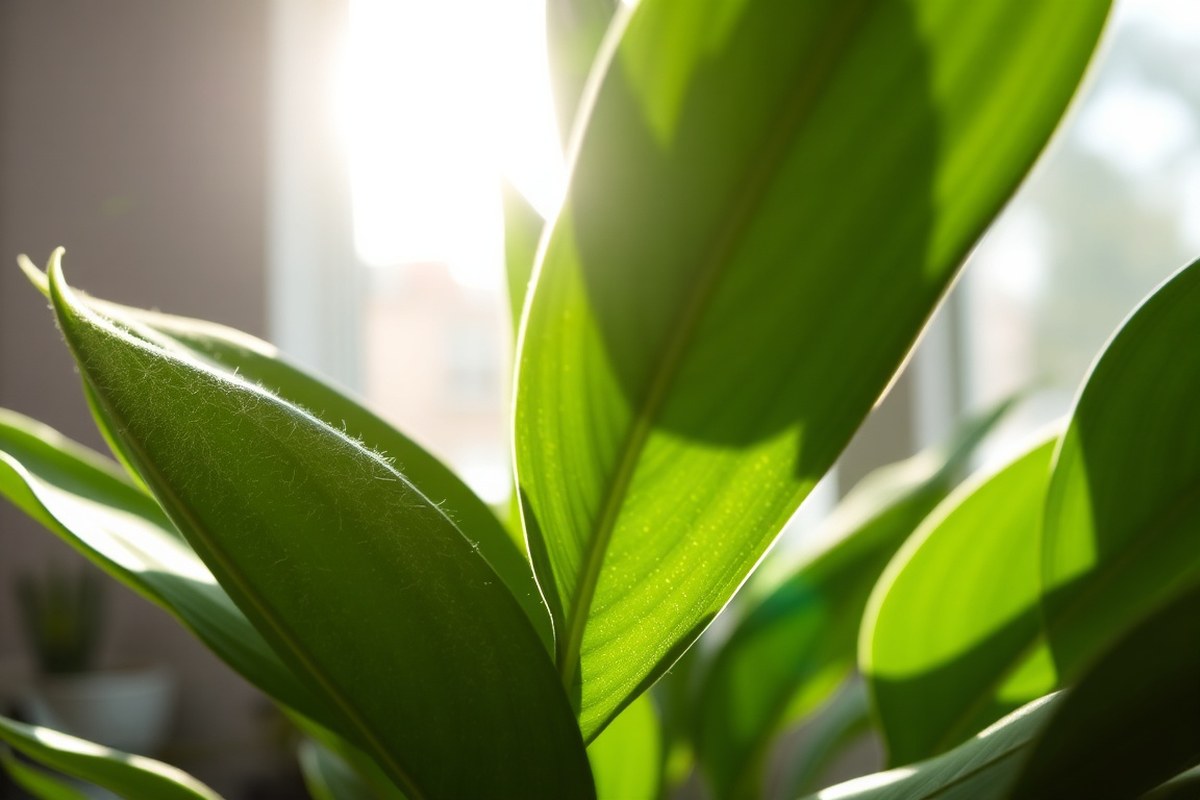
Cleaning houseplant leaves helps them soak up sunlight better. Dust and dirt on leaves can block up to 30% of light, cutting down photosynthesis. When plants get less light, they don’t grow as well or stay healthy.
Wiping leaves also makes it easier to spot pests early. Bugs hide well on dirty leaves.
But clean leaves show damage or signs of pests more clearly. Catching pests early means you can treat your plant before the problem gets worse.
Besides health benefits, clean leaves look nicer and enrich your indoor space. Removing dust lets leaves shine and shows off their natural color and texture. This simple step boosts your plant’s vitality and freshness, making your home feel brighter and cleaner.
2. Tools and Materials Needed to Clean Houseplant Leaves
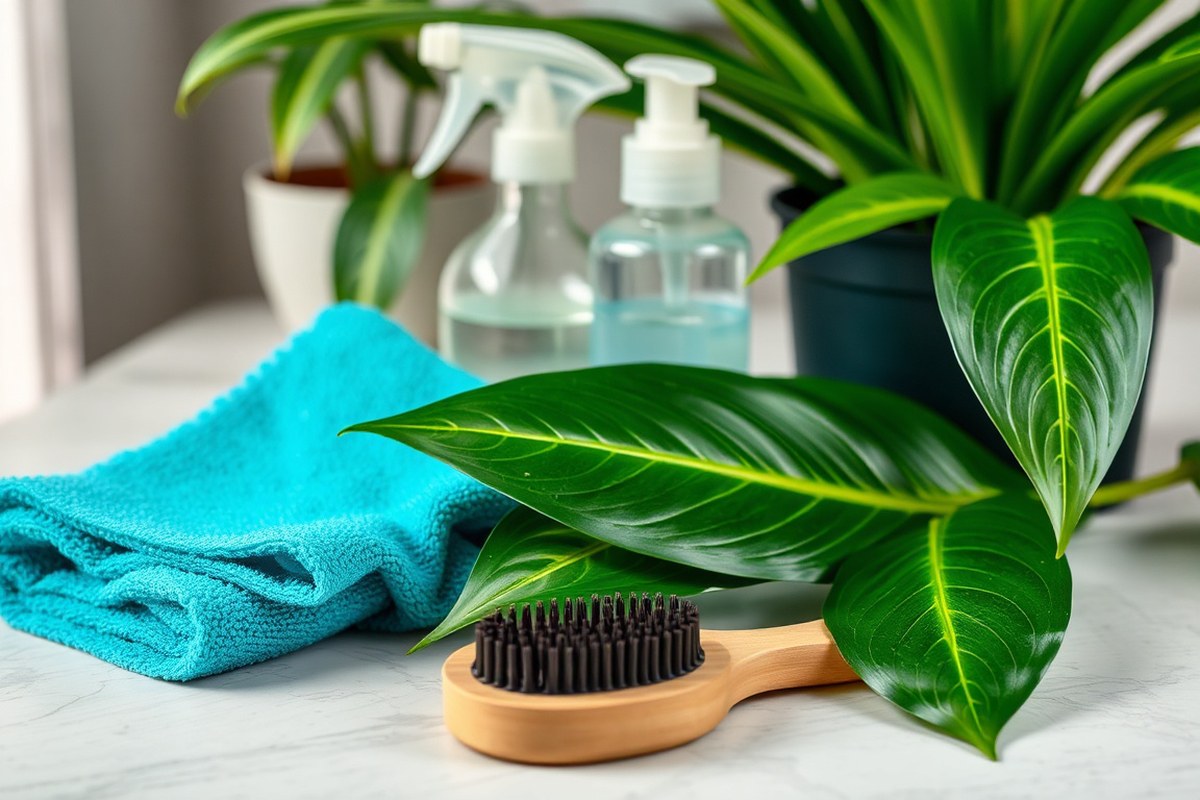
Cleaning houseplant leaves needs simple tools and safe products you can find around the house. Avoid leaf shine products. They often block tiny pores on leaves.
This hurts the plant’s breathing. Instead, use gentle items that won’t harm your plants or leave a plastic look.
You can clean leaves effectively with a few basic materials, like a soft cloth or sponge. Lukewarm water is best. Cold water can shock the leaves.
Hot water might burn them. Add a drop of mild dish soap for insects or sticky spots. Rinse with plain lukewarm water afterward.
- Microfiber cloth or a soft sponge for wiping large, smooth leaves
- Soft brush for fuzzy or textured leaves to avoid damage
- Bowl or spray bottle with lukewarm water (around 75°F to 85°F)
- Few drops of mild dish soap to mix in water for pest removal
- Cotton swabs or small brushes for cleaning delicate leaves or crevices
- Spray bottle for a gentle mist rinse after cleaning
- Household items like a teaspoon of vinegar diluted in a gallon of water for occasional cleaning
Always rinse leaves with plain lukewarm water after using soap or vinegar solutions. Washing off these residues prevents buildup and keeps leaves healthy.
Soft cloths clean smooth leaves well. Use them on fiddle leaf figs and monstera plants.
Never use leaf shine sprays. They block leaf pores and reduce your plant’s health.
3. Cleaning Large, Smooth Leaves: Best Techniques
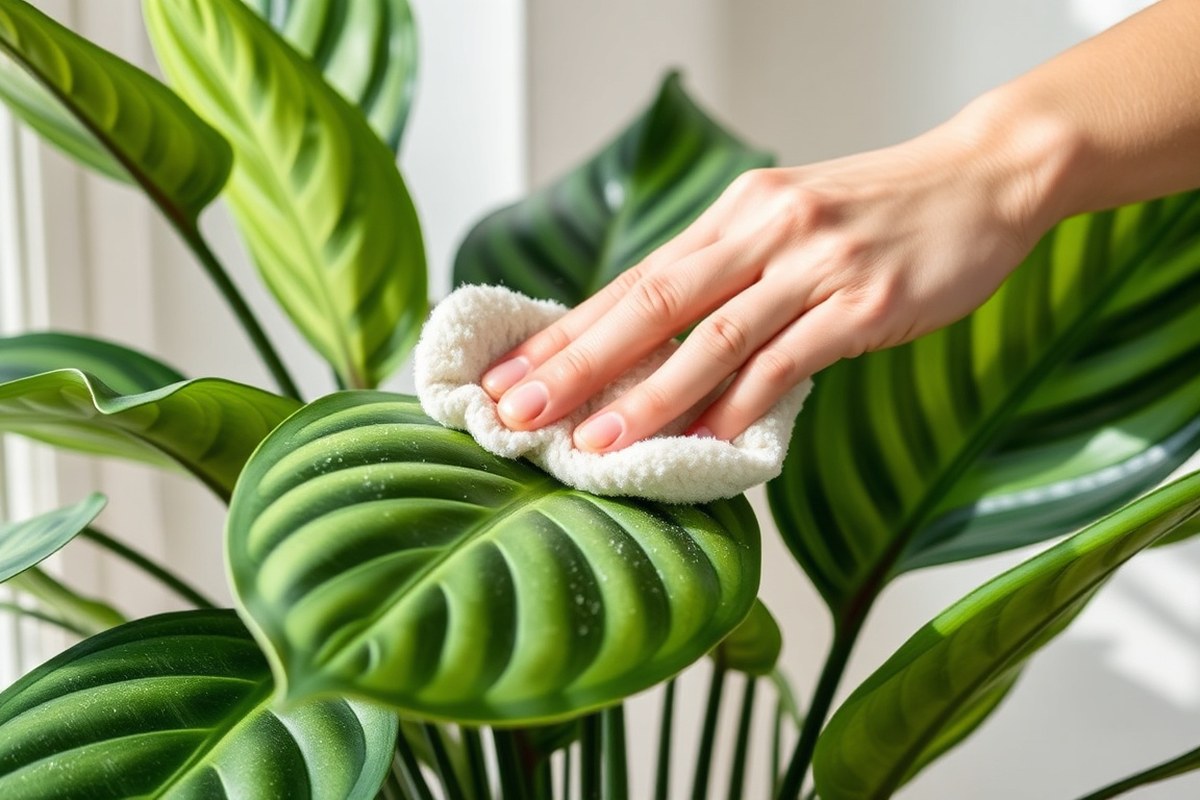
Cleaning large smooth leaves like Monstera or Fiddle Leaf Figs takes care. Use a soft cloth and lukewarm water to wipe gently. This keeps leaves clean without hurting them.
Avoid harsh chemicals or oils that can clog pores. Begin cleaning from the top leaves of your plant.
Work downward to clear dust and buildup. This method helps avoid damage while cleaning.
Preparing the Leaf and Tools
Start by gathering a soft microfiber cloth and a bowl of lukewarm water. Avoid rough fabrics that can scratch or damage the leaf surface. Choose a calm spot with good light to see dirt clearly.
Remove any damaged leaves with sharp, clean scissors before cleaning. This prevents spreading disease and helps your plant focus energy on healthy leaves.
Step-By-Step Wiping Technique
Use the microfiber cloth dampened in lukewarm water, not soaked, to avoid dripping on soil. Wipe leaves gently, supporting each leaf with one hand to stop bending or tearing. Work slowly from the top down, cleaning both leaf tops and undersides.
Follow these steps to clean large, smooth leaves safely:
- Dry dust leaves first with a soft brush or dry cloth to remove surface dirt.
- Dip the microfiber cloth lightly into lukewarm water.
- Wring out excess water to keep the cloth just damp.
- Hold the leaf steady with one hand.
- Gently wipe the leaf surface from base to tip in smooth strokes.
- Flip the leaf and wipe the underside with the damp cloth.
- Rinse the cloth frequently and repeat wiping as needed.
- Wipe any drips with a dry cloth to prevent water spots.
Drying and Post-Cleaning Care
Let the leaves air-dry fully before returning the plant to bright light. This avoids water spots or fungus on wet leaves. Watch for any leftover residue and wipe again if needed.
Keep cleaning these leaves once a month as part of your routine. Avoid slippery cleaning solutions or oils that leave streaks. Proper care keeps your plant shiny and healthy for months.
4. How to Clean Small, Bushy, or Delicate Leaves Safely
Small, delicate, or bushy leaves need gentle cleaning to avoid damage. Wiping each leaf can harm fragile foliage.
So misting or a gentle shower works better. Using lukewarm water and careful drying keeps your plant safe and fresh.
Selecting the Right Cleaning Method by Leaf Delicacy
Leaves that are small and soft, like ferns and Calathea, cannot handle rough wiping. Smooth, bigger leaves tolerate cloth wiping, but tiny ones get torn or bruised easily. Instead, opt for water-based methods that avoid physical stress on delicate parts.
Plants with many tiny or bushy leaves usually respond best to a gentle water rinse. Misting with clean water lightly wets them without soaking. Showering on a low setting rinses accumulated dust and dirt without pressure.
Using Gentle Misting or Shower Rinse
To start, place your plant in a sink or bathroom to control water flow. Use lukewarm water between 70 and 85 degrees Fahrenheit for safety. Cold or hot water could shock or burn tender leaves.
Use a spray bottle filled with clean water for misting. Hold the sprayer 6 to 12 inches from leaves, misting evenly to wet surfaces without pooling. For small, bushy plants, a gentle shower setting works best to rinse all leaves at once.
Follow these steps for misting or shower rinsing:
- Move your plant to an area where water drainage won’t cause a mess.
- Check water temperature, aiming for lukewarm between 70°F and 85°F.
- Fill a spray bottle with clean water for misting or prepare the shower on low pressure.
- To mist, spray leaves evenly from 6 to 12 inches away until lightly wet.
- To shower, gently rinse leaves under low water flow to avoid damage.
- Ensure all leaves receive water to remove dust and grime.
- Move the plant back to its normal spot for drying.
Drying Tips to Prevent Fungal Issues
Moisture lingering on delicate leaves invites fungus and rot. After rinsing, shake off excess water carefully. Then, let leaves air dry in a warm, ventilated area.
Avoid placing wet plants in direct sunlight, which can burn soft leaves. Use a fan nearby for quicker drying if the air is stagnant. Fully dried leaves stay healthy and look brighter with less risk of disease.
5. Cleaning Fuzzy or Textured Leaves: Special Care Tips
Fuzzy or textured leaves need special care since water can leave spots or damage the hairs. Dry brush softly using a soft brush to remove dust gently. This method helps protect the delicate leaf surface.
Use light strokes to avoid damage. Avoid scrubbing or wetting these leaves to keep their texture nice and healthy.
Choosing the Right Brush or Tool
Choose a soft-bristled paintbrush or a clean makeup brush. These work well on fuzzy leaves like African violets. They clean without hurting the plant.
These brushes gently clear dust without mashing or scraping the leaf hairs. Avoid stiff brushes or rough cloths that can harm the leaf’s texture.
Make sure your brush is completely clean before use. Dust or residues on the brush can transfer back to the leaves. A new or freshly washed brush works best to keep leaves fresh and spotless.
Dry Brushing Technique
Hold your brush softly and sweep dust away with light strokes. Brush leaves from the base to the tip carefully. This removes all dust without shaking it loose.
Keep the dust from spreading around. Keep pressure low. Too much scrubbing risks pulling off leaf fuzz or injuring the leaf.
Use small, quick strokes rather than large slow ones. This technique gently removes buildup without harming the leaf’s surface. You only need a minute or two per plant to keep them free of dust.
Handling Stubborn Dust or Residue
Try a barely damp microfiber cloth if dry brushing won’t remove all dirt. The cloth helps lift stubborn dirt gently. Keep it just slightly wet.
Lightly wipe with minimal moisture to avoid water spots or damaging hairs. Always test a small area first to be sure the leaf handles the dampness well.
Stubborn residues might need repeating the dry brushing before gentle damp wiping. This two-step method keeps the fuzzy or waxy texture intact. Never dip leaves in water or spray heavily; that causes spots or mold risk.
- Choose a clean, soft-bristled paintbrush or makeup brush.
- Hold the brush gently and start brushing from leaf base to tip.
- Use light, quick strokes to lift dust without pressing hard.
- Shake the brush outdoors to remove collected dust often.
- Test a small leaf spot with a barely damp microfiber cloth first. This ensures the plant won’t react badly. Only use more if it’s safe.
- Gently wipe only if the leaf handles moisture without spotting.
- Repeat dry brushing if some dust remains before damp wiping.
- Keep leaves upright during cleaning to prevent moisture buildup.
Never scrub fuzzy leaves hard or use water directly; it can cause water spots and damage.
6. Safe Homemade Cleaning Solutions for Houseplant Leaves
Many household products work well to clean houseplant leaves. Plain soapy water is the easiest and safest option. It removes dust and grime without harming the plant’s pores or leaves.
Vinegar and lemon juice are more acidic, so use them cautiously. Vinegar can break down buildup, but rinse leaves with clean water right after. Lemon juice diluted in water (about half a lemon in a pint).
It may help lift residue but can stress sensitive leaves. Milk shines leaves but may clog pores if left on too long.
| Cleaning Solution | Ingredients | How to Use | Notes & Safety |
|---|---|---|---|
| Soapy Water | 1 drop mild liquid soap + 1 cup lukewarm water | Gently wipe leaves with a soft cloth dipped in the solution | Safe for all plants; rinsing usually not needed |
| Vinegar Solution | 1 part white vinegar + 4 parts water | Wipe leaves; let sit 1 minute; rinse thoroughly with water | Avoid frequent use; rinse to protect leaf pores |
| Milk Blend | Equal parts milk and water | Wipe leaves gently; rinse if residue appears | Use sparingly; avoid buildup that clogs pores |
| Lemon Juice Mix | Juice of ½ lemon + 1 pint water | Use on leaves needing residue removal; rinse promptly | Can harm sensitive leaves; test on a small area first |
| Leaf Shines and Oils | Commercial products or household oils | Generally not recommended for indoor plants | Can clog stomata and block transpiration |
Always wipe gently and avoid strong scrubbing. After using any acidic mixture, rinse leaves with clean water right away.
Oils and store-bought leaf shines may make leaves glossy. But they can prevent the plant from breathing.
Choosing the right mix depends on your plant type and how dirty the leaves are. Soapy water suits most plants for routine cleaning.
Vinegar or lemon juice suits stubborn buildup but use them only occasionally with proper rinsing. Milk works well for occasional shine but watch for residue.
7. How Often Should You Clean Your Houseplant Leaves?
How often you clean houseplant leaves depends on your indoor environment and dust levels. Check your plants every one or two weeks. You should clean your leaves when you see dust or dullness.
Plants in dusty or high-traffic areas need cleaning more often. For example, homes near busy roads or with pets usually collect more dust. Clean the leaves every one to two weeks.
This keeps pores open. Photosynthesis works better when leaves stay clear.
Plants in cleaner air or less disturbed spots can go a month or more without cleaning. Some plants with thick, smooth leaves show buildup quicker, so check those weekly. Bushy or fuzzy leaves might trap dust in tiny crevices and need gentle cleaning more often.
Seasonal changes affect how fast dust settles on leaves. Indoor heating in winter can dry the air and increase dust buildup. You might need to clean leaves every week during winter months.
In spring and summer, fresh air lowers dust on leaves. Open windows can help. You might clean leaves less often then.
Check leaves for a dull or dusty film. This shows they need cleaning. Dust can block sunlight and harm plants.
Leaves that look less shiny or have visible particles need a wipe or spray. Spray leaves with distilled water first.
Wait five minutes before wiping. This loosens dirt without hurting the leaf.
8. Avoiding Mistakes When Cleaning Plant Leaves
Using sticky oils or waxes on leaves is a big mistake. They trap dust and block pores, stopping photosynthesis. This means your plant can’t make enough energy, slowing growth and health.
Rubbing leaves too hard or with rough materials causes physical damage. Torn or bruised leaves get weak spots, and pests can enter there. Always use a soft cloth or a gentle brush to avoid scratching or tearing.
Residue buildup happens when you use soaps or sprays that leave a film. This layer can clog leaf pores and attract pests like aphids and spider mites. Choose natural homemade cleaners to prevent harmful buildup and keep leaves shiny and clear.
- Clean leaves in the morning to prevent dust build-up
- Wipe gently with a soft, damp microfiber cloth
- Avoid products with oils, waxes, or sticky agents
- Test cleaning solutions on one leaf first
- Don’t scrub leaves; use light, circular motions
- Rinse leaves with water after cleaning if using soap
- Remove damaged leaves to prevent pest spread
Use clean scissors to cut off damaged leaves. This helps plants save energy. It focuses on the healthy parts instead.
Notice sticky stuff? Check for pests or leftover residues.
Treat them as needed. Cleaning with the right tools and products helps plants breathe and thrive.
Sticky oils on leaves block pores and cause pest problems, so avoid them.
Step-by-Step Action Plan for Cleaning Houseplant Leaves
Follow this easy plan to keep your houseplants clean and healthy. Start small and build the habit.
- Before you begin: Gather your tools and a gentle homemade cleaner. Check the plant type to choose the right method.
- Day 1: Dust large, smooth leaves with a soft cloth. Look for a shine and no dust left behind.
- Week 1: Rinse small or delicate leaves with lukewarm water using a spray bottle. The leaves should look fresh, not soggy.
- Week 2: Gently brush fuzzy or textured leaves with a soft paintbrush. Confirm no dirt particles remain caught in fuzz.
- After 3 weeks: Use your homemade cleaning solution on a few leaves. Notice brighter, healthier looking leaves without damage.
- One month in: Check leaves closely for pests or sticky residue. Clean again if needed, focusing on affected areas only.
- Every 4 weeks: Repeat the cleaning routine based on your plant’s condition and environment. Healthy leaves stay dust-free and vibrant.
Frequently Asked Questions
Can I Use Just Water to Clean Houseplant Leaves?
Yes, plain water works well for most houseplants. It removes dust without harming leaves or soil.
Should I Clean Houseplant Leaves Outdoors or Indoors?
Cleaning indoors is fine if you protect the area with towels. Outdoors works best for messy plants or strong light.
How Do I Handle Sticky Residue on Houseplant Leaves?
Use a mix of water and a tiny bit of dish soap. Wipe gently with a soft cloth to remove stickiness.
Can I Use Leaf Shine Products on My Plants?
Leaf shine is not recommended as it can clog pores and damage leaves. Natural cleaning keeps plants healthy longer.
What’s the Best Way to Dry Cleaned Houseplant Leaves?
Pat leaves dry gently with a soft towel or let air dry. Avoid rubbing hard to prevent damage.
Can I Use Vinegar to Clean Houseplant Leaves?
Vinegar is too strong and can burn leaves. Stick to mild soap and water solutions instead.
Before You Go
Keeping your houseplant leaves clean improves their health and appearance. Start with a small cleaning today to see quick results. Regular care keeps your plants happy and pest-free for the long term.