How to Identify Lawn Grass Types: A Complete Guide with Easy Checks
Knowing how to identify lawn grass types helps you care for your lawn better. Start by checking when your lawn greens up in spring.
Cool-season grasses start growing around 40 to 50 degrees Fahrenheit. Warm-season grasses green up near 60 to 70 degrees.
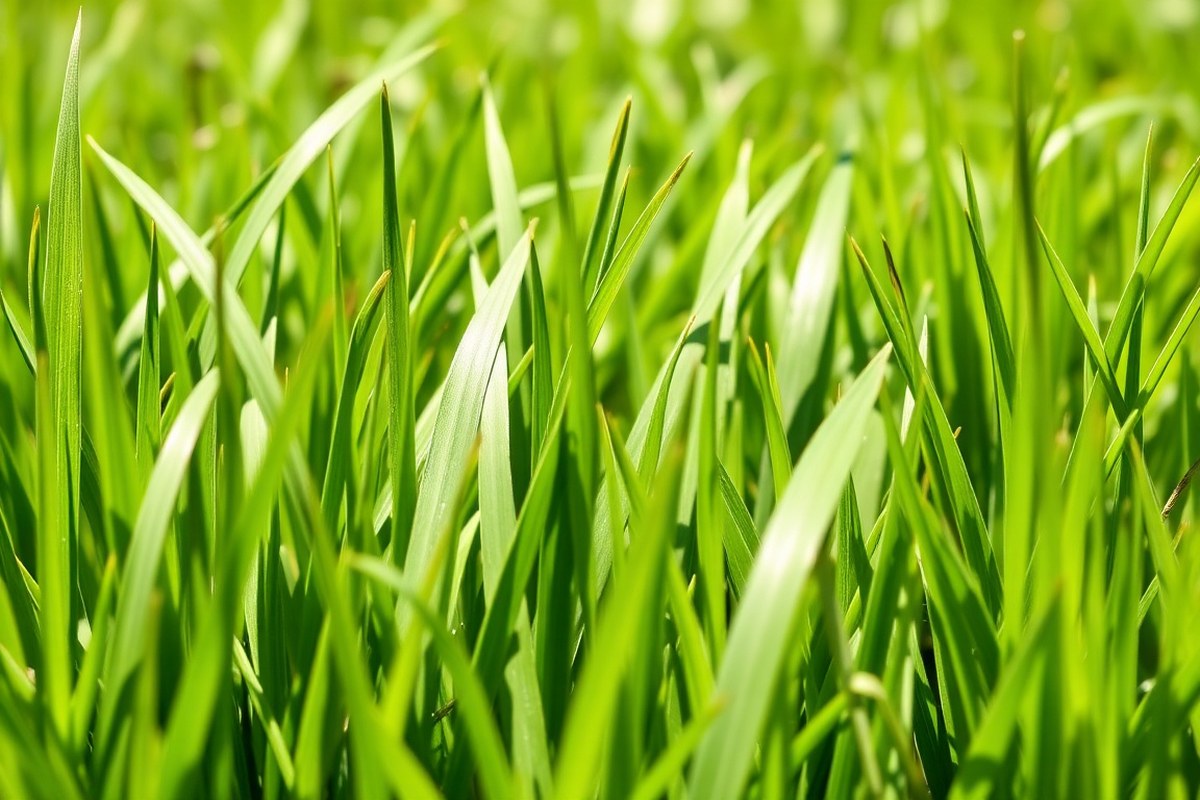
Look closely at blade shape and leaf tips for clues. For example, Bermuda grass has thin blades and thrives cut at 1 to 1.5 inches. In contrast, tall fescue has wide, coarse blades and grows in clumps rather than spreading evenly.
Also, note your climate zone and the grass’s growth pattern. Cool-season grasses grow fast in spring but slow in summer. Warm-season grasses live best in hot months and green up late.
Key Takeaways
- Identify grass by observing green-up temperature in early spring.
- Check blade width and leaf tip shapes to narrow down grass type.
- Use mowing height to tell if grass is Bermuda or tall fescue.
- Note your local climate to match common cool- or warm-season grasses.
- Watch how your lawn grows: bunch versus spreading growth patterns help ID.
- Know that most US lawns rely on about 10 common grass types.
How to Quickly Identify Your Lawn Grass Type
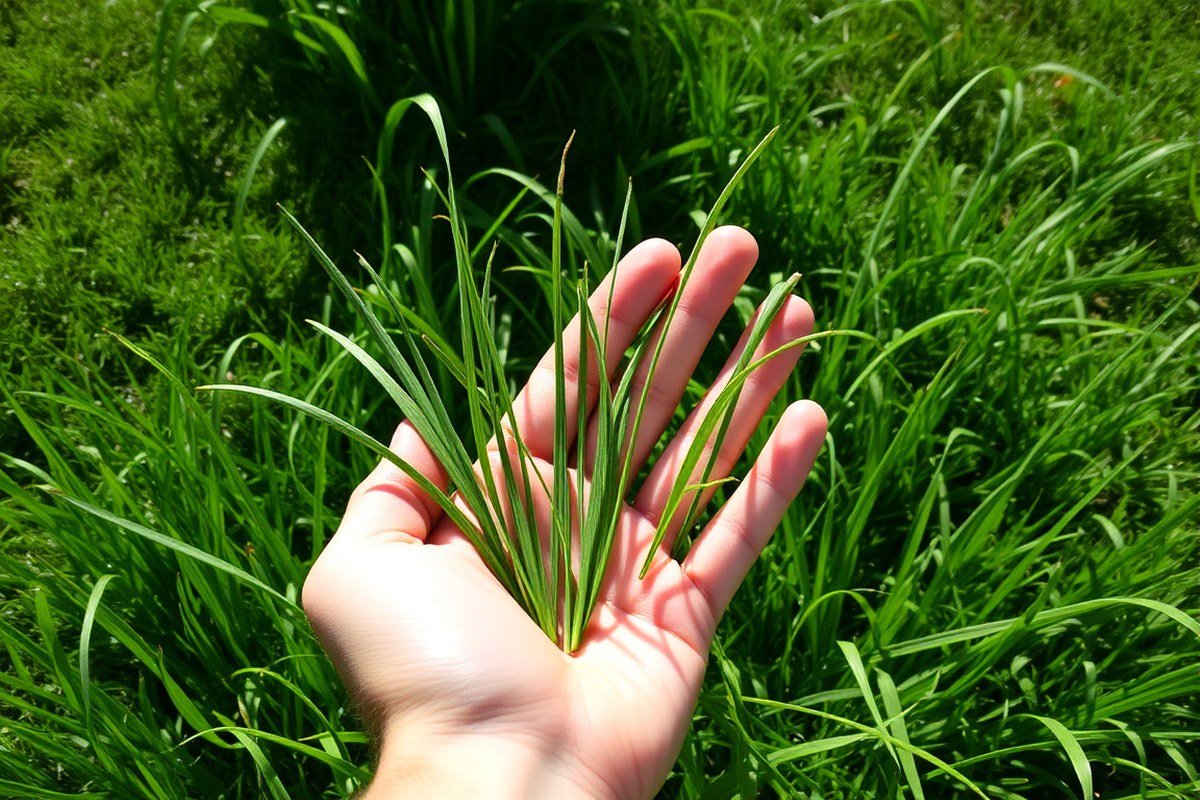
Identifying your lawn grass type quickly means focusing on clear, visible clues. Start by checking where you live because climate strongly influences your grass type. Next, look at leaf shape and texture to tell grass species apart.
Pay attention to how your grass spreads and grows. This can narrow down your options fast.
Here are step-by-step instructions for identifying lawn grass using just what you can see and feel. These take only a few minutes and cost nothing but your time. Follow each step carefully to avoid common mistakes.
Don’t confuse grass blades with weeds. Watch for key traits in growth.
- Find your climate zone. Look up your USDA zone or note your region’s typical temperatures. Warm-season grasses thrive at 60 to 90°F. Cool-season grasses start greening around 40 to 50°F. This helps limit which grass types you might have.
- Examine the blade shape and tip. Measure blade width with a ruler or estimate by comparing to a penny. Broad blades often belong to grasses like bahiagrass, with pointed tips. Narrow, fine blades might be tall fescue or bluegrass. Rounded tips suggest warm-season grasses like centipede.
- Check how the grass grows. Look for runners or stolons that spread horizontally. Grasses spreading this way form a dense lawn, like Bermuda grass. Clumping growth means bunch grasses such as tall fescue. This difference helps identify your grass quickly.
- Feel the leaf texture. Rub a blade between your fingers. Coarse textures often mean grasses like bahiagrass. Fine, soft blades point toward Kentucky bluegrass or fine fescue. Texture controls lawn look and impacts which care techniques fit best.
- Note when your lawn greens up. Track spring growth timing. Cool-season grasses green early at 40, 50°F soil temps, often spring. Warm-season grasses wait until soil warms closer to 60°F or more. This seasonal clue pairs with leaf traits for quick ID.
Combine these steps to narrow your grass type within a minute or two. For example, you live in zone 9. You see broad, pointed blades and coarse texture.
That could mean bahiagrass. Mistakes happen when you rely on just one trait, so use several clues. This method lets you identify your lawn grass and pick care strategies fit for your yard.
Distinguishing Cool-Season and Warm-Season Grasses
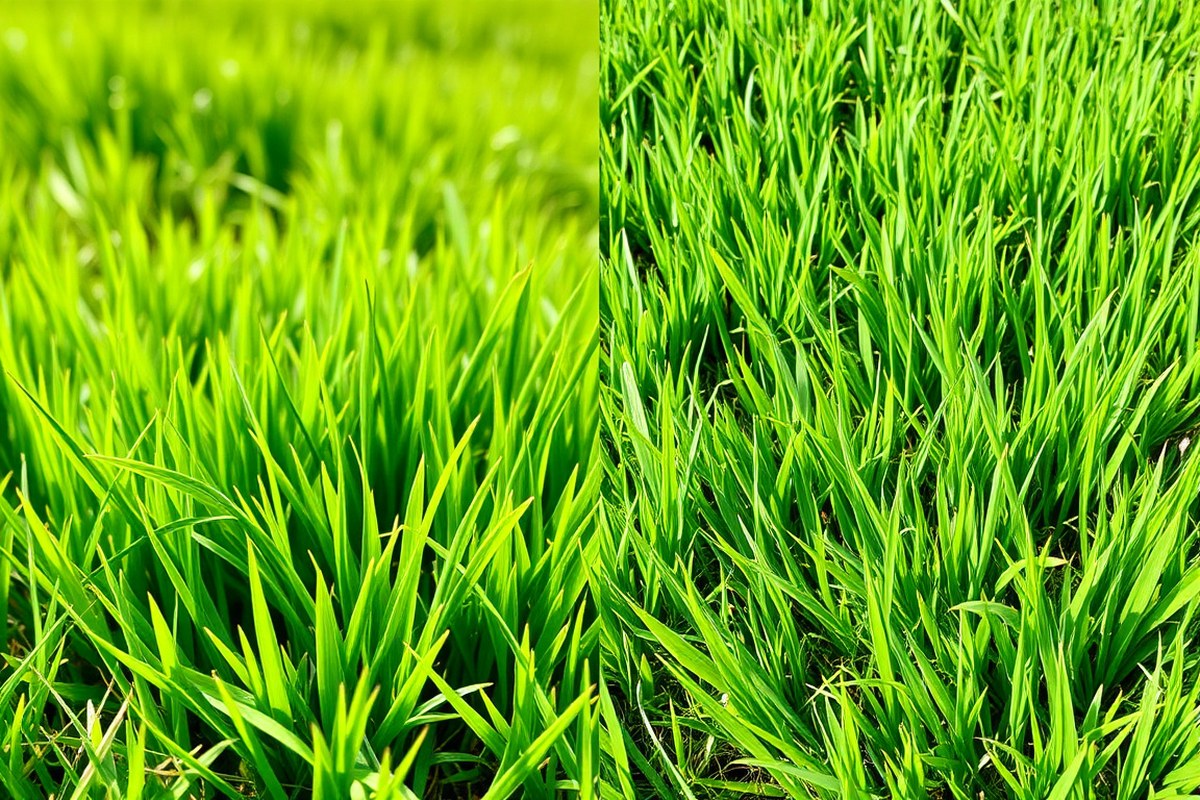
Cool-season and warm-season grasses differ mainly in when they grow best and where they thrive. Cool-season grasses grow actively in cooler temperatures, while warm-season types prefer heat. Knowing these patterns helps you care for your lawn correctly and identify its grass type.
Cool-Season Grass Characteristics
Cool-season grasses grow best when soil temperatures reach 50°F to 65°F. They thrive in spring and fall, growing slowly or going dormant in summer. These grasses usually stay green or semi-green during winter, offering some year-round color in cooler areas.
They usually have soft to medium blade textures. These grasses grow taller and need mowing heights about 2.5 and 4 inches.
Common examples include Kentucky bluegrass and tall fescue, which suit northern U.S. States. These types grow well in cool, humid conditions.
Warm-Season Grass Characteristics
Warm-season grasses activate at soil temperatures between 70°F and 95°F. Their peak growth is during late spring and summer when the heat is strongest. Often in winter, they turn brown or tan as they enter dormancy until temperatures warm again.
These grasses usually feel medium to coarse and are mowed lower, often between 1 and 2.5 inches. Types like Bermuda, Zoysia, and St. Augustine are common in southern U.S. Lawns. They handle drought and heat better but may struggle in cooler climates.
Green-Up Temperatures and Growth Cycles
Identifying your grass by green-up temperature confirms its category within weeks of spring’s start. Cool-season grasses start growing leaves early.
This happens when air temperatures reach 40°F to 50°F. They green up as soon as it warms. Warm-season grasses wait for warmer weather, generally 60°F to 70°F, before growing again.
This timing affects your lawn care schedule. Feeding or mowing warm-season grasses too early in spring can harm them. Similarly, delaying care for cool-season grasses past their green-up means missing peak growth chances.
Regional Climate Impact
The U.S. Climate zones split into northern cool-season areas and southern warm-season zones. Lawns in northern states mostly have cool-season grasses suited to cold winters and moderate summers. Southern lawns host warm-season grasses that flourish in hot summers but go dormant after frost.
Some regions fall into transition zones where both grass types may survive. That can make identification trickier since lawns might use blends for year-round green.
Knowing your climate helps you identify your lawn’s grass type. It also tells you when to change your care routine.
Pick the grass type first before buying fertilizer or adjusting mowing. Using cool-season care on warm-season grass can stress your lawn.
Common Lawn Grass Types and Their Key Features
Most U.S. Residential lawns use a handful of common grass types. Knowing your lawn’s blade shape helps you spot it. Growth habits also show how to care for your grass.
Both help you keep your lawn healthy. These grasses split into warm-season and cool-season types.
About 10 main types cover most lawns. They make up 90 percent of lawns.
Warm-season grasses like Bermuda and St. Augustine thrive in southern states. They have coarse to medium leaf textures, and spread by runners or rhizomes. Cool-season grasses like tall fescue grow well in northern climates.
These grasses usually grow in bunches or spread out. Their blades are thinner and finer.
| Grass Type | Blade Shape/Texture | Growth Habit | Preferred Climate | Height for Mowing (inches) |
|---|---|---|---|---|
| Bermuda | Fine to medium, pointed tip | Spreads by stolons and rhizomes | Warm-season, southern US | 1 to 1.5 |
| St. Augustine | Wide, coarse blades | Spreads by stolons | Warm-season, Florida and southeast | 2.5 to 4 |
| Tall Fescue | Medium texture, broad blade | Grows in clumps (bunch type) | Cool-season, northern states | 2.5 to 3.5 |
| Kentucky Bluegrass | Fine, soft blades with boat-shaped tip | Spreads by rhizomes | Cool-season, northern US | 2 to 3 |
| Perennial Ryegrass | Fine blades with shiny, smooth texture | Bunch-type growers but can spread slowly | Cool-season, transitional zones | 1.5 to 2.5 |
Bermuda grass grows quickly and tolerates high heat. It can look thin if cut higher than 1.5 inches. St. Augustine is good for shaded southern yards but dislikes cold winter weather.
Tall fescue’s broad blades hold up well to wear and shade in cooler lawns. Kentucky bluegrass forms dense mats, ideal for northern lawns needing recovery from foot traffic.
Perennial ryegrass germinates fast, usually in 5 to 7 days, useful for quick lawn fixes. Identifying these traits means you can pick seeds and mowers suited to your lawn.
Mowing too short damages cool-season grasses but keeps Bermuda neat. Knowing your grass helps you avoid scalping or stressing it during dry spells or cold snaps.
Using Lawn Growth Patterns and Green-Up Timing for ID
The timing of when your lawn greens up signals whether the grass is cool-season or warm-season. Cool-season grasses, like Kentucky bluegrass, start greening early in spring. This happens around March or April in colder zones.
Warm-season grasses, like Bermudagrass, green up later than cool-season types. This occurs once soil temperatures reach about 65°F. Usually, this happens in May or June.
Watch how fast your lawn grows during the growing season to narrow down the type. Cool-season grasses grow faster in cool weather. By late spring, they often need mowing every week.
Warm-season grasses grow more slowly until summer heats up. Once hot, they speed up and may need mowing more often.
Note the growth habit to confirm your ID. Clump-forming grasses develop in bunches rather than spreading out evenly.
For example, Buffalo grass grows in tight clumps. Kentucky bluegrass spreads via rhizomes and fills bare spots quickly.
Check your lawn regularly from early spring through summer. Watch how fast it greens and grows. This helps identify your grass type.
Mark the date when you see green shoots emerge. Track how many times you mow each month as a rough growth rate measure. Use this rule: if your lawn greens before April and grows fast in cool weather, it’s probably a cool-season grass.
Check color shade alongside these patterns. Kentucky bluegrass shows a dark, rich green.
Warm-season grasses often look lighter or have a bluish cast early in growth. Combining green-up timing, growth rate, and color gives a clearer picture of your grass type.
Keep in mind, local climate affects timing and growth speed. In warmer states, cool-season grasses green up earlier and warm-season grasses emerge sooner. Avoid guessing if your grass patches differ much.
Mixed lawns or weeds alter growth clues. For better ID, combine green-up timing with checking blade shape and texture. This improves your chances of accurate identification.
Key Visual Traits: Blade Shape, Leaf Tip, and Collar
Look at your grass leaf blades closely. Check their tips carefully. Also, look near the collar area for clues.
These traits help pinpoint the grass type better than color alone. Knowing what parts to check helps you identify lawn grass better.
Look carefully at those features. It makes a big difference.
Blade Shapes and Widths
Grass blades come in many shapes and widths. For example, Kentucky bluegrass has narrow, flat blades about 1/8 to 1/4 inch wide. In comparison, St. Augustine grass blades are broader and thicker, sometimes reaching 1/2 inch in width.
Examine if the blade is flat or folded. Flat blades are common in cool-season grasses. Folded blades often show in warm-season types.
Pay attention to fine hairs on the leaf blades. Notice if they have a shiny surface. These details help with identification.
Broad leaves usually mean a warm-season grass like St. Augustine or Bahia. Narrower leaves point to cool-season grasses like fescues or bluegrass.
Leaf Tip Shapes to Look For
Grass leaf tips can be pointed, rounded, or shaped like boats. Among lawn grasses, only Kentucky bluegrass has a boat tip. This shape makes it easy to recognize.
Other grasses have more blunt or rounded tips, like St. Augustine, which has a rounded and blunt leaf tip. Check the tip under good daylight or use a magnifying glass to see shape details better.
Touch the tips gently. Some might feel soft and flexible, others stiff or even sharp. These sensations help with ID too.
Collar Features and Their Importance
The collar is where the leaf blade meets the sheath wrapped around the stem base. This spot often shows unique features to tell grass types apart.
For example, in St. Augustine grass, the collar is twisted about 90 degrees. This twist causes the leaf blade to sit at an angle to the sheath. Finding this twist is a strong sign of St. Augustine.
Examine the collar by pulling back the leaf blade gently and looking closely at the joint. Bright light or a magnifying tool helps here.
Examples in Common Lawn Grasses
Kentucky bluegrass has narrow blades and a boat-shaped leaf tip. The collar is not twisted but smooth. This pattern helps confirm its ID in cool-season zones.
St. Augustine grass stands out with its broad blades, blunt leaf tips, and a twisted collar region. These features combine to make it easy to spot in southern lawns.
Bahia grass shows coarse, wide blades with a pointed leaf tip and no collar twist. These traits differentiate it from other southern grasses. Use this step-by-step method to check these visual traits on your lawn:
- Pick a healthy leaf from your lawn, preferably in good light.
- Look at the leaf blade’s width and if it lies flat or folded.
- Focus on the leaf tip shape and feel if it’s rounded, pointed, or boat-shaped.
- Pull back the blade gently to find the collar where it meets the stem sheath.
- Check if the collar is twisted or flat and note any hairs or color differences.
- Compare your observations with known grass features for your region.
- Take a close-up photo showing the blade, tip, and collar for reference or forum help.
Always handle the leaf blade carefully to avoid breaking it, especially when examining the collar.
Distinguishing Lawn Grass from Grassy Weeds
Grassy weeds like wintergrass and poa annua often look a lot like lawn grass. They grow in clumps and have similar blade shapes, making them tricky to spot early on. You want to catch these weeds before they spread and crowd out your lawn grass.
First, check how the blades grow. Lawn grasses like Kentucky 31 tall fescue grow from strong roots. These roots are tough and help form a dense carpet of grass.
In contrast, grassy weeds tend to grow in loose bunches with thinner, weaker blades. Pull a few up gently. Weeds pull up more easily because they have shallower or less fibrous roots.
Look at the leaf tips and edges too. Grass blades often have smoother edges and rounded tips. Weeds sometimes have jagged edges or a pointed tip that feels rough.
Also, examine the collar area where the blade meets the stem. This area often differs in color or texture between lawn grass and weeds.
Season matters. Wintergrass thrives when your lawn grass starts to slow down in cooler weather. Notice a patch turning green early in spring or late in fall?
That patch could be a weed in your lawn. You’ll see this especially in cool-season grass areas.
Walk over your lawn to spot differences in growth patterns. Lawn grass usually grows evenly.
Weeds grow in uneven patches or spots that feel softer or thinner. These signs help you focus your attention on likely problem areas.
To make identification easier, use a magnifying glass to see blade details up close. Check the width and surface texture.
Some weeds have a shiny blade or a different hair pattern. Lawn grasses like tall fescue have a more matte look and rough texture.
Keep an eye on your soil and environment. Weeds often take over soil that is compacted or poorly drained.
Lawn grasses do best in well-aerated, nutrient-rich soil. Fixing soil problems can reduce weed growth naturally and support your lawn grass.
Timing also affects identification cost and effort. Spotting weeds early means treating small patches with herbicide or hand-pulling them.
Leaving weeds too long may require many treatments. Each treatment can cost $50 to $150, depending on lawn size.
Taking these steps carefully will help you tell lawn grass from grassy weeds. Knowing these differences prevents wasting time and money on wrong treatments. It also protects your lawn’s health by keeping the good grass strong while controlling unwanted weeds.
How Climate, Soil, and Sunlight Affect Grass Types
Check your lawn’s sunlight exposure to guess grass types. Warm-season grasses like Bermuda thrive in full sun, needing at least six hours daily. Cool-season grasses like fine fescue handle shade well.
They need only four hours of sun to grow. These grasses are a good choice for shady lawns.
Soil type affects grass health and helps identify which species fit. Sandy soil drains quickly, favoring drought-tolerant grasses like tall fescue, which has deep roots.
Clay soil holds moisture longer. So Kentucky bluegrass grows well there but needs good drainage to avoid diseases.
Moisture also shapes grass growth and appearance. Grasses like perennial ryegrass need moderate, regular watering to stay green.
Letting soil dry out stresses water-loving types, causing brown spots. Drought-tolerant grasses stay green longer in dry spells but still perform best with occasional deep watering.
Your local climate narrows grass options using temperature ranges. Warm-season grasses start growing actively above 60°F and thrive in hot summers.
Cool-season grasses grow best between 60°F and 75°F. This helps you avoid types that struggle in mild winters. Hot summers can also rule out some grass kinds.
Use this decision rule: spot the dominant climate, examine soil moisture and texture, note sunlight hours. Cross-check these with common grass preferences you find online or at local extension offices. This approach saves time guessing and reduces costly planting mistakes.
Get a soil test for about $10 to $20 from garden centers or local labs. These tests reveal pH and nutrient levels, helping you match grass species with soil needs. Low pH means the soil is acidic.
This favors grasses like tall fescue. Other grasses tend to prefer neutral soil instead.
Different lawn sections might need different grass mixes. Shade and sun areas require separate grass types. Soil differences also call for varied grass choices.
Using a blend adapts to these conditions better than one grass type alone. This increases overall lawn health and keeps most areas green throughout the seasons.
Tools and Techniques for Accurate Grass Identification
Smartphone apps, simple tests at home, and pros all help confirm your grass type. Apps use photos to match your lawn with known grass profiles. Field tests check texture and growth habits for more proof.
Using Smartphone Apps for Identification
Apps like Google Lens let you snap a photo and get quick ID guesses. Some apps focus on turf grasses and provide detailed info about your matches. Comparing your photo to the app’s examples helps spot differences you might miss.
Most grass ID apps are free or cost under $10, making them a cheap first step. They’re best with clear photos on a dry, mowed lawn taken in daylight. Leaf shape, blade width, and collar features become more visible this way.
Apps sometimes confuse grassy weeds for lawn grass or miss less common types. Using the app as a starting point, then using other tests or expert advice avoids mistakes.
Simple Field Tests to Try at Home
Feel your grass blade texture: cool-season grasses tend to be softer than warm-season. Roll a blade between your fingers; rough or smooth textures help narrow the type. Check leaf edges for smoothness and tips for shape.
Measure blade width and length with a ruler or tape. Keep notes of blade color changes or leaf vein patterns. Observe how blades bend or spring back after being pressed flat.
Try a blanching test by pinching a blade between your fingers and pulling it. Warm-season grasses snap easily, while cool-season blades bend more. This quick test can separate major grass groups.
Professional Services and When to Use Them
Pros like those at Percy’s Lawn Care use experience and lab tools for hard-to-identify lawns. They offer exact ID and custom plans suited to your lawn’s needs. Hiring a pro usually costs between $50 and $150 for an on-site visit.
Bring clear photos and your notes to a pro consultation to speed up the process. Use professional help if you can’t reach a confident ID or want to avoid costly mistakes. They can also spot pests, diseases, or soil issues affecting your grass.
Services may be seasonal; late spring and early summer visits catch more grass features. Booking in advance helps you get timely advice before lawn problems develop.
Take photos from several angles in bright daylight. Blurry or shaded shots lower ID success in apps and with pros.
Step-by-Step Action Plan to Identify Your Lawn Grass Type
Follow these steps to identify your lawn grass with confidence. Each phase includes a clear task and how to check your progress.
- Day 1: Look closely at your lawn’s blade shape and leaf tips. Compare these with pictures of common grass types to narrow down options.
- Day 3: Check how your grass grows in sun and shade areas. Note any patches that look different or don’t match.
- Week 1: Observe the green-up timing in spring. Is the grass waking early or later? This helps tell cool-season from warm-season types.
- Week 2: Use a magnifying glass or smartphone close-up to examine the grass collar and ligule. Match these details with reliable grass guides.
- Week 3: Identify any grassy weeds to avoid confusion. Pull one or two out gently and inspect roots and blades for differences.
- Week 4: Consider your local climate and soil type. Compare your grass traits to what typically grows well in your area.
- After 1 month: Confirm your identification by checking lawn response to watering and mowing. True lawn grasses will recover quickly and look uniform.
- Ongoing: Keep notes on growth patterns through the season. This will help you when planning care, like fertilizing or overseeding.
Frequently Asked Questions
Can I Identify My Grass Type by Its Seed Heads?
Yes, seed heads can help identify grass types. Watch closely during late spring or early summer when they appear.
How Does Soil pH Affect Lawn Grass Type Appearance?
Soil pH influences grass colour and growth rate. Acidic or alkaline soils may change your grass’s look and health.
Do Grass Diseases Affect How I Identify My Lawn Grass?
Diseases can alter grass colour and texture, which can confuse identification. Look for healthy blades to be sure.
Is It Possible to Identify Grass Types in the Shade?
Yes, but it’s tougher since shade affects growth and colour. Check for shade-tolerant traits like thin blades and slow growth.
Can Mowing Height Help Confirm Grass Type?
Definitely. For example, Bermuda grass prefers 1 to 1.5 inches. Tall fescue needs taller cuts for health.
Does Seed Source or Sod Type Influence Lawn Grass Traits?
Seed or sod origin can change grass’s colour and blade width. Local seed often fits your climate better.
The Bottom Line
Knowing your lawn grass type helps you care for it better and avoid costly mistakes. Take a closer look at your grass this week to spot its key features. Start small with a single patch and grow your understanding from there.