When Is Lily Season: A Complete Guide to Bloom Times and Availability
Wondering when is lily season? Lilies usually bloom from spring through summer. Exact times change depending on the lily type and your local climate.
The earliest lilies bloom in spring, while some hybrids flower as late as August. Asiatic lilies often start blooming in May.
Oriental lilies show up later in July. Planning your planting or flower orders around these times gives you better results.
Start by choosing the right lily variety for your region and event date. Some lilies need cooler spring temperatures, while others prefer warmer conditions. Keep in mind that lilies need plenty of sunlight and regular care to bloom well.
Water lilies regularly but avoid waterlogging their bulbs to prevent rot. Deadheading spent flowers also encourages more blooms. These steps make a big difference during the lily season to get the best blooms.
Key Takeaways
- Asiatic lilies bloom earliest, starting in late spring and lasting into mid-summer.
- Oriental hybrids flower later, from mid to late summer, lasting up to August.
- Most lilies need at least six hours of sunlight daily to thrive and bloom.
- Buy wholesale lily stems at least 2 to 3 weeks before your event.
- Booking 60 to 90 days ahead ensures access to popular lily varieties for summer weddings.
- Mulching bulbs in autumn helps lilies survive colder zones down to Zone 4.
When Is Lily Season and How Does It Vary?
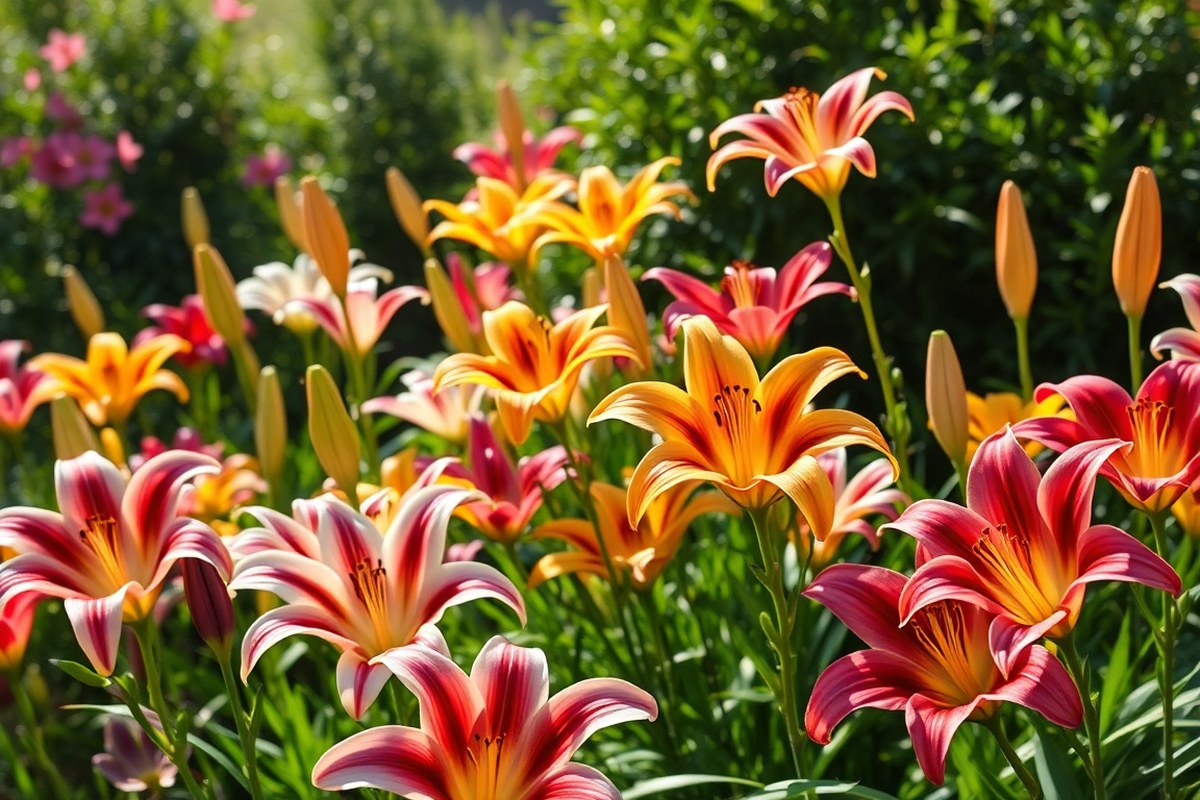
Lily season usually starts in early summer and lasts until late summer. Planting different lily varieties lets you see blooms from June to September. Each type blooms at a set time, so mixing them spreads out your flowers.
Asiatic lilies usually bloom first, in early summer, around June. Next are Martagon lilies, which bloom from June into July. Trumpet lilies show up in mid-summer, mostly July.
Oriental lilies close the season, blooming from late July through September. Daylilies have a wider range, flowering anytime between June and August, depending on the variety.
The climate where you live makes a big difference in when lilies bloom. Temperate climates with warm summers but cold winters let lilies go dormant in winter. In these areas, lilies start blooming right around early summer.
Warmer regions may push blooms earlier or extend the season later into fall. Temperature swings between 75 and 85 °F during the day help trigger and continue flowering.
You can plan a lily garden that blooms continuously by choosing varieties that flower in sequence. Start with Asiatic lilies in early summer. Then add Orienpet hybrids and trumpet lilies for mid-summer.
Finish with Oriental lilies for late summer. This staggered approach keeps your garden colorful for months. Buying bulbs or plants with different bloom times in spring helps make this work.
Planting lilies with overlapping bloom times also helps when weather or local conditions shift. Some years, warmer spring temperatures will speed up bloom times. Other years, a cool spring might delay when flowers open.
Having a few types that bloom early helps cover cooler weather. Late-blooming lilies provide flowers in warmer conditions. This mix keeps your garden colorful through changing weather.
The cost mainly comes from buying several bulb varieties. But it’s worth it to have a longer display.
Bloom Periods of Major Lily Types Explained
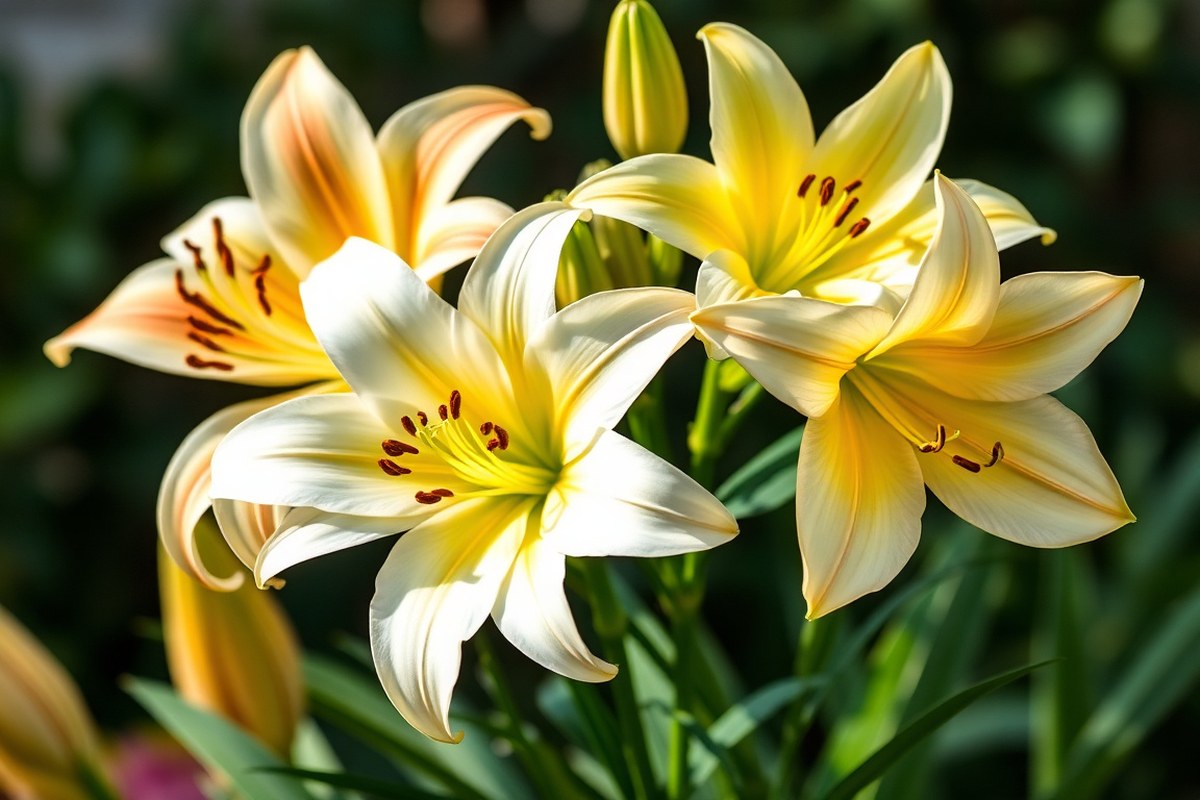
Asiatic lilies are the earliest bloomers, usually starting in May or June. They offer bold colors and don’t have strong scents.
Oriental and Trumpet lilies bloom later, often in mid- to late summer. Their flowers last longer and tend to have a sweet fragrance.
LA Hybrid lilies fall between Asiatic and Oriental types for blooming times. Martagon lilies bloom about the same time as Asiatic types. Their petals look more delicate.
They also have a unique shape. Overlapping bloom times from May through September give gardeners a long season of flower color.
| Lily Type | Typical Bloom Months | Growth Traits |
|---|---|---|
| Asiatic | May to June | Early bloomer, vibrant colors, no fragrance |
| Martagon | May to June | Delicate petals, nodding flowers, shade tolerant |
| LA Hybrid (L.A.) | June to July | Intermediate bloom, tall stems, subtle scent |
| Trumpet | July to September | Large trumpet-shaped flowers, strong fragrance |
| Oriental | July to September | Late bloomer, broad petals, very fragrant |
Planting a mix of these lilies can keep blooms coming from late spring into fall. Asiatic lilies start the show, then LA hybrids and Oriental types take over. Trumpet lilies add strong scent and large blooms late in the season.
Warmer zones can shift blooming 2 to 3 weeks earlier. Cooler areas see blooms later. Keep this in mind when planting.
Overlapping bloom periods make it easier to plan fresh flower arrangements or garden displays. Double Asiatic and Martagon lilies follow Asiatic bloom timing closely. Oriental hybrids bloom later and less benefit from staggered planting.
How Does Climate and Region Influence Lily Blooming?
Climate and growing zone shape when lilies bloom and how long their flowers last. Warmer zones bring earlier blooms while cooler ones delay them, affecting your garden’s lily season. Knowing your zone helps plan planting and enjoy the best lily display.
How Growing Zones Affect Lily Bloom Timing
USDA zones guide gardeners on local climate conditions. Lilies in zone 3 to 5 usually bloom mid-June through early September. In zones 7 and 8, bouquets appear much earlier, from late May through June.
That means garden lilies in colder zones bloom weeks later than those in warmer zones. The chill slows bulb development, pushing flowers to open later. Adjusting planting dates per zone helps synchronize bloom with your preferences.
Regional Variations in Lily Bloom Schedules
Cooler northern areas see lilies bloom later than southern regions. Asiatic lilies bloom in late June or early July in zones 3 and 4. In zones 7 and 8, they flower in May or June.
The timing depends on your zone’s climate. This makes a big difference for gardeners planning flowers for events.
For example, in Minnesota (zone 4), lilies bloom about a month later. In Georgia (zone 7), they bloom earlier.
Your location changes bloom timing. Pacific coastal climates with mild springs also encourage early lily blooms compared to harsh inland winters.
Planting Decisions Based on Zone and Weather
Plant bulbs in fall for the longest season in colder zones. Fall planting lets bulbs establish roots before cold sets in. In milder zones, you can plant in fall or early spring.
Fall planting gives you better control of bloom timing. Both ways can work well.
For zones 3 to 5, dig in bulbs late September to early October. In zones 7 and warmer, you may plant in early spring, about March. Matching planting with local frost dates reduces risks of freeze damage after growth starts.
How Climate Shapes Bloom Length and Quality
Warm, stable weather extends the lily bloom season. Hot, dry spells shorten it by stressing the plant. Cooler zones have later but longer-lasting blooms because temperatures stay moderate during flower time.
Regionally, frequent temperature swings in mountains can cause uneven blooming. Coastal zones benefit from steady breezes and humidity that keep lilies healthier and flowers crisp longer.
Adjusting Expectations for Local Conditions
Your lily season may shift yearly as weather varies. A cool spring delays blooms even in warmer zones. Watch local forecasts and soil temperatures to time planting and avoid early or late surprises.
Keep in mind lilies need soil temperatures above 40°F to start growing. Below that, growth pauses. Gardeners in colder zones see lilies bloom weeks later than those in warmer areas.
Temperature affects when plants bloom. Weather differences explain the delay.
Planning Your Lily Planting and Ordering Timeline
Planning lily planting around their bloom times means fresh flowers. You get bright, fresh blooms right when needed. Order your bulbs accordingly for best results.
Plant bulbs months before expected blooms and order cut stems well in advance for events. This way, you avoid shortages and enjoy peak blooms.
Fall and Spring Planting Schedules
Plant lily bulbs in fall for spring or early summer blooms. For late summer or fall flowers, plant bulbs in early spring. Make sure to wait until after frost ends.
This timing helps blooms arrive at the right season. Soil temperatures of 50°F to 60°F are ideal when planting bulbs.
Planting bulbs too early or late may stunt growth or delay blooming. Asiatic lilies bloom from late spring to midsummer.
So plant their bulbs in fall for early flowers. Oriental lilies bloom late summer, making spring planting best for them.
Ordering Cut Lilies for Weddings and Events
Order cut lilies 2 to 4 weeks before your wedding or event. Tulip and Asiatic lilies typically peak between late May and early July.
So timing orders in these windows brings fresh, cost-effective flowers. Avoid ordering outside peak season to reduce reliance on pricey imports.
Buying 24 or 48 bulbs at once can save money. These bulk discounts are useful for event planting. Plan ahead to take advantage of deals.
For large weddings, order blooms early to allow floral suppliers to secure stock. Cutting stems shortly before use keeps arrangements fresh longer.
Timing Bloom Peak Around Special Dates
Count on 10 to 14 weeks from bulb planting to bloom. For example, planting Oriental lilies in early March will yield August blooms. Track your event date and back-calculate planting and ordering milestones using bloom season charts.
Early bloom varieties can fill spring events. Late-season types cover summer and fall weddings. Stagger your lily planting times to extend bloom periods.
This works well if you want flowers across months. It adds color variety to gardens or events.
Follow these steps to plan your lily bloom timeline:
- Check your desired lily variety’s peak bloom months for your region.
- Choose planting time: fall for spring blooms, spring for summer/fall blooms.
- Purchase healthy bulbs or cut stems at least 4 weeks ahead of planting or event.
- Plant bulbs 4 to 6 inches deep and space 8 to 12 inches apart.
- Water bulbs immediately after planting and maintain moist soil during growth.
- Schedule regular checks in the weeks before your event to monitor bud progress.
- Order additional cut stems 2 weeks before the event for last-minute floral needs.
- Trim cut stems at a 45-degree angle before arranging to improve water uptake.
Caring for Lilies to Maximize Bloom Duration
Lilies need about six hours of direct sunlight daily for best bloom. Put them where they get morning or afternoon sun. In very hot areas, some afternoon shade helps.
Water lilies deeply once a week, giving about one inch of water total. Avoid shallow or frequent watering that encourages weak root growth.
Fertilize lilies monthly during the growing season with a balanced 10-10-10 fertilizer. Follow package directions carefully to avoid overfeeding, which can cause lush leaves but fewer flowers.
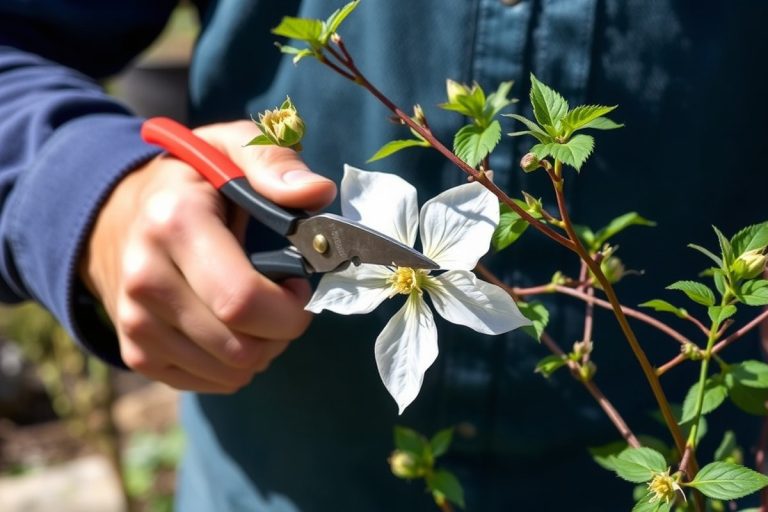
Deadhead spent blooms by cutting the flower stalk just above the first healthy leaf. This helps the plant focus energy on producing more flowers.
- Use fresh, room-temperature water for cut lilies in vases
- Change vase water every two days to reduce bacteria buildup
- Trim one quarter inch off the stem ends every two days
- Keep lilies away from ripening fruit to avoid early wilting
- Avoid placing cut lilies in drafts or near heating vents
- Pinch off pollen with gloves to prevent stains and prolong flower life
- Remove yellow or damaged leaves promptly to prevent disease
After bringing home lilies, cut stems at an angle underwater to prevent air bubbles. Recut stems every few days and refresh the water to keep blooms vibrant.
Some people soak bulbs briefly after flowering to prepare for replanting. But this depends on your climate and bulb type.
Don’t let lily soil dry out completely. This can stop blooming and stress the plant.
Deadheading too late or not at all wastes the plant’s energy on seed production. Overwatering causes yellow leaves and root rot.
Watch your lilies closely every few days to catch these issues early. Smart watering, regular feeding, and prompt deadheading extend how long lilies brighten your garden and home.
How Lily Season Affects Pricing and Availability
Lily prices vary a lot depending on the time of year. From June to September, lilies are plentiful and very fresh. They cost 30 to 50 percent less in season than imported ones outside this period.
Off-season lilies often come from overseas or heated greenhouses. Shipping lilies across the Atlantic increases their price.
This often raises costs two to three times compared to summer rates. These imported flowers may lack freshness and last shorter once you buy them.
| Source & Season | Price Range per Stem |
|---|---|
| In-Season Domestic (June-Sept) | $1.00 – $1.50 |
| Off-Season Domestic (Oct-May) | $1.50 – $2.25 |
| Imported Off-Season | $2.50 – $4.50 |
The season strongly influences availability and the final bill. Bulk flower buyers, like wedding planners, should pre-order during peak months online for the best prices.
Buying lilies early helps avoid expensive rush purchases. Prices off-season can reach two to three times summer prices.
Buying lilies in season guarantees not only better value but longer vase life. Lilies bought off-season usually have dull colors and weak stems.
This leads to more waste and higher replacement costs. For events or sales, stick to in-season timing whenever possible.
Trends show more lilies will come from greenhouses to fill supply gaps. Though this offers year-round options, these lilies usually demand higher prices.
To save money, plan purchases for peak local months. Use wholesale sellers from June to September for fresh, affordable lilies.
Extending and Staggering Lily Bloom Times in Your Garden
You can stretch your lily season by mixing early, mid, and late bloomers in your garden. Planting different lily types lets you enjoy flowers from June through August. Careful scheduling and maintenance also help keep blooms coming one after another.
Selecting Complementary Lily Varieties
Choose lilies with varied bloom times to cover a longer season. Asiatic lilies bloom early, usually from late May to June.
Oriental lilies come later, blooming from August to September. Consider Trumpet and LA hybrids for mid-season displays that bridge the gap.
Some varieties naturally flower longer. Asiatic lilies often hold their blooms for about two weeks.
Oriental lilies may bloom for up to three weeks. Mixing these types balances quick blooms and extended displays evenly.
Staggered Planting for Continuous Blooms
Space out your planting dates to avoid all lilies blooming together. Plant early-season bulbs in late fall or early spring.
Schedule mid-season lilies about two to three weeks later. Last, plant late-season bulbs four to six weeks after the earliest ones.
This approach delivers blooms in waves, keeping your garden colorful into autumn. Container planting helps too, letting you bring flowers indoors early or force late blooms. You can also replant bulbs yearly on this timeline for consistent results.
Follow these steps to plant lilies for staggered blooms:
- Choose early, mid, and late-bloom lily bulbs based on bloom times.
- Plant early lily bulbs outdoors in late fall or early spring (March).
- Wait two to three weeks, then plant mid-season bulbs (mid to late April).
- Plant late-season lilies four to six weeks after early ones (May or June).
- Keep soil moist and add mulch to protect bulbs during planting.
- Use containers to start some bulbs indoors 4, 6 weeks early.
- Rotate bed locations yearly to avoid disease build-up.
Maintenance Tips to Support Successive Flowering
Lilies need regular watering but avoid soggy soil that rots bulbs. Apply a balanced fertilizer once shoots appear to boost bloom quality. Deadhead spent flowers promptly so plants focus energy on new growth.
Pinching off flower buds early helps start new side shoots. These shoots can make the blooms last longer in your garden. This extends the flower’s blooming time nicely.
Keep an eye out for pests like aphids, which weaken plants and shorten flowering. Proper care ensures your lilies stay healthy and bloom as scheduled.
Common Lily Season Myths and How to Avoid Mistakes
Many people believe lilies are available year-round, but that isn’t true for all types. True lilies bloom mainly from late spring to summer.
Specific varieties show flowers at different times. You won’t see the same lily every month, so timing your planting is key.
Another myth is that lilies bloom right after planting. In fact, lilies need time to settle before flowering, especially Peace Lilies. They grow best with patience and good care, flowering only after they mature.
Common errors often shorten the lily flowering period or lower bloom quality. The biggest mistakes include planting lilies too deep or in poor soil.
Lilies prefer well-drained soil and proper light. Too much shade or soggy soil can stunt their growth.
- Plant bulbs about 4 to 6 inches deep to encourage good growth
- Avoid planting in heavy, waterlogged soil to stop bulb rot
- Give lilies at least six hours of sunlight daily for strong blooms
- Water consistently but avoid overwatering to keep roots healthy
- Use balanced fertilizer monthly during growing season for better flowering
- Remove spent flowers quickly to help the plant save energy
Treat lilies gently, especially when transplanting, to avoid damaging bulbs. Improper feeding or skipping fertilizer can also reduce flowering. Use a balanced garden fertilizer with equal nitrogen, phosphorus, and potassium.
It supports healthy growth and good bloom quality. This helps your plants grow strong and flower well.
Don’t rush your lilies; they often need a full growing season before blooming well.
Avoid forcing lilies to bloom out of season; that stresses the plant. For example, indoor lilies may not flower if grown in poor light or wrong temperature.
Keep them in moderate 65-75°F spots with indirect sunlight for better bloom chances. Continuous care extends flowering periods more than any quick fixes.
Step-by-Step Action Plan for Planning Your Lily Season
Follow these steps to time your lily planting and flowering perfectly.
- Before planting: Choose lily types with bloom periods that fit your schedule. Check their expected flowering months.
- At planting: Plant bulbs in soil that drains well and follows your region’s frost dates. Healthy bulbs grow into strong flowers.
- Weeks 1-4: Water lilies regularly but avoid soaking. Leaves should stay green and firm without yellowing.
- Month 2: Watch for bud formation. Buds show your lilies are ready to bloom soon.
- During bloom: Deadhead flowers as they fade to encourage more blooms. Monitor for pests that may harm flowers.
- After bloom: Cut back foliage only once leaves turn yellow. This helps the bulb store energy for next season.
- Ordering timeline: Plan orders 2-3 months before expected bloom time. This ensures bulbs arrive early enough for planting.
Frequently Asked Questions
What Months Are Lilies in Season?
Lilies bloom in the Northern Hemisphere from late May to September. Asiatic lilies flower early in the season, while Oriental lilies bloom last in September.
What Month Is Best for Lilies?
July is often best since many lilies, like LA Hybrids and Trumpets, peak then. It’s a good time to see lots of blooms together.
What Is the Rarest Color of Lily?
True blue lilies are the rarest, as blue pigments are very uncommon in lilies. Most lilies come in white, yellow, pink, orange, and red shades.
Can I Buy Lilies All Year Round?
You can buy lilies year-round, mostly from wholesalers or stores with imports. However, locally grown fresh-cut lilies are best from late spring to early fall.
When Is Lily Season?
Lily season generally runs from late May to September, with different types blooming throughout. You can extend blooms by planting various lily types.
Do Lilies Attract Pollinators Like Bees or Butterflies?
Yes, lilies attract bees and butterflies during bloom. Their strong scent and bright colors help bring pollinators to your garden.
The Bottom Line
Lily season varies with type and climate but usually spans late spring through summer. Plan your planting around bloom times to have flowers ready when needed. Start selecting and scheduling your lilies now to secure beautiful blooms for your garden or events.