Does Worms Eat Grass? What Actually Happens and How It Helps Lawn Health
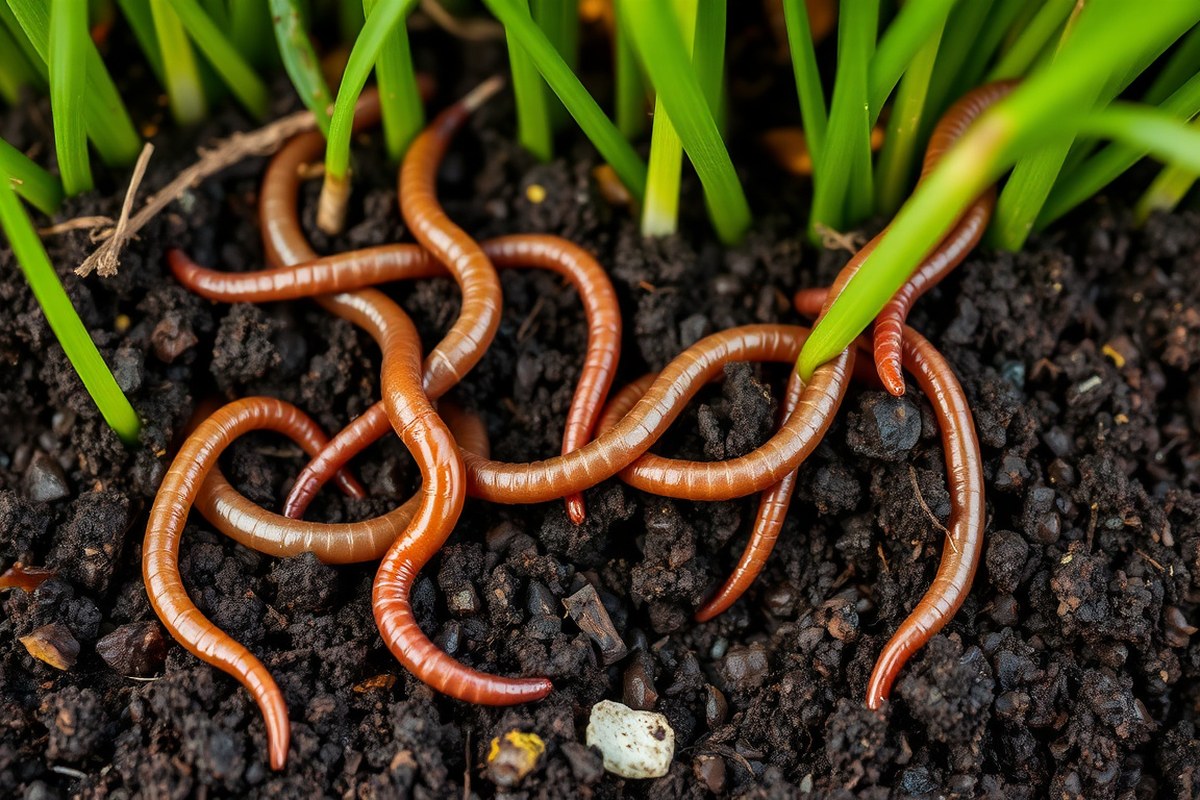
Does worms eat grass? Yes, but not the grass blades you see on your lawn.
Earthworms mainly eat dead grass clippings and roots rather than live grass itself. They help by breaking down this organic matter, turning it into rich soil nutrients.
This natural process improves lawn health by aerating the soil and boosting nutrient availability. To help worms thrive, leave some grass clippings on the lawn after mowing. Make sure the soil stays moist and avoid harsh chemicals that can harm worm populations.
Keeping a good worm population reduces your need for fertilizers and supports healthy, green grass. Check your lawn soil temperature regularly.
Worms are most active between 50 and 70 degrees Fahrenheit. Keep the soil in this range for the best results.
Key Takeaways
- Earthworms eat dead grass clippings, not live grass blades.
- Leaving grass clippings on the lawn feeds worms natural food.
- Worms improve soil by aerating and adding nutrients.
- Soil moisture between mowing helps earthworms stay active.
- Worms are most active in soil temperatures from 50 to 70°F.
- Avoid pesticides that can kill beneficial worms in your lawn.
Do Earthworms Eat Grass or Just Grass Clippings?
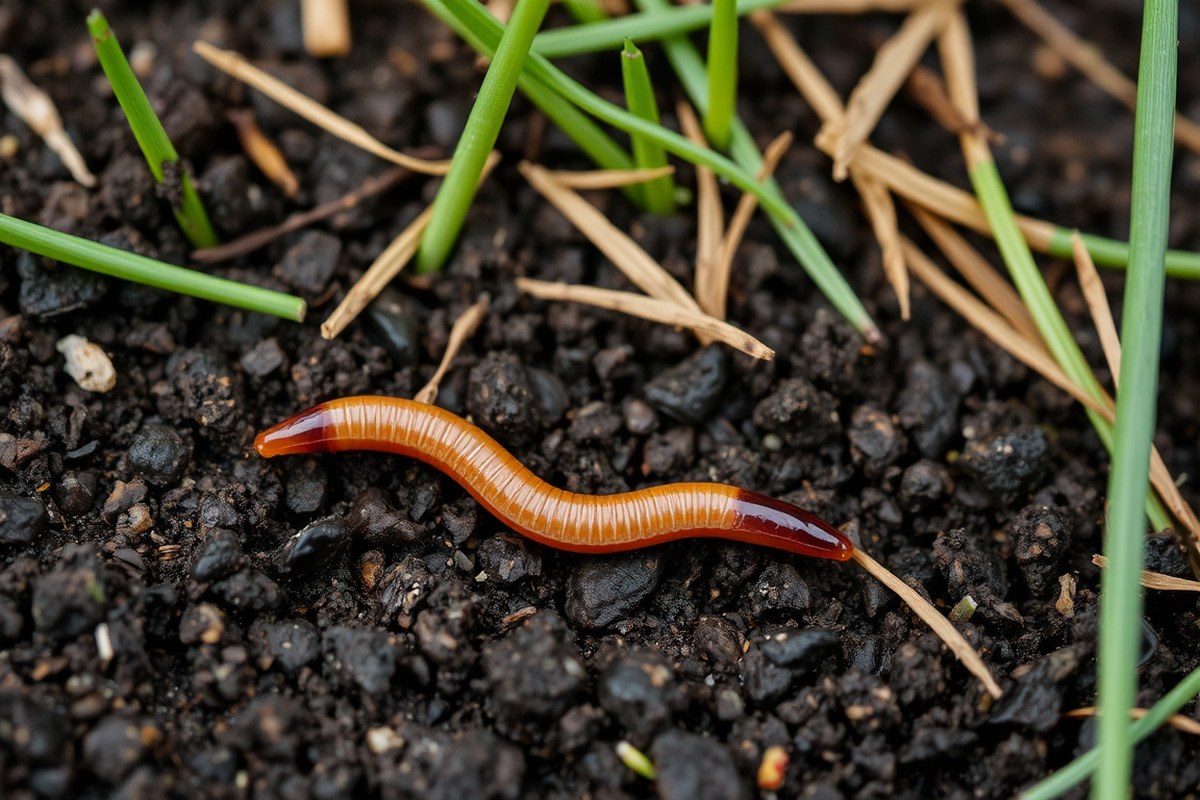
Earthworms do not eat live grass or its roots. They feed only on dead organic matter like decomposing grass clippings and fallen leaves. This makes them helpful for cleaning up lawn debris without harming your healthy grass.
Freshly cut grass clippings are different from older, decaying material. Worms avoid fresh grass at first because it’s tough. Fresh grass also has a low carbon-to-nitrogen ratio.
That ratio is about 20:1. This high nitrogen content can even create ammonia spots if left too thick. So it’s best to spread clippings thinly and let them dry before worms consume them.
Earthworms won’t damage your lawn by feeding on roots like white grubs do. They burrow in the soil and feed on microorganisms and dead plant material. Their castings can sometimes create small bumps on the lawn.
These bumps might dull mower blades over time. Keep soil moisture balanced by watering regularly.
This helps worms stay active. A smooth lawn usually follows.
Types of Worms That Process Grass and Their Feeding Habits
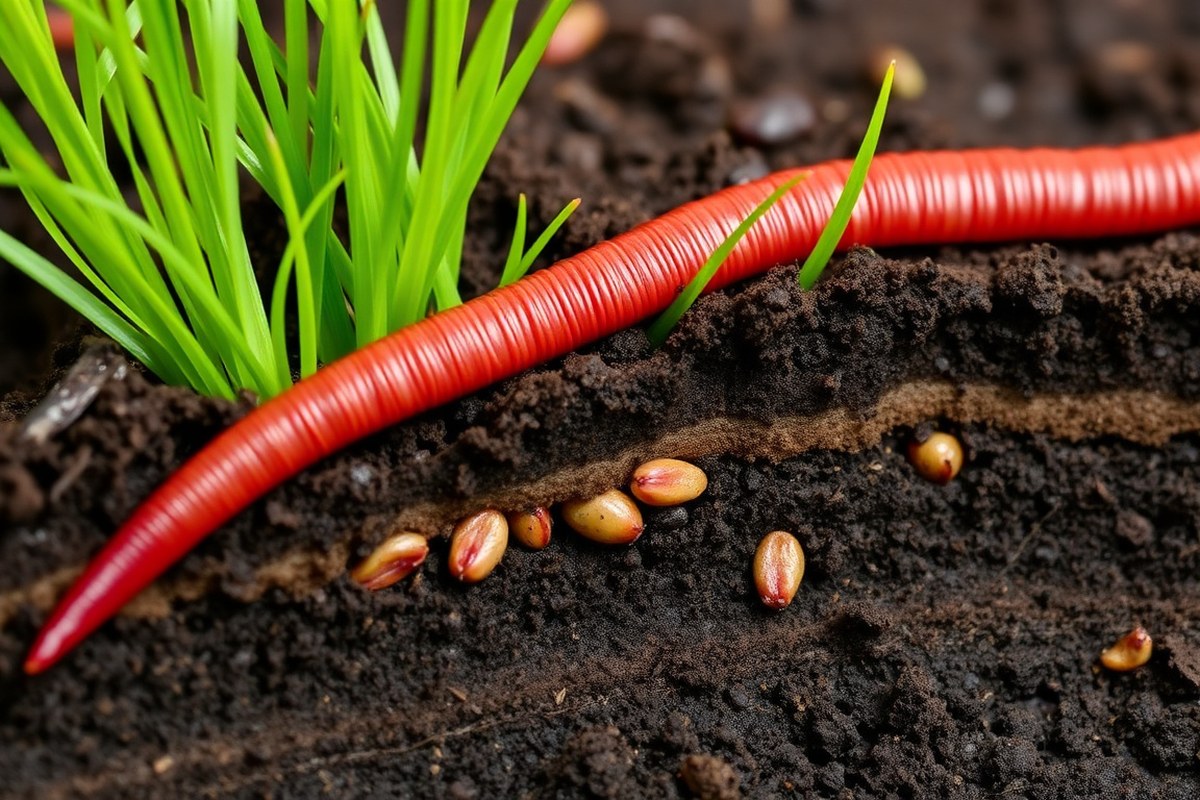
Several types of worms consume grass clippings but not living grass. Earthworms, nightcrawlers, and redworms all feed on decaying grass and organic matter. Their feeding habits vary, affecting soil health and lawn care differently.
Epigeic Worms and Their Role in Grass Decomposition
Epigeic worms live on the soil surface in moist leaf litter and grass clippings. They consume large volumes of fresh, dead grass and other organic waste. Because they thrive in surface litter, they are efficient at breaking down grass clippings quickly.
These worms recycle nitrogen from grass clippings. Grass clippings usually have 3 to 4 percent nitrogen by dry weight.
This process helps enrich the soil naturally. Epigeic species support faster decomposition and improve soil fertility without damaging living grass roots.
Anecic Worms and Their Soil Burrowing Behaviors
Anecic worms dig deep tunnels in the soil. They pull surface stuff like grass clippings into their burrows. This helps mix organic material into the soil.
They feed on decaying plant matter but don’t eat living grass. This behavior helps aerate the soil and mix nutrients deeper underground.
While anecic worms consume clippings, they handle smaller amounts of surface waste compared to epigeic worms. Their main benefit is soil structure improvement rather than rapid surface decomposition of grass. These worms are active when soil temperatures range from about 50 to 70 degrees Fahrenheit.
Difference Between Worms and Lawn-Damaging Larvae
Some soil organisms consume grass roots and cause lawn damage, unlike earthworms. Root-eating larvae damage turf by feeding below ground, leading to dead patches in your grass. Worms mainly eat dead or decaying material and are not harmful to living grass.
Understanding which creatures live in your soil helps identify lawn health issues correctly. Worms improve soil health and help decompose clippings, while larvae require pest control measures. Confusing worms with harmful pests can lead to unnecessary treatments that harm your soil life.
Keep your lawn moist but not waterlogged; soggy grass harms worm communities.
How Worms Improve Soil and Lawn Health by Eating Grass Material
Worms improve your lawn by aerating the soil as they burrow. Their tunnels let air, water, and nutrients reach deeper roots. This better airflow and drainage help grass roots grow strong and healthy.
Worms eat broken organic stuff like grass clippings and thatch. They recycle nutrients back into the soil as they feed. This helps feed your lawn naturally.
They mix the decaying material with soil particles, making it easier for plants to absorb minerals. This natural recycling supports steady grass growth without relying heavily on artificial fertilizers.
When worms digest organic matter, they produce castings, also called worm poop. These castings are rich in nutrients and beneficial microbes. Adding castings to soil works like a gentle fertilizer.
It helps your grass get nitrogen, phosphorus, and potassium. These nutrients boost lawn health.
You might see small soil pellets or castings on your lawn. This happens especially in spring and fall months. It’s a sign worms are active.
Finding 25 to 50 worms in each square foot of soil is good. These worms live in the top 6 inches of soil. It means your lawn’s life is healthy.
More castings and worms usually mean better soil and nutrients. This helps your lawn grow stronger and healthier. Soil structure improves too.
Worms also help control thatch by pulling some debris into their burrows and feeding on it. This breaks down excess organic matter below the grass, preventing it from suffocating roots. Keeping thatch under control improves your lawn’s resilience, especially in rainy or wet seasons.
To attract worms, add organic stuff like grass clippings often. This gives them food and a good place to live. Worms will stay and multiply.
Keep the soil moist but not soggy. Avoid harsh chemicals that kill soil life. Healthy worm activity cuts down the need for extra fertilizer.
It also helps your lawn drain well and stay vibrant. You get a better lawn overall.
How Long Does It Take Worms to Break Down Grass Clippings?
Worms typically take about two weeks to a month to break down grass clippings. This depends on how finely the grass is chopped and the moisture in the soil. Mulching mowers that cut clippings into small pieces speed up worm digestion.
Grass clippings need to be moist but not soggy for worms to process them well. Worms survive best when organic matter is mixed with leaf litter. Compost helps balance their diet.
This mix gives them the right food sources. They can live mostly on grass clippings. But having other materials helps maintain healthy worm populations.
Temperature also affects decomposition. Worms work faster in soil that stays between 55°F and 77°F. Worm activity slows when temperatures get too cold or hot.
This slowdown extends how long it takes to break down grass. Ensuring consistent moisture and avoiding thick layers of clippings prevents bad odors and pests.
Seasonal and Soil Conditions That Affect Worms Eating Grass
Worms rely on soil moisture to survive and feed on grass. They form a mucus layer to hold moisture. But mostly they depend on wet soil.
When the soil dries out, worms stop eating grass material. They also become inactive until moisture returns.
Soil pH affects worm activity too. Worms thrive best in neutral to slightly acidic soil conditions. Your soil may already be neutral or slightly alkaline.
Adding lime then could harm worms and not help grass. Extreme pH levels can reduce worm numbers and slow grass decomposition.
Seasonal changes impact worm activity and their digestion of grass. Worm eggs hatch about two weeks after they are laid. This happens often in mid to late summer.
The soil needs to be warm and moist. Worms are most active from spring to early fall.
They slow down when it gets very cold or dry. Extreme weather makes them less active.
To encourage worms, keep soil moist but not waterlogged. Water deeply once or twice a week during dry spells, especially in summer. Avoid over-liming if your soil pH is already near neutral.
Test your soil pH every couple of years. This helps keep the balance right for worms. It also helps grass grow better.
Water your lawn well during hot, dry periods. This keeps worms active and feeding on clippings. Proper watering helps maintain soil life.
Soil with plenty of worms looks crumbly with visible organic matter and breaks up easily. Digging a square foot and finding around 10 earthworms indicates healthy activity. Good worm activity speeds up grass clipping breakdown and improves soil health.
Combining moisture, proper pH, and warm seasons leads to more worms eating grass. This supports nutrient recycling and better soil structure. Maintaining these conditions for 2 to 3 years boosts organic matter and worm numbers steadily.
How to Attract and Maintain Worm Populations Using Grass Clippings
Attracting worms with grass clippings starts by giving them the right food and habitat. Using clippings carefully and keeping your lawn moist helps worms thrive. Avoid piling clippings too thick or letting them get wet and smelly to keep worms happy.
Step 1: Preparing Grass Clippings Correctly
Let grass clippings dry for a few hours first. Use them after they dry. You can add dried clippings to your worm bin.
Damp, fresh clippings can clump and cause odors that repel worms. Spread thin layers so air can reach the clippings and stop them from matting.
Chop or mow clippings into small pieces to speed worm breakdown. Smaller bits break down faster and reduce issues of mold or sour smells. Avoid clippings treated with herbicides or pesticides as these can harm worms.
Step 2: Managing Lawn Moisture and Organic Matter
Keep your lawn soil moist but not soggy to attract and keep worms near the surface. Aim for soil moisture like a wrung-out sponge, moist enough to support worm movement and feeding. Use a hose or watering can to maintain moisture during dry spells.
Add a thin layer of organic compost twice per year. It boosts soil organic matter between 2 and 5 percent. This helps keep your soil healthy.
This food boost helps worms reproduce and stay around longer. Combine clippings with other organic materials like leaves to diversify worm diet.
Common Mistakes When Using Grass Clippings with Worms
Laying down thick piles of clippings can smother worms and block air flow. Worms need oxygen and can’t survive in wet, compacted clippings. Avoid leaving clumps that stay wet and start to smell, as this drives worms away.
Removing all grass clippings from your lawn harms worm populations by cutting their food source. Also, using chemicals on lawns reduces worm numbers and soil health. Stick to natural fertilizers and compost to protect your worms.
Identifying Lawn Damage: Worms Versus Other Pests
Damage to grass can be tricky to pin on worms. Earthworms do not eat living grass or its roots.
You see dying grass? Pests like grubs, nematodes, or cutworms are likely the cause.
Visual Signs of Worm Activity vs Pest Damage
Earthworm activity usually shows as small soil mounds or castings on your lawn’s surface. These castings look like tiny dirt pellets or clumps. Worms improve soil but don’t cause bare dead patches in the grass.
Grubs cause grass to die in patches that lift easily from the soil. You might find white, C-shaped larvae under the grass when you pull it back. Cutworms chew grass blades near the soil surface, leaving ragged edges on the grass.
Damage from nematodes shows as yellow or dead patches on grass. These spots don’t get better with water. Fertilizer also won’t help.
These areas tend to be irregular and spread. Nematode damage is underground, so roots look thin or galled when dug up.
Common Lawn-Damaging Pests Mistaken for Worms
Grubs are beetle larvae feeding on grass roots, causing sod to peel up easily. They live underground and weaken the grass by cutting off its nutrient supply. Finding earthworms in grub-damaged soil doesn’t mean worms caused the damage.
Cutworms feed on young grass blades and stems at night, leaving shredded grass tips. They hide in thatch or just below the soil surface during the day. Mole crickets, common in southern lawns, tunnel underground and damage roots and stems.
Some nematodes, like root-knot and sting nematodes, feed on grass roots and cause stunted growth. Not all nematodes harm grass; beneficial nematodes actually control pests. Signs include yellowing patches that don’t respond to lawn care treatments.
When to Treat Lawn Damage and with What
Check for pesticide residues before treating, as chemicals can harm beneficial worms. Treat grub infestations with insecticides labeled for your area or with beneficial nematodes. Applying lawn treatments when pest damage is confirmed saves money and limits harm.
For cutworm damage, use targeted insecticides in early evening when they feed. Cultural control includes mowing regularly and removing thatch where adults lay eggs. Nematode damage usually requires specific nematicides or planting resistant grass varieties.
Earthworms should never be treated because they improve soil health and aeration. Focus on identifying the pest correctly by checking for insects or larvae under damaged grass. Treat only after careful inspection to avoid hurting helpful soil organisms.
Monitoring Worm Health to Reduce Fertilizer and Improve Lawn Growth
Worm population checks show how healthy your soil really is. Dig a small patch about 1 square foot and 6 inches deep. Count how many worms you find in that soil volume to get a clear number.
A lawn with 25 to 50 earthworms per square foot shows good worm activity. This means the soil has strong, healthy worm work. You see fewer than 20 worms per square foot.
Your soil might need help. Healthy worm work shows soft, crumbly soil.
You also see fresh casting piles. These look like small, moist pellets on the surface.
Use worm counts as a guide for lawn care. Plenty of worms means your soil cycles nutrients well, helping grass grow with less fertilizer.
Studies show healthy worm populations cut fertilizer needs by 30 to 50 percent. You might reduce fertilizer use gradually to see how your grass reacts.
Test every spring and fall when worms are most active to track changes reliably. Avoid heavy pesticide use since it can harm worms. Keep soil moist, especially after fertilizer applications, to prevent burning your grass during summer’s heat.
Watching worm activity also helps spot problems early. Uneven lawn patches or many animal holes might signal worm distress or predators feeding on them.
Healthy worm tunnels improve drainage and prevent thatch build-up. So your lawn handles rain better and dries faster.
Remember, worms don’t fix all problems. Your lawn looks thin or patchy. The soil pH or compaction could cause this.
Test your soil to check if it needs lime, compost, or aeration. Don’t rely on worms alone.
Keep soil moist after fertilizer use to avoid burning grass and support worm health better.
Step-by-Step Action Plan to Support Worms in Your Lawn
Help worms thrive by giving them the right conditions in your lawn. Use this plan to feed worms with grass clippings and boost your soil’s health.
- Before you start: Rake and collect fresh grass clippings from your lawn. Use only natural grass without chemicals to avoid harming worms.
- Day 1: Spread a thin layer of fresh clippings across your lawn. Worms need a light cover to access the material and soil.
- Week 1: Water your lawn lightly to keep clippings moist but not soaked. Moisture helps worms break down grass faster.
- After 2 weeks: Check your soil for small worm castings or tunnels. These signs show worms are hungry and working well.
- Month 1: Add more clippings in small layers every week, avoiding thick piles. Too much can smother worms or create mold.
- Monthly: Test soil moisture and adjust watering to maintain damp but not waterlogged soil. Worms avoid dry or flooded spots.
- Every season: Use organic fertilizer or compost alongside clippings. This feeds worms extra nutrients to boost their activity.
- Ongoing: Watch out for lawn damage like brown patches or holes not caused by worms. Take action if pests or disease appear.
Frequently Asked Questions
Can Worms Survive on a Diet Mainly of Grass Clippings?
Yes, composting worms can live and thrive on mostly grass clippings. They prefer decomposed plant matter. So fresh clippings should dry out a bit before feeding them.
Does Worm Activity Help Reduce Thatch Buildup in Lawns?
Worms break down organic matter in the thatch layer, helping reduce buildup. This improves water and nutrient movement to grass roots.
Are All Types of Worms Good for Composting Grass Clippings?
Not all worms work well for composting grass clippings. Red wigglers and European nightcrawlers are best suited for this task.
Can Earthworms’ Burrowing Damage Young Grass Seedlings?
Earthworms rarely harm young grass seedlings since they eat dead material, not live plants. Their tunnels can actually help root growth by aerating soil.
Is Adding Commercial Worm Castings Better Than Relying on Worms Eating Grass?
Worm castings provide immediate nutrients. But encouraging worms eating grass builds natural soil health over time. Castings work well as a quick fertilizer boost.
Do Worms Prefer Fresh Grass or Dried Grass Clippings?
Worms prefer dried or partially decomposed grass clippings over fresh ones. Fresh clippings can get slimy and smelly, which worms avoid.
The Bottom Line
Worms do enjoy fresh grass clippings and help turn them into rich soil. Start feeding your lawn worms with small layers of clippings and keep soil moist. You’ll see healthier grass and soil in just a few weeks once worms get busy.