How Many 2 Cf Bags of Mulch in a Yard: A Complete Guide with Clear Calculations
Wondering how many 2 cf bags of mulch in a yard you need? One cubic yard equals 27 cubic feet. So, you need 13.5 bags of 2 cubic feet mulch to make one cubic yard.
This works because 13 bags give 26 cubic feet. Half a bag adds the extra cubic foot. Always buy a bit more, as packaging can vary and you might want extra for touch-ups.
To start, measure the length and width of your garden bed. Multiply those numbers to get the square footage of your area.
Next, decide the depth of mulch you want, usually 2 to 3 inches. Convert that depth to feet by dividing by 12, then multiply it by the square footage for total cubic feet.
Divide the total cubic feet by 2 cubic feet per bag. This gives you the number of bags needed. Round up to avoid running short during your project.
Key Takeaways
- One cubic yard equals 27 cubic feet of mulch.
- You need about 13.5 two cubic foot bags for one cubic yard.
- Round up to avoid running short due to settling or spillage.
- Measure your garden bed area before buying mulch bags.
- Decide on mulch depth to get accurate bag count.
- Mulch depth usually ranges from 2 to 4 inches for beds.
How Many 2 Cubic Foot Bags Make One Cubic Yard of Mulch?
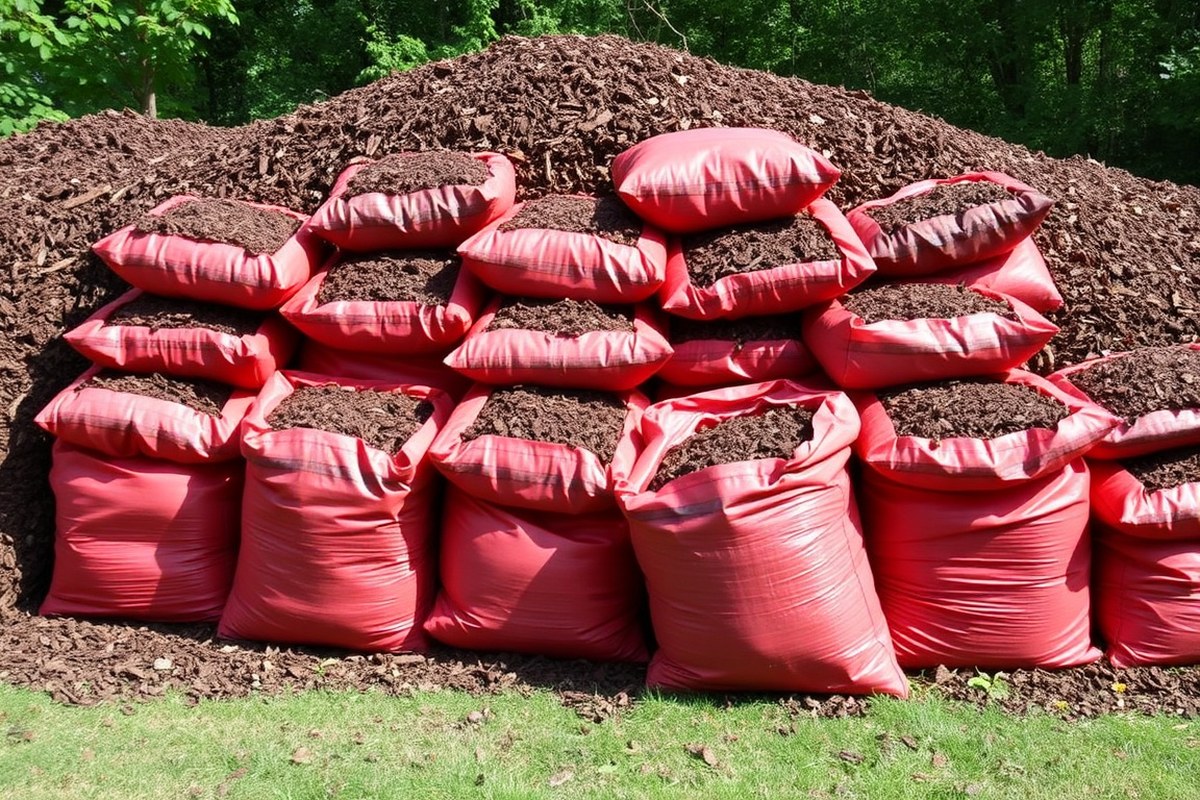
A cubic yard equals 27 cubic feet of mulch. Since each bag holds 2 cubic feet, you divide 27 by 2. That math gives you 13.5 bags to make one cubic yard.
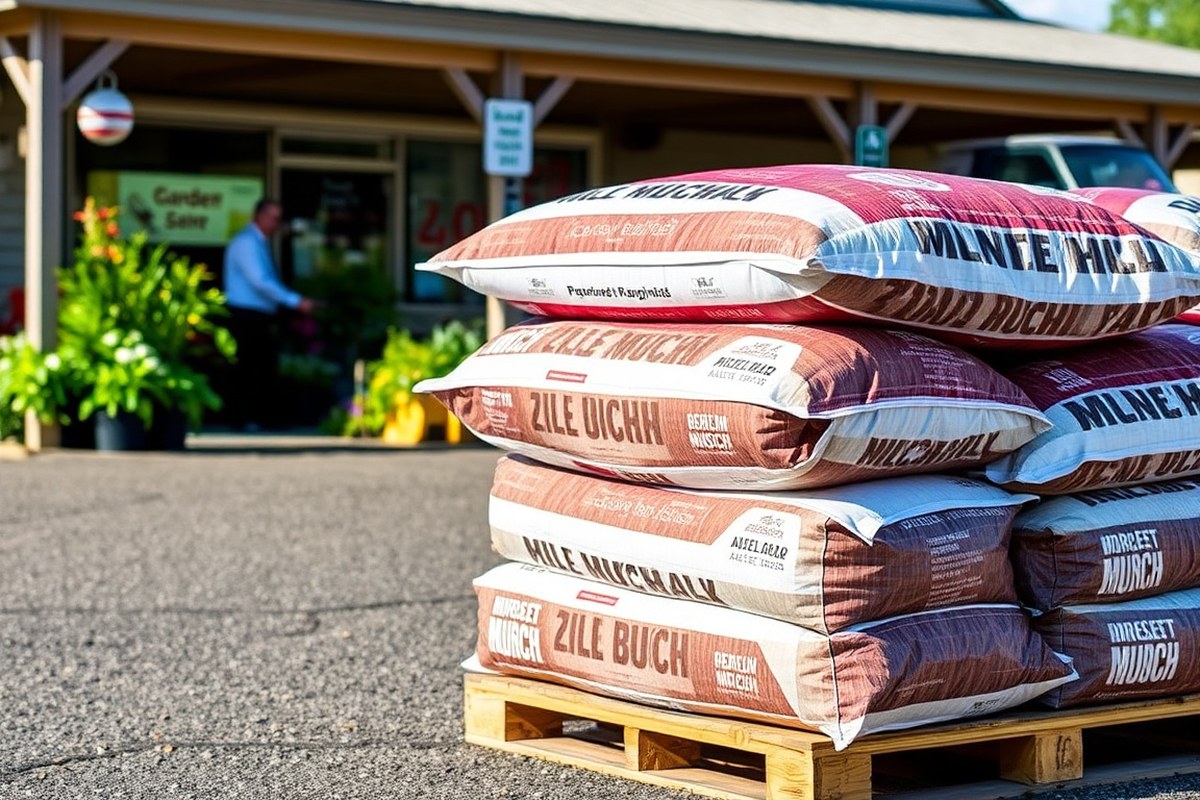
Bag labels usually list cubic feet. So check your bag to confirm it is 2 cubic feet. This standard size comes from the Mulch and Soil Council.
So most bags at garden stores use it. Knowing this makes it easy to plan and buy the right number of bags.
You can’t buy half a bag, so you have to round up. That means you actually need to purchase 14 bags to cover one cubic yard. Buying 13 bags gives you 26 cubic feet of mulch total.
That is less than one full yard of mulch. Getting 14 bags means you have some extra mulch on hand. Extra helps when mulch settles or spreads unevenly.
How Mulch Depth Affects the Number of Bags Needed
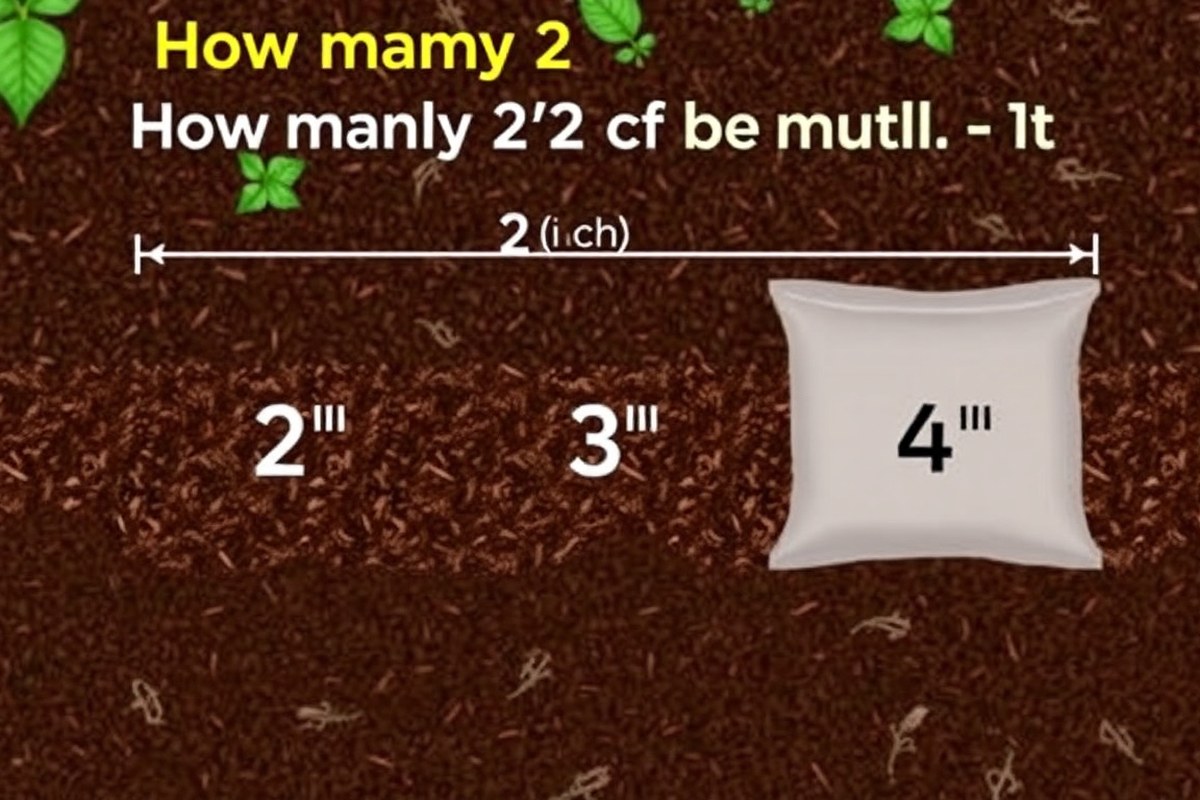
How much mulch you need depends on how deep you want it. Thicker layers use more bags because they cover less area per bag. Knowing how to adjust for depth helps you buy the right amount and avoid waste.
Standard Mulch Depth Recommendations
Most garden beds do well with 2 to 3 inches of mulch. Two inches is good for standard beds to keep moisture and weeds down. Three inches works better for new beds or spots with tough weeds.
Paths and play areas often need 4 inches for cushioning and weed prevention. Using less than one inch usually doesn’t control weeds or hold moisture well. More than 4 inches can block water and air from reaching plant roots.
Converting Mulch Depth from Inches to Feet
Calculations need depth in feet, so convert inches by dividing by 12. For example, 3 inches is 0.25 feet because 3 ÷ 12 equals 0.25. Two inches converts to about 0.17 feet the same way.
This step lets you multiply the garden bed area by the depth in feet. Then you get the volume in cubic feet before converting it to cubic yards or bags. Always do this conversion for accurate mulch amounts.
Coverage Area by Mulch Depth
One cubic yard of mulch covers 324 square feet at 1 inch deep. Mulch spread 2 inches deep covers 162 square feet.
At 3 inches deep, it covers only 108 square feet. More bags mean more mulch needed for thicker coverage.
Since standard 2 cubic foot bags fill a cubic yard at about 13.5 bags, their coverage changes with depth. For example, 13.5 bags cover 162 square feet at 2 inches.
But only 108 square feet at 3 inches. Planning for thicker layers means buying more bags.
Always round up the number of mulch bags you buy. Running out during work can slow you down. It’s easier to have extra bags than to get more later.
Calculating Bags for Different Garden Bed Sizes
To find how many 2 cubic foot bags you need, measure first. First, find the length of your garden bed. Then measure its width.
Then multiply by the desired mulch depth to get the total cubic feet. Finally, divide that volume by 2 to find the number of bags.
Measuring Length and Width
Use a tape measure to find the bed’s longest and widest points. Measure straight along the ground for accuracy. Break the bed into rectangles when it has an odd shape.
Measure each part on its own. Add the parts together to get total size.
Combine the lengths and widths of these sections to get the total area in square feet. This step matters because you need total surface area to calculate mulch volume. Accurate measurements help avoid either running short or buying too much mulch.
Calculating Cubic Feet from Area and Depth
Next, decide how deep you want the mulch layer. Three inches is common, it keeps weeds at bay and conserves moisture.
Think of depth in feet by dividing inches by 12. Three inches equals 0.25 feet.
Multiply the total square feet by the mulch depth in feet. This gives the volume in cubic feet. For example, a 9-by-14-foot bed with a 3-inch depth equals 126 × 0.25 = 31.5 cubic feet of mulch needed.
Converting Cubic Feet to Bag Count
Each bag covers 2 cubic feet, so divide the total cubic feet by 2. That tells you how many bags to buy.
For the 31.5 cubic feet bed, 31.5 ÷ 2 = 15.75. So buy 16 bags to cover completely.
For multiple beds, add their cubic feet first, then divide by 2. This saves time and ensures you order enough mulch at once. Round up because partial bags can’t be bought.
Follow these steps to measure and calculate:
- Measure length and width of garden bed(s) in feet.
- Calculate area by multiplying length × width for each bed.
- Add areas if you have more than one bed.
- Convert desired mulch depth from inches to feet (depth ÷ 12).
- Multiply total area by depth in feet to find cubic feet.
- Divide cubic feet by 2 to get the count of 2 cubic foot bags.
- Round up the number to buy complete bags.
Cost Comparison: Bagged Mulch vs Bulk Mulch Delivery
Buying mulch in bags is usually pricier per cubic yard than bulk delivery. A 2 cubic foot bag often costs between $4.50 and $6, making 14 bags necessary for one cubic yard. Adding up the bags can get expensive, especially for big projects.
Bulk mulch costs between $25 and $45 per cubic yard. Delivery fees can run from $50 to $120. These prices add up depending on how much mulch you need.
Delivery fees can raise the total price. But buying bulk still tends to be cheaper for large gardens. You’ll need a pickup truck or trailer to haul it yourself if you skip delivery.
| Comparison Factor | Bagged Mulch (2 cf bags) | Bulk Mulch Delivery |
|---|---|---|
| Material Cost | $54, $95 per cubic yard | $25, $45 per cubic yard |
| Delivery/Transport | Free if you haul yourself | $50, $120 flat delivery fee |
| Best for Garden Size | Small (< 1 cubic yard) | Large (> 1 cubic yard) |
| Convenience | Easy to carry and store | Needs space for big piles |
| Waste & Cleanup | Lots of plastic bag waste | Low; dumped on tarp or driveway |
For instance, 41 bags at $5 each cost $205. Bulk mulch delivery for this volume costs about $135. Buying bulk can save you money on large jobs.
Delivery fees push the cost up. So ordering less than 3 yards might favor bags. Crossing that threshold usually puts bulk mulch ahead in price and labor.
Choose bagged mulch for small planting beds or limited space. Bulk mulch is better for large gardens or when you want to save money over time.
Keep in mind bulk mulch can vary in moisture and debris. You should use it quickly to avoid spoilage.
Settling and Volume Changes After Applying Mulch
Mulch usually settles by about 5 to 10 percent after you spread it. This happens because the pieces compact under their own weight and from rain or watering. Expect the mulch depth to drop a little over the first few weeks.
Plan to buy extra bags to cover this settling. One cubic yard needs about 14 bags of 2 cubic foot mulch. This barely covers the area at first.
You should buy at least one or two bags extra to replace what settles or scatters. Adding 15 or 16 bags keeps your garden beds looking neat without gaps.
Settling mostly finishes within two to three weeks after spreading. After that, mulch stays pretty stable unless disturbed.
You can add a few extra bags to fill thin spots. This helps cover bare soil that shows through.
Always round up your mulch bags by one or two. This avoids running short after settling and spilling.
How to Safely Mulch Around Trees and Plants
Use 3 to 4 inches of mulch around trees to save moisture and block weeds. Keep mulch 3 to 6 inches away from the trunk. This stops bark from staying wet and reduces rot and pests.
Never pile mulch against the trunk in a volcano shape. This common mistake traps moisture against the bark and encourages decay and insects. Spread mulch evenly in a thin layer around the tree.
Let it extend a few feet from the trunk base. This coverage helps protect roots.
For flower beds or shallow-rooted plants, use a thinner mulch layer of 1 to 2 inches. Trees need extra mulch thickness because their roots go deeper. The thicker layer gives better insulation.
It also holds more moisture for the roots. Always pull mulch back when checking tree health or watering to prevent hiding problems.
The price of mulch depends on its depth and coverage area. A single cubic yard can spread over approximately 108 square feet at three inches. To figure out how many 2-cubic-foot bags you need, divide the total cubic feet by two.
Decide on the area to mulch based on the tree’s size and growth. Avoid covering the tree’s root flare, where the trunk meets the ground. Keeping mulch clear of this section helps the tree breathe and reduces risk of fungal diseases.
Take care to keep mulch loose, not packed tight. So air and water can reach the roots well.
Keep mulch about 3 inches away from woody shrubs or young tree stems. This helps avoid pest damage. Always leave a small gap around stems.
Watch out for rodents that like to nest in thick mulch near the bark. You can add a ring of gravel or use a trunk guard to protect the base. Applying mulch right keeps trees healthy and lowers future work.
It stops potential problems that cause extra tree care. Proper mulching saves time and effort later.
How to Estimate Mulch Bags If Bag Size Is Unknown
Sometimes mulch bags don’t list their cubic feet size. You may only see the weight or a vague description.
To figure out how many bags you need, estimate the volume first. Use the bag’s weight for your estimate.
Dry mulch weight per bag changes by type. Common sizes weigh 15 to 35 pounds each. For example, a 2 cubic foot bag usually weighs 20 to 25 pounds dry.
You can estimate volume by dividing the bag’s weight. Use the mulch type’s average weight per cubic foot.
Your bag weighs 22 pounds. Divide by 12 pounds per cubic foot to find volume.8 cubic feet (22 ÷ 12). You can adjust calculations if the bag is wet, since moisture adds weight.
Expect wet mulch weights about 50% higher than dry. Your wet bag weighs 35 pounds. Divide by 18 pounds per cubic foot to get volume.
You can also check the brand and type online. Many manufacturers list bag sizes on their website or packaging reviews. Some mulch types feel denser or lighter, like hardwood bark or pine straw.
Adjust your estimate based on typical weights. For example, hardwood mulch bags weigh more per cubic foot than pine bark.
After estimating the bag volume, divide your total project volume by this number. For instance, if you need 27 cubic feet and estimate a bag holds 1.8 cubic feet, divide 27 by 1.8, which equals 15 bags. This estimate helps prevent buying too much or too little mulch.
Think about how deep you want your mulch layer. Also, measure the area you need to cover. A cubic yard is 27 cubic feet.
So knowing approximate volume per bag lets you plan more precisely. You might round up to cover settling or potential waste, especially if bags lack clear labels.
Worked Examples: Calculating 2 Cubic Foot Bags for Common Projects
Worked Examples: Calculating 2 Cubic Foot Bags for Common Projects
For a 3-inch mulch layer, cover 100 square feet. You will need roughly 13 bags of 2 cubic feet each.
A larger 250 square foot bed requires roughly 32 bags at the same depth. Adjusting the depth directly changes the number of bags required.
Example 1: 100 Sq Ft at 3 Inches Deep
Calculate the volume by multiplying area and depth, then convert to bags. A 100 sq ft bed at 3 inches deep holds 25 cubic feet of mulch.
Each bag covers 2 cubic feet of space. Divide your total cubic feet, 25, by 2 to get bag count.
- Measure the bed’s length and width in feet.
- Multiply length × width to get area in square feet (100 sq ft).
- Change the mulch depth from inches into feet. For example, 3 inches equals 0.25 feet.
- Calculate volume: area × depth (100 × 0.25 = 25 cubic feet).
- Divide volume by bag size (25 ÷ 2 = 12.5 bags).
- Round up to the next whole bag (13 bags).
Buy an extra bag to cover settling or uneven spots in your bed.
Example 2: 250 Sq Ft at 3 Inches Deep
A 250 square foot bed at 3 inches needs 62.5 cubic feet of mulch. Dividing by 2 cubic feet per bag shows 31.25 bags are required. You should buy 32 bags to have enough mulch on hand.
- Measure or confirm the bed’s area (250 sq ft).
- Convert depth: 3 inches equals 0.25 feet.
- Calculate volume: 250 × 0.25 = 62.5 cubic feet.
- Divide by bag size: 62.5 ÷ 2 = 31.25 bags.
- Round up to nearest whole number (32 bags).
- Consider extra bags if the bed is uneven or slopes.
Buying slightly more prevents multiple trips to the store and delays.
Adjusting for Different Mulch Depths
The mulch depth changes volume and bag count quickly. For 2 inches deep, multiply the bed area by 0.167 feet (2 inches) instead of 0.25 feet. Less depth means fewer bags, which saves money but still protects plants.
For example, a 100 sq ft bed at 2 inches requires 16.7 cubic feet of mulch. This equals about 8.35 bags, which rounds up to 9 bags of 2 cubic feet. Keep track of depth preference before purchasing bags to avoid shortages or waste.
| Bed Size | Depth | Volume (cu ft) | Bags Needed (2 cu ft) |
|---|---|---|---|
| 100 sq ft | 3 inches | 25 | 13 |
| 100 sq ft | 2 inches | 16.7 | 9 |
| 250 sq ft | 3 inches | 62.5 | 32 |
Step-by-Step Action Plan to Calculate Your Mulch Bags
Follow these steps to figure out how many 2 cubic foot mulch bags you need. Each step helps you check your math and adjust as you go.
- Before you start: Measure your garden bed’s length and width in feet. Multiply them to get the square footage and note it down.
- Next: Decide how deep you want your mulch, usually between 2 and 3 inches. Multiply the depth in feet by the square footage to find cubic feet needed.
- Then: Divide the total cubic feet by 2, since each bag has 2 cubic feet. This gives the number of bags needed before settling.
- After that: Add about 10% extra bags to cover settling and uneven layers. Round up to a whole number.
- Right before purchase: Look at prices for bagged mulch first. Next, check bulk delivery rates if you need a lot. Choose the cost-effective option.
- Once on site: Spread mulch evenly and check coverage. When mulch looks thin in spots, keep an extra bag handy. Use it to fill those spots.
- After 2 weeks: Inspect mulch depth again. You may want to add mulch if you see bare soil or thin spots.
Frequently Asked Questions
How Many 2 Cubic Foot Bags of Mulch Equal a Cubic Yard?
One cubic yard of mulch equals about 13.5 bags of 2 cubic foot mulch. It’s best to buy 14 bags to cover for settling and spillage.
Can I Mix Bagged and Bulk Mulch for One Project?
Yes, you can mix bagged and bulk mulch but measure carefully to keep a consistent depth. Mixing helps if you run short of one or the other.
Does Bagged Mulch Maintain Moisture Better Than Bulk Mulch?
Bagged mulch might retain moisture slightly better because it’s usually fresher and less compacted. However, the difference depends on mulch type and weather.
Are There Storage Tips for Leftover Mulch Bags?
Store leftover mulch in a dry, shaded spot to prevent mold and nutrient loss. Keep bags sealed tightly to avoid drying out or pests.
How Does Bag Weight Affect How Many Bags I Can Carry?
A 2 cubic foot bag of mulch often weighs between 20 to 40 pounds. Know your lifting limits and plan how many bags to carry at once.
Will Bagged Mulch Color Fade Quicker Than Bulk Mulch?
Bagged mulch often has added color that may fade faster under strong sun. Bulk mulch fades too but usually looks more natural over time.
Final Thoughts
Two cubic foot bags add up to one cubic yard when you use 13.5 bags. Measuring your area and multiplying by depth helps you buy just enough. Measure your garden bed’s size first.
Then choose how deep you want the mulch. This helps you figure out how much you need.