Does Worms Feel Pain? What Science Reveals About Their Sensitivity
Does worms feel pain like humans do? The answer is complicated.
Worms likely sense harmful stimuli but do not experience pain the way people do. Their simple nervous systems support reactions but not the full feeling of pain.
Worms thrash or pull away when injured, showing clear sensitivity. Their tiny brains lack complex structures found in animals that feel pain consciously. This means they probably react to damage without feeling long-lasting suffering.
Scientists study worm behavior to understand how they respond to harm. These observations suggest worms have reflexes but no emotional pain. Knowing this helps us treat them more thoughtfully during handling.
When you handle worms, avoid sharp damage to reduce their distress. Gentle care respects their sensitivity, even if they don’t feel pain the same way people do. Watching their reactions after injury helps guide kinder, more careful treatment.
Key Takeaways
- Worms react to harmful stimuli but probably do not feel pain.
- Their nervous system is simple, lacking structures needed for pain awareness.
- Thrashing is a reflex, not necessarily an emotional pain response.
- Handle worms gently to reduce their stress and potential harm.
- Research suggests worms can sense touch, temperature, and damage.
- Worms’ pain perception differs vastly from complex animals like octopuses.
Do Worms Feel Pain or Just React to Stimuli?
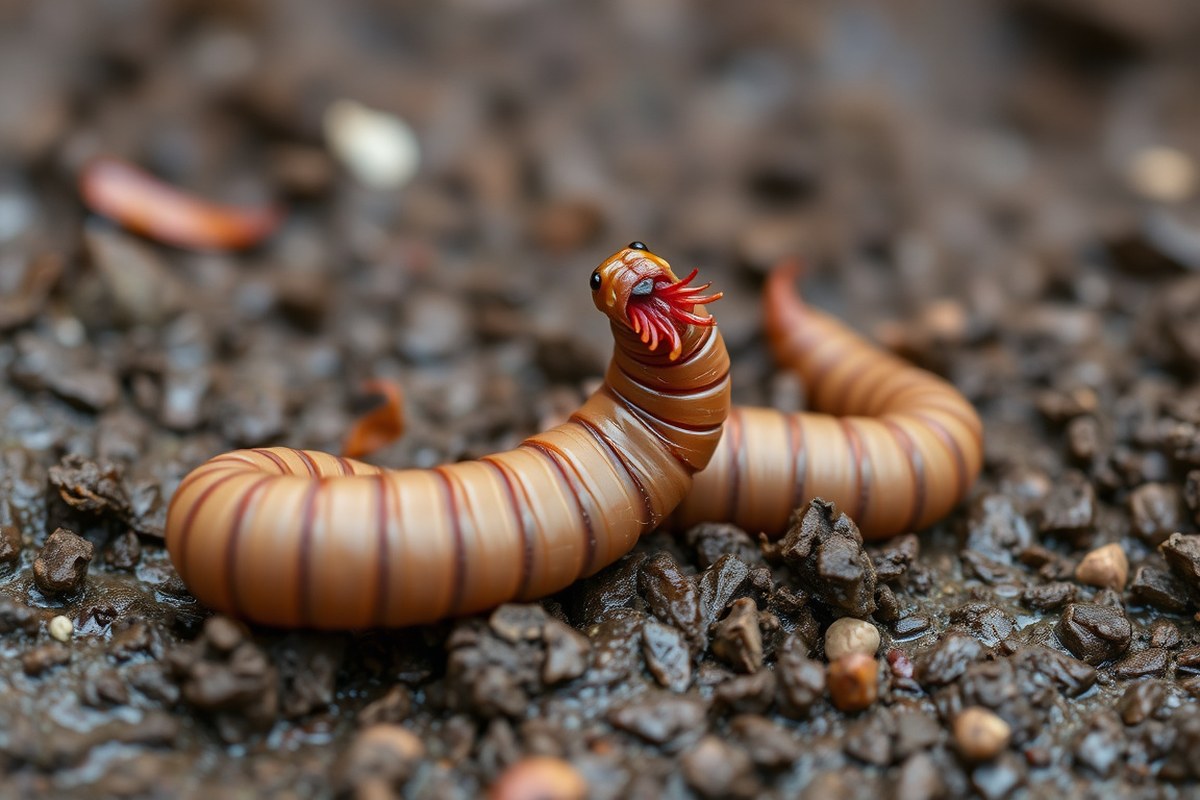
Worms react to danger more by reflex than feeling pain like humans do. Their responses are usually simple, automatic moves to avoid harm. This is called nociception.
It means sensing harm without feeling pain. It does not involve emotional or conscious pain.
The main difference is that pain involves a subjective, unpleasant experience. Nociception just triggers a biological reaction. For example, a worm thrashing after being hurt shows a reflex to avoid damage.
This thrashing doesn’t prove the worm suffers or has awareness of pain. It’s a survival response that helps it escape threats.
Scientists look for flexible, memory-based behaviors to guess if animals feel pain. Studies show some worms learn to avoid certain harmful conditions, which goes beyond simple reflex.
But a worm’s tiny brain of 302 neurons can still perform these actions without feeling pain. It’s a complex signal, not necessarily conscious experience.
Worms do sense harmful things and show changing behavior from past exposure. Yet, their nervous system lacks the parts linked to emotional pain in mammals. That means worm behavior alone doesn’t confirm pain.
It shows they can feel sensations and react. But not that they suffer like mammals might.
Deciding if worms feel pain matters for how you handle them in fishing or composting. Treating them gently reduces the chance of injury and respects their role in nature.
Handle them quickly and avoid harsh damage. They respond to harm even if they don’t feel pain as you do.
Understanding Worm Nervous Systems and Pain-Related Molecules
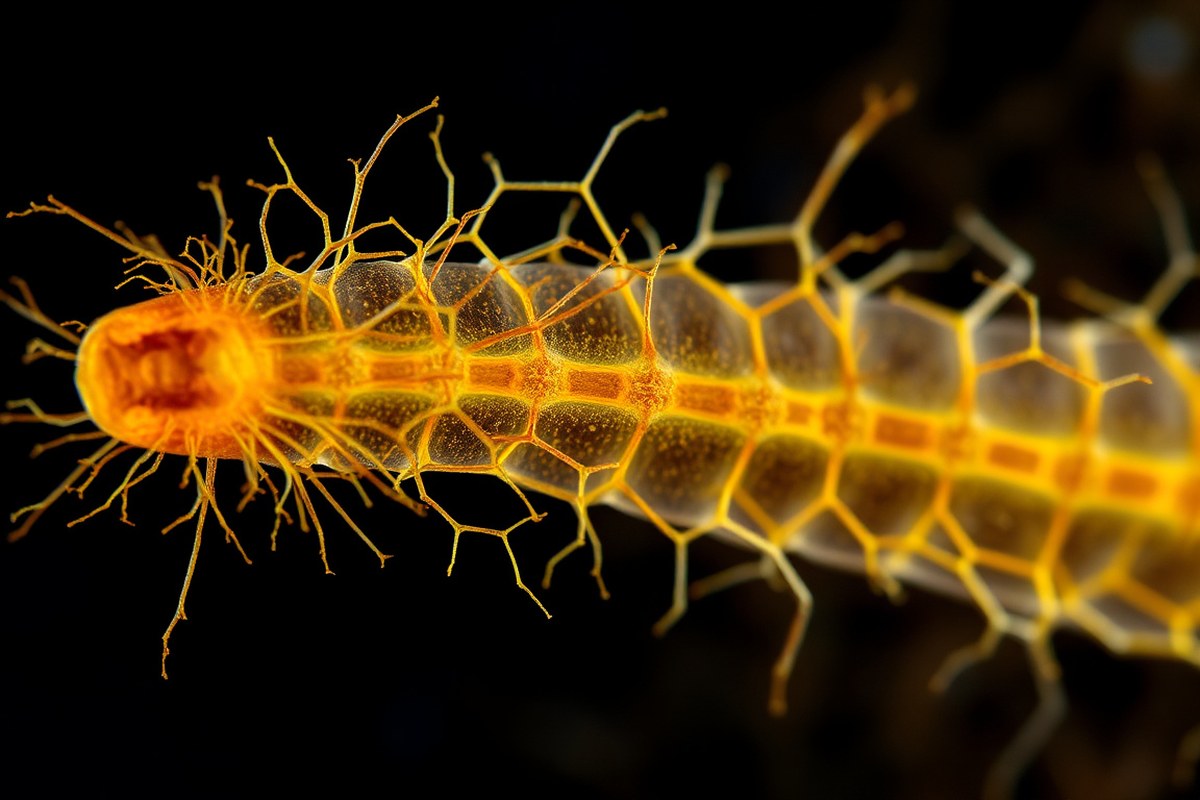
Worms have a simple nervous system made mostly of a nerve cord and ganglia. They rely on this system to detect touch and harmful stimuli. Worms don’t have a brain like humans do.
Instead, they have many nerve clusters. These clusters help them react to their surroundings.
Many animals, including worms, use molecular sensors to detect harm. One key type of molecule is the TRP channel family. For example, TRPA1 senses irritating chemicals.
Worms have proteins similar to these, helping them avoid damage. However, they lack complex nociceptors, the exact receptors in humans responsible for feeling pain.
Humans have a central nervous system. It includes a brain and spinal cord. This system processes senses and creates emotional pain responses.
Worms’ nervous systems detect harmful stimuli but probably don’t create unpleasant feelings like humans. Their responses lean more on reflexes than conscious pain perception.
Here’s a quick look at how worm nervous systems compare to some other invertebrates:
| Animal | Nervous System Type | Key Pain-Related Molecules | Nociceptors Present? |
|---|---|---|---|
| Earthworm | Ventral nerve cord with ganglia | TRPA1, acid-sensing channels | No |
| Insect (e.g., fruit fly) | Brain and ventral nerve cord | TRPA1, acid-sensing channels | No |
| Octopus | Complex brain and nerve ring | TRP channels, opioid peptides | Unclear but suspected |
| Human | Brain and spinal cord (CNS) | TRPV1, B-endorphins, nociceptors | Yes |
Molecular components like TRPV1 help detect heat and inflammation in humans. Worms do not have TRPV1 specifically but share similar channels for sensing harmful conditions. B-endorphins, which modulate pain in humans, have no identified equivalents in worms.
Their simple system means worms rely on automatic reactions to avoid damage. In contrast, humans process sensory input with an emotional response. This difference explains why cutting a worm triggers withdrawal without clear evidence of pain feeling.
Be gentle when handling worms to avoid harm. They react to harmful things. But they don’t feel pain like humans do.
How Worms Behave When Exposed to Harmful Stimuli
Immediate Reactions to Harmful Stimuli
Worms quickly pull away when touched or poked sharply. This withdrawal looks like a simple reflex to avoid immediate harm.
Thrashing is common if something pokes or grabs them. The movements are quick but may not show lasting distress.
Longer-Term Avoidance and Behavior Changes
Worms can change their behavior after repeated unpleasant experiences. They learn to avoid harmful places or tastes over time.
For example, if exposed to unpleasant temperatures or chemicals, worms will avoid those areas later. This shows more than just a quick reflex.
Signs That Suggest More Than Reflexes
Worms do more than just move randomly when harmed. They actively try to reduce discomfort by changing their environment or posture.
Some earthworms produce natural pain-relief chemicals like enkephalins. This hints they might have some capacity to feel pain, not just react.
Key Behavioral Signs of Pain or Discomfort
Besides thrashing and withdrawal, worms might:
- Avoid places where harm happened before
- Slow movement or stop eating temporarily
- Curl or twist their body away from stimulus
- Increase mucus secretion around injured areas
- Show erratic movements differing from normal actions
Observing these signs indicates the worm senses more than just a reflex.
How Worms Respond to Different Harmful Stimuli
A worm placed in hot water near 104°F (40°C) retreats quickly. It avoids the heat again if tested later.
When exposed to a sharp poke, withdrawal happens in milliseconds. The worm may also coil to protect the injured area.
Repeated exposure to mild electric shocks causes worms to alter their route to avoid the source. This takes several trials across minutes or hours.
Scientific Studies That Support or Challenge Worm Pain Perception
Scientists have studied whether worms feel pain, with mixed results. Some research shows worms might experience pain, while other studies argue they cannot. The way researchers test worm pain varies and has limits that affect their conclusions.
Studies Supporting Worm Pain Perception
Some studies find worms show responses that seem consistent with pain perception. These include lasting, complex reactions to harmful stimuli, similar to those seen in vertebrates. For example, a Norwegian study explored if worms react beyond reflexes, suggesting a pain experience.
Researchers have observed that worms change behavior when exposed to damaging environments. They may curl or try to escape in prolonged ways, which goes beyond simple reflex. Such behaviors raise questions about their ability to feel pain, not just react.
Studies Arguing Against Worm Pain Experience
Other research holds that worms lack brain structures for conscious pain. Scientists note worms don’t have centralized processing like vertebrates that feel pain. Without that, the idea of worm pain may be more about projecting human traits onto them.
Past studies also point to worms not producing chemicals tied to pain in mammals. These chemicals, called enkephalins and endorphins, are missing in worms. That absence suggests worms might not experience pain the same way bigger animals do.
Common Research Methods and Limitations
Most research uses behavior observation after applying harmful stimuli. Methods include poking, heating, or squeezing worms and watching their reactions. Scientists look for lasting changes, not just quick reflexes, to judge pain perception.
Limitations include the subjective view of what counts as pain-like behavior in worms. Their simple nervous systems make it hard to measure feelings directly. Also, study results vary depending on worm species, stimulus type, and observation duration.
The table below summarizes key studies, their methods, and findings about worm pain perception.
| Study | Method | Finding | Limitations |
|---|---|---|---|
| Norwegian Government Study | Applied painful stimuli, observed behavior | Worms show complex, lasting responses beyond reflex | Behavioral interpretation, no direct pain measure |
| Brain Structure Studies | Neuroanatomy analysis | Worms lack brain areas for conscious pain | Assumes human-like brain needed for pain |
| Chemical Analysis Studies | Measured pain-related neurochemicals | Worms do not produce enkephalins or endorphins | Different pain mechanisms possible in worms |
| Behavioral Response Studies | Reaction to heat, touch, chemicals | Some worms show avoidance or escape behaviors | Hard to separate pain from reflexes |
These studies use different ways to test worm pain, each with pros and cons. Behavior tests show how worms react but can’t prove feelings. Neurochemical and brain studies look for similar pain signs but might miss unknown worm mechanisms.
Do Worms Feel Pain When Hooked or Cut During Fishing?
Worms react when hooked during fishing. But science does not confirm they feel pain like humans.
Their reactions are mostly reflexive, meaning they pull back or squirm to avoid harm. Unlike humans, worms lack the brain structures needed to process pain as a conscious experience.
Worms show protective behaviors when cut or hurt for bait. They contract or move away to avoid damage. These actions protect them from harm.
These responses happen quickly and are automatic, not based on thinking or feeling pain. Worms can sense harmful things, but they likely don’t feel pain like mammals.
Studies show they react but don’t have pain experiences. This difference matters in how we treat them.
To know if worms feel pain in fishing, watch for signs of suffering. Reflexes alone don’t prove they feel pain. Conscious suffering is a better indicator.
For example, crabs cooked alive avoid pain perception, and worms behave similarly when boiled or cut. Studies on pain-related molecules show some receptors first appear in worms. But their nervous system is too simple for human-like pain perception.
Worms’ squirming when hooked or cut is not proof they suffer. It shows a nerve response designed to protect the worm’s body. Feeling pain means knowing damage and feeling bad about it.
Current research doesn’t show worms experience these feelings. They detect harm but don’t seem to feel pain.
Always handle worms gently to prevent extra injury or stress. They probably don’t feel pain like mammals do. Being careful is still the best practice.
Ethical Guidelines for Handling Worms Based on Their Sensitivity
Worms might not feel pain as we do, but you should handle them gently. Rough treatment can injure them or reduce their usefulness in composting and fishing.
Mimi from Meme’s Worms in Georgia says you should treat worms kindly. Worms stay healthy and productive when you handle them gently.
When you touch a worm, use damp hands to avoid damaging its skin. Dry hands can scrape off the thin mucus layer that protects them. Avoid squeezing or pulling worms too hard, as they have fragile bodies that tear easily.
In vermiculture, worms thrive between 55°F and 77°F and need moist but not soggy bedding. Overheating or drying out kills them quickly. Keep bedding clean and avoid adding food scraps with oils or citrus, which harm worms.
- Use damp hands to pick up worms gently
- Keep worm bedding moist, about the feel of a wrung-out sponge
- Avoid direct sunlight and temperatures above 77°F
- Don’t squeeze or stretch worms to prevent injury
- Feed worms small amounts of vegetable scraps, no oily or acidic foods
- Store worms in breathable containers rather than sealed plastic bags
- When you fish, take worms off hooks carefully. Avoid tearing the worms.
People often pick up worms with dry hands or squeeze them. This damages their thin skin or causes stress, shortening their lives. Worms left in direct sun or hot places dry out fast and die in minutes.
Taking a little time to care for worms pays off. Healthy worms compost well and stay lively as bait.
Handle worms gently to save money and effort. This matters for buying supplies or harvesting on your own.
Comparing Worms’ Pain Perception with Other Invertebrates
Worms have simpler nervous systems than many other invertebrates. Their nerve nets and ganglia manage simple reactions. They don’t have the complexity for pain like advanced animals.
Octopuses and some insects have nervous systems that allow them to process pain-like experiences more fully. That difference affects how we understand where worms fit on the sentience scale.
Octopuses have large, well-developed brains with about 500 million neurons. They show signs of learning and remembering past injuries, which suggests real pain perception. Insects have nervous systems with hundreds of thousands to millions of neurons.
They can learn from harmful events too. Both groups display complex, long-lasting responses that meet many criteria scientists use to define pain.
The table below shows key features in different invertebrate groups. It compares their nervous system size, complexity, and responses linked to pain.
This shows why researchers believe some animals feel pain. Worms likely only react to harm or feel less pain.
| Invertebrate Type | Neuron Count (Approx.) | Nervous System Complexity | Known Pain-Related Behaviors |
|---|---|---|---|
| Worms | Thousands | Simple nerve cords and ganglia | Basic withdrawal and avoidance |
| Insects (e.g., fruit flies, bees) | Hundreds of thousands to millions | Segmented ganglia, brain centers | Learning from harmful stimuli, lasting avoidance |
| Octopuses | ~500 million | Highly developed brain with multiple lobes | Memory of injuries, protective behaviors, long-lasting changes |
| Crustaceans (e.g., crabs) | Hundreds of thousands | Distributed ganglia with central brain | Avoidance learning, prolonged defensive responses |
Many invertebrates have chemicals like opioid peptides that modulate pain. But the exact systems differ from vertebrates. This means their pain or discomfort may not feel the same as in animals like mammals.
Worms rank low on the scale. They probably detect harm but don’t feel pain consciously.
Octopuses and some insects integrate past injuries into future actions. That shows learning connected to pain, not just reflexes.
Those long-lasting and complex responses have been confirmed through experiments designed originally for vertebrates, like rats. Worms do not exhibit this kind of behavior, reinforcing their position as simpler sentient beings.
What Future Research Could Clarify Worm Pain and Sensation?
Research on worm pain is far from finished. Scientists need to explore detailed molecular functions and use new technologies. These steps will clarify worm sensation and affect how we treat worms ethically and scientifically.
Key Unanswered Questions
We still don’t know if worms truly experience pain or just react to harmful signals. It’s unclear how these signals turn into conscious discomfort, if at all. Scientists also want to understand how worm responses vary across species and environments.
Researchers must study how worms’ nervous systems process threats over time. Questions remain about which behaviors indicate suffering versus automatic reactions. Knowing this will shape how we handle worms in labs and fishing.
Potential Molecular Targets for Study
Focus should go to molecules like TRPV1, which suppress harmful signal responses in worms. Studying these molecules helps reveal how worms sense danger and possibly pain. The parasite Schistosoma mansoni secretes TRPV1+-suppressing molecules, which need close examination.
Looking at ancient, conserved molecular pathways could show if worm pain evolved similarly to vertebrates. Molecular biology methods like gene editing might show what happens when these molecules are altered. This work can take months and needs specialized labs.
Technological Advances in Neuroscience
New imaging techniques let scientists observe neurons in live worms during stimulus reactions. These tools show precise brain activity and how signals travel in the nervous system. Using optogenetics to control specific neurons could reveal their role in pain sensation.
Portable electrophysiology devices are becoming cheaper, enabling rapid testing of worm responses outside labs. Data analysis software helps identify subtle differences in reactions between painful and harmless stimuli. Such tech is costly initially but promises clearer answers.
Always confirm experimental treatments follow ethical rules. Small animals like worms still need careful handling.
Step-by-Step Action Plan for Ethically Handling Worms
Handle worms carefully to respect their sensitivity and reduce stress. Follow these clear steps to protect them during use or study.
- Before you start: Choose healthy, active worms. Check for firm, moist bodies with smooth skin as a sign they’re strong enough.
- Day 1: Use gentle tools to move worms. Avoid sharp objects that can injure them and cause unnecessary harm.
- Day 3: Keep worms moist but not wet in your container. A damp environment helps them breathe and stay healthy.
- Week 1: Minimize exposure to bright light or heat. Worms can become stressed or harmed by harsh conditions.
- After 2 weeks: Rotate or replace soil to keep their habitat fresh. This prevents buildup of toxins that may affect them.
- Before disposal or release: Handle worms gently and avoid cutting or pulling them apart. This reduces pain and distress risks.
- After any handling: Observe worm behavior briefly. Look for normal movement patterns to know they’re not injured or stressed.
- Ongoing: Stay updated on new research about worm sensation. Awareness can guide better ethical choices.
Frequently Asked Questions
Can Worms Feel Pain Like Humans Do?
Worms likely feel sensations but not pain like humans. They react to harmful stimuli but lack human pain complexity.
Why Do Worms Thrash When Injured?
Thrashing is a reflex to escape danger, not proof of feeling pain. This response helps them survive by avoiding harm.
Do Worms Remember Painful Experiences?
Worms can learn to avoid harmful situations after repeated exposure. Their simple nervous system supports basic memory for survival.
Can Worms’ Pain Perception Affect Fishing Success?
Yes, injured worms may behave differently, affecting how fish respond. Using freshworms improves bait effectiveness.
Are Some Worm Species More Sensitive to Injury Than Others?
Sensitivity varies by species based on nervous system complexity. Red wigglers might respond more noticeably than others.
Does Handling Worms Gently Reduce Their Stress or Pain?
Gentle handling likely minimizes their distress and tissue damage. This helps keep them healthier for fishing or composting.
The Bottom Line
Worms react to harm but likely do not feel pain like vertebrates. Treating them gently helps avoid unnecessary suffering. Start today by gently handling your worms.
They have a simple nervous system. This system is quite sensitive and needs respect.