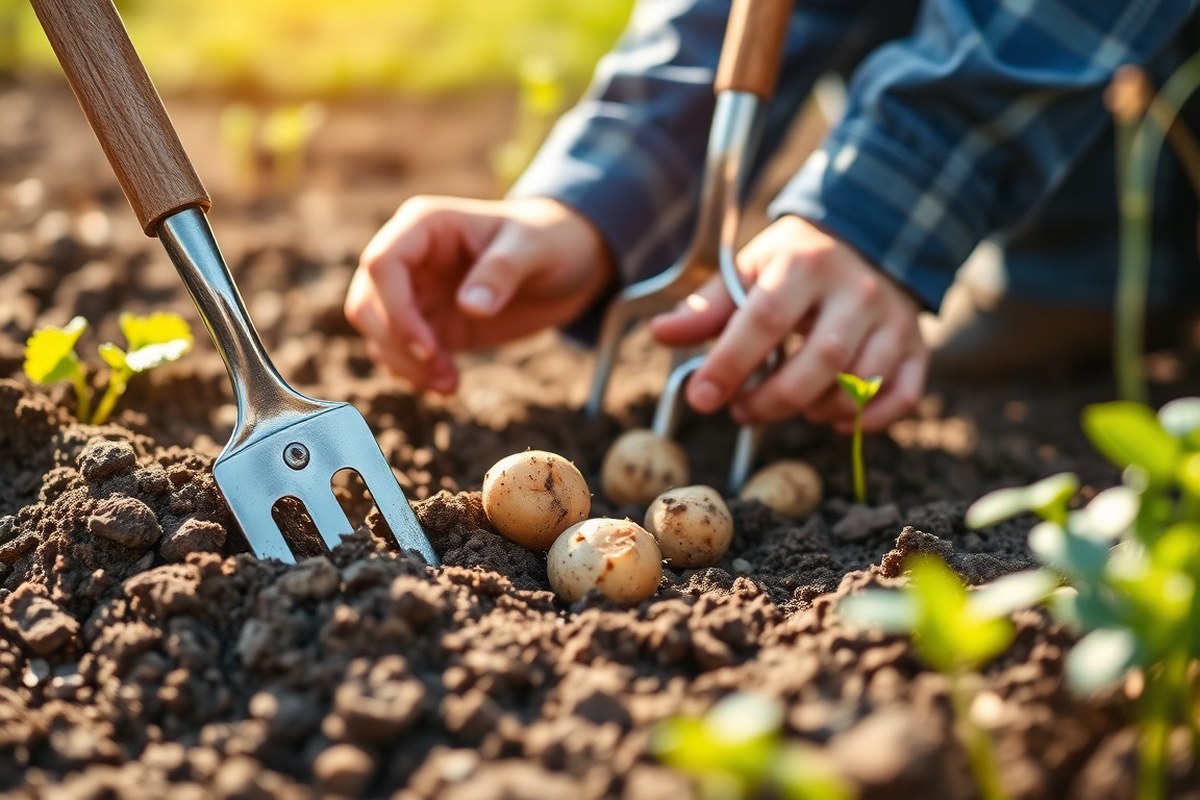
When to Plant Potatoes in PA: A Complete Guide with Zone-Specific Timing
When to plant potatoes in PA is mostly about timing it right with the weather. Plant your seed potatoes about 2 to 3 weeks before the last frost date here. This usually means mid-April to early May.
The soil must warm to 50 degrees Fahrenheit or more. That’s when you can plant potatoes.
Potatoes won’t grow if the soil is still cold and wet. Make sure the soil is dry enough to work before planting. Also, don’t plant potatoes where nightshade crops grew.
Wait 2 to 3 years to avoid disease. This helps keep your plants healthy.
Dig planting holes 4 to 6 inches deep. Place seed potatoes with the eyes facing up. This helps them sprout properly.
Space them 8 to 10 inches apart to give roots room to grow. This helps your potato plants get off to a strong start in Pennsylvania’s climate.
Key Takeaways
- Plant seed potatoes 2 to 3 weeks before the expected last frost in your area.
- Soil temperature should be at least 50 degrees Fahrenheit before planting.
- Space seed potatoes 8 to 10 inches apart and plant 4 to 6 inches deep.
- Do not plant potatoes where nightshade family crops grew for 2 to 3 years.
- Wait until soil is dry enough to work before planting to avoid rot.
- Cover seed potatoes with 3 to 4 inches of soil after planting.
When Is the Best Time to Plant Potatoes in Pennsylvania?
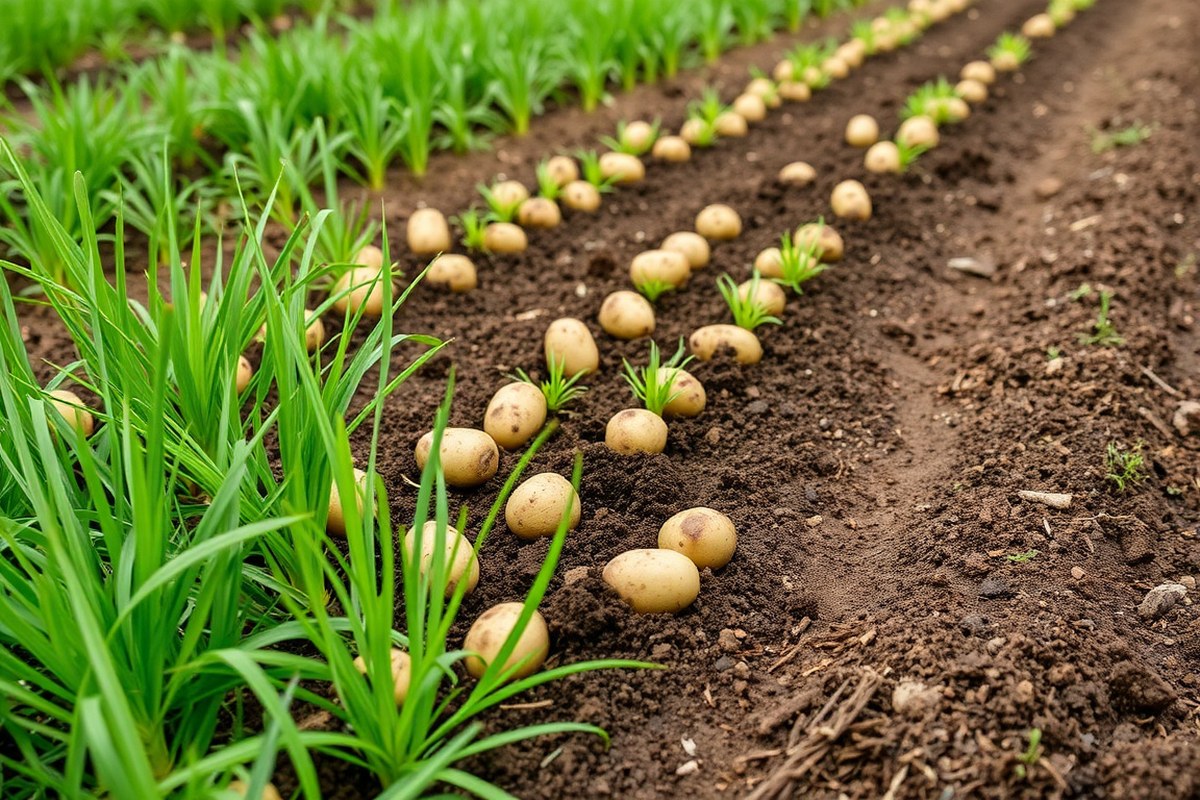
Potatoes in Pennsylvania do best when planted 2 to 3 weeks before the last spring frost. The last frost date varies across the state because of different USDA zones.
For example, in zone 6a, the median last frost is April 23. Zone 6b sees it around April 6, offering a longer growing season.
Soil temperature matters more than air temperature for planting potatoes. Aim to plant when soil stays between 50 and 65 degrees Fahrenheit.
This temperature range helps seed potatoes start growing without rotting. In Pennsylvania, soil usually warms to these temperatures between mid-April and early May.
To pick the right planting day, first check your local USDA zone’s average last frost. Next, measure your soil temperature using a soil thermometer at the planting depth. Plant when soil is 50°F or warmer and you’re 2-3 weeks from last frost.
Gardeners in zone 6b can start planting in early April. Only do this when the soil temperature is right.
Wait longer to plant in cooler or shaded garden spots. Let the soil dry and warm up first.
Delaying planting is safer than setting seed potatoes in cold, wet soil. These conditions can cause seed rot and stunt early growth.
Planting too early risks frost damage and poor sprouting. Planting too late shortens the growing season and lowers yields. So, watch your local frost calendar, check soil temperature, and plant when conditions match these rules.
How USDA Zones Affect Potato Planting Dates in Pennsylvania
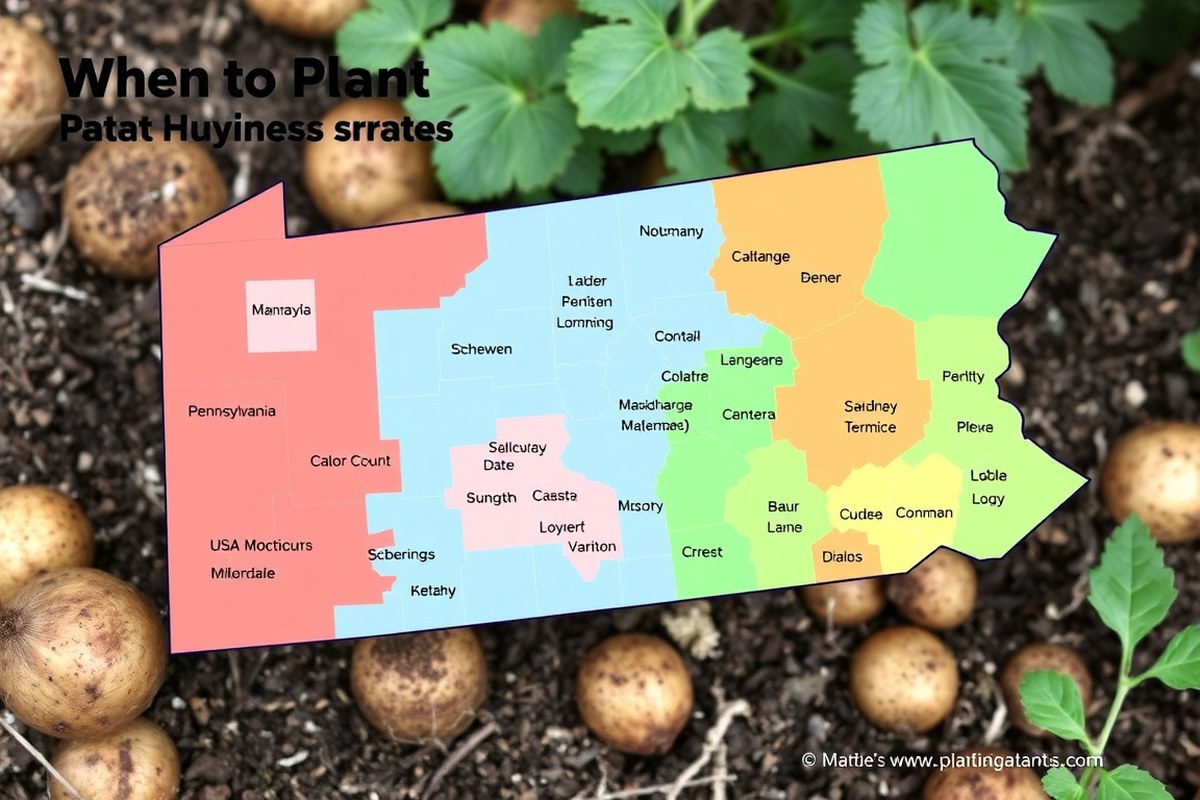
Most of Pennsylvania lies in USDA Zone 6b. But the range spans 5a in the north to 7b in the southeast. These zones guide gardeners about winter lows.
But potato planting depends more on spring frost dates. Plant potatoes once the soil reaches about 45°F. This usually happens near your last frost date. Soil temperature matters for good growth.
In southern Pennsylvania (Zone 7b), you can start planting by mid to late March. Central parts around Zone 6b see safe planting from mid-April to early May.
Northern areas in Zone 5a often have later frost dates. So wait until early to mid-May to plant.
Planting too early risks frost damage since potatoes can’t survive temperatures below 50°F. Starting on time helps potatoes develop steady before summer heat and pests arrive.
| Region | USDA Zone | Earliest Planting Date | Typical Last Frost Date |
|---|---|---|---|
| Southern Pennsylvania | 7b | Mid to Late March | Mid to Late March |
| Central Pennsylvania | 6b | Mid April to Early May | Mid April to Early May |
| Northern Pennsylvania | 5a | Early to Mid May | Early to Mid May |
Check the USDA Hardiness Zone map for Pennsylvania to confirm your zone. This helps pick the best planting window and suitable potato varieties. Combining zone info with local frost dates ensures you avoid planting before your soil warms enough.
The soil should reach at least 45°F before planting. Planting earlier can kill your seed potatoes.
Plan your potato garden carefully. Plant seed potatoes 4 to 6 inches deep. Make sure the eyes face up.
Space them 8 to 10 inches apart. Starting early in warm zones lets you harvest sooner.
You might also grow a second crop later. This can extend your growing season.
Choosing the Right Potato Varieties for Pennsylvania Gardens
Choosing the right potato variety can make a big difference in Pennsylvania gardens. Early types mature quickly and suit cooler soils in spring. Later kinds need warmer soil but yield bigger tubers and store longer.
Early potatoes mature in 70 to 90 days. They work great if you plant right when soil thaws. This usually happens in early April in PA’s colder zones.
Planting early gives your potatoes a good start. Mid-season types need 90 to 110 days to grow. You should plant them when the ground warms up.
In PA, this is usually late April to early May. Late season potatoes need 100 to 130 days. So plant them only in warmer zones or if you start indoors early.
Some varieties resist frost better and fight common diseases. Disease resistance helps prevent rot and blight, common in Pennsylvania’s humid summers. It pays off to buy certified seed potatoes from local garden centers or extension offices.
| Variety Type | Days to Maturity | Preferred PA Zones | Notable Traits |
|---|---|---|---|
| Early | 70-90 | 5b, 6a, 6b, 7a | Frost tolerant, good for first planting |
| Mid-season | 90-110 | 5b, 6a, 6b, 7a, 7b | Higher yield, suitable for spring planting |
| Late | 100-130 | 6b, 7a, 7b, 8a | Large tubers, good storage potatoes |
Use this table to pick varieties fitting your zone and forecast. The earlier zones like 5b have shorter growing seasons.
They benefit from quick-maturing or frost-hardy types. Warmer zones can grow late potatoes that store well.
Buy certified seed potatoes from local suppliers to avoid disease. Plant disease-resistant varieties to cut losses, especially in humid or wet plots. Try mixing early, mid, and late types for a steady harvest over months.
How to Prepare and Plant Seed Potatoes Correctly
Plant seed potatoes about 4 inches deep and 12 inches apart in loose, well-drained soil. Cut large seed potatoes into pieces with at least one or two eyes each. Proper soil prep and correct placement help avoid rot and boost growth.
Preparing Seed Potatoes for Planting
Use certified seed potatoes, not grocery store ones. These are disease-free and adapted for growing.
Before planting, check your seed potatoes for healthy sprouts about 1 inch long. Store seed potatoes without sprouts at 50 to 60°F in bright light. Do this for a few weeks to help them start sprouting.
Planting Depth and Spacing Tips
Plant potatoes 4 to 6 inches deep to protect them from frost and pests. Too shallow planting can cause green tubers, which taste bitter.
Space seed pieces 12 inches apart to give potatoes room to grow. Rows should be about 2 to 3 feet apart for easy access and airflow.
Soil Preparation and Bed Selection
Loosen soil to at least 8 inches deep before planting. Add organic compost to improve fertility and drainage. Choose a sunny spot with soil temperature between 45 and 65°F. Avoid waterlogged or compacted areas to prevent rot.
Positioning Seed Potatoes Correctly
Plant seed potato pieces with the eyes facing upward. This helps sprouts grow straight up toward light.
When seed potatoes are small, plant them whole without cutting. Cut only larger potatoes into pieces with one or two eyes each. Here’s a simple step-by-step for planting potatoes in your garden:
- Check the soil temperature and prepare your garden bed by tilling to 8 inches deep.
- Mix in rich organic compost to boost soil nutrients and drainage.
- Cut large seed potatoes into pieces with at least one or two eyes each.
- Cut seed potatoes into pieces then let them dry for 1 to 2 days. This forms a protective callus over the cuts.
- Dig holes or trenches about 4 to 6 inches deep and space them 12 inches apart.
- Place seed pieces in the holes with eyes facing upward.
- Cover them with soil and water thoroughly to settle the soil around them.
Optimal Soil and Sun Conditions for Growing Potatoes in PA
Potatoes grow best in slightly acidic soil with good drainage and full sun. They need 6 to 8 hours of direct sunlight daily to develop healthy tubers. Keeping soil moist but not soggy helps prevent disease and uneven growth.
Soil pH Range for Healthy Potatoes
Potatoes do well in soil with a pH from 5.0 to 6.5. This slight acidity helps them take in nutrients like phosphorus and potassium. You can use a home soil test kit from garden centers for about $10 to $15.
Potatoes can get scab disease when the soil pH is too low or too high. This common problem happens outside the ideal pH range.
Adjust soil acidity by adding sulfur to lower pH or lime to raise it. Work these amendments into the soil a few weeks before planting.
The Importance of Well-Drained Soil
Potatoes hate standing water around their roots. Heavy, clayey soil holds too much water and can cause tubers to rot. Adding several inches of compost or aged manure helps soil texture.
It also improves drainage. This is especially useful in Pennsylvania’s clay soils.
Raised beds or hills with loose soil are ideal to keep roots dry. Check drainage by digging a small hole and filling it with water.
Check soil drainage by seeing how fast water drains after rain. Spots that drain within a few hours work well for potatoes.
Meeting Sunlight Needs for Strong Growth
Potatoes need at least 6 hours of direct sun. But 8 hours or more is better.
More light means stronger plants and bigger yields. Avoid shady spots near tall trees or buildings where sunlight blocks the garden all day.
Early spring in Pennsylvania offers cooler weather with plenty of sunlight. Pick a sunny spot for your potatoes with light until late afternoon.
This matches when tubers start to grow. Good sunlight helps them develop well.
Keeping Soil Moisture Just Right
Consistent moisture helps tubers grow evenly without developing cracks or deformities. Water your potatoes once a week during dry weather to keep soil moist. Make sure the top 6 inches of soil stays damp.
This helps tubers grow healthy. Avoid both drought and soggy soil.
Mulching with straw or shredded leaves slows water evaporation and keeps soil cooler. Check soil often by feeling it with your fingers.
It should feel damp, not muddy. Too much water can cause rot, while too little leads to small, shriveled potatoes.
Test soil drainage before planting potatoes by pouring water on it. If water pools longer than six hours, change soil or use raised beds. This prevents root problems.
Common Mistakes and How to Avoid Them When Planting Potatoes
Planting potatoes too early can cause seed potatoes to rot before they sprout. Cold, wet soil stunt sprouting and lead to poor growth. Wait until soil temperature is 45°F or above to plant your seed potatoes.
Late planting greatly reduces yield in Pennsylvania’s cooler areas. Potatoes need cool but frost-free nights and warm days below 75°F. Planting by mid-April gives the best chance to mature before summer heat.
Choosing the wrong variety leads to poor growth or small tubers. For example, early varieties mature faster and resist bolting in warmer weather. Match your seed to your local conditions for a better harvest.
Poor soil preparation causes weak emergence and low yields. Heavy, wet soils rot tubers and create uneven sprouts. Add organic matter like compost to lighten soil and improve drainage.
- Don’t plant seed potatoes straight from the fridge or store. Let them sprout first indoors
- Cut large seed potatoes into pieces with two eyes each and let them dry before planting
- Avoid planting in the same spot year after year to prevent disease
- Space seed pieces at least 12 inches apart for good tuber development
- Hill soil around plants as they grow to protect tubers from sunlight and green coloration
When seed potatoes sprout poorly or rot, check soil moisture and temperature. Overly wet or cold ground is usually the cause. Test with a soil thermometer and adjust by delaying planting or improving drainage.
Planting at the right time and in well-drained soil avoids frost damage and tuber loss. When frost arrives late after planting, cover plants with mulch or fabric overnight. This helps reduce frost harm and keeps tubers healthy.
Adjusting Planting When Facing Pennsylvania’s Cold Pockets or Microclimates
Cold pockets in Pennsylvania cause soil to warm later each spring. You should delay planting until soil warms to about 45°F. Planting in cold, wet soil risks rot and poor sprouting. Check soil temperature at 3-4 inches deep with a soil thermometer before planting.
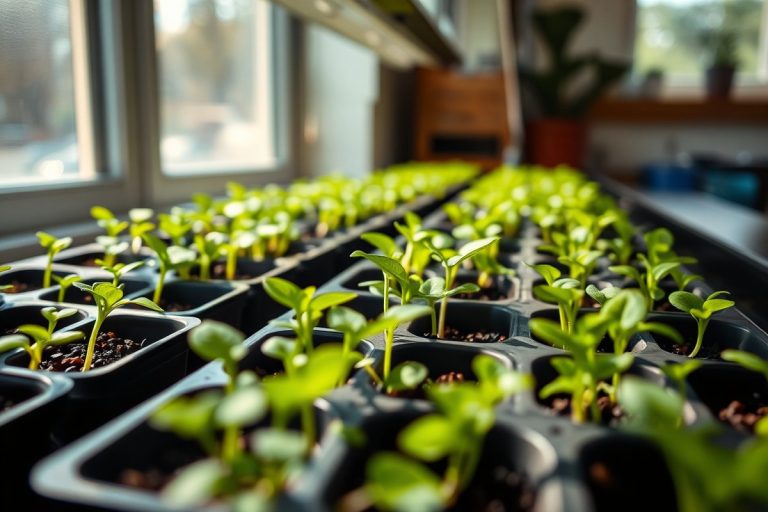
Start seed potatoes inside between February 15 and March 1. Use trays in a spot with indirect sunlight and keep them at 60-70°F. This encourages short, thick sprouts called chitting that boost early growth.
Once outdoor soil reaches 45°F and frost threat is low, move sprouts outdoors. Harden them off for 7-10 days by putting them outside gradually.
Then plant them in well-drained soil with good sunlight. This method helps manage risk in frost-prone microclimates.
You can protect young plants with a cold frame. A cloche also works well in chilly areas. These keep the plants warm for better early growth.
These tools trap warmth and shield sprouts from frost. Remove covers on warm days to avoid overheating and check soil moisture regularly.
Check the local last frost date and add about four weeks before expected planting outdoors. Your last frost might be May 1 in cold valleys. If so, wait until early June to plant outdoors.
This avoids frost damage to young potatoes. In warmer areas, you might plant mid-April. Adjust based on your exact location.
Delaying planting for warmth often means potatoes take longer to mature. Watch sprouts and soil carefully to decide when to dig up potatoes. Gently dig a few plants to inspect tuber size before harvesting the whole crop.
Timeline from Planting to Harvest: What to Expect Growing Potatoes in PA
Potatoes usually take between 60 and 120 days to mature in Pennsylvania. The exact time depends on the variety and your planting date. You’ll want to watch plants closely for signs they’re ready to harvest before frost arrives.
Typical Days to Maturity by Variety
Early potato varieties mature fastest, in about 60 to 75 days after planting. Mid-season varieties generally need around 85 days to grow and develop good tubers. Late-season types can take up to 120 days, often used for storage potatoes that grow larger.
Your planting date affects these timelines too. Plant your crop soon after the last frost ends.
This lets plants grow more before hot summer or frost hits. You get more time for a better harvest.
Indicators of Potato Harvest Readiness
Potatoes are usually ready to harvest when the leaves start to yellow and die back. This means the tubers have thick skins and are firm enough to handle. You can dig up new potatoes weeks after flowering.
This usually happens about 60 days in. Baby potatoes are based on plant flower time.
Harvesting too early can result in smaller tubers. Leaving them too long may increase risk of frost damage or rotting. Check tuber size by gently digging near a plant without disturbing it too much.
Post-Planting Care Leading to Harvest
Taking care of your potato plants after planting helps reach harvest on time with good yields. You’ll want to hill soil around stems several times to protect tubers from light and pests. Regular watering keeps tubers developing evenly without cracking.
Here’s a quick step-by-step to keep your potato crop on track for harvest:
- Hill soil around potato plants every 2 weeks after shoots reach 6 inches.
- Water deeply about 1 to 2 inches per week, depending on rainfall.
- Watch closely for yellowing leaves signaling the start of tuber maturation.
- Gently check tuber size starting 60 days after planting for early varieties.
- Stop watering 2 weeks before planned harvest to toughen skins.
- Harvest before heavy frost if possible to avoid potato damage.
Don’t shake or drop potato plants when harvesting, they bruise easily. Handle tubers carefully to reduce damage.
Step-by-Step Action Plan for Planting Potatoes in Pennsylvania
Plant your potatoes at the right time. Give them a good start. Follow these steps carefully.
- Two weeks before the last frost, start chitting seed potatoes. Place them in a cool, bright spot. Look for short, strong sprouts about 1 inch long.
- One week before planting, loosen your garden soil well. Mix in compost or aged manure. Soil should feel crumbly and drain well.
- Plant seed potatoes 4 inches deep and 12 inches apart. Space rows 2 to 3 feet apart. Plant from mid-April to early May. Cover and water lightly.
- Two weeks after planting: Check soil moisture and keep soil evenly damp but not soggy. This helps sprouts grow strong.
- Six to eight weeks after planting, pile soil around the stems. This protects tubers and stops greening.
- Throughout growing season: Watch for pests like Colorado potato beetles and diseases. Remove any affected leaves promptly.
- When plants flower, about 10 weeks in, stop watering. Let tubers mature and their skins harden.
- Harvest time (usually July to September): Dig carefully around plants once foliage yellows and dies back. Handle potatoes gently to avoid bruises.
Frequently Asked Questions
How Early Can I Safely Plant Potatoes Before the Last Frost in PA?
You can plant potatoes 2 to 3 weeks before the last frost. Make sure the soil temperature stays between 50 and 65°F before planting to avoid rot.
Is It Better to Plant Potatoes on a Warm or Cool Spring Day in Pennsylvania?
Plant potatoes when the soil temperature consistently hits 50°F or higher. Cooler soil can delay growth and increase rot risk, so wait for warmer conditions.
How Deep Should I Plant Seed Potatoes in My Pennsylvania Garden?
Plant seed potatoes 4 to 6 inches deep in the soil. This protects them from frost and helps the roots grow strong and healthy.
How Far Apart Should Potato Plants Be Spaced When Planting in PA?
Space seed potatoes 8 to 10 inches apart with eyes facing upward. This spacing gives them room to develop tubers without crowding.
Can I Plant Potatoes in the Same Spot in My Garden Every Year?
Avoid planting potatoes where you or neighbors grew them before. This prevents disease build-up in soil.
What Should I Do If a Late Frost Hits After Planting My Potatoes?
Cover potato plants with mulch or frost cloth to protect from frost damage. This can save your crop if frost hits early.
Key Points to Remember
Plant potatoes in Pennsylvania as soon as the soil is workable and frost danger wanes. Choose good spots and prepare seed well for the best results. Start your planting this spring and watch your potatoes grow strong and healthy.