What Does a Eucalyptus Plant Look Like? A Complete Visual Guide
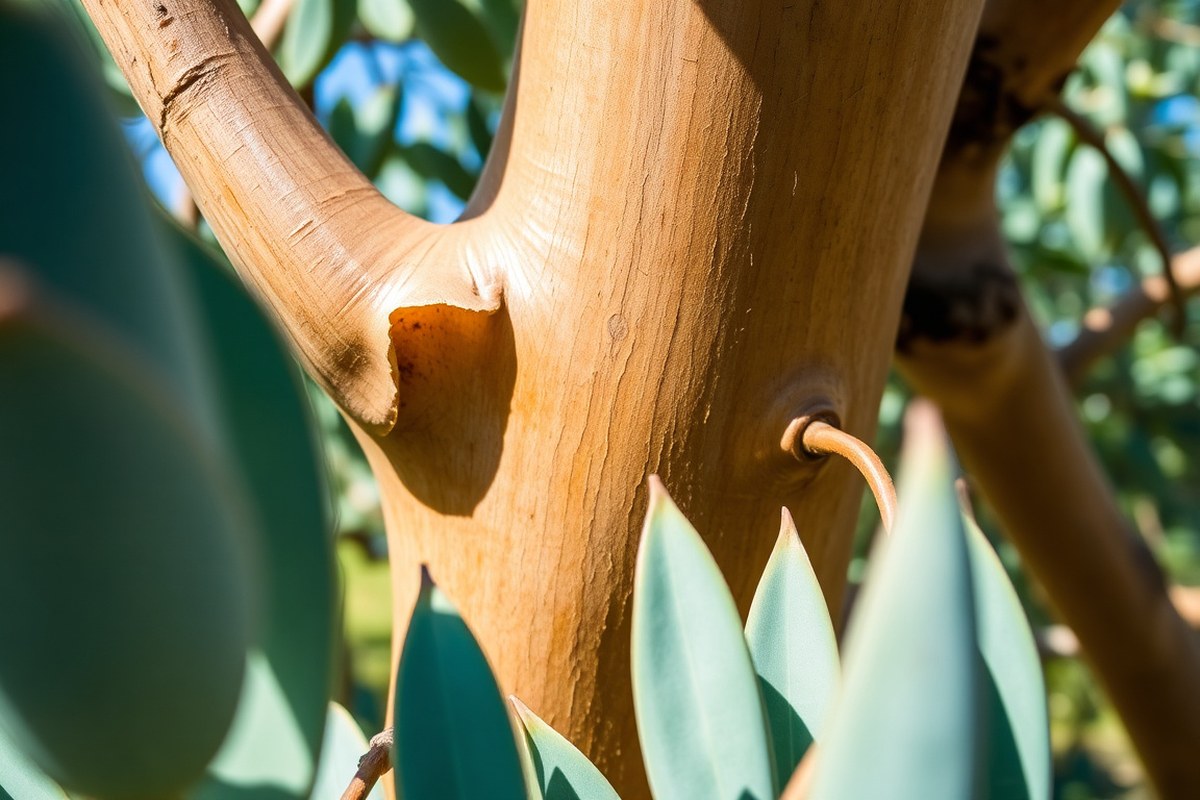
What does a eucalyptus plant look like? It has smooth bark that peels in strips. Its leaves are long, narrow, and often gray-green or silvery blue.
The plant can grow as a small shrub or tall tree. It depends on the species and climate in the area. Different types and weather lead to different sizes.
Eucalyptus leaves can change shape and color as they mature. Young leaves are typically rounder and bluish, while adult leaves are slender and greener. This plant has unique flower buds and woody seed pods.
These features make it stand out. They add to the plant’s special look.
Eucalyptus grows fast, sometimes 6 to 8 feet in one season. It prefers full sun and temperatures between 65°F and 75°F. Watch the soil moisture. Water well when the top 1 to 2 inches feel dry to the touch.
Key Takeaways
- Eucalyptus bark peels, showing smooth layers underneath.
- Young leaves are round and bluish; mature leaves become long and narrow.
- Flowers are fuzzy and white or cream-colored, clustered in groups.
- Seed pods look like small, woody cups and stay on the tree for months.
- Eucalyptus grows well outdoors with at least 6 to 8 hours of sunlight daily.
- Water when the top 2 inches of soil feel dry to keep roots healthy.
What Does a Eucalyptus Plant Look Like at Different Stages?
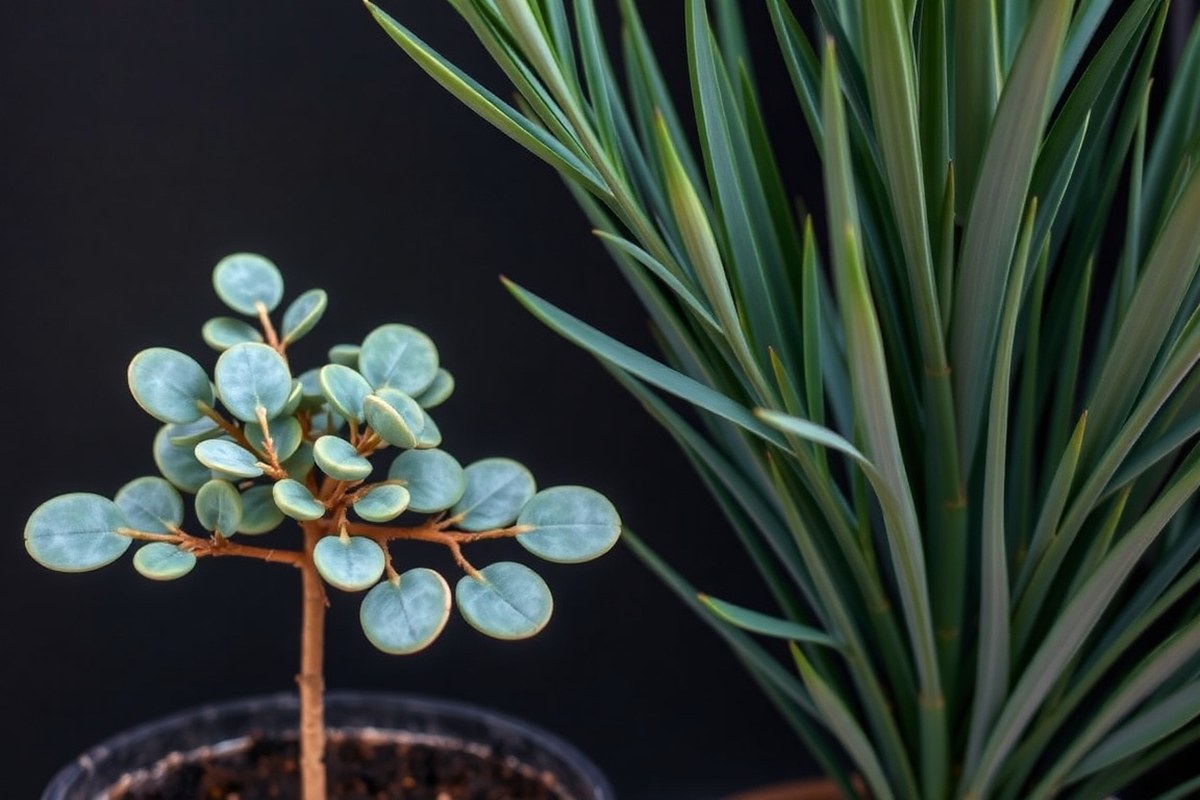
Eucalyptus plants show clear differences as they grow from seedlings to mature trees. Seedlings start with smooth, roundish leaves that are bluish-gray and often have a waxy coating. These juvenile leaves are broad and arranged opposite each other on short stems.
As the plant matures, its leaf shape changes dramatically. Mature eucalyptus leaves become longer, lance-shaped, and hang down more.
They often have a glossy green or silver-green colour and alternate along slender, upright branches. The leaves also emit a strong, fresh scent especially when crushed, which grows stronger with age.
Young eucalyptus plants grow fast. They add 6 to 8 feet each season. This happens in warm climates.
Seedlings and saplings usually stand under 6 feet tall. When mature, the plant turns into a tree.
It grows 15 to 50 feet tall. Some species even reach 100 feet.
Its shape changes too. It goes from shrub-like to a tall tree with branches. The trunk is typically straight and light grey or brown with peeling bark.
Branches spread out or angle upward, depending on the species. Width ranges from 10 to 15 feet with mature trees, needing space for air and light.
Young eucalyptus leaves are easy to spot in year one. They are thick, waxy, and rounded. Around year two, these leaves fall off.
Longer, thinner mature leaves grow in their place. Keeping the plant healthy with plenty of sun and water supports this transition.
Indoor eucalyptus usually stays small. It often grows under 10 feet tall and 4 to 8 feet wide.
Outdoor eucalyptus plants have room to reach full height and shape. Also, pruning young trees encourages fuller canopies but may slow height growth temporarily.
Key Visual Features of Eucalyptus Leaves and Bark
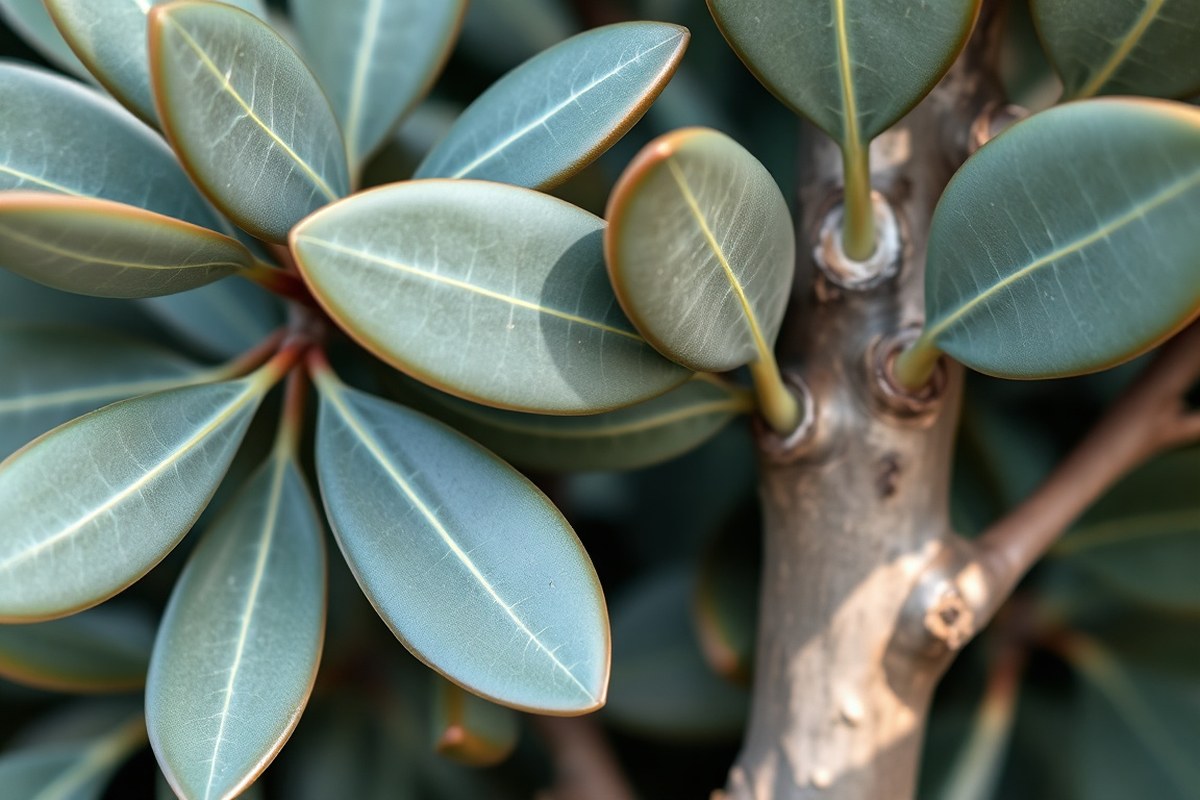
Leaf Shapes and Colors
Eucalyptus leaves vary widely by species, ranging from round to long and narrow. Silver Dollar Eucalyptus has large, round silver-blue leaves. These leaves are popular for indoor pots.
They also look great as cut foliage. Blue Gum eucalyptus has long, narrow leaves.
They look like thin ribbons. These ribbons seem to slice through the air.
Leaf colors often include green, but they can also be silver, blue, or gray. Some varieties, like Baby Blue eucalyptus, show light gray round leaves with a soft texture. These colors help the plant reflect sunlight and manage water loss in hot climates.
Leaf Texture and Arrangement
Leaves feel smooth but firm, often with a leathery or slightly waxy coating. Young eucalyptus leaves are usually round and may be arranged in pairs along stems. Many eucalyptus species’ leaves become long and pointed as they mature.
These sharp edges help leaves resist drying. The shape change helps the tree survive.
The waxy texture reduces water evaporation, which helps eucalyptus survive dry conditions. Some eucalyptus leaves grow in a spiral pattern along the stems.
The Spiral eucalyptus shows this clearly. It has pretty grayish-blue leaves.
Bark Appearance and Color Changes
Eucalyptus bark varies from smooth to rough, often peeling away annually in thin strips. The peeling reveals fresh bark underneath, which can change colors dramatically. You might see shades ranging from orange and green to reddish-brown or purplish hues.
Rainbow eucalyptus is famous for its smooth bark that peels to show multicolored stripes. This shedding helps the tree remove parasites and dead bark. The colorful new bark glistens briefly before dulling to more muted tones.
Bark Texture and Peeling Patterns
Many eucalyptus trees have bark that peels in ribbons or flakes throughout the year. Some species maintain smooth bark almost all the time.
Others develop rough, fibrous bark on the trunk’s lower part. Bark texture varies with tree age and environment.
Peeling patterns differ by species. For example, rough bark may remain on the base, protecting the tree from fire and pests. Smooth bark sections shed regularly to reveal fresh, vibrant layers underneath.
Wear gloves when handling eucalyptus bark or leaves to avoid skin irritation from oils.
Visual Differences Between Common Eucalyptus Species
Eucalyptus species can look very different from each other. Size, leaf shape, bark texture, and colors vary widely. Some species are small with round leaves, while others grow tall with colorful bark.
Eucalyptus Gunnii (Silver Drop) Features
Eucalyptus gunnii, or cider gum, tolerates cold well. It withstands temperatures near 0°F (-18°C) when shielded. This feature suits gardeners in cooler climates.
Its leaves are blue-green and often roundish but less coin-like than E. Cinerea. The tree grows medium size, reaching up to 40 feet if not pruned. Bark is rough and peels off seasonally, showing a patchy appearance.
Eucalyptus Cinerea (Silver Dollar) Appearance
Silver Dollar eucalyptus has the famous round, silver-blue leaves. They look like coins, giving the plant its nickname. Its leaves are sparse and soft grey, which stands out in gardens and indoors.
The tree can grow quickly up to 40 feet tall but stays manageable with regular pruning. Its bark is rough and peeling, often called “stringybark.” Most people grow this species in containers or as an indoor plant.
Rainbow Eucalyptus Bark and Leaves
The Rainbow eucalyptus is famous for its bright, multi-colored bark. The bark peels in strips to show green, purple, orange, and red underneath. This species grows very tall, up to 240 feet, making it striking outdoors.
Its leaves are long and narrow, standard for eucalyptus types. The bark’s unique color patterns make it more noticeable than most species. It thrives in warm USDA zones 10-11, so it’s less common as a houseplant.
Here’s a comparison of popular eucalyptus tree traits to help you visualize the differences.
| Species | Common Name | Leaf Shape & Color | Bark Texture & Color | Max Height | Cold Tolerance (°F) |
|---|---|---|---|---|---|
| Eucalyptus gunnii | Silver Drop, Cider Gum | Blue-green, roundish leaves | Rough, peeling seasonally | Up to 40 feet | ~0° (-18°C) with protection |
| Eucalyptus cinerea | Silver Dollar Eucalyptus | Round, coin-shaped, silver-blue | Rough, stringybark, peels year-round | Up to 40 feet | Moderate, protects above 20°F |
| Eucalyptus deglupta | Rainbow Eucalyptus | Long, narrow green leaves | Multicolored, peels in strips | Up to 240 feet | Limited, zones 10-11 only |
In containers, silver dollar eucalyptus looks bushier with smaller leaves. Outdoor trees develop taller trunks and more rugged bark. Providing full sun and well-drained soil helps keep leaves healthy and retain their color.
How to Identify Eucalyptus: Checklist and Common Lookalikes
Look for smooth, peeling bark that often shows patches of white, cream, or gray tones. The bark feels oily or waxy when you touch it. Check the leaves.
They are long and narrow. The color is bluish-green or silvery and changes as the tree grows.
One quick way to confirm eucalyptus is its strong smell. Crushing a leaf releases a strong, fresh scent with hints of menthol or camphor.
This aroma comes from the eucalyptus oil, which many lookalikes don’t have. The tree shape varies from short shrubs called mallees to tall trees over 60 meters.
- Bark peels off in strips or patches, revealing a smooth surface underneath
- Leaves are narrow, lance-shaped, and bluish or silvery green
- Crushed leaves emit a strong, fresh, menthol-like scent
- Seed pods are woody with a rounded or cup shape
- Height ranges widely, from short mallees to giant trees over 200 feet
- Leaf arrangement alternates, not opposite, on the stem
- Look for oil glands visible on young leaves or twigs
Some plants may look like eucalyptus but have different leaf shapes or bark textures. For example, willow or poplar trees do not have the eucalyptus oil smell. Some eucalyptus species look like shrubs.
But unlike other shrubs, they shed bark in strips. Avoid confusing eucalyptus with lemon-scented gum, which smells similar but has distinct leaf shapes. Always consider your local environment because eucalyptus species vary widely.
Visual Appearance of Eucalyptus Flowers and Seed Pods
Eucalyptus flowers look like small, clustered pom-poms. They come in colors such as white, pink, or red. Each flower has many fine stamens.
They give it a fluffy look. This fluffy look stands out on the branches.
These flowers usually appear seasonally, often in spring or early summer. They do not bloom all year but create a bright show when they do. The timing can vary depending on the eucalyptus species and the local climate.
The seed pods are another key feature. They are round to long and often grouped in clusters.
These woody pods look like small cups or urns and turn brown as they mature. The size can range from about half an inch to over an inch long.
Seed pods hold the eucalyptus seeds. They slowly open as they dry, releasing tiny seeds.
You might notice the pods staying on branches well after flowers have faded. This gives your eucalyptus tree an interesting winter look.
Watch for signs of eucalyptus rot on flowers. This rot can also affect seed pods. Rot may damage your plant.
Different eucalyptus species show variations in flower and pod shapes. For example, the rainbow eucalyptus features large, colorful bark but typical small pom-pom flowers. The Silver Drop variety has bluish-green leaves with neat pods clustered along its stems.
Growing eucalyptus indoors may cause fewer flowers. You might also see fewer seed pods. They need enough sunlight and space to bloom well.
Outdoors in USDA zones 8 to 11, eucalyptus has a good chance. It will flower more there. You will see more seed pods too.
Indoor and Container-Grown Eucalyptus: What to Expect
Growing eucalyptus indoors or in containers produces a smaller plant than outdoor trees. Indoor eucalyptus generally reaches 3 to 6 feet tall, making it easier to manage. The leaves stay narrow and more compact indoors.
Outdoor tree leaves spread wide. They can grow several inches long.
Typically, indoor eucalyptus leaves look fresher and greener due to controlled conditions indoors. They don’t weather the same way as outdoor leaves exposed to sun and wind. The branches stay thin and flexible indoors.
Indoor plants grow slower. They face less wind stress.
Start growing eucalyptus in a small pot. Wait until seedlings reach 4 to 5 inches tall. Then pot them.
Use a fast-draining, slightly gritty soil mix to prevent root rot. Keep the plant in a bright spot.
It needs at least six hours of direct sunlight daily. This helps healthy leaf growth.
Fertilizing indoor eucalyptus really helps. Give them liquid fertilizer every few weeks in spring and summer. This boosts growth, so leaves stay lush without the plant becoming leggy or weak.
Most indoor eucalyptus plants stop being manageable once they near 6 feet tall. At that height, pots get heavy, and pruning becomes more necessary. You can trim them once a year.
Trim to keep them easier to manage. Only do this if you have room.
In colder climates, potting eucalyptus lets you move the plant indoors during the winter. This prevents frost damage common to outdoor eucalyptus trees.
You’ll see a difference in leaf thickness. Indoor leaves tend to be thinner but stay green year-round.
How Environmental Conditions Affect Eucalyptus Appearance
Eucalyptus plants need at least 10 hours of bright light daily to stay healthy. Without enough light, their leaves will start to drop after a few weeks.
You can use a grow light 12 to 18 inches above the plant. Keep it on for 12 to 14 hours if there’s no direct sunlight.
Temperature affects eucalyptus too. They prefer cool but stable environments above 45°F. Leaves turn yellow and fall fast when it’s cold or drafty.
Move your plant to a greenhouse or a sheltered area. This will protect it from cold, harmful air.
Watering must be consistent. Too much or too little water causes leaf browning or dropping.
Use well-draining soil and a pot with drainage holes to avoid root rot. Check soil moisture every few days to keep it slightly damp but not soggy.
Good soil quality supports healthy leaves and bark. Rich, high-quality potting soil helps the eucalyptus grow quickly and keeps its foliage green and full.
Poor soil leads to pale leaves and slow growth. Repotting with fresh soil every year often boosts the plant’s vigor.
You can spot stress by looking for leaf health signs. Healthy eucalyptus leaves are firm with visible translucent oil glands. Leaves that feel soft or shriveled mean the plant is stressed.
It could be from drought or chill. Dropping leaves usually mean light or water problems.
Watch the bark, too. Healthy bark looks smooth or slightly rough depending on the species.
Cracking or peeling bark beyond normal shedding suggests environmental stress or disease. Proper pruning also helps maintain strong bark and the overall shape of the plant.
Pruning Effects on Eucalyptus Shape and Growth
Pruning changes how a eucalyptus plant grows and looks. It controls height, encourages bushy branches, and shapes the plant’s form. Different pruning methods suit shrubs, trees, and houseplants in specific ways.
Coppice Pruning for Dense Growth
Coppice pruning cuts a young eucalyptus back to the base to encourage many new shoots. This method promotes thick, bushy growth instead of tall, thin stems. It’s best done when the plant is young, before it matures.
To apply coppice pruning well, clear the plant down to a few inches from the soil. New shoots will spring up quickly, producing lush juvenile foliage. Wait two growing seasons after coppicing before pruning for height or shape.
- Pick a young eucalyptus with multiple stems.
- Cut all stems about 3 inches above ground level.
- Remove any weak shoots that appear soon after cutting.
- Allow strong shoots to grow for two seasons.
- Prune selectively to keep branches balanced and compact.
- Wait before any height pruning to avoid stressing the plant.
Do not coppice mature trees; they won’t sprout well and may decline.
Hedge Pruning to Control Size
Regular hedge pruning keeps eucalyptus shrubs or indoor plants compact and dense. Trim the outer growth often, especially if the plant risks getting too tall or wide. This helps maintain a tidy, bushy look that fits your space.
Use sharp tools to cut back new growth by a few inches. Do this two or three times during the growing season.
This slows vertical growth and makes branches fill in more. Hedge pruning is gentle enough for container plants or houseplants to stay healthy and attractive.
- Choose clean pruning shears or scissors.
- Cut back the outer tips of young growth by 2 to 4 inches.
- Avoid cutting old wood without leaves; it may not regrow.
- Repeat trimming every 6 to 8 weeks during active growth.
- Shape the plant gradually to keep even branches on all sides.
- Stop pruning in late fall to let new growth harden off for winter.
Trim gently to avoid removing too many leaves, which can weaken the plant.
Tree Training Techniques
When growing eucalyptus as a tree, pruning shapes its trunk and crown for a stately form. Remove lower branches after two years to create a clear trunk. Selective thinning of branches encourages strong growth and good air flow.
Start by cutting lower limbs cleanly, then prune side branches to balance the canopy. This makes the tree look neat and helps it grow taller without becoming too dense. Avoid heavy cuts on mature trees to prevent damage.
- Wait until the tree is at least two years old.
- Cut lower branches up to 4 feet from the ground to clear the trunk.
- Thin crowded branches evenly across the canopy.
- Remove any dead or crossing branches carefully.
- Check branches yearly and prune lightly to maintain shape.
- Avoid cutting large limbs back drastically; smaller cuts recover better.
Prune in late winter or early spring to ensure quick healing and growth.
Step-by-Step Action Plan for Recognizing and Growing Eucalyptus
Start identifying or growing eucalyptus with clear steps. Follow this to see and understand its features well.
- Day 1: Examine nearby eucalyptus plants. Look for rounded juvenile leaves and smooth bark to confirm species.
- Week 1: Check leaves for their color and shape changes. Juvenile leaves are rounder; adult leaves turn lance-shaped.
- Week 2: Observe bark texture. Note if it peels or is rough. This helps tell your species apart from lookalikes.
- Month 1: Search for flower buds and seed pods. These help identify your eucalyptus as flowers change with species.
- Month 2: If growing eucalyptus indoors, watch for leaf size and color changes. Adjust light or water if leaves yellow.
- Seasonal Care: Prune your eucalyptus in late winter. Shaping it encourages healthy growth and keeps its visual form.
- Ongoing: Track environmental effects like drought or cold. They affect leaf color and bark appearance over time.
Frequently Asked Questions
Is It Good to Have Eucalyptus in the House?
Eucalyptus can freshen your indoor air and repel bugs. Keep it out of pets’ reach because the leaves are toxic to some animals. Avoid placing it in low-light spots as it needs bright light to thrive.
Does a Eucalyptus Plant Come Back Every Year?
Eucalyptus trees are evergreen and grow back annually if conditions suit them. Some types can regrow quickly after cutting or frost. In cold climates, you may treat them as annuals or bring containers indoors.
What Does a Fully Grown Eucalyptus Tree Look Like?
It looks tall with smooth, often peeling bark and long, narrow leaves. The bark varies by species; some have rainbow colors or rough textures. Fully grown trees can reach 100 feet tall in warm climates.
Is There a Difference Between a Eucalyptus Tree and a Eucalyptus Plant?
There is mainly size and age difference. Plants refer to smaller, younger bushes you might keep indoors or in pots. Trees are larger, mature versions growing outdoors in the right climate.
What Is Eucalyptus? How to Grow Eucalyptus Plants?
Eucalyptus is a fast-growing evergreen tree or shrub native to Australia. Plant in full sun with good drainage and space. Water young plants regularly but avoid soggy soil to prevent root issues.
Can Eucalyptus Grow Indoors Without Natural Sunlight?
Yes, but only with strong grow lights placed close above the plant. Natural sunlight helps the plant grow better than artificial light.
Fluorescent lights can work if placed 12 to 18 inches away. Keep the lights on for 12 to 14 hours each day.
The Bottom Line
You now have a good eye for eucalyptus features at any stage. Take time this week to look closely at one plant’s leaves and bark. That simple act builds your skill and connection with these unique plants.