How Is Diatomaceous Earth Used: 8 Practical Ways for Effective Results
How is diatomaceous earth used? It serves many purposes, from pest control to improving soil. You sprinkle it where insects hide or mix it into your garden soil for health.
The natural powder works by drying out bugs, making it tough for them to survive. It kills ants, fleas, aphids, and even slugs by damaging their outer layers.
You should apply it on dry surfaces to keep it effective and avoid clumping. Use a dust mask because the fine powder can irritate your lungs if inhaled.
Leave it for at least 8 to 12 hours before cleaning up or reapplying. Reapplying after rain helps maintain its pest control power.
In the garden, diatomaceous earth can help improve soil texture and drainage. It also adds trace minerals that plants need for better growth. Spread it thinly to avoid harming beneficial insects like bees or earthworms.
Key Takeaways
- Apply diatomaceous earth in thin, even layers where pests travel or hide.
- Use food-grade diatomaceous earth for any areas where pets or kids frequent.
- Keep the powder dry to maintain its insect-killing power.
- Wear a mask when spreading to avoid breathing in fine dust particles.
- Wait 8 to 12 hours after application to let it work before cleaning.
- Mix diatomaceous earth into the top 12 inches of garden soil to boost health.
1. How to Apply Diatomaceous Earth for Pest Control
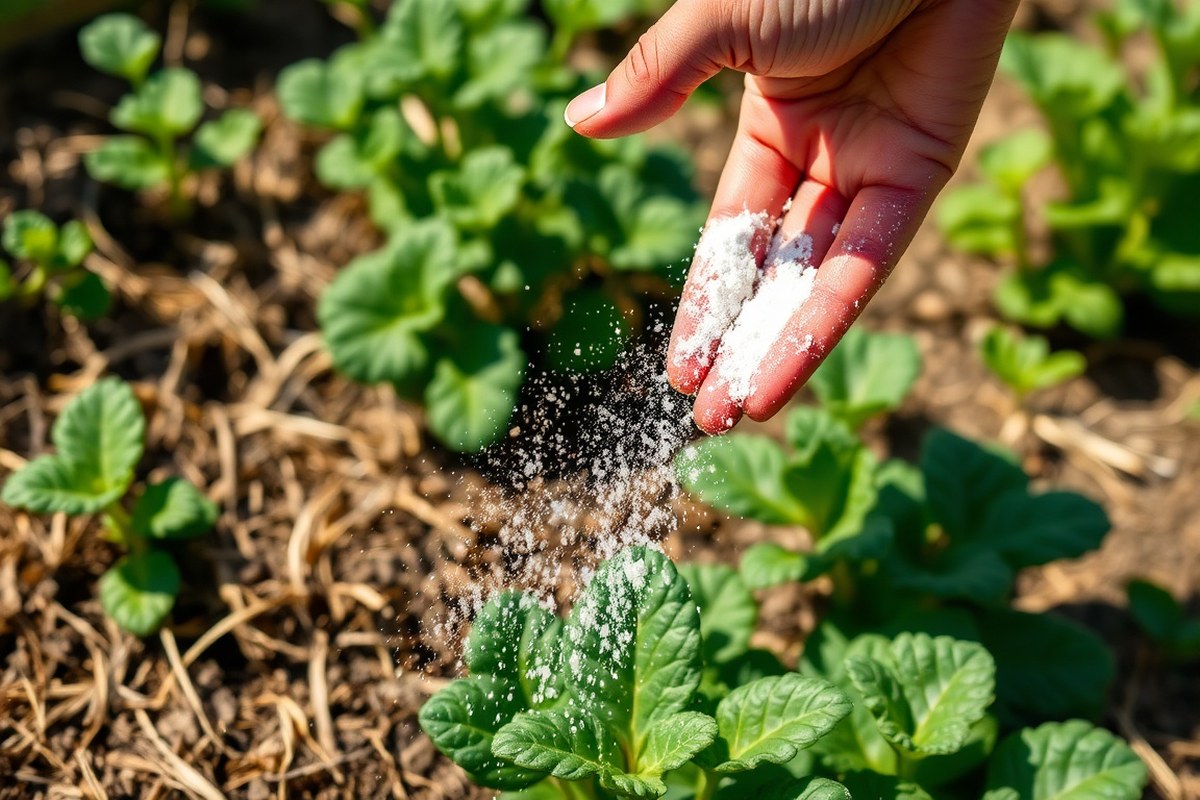
Diatomaceous earth works by drying out insects when they walk across its fine powder. To get good results, you must apply the powder where pests pass or hide. It should be dry because moisture ruins its effect.
Use food-grade diatomaceous earth to treat indoor pests like ants, cockroaches, and bed bugs. Outside, create barriers around your home’s foundation and garden beds. Pay attention to cracks, baseboards, and places where insects enter or gather.
- Clean the area. Remove clutter, dust, and debris where pests live. This lets the powder reach the insects directly.
- Sprinkle a light, even layer. Apply about a quarter-inch thickness or a thin dusting. Too much makes it clump and leaves gaps.
- Focus on entry points and trails. Put DE along windowsills, doorways, under appliances, and near pet bedding.
- Use an applicator. A powder duster or sock filled with diatomaceous earth helps spread it evenly.
- Keep treated spots dry. Don’t apply near moisture or water leaks because wet DE won’t work.
- Wait and watch. The insects need direct contact, so give it a few days to see effects.
- Reapply powder after cleaning or rain. Repeat treatment every one to two weeks or after wet weather outdoors.
- Try a wet application if needed. Mix DE with water and spray on plants or surfaces that are hard to dust. Let dry before pests return.
Results come slowly because diatomaceous earth kills physically, not chemically. You’ll notice fewer bugs in a few days to a week.
Too much powder or applying to damp areas can block its action. Using it regularly and in targeted spots helps keep pests under control without chemicals.
2. Using Diatomaceous Earth Safely on Pets and Pet Bedding

Diatomaceous earth can be used safely on pets and their bedding to control fleas and ticks. Use only food-grade diatomaceous earth, which is safe for pets and humans. Apply it carefully to avoid sensitive areas like your pet’s face.
Choosing Food-Grade Diatomaceous Earth
Only food-grade diatomaceous earth is safe to use on pets. It contains fewer harmful chemicals than filter-grade types. Make sure the label says “food-grade” before buying, especially for flea control.
This type of powder is non-toxic when used as directed. It works by damaging insects but does not harm animals if applied correctly. Avoid using any product not meant for pets or humans to reduce health risks.
Applying Diatomaceous Earth on Pets
You can put diatomaceous earth on your pet’s fur. Keep it away from their eyes, nose, and mouth.
Be careful during application. Lightly sprinkle the powder over areas where fleas hide, like the neck, back, and tail base.
Gently rub the powder into the fur to help it reach the skin. Do this every few days during flea season. Also apply it if you see ticks or fleas.
Keep up the routine to control pests. Always watch your pet for any irritation after application.
Treating Pet Bedding and Living Areas
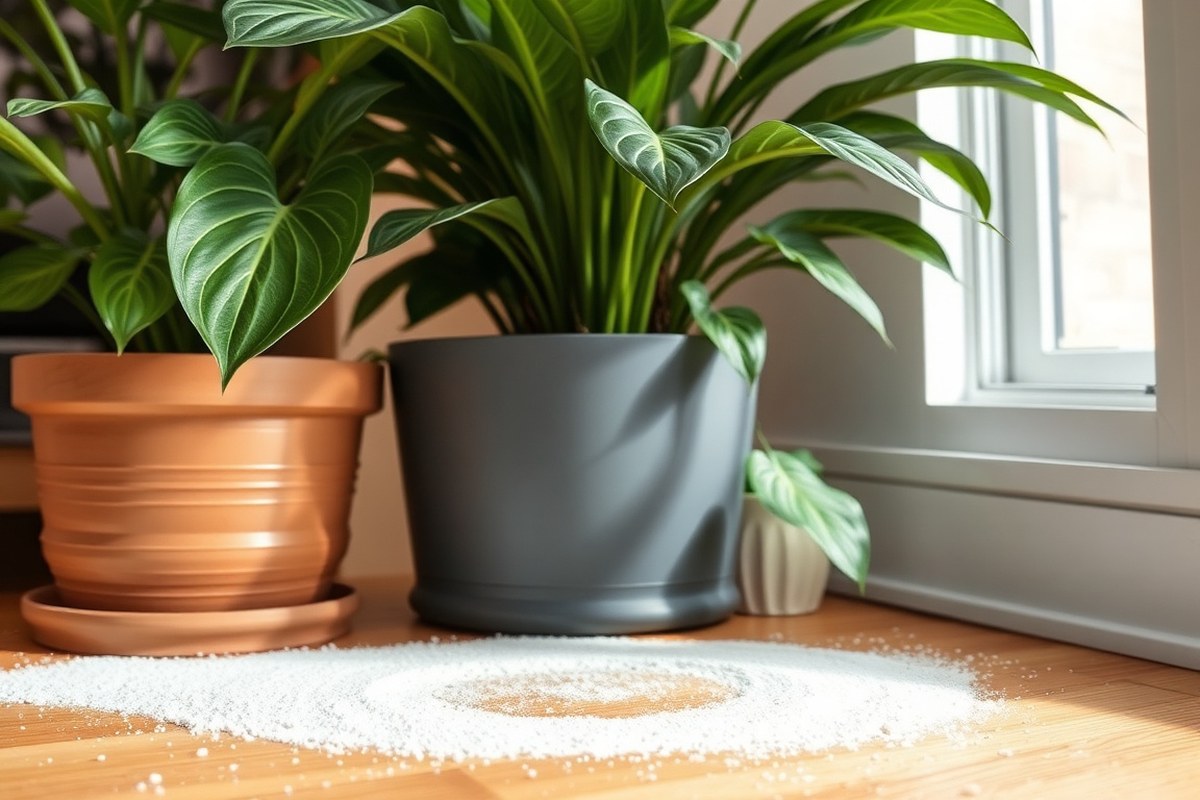
Start by removing loose dirt and debris from pet bedding and carpets. Sprinkle a thin layer of diatomaceous earth in these areas.
Focus on places where pets rest or sleep. Don’t use too much powder.
After sprinkling, work the powder lightly into blankets or cushions. Leave it for at least 24 to 48 hours to kill fleas and ticks hiding there. Then, vacuum thoroughly to remove the powder and dead pests.
Step-by-Step Flea and Tick Control
Follow these steps to use diatomaceous earth effectively and safely on pets and their environment.
- Choose food-grade diatomaceous earth labeled safe for pets.
- Brush your pet to remove loose hair and mats before application.
- Lightly sprinkle powder on your pet’s fur, avoiding face and eyes.
- Apply powder on pet bedding, rugs, and cushioned furniture.
- Work powder gently into bedding with your hands or gloves.
- Leave diatomaceous earth in place for 24 to 48 hours.
- Vacuum all treated areas thoroughly to remove powder and dead pests.
- Repeat applications weekly until fleas and ticks are gone.
Safety Precautions for Pets and Humans
Diatomaceous earth is safe but avoid dust clouds. Powder can irritate eyes and lungs easily.
Use it carefully to prevent problems. Keep pets and children away during application and wear a mask if you are sensitive.
Do not use filter-grade diatomaceous earth, which contains harmful silica dust. Call Poison Control at 800-222-1222 if you or your pet inhale too much powder.
Get medical help if you see unusual symptoms. Don’t ignore breathing problems.
Always pick food-grade diatomaceous earth for your pets. Never put it near their eyes or nose. This helps avoid irritation and discomfort.
3. Types of Diatomaceous Earth and Choosing the Right One
Diatomaceous earth (DE) comes mainly in two types: food-grade and filter-grade. The choice depends on your purpose and safety needs.
Food-grade DE suits pest control, food storage, and personal care. Filter-grade is for industrial use only.
Food-Grade Diatomaceous Earth
This type has low silica levels, making it safe for pets and humans. It’s fine and abrasive, perfect for pest control in homes and gardens.
Many use about 1 teaspoon daily for parasite cleansing. They keep it away from food and medications.
Food-grade DE is safe to sprinkle in food storage. Usually, people use a thin layer on container bottoms. You can add it as a soil conditioner in gardens.
Food-grade isn’t always needed but is preferred. It costs more than filter-grade but offers many safe uses around the house and yard.
Filter-Grade and Pool-Grade Diatomaceous Earth
Filter-grade DE contains higher crystalline silica levels, which are toxic if inhaled or ingested. It works in industrial water filtration and pool maintenance but is unsafe for homes or pets. Avoid using this DE type for pest control or anywhere near food and living areas.
Pool-grade DE is basically the same as filter-grade and carries similar hazards. Its coarse texture and strong chemicals work well in industry.
They can be dangerous for home gardening or pest use. Always check the label before buying and use only food-grade for anything around people or pets.
Safety Considerations by Type
Breathing in DE dust can irritate lungs, especially with filter-grade. Even food-grade powder should be applied carefully to avoid dust clouds. Wear a mask and keep pets from inhaling or getting DE in their eyes.
For food storage and personal care, only choose DE labeled “food-grade.” It’s tested to ensure low risk. But still keep it away from open wounds or sensitive areas.
Filter-grade DE can cause serious respiratory problems and skin irritation. So never use it where safety matters.
The table below sums up the key differences and uses for each type of diatomaceous earth:
| DE Type | Silica Content | Common Uses | Safety Level |
|---|---|---|---|
| Food-Grade | Low crystalline silica | Pest control, food storage, personal care, gardening | Safe with precautions, non-toxic if used properly |
| Filter-Grade / Pool-Grade | High crystalline silica | Industrial filtration, pool maintenance | Toxic, harmful if inhaled or ingested |
Choosing the right DE type ensures you avoid health risks and get effective results. Stick to food-grade DE for anything near people, pets, or plants. Use filter-grade only for industrial tasks, far from homes and gardens.
4. How Diatomaceous Earth Kills Insects and How Long It Takes
Diatomaceous earth kills insects by damaging their outer layer. Its tiny sharp silica particles cut through the protective coating on insects’ bodies. This causes them to lose moisture and dry out, eventually killing them.
When insects crawl over the powder, diatomaceous earth sticks to them like a trap. The particles begin cutting immediately. But it usually takes up to 24 hours for insects to die.
For example, adult bed bugs will die after crossing it. But eggs might hatch later. So the powder must stay in place for several days.
Several factors change how fast diatomaceous earth works. It works best when dry because moisture reduces its effectiveness. Damp conditions make the powder clump and lose contact with insect bodies.
Also, the type you use matters. Pool-grade will not kill bugs since it is heat-treated and loses sharpness.
For outdoor use or soil, keeping the area dry speeds up results. In homes, apply diatomaceous earth under furniture and baseboards and avoid vacuuming it away quickly. The cost is low and usually just a few dollars per pound.
A small amount spreads over a large area. This makes it affordable for most gardeners.
Check for insect activity after one day and reapply if needed. Some insects may take longer if they don’t cross the powder immediately.
You might see live bugs after several days. This happens when diatomaceous earth is wet or spread too thinly.
5. Incorporating Diatomaceous Earth in Gardening and Soil Health
Diatomaceous earth (DE) helps your garden by controlling pests and improving soil quality. It contains minerals like calcium, magnesium, phosphorous, and silicon that benefit plant growth. You can mix it into soil before planting.
Sprinkle it around plants already growing. This helps keep bugs away.
DE won’t harm beneficial insects or soil microbes. It works best in dry conditions since moisture can reduce its pest control effect. Reapply DE after watering once the soil surface is dry again to keep it active.
In hydroponic systems, use DE cautiously by mixing small amounts with the growing medium. It can add silica, which some plants use. But avoid overusing since too much dust may clog the system.
Follow these steps to mix DE into your garden soil for pest control and soil health:
- Clear debris from soil and loosen it with a rake or tiller.
- Measure about 1 to 2 tablespoons of food-grade DE per square foot of soil.
- Sprinkle DE evenly over the soil surface or plant base areas.
- Mix DE gently into top 2 to 3 inches of soil. Use a garden fork or rake for this.
- Water the soil lightly to help DE settle but avoid making it soggy.
- Repeat application every 2 to 3 weeks or after heavy rains to keep protection strong.
Apply DE only when the soil surface is dry. Wet DE loses its pest-killing power.
6. Common Mistakes Using Diatomaceous Earth and How to Fix Them
Applying diatomaceous earth (DE) while it’s wet weakens its pest-fighting power. When DE mixes with water, it loses its scouring effect on insect exoskeletons. Dry powder works best.
You can fix this by applying dry DE after the area dries. This helps if you need to spray a mixture as well.
Using the wrong grade harms results and safety. Only use food-grade DE for pest control around pets and food. Avoid DE labeled as crystalline silica, which can cause lung irritation.
Wear a dust mask to avoid breathing in fine dust. This dust can irritate your nose and mouth.
Storage matters too. Keep DE in a sealed, dry container. Moisture clumps the powder, cutting effectiveness.
Label your container clearly and store it away from kids and pets. When DE hardens, gently break up clumps. Then reapply it.
- Wear gloves, goggles, and a dust mask while applying DE
- Apply DE only to dry surfaces for best pest control results
- Shake or stir powder before using to break up clumps
- Store DE in airtight bins away from moisture
- Use food-grade DE only in areas around pets and food
- Mix DE with water only if applying as a spray. Use 1 cup per half gallon
- Avoid breathing dust by applying on windy days or in well-ventilated areas
Applying too much DE costs more and clogs surfaces, lowering performance. Use a thin, even layer, about 1/8 inch thick.
Reapply every week or after rain in outdoor settings. For indoor pests, check areas weekly and dust lightly as needed.
Inhaling too much dust can cause coughing and irritation. Take breaks if you feel uncomfortable and move to fresh air.
Handle DE carefully and follow these tips. This keeps you safe and helps the product work best.
7. Using Diatomaceous Earth for Food Storage and Household Deodorizing
Diatomaceous earth (DE), especially food-grade, keeps dry foods fresh. It soaks up moisture. This stops pests from growing.
It is a fine, odorless powder that looks like talc. Mix a little DE into grains, flour, or pet food.
It helps keep them fresh longer. You don’t use chemicals this way.
DE also works well for deodorizing garbage bins, refrigerators, and shoes. It traps moisture and odors by its porous, abrasive texture.
Use it sparingly to avoid dust clouds. Apply only where needed to absorb smells safely around your home.
Follow these steps to use diatomaceous earth for food storage and deodorizing efficiently:
- Choose food-grade DE. Only this type is safe for foods and home use.
- Mix a small amount with dry food. Stir about 1 tablespoon of DE per 5 pounds of dry food.
- Spread lightly in storage containers. Sprinkle DE evenly around dry food, avoiding clumps.
- For deodorizing, sprinkle a thin layer. Add a small amount inside garbage bins, refrigerators, or shoes.
- Leave DE in place for up to 2 weeks. It absorbs moisture and odors during this time.
- Remove excess powder by wiping or vacuuming. Avoid stirring dust that could become airborne.
- Repeat applications as needed. Refresh DE every 1 to 2 weeks for ongoing odor control.
Diatomaceous earth costs about $10 to $20 per 5-pound bag. This quantity can treat many containers or areas multiple times. Good results show dry foods staying fresh and no bad smells in treated spots.
Applying too much DE creates dust that could irritate lungs, so use sparingly. Don’t use DE near fans or strong winds. Powder can fly around your home.
This causes mess and possible inhaling risks. Always store DE in a dry place to keep it effective.
8. Safety Precautions and When to Seek Professional Help
Diatomaceous earth is safe when used correctly, especially the food grade type. Wear gloves, masks, and avoid breathing in the dust to protect yourself. Call a professional when pest problems become too large to handle.
Also, reach out if you have health concerns after using the product. They can offer safe, effective solutions.
Recommended Personal Protective Equipment
Always wear gloves when handling diatomaceous earth to avoid skin irritation. A mask or respirator is important, it stops you from inhaling the fine dust. Protective eyewear prevents dust from getting into your eyes, which can cause discomfort or injury.
Here’s a quick checklist for gear to use:
- Nitrile or latex gloves
- N95 or higher-rated mask or respirator
- Safety goggles or glasses
- Long sleeves and pants to reduce skin exposure
- Work in a well-ventilated area
Use the protective gear every time you apply or clean up diatomaceous earth. This dust is very dry and scratchy, which irritates skin and lungs if not careful.
Signs of Overexposure or Misuse
Breathing too much diatomaceous earth dust can cause coughing, sneezing, or a sore throat. Your skin might get itchy, red, or dry from direct contact with large amounts.
Dust in your eyes causes redness and watering. You may feel discomfort.
Stop using it and move to fresh air if you notice any of these signs. Wash exposed skin with soap and water right away.
Keep an eye on symptoms. See a doctor if they get worse or don’t stop.
Indicators to Call a Professional
Call professional pest control if your insect problem covers large areas or won’t improve. This is true if you see pests coming back days after using diatomaceous earth. Also, contact a pro for dangerous pests like wasps or venomous spiders.
Ask for expert help when you’re not sure how to use the product safely. Also get help if anyone in your family has breathing problems.
Sometimes, pests hide in spots hard to reach with DIY methods. Professionals have tools and training to handle these tough cases.
Always protect your lungs; dust masks reduce risk when applying diatomaceous earth indoors.
Step-by-Step Action Plan for Using Diatomaceous Earth Safely and Effectively
Follow these steps to start using diatomaceous earth around your home and garden. Each phase helps you track progress and avoid common mistakes.
- Before you start: Choose food-grade diatomaceous earth for pest control and pets. Check the label to avoid harmful additives.
- Day 1: Lightly dust dry areas where you’ve seen pests, like cracks or pet bedding. Look for less insect activity over the next few days.
- Day 3: Reapply diatomaceous earth if the area got wet or if you still spot pests. Dryness keeps it working well.
- Week 1: Sprinkle a thin layer in garden soil or compost. This helps control soil pests. It also improves soil texture. Watch for healthier plants and fewer bugs.
- Week 2: Check pet bedding and vacuum around treated areas. Add diatomaceous earth again if fleas or ticks are still active.
- Week 3: Use diatomaceous earth in dry food storage containers for added pest protection. Check for any sign of infestation or dampness.
- After 4 weeks: Check all treated areas carefully. Remove any extra powder from places where kids or pets play. Keep it dry and clean for next use.
Frequently Asked Questions
Can Diatomaceous Earth Be Mixed with Water for Application?
Yes, you can create a slurry by mixing diatomaceous earth with water. Spray it on plants or surfaces for easier coverage. Just remember it loses effectiveness when wet and needs to dry to work properly.
Is Diatomaceous Earth Safe to Use Around Edible Plants?
Food-grade diatomaceous earth is safe around edible plants. It helps control pests without chemicals. Wash fruits and veggies before eating as a safety step.
Can Diatomaceous Earth Be Used to Control Fleas on Carpets?
Yes, sprinkle food-grade diatomaceous earth lightly on carpets to control fleas. Leave it for 8-12 hours before vacuuming thoroughly to remove residues. This disrupts the flea life cycle effectively.
How Often Should Diatomaceous Earth Be Reapplied?
Reapply diatomaceous earth after heavy rain or every two weeks indoors. Moisture reduces its pest-killing ability, so dry conditions are best. Regular reapplication maintains control without overusing it.
Can Diatomaceous Earth Help Prevent Mold Growth?
Yes, diatomaceous earth can absorb moisture and reduce mold risk. Apply it lightly in damp areas to keep them dry. Avoid using damp DE, which clumps and loses effectiveness.
Is It OK to Inhale Diatomaceous Earth Dust During Application?
No, avoid breathing in diatomaceous earth dust as it irritates lungs. Use a mask or respirator for safety, especially indoors or when spreading large amounts. Good ventilation helps too.
Key Points to Remember
Diatomaceous earth works well when used correctly and safely. Start with a small area and follow label instructions carefully.
Try one step from the plan today. See how it helps your home and garden.