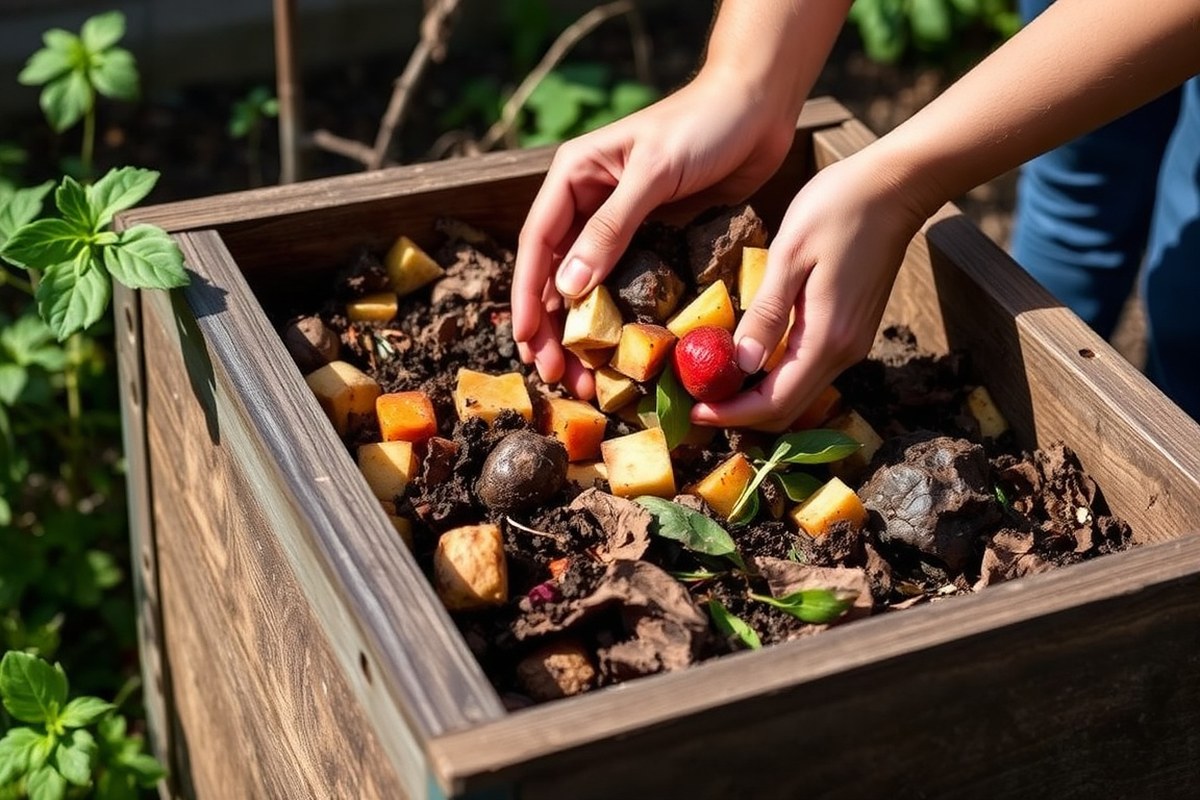
Why Is Composting Important: Environmental and Practical Benefits Explained
Why is composting important? It helps cut greenhouse gas emissions by over half.
Composting turns food scraps and yard waste into valuable soil, not landfill pollution. This process slows climate change and feeds your garden naturally.
Composting also improves soil so plants grow stronger and need less water. Rich compost boosts soil health by adding nutrients and improving texture. You can start small at home by collecting kitchen scraps in a bin.
Keep a balance of greens like fruit peels and browns like dry leaves for best results. Turning your compost every week speeds decomposition and stops bad smells. Proper care creates heat that kills germs, making compost safe for plants.
This simple habit reduces waste, saves money on fertilizers, and supports local wildlife. Composting keeps your garden thriving while helping the environment at the same time.
Key Takeaways
- Composting produces over 50% less greenhouse gases than dumping waste in landfills.
- Mix greens and browns evenly to maintain moisture and avoid bad smells.
- Turn your compost pile weekly to speed decomposition and reduce pests.
- Apply 1, 2 inches of compost into garden soil before planting for best growth.
- Blend 25, 50% compost into potting soil for healthy potted plants.
- Compost-rich soil helps retain water and reduces your garden’s irrigation needs.
Why Composting Matters for Climate and Environment
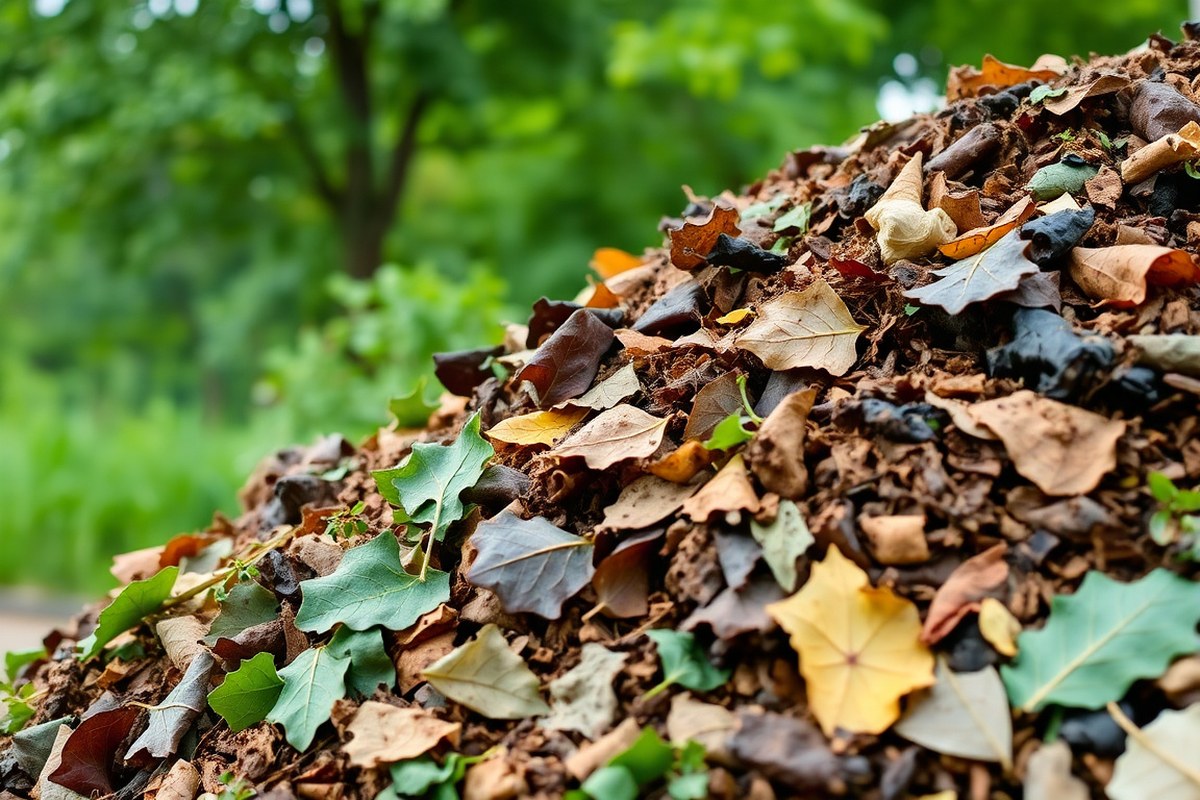
Composting cuts down on the amount of waste sent to landfills. Food scraps make up about 22% of what lands in these dumps. When organic waste breaks down in landfills, it lacks oxygen.
This process releases methane gas, which traps much more heat. Methane is 28 to 34 times stronger than carbon dioxide. By composting, you help stop methane from escaping into the atmosphere.
Organic waste in landfills accounts for 8-10% of global greenhouse gas emissions. Composting reduces emissions by more than half compared to landfilling. San Francisco has a citywide composting program.
It diverts 80% of waste from landfills. This effort prevents millions of tons of greenhouse gases yearly. This also helps keep neighborhoods near landfills healthier.
Composting benefits the environment beyond lower emissions. It turns food scraps and yard waste into nutrient-rich soil instead of trash. Using compost improves soil health by boosting fertility and water retention.
Healthy soil helps plants grow better. It also makes landscapes stronger against droughts. Flooding damage from climate change is less likely in healthy soils.
You can start composting at home with kitchen scraps and yard waste. Vermicomposting uses red wiggler worms to speed up decomposition in small spaces. Composting takes roughly three to six months under good conditions.
Compost needs a balance of greens and browns. It also requires moisture and occasional turning. These steps let air flow and keep microbes active.
While composting takes some effort, it avoids landfill fees or hauling food waste away. By cutting waste and methane emissions, composting helps fight climate change. It also reduces reliance on chemical fertilizers, which pose environmental risks.
Composting is easy for gardeners and communities. It helps protect the planet and soil. Compost improves plant health and soil quality too.
How Compost Improves Soil Health and Plant Growth
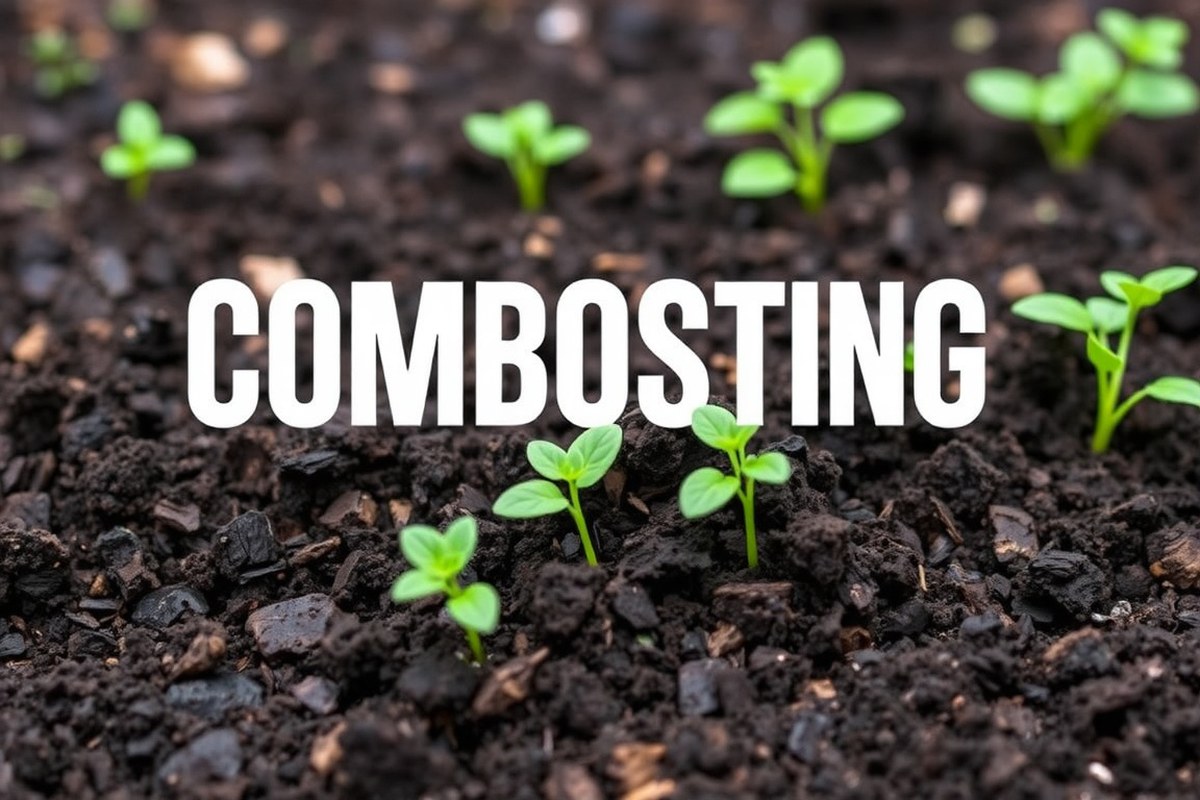
Compost is a dark, crumbly material rich in nutrients and organic matter. Adding it to your garden soil improves fertility by slowly releasing nitrogen, phosphorus, and other nutrients. This nutrient boost helps plants grow strong and healthy without needing as many chemical fertilizers.
Besides nutrients, compost improves soil structure and texture. It loosens heavy clay soils and helps sandy soils hold moisture better.
This makes soil easier to work with and prevents compaction. So roots can spread and absorb water efficiently.
Compost also increases the soil’s ability to retain water. This means plants can survive dry spells better and use less irrigation. Compost holds moisture like a sponge.
This cuts water runoff. It also prevents soil erosion in heavy rain.
Adding compost encourages beneficial microbes that protect plants from pests and diseases. These microbes compete with harmful fungi and bacteria, reducing the need for pesticides. Plants grown in compost-rich soil usually have fewer problems and recover faster from stress.
Spread a 1- to 3-inch layer of finished compost. Do this at least twice a year. It helps keep your garden healthy.
Composting’s Role in Conserving Water and Improving Water Quality
Adding compost to soil helps it soak up water faster and hold it longer. Soils rich in organic matter have tiny spaces. These spaces let water sink in.
Water runs off less in these soils. This reduces flooding and erosion, especially during heavy rains.
Compost also filters out pollutants before water reaches streams and rivers. It traps sediments, chemicals, and nutrients that cause water pollution. Seattle’s project used compost in soil.
It cut street runoff by up to 99 percent. This helped keep water cleaner.
You can add compost around garden beds, under mulch, or even in rain gardens. This stops water from washing soil away on slopes or bare patches. Keeping a healthy compost layer means plants need less water.
The soil holds moisture well. You won’t need to water often.
Improved water infiltration from compost prevents soil from becoming compacted and crusty. Compost supports millions of tiny soil organisms. These organisms break down organic materials.
They help keep soil healthy. These processes keep your garden’s water cycle balanced and protect nearby water sources.
Applying compost takes some effort but costs little. You can make it at home from yard waste. Use food scraps to help.
Spread a few inches of finished compost each year. Or mix about 20% compost into your soil.
Do this every growing season. You might notice plants growing better and a drop in how often you need to water.
Skipping compost leads to harder soil. Hard soil sheds water quickly. This lets pollutants flow into storm drains.
That can cause erosion, flooding, and dirty water. Keeping soil alive with compost is simple.
It helps your garden grow better. It also protects community water quality.
Types of Composting: Home, Vermicompost, Community, and Municipal
There are several main composting methods: home composting, vermicomposting, community composting, and municipal composting. Each way fits different needs and spaces. You can pick one based on how much waste you have and where you live.
Home Composting Basics
Home composting means breaking down food scraps and yard waste in your backyard or a bin. It’s simple, natural, and can be done with a pile or container. You usually pile up materials like vegetable peels, grass clippings, and leaves.
Then you turn the pile now and then to mix it. This helps with composting.
This method works well if you have some outdoor space and want to reduce your trash. It takes three to six months to get usable compost when temperatures reach 110°F or above. Problems happen if you add too much wet or oily food waste.
Also, not turning the pile enough stops air from flowing. Lack of air slows down composting and causes bad smells.
Vermicomposting Explained
Vermicomposting uses worms to break down food scraps faster, especially indoors. You’ll need a worm bin, red wigglers, and bedding like shredded paper. Worms eat the scraps and produce rich, fine compost called worm castings.
This suits small spaces, apartments, or people wanting fast compost without bad smells. Worm bins must stay between 55°F and 77°F and need moisture. Overfeeding or drying out the bin can kill worms or slow composting.
Community Composting Programs
Community composting lets neighbors donate scraps to a shared bin or drop-off. Many neighborhoods and cities offer this, often free or low cost. Your scraps get collected, turned, and turned into compost that benefits local gardens.
This method fits people without yards or those who want to help their community reduce waste. Not all areas have convenient programs, so check local resources. Community composting also supports green jobs and local businesses, boosting the economy.
Municipal and Commercial Composting
Municipal composting happens on a big scale, run by city governments or businesses. Some cities like Seattle, San Francisco, and Chicago collect food waste curbside from residents. Not all cities, especially those with apartment buildings, offer this yet.
Machines process large amounts of waste quickly at high heat. They keep temperatures between 130°F and 160°F. This speeds up the composting process.
It kills pathogens and breaks down items home composting can’t handle. Sometimes there’s a fee or it’s included in your trash service.
Here’s a comparison of these methods to help you decide what fits you best:
| Method | Space Needed | Time to Compost | Cost | Best For | Challenges |
|---|---|---|---|---|---|
| Home Composting | Backyard or bin | 3-6 months | Low ($0-$50 for bin) | Yard waste, food scraps | Needs space, turning effort |
| Vermicomposting | Small bin indoors | 1-3 months | Low to medium ($25-$100 for kit) | Small scraps, apartment use | Worm care, moisture control |
| Community Composting | Shared drop-off sites | Varies | Usually free or low cost | People without compost space | Dependent on program availability |
| Municipal Composting | Large facilities | Weeks to months | Varies; often included in taxes or fees | Food waste, large volume | Collection limits, fees possible |
Choosing a composting method depends on your space, waste type, and local services. Home composting fits gardeners with yard waste but less food scraps. Vermicompost works for small spaces and fast compost.
Community programs help those with no yard. Large municipal options manage lots of waste but aren’t everywhere yet.
Step-by-Step Guide to Starting Your Compost Pile
Start your compost pile by choosing a good spot or bin, then layering materials carefully. Keep the right balance of greens and browns while managing moisture and airflow. Regular turning helps speed up decomposition and avoids pests.
Choosing the Right Compost Bin or Area
Pick a dry, shady spot in your yard if you have space. A corner or an area near your garden usually works best.
Living in an apartment or having little space? Use a compact tumbler or bin made for small areas.
Enclosed bins help keep rodents away and control smell by limiting access. They also make turning the pile easier. Some come with ventilation holes or rotating handles to improve airflow and mixing.
Layering and Balancing Materials
Successful compost needs a mix of nitrogen-rich “greens” and carbon-rich “browns.” Use twice as many browns compared to greens by volume. Greens include fruit and vegetable scraps, grass clippings, and coffee grounds.
Browns consist of dried leaves, twigs, shredded paper, or cardboard. They keep the pile from getting too wet and help air flow through the compost. Layering these materials in your pile speeds up decomposition.
- Start by spreading a 3- to 4-inch layer of browns on the base.
- Add a 2-inch layer of greens on top of the browns.
- Continue alternating layers, keeping the brown-to-green ratio roughly 2:1.
- Mix in bulky browns like twigs to create air pockets for oxygen.
- Aim for a pile at least 3 feet wide and tall. This size helps the compost stay hot. Bigger piles trap heat better.
Managing Moisture and Turning the Pile
Moisture should feel like a damp sponge in your compost pile. Too dry means decomposition slows down a lot. Spray water to add moisture, but don’t soak the pile to avoid sogginess.
Turn the pile every one to two weeks to bring fresh oxygen inside. This keeps the microbes active and prevents bad smells. Use a garden fork or compost aerator to mix the materials thoroughly.
Wet, smelly compost usually means too many greens; add browns and turn it.
Knowing What to Avoid
Avoid adding meat, dairy, oils, and pet waste as they attract pests and slow decomposition. Also skip diseased plants, invasive weeds, and treated wood. These can harm your compost or garden.
Avoid putting earthworms in a large hot compost pile. They usually don’t survive high heat. Use worms only in cooler compost setups.
Instead, trust natural worms to appear on their own once the compost cools down. Leave seeds of invasive weeds out to prevent spreading.
Common Composting Problems and How to Fix Them
Composting often runs into a few common problems like wetness, dryness, pests, or slow breakdown. You can fix most issues by balancing moisture, aeration, and materials. Watching your pile closely helps you spot trouble before it delays your compost.
Too Wet or Smelly Compost
When your compost pile feels soggy or smells bad, it usually means there’s too much moisture. The pile should feel like a wrung-out sponge, moist but not dripping water, as Sherman advises. Excess water causes anaerobic conditions that create a foul smell.
Mix in dry, woody materials like raked leaves or small twigs to soak up extra water. Turning the pile helps increase airflow and dries out the compost quickly. Covering your pile during heavy rain can prevent it from getting too wet.
Pile Too Dry or Not Heating
A compost pile that’s too dry slows down decomposition and won’t heat up properly. Most backyard piles need half green, moist materials and half brown, dry stuff. This balance helps compost break down well.
You should mix both evenly. Water the pile lightly if it feels dry, aiming again for that damp sponge feel.
Midsize piles near three feet high heat up better, says Sherman. They keep heat inside well. This size manages temperature nicely.
Keeping the pile in the shade prevents it from drying too quickly during summer. Turning the compost every week helps mix in moisture evenly and introduces fresh oxygen.
Presence of Pests or Odors
Smelly piles or pests like rats and flies show problems. Food scraps might be exposed or the pile too wet. Fix these to avoid trouble.
Avoid adding cooked or oily foods, as these attract unwanted critters. Burying fresh scraps at least 6 inches deep makes them less tempting.
Maintaining a good mix of ingredients and covering the compost with dry leaves helps reduce odors. A compost bin with a lid or mesh sides helps keep pests out. It also lets air flow through, which compost needs.
This stops pests and helps breakdown. Cut food waste and turn the pile often to fight pests.
These steps reduce pest problems. Keep doing this regularly.
Slow Decomposition or Poor Texture
Slow composting or chunky textures can happen if the pile lacks enough nitrogen or good airflow. More green materials, like kitchen scraps or grass clippings, can speed up the process. Breaking down larger materials into smaller pieces before adding them helps, too.
Check your pile with this checklist to keep compost on track:
- Moisture level like a damp sponge, not wet or dry
- Regular turning every 1 to 2 weeks for aeration
- Balanced mix of green and brown materials
- Keeping pile size around three feet high for heat
- Burying food scraps deep to avoid pests
- Shading pile to keep from drying too fast
Good compost looks dark and crumbly with an earthy smell. Slow composting means you should check moisture and turning frequency. Proper moisture and turning speed up breakdown.
Adjust these for better results. Those steps usually get your compost breaking down faster again.
How Composting Supports Reducing Food Waste and Saves Money
Composting cuts food waste by turning scraps into rich soil, not trash. Instead of throwing away fruit peels, vegetable ends, or coffee grounds, you can compost them. This process cuts down the trash sent to landfills.
Landfills release a lot of methane gas. Shrinking landfill waste lowers this harmful gas.
Less waste means lower trash bills. Transporting and treating less garbage trims costs for you and your community. For example, some cities offer curbside compost pickup, reducing landfill load and trash fees.
You can start a compost bin at home. Use kitchen scraps and yard waste for this. A basic setup costs about $20 to $50.
Composting helps communities save money by reducing landfill and incineration needs. Landfills produce methane, a strong greenhouse gas, and cost millions yearly to manage.
When you compost, these gases drop, which lowers environmental damage and treatment expenses. Programs that teach composting promote awareness and encourage more residents to join in, spreading savings further.
In San Francisco, food scrap separation is required. This helps reduce waste effectively. It also lowers harmful emissions in the city.
This mandatory practice lessens landfill pressure and the cost burden on city waste management. It also reduces reliance on chemical fertilizers, which are expensive and can harm soil. Using homemade compost in your garden feeds plants naturally and saves money on store-bought products.
Food waste typically makes up about 21% of household trash in the U.S., boosting landfill bulk and costs. By composting these nutritious scraps, you turn a costly problem into a valuable resource. Compost improves soil by adding nutrients and helpful microbes.
It makes soil healthier over time. This means you can use fewer synthetic fertilizers. This saves money for gardeners and local farms alike.
Avoid putting meats or dairy in backyard compost bins. They attract pests and create bad smells. Stick to plant-based scraps instead.
Stick to vegetable peels, coffee filters, eggshells, and yard trimmings to avoid these issues. Keeping your compost clean helps it break down efficiently, producing useful compost faster. This way, you avoid common problems that discourage people from composting.
Community and Economic Benefits of Composting Programs
Community composting programs offer strong social and economic benefits. They create local jobs for waste collection and compost processing.
Programs with donation-style bins or curbside pickup make composting easy for residents. This builds community pride and supports recycling efforts beyond trash and recycling bins.
Composting initiatives help address environmental justice by reducing waste in neighborhoods with limited services. These programs improve local air quality by cutting landfill methane emissions.
Compost also restores soil in urban green spaces, helping neighborhoods grow food safely. Community programs often work with nonprofits and local governments to include underserved areas.
San Francisco’s citywide composting program pushed food waste diversion from landfills to 78% in 2011. This broke their target of 75%. The city offers curbside organic waste collection to all residents, lowering methane emissions from landfills.
They also support small businesses and community compost hubs to expand access. This approach reduces local waste costs and protects public health.
Scaling composting programs demands planning and funding for collection routes, bins, and processing facilities. Costs range from a few dollars to several dollars yearly per household. These costs are often covered by city budgets or service fees.
Good programs track tons diverted and measure local emission drops. They also educate residents about what organic waste fits composting to avoid contamination.
Some challenges include participation rates and staying flexible with waste types accepted. Contamination can spoil batches and increase costs.
Successful programs monitor and adapt rules to balance convenience with quality inputs. Partnering with gardeners, farms, and schools for finished compost use closes the loop economically and environmentally.
Make sure your community compost bin only holds accepted organic waste to avoid spoiling the batch.
Your First Week: A Quick-Start Composting Plan
Start small and check your progress often. This plan helps you get composting right quickly.
- Day 1: Gather a mix of green (food scraps) and brown (dry leaves) materials. You’ll see a balanced pile that won’t smell bad.
- Day 2: Set up your compost bin or pile outside in a shady spot. It should stay moist but not soaked.
- Week 1: Turn your compost pile every few days. Check that it feels warm inside, that means microbes are active.
- Week 2: Add small amounts of food scraps regularly. Watch that no flies or pests show up; cover scraps if needed.
- Week 3: Test the moisture by squeezing the compost. It should feel like a wrung-out sponge, not dry or wet.
- Week 4: Look for dark, crumbly soil at the bottom. Harvest finished compost there if you find no food bits. Start removing the compost carefully.
- Ongoing: Keep adding balanced materials and turning the pile. Healthy compost grows steadily without bad smells.
Frequently Asked Questions
Why Is Composting Important for Reducing Landfill Use?
Composting cuts down the waste sent to landfills, lowering methane production. This helps limit harmful greenhouse gases and protects communities near dumpsites.
How Does Composting Affect Environmental Justice?
Composting reduces stress on landfills often found near poor communities, improving their health. Less waste in these areas means fewer pollutants in the air and water.
Why Is Composting Considered a Key Tool Against Climate Change?
Composting organic waste can cut down greenhouse gases by more than half compared to landfilling. This significant reduction helps slow global warming effects.
How Does Composting Influence Urban Waste Management?
Cities like San Francisco use composting to divert up to 80% of waste from landfills. This lowers landfill costs and boosts recycling efforts citywide.
What Role Does Composting Play in Helping Local Economies?
Composting programs can create jobs and boost community green spaces. These benefits bring people together and improve neighborhood value.
Why Should Home Gardeners Care About Composting Besides Soil Health?
Composting cuts household waste and lowers trash bills, saving money. It also teaches sustainable habits for families.
Final Thoughts
Composting reduces waste and builds healthy soil you can see and smell. Start with simple steps today, like collecting kitchen scraps. Your garden and the planet will thank you for it.