What Percentage Should Humidity Be in House? Ideal Range and Practical Control Tips
What percentage should humidity be in house to feel comfortable and stay healthy? The ideal indoor humidity is between 30% and 50%. This range helps prevent mold, allergens, and dry air problems.
When humidity reaches about 40%, the air holds 40% moisture. This shows how much water vapor the air can carry.
Too much moisture above 50% often leads to dampness and mold risks. You should keep an eye on this to avoid damage and discomfort.
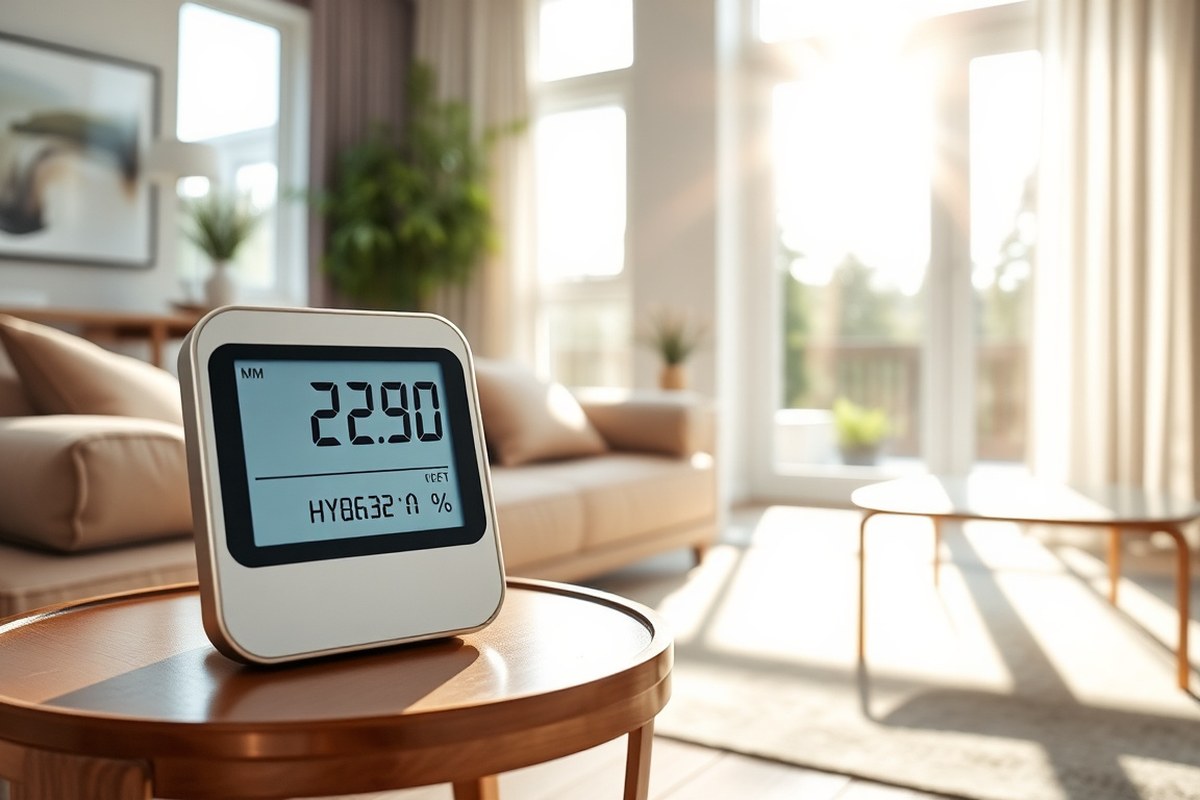
Start by placing a digital hygrometer in key rooms like bedrooms or basements. This lets you easily check your home’s moisture levels. You can then adjust the humidity with devices like humidifiers or dehumidifiers.
Key Takeaways
- Keep indoor humidity between 30% and 50% to prevent health issues.
- Use a digital hygrometer for accurate, real-time humidity readings.
- Humidity near 40% means air is about 40% as moist as possible.
- Levels above 50% encourage mold growth and damage to home materials.
- Below 30% humidity can cause dry skin and respiratory discomfort.
- Target 45% humidity in damp rooms with a portable dehumidifier.
What Is the Ideal Humidity Percentage for a House?
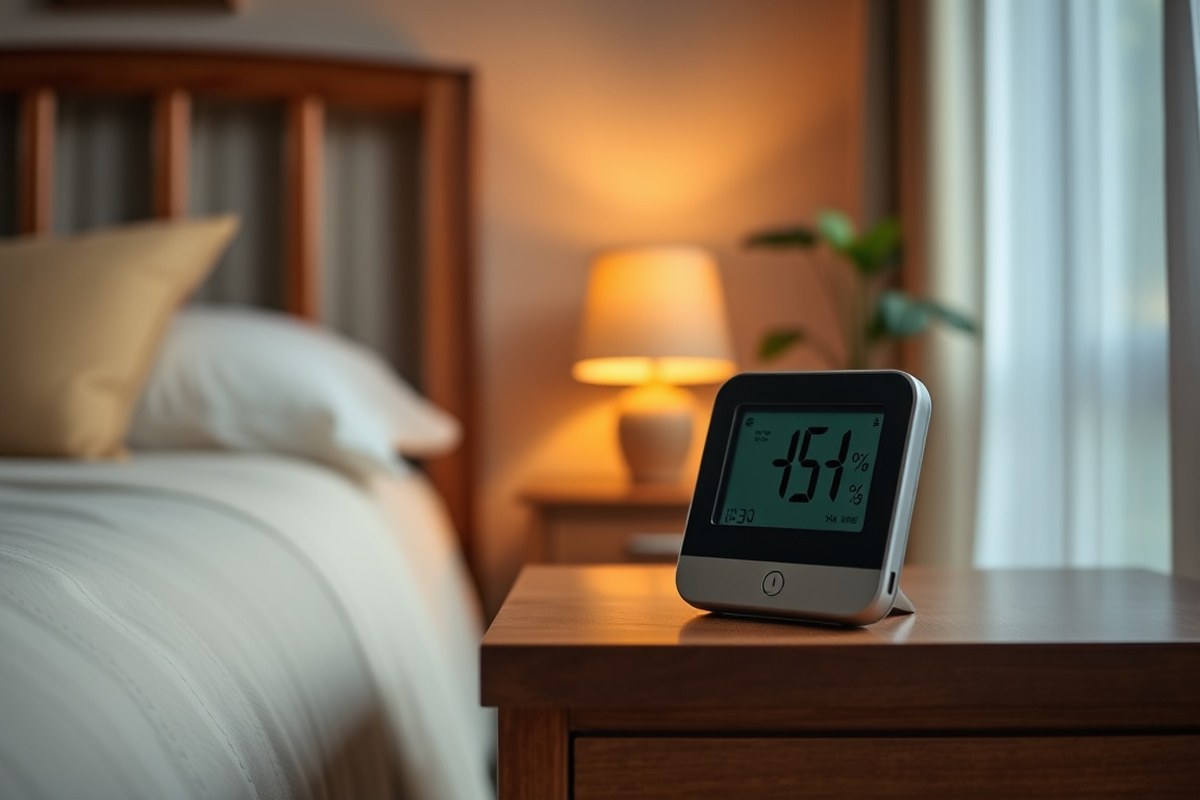
The ideal indoor humidity level should be between 30% and 50%. This range balances comfort and health by preventing air that is too dry or too moist. Most experts and the EPA recommend keeping your home’s relative humidity within this range.
Humidity below 30% makes the air too dry. This can dry your skin, irritate your eyes, and cause respiratory discomfort. Dry air boosts static electricity.
It can crack wood floors and warp furniture. This damage often happens when humidity drops too low.
Levels above 50% raise health risks and discomfort. Humidity above 60% helps mold and dust mites grow.
These cause worse allergies and asthma symptoms. Excess moisture also encourages bacteria and increases musty odors in your home.
Maintaining 30% to 50% humidity prevents these problems. You can measure levels with an inexpensive hygrometer that runs $10 to $20.
Use a humidifier if humidity falls under 30%. Run a dehumidifier or fan if it rises above 50%.
Outdoor temperatures affect ideal indoor humidity targets. In colder months, lower indoor humidity closer to 30% to prevent condensation on windows. In warmer months, aim closer to 40% to 50% to control excess moisture.
Keeping your humidity within the recommended range helps breathing and skin health. It also protects your home’s structure from moisture damage. Adjusting your home’s humidifiers, dehumidifiers, and ventilation regularly keeps humidity in its sweet spot.
How to Measure and Interpret Indoor Humidity Levels
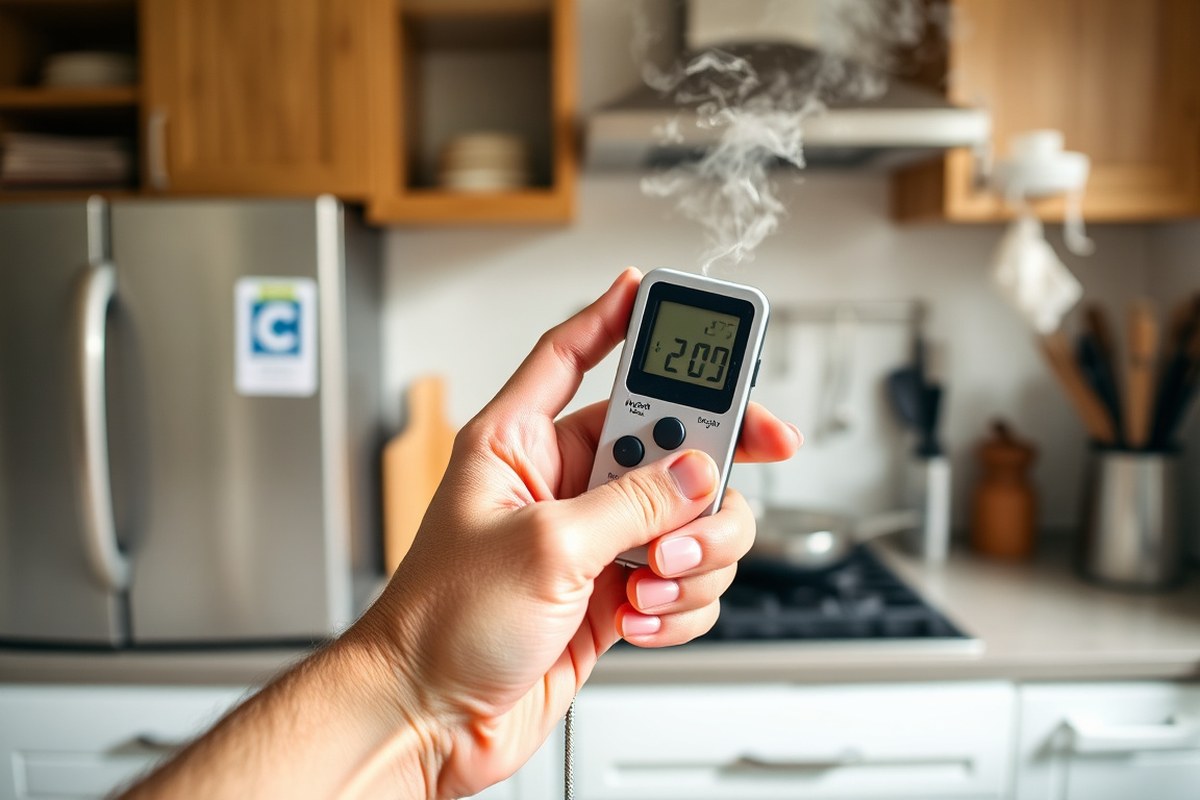
Use a reliable hygrometer to check your home’s humidity accurately. Place devices in key rooms and watch daily changes. Reading these helps keep humidity in the safe 30% to 50% range.
Types of Humidity Measuring Devices
A digital hygrometer is the simplest and most accurate tool for home use. It shows relative humidity as a percentage, usually within 1, 2% accuracy. You can find these devices for $10 to $30 online or at hardware stores.
Smart thermostats and standalone sensors also measure humidity and track trends over time. Analog hygrometers are less precise and need calibration often. So a digital option is better for regular monitoring.
Where to Place Hygrometers in Your Home
Put hygrometers in rooms where humidity causes the most issues, such as bedrooms, basements, and bathrooms. These spots show if moisture levels become too high or low.
Avoid placing devices near heaters, windows, or vents where airflow can skew readings. Put them 3 to 5 feet above the floor.
Keep them away from direct sunlight. Also, avoid placing them near damp walls.
Step-by-Step Guide to Taking Accurate Readings
Follow these steps to get reliable humidity readings and understand your home’s moisture levels.
- Buy a digital hygrometer that’s easy to read and accurate within 2%.
- Place the device in key rooms like the bedroom, bathroom, and basement.
- Leave the hygrometer undisturbed for at least 30 minutes to stabilize.
- Record the percentage shown on the device as the relative humidity (RH).
- Check multiple devices to compare readings across rooms.
- Note times of day when you measure, since humidity can change.
- Repeat checks daily or weekly to track changes, especially after weather shifts.
Place the hygrometer at least three feet off the floor for the most accurate reading.
Interpreting and Logging Your Humidity Data
Readings between 30% and 50% RH are ideal for most rooms. Lower than 30% can dry your skin and woodwork; above 60% risks mold growth. Adjust controls accordingly to stay in this range.
Keep a notebook or spreadsheet to plot your daily or weekly readings. Compare humidity levels to outdoor temperature to spot seasonal trends. This helps decide if humidifiers or dehumidifiers are needed.
Watching for condensation on windows or lingering damp smells can confirm your data. Together, these signs give a good idea when to act on humidity changes.
Signs Your Home Has Too Much Humidity
High indoor humidity can show up in different ways around your home. The air might feel sticky or damp, making the house uncomfortable. You might smell unpleasant odors from mold or mildew.
These can grow on walls, ceilings, or corners. The smell usually means mold is present.
Humidity above 50% encourages mold spores and dust mites to thrive. These allergens worsen asthma and allergy symptoms. Mold often looks like black, green, or white fuzzy spots.
You’ll find it near moisture, like in bathrooms or basements. These spots show where mold is growing. Dust mites also multiply faster in moist air, which makes breathing problems worse.
Wood floors and furniture can suffer too. When humidity stays too high, wood absorbs moisture and swells.
This may cause warping, cracking, or gaps in hardwood floors or wooden furniture joints. Over time, the finish can peel or become dull from trapped moisture.
- Peeling wallpaper or blistering paint on walls
- Visible mold patches or mildew stains on surfaces
- Condensation on windows, pipes, or walls
- Musty or damp smells in rooms
- Warped or cracked wood floors and furniture
- Increased allergy symptoms like sneezing or wheezing
- Wet or damp insulation in walls or attic
Handling visible mold requires quick action like drying leaks and using dehumidifiers. Air conditioners can also help lower humidity by removing moisture from the air. Basements and bathrooms often need extra ventilation to keep surfaces dry after showers or rainy days.
Even if your average humidity reads near 50%, watch for spots where moisture builds up. Condensation on cold surfaces creates damp spots. Hidden leaks also cause wet areas.
Both lead to mold growth and damage. Regular checks for these signs keep your home safer and healthier.
Signs and Effects of Low Indoor Humidity
When indoor humidity drops below 30%, your skin can start feeling tight and flaky. Dry air pulls moisture from your skin and inside your nose. This often causes itching, redness, and nosebleeds, especially in winter when heating systems run nonstop.
You might notice scratchy throats or irritated sinuses, making it harder to breathe comfortably. Dry air can also worsen allergies or asthma symptoms. People catch colds more when humidity is low.
Viruses last longer in drier air. This makes sickness spread easier inside your home.
Static electricity often becomes a constant nuisance. You get little shocks when touching metal objects or other people. This happens because dry air doesn’t conduct electricity well, building up static charges around your home.
Wood furniture, floors, and doors can shrink or crack with too little moisture in the air. Wood loses water content and pulls away from nails or glue joints. Low humidity can cause floorboards to gap.
Wooden frames may also warp over weeks. Both happen when dry air lasts a long time.
Electronics may also face problems in dry conditions. Components like circuit boards and batteries can experience extra wear or static damage. Proper humidity between 30% and 50% helps prevent these issues by keeping electrical parts stable.
Use a humidifier to keep indoor humidity above 30%. This helps protect floors and wood frames. Set it to run as needed during dry spells.
A simple portable unit costs around $40 to $100 and covers a single room. Whole-house systems are pricier but keep every room balanced. Regularly monitoring with a hygrometer helps you avoid going too low.
How Outdoor Temperature Affects Indoor Humidity Targets
Your indoor humidity target should shift depending on the outdoor temperature. Cold outdoor air holds less moisture. This raises condensation risk on walls.
It also affects windows if indoor humidity is too high. Keeping humidity lower during cold months helps prevent this.
Warmer weather allows for a slightly higher indoor humidity without condensation problems. But excess moisture can still cause discomfort and mold.
Use the table below to match outdoor temperatures to maximum indoor humidity. This helps you avoid moisture damage.
These targets balance comfort with preventing condensation and dampness issues. Adjustments may vary based on your specific climate and home insulation quality.
| Outdoor Temperature (°F) | Maximum Indoor Humidity (%) | Reason |
|---|---|---|
| Below 32 | 30, 40 | Cold surfaces risk condensation |
| 32 to 50 | 35, 45 | Lower risk but still cautious |
| 51 to 70 | 40, 50 | Moderate temperatures allow higher RH |
| Above 70 | 40, 50 | Watch for excess humidity |
These ranges follow EPA guidelines for indoor humidity. The EPA advises 30% to 50% humidity indoors. In winter, aim closer to 30, 40% especially in colder climates.
That helps stop window fog and mold on cold walls. In warmer months, 40% to 50% humidity feels comfortable. It prevents dry air and moisture buildup.
Different homes may need tweaks to these figures depending on insulation, air leaks, and ventilation. Lower humidity a bit or increase airflow if windows sweat at recommended levels.
Check your home’s moisture sources like cooking, showering, or drying clothes indoors. A good hygrometer will help you track changes as outdoor temperatures shift throughout the year.
Keep an eye on window condensation in winter. It signals indoor humidity may be too high for cold outdoor temps.
Methods to Control High Indoor Humidity Effectively
To control high indoor humidity, start by improving ventilation and using exhaust fans during moisture-producing activities. Portable dehumidifiers help in small spaces while whole-home dehumidifiers work for consistent problems throughout your house. Adjusting your HVAC system to balance airflow and moisture also supports steady humidity levels below 60%.
Using Exhaust Fans During and After Moist Activities
Running exhaust fans while cooking, showering, or doing laundry removes excess moisture quickly. Fans equipped with humidity sensors turn on automatically, helping avoid over-humid conditions. Always leave fans running for at least 20 minutes after finishing to clear lingering damp air.
Without proper ventilation, moisture can settle on walls or ceilings and cause mold growth. Installing bathroom or kitchen fans vented outdoors keeps moist air from recirculating inside. Choose quiet models for easier use and better compliance.
Choosing and Using Portable vs. Whole-House Dehumidifiers
Portable dehumidifiers work well in damp spots like basements or single rooms. They cost between $200 and $350 and remove about 30 to 50 pints of water daily. Use them where humidity often hits 60% or more.
Whole-house dehumidifiers integrate with your HVAC system and manage moisture across the home. They range from $1,000 to $3,000 installed and run continuously during humid seasons.
Think about using them if many rooms stay above 60% humidity. This is especially true if you live in a humid climate all year.
Running a dehumidifier helps your air conditioner work more efficiently by reducing moisture first. Setting the device to keep humidity around 45% prevents dry air and limits mold growth.
Improving Ventilation and Airflow
Proper ventilation exchanges moist indoor air with drier outside air, lowering humidity levels. Installing an energy recovery ventilator (ERV) balances air quality without wasting energy or causing drafts.
Fix leaks to keep outside moisture out. Seal drafts to stop warm air from cooling and causing condensation. Make sure heating and cooling systems have clean filters and balanced airflow to support moisture control.
Opening windows during dry weather also helps. But avoid it when outdoor humidity is high. Ventilate regularly to keep indoor humidity below 60% and avoid musty smells.
Maintaining and Cleaning Humidity Control Devices
Regular cleaning of exhaust fans and dehumidifiers prevents dust buildup that reduces efficiency. Clean fan grilles and filters every few months or as recommended by the manufacturer.
Empty portable dehumidifier water tanks daily and disinfect them monthly to prevent mold. Whole-home systems require professional maintenance once or twice a year to check coils and drain lines.
Not maintaining devices lets them work harder. This can cause mold growth, bad air quality, and higher energy costs.
- Check your indoor humidity level using a digital hygrometer.
- Run exhaust fans during showers, cooking, and laundry.
- Use a portable dehumidifier in smaller, damp areas as needed.
- Consider whole-home dehumidifiers if humidity stays high (>60%) in many rooms.
- Improve ventilation with an ERV or by opening windows when outdoor air is dry.
- Seal leaks around windows, doors, and plumbing to block moisture entry.
- Clean exhaust fans and dehumidifiers regularly to maintain performance.
- Have your HVAC system inspected annually for airflow and humidity balance.
How to Safely Increase Low Indoor Humidity
Dry air in winter or heated rooms often needs extra moisture for comfort. You can raise humidity with humidifiers, plants, or simple water methods.
Humidifiers come in several types: ultrasonic, evaporative, and steam vaporizer. Ultrasonic models are quiet and energy-efficient. Evaporative ones use a fan to blow air through a wet wick.
Steam vaporizers boil water and release warm mist, which can warm the room slightly. Costs vary from $30 for basic models to $150 for larger units.
Set your humidifier between 30% and 50% humidity. Use a digital hygrometer to check levels. Too high humidity encourages mold and dust mites.
Run the humidifier in short bursts if the room gets too damp. Clean the device weekly; otherwise, bacteria or mold can grow and spread.
Plants like peace lilies, Boston ferns, or spider plants naturally add humidity. They release water vapor as they breathe. Keep several plants in one room to notice a difference.
Water them regularly because dry soil reduces their humidifying effect. This option works well if you want a low-maintenance, natural method.
Here’s a basic comparison table for common humidifying methods:
| Method | Cost Range | Humidity Control | Maintenance |
|---|---|---|---|
| Ultrasonic Humidifier | $30, $120 | Easy to adjust, quiet | Weekly cleaning required |
| Evaporative Humidifier | $40, $150 | Self-regulating moisture output | Replace wicks monthly |
| Steam Vaporizer | $25, $70 | Warms air, more power used | Clean after each use |
| Humidifying Plants | $10, $50 per plant | Natural, gentle increase | Water regularly, low effort |
People often set humidifiers too high, causing dampness and mold growth. Another common mistake is skipping regular cleaning, which risks unhealthy air quality. Using a hygrometer is helpful to avoid these problems.
Adding water bowls near heat sources also raises humidity but less predictably. This works if you want a quick fix and already use a radiator or heater. It’s a low-cost option but needs frequent refilling.
Adjust your approach if you have sensitive skin or respiratory issues. A steady 40% humidity often feels most comfortable. Keeping humidity consistent prevents dry eyes, cracked skin, and nasal irritation in cold months.
Seasonal and Climate Adjustments for Optimal Humidity
Adjust indoor humidity targets with the seasons and your local climate. Cooler months usually require lower humidity to prevent condensation and mold. Warmer months can handle higher humidity for comfort but need control to avoid damp problems.
Recommended Humidity Ranges for Summer vs. Winter
In winter, aim for indoor humidity between 30% and 40% RH in cold climates. This avoids window condensation and moisture problems on cold surfaces. The range also reduces mold risk while helping with dry air discomfort.
Summer humidity targets rise to 40%, 50% RH for comfort. But higher levels can cause mold and must be controlled. Indoor humidity above 60% often feels sticky and encourages dust mites and mildew.
Check your hygrometer weekly, especially during shoulder seasons. Small adjustments like cracking a window on mild days can keep humidity balanced without extra energy.
Adjusting HVAC Systems for Changing Humidity Needs
Your heating and cooling system impacts humidity greatly. Heating dries indoor air in winter.
So use a humidifier carefully or adjust to maintain 30%, 40% RH. Cooling systems remove moisture but may need a dehumidifier if humidity stays high.
Set your thermostat and humidifier or dehumidifier based on current outdoor weather and room conditions. Monitor weekly and tweak settings for comfort and energy savings. Filters and ventilation rates also matter; clean filters improve airflow and humidity control.
Tips for Managing Humidity in Humid vs. Dry Climates
Humid climates often require mechanical dehumidifiers or air conditioners to keep indoor humidity below 50%. Use exhaust fans in kitchens and bathrooms to reduce moisture from cooking and showers.
Dry air in some places drops below 30% RH indoors. Use humidifiers to reach 30% to 40% RH. This is especially true during winter months.
Use houseplants or water basins as natural humidifiers. But avoid overdoing it to prevent mold.
- Use exhaust fans during and after cooking or showering
- Open windows briefly on mild days for fresh air
- Keep houseplants that add moisture but don’t overwater
- Use a humidifier with built-in hygrostat for control
- Run a dehumidifier in humid months or climates
- Seal drafts to prevent unwanted moisture and air leaks
- Maintain your HVAC for efficient humidity control
Monitor humidity daily during humid months to avoid mold growth.
Energy Efficient Humidity Control Practices
Adjust humidity controls based on outdoor weather to avoid waste. Open a window briefly for fresh air in spring or fall.
This is a quick alternative to using a dehumidifier. It helps freshen indoor air naturally.
Use smart thermostats and humidity sensors to automate control and reduce energy use. Proper home sealing and insulation help maintain steady humidity and temperature with less HVAC work.
Aim for the right humidity level without overdoing humidifiers or dehumidifiers. This saves energy and keeps your home safe. Balance is key to comfort and protection.
Step-by-Step Action Plan to Balance Your Home’s Humidity
Keep your home’s humidity at the right level for comfort and health. Use this plan to check and adjust your indoor air easily.
- Day 1: Buy a reliable indoor hygrometer. Place it in your main living space to get accurate readings.
- Day 2: Record your home’s humidity readings morning and evening for three days. Aim for 30% to 50% humidity.
- Week 1: If humidity is above 50%, run a dehumidifier or improve ventilation. Check if readings drop to the right range.
- Week 1: If humidity is under 30%, use a humidifier. You can also put water basins near heat sources. This helps add moisture to your air. Recheck humidity levels after a few days.
- Week 2: Watch your home for signs of humidity problems: musty smells, condensation, dry skin. Note if these signs lessen.
- Month 1: Adjust settings based on seasonal changes. For cold months, set humidity closer to 30-40%. For warmer months, stay near 40-50%.
- Ongoing: Maintain filters on your humidifier or dehumidifier regularly. Replace them every 3 months for best performance.
Frequently Asked Questions
What Percentage Should Humidity Be in House for Health?
The ideal indoor humidity is generally 30% to 50%. This range helps prevent mold, allergens, and dry air problems in your home.
Can Humidity Above 50% Damage My Home?
Yes, humidity over 50% can cause moisture buildup and mold growth. It can also damage wood and paint over time.
Does Humidity Below 30% Affect My Skin and Health?
Low humidity below 30% pulls moisture from your skin and respiratory tract. This can cause dry skin, irritation, or worsen respiratory issues.
Should I Adjust Humidity Based on Season or Outdoor Weather?
Yes, outdoor temperature affects indoor humidity levels. You may need to adjust humidifiers or dehumidifiers seasonally.
Is 40% Humidity Good for Sleep?
Humidity around 40% is comfortable for most people’s sleep. However, there’s no single humidity perfect for everyone’s sleep quality.
Can Indoor Plants Help Manage Humidity Levels?
Some indoor plants can add moisture to dry air, slightly raising humidity. But they cannot replace a humidifier for significant changes.
Wrapping Up
Your home’s ideal humidity lies between 30% and 50%. Keep checking and adjusting to stay in that comfort zone. Start by getting a good hygrometer and take your first readings today.