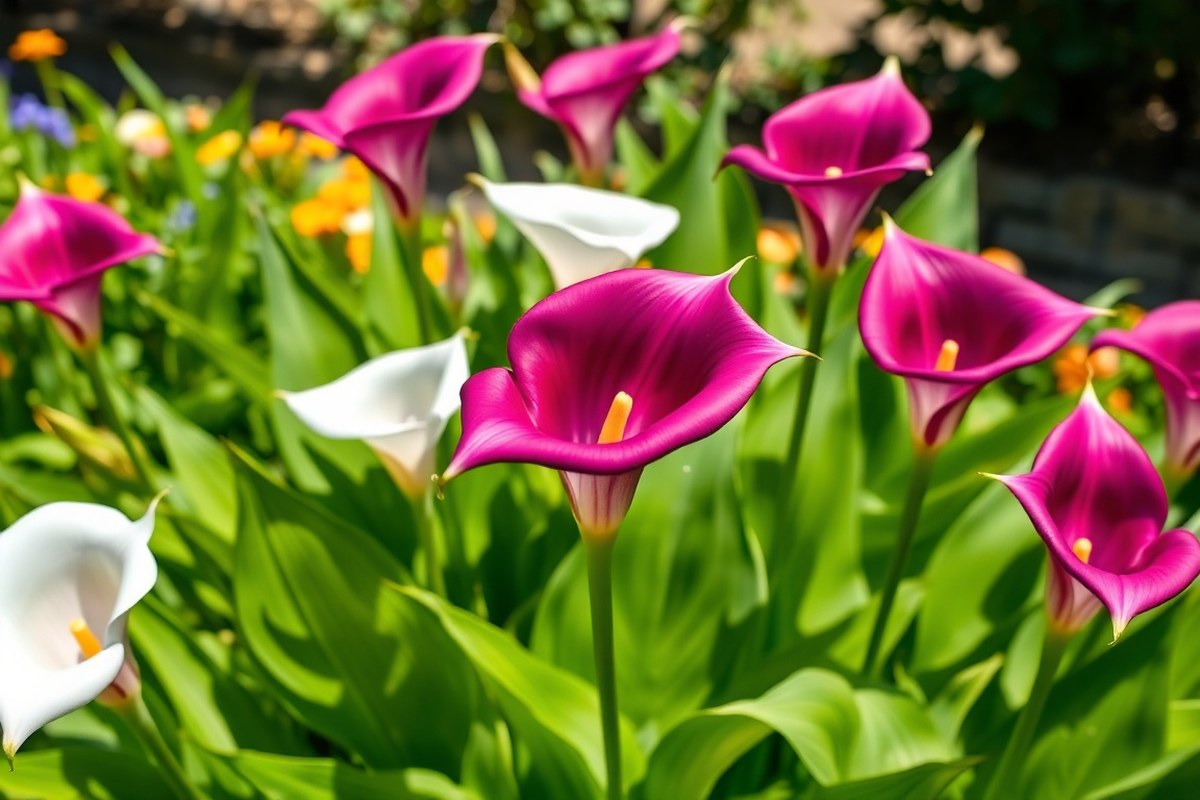
How to Plant Calla Lilies: Simple Steps and Expert Tips for Perfect Blooms
Knowing how to plant calla lilies makes growing their beautiful blooms easier. Plant calla lily rhizomes about 4 inches deep for the best results. The soil should be warm, around 60 to 65°F, to encourage growth.
Pick a sunny spot that drains well because soggy soil causes rot. Space each plant 12 to 18 inches apart to give roots room to spread. Plant in spring, two to three weeks after the last frost for the strongest start.
Planting calla lilies at the right depth and time helps them sprout quickly. You’ll see shoots in two to three weeks. They bloom in 60 to 90 days after planting, depending on variety.
Key Takeaways
- Plant calla lily rhizomes 3 to 4 inches deep with the pointed side up.
- Wait until soil temperature reaches at least 60°F before planting outdoors.
- Space garden plants 12 to 18 inches apart for healthy growth.
- Choose a sunny location with well-draining soil for calla lilies.
- Water consistently to keep soil moist but not soggy.
- Fertilize monthly with a natural, slow-release bulb fertilizer during growing season.
When and How Deep to Plant Calla Lily Rhizomes
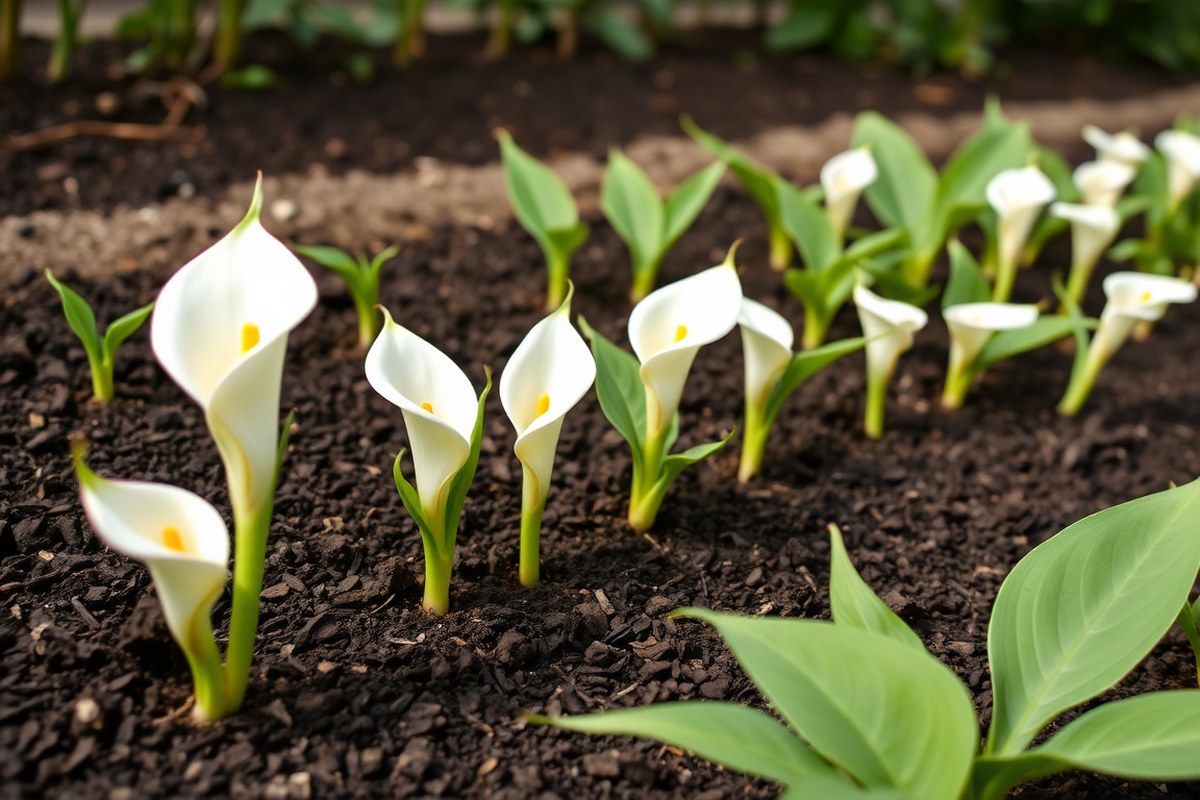
Plant calla lily rhizomes in spring, about 2 to 3 weeks after the last frost. The soil temperature should reach at least 60°F (15.5°C) before planting. This timing helps rhizomes avoid cold damage and start growing well.
Calla lilies need to be planted 2 to 4 inches deep, depending on your soil type. In sandy or loose soil, plant closer to 2 inches deep. For heavier clay soil, go about 4 inches deep to protect rhizomes and keep them moist.
Space your rhizomes 12 to 18 inches apart so they have room to grow. The flat side goes down. The rounded side faces up.
Make sure eyes or shoots point upward. This keeps the plants growing upright and strong.
- Wait until soil reaches 60°F or above for best results.
- Plant rhizomes 2 inches deep in light, sandy soil.
- Plant rhizomes 4 inches deep in clay or dense soil.
- Space rhizomes 12 to 18 inches apart for air and growth.
- Set rhizomes flat side down, shoot side up.
Dig holes of the correct depth and place rhizomes carefully in each hole. Cover them with soil and press lightly to avoid air pockets. Water well to settle the soil, encouraging root growth.
Planting too shallow could dry out rhizomes or expose them to cold. Planting too deep may slow sprouting and cause rot in poorly drained soils. Adjust depth by soil feel: loose soil needs less cover, heavy soil needs more.
Choosing the Right Location and Soil for Calla Lilies
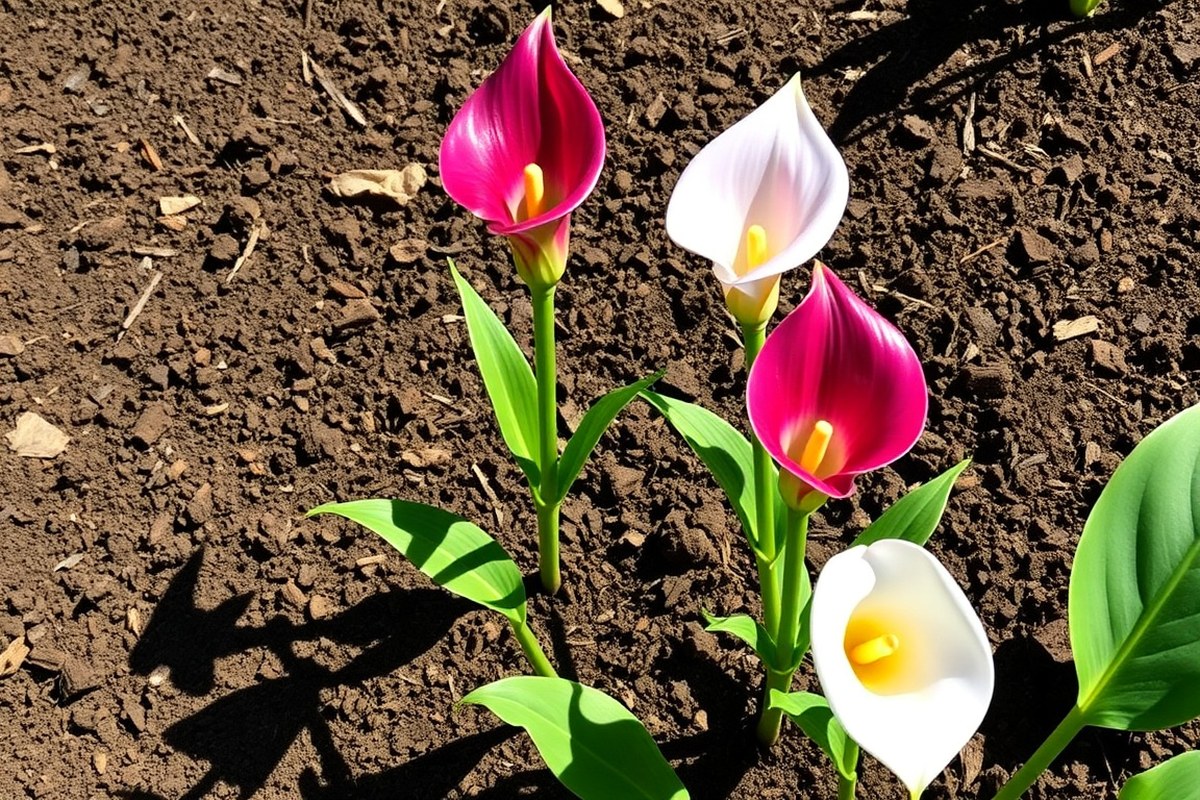
Calla lilies need 4 to 6 hours of sunlight to bloom well. Full sun to partial shade suits them best. In hot places, shade prevents the soil from getting too warm.
Choose a garden spot with well-drained soil to avoid root problems. Calla lilies prefer loamy, well-drained soil that feels loose and crumbly. Clay soils hold too much water and can cause roots to rot.
You should add organic matter to improve drainage. Sand also helps water move better in clay soil.
Before planting, loosen the soil to about 12 inches deep. Add 2 to 3 inches of compost or peat moss on top of soil. Mix it thoroughly into the soil surface for best results.
This creates a good base for the plants. This boosts drainage and adds nutrients. Heavy clay soils need coarse sand or bark to drain water better.
This addition lets the soil dry out faster after watering. It helps prevent root damage from excess moisture.
In containers, pick pots with drainage holes to stop waterlogging. Use a peat-based potting mix for best results.
Plant rhizomes about 2 to 3 inches deep in containers. The soil should stay moist but never soggy.
Good drainage is key; standing water can cause the bulbs to rot quickly.
Calla lilies tolerate partial shade, but too much shade can reduce flowers. They do well near taller plants that provide morning sun and afternoon shade. This suits gardeners with hot summers or limited sunny spots.
Make sure the chosen site stays warm, ideally above 70°F during the day. Cooler spots slow growth and flowering. Avoid locations with heavy winds or frost pockets, which can damage shoots and blooms.
Step-by-Step Planting Instructions for Garden and Container Calla Lilies
Plant calla lily rhizomes with their growing tips up, whether in the garden or pots. They don’t need soaking before planting. Follow clear steps to get strong roots and plenty of blooms.
Preparing and Soaking Rhizomes Before Planting
Calla lily rhizomes don’t benefit from soaking before planting. Just check them for firmness and healthy skin. If the rhizomes feel shriveled or soft, avoid planting them as they may not grow well.
It’s fine to plant dry rhizomes directly into the soil or container mix. Keep them in a cool, dry spot until planting day to prevent rot or mold. No soaking needed means a quicker, less fussy start.
Planting Step-By-Step for Garden Beds
Plant calla lilies in garden soil that drains well and is rich in organic matter. Dig holes about 3 to 4 inches deep to fit each rhizome comfortably. Use soil loosened to a depth of 6 to 8 inches to encourage root growth.
- Clear the garden bed of weeds and debris.
- Loosen soil to 6, 8 inches deep with a garden fork or shovel.
- Mix in some compost or bulb fertilizer to enrich the soil.
- Dig holes 3, 4 inches deep, spaced about 8, 12 inches apart.
- Place each rhizome in the hole with the growing tip facing up.
- Cover lightly with soil and gently pat it down.
- Water the area thoroughly to settle soil around the rhizomes.
Garden planting allows calla lilies to spread and naturalize over years. Keep an eye on moisture during dry spells, especially after planting.
Planting Step-By-Step for Containers
Use pots at least 6 inches deep, holding one rhizome each. Larger containers about 12 inches wide can hold three rhizomes for a fuller look. Make sure containers have drainage holes to avoid waterlogged soil.
- Choose a well-draining potting mix labeled for bulbs or indoor plants.
- Fill the container about 2, 3 inches from the top with soil.
- Set the rhizome in the soil with its growing tip up.
- Cover with 3, 4 inches of potting mix, firm gently around it.
- Water thoroughly until water drains out the bottom.
- Place the pot in a bright spot but out of direct harsh sun.
Containers dry out faster than garden beds, so check soil moisture often. Water when the top inch feels dry to keep roots healthy and growing strong.
Watering and Fertilizing Calla Lilies for Healthy Growth
Calla lilies need about 1 inch of water per week during active growth. Water more often if the soil dries out completely. Container plants dry fast.
Water them every two to three days. This keeps soil moist and plants healthy.
Water deeply each time to moisten the root zone, but avoid standing water. Too much water can cause root rot, seen as yellowing leaves or wilting despite moist soil. Too little water makes leaves droopy and dull.
Fertilize calla lilies every 4 to 6 weeks with a balanced 10-10-10 fertilizer. This supplies nitrogen, phosphorus, and potassium equally, supporting leaves and flowers. Use a liquid fertilizer high in phosphorus during bloom to help flowers stay vibrant.
Apply fertilizer according to package directions, usually diluted in water. Overfeeding can burn roots, causing browning tips on leaves. Underfeeding makes the plant look pale, with fewer or small flowers.
During early growth, feed lightly to encourage strong roots and shoots. Increase feeding during flowering to keep blooms healthy.
Stop fertilizing once leaves begin to yellow naturally. This signals the plant is entering dormancy.
Calla lilies commonly suffer from watering mistakes. Too little water causes slow growth and poor flowering.
Too much causes root rot or fungal issues. Check soil moisture by sticking a finger down 2 inches; if dry, water thoroughly.
Signs of fertilizer issues include pale leaves or poor flowering. Add fertilizer carefully to correct nutrient problems. Watch the plant rebound within two weeks.
Feed your plants regularly but in small amounts. This helps leaves stay bright green. It also encourages many blooms during the season.
Growth Timeline and What to Expect After Planting
Calla lilies usually take about two to three weeks to emerge after planting. Blooming generally happens within two to three months and can last several weeks. During dormancy, the plant needs less water and should be kept frost-free.
Emergence Stage: 2 to 3 Weeks After Planting
You’ll see calla lily shoots rise from the soil 14 to 21 days after planting. This depends on soil temperature and moisture, which should be consistent for best results. Warm, moist soil speeds sprouting, while cold or dry soil delays it.
Keep the soil evenly moist but not soggy during this time. Avoid letting the soil dry out or become waterlogged. Also, watch for pests, which can damage young shoots.
Blooming Phase: Timing and Duration
Calla lilies usually bloom two to three months after you plant them. Most blooms show up in late spring or early summer.
The exact timing varies by the variety and growing conditions. Indoors, they may bloom off-season if kept warm and well-lit.
Each flower lasts multiple weeks on the plant. Cut flowers can stay fresh for up to two weeks.
You can make blooms last longer by deadheading old flowers. Keep the soil moist and use light fertilizer to help.
Do not overwater once blooms appear, as this can cause root problems. Instead, aim for steady moisture and remove any wilted foliage quickly.
Dormancy: Signs and Care Practices
Calla lilies enter dormancy when their leaves yellow and die back, usually as cooler weather approaches. This rest period can last several months. During dormancy, reduce watering until growth resumes in spring.
Keep dormant rhizomes in a cool, dry place above freezing if outdoors. In colder areas, lift the rhizomes and store them indoors to avoid frost damage. This helps ensure healthy growth the next season.
Avoid fertilizer during dormancy, as the plant is not actively growing and won’t use it. Only start regular watering and feeding again when new shoots appear.
Do not let calla lilies sit in soggy soil. It can cause root rot and delay growth.
Follow these steps to support growth and blooms after planting:
- Keep the soil evenly moist, not soaked, during early growth.
- Maintain soil temperatures around 60 to 75°F for best emergence.
- Fertilize lightly once shoots appear to support strong growth.
- Water regularly but reduce during flowering to prevent root stress.
- Remove dead leaves and spent flowers to improve plant health.
- Watch for natural dieback to identify dormancy onset.
- Cut back watering during dormancy and protect rhizomes from frost.
- Resume watering and fertilizing when new growth begins after dormancy.
Overwintering Calla Lilies: Storage and Protection Tips
Calla lilies survive winter outdoors only in warmer USDA zones 8-10. In colder zones, dig up their rhizomes before frost and store them indoors. Proper lifting and storage protect the bulbs from freezing and damage.
Overwintering in USDA Zones 8-10
You can leave calla lilies planted in the ground through winter in zones 8 to 10. These lilies tolerate mild frost but can be damaged if temperatures fall below 25°F. In these zones, they act as perennials and bloom earlier if left undisturbed.
Before the coldest weather arrives, cover the plants with mulch for extra protection. This layer helps keep the soil warmer and reduces frost risk. When temperatures drop sharply, cover plants with frost cloth for nights.
Lifting and Storing Rhizomes in Colder Zones
In zones below 8, dig up calla lily rhizomes in the fall. Do this after the leaves turn yellow.
This signals the plant is going dormant. Avoid waiting until after frost hits, which can damage the bulbs.
After digging, remove all dirt from the rhizomes. Let them dry in a shady, ventilated spot. Dry for 1-2 weeks.
This drying step prevents rot during storage. Next, dust rhizomes with a fungicide or cinnamon powder to reduce mold risks.
- Dig rhizomes before first frost, using a fork or shovel
- Remove all soil but don’t scrub off the skin
- Let them dry out in shade for 7 to 14 days
- Apply fungicide or cinnamon powder to rhizomes
- Store rhizomes in paper bags or mesh bags
- Place the stored bulbs in a cool, dry place
Keep the rhizomes in a dark place to encourage dormancy until spring planting. Check them occasionally for softness or mold and discard damaged bulbs.
Ideal Storage Environment and Handling
Calla lily rhizomes store best in temperatures between 45°F and 55°F. Avoid storing below 40°F since freezing causes tissue damage. High temperatures over 70°F can dry them out prematurely.
Maintain moderate humidity around 50-60% to prevent shriveling. Use paper bags, mesh sacks, or a cardboard box lined with dry peat moss or sawdust. This keeps rhizomes dry but not desiccated.
Store rhizomes in an unheated garage, basement, or closet. Avoid direct sunlight and freeze-prone places. Remember to inspect periodically and remove any rotting rhizomes to protect others.
Common Problems and How to Fix Them Quickly
Calla lilies like moist conditions. This attracts pests like aphids and spider mites. They also draw mealybugs, scale, and Japanese beetles.
Check your plants often for tiny bugs on leaves and stems. Aphids look like small green or black dots. Spider mites create fine webbing.
Scale appears as tiny bumps on the leaves. Remove pests by spraying with water or using insecticidal soap. Repeat treatments every few days until bugs disappear.
Overwatering calla lilies causes yellow leaves and soggy soil. They need moist soil but not soggy roots. Underwatering shows as droopy, dry leaves and slower growth.
Water calla lilies deeply once or twice a week, depending on your weather. So soil is moist but drains well. Adjust watering if leaves change color or feel soft.
Calla lilies might fail to bloom if they don’t get enough sunlight or nutrients. Make sure your lilies get at least six hours of sun daily, especially in cooler climates. Use a balanced fertilizer every 4 to 6 weeks during growing season.
Leaves stay green but no flowers show. Cut back on nitrogen-rich fertilizer. Add more phosphorus to help blooms grow.
Fungal diseases like root rot can also stop calla lilies from growing well. This usually happens with poor drainage or too much water.
Remove affected plants and improve soil drainage with sand or organic matter. Avoid watering the plants directly on leaves to reduce fungal risks.
Prevent problems by planting calla lilies in well-draining soil and a sunny spot. Keep pests in check by inspecting plants weekly and treating pests early.
Use water wisely to avoid stress signs like yellowing or drooping leaves. Healthy calla lilies grow strong and bloom brightly with these simple steps.
Calla Lily Varieties and Their Impact on Planting and Care
Different calla lily types affect planting depth, bloom time, spacing, and care needs. Smaller varieties work best in containers, while taller ones suit garden beds better. Plant height also guides how far apart you set them for healthy air flow and growth.
Shorter calla lilies, like ‘Picasso’ or ‘Black Star’, usually grow 8 to 12 inches tall. They fit well in pots because their size limits how wide they spread. Taller varieties like ‘Captain Safari’ or ‘Green Goddess’ grow 2 to 3 feet.
They need more space between plants outdoors. Give them enough room to grow well.
| Variety | Typical Height | Planting Depth | Spacing | Bloom Time | Preferred Conditions |
|---|---|---|---|---|---|
| Picasso | 8, 12 inches | 2, 3 inches | 6, 8 inches | Mid to late summer | Partial sun, well-drained soil |
| Black Star | 10, 14 inches | 2, 3 inches | 6, 8 inches | Mid to late summer | Partial sun to shade, moist soil |
| Captain Safari | 24, 36 inches | 3, 4 inches | 12, 18 inches | Mid to late summer | Full sun to partial shade, well-drained soil |
| Green Goddess | 30 inches | 3, 4 inches | 12, 18 inches | Mid to late summer | Partial sun, moist soil |
Taller types need planting about 3 to 4 inches deep to support their height. Space them 12 to 18 inches apart to avoid crowding or poor air circulation. If plants are too close, mildew can form.
Weak stems can also happen. This is worse if air flow is poor or soil is wet.
Shorter varieties require just 2 to 3 inches of soil cover. Space plants 6 to 8 inches apart. This lets leaves and flowers grow well.
It also saves garden space. This spacing also helps when you remove calla lilies for overwintering, making digging easier.
Handle calla lilies with care since ingesting any part can cause throat swelling and breathing issues.
Some varieties prefer partial shade, like ‘Black Star’ and ‘Green Goddess’. Others manage well in full sun, especially in cooler climates.
Moisture needs also vary; sandy soils drain fast and suit sun-loving types better. For consistent blooming, keep soil moist but not soggy for all varieties.
Step-by-Step Action Plan for Planting and Caring for Calla Lilies
Follow these steps to plant your calla lilies and help them grow strong and bloom well.
- Before planting: Soak rhizomes in water for 1-2 hours to prepare them. Look for firm, healthy rhizomes without soft spots.
- Day 1: Choose a sunny spot with well-draining soil. Soil should feel loose and crumbly, not wet or heavy.
- Day 1: Plant rhizomes 3-4 inches deep, spaced 8-12 inches apart. Cover with soil and gently press down.
- Week 1: Water soil lightly but deeply, keeping it moist but not soggy. Check soil moisture to avoid drying out.
- Weeks 2-4: Apply a balanced liquid fertilizer every 2 weeks. Watch for new growth and healthy green leaves.
- Month 2: Remove weeds around plants to reduce competition. Look for blooms starting and keep watering regularly.
- End of season: Cut back foliage after it yellows to prepare for overwintering. Lift rhizomes for storage if in cold zones.
- Winter: Store rhizomes in a cool, dry place if needed. Check rhizomes periodically for firmness and mold.
Frequently Asked Questions
Can Calla Lilies Survive in Clay Soil?
Calla lilies can grow in clay soil if you improve drainage. Adding compost or sand helps prevent roots from sitting in water and rotting.
Do Calla Lilies Need Full Sun or Shade?
Calla lilies prefer full sun to part shade for best blooming. Too much shade can reduce flower production but they can still grow.
Can I Plant Calla Lilies Near Vegetables?
Yes, calla lilies can be planted near vegetables if space allows. Just avoid crowded spots to keep airflow and reduce disease risk.
How Soon Do Calla Lilies Bloom After Planting?
Calla lilies usually bloom 8 to 12 weeks after planting. Warmer temperatures speed up growth and flowering time within this range.
Is It Necessary to Loosen the Soil Before Planting Calla Lilies?
Yes, loosening soil helps calla lily roots spread and absorb nutrients. Break up compact soil to about a foot deep for best results.
Can I Grow Calla Lilies Indoors from Rhizomes?
Yes, you can grow calla lilies indoors using pots and well-draining soil. Keep them in a sunny spot and water regularly but don’t soak.
Before You Go
Planting calla lilies takes attention, but the vibrant flowers are worth it. Start by choosing healthy rhizomes and the right spot. Keep watering and watch your lilies thrive all season long.