What Insects Does Diatomaceous Earth Kill: Complete Guide for Effective Pest Control
What insects does diatomaceous earth kill? It targets many soft-bodied crawling bugs like ants, earwigs, slugs, and aphids.
These insects die because the fine powder scratches their exoskeletons, causing dehydration. It also affects bed bugs, silverfish, cockroaches, and fleas by breaking down their protective outer layer.
Diatomaceous earth works mechanically by absorbing lipids from insect shells. So bugs lose water and die within one to three days. Keep the powder dry before using it.
Apply it only where insects crawl. This helps you get the best results. Avoid wet or dusty areas since moisture reduces its effectiveness.
Expect smaller pests like ants or fleas to die within 48 hours after contact. Bigger or tougher pests, like rice weevils, need more time.
It could take up to three weeks, even with higher doses. Repeat applications may be necessary for heavy infestations or after rain.
Key Takeaways
- Diatomaceous earth kills mainly soft-bodied crawling insects by dehydration.
- Apply it dry on surfaces insects crawl for best mechanical action.
- Smaller insects like ants usually die within 48 hours after contact.
- Hard-bodied insects need longer exposure, sometimes up to three weeks.
- Keep diatomaceous earth dry; moisture reduces its effectiveness quickly.
- Reapply every two weeks indoors and vacuum before new applications.
Which Insects Does Diatomaceous Earth Kill Effectively?
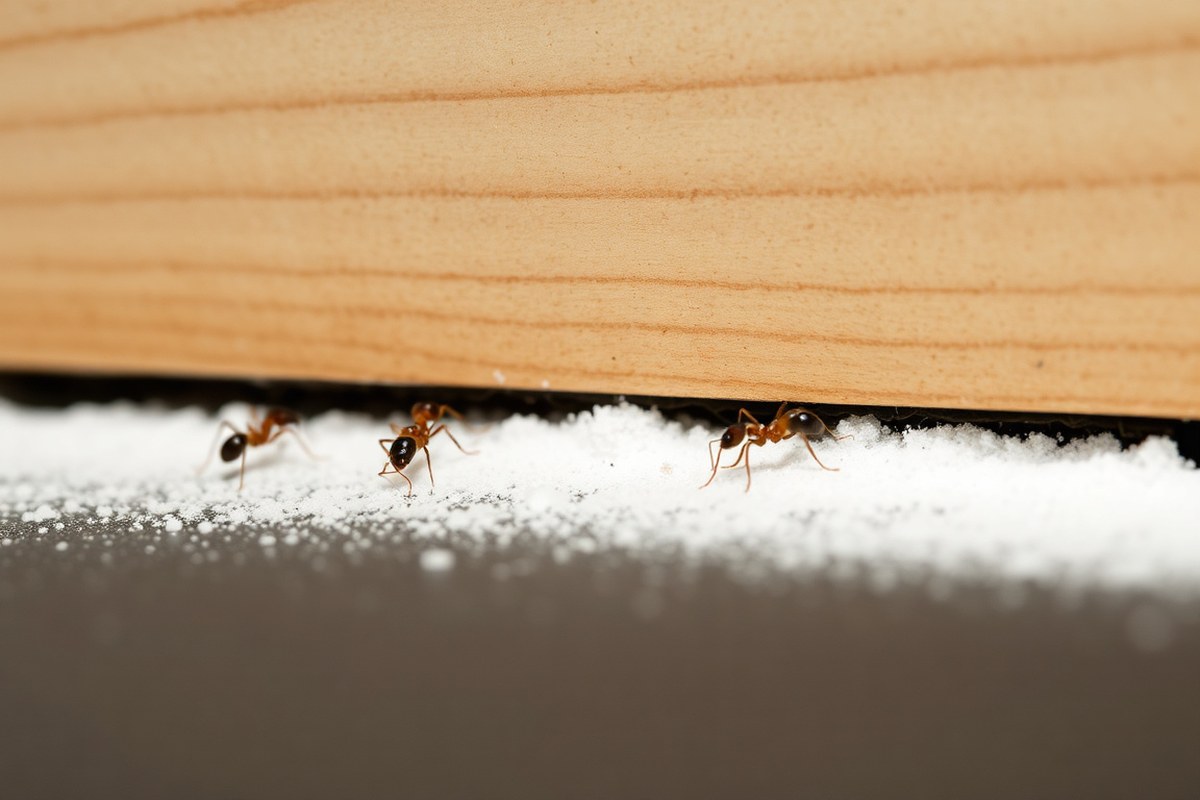
Diatomaceous earth works best on crawling insects with soft bodies. It harms pests like ants, slugs, earwigs, and aphids by scratching their exoskeletons. This damage causes dehydration and death, usually within one to three days.
Flying insects usually avoid diatomaceous earth since they don’t crawl through it. The powder won’t kill bees, wasps, or flies effectively. That makes DE a poor choice for controlling flying pests but great for ground-based bugs.
Diatomaceous earth helps control pests in homes and gardens. It kills cockroaches, bed bugs, ticks, and beetles. You can use it safely around your plants and inside your house.
It kills grain weevils and storage mites too, which often infest pantries or stored food. However, it takes time and dry conditions to work well.
| Insect Type | Killed by DE? | Typical Kill Time | Common Environment |
|---|---|---|---|
| Ants | Yes | 48-72 hours | Indoor and Outdoor soil, cracks |
| Slugs | Yes | 24-48 hours | Garden beds, mulch |
| Bed bugs | Yes | Several days | Indoor furniture and mattress |
| Cockroaches | Yes | 2-5 days | Indoor cracks, dark areas |
| Bees/Wasps | No | N/A | Flying, outdoor plants |
| Flies | No | N/A | Flying, around garbage |
| Aphids | Yes | 24-48 hours | Garden plants, leaves |
Some insects avoid or resist diatomaceous earth due to their hard shells or flying habits. Pollinators like bees should not contact DE since it can kill them too. Avoid applying it near blooming plants to protect these beneficial insects.
For best results, apply DE in dry, dusty areas where crawling pests travel. Wet DE won’t work because moisture clumps the powder. Keep in mind that DE kills by physical damage.
Pest control works slowly but steadily for pests near your home. This is common with bugs in and around your garden. Regular treatments help keep pest numbers low over time.
How Diatomaceous Earth Kills Insects Mechanically
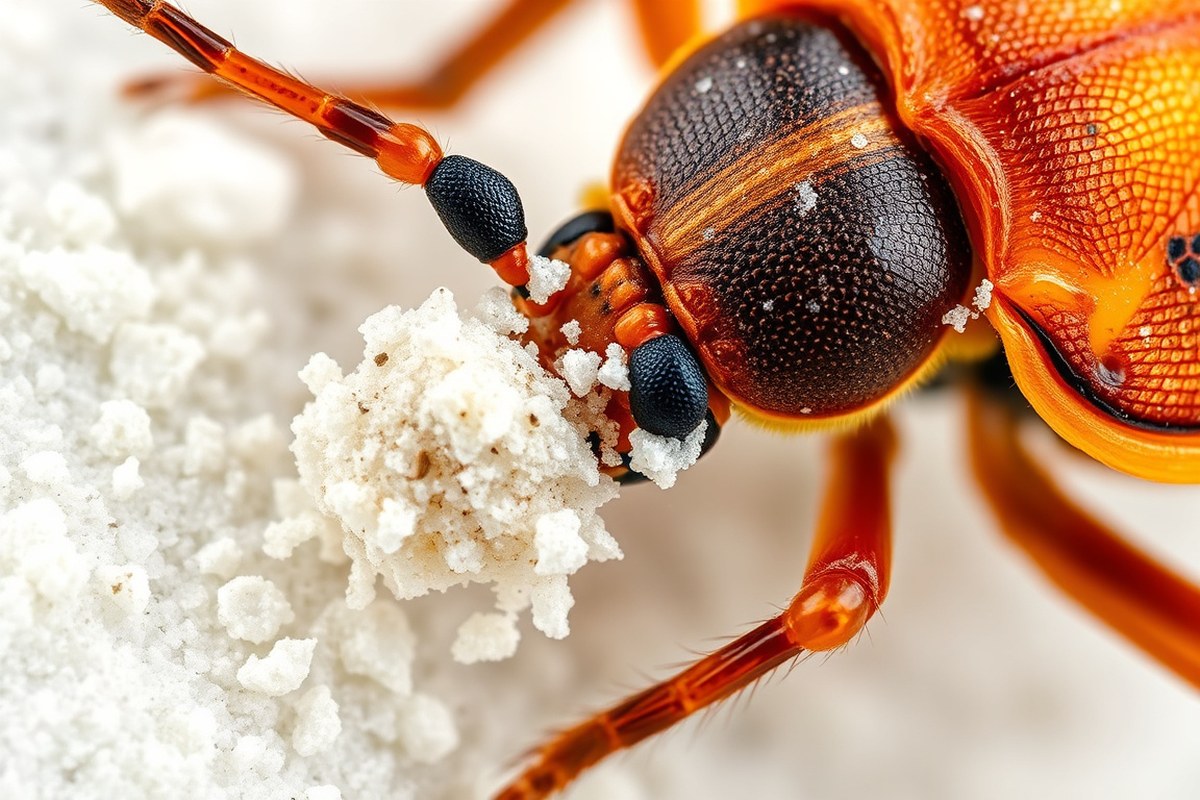
Diatomaceous earth kills insects by physically damaging their outer shells. The powder contains tiny, sharp silica particles that act like microscopic glass shards. When insects crawl through the powder, these particles cut and scrape their hard exoskeleton.
Insects with exoskeletons rely on a waxy coating to keep moisture inside. The sharp edges of diatomaceous earth absorb this protective wax and create abrasions. This damage causes the insects to lose water quickly, leading to dehydration.
After contact, insects often show slowed movement and visible damage. The cuts in their exoskeleton break their skin’s barrier, making it easier to dry out. Most insects die within 24 to 48 hours once they lose too much moisture.
This mechanical process is different from chemical insecticides. Chemical sprays attack insect nerves or poison their metabolism, killing insects fast but sometimes causing resistance.
Diatomaceous earth works physically, with no chemicals involved. It takes longer but is safer for people and pets.
The tiny particles also get into joints and crevices on insects. This causes irritation and adds to the dehydration effect. Larger insects like beetles or roaches may need 3 to 7 days to die.
This is because their outer shells are tougher. These shells take longer for the pesticide to break down.
Insects without hard exoskeletons, like caterpillars or earthworms, don’t die from diatomaceous earth. Their thick mucus layers protect them from the sharp particles as they move through rough soil. This shows why DE is useful mainly on exoskeleton-bearing bugs like ants, fleas, and crickets.
Apply diatomaceous earth lightly but evenly. Thick clumps can prevent insects from reaching the particles effectively.
How Long Does Diatomaceous Earth Take to Kill Different Insects?
Diatomaceous earth usually takes between 12 and 72 hours to kill insects after contact. Smaller soft-bodied insects die faster than larger hard-shelled ones. Kill times vary by insect size, species, and how much DE covers them.
Kill Times for Small Soft-Bodied Insects
Small soft-bodied pests like ants, fleas, and aphids usually die within 12 to 48 hours. Their thin exoskeletons dry out quickly when they walk over diatomaceous earth. For example, ants often die in about 24 hours under good conditions.
Once the insect contacts DE, the powder scratches its skin and starts absorbing moisture. You’ll notice flea populations drop dramatically after a day or two of treatment. These insects tend to die faster because their smaller size means faster dehydration.
Kill Times for Larger Hard-Shelled Insects
Larger insects with hard shells, such as beetles, cockroaches, and bed bugs, take longer to die. Most die within 48 to 72 hours after exposure. The thicker shell slows moisture loss caused by DE’s abrasive action.
For instance, carpet beetles may take 2 or 3 days to show effects. Cockroaches get weaker after exposure to diatomaceous earth. They usually die in 2 to 3 days.
This happens if the powder covers them well. Bigger insects and those with harder armor need more time to dehydrate fully.
Factors That Influence DE Kill Speed
Several things affect how quickly DE kills insects. Moisture reduces DE’s effectiveness, so dry conditions speed up kill times. The insect’s size and exoskeleton type also matter, with smaller and softer insects dying faster.
How much the insect contacts the powder is key. DE kills only when insects walk over it.
A thick, even layer increases kill speed. Clean surfaces free of dust help DE stick and work better.
For example, ants die faster than beetles because ants are smaller and have thinner shells. Their dehydration happens quicker after walking through a good layer of DE. To get the best and fastest results with diatomaceous earth, follow these steps:
- Clean the area to remove debris and dust for better DE contact.
- Sprinkle a thin, even layer of diatomaceous earth where pests travel.
- Focus on cracks, baseboards, and areas near food or water.
- Keep the treated areas dry to maintain DE’s dryness.
- Wait at least 48 hours before checking for dead insects.
- Reapply DE weekly or after cleaning or rain to keep protection strong.
- Combine DE with bait or other control methods for faster results on ants or roaches.
How Moisture and Environmental Factors Impact Effectiveness
Diatomaceous earth loses its power when it gets wet. Rain, heavy dew, or even humid air can clump the powder. This stops it from scratching and drying out insect exoskeletons, which is how it works.
Before applying, dry the area well. Moist spots need time to dry completely. Overhead watering or rain soon after application means you’ll need to reapply after the surface dries.
Using diatomaceous earth outdoors in humid or wet places can work but takes extra care. You might need to apply more often, and watch weather forecasts. For indoor use, focus on dry cracks and crevices.
- Apply only when surfaces are dry, avoid wet or damp spots
- Use a light dusting, avoid thick layers pests avoid
- Check weather before outdoor application, avoid before rain
- Wait at least 24 hours after rain or watering before reapplying
- Store DE in a dry container to keep it from clumping
- Use DE indoors away from high humidity areas like bathrooms
- Reapply if powder looks damp or washed away
Lightly dust pest hiding spots and cracks after drying surfaces. Avoid thick piles because insects avoid thick layers. If heavy dew or rain washes it away, reapply when surfaces are dry again.
In humid climates, repeat applications more often. Diatomaceous earth can still work but won’t last as long. Outdoor use is best during dry periods or in protected areas under eaves or inside garages.
Types of Diatomaceous Earth and Choosing the Right Product
Diatomaceous earth (DE) comes in mainly two types: food-grade and pool-grade. Food-grade DE is safe for use around your home, garden, and even pets. Pool-grade DE has chemicals added.
It should never be near people or pets. Avoid using it for pest control.
Choosing food-grade DE ensures safety and effectiveness for insect control. This type is made from natural fossilized diatoms and does not include harmful additives. Pool-grade DE is heat-treated.
It’s made only for filtering pool water. It can harm your skin or lungs.
| Type | Primary Use | Safety for Home Use | Price Range |
|---|---|---|---|
| Food-Grade DE | Pest control, gardening, pet care | Safe for indoor/outdoor use around pets and people | $10, $15 per small bag |
| Pool-Grade DE | Pool filtration only | Unsafe for pest control and contact with people | Varies, usually cheaper but not suitable |
Look for food-grade DE products listed on Amazon or registered with the EPA. These certifications indicate the product meets safety and quality standards. Check labels carefully and avoid products marked “pool-grade” or “industrial” for pest control.
Quality can vary a lot between brands. Some studies found big differences in how well DE kills insects. Results vary between products.
Bed bugs are one example. Buying reputable brands with clear food-grade labeling improves your chance of success.
Always wear a dust mask when using diatomaceous earth. This protects you from breathing it in. Use a mask even with food-grade types.
Use a duster or sock applicator to spread DE evenly. Apply it on dry spots like pet beds or garden corners. This makes application easier.
Reapply every two weeks, especially indoors, to keep pests under control. A small $10 to $15 bag can last through several treatments. It covers a good size area around your home.
Best Application Methods for Indoor and Outdoor Pest Control
Diatomaceous earth (DE) works best when you apply it carefully in the spots insects use. Indoors, focus on cracks, baseboards, and pantry shelves.
Outdoors, spread it around your foundation and garden plants. Use the right tools and reapply regularly for steady pest control.
Applying DE Indoors Safely and Effectively
Use food-grade DE for indoor spots near pests but away from pets. Avoid dusty clouds by applying it lightly with a duster or brush. Target areas like under sinks, along baseboards, pantry shelves, and inside cracks where pests hide.
Here’s how to apply DE indoors step-by-step:
- Clean the area to remove dust and dirt where you’ll apply DE.
- Wear a dust mask to avoid breathing in fine particles.
- Using a hand duster, apply a thin, even layer of DE to cracks and corners.
- Focus on pantry shelves for pantry mites and under edges of carpets for ants.
- Keep pets and children away from treated spots until the dust settles.
- Monitor treated areas daily for signs of pest activity.
- Reapply in the same spots if dust washes away or after vacuuming.
Outdoor Application Best Practices
Outdoor DE use helps block ants and other crawling pests from entering your home. Spread DE in a 2- to 3-foot-wide band around your foundation. Avoid overwatering so the powder stays dry and effective.
Use a sieve or dust spreader for even coverage on soil and mulch. Target problem plants that show damage but skip broad spraying to protect beneficial insects. Focus on entry points like window sills, door thresholds, and garden edges.
Reapplication Timing and Frequency
DE works well as long as it stays dry and undisturbed. Check outdoor and indoor treated spots weekly. Reapply if rain or cleaning removes it, or if pest activity returns.
Weekly applications are common until the pests are gone. Less frequent use may work for smaller infestations, but don’t expect fast kills. Regular checking protects beneficial bugs by limiting the overall treated area.
Safety Precautions When Using Diatomaceous Earth Around People and Pets
Diatomaceous earth (DE) is non-toxic because it’s pure silicon dioxide. That makes it safe around people, pets, and wildlife when used correctly. The main risk is breathing in the fine dust.
It can irritate your lungs. This might cause coughing or sneezing.
You should always wear protective gear when applying DE. A dust mask or respirator keeps tiny particles out of your lungs. Gloves protect your skin from dryness or irritation caused by the dust.
- Wear a dust mask or respirator to avoid breathing in dust
- Use gloves to prevent skin irritation or dryness
- Apply DE in well-ventilated areas or outdoors only
- Keep children and pets away during and for 30 minutes after applying
- Apply DE mostly on the ground, not on flowers or leaves
- Do not use pool-grade DE around plants, pets, or people
- Vacuum or sweep up excess DE carefully after treatment
Dust can float in the air up to 30 minutes after applying. Keep kids and pets away during this time to avoid breathing problems. Don’t apply DE indoors in closed or poorly ventilated spaces where pets live.
Protecting beneficial insects like bees and ladybugs means avoiding application on plants they visit. Apply DE carefully only on soil or paved areas around the garden. This limits contact with pollinators but still targets crawling pests like slugs or ants effectively.
After applying, cleaning up any excess with a vacuum or broom helps reduce airborne dust. Wear a mask during cleanup too, since dust can raise again. Following these steps helps protect your family, pets, and helpful bugs while still using DE safely.
Common Mistakes Using Diatomaceous Earth and How to Fix Them
Diatomaceous earth can fail if it’s wet, low quality, or applied wrong. These mistakes reduce its bug-killing power and slow results. Fixing them involves proper product choice, dry application, and correct coverage.
Mistake: Applying DE When Wet or Damp
Diatomaceous earth loses its effect when it’s wet or damp. Moisture clumps the powder, stopping it from scratching and drying insects. Using DE outdoors after rain or in humid spots quickly makes it useless.
Apply DE only on dry surfaces. Avoid watering treated areas for 24 hours. This helps DE work better.
Check the weather forecast and wait for dry days before applying. Indoors, keep humidity low around treated zones for better results.
Mistake: Using Non-Food-Grade or Low-Quality DE
Some DE products are industrial or pool-grade and contain harmful additives. These won’t kill pests effectively and can harm pets or people. Only food-grade diatomaceous earth is safe and works as insecticide.
Low-quality DE often has bigger particles that don’t pierce insect exoskeletons well. Check the label for “food grade” and a fine-textured powder. USDA and EPA product labels confirm safety and effectiveness.
Mistake: Incorrect Application Amount or Location
Applying too little DE or missing key spots lets pests survive and spread. A thin layer isn’t enough to cut insects’ bodies, allowing them to escape. Dust high-traffic insect paths, nest edges, and cracks evenly.
Don’t pile DE thickly; a quarter-inch spread is enough. Use a hand duster or makeup brush for thin layers. Apply in corners and baseboards.
Treat outdoors near garden beds too. Reapply after cleaning or heavy winds.
Fix: How to Restore Effectiveness Quickly
Shake off clumps or wet patches, then wait for a dry day to reapply. Vacuum or sweep up dead insects and DE residues before fresh dusting. Good airflow and low humidity help DE last longer.
Buy food-grade DE from garden stores or trusted online sellers. This ensures better quality. Avoid cheap low-quality products.
Compare particle fineness by rubbing a little powder between fingers; smoother feels better. Watch for new pests and dust again as needed.
- Use food-grade, fine-textured DE only
- Apply in dry areas with a thin, even layer
- Focus on insect trails, nests, and cracks
- Reapply after rain, cleaning, or heavy wind
- Keep humidity low near treated zones
- Remove dead insects and residue regularly
- Store DE in a sealed container to avoid moisture
Keep diatomaceous earth dry and dust lightly for the best bug control.
Step-by-Step Action Plan for Using Diatomaceous Earth
Follow these steps to kill insects with diatomaceous earth safely and effectively.
- Before you start: Choose food-grade diatomaceous earth for indoor use around people and pets. This type is safe and effective.
- Day 1: Dry the area where you’ll apply DE. Moisture reduces its insect-killing power significantly.
- Day 2: Lightly dust thin layers of DE in cracks, corners, and problem spots. Watch for a fine, visible coating.
- Week 1: Check the treated areas every few days. Look for fewer insects or dead bugs around.
- After heavy rain or watering: Reapply DE outdoors if it gets wet to keep it effective.
- Week 2: Sweep or vacuum indoor areas to remove dead insects and old DE. Reapply fresh layers as needed.
- Ongoing: Maintain dryness and repeat applications monthly in high-risk areas to prevent new infestations.
Frequently Asked Questions
What Types of Crawling Insects Does Diatomaceous Earth Kill Best?
Diatomaceous earth kills soft-bodied crawlers like ants, earwigs, and slugs effectively. It works by scratching their outer layer and drying them out over 24-48 hours. Avoid using it on wet surfaces, or it won’t work well.
Can Diatomaceous Earth Kill Flying Insects Too?
No, diatomaceous earth mainly kills insects that crawl over it, not flying ones. Flying insects rarely contact the powder, so it isn’t effective against them. You’ll need other pest control methods for flies or mosquitoes.
Does Diatomaceous Earth Kill Insect Larvae or Just Adults?
It kills both larvae and adult insects when they walk over the powder. Larvae have soft skins, making them very vulnerable to drying out. Treat areas where larvae hide for better results.
Can Diatomaceous Earth Control Garden Pests Without Harming Bees?
It can harm pollinators like bees if applied near flowers they visit. Avoid dusting diatomaceous earth directly on blooming plants to protect beneficial insects. Use it mainly on soil or non-flowering areas.
Will Diatomaceous Earth Get Rid of Bed Bugs?
Diatomaceous earth can kill bed bugs but only if they contact the powder. Bed bugs hide in cracks and crevices, so thorough application is needed. It may take several days to see results.
Is Diatomaceous Earth Effective on Cockroaches?
Yes, diatomaceous earth kills cockroaches by penetrating their exoskeletons and drying them out. Use it in cracks and underneath appliances where cockroaches hide. It works slowly, usually taking a few days.
Before You Go
Diatomaceous earth kills many crawling insects by damaging their outer layers. Use it dry and reapply after moisture. Start by treating problem areas with food-grade DE today.