How to Transplant a Jade Plant: Simple Steps for Stress-Free Growth
Knowing how to transplant a jade plant helps keep it healthy and growing strong. First, you want to choose a pot just 1-2 inches bigger than the current one. This prevents the roots from sitting in too much extra soil, which can cause rot.
Water the plant lightly about a day before moving it. This keeps the roots hydrated but not soggy.
So they stay firm and less likely to break. Letting the soil dry a little also lowers transplant stress.
Handle the jade gently when removing it from its old pot. Avoid damaging the roots or shaking off too much soil. After transplanting, wait 5 to 7 days before watering again to help the plant adjust.
Key Takeaways
- Repot jade plants every 4, 6 years since they grow slowly indoors.
- Pick a pot 1-2 inches wider in diameter for the best fit.
- Water your jade 24 hours before transplanting to hydrate the roots.
- Wait 5, 7 days after transplant before watering to avoid root rot.
- Transplant jade plants in spring or early summer during active growth.
- Check for new growth in 2, 3 weeks to know the plant is settled.
How to Transplant a Jade Plant Step-by-Step
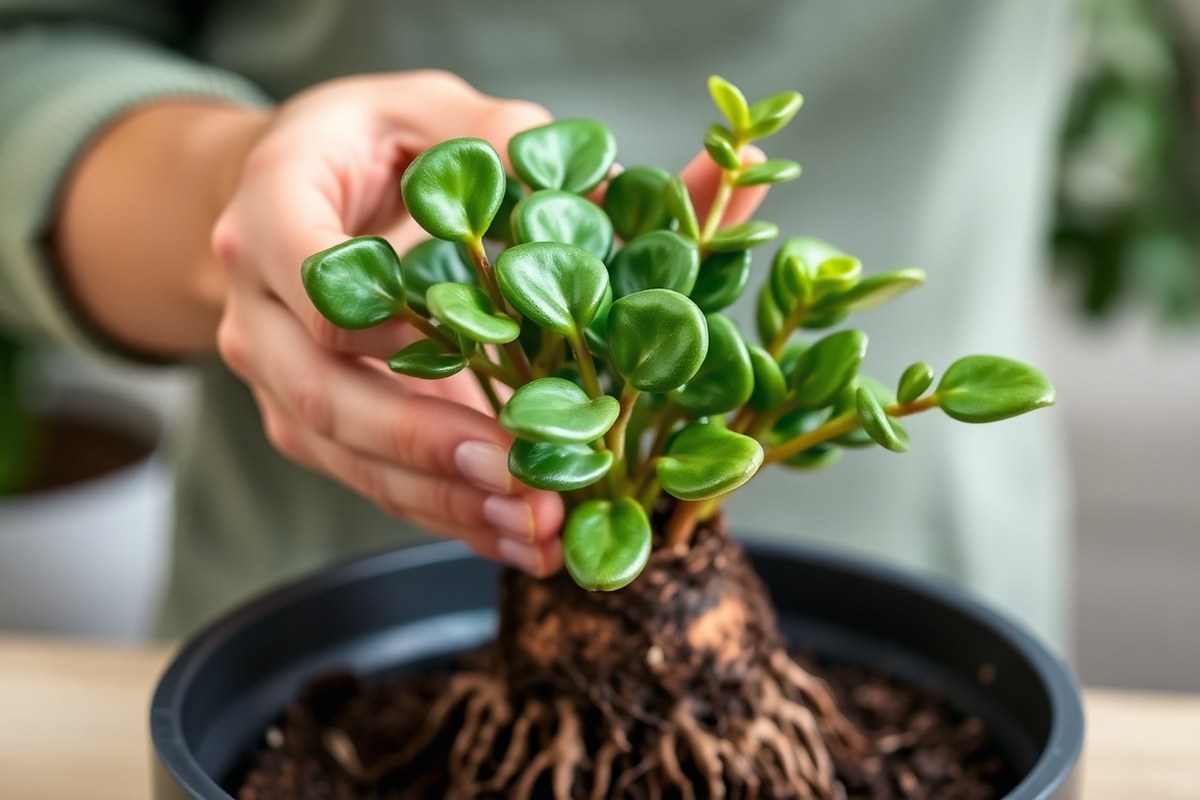
Transplanting a jade plant needs gentle care and clear steps. You’ll get the plant and tools ready first. Then remove the plant gently without damage.
Place it carefully in the new pot. Handling roots carefully helps your jade grow strong in fresh soil.
Preparing the Plant and Tools
Start by watering your jade plant lightly about 24 hours before transplanting. This keeps the roots hydrated but not soggy, making them easier to handle. Clean your tools with rubbing alcohol to prevent infections.
Clear a workspace with good light and lay down newspaper or cloth to catch dirt. Have a new pot with drainage holes and fresh, well-draining jade soil ready. These steps mean less mess and more control during transplant.
Removing and Inspecting the Root Ball
Tap the old pot’s sides gently to loosen soil. Do this without breaking the roots or root ball.
Carefully slide the plant out, supporting the base to avoid stem damage. Look over the roots for signs of rot or overcrowding.
Healthy roots look white or pale and feel firm. Rotten roots turn brown and mushy. Roots crowded or circling the root ball?
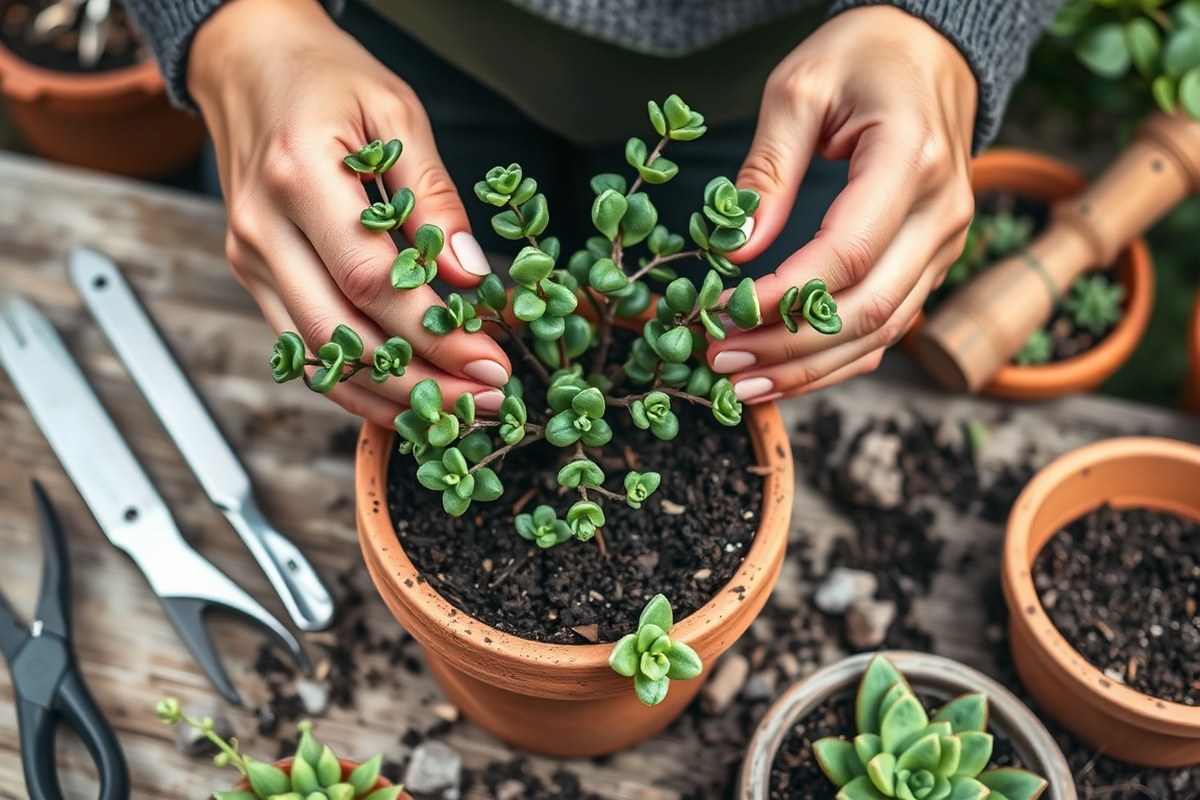
Gently pull them apart to loosen. Remove any dead roots with clean scissors to keep your jade plant healthy.
Placing Jade Plant in New Pot
Put about an inch of fresh soil in the new pot before placing your jade. Place the plant in the center of the pot.
The root ball’s top should sit one inch below the rim. This space helps prevent water overflow when you water.
Fill around the root ball with more soil, gently pressing it to hold the plant steady. Do not bury the stem deeper than before or it could rot. After transplanting, wait 5 to 7 days before watering to help roots settle.
- Water your jade plant lightly 24 hours before transplanting.
- Clean tools and prepare a tidy workspace.
- Tap and loosen the old pot sides gently.
- Slide out the plant, supporting the stem carefully.
- Inspect roots, trim any damaged or crowded roots.
- Add fresh soil in the bottom of the new pot.
- Center the plant, keeping root ball one inch below rim.
- Fill soil around and lightly press to secure the plant.
When Is the Best Time to Repot a Jade Plant?
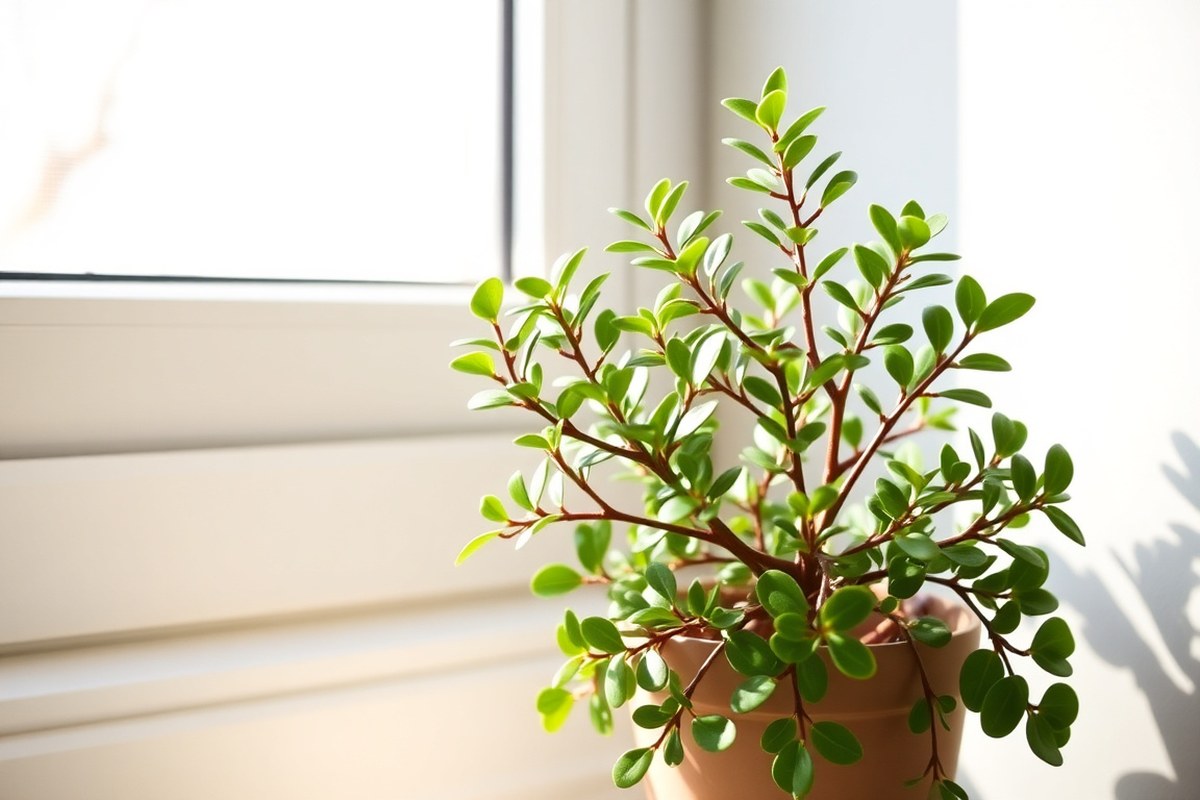
The best time to repot a jade plant is in spring. This is when it grows actively. Early summer also works well for repotting.
Warmer temperatures and more light help the plant heal fast. This happens during spring and early summer. The plant recovers quickly from root disturbance then.
Don’t repot in late fall or winter. Jade plants slow down and are mostly dormant then. Repotting during this time can harm the plant.
You might need to repot if roots come from drainage holes. Slow growth despite good care is another sign. Watch for these to know when to repot.
Leaf drop can mean overwatering or root rot. Repotting lets you check and cut damaged roots. This helps the plant recover better.
Avoid repotting too often for jade plants. They like stable roots and can get transplant shock. Give them time between repots to stay healthy.
Water your jade plant 3 to 5 days before repotting. Keep the soil lightly moist to reduce root stress. This helps the plant handle the move.
At repotting, handle the roots gently and use well-draining soil. Watch your plant for 1 to 3 months after repotting. Look for wilting or discolored leaves as shock signs.
Early care helps it recover well. So you can adjust care quickly if needed.
Never repot a jade plant in midwinter. It struggles to recover during its dormant phase. Wait for warmer months to repot safely.
Choosing the Right Pot Size and Material
Choose a pot that’s 1 to 2 inches larger across than the old one. Clay or ceramic pots with holes in the bottom suit jade plants well. These holes let water drain, stopping root rot and keeping your plant healthy.
Pot Size Guidelines by Plant Age
Young jade plants around 3 to 4 inches tall fit well in 6-inch pots. For established plants, add 1 to 2 inches to the previous pot diameter. Larger, older jade plants may need heavier pots to avoid tipping over.
Dividing plants over 10 years old means repotting divisions separately. Add 2 inches of fresh, moist soil mix at the pot’s bottom when transplanting. This space helps roots spread and encourages growth.
| Plant Age / Size | Recommended Pot Diameter | Pot Depth |
|---|---|---|
| Young (3-4 inches tall) | 6 inches (15 cm) | 6 inches (15 cm) |
| Established | 1, 2 inches (2.5, 5 cm) larger than old pot | Same as diameter or slightly deeper |
| Large, mature | Heavier pot, 2 inches larger than old | Equal to or deeper than width |
Matching the pot size to your plant’s age and size gives roots room to grow. Avoid oversized pots that hold too much soil and water. This keeps your jade plant happy and stable.
Materials: Pros and Cons
Terracotta pots are heavy and breathable, which helps soil dry out faster. Ceramic pots are attractive and durable but often glazed, slowing moisture loss. Plastic pots hold moisture longer and are lighter but may tip if your plant grows tall.
Heavier pots like terracotta prevent toppling in big plants. Plastic pots often have many drainage holes, helping water flow well. Some ceramic pots only have one hole, requiring extra care to avoid water buildup.
The right choice depends on where you keep your plant and its size. Larger plants do better in heavy pots that don’t move easily. Smaller ones are fine in plastic or ceramic for easy handling.
Drainage Hole Importance
Drainage holes are critical for jade plants because they prevent water from pooling. Sitting in wet soil causes root rot and fungal problems. One or more drainage holes let extra water flow out freely.
Some ceramic pots come with only one hole. So you may add materials like gravel or pumice at the bottom.
These help improve drainage and keep roots from sitting wet. Avoid pots without drainage holes unless you add a proper drainage layer.
Plastic growing pots usually have multiple holes, speeding up drainage. Always water your jade plant until water drains from the holes. That confirms the roots are getting enough moisture but not drowning.
Selecting and Preparing Soil for Jade Plant Transplant
Jade plants need soil that drains fast to keep roots healthy. Use a cactus or succulent potting mix, or make your own.
Mix 60% regular potting soil with 40% perlite or pumice for better drainage. This mix stops water from sitting around roots and causing rot.
Adding perlite, pumice, or coarse sand helps air reach the roots and keeps the soil light. You can try combining equal parts cactus soil and perlite for sharp drainage.
Avoid using standard potting soil alone because it traps too much moisture. Loose, airy soil lets roots breathe and grow strong.
Before putting soil in the pot, dampen it a bit. Make sure it holds together but doesn’t become soggy. Check that your new pot has drainage holes at the bottom.
After transplanting, you can add small pebbles or gravel on top of the soil. This layer keeps moisture balanced and also looks nice.
Gather your ingredients to prepare the soil mix. Blend them well in a clean container. Mix enough to fill the pot with some left over for topping off.
Fresh soil gives your jade plant a little nutrient boost. Skip extra fertilizer after repotting for at least a month to avoid stressing the plant.
Recognizing When and Why Jade Plants Need Repotting
Your jade plant needs repotting every 2 to 3 years or when it outgrows its pot. You’ll notice the roots circling tightly inside, called being rootbound.
This stops the plant from growing well. So repotting gives it more room to stretch out and breathe.
Watch for these signs your jade plant needs a new home:
- Roots growing out of drainage holes or circling the surface
- Soil drys out quickly after watering
- Leaves turning yellow or dropping off
- Plant looks crowded or top-heavy
- Growth slows or stops despite good care
Soil loses nutrients over time, causing stress to your plant. Old soil can become hard and drain poorly, which hurts root health.
Repotting refreshes the soil, improving water and air flow to the roots. It also helps avoid root rot caused by compacted, wet soil.
Always check the root ball before repotting to confirm if it’s rootbound. You might wait longer to repot when there’s more soil than roots.
Use a decision rule to decide if your jade needs repotting: lift the plant carefully. The root ball needs repotting when it feels dense and won’t loosen.
Also, if water pools on the surface and drains very slowly, the soil needs replacing. Perform repotting during spring or early summer for best results since jade plants recover faster then.
How to Avoid and Manage Transplant Shock in Jade Plants
Transplant shock happens when your jade plant’s roots get disturbed or the environment changes suddenly. This stress slows down the plant’s growth and can cause leaves to droop or turn yellow. Signs usually show up in the first few days after repotting.
To reduce stress, water your jade plant a few days before you repot it. This keeps the soil moist but not soggy and helps the roots stay healthy. Avoid watering right after transplanting because wet roots can cause rot during recovery.
Keep your jade plant in bright, indirect sunlight after repotting. Too much direct sun can dry out the plant and worsen the shock.
A cooler room temperature near 65 to 75°F helps the plant. It settles in easier without extra stress.
Watch the watering closely for about a month. Overwatering or underwatering are common causes of shock after transplanting. Let the top inch of soil dry before watering again to avoid root problems.
Check your jade plant for new growth to know it’s bouncing back. This often starts within 2 to 3 weeks after repotting.
When leaves drop or get soft, water less. Check the roots for damage.
Some jade plants take longer to recover if they’re older or were root-bound. In those cases, patience is key, plus keeping the same care routine. Avoid moving the plant around or changing light levels until it looks stable again.
Proper Watering and Aftercare Following Transplanting
After transplanting your jade plant, avoid watering right away. Wait for about a week to let the roots heal and adjust.
Keep the pot in bright but indirect light. Keep temperatures steady, between 65 and 75°F. This helps the plant settle in well.
Initial 7-Day Watering Pause
Watering immediately after transplant can lead to root rot. The disturbed roots need time to recover without excess moisture.
Wait until the soil’s top inch (about 2.5 cm) feels dry before considering water. Check soil moisture by touching it gently.
Resuming Normal Watering
Look for new leaf growth before restarting your usual watering routine. This new growth usually shows 10 to 14 days after transplanting.
Once growth starts, water when the top inch feels dry. Avoid soaking the soil; jade plants prefer light, infrequent watering.
Optimal Light and Temperature
Place the jade plant in bright but indirect sunlight. Too much direct sun can stress the plant, especially when it’s adjusting. Maintain temperatures between 65 and 75°F. Keeping the environment consistent reduces stress and supports healthy development.
Follow this step-by-step to care for your jade plant after transplanting:
- Check soil moisture daily by touching the top inch.
- Skip watering for the first 7 days unless soil is bone dry.
- Place plant in bright, indirect light away from heat or draft.
- Keep room temperature steady between 65-75°F.
- Watch for new leaf growth between day 10 and 14.
- Start watering lightly once new growth appears, letting soil dry between watering.
- Rotate the pot 90-180° at each watering for balanced growth.
- Delay fertilizing for around one month after transplant.
Special Considerations for Large or Old Jade Plants
Large or old jade plants have woody roots and several stems. Don’t pull the plant by the stems; they can break easily.
Loosen the soil gently around the pot’s edge and tip out the plant. Support the root ball with your hands while removing it.
For jade plants older than five years, pick a pot about 2 inches wider. Keep the pot depth the same as before. This helps the plant adjust without stressing its roots.
Big jade plants grow slowly. So wide pots can hold too much soil and moisture. You can reuse the same pot if the jade plant grows slowly.
This reduces the chance of root rot developing. Make sure the soil stays well-drained and healthy.
Once out of the old pot, you’ll see the roots tangled together. Spread them out gently so they fit evenly into the new pot.
Place the root ball so its top sits about 1 inch below the pot’s rim. This space keeps water from spilling during watering and lets roots breathe.
Handle brittle stems very carefully to avoid breakage. Thick branches may be woody, but they still break if bent suddenly. Support heavy branches with one hand while moving the plant.
Notice dead or damaged roots? Use clean scissors to trim them before repotting. This keeps the plant healthy and ready for its new pot.
Pick a pot with drainage holes to stop water from pooling. This is very important for large jade plants with big root systems. Proper drainage helps prevent root rot and keeps roots healthy.
Keep the soil well-draining to reduce root stress after moving. Avoid repotting during cold months, since mature jas can stress more easily when it’s cold.
Never pull a jade plant out by its stems. Always lift it by the root ball to protect brittle branches.
Step-by-Step Action Plan for Transplanting Your Jade Plant
Follow these steps to move your jade plant safely. Watch for signs it’s adjusting well after each phase.
- Before you start: Gather a pot one size larger and well-draining soil. Make sure the pot has drainage holes.
- Day 1: Gently remove the jade plant from its current pot. Look for healthy white roots, not mushy ones.
- Day 1: Trim any dead roots with clean scissors. This helps new roots grow stronger.
- Day 1: Place a layer of soil at the bottom of the new pot. Set the plant in so the top roots are covered.
- Day 1: Fill around the plant with soil, but don’t pack it too tight. Leave a small gap below the pot’s rim.
- Day 1: Water lightly immediately after transplanting to moisten the soil. Check if the soil drains well within 30 minutes.
- Week 1: Keep the plant in bright, indirect light. Avoid direct sun and allow soil to dry before watering again.
- After 2 weeks: Look for new growth or firm leaves. These signs show the plant is settling nicely into its new pot.
Frequently Asked Questions
Can I Trim My Jade Plant Before Transplanting?
Yes, trimming helps reduce stress during transplanting. It also promotes healthier new growth afterward.
How Deep Should I Plant a Jade Plant in Its New Pot?
Plant the root ball about an inch below the rim. This prevents water overflow when watering.
Should I Clean the Old Pot Before Repotting My Jade Plant?
Yes, clean the pot to remove bacteria and pests. This prevents infections that harm your plant.
Can I Reuse Old Soil When Transplanting a Jade Plant?
Avoid using old soil because it may contain pests or diseases. Fresh soil promotes better root growth.
How Often Should I Water My Jade Plant After Transplanting?
Water lightly the first week and then follow usual care. Overwatering may cause root rot during recovery.
Is It Normal for a Jade Plant to Lose Leaves After Transplanting?
Some leaf loss is normal due to transplant shock. Keep an eye on its health during the next 1, 3 months.
Key Points to Remember
Transplanting your jade plant carefully helps avoid stress and supports healthy growth. Watch how your plant reacts to its new home. Next, focus on steady watering and light to keep it thriving.