How Do Earthworms Respire: A Complete Guide to Their Breathing Process
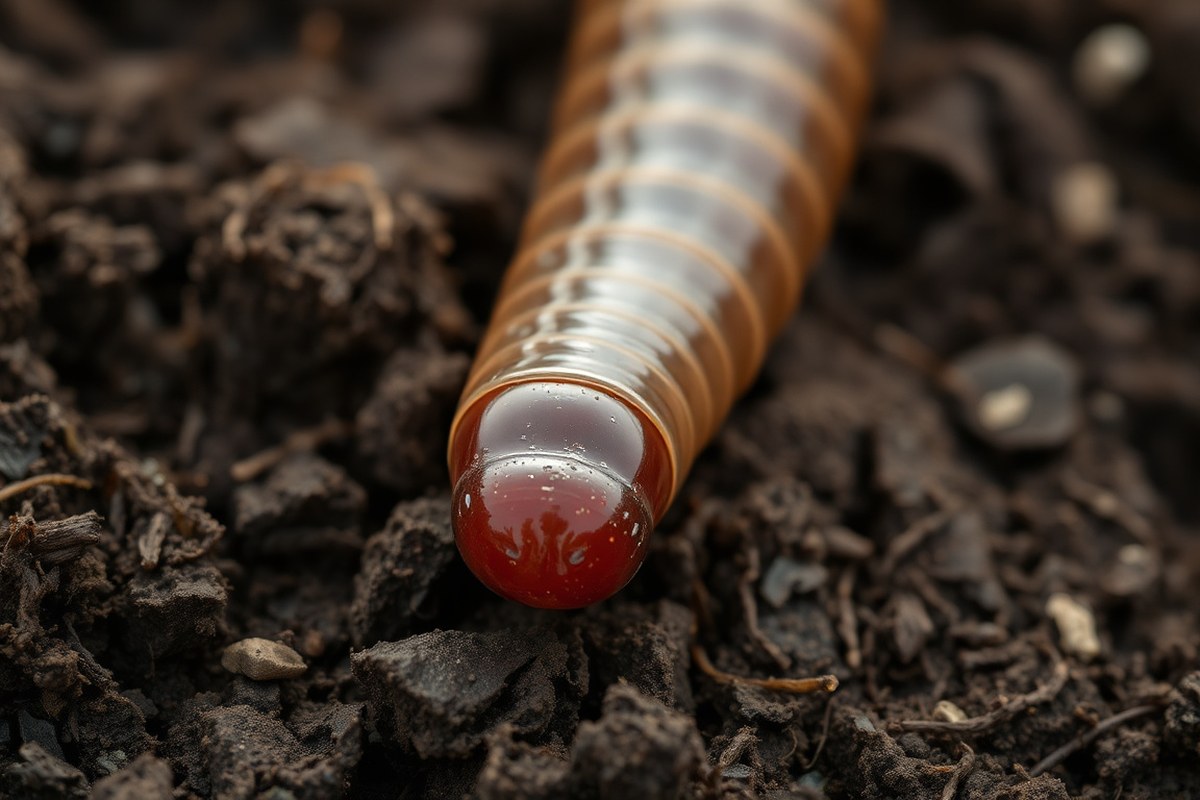
How do earthworms respire? They breathe through their skin, not lungs.
Oxygen passes directly through their moist skin into their bloodstream. This process is called cutaneous respiration, which means breathing through the skin.
Their skin must always stay damp, or earthworms can’t get oxygen. They secrete mucus to keep their skin moist and live in damp soil where moisture is plentiful. If the soil dries out, they risk suffocation and may die.
Earthworms absorb oxygen and release carbon dioxide across their skin’s surface. Their skin is thin and has many tiny blood vessels close to the surface. This structure helps gases move quickly between the environment and their blood.
Because of this, earthworms avoid dry, hot conditions to maintain proper breathing. They also come to the surface when rain floods their tunnels, seeking air. Their survival depends on moist environments for respiration and overall health.
Key Takeaways
- Earthworms rely on their moist skin to absorb oxygen and release carbon dioxide.
- Keeping the soil damp is essential for earthworm respiration and survival.
- Mucus secretion helps earthworms maintain the skin moisture needed for breathing.
- Thin body walls allow quick gas exchange between skin and blood vessels.
- A rich network of blood capillaries beneath the skin speeds oxygen transport.
- Earthworms cannot breathe well if the environment gets too dry or flooded.
How Do Earthworms Breathe Through Their Skin?
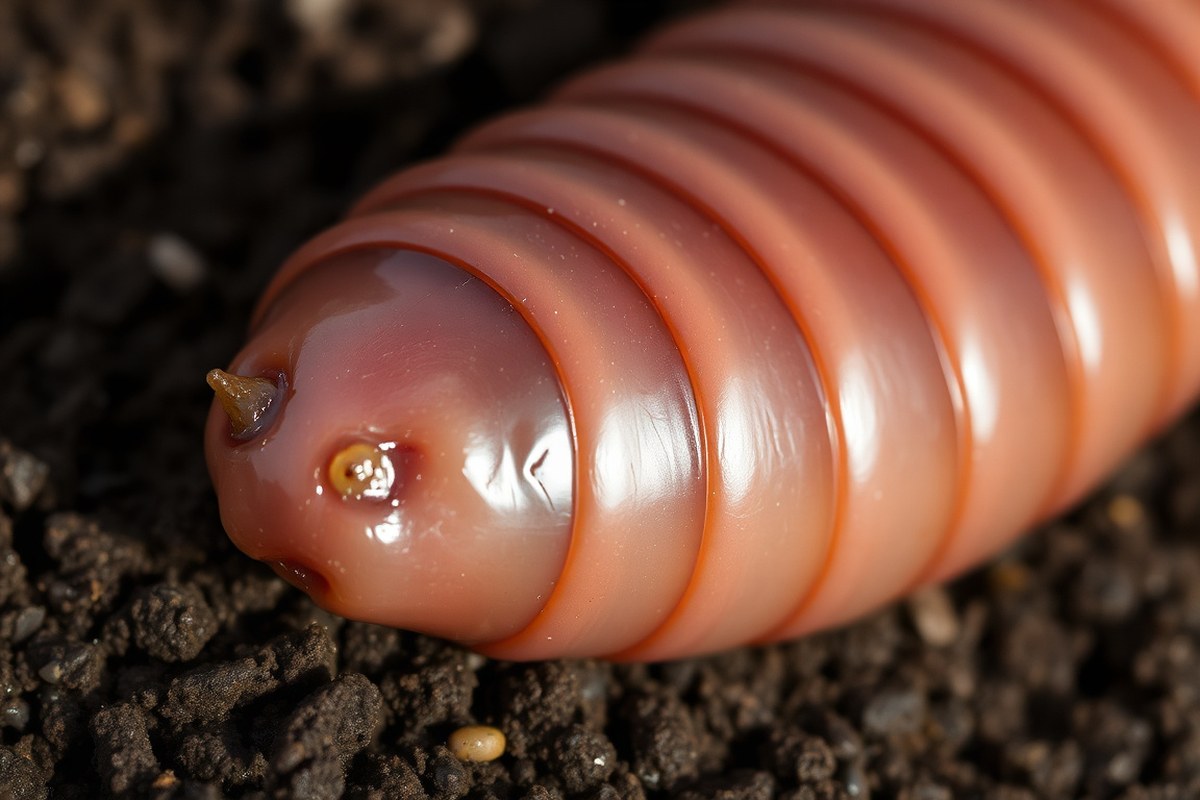
Earthworms breathe by absorbing oxygen through their skin. They do not have lungs or any specialized organs for breathing. Instead, their thin, moist skin acts like a respiratory surface where gas exchange happens.
This type of breathing is called cutaneous respiration. It means oxygen passes directly through the skin by diffusion.
Carbon dioxide also moves out the same way. The skin must stay moist for this process to work well.
To breathe through their skin, earthworms rely on several features. Their skin is thin and covered with mucus, which keeps it moist.
Blood vessels just under the skin carry oxygen away and bring carbon dioxide from their bodies. These small details ensure the worm gets enough air despite lacking lungs.
Here are the main steps earthworms use to breathe through their skin:
- Produce mucus on the skin to keep it damp and permeable.
- Absorb oxygen from the moist air or soil surface through the thin skin layer.
- Diffuse oxygen into small blood vessels under the skin.
- Circulate oxygen-rich blood throughout the worm’s body via capillaries.
- Diffuse carbon dioxide from the blood back through the skin into the environment.
- Maintain a slow, steady movement to reduce oxygen demand.
- Stay in cool, moist areas like soil to prevent skin drying and improve gas exchange.
These steps also work best when the worm lives in damp soil. Dry or hot conditions make breathing harder because the skin can dry out. When the skin loses moisture, oxygen cannot penetrate well, and the worm may suffocate.
Because earthworms lack lungs or gills, this skin-based breathing saves energy. It matches their slow-moving lifestyle and life underground where air isn’t always plentiful. Their simple yet effective method lets them survive without complex respiratory organs.
What Is the Role of Moisture in Earthworm Respiration?
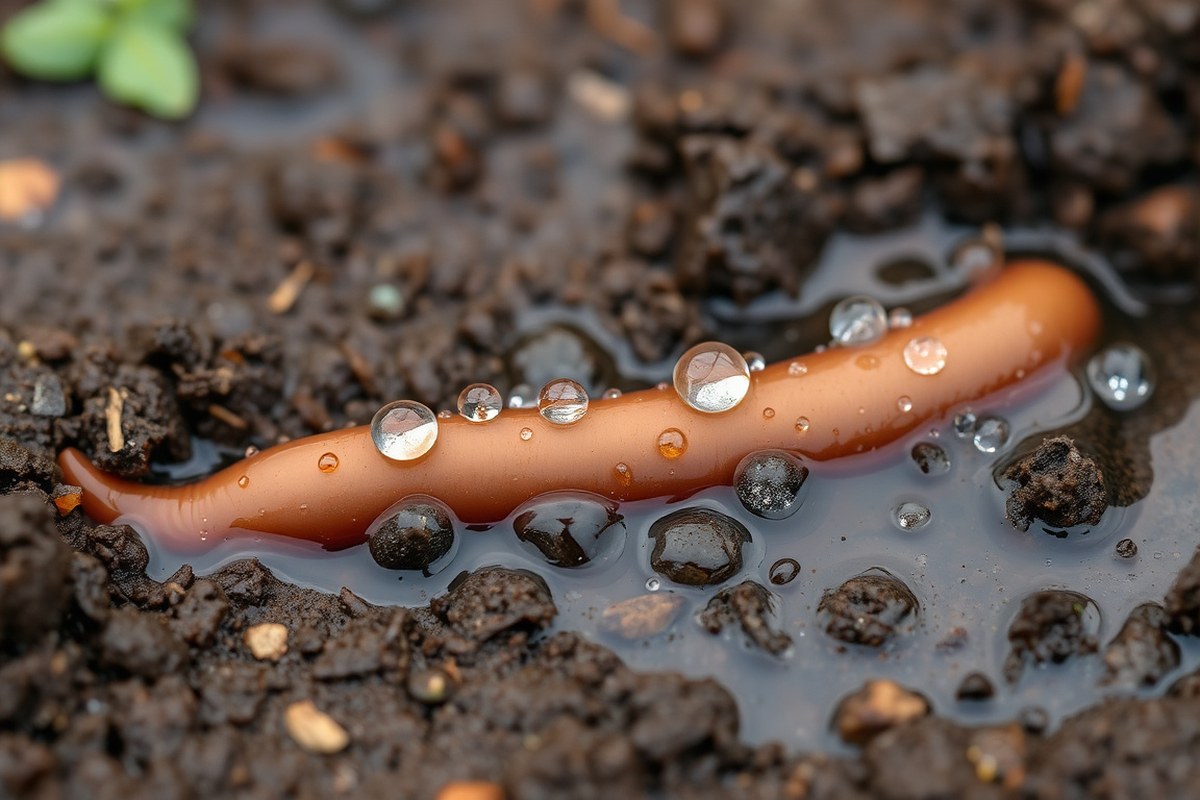
Earthworms need moist skin because oxygen enters their bodies through it. Their skin must stay wet for oxygen to pass inside and for carbon dioxide to leave. Dry skin blocks this gas exchange and can cause the earthworm to suffocate.
The moisture on earthworm skin comes from mucus secreted by special gland cells. This mucus forms a thin water film on their skin. It helps oxygen dissolve in the film.
Oxygen then moves easily into their blood capillaries. Without this mucus, gas exchange slows down and the earthworm struggles to breathe.
- Keep soil damp, ideally around 60% moisture, to support earthworm respiration.
- Avoid letting soil dry out completely, especially in hot or windy weather.
- Mist the soil lightly during dry spells to maintain humidity around earthworms.
- Mulch garden beds to hold moisture and protect earthworms from drying.
- Check that compost or worm bins stay moist but not waterlogged.
- Remove barriers like plastic that trap dry air near earthworm habitats.
When skin dries out, the earthworm may try to escape to wetter places or die. Their porous skin loses its thin water layer, stopping oxygen from reaching their blood. This shortage of oxygen means they can’t make energy properly and can become weak or inactive.
The right moisture level helps earthworms live longer and stay active in soil. In very wet or flooded soils, though, oxygen levels drop since water holds less air. Earthworms then risk drowning because too much water reduces oxygen, even if their skin stays wet.
Keep earthworm habitats moist but avoid overwatering to ensure they can breathe properly through their skin.
How Does Gas Exchange Happen Across Earthworm Skin?
Oxygen enters the earthworm through its moist skin. It moves by diffusion into tiny blood vessels under the skin. These vessels carry oxygen throughout the body.
Haemoglobin in the blood picks up oxygen, carrying it to cells for energy use. Carbon dioxide travels the opposite way, leaving the cells and exiting through the skin.
Oxygen Diffusion into Capillaries
Oxygen first dissolves in the fluid on the earthworm’s moist skin. Mucus keeps the skin wet enough for gases to pass.
This allows oxygen and carbon dioxide to dissolve easily. The moist skin helps gaseous exchange happen smoothly.
Next, oxygen passes through the epidermis by diffusion, moving from higher to lower concentration. Oxygen enters capillaries close to the skin surface.
Haemoglobin in the blood then binds with the oxygen. This helps carry oxygen inside the earthworm.
The process needs moist skin to work well. It also needs air spaces in the soil rich in oxygen.
Both keep the earthworm breathing properly. Dry or flooded soil reduces oxygen availability and slows diffusion.
Carbon Dioxide Removal Mechanism
After cells use oxygen, they create carbon dioxide as waste. This gas diffuses from cells into the blood, then moves toward the skin.
Carbon dioxide travels along its concentration gradient, from blood vessels to the skin’s surface. It finally exits the earthworm by diffusing out through the damp skin.
The skin must stay moist so carbon dioxide dissolves and escapes freely. The skin drying causes carbon dioxide to build inside.
This is harmful and can kill the earthworm. Moisture is critical for its survival.
Transport Through Blood Vessels
The earthworm’s circulatory system has dorsal and ventral vessels that carry oxygen and carbon dioxide. Five pairs of hearts pump blood through this system, keeping gas moving fast.
Oxygen-rich blood flows fast from skin capillaries to cells. Haemoglobin holds oxygen tightly and carries it well.
This keeps cells supplied with oxygen for energy. This speeds up energy production where it’s needed.
Carbon dioxide-loaded blood flows back toward capillaries close to the skin, ready for gas exchange again. This continuous cycle supports the worm’s survival underground.
How Does the Circulatory System Support Earthworm Respiration?
The earthworm relies on a closed circulatory system to move oxygen. This system keeps blood inside vessels, allowing it to flow efficiently. Blood vessels reach every part of the worm’s segmented body, delivering oxygen to tissues.
Blood contains hemoglobin, a pigment that binds oxygen. This pigment dissolves in the plasma, giving the blood its red color. Hemoglobin increases oxygen capacity, helping the worm’s cells get enough air for energy.
Earthworms have five pairs of simple hearts called aortic arches. These pump blood through the vessels and around the body continuously. This pumping ensures oxygen-rich blood reaches each segment and carries away carbon dioxide.
The circulatory system works like this: capillaries pick up oxygen through the thin body skin. The blood absorbs this oxygen thanks to the hemoglobin. The five hearts push blood through vessels to body tissues.
Oxygen reaches the tissues where it is needed. This movement keeps the earthworm alive and active.
Without this system, oxygen would not travel far from the skin surface. The closed network avoids oxygen loss and keeps blood flow steady. The five hearts maintain pressure and circulation, which is important for the worm’s survival.
When the earthworm’s skin dries out, oxygen struggles to enter blood. This stops proper oxygen flow inside the earthworm.
Then, the hemoglobin fails to carry enough oxygen to tissues. Pumping by the hearts slows, and the worm’s metabolism suffers without good respiration.
What Adaptations Help Earthworms Breathe Efficiently?
Earthworms have special traits to help them breathe well through their skin. Their long, slim bodies keep skin surface large for oxygen intake. They also use mucus and burrow to maintain moisture and air supply.
Thin, Permeable Skin
Their skin is thin and damp, covered by a slimy layer called the cuticle. This lets oxygen pass through easily into their blood. Earthworms rely on skin moisture because oxygen must dissolve before it enters their body.
Their elongated shape increases surface area for better gas exchange. The more skin exposed to air, the more oxygen they can absorb. This shape helps them stay active by improving breathing efficiency.
Mucus Secretion for Moisture
Earthworms secrete mucus and coelomic fluid to keep their skin wet. This moisture layer is important for oxygen to dissolve and diffuse through the skin. Without enough mucus, their skin can dry out and block respiration.
Keeping the skin moist also protects against harmful microbes in soil. The mucus helps earthworms survive in soils that might otherwise dry them out. It plays a big role in supporting their breathing.
- Secrete mucus continuously to maintain skin moisture
- Use coelomic fluid to help physiological processes
- Allow oxygen to dissolve in this moisture layer
- Protect skin from drying and damage
- Support efficient gas diffusion through skin
Always avoid handling earthworms with dry hands. It can remove essential mucus and harm their breathing.
Burrowing and Soil Interaction
Burrowing helps earthworms create moist spaces that suit their breathing. Soil tunnels trap air and moisture, creating a better gas exchange environment. This behavior also helps aerate soil, benefiting both the worm and nearby roots.
They burrow mainly in moist soils to prevent skin drying and breathing problems. Burrowing increases oxygen availability by letting air reach lower soil layers. Worms move frequently to keep their environment favorable for respiration.
Can Earthworms Breathe Underwater or in Flooded Soils?
Earthworms can survive underwater for short periods. But their breathing depends on oxygen in the air pockets inside soil.
Waterlogged soil cuts off these air pockets and lowers oxygen availability. Without enough oxygen, earthworms cannot get the air they need, and they may suffocate.
Earthworms surface after heavy rain because water replaces oxygen in soil air pockets. They rise to breathe, avoiding places with too little oxygen deep underground.
Moving through soil is how earthworms get fresh oxygen. They shift from one air pocket to another, staying near moist but not flooded zones.
Prolonged flooding cuts off worm oxygen supply, often causing death when they stay buried. That’s why flooding soil harms earthworms more than drowning underwater.
How Does Earthworm Respiration Differ from Insects and Humans?
Earthworms, insects, and humans use very different methods to breathe. Earthworms rely on their skin to absorb oxygen, which is quite different from insects and humans. Insects like cockroaches breathe through small openings called spiracles, while humans use lungs.
Insects do not have lungs but instead use a network of tubes for breathing. Earthworms also lack lungs and use their moist skin to exchange gases. Humans need lungs because our skin is not adapted for gas exchange.
| Feature | Earthworms | Insects (e.g., Cockroaches) | Humans |
|---|---|---|---|
| Respiratory organs | None (cutaneous respiration only) | Spiracles connected to tracheae | Lungs |
| Respiration method | Oxygen diffuses through moist skin | Air enters through spiracles to tracheal tubes | Air inhaled into lungs for gas exchange |
| Moisture requirement | High; skin must stay moist for oxygen absorption | Low; spiracles have openings and closings | Low; lungs are internal and protected |
| Respiratory efficiency | Limited to small body size and moist environment | Efficient for active movement and larger size | Highly efficient for large body size and activity |
| Vulnerability to environment | High; drying out blocks respiration | Moderate; spiracles can close to reduce water loss | Low; internal lungs reduce dependency on external moisture |
The cutaneous respiration in earthworms means their skin must stay moist. This makes earthworms more sensitive to dry soil or air.
Insects like cockroaches control air flow through spiracles, which are small holes on their exoskeleton. These spiracles open and close to balance oxygen intake and water loss.
Humans use lungs with a large surface area to absorb oxygen efficiently. Our lungs work even in dry environments because they are inside the body. Earthworms’ skin-based breathing limits them to damp environments and smaller sizes.
How Do Environmental Factors Affect Earthworm Breathing?
Environmental factors like soil moisture, pollutants, temperature, and soil type greatly affect how earthworms breathe. These factors influence how much oxygen passes through their skin. Poor conditions can damage their skin and reduce oxygen intake, leading to lower health or death.
Impact of Dryness and Temperature
Earthworms rely on damp skin to breathe because air passes through it easily. Dry soil causes their skin to shrink and dry out, blocking oxygen flow. When soil gets too hot, worms move to cooler, wetter spots underground or come to the surface briefly.
Extreme dryness and heat make it hard for earthworms to get enough oxygen. They avoid these conditions by moving around. But long exposure can cause death from suffocation or dehydration.
Effect of Soil Pollution and Chemicals
Pollution harms earthworms since their skin touches the soil directly. Chemicals from fertilizers, pesticides, or heavy metals can damage their skin. This damage blocks oxygen absorption and introduces toxins into their bodies.
Besides oxygen issues, toxins reduce earthworm survival and reproduction. Polluted soil often has fewer earthworms and weaker soil health. To protect them, avoid chemical overuse and choose organic gardening practices.
Keep chemicals away from worm habitats to prevent skin damage and breathing problems.
Importance of Soil Texture and Air Pores
Soil structure affects earthworm respiration by regulating air flow. Loose, crumbly soil has many tiny air pockets that let oxygen diffuse. Compact or clay-heavy soils restrict air flow, limiting oxygen access to worms.
This means soil with good texture helps worms breathe and stay healthy. When soil is too dense, earthworms can’t get enough oxygen and may leave or die. Adding organic material or practicing no-till can improve soil texture and pore space.
- Loamy soils offer the best balance of moisture and air for worms
- Sandy soils drain quickly but may dry out fast, stressing worms
- Clay soils hold water but often lack enough air, reducing oxygen
- Organic matter helps create air pockets in dense soils
- Tilled soil can temporarily increase oxygen but may harm earthworm tunnels
Quick-Start Plan to Observe and Support Earthworm Respiration
Follow these steps to see how earthworms breathe and help them thrive in your soil. Use simple tools and close observation to understand their breathing needs.
- Day 1: Collect a few earthworms from your garden or compost. Check that their skin looks moist and healthy before placing them in a clear container.
- Day 2: Set up a moist soil environment in the container. Keep the soil damp but not soaked to support the earthworms’ skin respiration.
- Week 1: Observe the earthworms for activity like moving or burrowing. Active worms usually mean good oxygen flow through their skin.
- Week 2: Gently mist the soil daily to maintain moisture levels. Note any changes in worm activity or skin texture.
- Week 3: Try placing an earthworm briefly in a shallow water dish. Watch how long it stays active, this shows its ability to breathe under wet conditions.
- After 3 Weeks: Compare activity in areas with drier and moister soil. This reveals how environmental moisture affects their breathing efficiency.
- Ongoing: Avoid using harsh chemicals in soil. Healthy, chemical-free soil supports proper gas exchange through earthworm skin.
Frequently Asked Questions
What Is the Process of Respiration in Earthworms?
Earthworms breathe by absorbing oxygen and releasing carbon dioxide through their moist skin. This skin must stay wet for oxygen to move into their blood. It also helps carbon dioxide leave their body.
Without moisture, this exchange can’t happen. Without moisture, their respiratory process fails and they cannot survive.
What Is Cutaneous Respiration?
Cutaneous respiration means breathing through the skin. For earthworms, their thin, damp skin lets oxygen pass in and carbon dioxide pass out. This method needs a wet place to work well.
Dry skin can stop gas exchange and harm them. They need moisture to survive.
What Kills Earthworms in Soil?
Earthworms die in soil that is too dry or waterlogged. Dry soil stops their skin from staying moist, blocking oxygen absorption. Waterlogged, oxygen-poor soil also suffocates them by limiting air in soil pores.
Do Cockroaches Have Lungs?
Cockroaches do not have lungs. They breathe through tiny tubes called tracheae. These tubes bring oxygen straight to their cells.
This keeps them alive and active. This is very different from earthworms, which rely on breathing through their skin.
Why Do Earthworms Avoid Light?
Earthworms avoid light because it dries their skin. Dry skin stops oxygen exchange.
So they stay in dark, moist soil to breathe properly. This behavior helps them survive in their underground environment.
Can Earthworms Survive in Polluted Soil?
Earthworms struggle in polluted soil because toxins can damage their skin. Harm to the skin reduces their ability to breathe through it. Polluted conditions may also lower oxygen levels in soil, making respiration harder.
Before You Go
Earthworms breathe through moist skin, relying on their environment and body design. Understanding this helps you maintain healthy soil and worm populations. Try observing their breathing in different soil conditions to see these ideas in action.