What’s the Difference Between Annuals and Perennials: A Complete Guide for Gardeners
What’s the difference between annuals and perennials? Annual plants live only one growing season.
They bloom, seed, and die all within months. Perennials come back year after year from the same roots.
Annuals usually flower for months before dying off in cold weather. Perennials bloom each year for 2 to 4 weeks depending on variety and care. You can get a lasting garden with perennials or fast colour bursts with annuals.
Check your local growing zone to see how each type handles winter. Some perennials won’t survive harsh zones while annuals just reseed each spring. Knowing this helps you pick plants that thrive in your garden.
Start by deciding if you want quick, showy blooms or long-term plants. Watch for how much care the plants need through the seasons. This choice shapes your garden’s look and yearly work.
Key Takeaways
- Annual plants grow, flower, set seed, and die in a single season.
- Perennials bloom yearly from the same root system for years.
- Annuals flower longer, often several months; perennials bloom 2-4 weeks.
- Growing zones affect perennial survival; annuals reseed and start fresh yearly.
- Biennials take two years to complete their life cycle.
- Choose annuals for fast color, perennials for lasting garden structure.
What Are the Main Differences Between Annual and Perennial Plants?
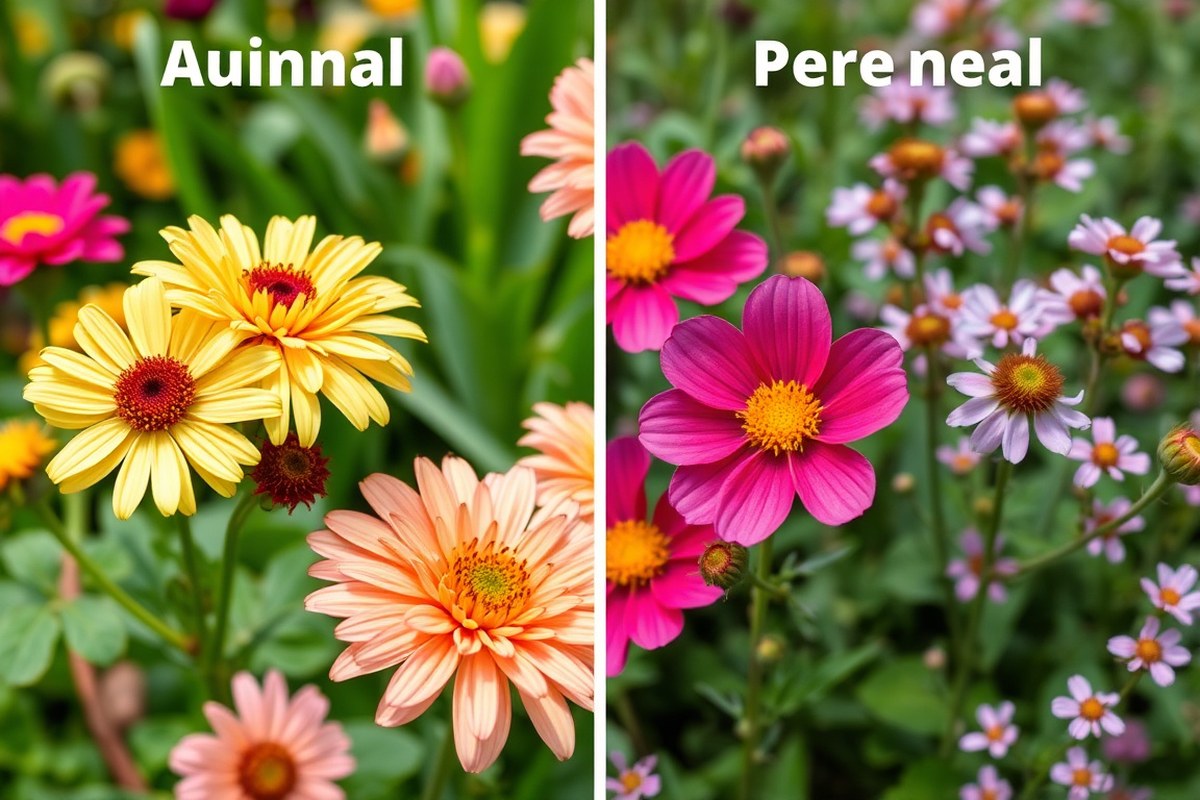
Annual plants complete their entire life cycle in just one growing season. They sprout from seeds, grow, bloom, produce seeds, and then die before winter arrives.
These plants live for a few months to about a year. How long depends on your climate and planting time.
Perennials live longer than two years. They bloom each season and die back in cold weather. They regrow from their roots every year without replanting.
The difference in lifespan affects how you plan your garden. Annuals give you fast, vibrant color that lasts just one season but requires replanting every year. Perennials need time to get started.
They keep growing and blooming for several years. This saves you work later on.
How Do Growing Zones Affect Annual and Perennial Behavior?
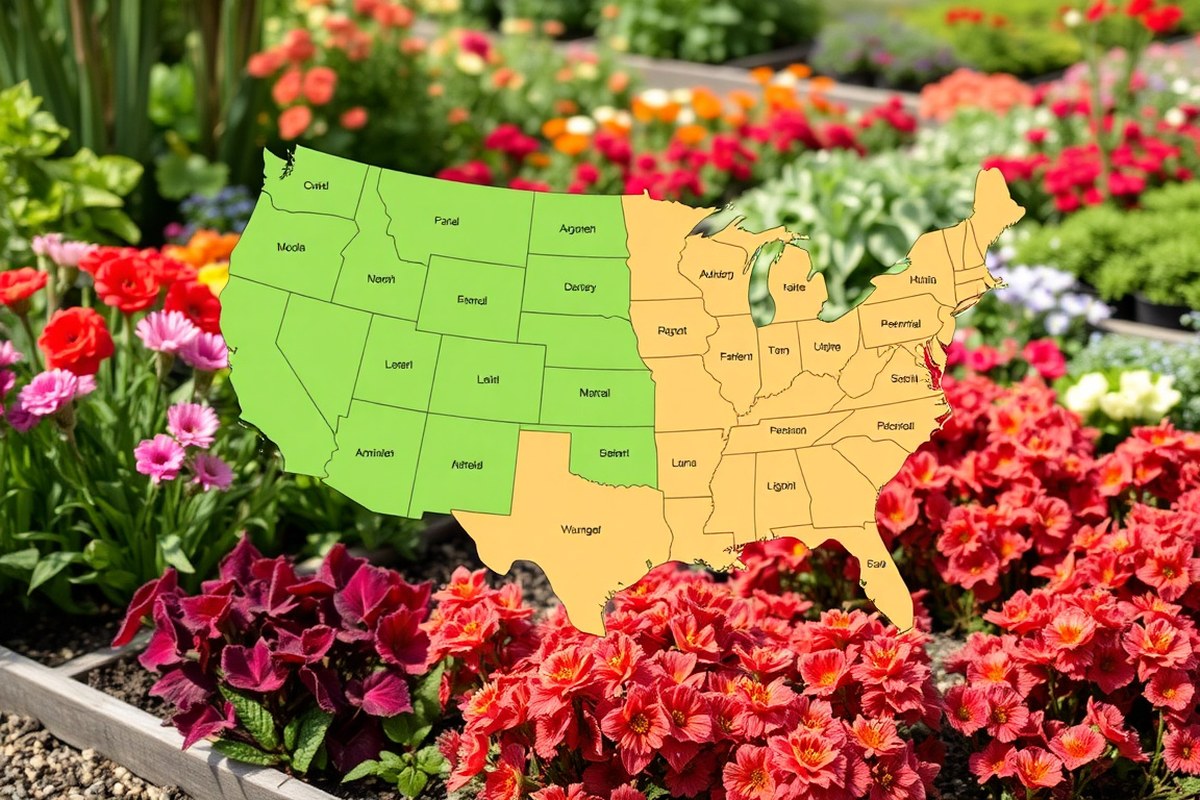
Growing zones shape whether a plant behaves like an annual or perennial. The USDA hardiness zones use winter temperatures to categorize these zones.
A plant can be perennial in one zone. In colder areas, it may only live as an annual.
Understanding USDA Hardiness Zones
The USDA Plant Hardiness Zone Map divides the country by average minimum winter temperatures. These zones range from 1 (coldest) to 13 (warmest). Zones help predict if a plant will survive winter outdoors.
Knowing your zone guides green thumb choices. Plants suited to your zone live longer and need less winter protection. It’s the first step in smart gardening.
Examples of Zone-Dependent Plant Behavior
Some plants are perennials in warm zones but act as annuals in cooler ones. For instance, tender perennials thrive year-round in zones 9 and up. In colder zones below 7, they die in frost and must be replanted.
Staying aware of these differences prevents surprise plant losses. A plant labeled “annual” in the north might easily live several years in the south. South Florida gardeners often grow plants as perennials that northern gardeners treat as annuals.
Tips for Choosing Plants by Zone
Select plants by checking their USDA zone rating against your gardening zone. Choose only perennials rated for your zone to avoid losing plants to winter cold. Use annuals where perennials won’t survive.
Here’s how to pick the right plants for your zone:
- Find your USDA hardiness zone by entering your zip code online
- Check the plant’s zone rating on seed packets or plant tags
- Match or select plants rated for zones equal to or colder than yours
- Mark tender plants as annuals if your zone is colder than their rating
- Mix annuals and perennials to keep color through all seasons
- Prepare to protect borderline perennials with mulch or covers in cold snaps
- Consult local garden centers for plants proven to do well in your zone
Don’t just trust the general plant label. Always confirm zone hardiness for where you garden.
What Are Biennials and How Do They Compare?
Biennial plants complete their life cycle in two years. The first year, they focus on growing leaves and roots. The second year, they bloom, set seed, and then die.
This differs from annuals, which live and bloom in a single season. Perennials grow and bloom over several years, usually returning each spring. Biennials sit in between, requiring more patience than annuals and less long-term care than perennials.
Biennials usually grow foliage in their first season without flowers. In their second season, they produce flowers and seeds. After that, they die off, unlike perennials that live on to bloom again for multiple years.
| Plant Type | Life Cycle Length | Flowering Timing | Care Requirements |
|---|---|---|---|
| Annuals | 1 season | Bloom throughout one growing season | Plant each year, often more watering |
| Biennials | 2 years | Flower in second year | Leave plants for 2 years; less frequent replanting |
| Perennials | Multiple years | Bloom each year for a short period (2-4 weeks) | Plant once; prune; less watering than annuals |
Some common biennials you might see are foxgloves, hollyhocks, and sweet William. They require space and patience for their two-year process. Your garden will benefit from their tall, showy flowers in the second year.
To grow biennials, plant seeds or young plants in spring. During the first year, keep plants healthy with regular watering and occasional feeding. In the second year, they will bloom from late spring through summer.
Biennials work well with annuals and perennials. They add variety in bloom times and plant forms. Just remember, they won’t show color the first year.
They come back strong the second year. You get a grand display then.
Flowering and Lifespan: How Bloom Time Differs
Annuals typically bloom nonstop from spring until the first frost. This nonstop bloom happens because annuals grow, flower, and set seed all within one season. Their flowers are often big and bright, making them ideal for long color in your garden.
Perennials bloom for shorter periods, usually from two to six weeks. They may flower early, mid, or late in the growing season depending on the species.
Perennials focus energy on root and foliage growth over several years. So their flowering phase is brief each year.
Because perennials live multiple years, they invest in survival instead of constant blooms. You won’t see perennials blooming nonstop like annuals. But they come back year after year.
Some perennials bloom once per season. Others may have a short second bloom if pruned properly.
To get the longest lasting garden colors, many gardeners plant annuals alongside perennials. The annuals provide continuous blooms, filling gaps when perennials aren’t flowering. This mix keeps your garden lively all season with different bursts of color.
Annuals’ longer bloom times cost more in yearly replacement since you plant new ones each season. Perennials require some investment at the start. They need patience too.
Some take two years to bloom fully after planting. In exchange, perennials offer stability without yearly replanting.
Choose annuals for beds and containers to get nonstop vibrant flowers. For less work and long-term planning, select perennials for background planting. Both types have unique bloom patterns that helps you plan a colorful garden through the seasons.
Advantages and Disadvantages of Annual Versus Perennial Plants
Annual flowers give you quick, bright blooms all season long. They cost less upfront but need to be replanted each year. You’ll spend more time and money restarting these plants every spring.
Perennials may cost more at first, but they come back year after year. They require more care early on, like dividing and cutting back.
But save time in the long run. Perennials add structure and depth to your garden over several seasons.
| Factor | Annuals | Perennials |
|---|---|---|
| Cost | Lower initial cost, but buy new plants yearly | Higher initial cost, but plants return every year |
| Maintenance | Less maintenance during growing season | More maintenance including dividing and pruning |
| Lifespan | Live for one growing season | Return yearly, lasting many years |
| Garden Impact | Quick color, but temporary | Build garden depth and structure long-term |
| Planting Use | Great for filling empty spaces fast | Good for established beds and borders |
Annuals are great if you want instant color or have a new garden bed. They brighten your space quickly while perennials establish. Annuals let you change your garden look yearly, which keeps things fresh.
Perennials take longer to get going but reward you with steady growth over time. Their deeper root systems can help reduce watering needs in summer. They also attract pollinators and provide a reliable garden foundation.
Remember, some perennials may take 2 or more years before they bloom reliably.
You can combine the two for the best effect. Use annuals to add quick pops of color around slow-growing perennials. This mix balances budget, effort, and garden beauty for season-long enjoyment.
Care Differences: How to Maintain Annuals and Perennials
Annuals need regular care throughout their short life. Perennials require ongoing attention year-round but less frequent replanting. Both types have unique needs for watering, fertilizing, and pruning based on their lifespan.
Annual Care Tips
Annuals need to look their best all season long since they bloom once and then die. You will plant them in spring after the last frost. They grow quickly and need steady watering, especially during hot weather.
Fertilize annuals every two to three weeks with a balanced liquid fertilizer. This supports strong flower and leaf growth. Watch for wilting or dry soil; water when the top inch feels dry.
- Plant in well-drained soil with full to partial sun.
- Water thoroughly at least twice a week during heat.
- Use water-friendly mulch to retain moisture and control weeds.
- Fertilize every 14 to 21 days with a balanced formula.
- Deadhead spent flowers frequently to boost blooming.
- Watch for pests like aphids or powdery mildew.
- Replace any annuals that fade or stop blooming.
Regular deadheading prevents seed production and extends blooms. Annuals bloom heavily but sometimes drop flowers if under water stress. Plan to remove them after frost since they won’t come back.
Perennial Seasonal Maintenance
Perennials come back each year, so they require less frequent planting. Their root systems store energy during winter to regrow in spring. Most perennials bloom during a specific season rather than nonstop.
Water established perennials during dry spells to keep leaves healthy. Apply mulch to protect roots and retain soil moisture year-round. Fertilize perennials once or twice each growing season with a slow-release product.
- Plant in suitable zones and site conditions for best growth.
- Water deeply about 1 inch per week during dry periods.
- Mulch with 2 to 3 inches of organic material around base.
- Fertilize in early spring and again after blooming if necessary.
- Remove weeds regularly to reduce competition.
- Monitor for disease but treat only if visible symptoms appear.
Unlike annuals, perennials may not bloom strongly the first year. You must give them time to “settle in” and grow larger. Perennials also tolerate some dry spells better than annuals once established.
Pruning and Dividing Perennials
Prune most perennials after flowering to keep shape and encourage new growth. Cutting back dead foliage improves air circulation and reduces pests. Always use clean, sharp tools to avoid damage.
Dividing perennials every 3 to 5 years prevents overcrowding and extends plant life. The best time to divide is in early spring or late fall when plants are dormant. Dig up the clump and separate it into smaller sections with roots.
- Remove spent flowers and dead stems after blooming.
- Cut back perennials to 6 to 12 inches tall in late fall or early spring.
- Divide large clumps by digging and splitting root balls carefully.
- Replant divisions immediately and water well.
- Avoid pruning in late summer to prevent new shoots that cold will damage.
- Use pruning shears disinfected with rubbing alcohol between plants.
Proper pruning and dividing help perennials look fuller and healthier each year. Avoid cutting too low in growing season, which can stress plants. Dividing rejuvenates older perennials and helps maintain garden shape.
Which Plants Are Annuals, Perennials, or Biennials? Popular Examples
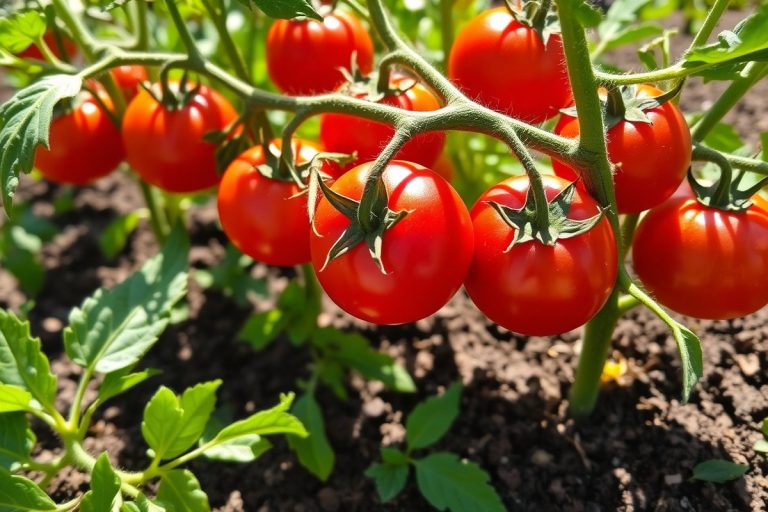
You can spot annuals by their quick, one-year life cycle. Common annual flowers are marigolds, petunias, and zinnias. Many popular vegetables like tomatoes and lettuce also grow as annuals.
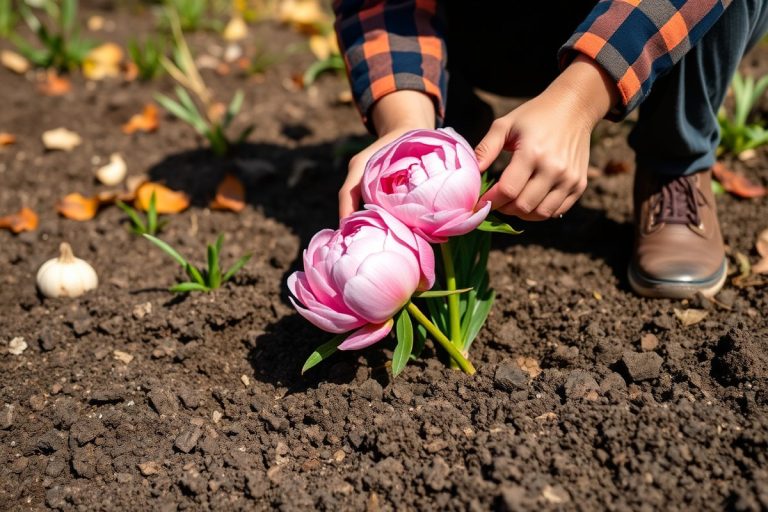
Perennials live for more than two years and come back each season. Examples include hostas, peonies, and daylilies.
Some perennials live just a few years. Others last for decades with good care.
Biennials take two years to finish their life cycle. They grow leaves in the first year and flower in the second. Classic biennials include foxglove, hollyhock, and parsley.
Here’s a quick look at popular plant types from each group. You’ll get examples to help you choose.
| Plant Type | Life Cycle | Popular Examples | Notes |
|---|---|---|---|
| Annuals | One growing season | Marigold, Petunia, Zinnia, Tomato, Lettuce | Complete life cycle in One year; require replanting yearly |
| Perennials | Multiple years | Hosta, Peony, Daylily | Come back each year; may take 2+ years to bloom fully |
| Biennials | Two years | Foxglove, Hollyhock, Parsley | Grow leaves year one; bloom year two |
Some annuals can act like perennials in warmer areas. They survive winters and come back without replanting. These are often called tender perennials.
Biennials need two seasons to finish. You’ll see their flowers in the second year, then they die. Knowing this helps you plan when to expect blooms and when to replace plants.
Combining Annuals and Perennials for a Balanced Garden
Using annuals and perennials together creates a garden with both lasting structure and bright, changing colors. Perennials form the backbone with reliable growth.
Annuals add bursts of blooms throughout the season. Planning and planting them thoughtfully helps keep your garden lively all year.
Planning Your Garden Design
Start by picking perennials that suit your garden’s sun and soil conditions. They’ll give you steady shape and texture year after year. Then choose annuals that bloom at different times to fill gaps between perennial flowers.
Create zones where tall perennials stand at the back and shorter ones at the front. Place annuals in front beds or in empty spots to add color and variety. This combo stops your garden from looking bare anytime.
Follow these steps to plan your mixed garden:
- Assess your garden’s light, soil, and size for plant selection.
- Choose perennials with staggered bloom times and varied heights.
- Pick annuals that thrive in your climate and bloom continuously.
- Map planting spots balancing height, color, and bloom season.
- Leave space around perennials for annuals to grow without crowding.
- Plan paths or focal points to show off colorful annual clusters.
Planting for Season-Long Color
Plant perennials first in spring or fall. They establish roots and structure early. Add annuals after the last frost to get fast, bright blooms that cover bare soil.
Use annuals to fill in early-season gaps when perennials haven’t bloomed yet. Switch annuals late in the season for fresh color as summer flowers fade. This keeps your garden lively and colorful from spring through fall.
Annuals also attract bees and butterflies, helping pollinate perennials and vegetables nearby. This makes your garden healthier and more productive overall.
Space annuals so air can circulate easily; crowded plants risk disease.
Balancing Cost and Care
Using mostly perennials lowers yearly costs and work since they come back every season. Annuals need buying and planting each year, which adds expense and effort. Use annuals sparingly to highlight spots without raising your budget too much.
Water and fertilize perennials regularly but less often than annuals. Annuals grow quickly and need more frequent feeding and watering, especially during hot summer months. Plan your watering schedule around these needs to avoid over- or under-watering.
To save money on annuals, start seeds indoors or buy small plants in early spring. Perennials can be multiplied by division every few years to fill space without buying new plants.
Step-by-Step Action Plan for Choosing and Growing Annuals and Perennials
Follow this plan to pick the right plants and care for them properly. You’ll see good growth and blooms by the season’s end.
- Before planting: Know your USDA zone to pick plants suited for your area. Check your local extension website to confirm your zone.
- Week 1: Decide if you want quick flowers or long-term plants. Annuals bloom fast but die after one season; perennials take longer but return yearly.
- Week 2: Buy healthy starter plants or seeds. Look for strong leaves and no pests on store plants.
- Planting day: Prepare your soil by loosening it and adding compost. Soil should feel crumbly, not hard or soggy.
- After planting: Water gently but deeply. Soil should stay moist for seedlings, then less often for established plants.
- Month 1: Watch for bloom time signs. Annuals usually start blooming within weeks, perennials may take months.
- After bloom: Deadhead spent flowers on annuals to extend blooms. Cut back perennials in late fall to tidy beds.
- Next season planning: Save seeds from biennials or some perennials if desired. Label your plants to track which types thrive.
Frequently Asked Questions
Which Is Better, Annuals or Perennials?
Neither is better; it depends on your garden goals. Annuals bring bright color all season, while perennials return yearly for long-term structure. Plant both to keep your garden lively throughout the seasons.
What Is the Longest Blooming Perennial?
Some daylilies and chrysanthemums can bloom for several weeks. Generally, perennials bloom for 2-4 weeks, depending on care. Pruning and weather affect how long they flower.
What Is the 3 Year Perennial Rule?
It means perennials establish fully after about three years. During this time, they may need extra care to grow strong roots. Once mature, they require less maintenance annually.
What Is the Best Perennial Plant?
The best perennial depends on your climate and garden needs. Many gardeners like coneflowers or black-eyed Susans for easy care and long bloom times. Choose perennials suited to your growing zone.
What’s the Difference Between Annuals and Perennials?
Annuals live for one growing season; perennials return year after year. Annuals bloom fast and bright, while perennials offer long-term garden structure. Use a mix to enjoy continuous color and growth.
Can Perennials Survive Harsh Winters Without Protection?
Many perennials die back but return from roots after winter. Some need mulch or cover in cold climates to survive frost. Check your zone for specific winter care advice.
Wrapping Up
Choosing between annuals and perennials depends on how long you want flowers. You can mix both for steady color and less work. Start by checking your garden zone and picking plants that suit your timing and care preferences.