When to Harvest Habanero Peppers: A Complete Guide for Peak Flavor & Heat
Knowing when to harvest habanero peppers is key to getting the best flavor and heat. Most habaneros are ready around 90 to 120 days after transplanting outdoors. You want to watch for size, color, and texture to pick them at their best.
Ripe habaneros grow roughly 1.5 to 2.5 inches in length. These peppers shift color from green to vivid orange or red. You want to avoid harvesting too soon to keep heat and flavor strong.
Mark the planting date in a garden journal to track when harvest time nears. Start checking your peppers at about 90 days after planting. This helps you avoid waiting too long and missing peak flavor and heat.
Key Takeaways
- Harvest habaneros 90 to 120 days after transplanting for full heat and flavor.
- Pick peppers when they reach 1.5 to 2.5 inches and change color.
- Look for vertical corking stripes as a sign of ripeness.
- Harvesting green habaneros early means less heat and simpler flavor.
- Keep a garden journal to mark planting and expected harvest dates.
- Check your peppers around 90 days to avoid missing the best harvest window.
How to Tell When Habanero Peppers Are Ready to Harvest
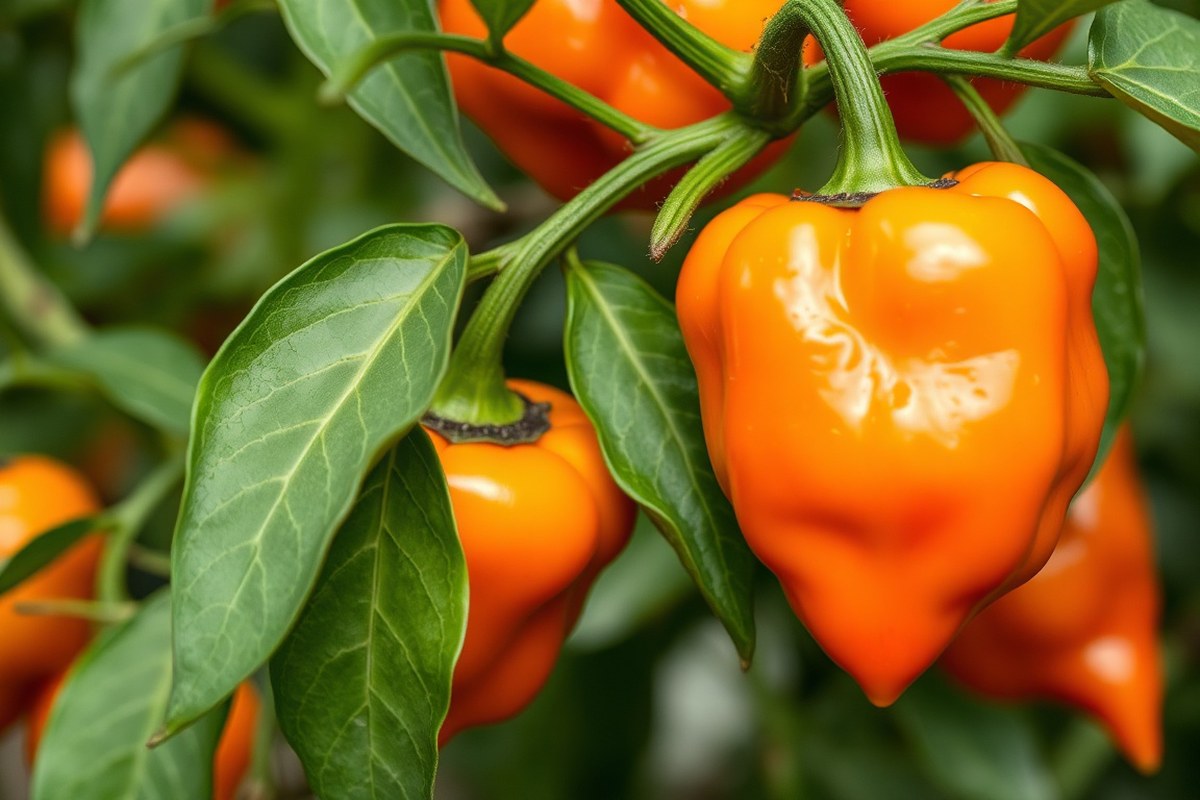
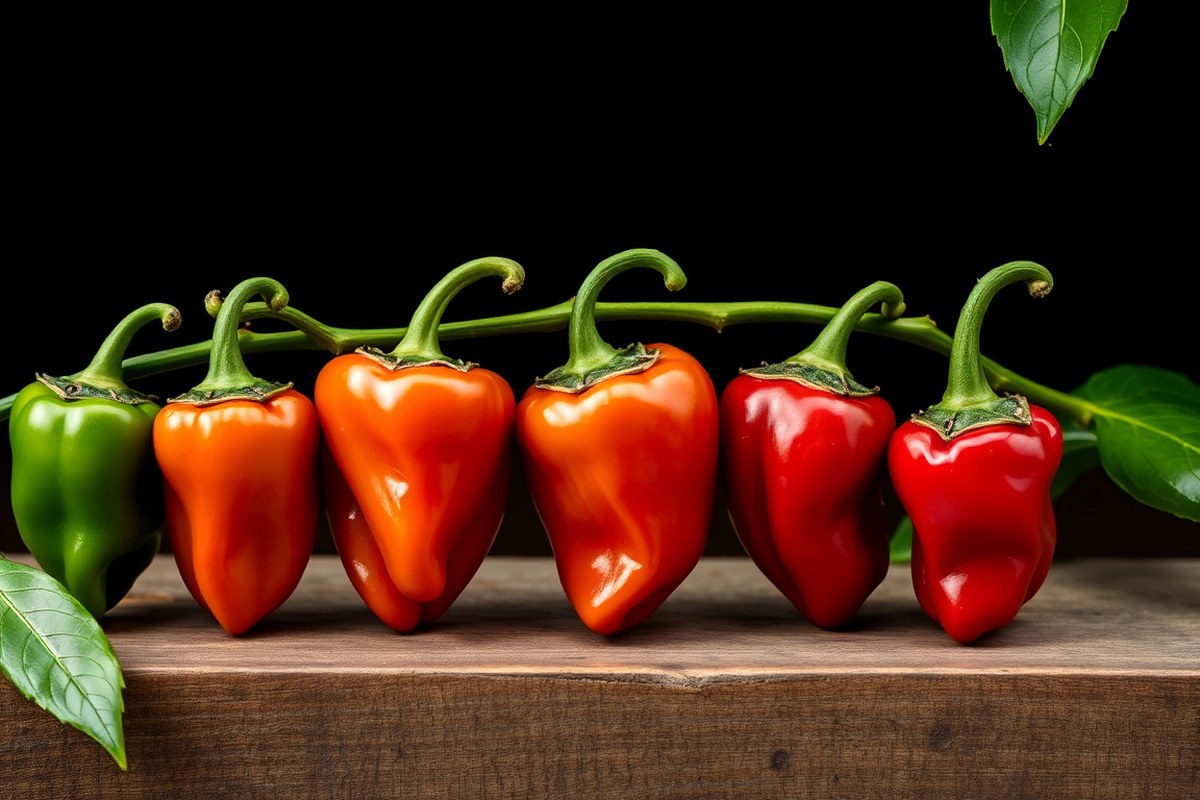
Habanero peppers are ready when they reach their full size. They also show their full color. Both signs mean they are mature and can be picked.
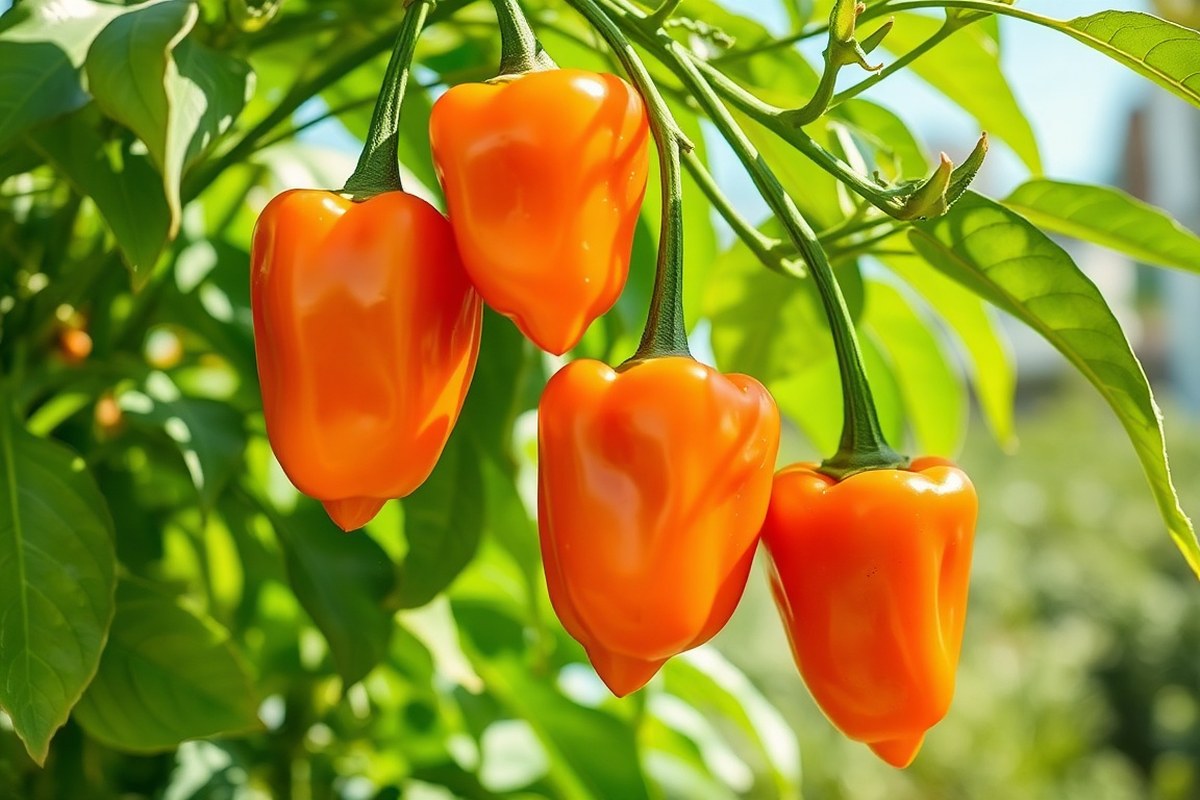
Usually, this means about 90 to 120 days after transplanting. Ripe habaneros show bright orange, fiery red, golden yellow, or creamy white.
The color depends on the variety. This helps you know when they are ready.
Look for rich, consistent color with no green patches on the pepper. Green habaneros aren’t fully ripe yet and won’t have reached peak flavor or heat. The pepper’s skin should look glossy and feel firm to the touch, not soft or wrinkled.
The size of a mature habanero usually falls around 2 inches long. Smaller peppers aren’t fully grown, and very large ones can sometimes be overripe. Compare your peppers to seed packet info.
Local gardening resources also give good size cues. This helps you know the right time to pick.
Corking is fine cracks or lines on pepper skin. It shows ripeness, especially in hot climates. This is a natural sign of mature peppers.
This corking means the pepper has grown fully and the skin stretched. It doesn’t make the pepper bad and often indicates good flavor development.
Checking the days to maturity helps confirm readiness when color and size aren’t definite yet. You’ve waited 90 days or more. The peppers show mature color and firmness.
Now they are ready to pick. A cold snap is coming soon.
Pick the partly colored or largest peppers first. This prevents losing your crop to cold weather.
Typical Harvest Timeline and Days to Maturity for Habaneros
Habanero peppers usually mature between 75 and 110 days after transplanting. You should start checking your plants around day 75 and continue through day 110.
Peppers take 90 to 120 days to mature outdoors. Weather and variety affect this time.
At first, habaneros are green. Over time, they shift to their full color, like bright orange or scarlet red.
You want to watch for a uniform color covering at least 90% of the pepper’s surface. Local climate and the specific habanero type can speed or slow this process.
During harvest season, check your peppers every 2 to 3 days. This helps you spot peppers at full color and size. They usually grow 1 to 3 inches long.
Pick mature fruit 3 to 5 days before frost arrives. This prevents losing your crop.
Check habanero peppers starting around day 75 after transplanting. Keep checking every few days to catch ripeness before frost.
How Environmental Factors Affect Habanero Ripening Speed
Temperature plays a big role in how fast habanero peppers ripen. They grow best when daytime temperatures stay between 70°F and 90°F. Temperatures below 60°F at night slow ripening. Plant enzymes work less well in cooler temps.
To keep peppers on track during cool nights, use floating row covers. These covers protect plants and keep heat around their base.
Sunlight is another important factor to watch. Habanero plants need 6 to 8 hours of full sun daily. This helps them grow healthy.
It also speeds up fruit development. Less sunlight means peppers take longer to mature and taste weaker. Move pots or prune branches if sunlight is blocked in your garden.
Soil warmth also affects harvest timing. Soil that stays above 70°F for several days speeds up ripening. You can check soil temperature at a 2-inch depth with a probe thermometer.
You can warm cool soil using black plastic mulch. This helps keep roots warm early in the season, encouraging quicker fruit development.
Humidity levels affect ripening speed, too. High humidity helps peppers keep moisture. But too much water can cause rot and slow growth.
Aim for consistent soil moisture that isn’t soggy. Mulching around the plants keeps water steady and weeds down. Avoid overhead watering during cool evenings to prevent fungal problems.
You can extend your habanero harvest by managing these factors carefully. Use shade cloth on the hottest afternoons to reduce stress and keep flavor balanced. Start peppers indoors if your growing season is short.
Transplant when soil and air warm up. Applying a balanced fertilizer like 5-5-5 every few weeks supports steady growth without delaying fruit maturity.
Watch how your peppers change color daily. Warm, sunny conditions speed ripening to 75, 90 days after transplanting. Cooler or variable weather can add 2 to 3 weeks.
Peppers are ripe when they turn bright orange, red, or brown. Pick them then for best heat and flavor.
Differences in Harvest Timing Between Habanero Varieties
Habanero varieties vary in how long they take to mature and their ideal harvest colors. Picking the right time depends on the specific type you grow. Knowing these differences helps you get the best flavor and heat.
Common Habanero Varieties and Harvest Colors
Most habaneros mature in a range of colors. They can be orange, red, yellow, or even chocolate brown. These colors signal when the fruit stops converting chlorophyll and is ripe to pick.
Green habaneros are generally immature. They reach mature size first, then turn their final color.
Some varieties develop small brown grow lines on their skin. This marks the fruit is fully grown and ready to harvest, no matter the color.
This trait appears more in some types. It’s helpful when the color isn’t obvious.
Days to Maturity by Variety
Different habanero types take different times to mature, mostly between 75 and 100 days from transplanting. Early varieties may be ready around 75 days.
Slow growers take closer to 100. Tracking your specific variety’s timeline helps you plan harvests efficiently.
Check your peppers every two or three days. This is after you see their first color change. It helps you pick them at the best ripeness.
Pods on the same plant often ripen at different speeds. This way, you won’t miss the window for harvest on any one pod.
Size and Shape Differences per Type
Habanero fruits typically range from 1 to 2.5 inches long, shaped like lanterns. Size varies slightly by variety but less than color or days to maturity. Uniformity in size within your harvest batch helps keep flavor and cooking results consistent.
Knowing size and shape differences helps spot when pods reach their mature form. Smaller or irregular pods might indicate stress or poor growing conditions. Choosing peppers closely matched in size across a batch improves visual appeal and taste.
| Variety | Typical Days to Maturity | Common Harvest Color | Notes on Appearance |
|---|---|---|---|
| Orange Habanero | 75 to 90 | Bright Orange | Lantern shape; common grow lines |
| Red Savina | 80 to 100 | Deep Red | Slightly larger; smooth skin |
| Chocolate Habanero | 85 to 95 | Brown | Thicker skin; dense grow lines |
| Yellow Habanero | 75 to 90 | Bright Yellow | Smaller size; glossy skin |
| White Habanero | 80 to 90 | Pale Cream | Lantern-shaped; smooth finish |
Color, size, and days to maturity vary. These changes affect when and how you should harvest.
Matching your harvest timing to your specific type avoids underripe or overripe peppers. Checking these traits lets you pick peppers at their best every time.
Safe and Effective Techniques for Harvesting Habanero Peppers
Harvest habanero peppers by cutting the stem above the pepper using sharp tools. Avoid pulling or yanking to protect the plant and fruit. Always wear gloves to keep capsaicin off your skin and prevent burns.
Preparing Yourself and Tools for Harvest
Wear nitrile gloves before handling habaneros to block capsaicin from your skin. Use sharp scissors or pruning shears for a clean cut above the pepper’s stem. Gather a small basket or container to hold the peppers safely during harvest.
Harvest peppers in the morning when the plant is dry to reduce disease risk. Sanitize your tools with rubbing alcohol to avoid spreading any infections between plants.
Proper Technique: Cutting, Pinching, and Plucking
Use sharp scissors or pruning shears to cut about ¼ inch above the pepper stem. This method avoids tearing the plant and keeps it healthy for ongoing growth. Never pull peppers off by hand, as this can damage branches and reduce future yields.
Pinching peppers carefully with your nails works if you don’t have tools. Make a clean, quick pinch at the base of the stem. Plucking is possible but only if the pepper detaches easily without force.
- Put on nitrile gloves to protect your hands.
- Hold the pepper gently near the stem.
- Cut the stem just above the pepper using scissors or pruning shears.
- Place the pepper in your container without squeezing.
- Check nearby peppers and repeat as needed.
- Wipe tools with disinfectant before moving to another plant.
- Remove gloves carefully and wash hands immediately.
Always cut instead of pulling peppers to prevent damaging your plant.
Protecting Skin from Capsaicin Burns
Capsaicin oils cause burning sensations on your skin, potentially lasting hours. Wearing gloves is the simplest way to avoid irritation. Touching peppers might irritate; wash your hands right away with cold soap and water.
Keep gloves on until you finish handling peppers. Avoid touching your face, eyes, or mouth during harvest to prevent painful burns. Rubbing vegetable oil on capsaicin-covered skin before washing can help remove the oils better.
Can Green Habaneros Ripen Off the Plant?
You can harvest habanero peppers when they are still green. They won’t be as spicy or flavorful as fully ripe ones. Many gardeners pick green habaneros if frost is coming or they want to taste them early.
Green habaneros can ripen off the plant. To help them ripen, keep them indoors at 70 to 75°F. Place the peppers stem-up in a single layer on newspaper with indirect light. They usually take 7 to 14 days to mature this way.
Pepper color affects flavor and heat. Once the fruit starts turning orange, it will ripen off the plant well. On the other hand, completely green peppers may or may not change color off the vine.
For best results, pick fully colored habaneros first. Then harvest peppers with partial color.
Finally, collect the largest green ones you want to use early. This order lets you get the most flavor and heat from your harvest.
Check harvested green peppers daily. They are ripening when they soften or darken in color.
Avoid storing green habaneros in cold rooms. Low temperatures will stop ripening and may reduce quality.
Sometimes early green peppers have a grassy taste and milder spice. Some people prefer this. For full heat and sweetness, let peppers turn orange or red first.
Pick them after they change color. You can also ripen peppers indoors if you keep them warm.
Common Harvesting Mistakes and How to Avoid Them
Harvesting habanero peppers either too soon or too late harms their taste and feel. Unripe peppers usually have less heat and a bland taste. Overripe peppers may shrivel, become bitter, and don’t store well.
Brown streaks or corking marks look alarming but usually don’t mean the peppers are bad. Corking happens naturally in many heirloom types. It looks like raised brown or tan lines.
These lines appear on the pepper skin. These plugs do not affect the pepper’s taste or food safety. So you can still use the pepper unless the damage is from disease or pests.
Handling peppers roughly during harvest causes bruises and breaks their skin. This leads to faster spoilage and soft spots you don’t want.
Always use scissors or garden shears to cut peppers from the plant, avoiding pulling or twisting. Wearing gloves can protect your hands and keep oils off your skin.
Be careful with these common harvest mistakes and how to avoid them:
- Harvest only when peppers show full color and firmness
- Avoid picking peppers with green streaks near the stem unless you want milder peppers
- Don’t yank peppers by hand; cut them gently with scissors
- Ignore normal corking, which doesn’t harm taste or quality
- Harvest daily to prevent overripe peppers from falling off
- Rinse peppers gently with cold water before storing to remove dirt
- Dry peppers thoroughly to prevent mold and rot
Waiting too long after peppers show their final color lets them degrade quickly. Overripe peppers may get soft or discoloured, which cuts flavor. Begin harvesting when the pepper’s color is solid all over.
Avoid letting them hang for weeks after. This keeps quality at its best. This keeps the heat intense and taste fresh.
Post-Harvest Care: Storing, Preserving, and Extending Yield
Storing habanero peppers right after harvest keeps them fresh longer. Saving seeds lets you grow peppers next season. Also, picking peppers often boosts overall yield and keeps plants producing well.
Best Storage Methods for Fresh and Dried Peppers
Fresh habanero peppers last up to two weeks when stored in the fridge. Put them inside a paper bag to absorb moisture and avoid rot. Keep the fridge temperature around 40°F for best results.
If you want to store peppers longer, dry them carefully. Air drying works well in a warm, dry place with good airflow. Once fully dry and brittle, store peppers in airtight containers away from light and heat.
Dried habaneros keep for many months and stay hot and flavorful. You can grind dried peppers into powder for seasoning. Avoid sealing fresh peppers in plastic bags, which trap moisture and cause spoilage.
Seed Saving: Step-by-Step Process
To save seeds, cut a ripe habanero open and scoop out the seeds. Spread the seeds on a paper towel to dry for about a week. Make sure they dry in a warm, airy spot away from direct sun.
After drying, store seeds in a labelled envelope or jar in a cool, dark place. Use the saved seeds within one year for best germination. Labeling helps you track plant traits, useful if you grow different varieties.
Cleaning seeds of all fruit flesh avoids mold during storage. Avoid saving seeds from overripe or damaged peppers. Healthy seeds grow stronger plants and better peppers next season.
Maintaining Plant Health for Continuous Harvest
Picking habaneros regularly encourages the plant to produce more peppers. Trials show weekly harvesting can increase yield by 22% compared to biweekly picking. Do not wait too long to harvest, or yield drops by up to 30%.
Keep the plant healthy by watering consistently and feeding monthly with balanced fertilizer. Remove any damaged or diseased leaves to reduce stress on the plant. Watch for pests and act quickly to prevent spread.
Habanero plants will stop producing when temperatures drop below 50°F consistently. To extend the season, bring potted plants indoors before cold weather arrives. Healthy plants produce peppers about 3 to 4 months after transplanting.
Store fresh peppers within 24 hours after harvest to keep them crisp and flavorful.
Step-by-Step Action Plan for Harvesting Habanero Peppers
Follow these steps to pick habanero peppers at the right time. Picking them then gives you the best flavor and heat. Use these tips to know exactly when to harvest.
- Week 6 to 8: Watch your peppers for their first color change from green. This means they are starting to ripen.
- Week 8 to 10: Watch the color closely as it changes each day. It will turn orange, red, or the color for your variety. Keep an eye on this to pick at the right moment. Pick when the skin is fully colored and firm.
- Harvest day: Use clean scissors or pruning shears to clip peppers, leaving a short stem attached. This helps peppers stay fresh longer.
- Right after picking: Avoid washing peppers until you use them, as water can speed rot. Store in a cool, dry place or fridge.
- Within 1 week: Use fresh peppers or freeze them to keep heat and flavor. Label your containers with the harvest date.
- After harvest: Regularly check your plants for new fruits to ripen. Repeat harvesting to extend yield through the season.
Frequently Asked Questions
How Can I Tell If My Habanero Peppers Are Underripe or Overripe?
Underripe habaneros are green and hard, with less heat. Overripe ones may shrivel or darken unusually, losing flavor and texture. Pick at peak color for the best taste.
Can I Speed Up the Habanero Harvest If the Season Is Short?
Yes, pick them slightly before full color to reduce heat and ripen indoors. This helps if frost or weather shortens your growing season.
How Many Peppers Can One Habanero Plant Produce in a Season?
One plant can yield up to 50 peppers with proper care and nutrients. Regular feeding and good sunlight boost your harvest.
What Is Corking on Habanero Peppers, and Does It Affect Harvest Time?
Corking means light tan streaks on skin showing maturity. It’s a sign peppers are ripe and ready to pick.
Are There Signs to Know When Habaneros Are Ready If I Don’t Know the Planting Date?
Look for bright color, size around 2 inches, and corking. These signs tell you it’s time to harvest even without exact timing.
Can I Harvest Habaneros Early for Milder Peppers?
Yes, pick when peppers are green or just starting color change. Early harvest gives less heat but fewer peppers.
Final Thoughts
Habanero peppers taste best and have full heat when fully ripe and properly picked. Checking their color and firmness helps you know the right time to harvest. Start inspecting your plants closely each day as they near maturity to catch the perfect moment.