What Does a Marigold Seed Look Like? A Complete Guide for Gardeners
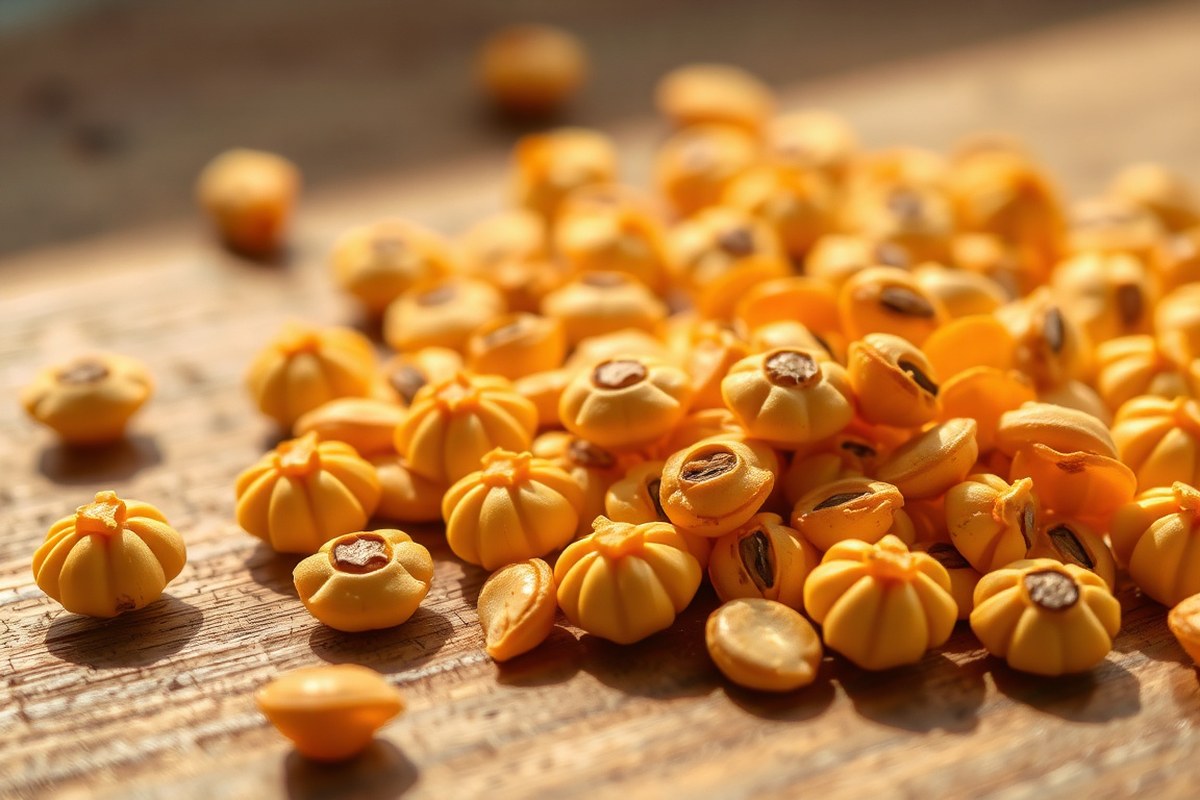
Wondering what does a marigold seed look like? Marigold seeds are small, slender, and slightly curved. They resemble tiny, dried grains with a pointed tip and a rough texture.
They usually have a light brown or tan color with some darker streaks. This shape helps them fit easily into the soil and start growing quickly once planted. Most seeds measure about 1/8 inch long, making them easy to miss during planting.
Knowing their size and shape helps you plant them carefully without losing any seeds. Handle them gently since they are fragile but tough enough to sprout in warm soil. Dry seeds stay viable for up to 5 years when stored properly in a cool, dry place.
Key Takeaways
- Marigold seeds are small, slender, and slightly curved with a pointed tip.
- They often have light brown or tan shades with some darker streaks.
- The rough texture helps the seed grip the soil for better germination.
- Handle seeds gently to avoid damaging their delicate outer shell.
- Plant seeds about 1/4 inch deep for optimal growth.
- Keep the soil temperature between 70 and 80°F for best germination.
What Does a Marigold Seed Look Like? Key Features
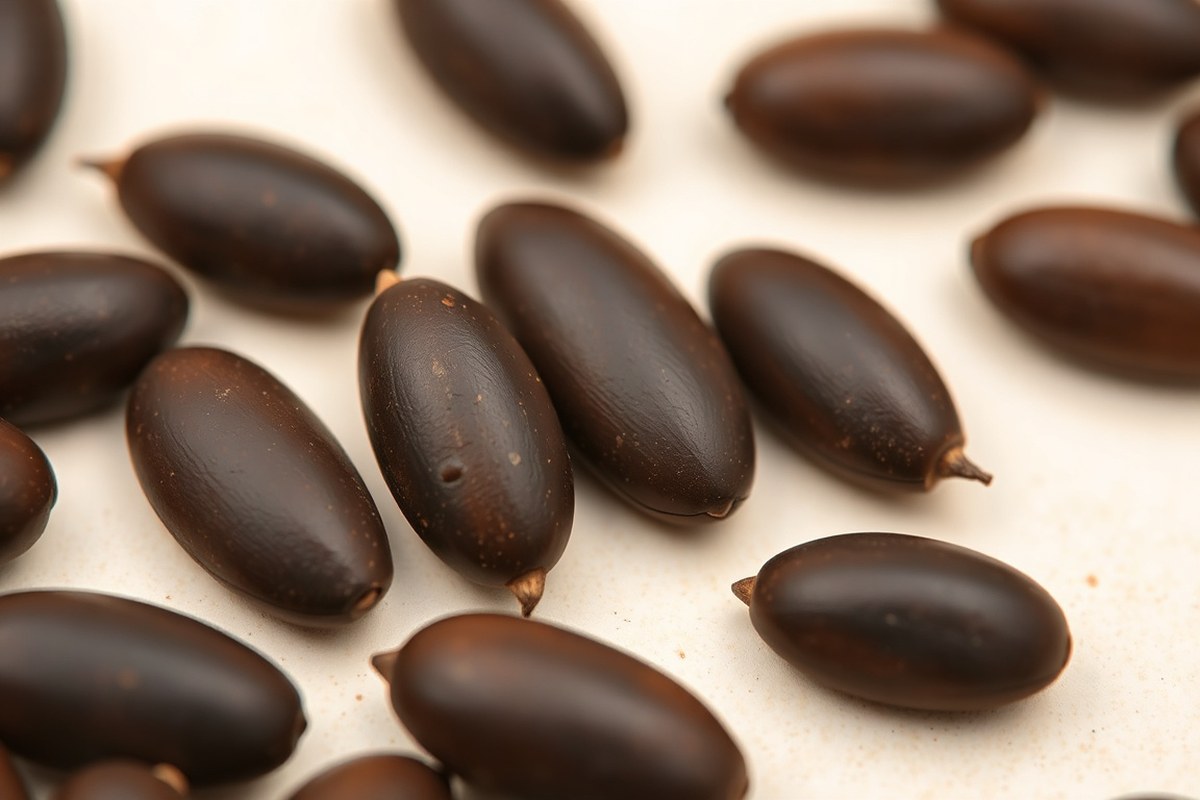
Marigold seeds are small, usually about 5 to 10 millimeters long, depending on the variety. African marigold seeds are the largest, around 7 to 10 millimeters.
French marigold seeds range from 5 to 8 millimeters. Signet marigold seeds tend to be smaller, measuring about 4 to 7 millimeters in length.
The shape of marigold seeds is elongated and slender. They often look like tiny darts or flattened ovals with one end that may taper slightly. This shape helps you recognize them among other garden seeds, which might be rounder or thicker.
Seed color varies a bit by type but sticks to dark tones. African marigold seeds are dark brown to almost black. French marigold seeds are usually a dark brown color.
The Signet marigold seeds range from dark brown to black. They often have a delicate, frayed tail on them.
This tail looks like a thin extension at one seed end. It stands out most in African marigolds.
The surface usually has a rough, net-like texture. This pattern feels slightly gritty rather than smooth or slick. Fresh marigold seeds start shiny and compact.
As the seed head dries, they turn dull and rough. Seeds that feel too soft or smooth may not be mature or healthy.
You can tell marigold seeds from other seeds by size, shape, and texture. Their small, slender form won’t look like round pea-like seeds or large flat ones.
Their dark color and fine netted surface also help set them apart. These differ from lighter or smoother seeds.
When choosing seeds, pick firm and dry ones. Look for a visible tail if possible.
Avoid seeds that look shriveled, damaged, or too light-colored, as they may not sprout well. Recognizing these features lets you choose good seeds and avoid wasting time on poor ones.
How African and French Marigold Seeds Differ Visually
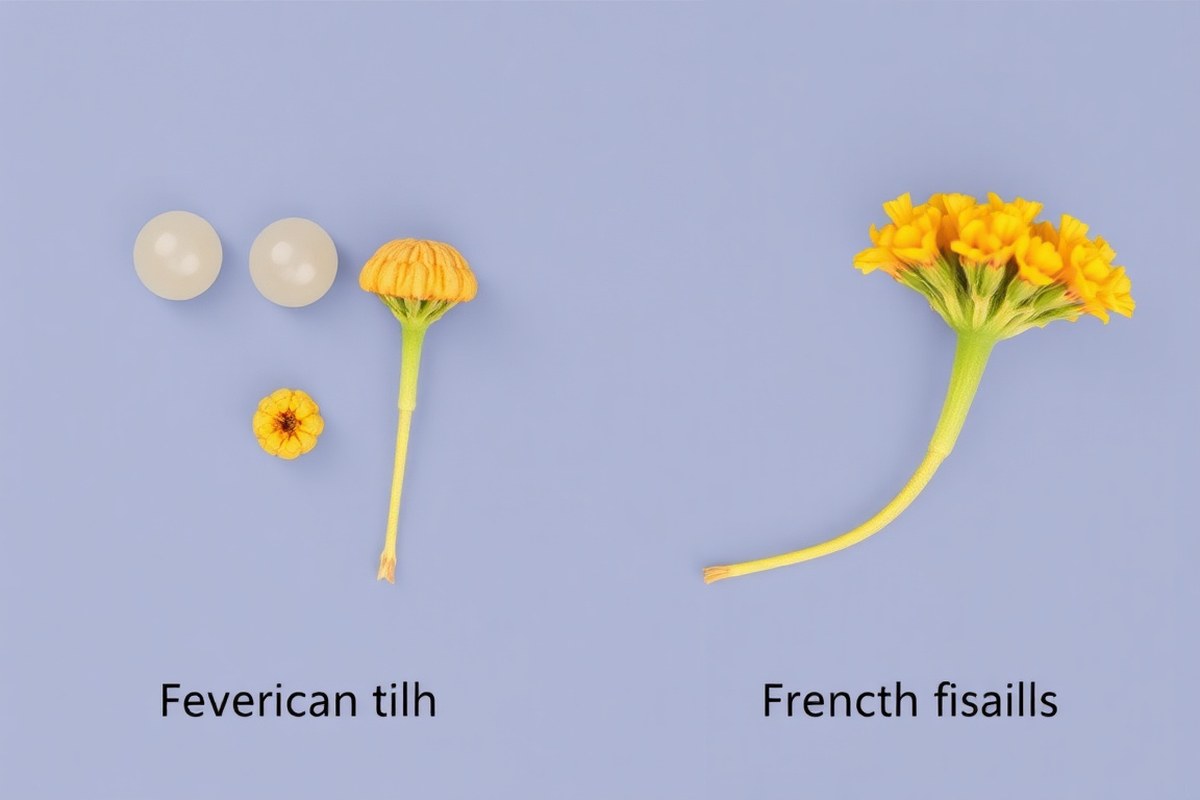
African and French marigold seeds differ in shape, size, and color. African seeds tend to be larger and often show more variety in color. French marigold seeds are usually smaller, more uniform, and may have a distinct seed tail.
African Marigold Seed Traits
African marigold seeds are generally longer and thicker than French marigold seeds. Their color ranges from deep brown to lighter tan, sometimes with speckled patterns. The seeds often have a slightly curved shape and a smooth seed coat.
Some African marigold varieties, like Moonlight or Sugar and Spice, produce slightly more compact seeds. These seeds range from deep brown to light brown.
They are usually the same size. This variety variation helps you pick seeds for different garden effects.
French Marigold Seed Characteristics
French marigold seeds are smaller and more slender compared to African types. They often have a pointed end. A clear seed tail is also visible.
This tail happens less often in African marigolds. Their color usually stays within a light tan to medium brown range.
The seed tails on French marigolds make them easy to identify. These tails assist when planting because they help the seed settle in the soil more effectively. French marigold seeds are typically more uniform, which means more predictable germination.
Other Marigold Varieties’ Seed Features
Besides African and French, there are other marigold varieties. But their seed features resemble one of these two groups.
Pot marigolds, for example, have smaller, smoother seeds that can be easier to collect. Their colors tend to stay in lighter shades, closer to French marigolds.
Different varieties sometimes show subtle shape differences. Some have slightly more rounded seeds or variations in seed coat texture.
Knowing this helps when you save seeds to grow marigolds. You can pick seeds that fit your garden’s style.
Below is a table summarizing the main visual traits of African and French marigold seeds:
| Trait | African Marigold Seeds | French Marigold Seeds |
|---|---|---|
| Size | Larger, thicker (variable) | Smaller, slender |
| Shape | Curved, smooth coat | Pointed with seed tail |
| Color | Deep brown to tan, speckled | Light tan to medium brown |
| Seed Coat | Smooth, sometimes patterned | Smooth, usually uniform |
| Seed Tail | Rare or small | Prominent and distinct |
| Variety Variation | More diverse across varieties | More uniform among varieties |
Recognizing these differences makes collecting the best seeds easier. It also helps with proper planting, ensuring healthy marigold blooms. Pay attention to seed shape and tails during collection for more successful germination.
Handle seeds gently to avoid damaging the seed tail on French marigolds.
How to Harvest and Save Marigold Seeds Successfully
Timing the Harvest: When Are Seeds Ready?
Marigold seeds mature about 30 days after the flower blooms. You will see flower heads dry out and turn brown. This signals seeds are ready for picking.
Check for dryness by gently squeezing the seed pod. When it feels brittle and cracks open easily, the seeds are mature. Avoid harvesting too early because immature seeds may not germinate well.
Step-by-Step Seed Collecting Process
Follow a few simple steps to harvest your marigold seeds properly. Using clean tools helps prevent disease or mold buildup.
- Identify dried flower heads with brown, crispy petals.
- Pinch or cut the seed heads carefully from the stem.
- Place collected heads in a paper bag or bowl.
- Gently rub the flower heads to release the seeds.
- Separate seeds from debris like dried petals and stems.
- Discard any seeds that look shriveled or soft.
- Label your seeds with the date and marigold type.
Collecting seeds this way usually takes 10 to 20 minutes for a medium garden patch. You may want to repeat collection weekly if flowers mature at different times.
Best Practices for Drying and Storing Seeds
Proper drying stops mold and preserves seed health. Spread seeds thinly on newspaper or a mesh screen in a warm, dry area.
Keep seeds away from direct sunlight, which can damage them. Allow seeds to dry for about 1 to 2 weeks until completely crisp.
Store dried seeds in airtight containers like glass jars or sealed envelopes. Adding a silica gel packet can help prevent moisture buildup.
Keep containers in a cool, dark place. The temperature should stay around 40°F to 50°F (4°C to 10°C). Stored this way, seeds can last up to 5 years while staying viable.
Planting Marigold Seeds: Ideal Conditions and Depth
Marigold seeds need light to germinate well. Plant them just under soil, at about 1/4 inch (6 millimeters) deep. This shallow depth lets light reach the seeds, which helps them sprout faster.
The soil should drain well and stay moist but not soaked. Marigolds like temperatures between 70 and 75 degrees Fahrenheit for germination. Cooler soils slow germination, and seeds may take closer to two weeks to sprout.
Here’s a quick planting checklist to follow:
- Use loose, well-draining soil without heavy clumps.
- Plant seeds 1/4 inch (6 mm) deep, no deeper.
- Keep soil evenly moist but avoid waterlogging.
- Maintain soil temperature around 70-75°F (21-24°C).
- Make sure seeds get indirect light, not full shade.
- Lightly cover seeds with soil using a rake or fingers.
- Space seeds a few inches apart to avoid crowding seedlings.
Light covering prevents seeds from drying out or washing away. You can gently press soil to close air pockets without crushing seeds. Once planted, check soil moisture every day to keep it slightly damp.
Good results mean the seeds sprout in one to two weeks. If planted too deep or in cold soil, germination slows or fails. Seeds buried too far won’t reach the surface, leaving you with weak or no seedlings.
How Long Marigold Seeds Take to Germinate and What Affects It
Marigold seeds usually take about 5 to 7 days to sprout. The germination speed depends a lot on soil temperature. When soil stays between 70 and 75 degrees Fahrenheit, seeds sprout faster.
Cooler soil slows down the process. Temperatures below 60 degrees might make sprouting take up to two weeks.
Seeds may struggle to sprout if it gets hotter than 80 degrees. Keep soil cooler for better sprouting.
Moisture plays a big role too. Seeds need evenly moist soil, not soaking wet or dry. Too much water can cause them to rot, while dry soil stops germination.
Keep the soil damp by watering gently every day or using a spray bottle. Using a light mulch helps hold moisture without drowning the seeds. Check soil moisture by sticking your finger about an inch deep.
Don’t let marigold seeds sit in waterlogged soil or they might rot before sprouting.
Understanding the Internal Structure of Marigold Seeds
Marigold seeds have three main parts inside: the embryo, the endosperm, and the seed coat. The seed coat is the tough outer shell. It protects the inner parts from damage.
It also helps the seed hold water. This is important when it’s ready to sprout.
Inside the seed coat is the embryo, which is the plant’s baby. The embryo has two key parts: the radicle and the plumule.
The radicle is the first root that grows down into the soil. The plumule will become the stem and leaves.
The endosperm surrounds the embryo and acts like a food supply. It provides energy to the embryo during germination. Without this stored food, the young plant wouldn’t have the strength to grow roots and shoots.
During germination, water soaks through the seed coat. This triggers the embryo to start growing.
The radicle pushes out first, breaking the seed coat and reaching into the soil. Then the plumule follows, reaching up toward the light.
The seed coat’s texture helps water get inside. It also keeps the seed safe from pests. It stops the seed from drying out too.
A seed with a damaged or thin coat may fail to germinate properly. That’s why handling seeds gently matters, especially if you plan to save them for later.
Experienced gardeners use their knowledge of these parts when collecting seeds. Knowing the embryo’s shape is helpful. Its health shows if the seed is ready.
This helps you decide to plant or save it. This can improve your chances of growing strong marigold plants from seed.
Common Mistakes When Planting Marigold Seeds and How to Avoid Them
Many people plant marigold seeds too deep, which reduces germination. Marigold seeds need to be sown about ¼ inch deep. Planting deeper than ½ inch can smother the seed and prevent sprouting.
Overwatering is another common mistake that harms seeds. Excess water can cause seeds to rot before they sprout. Keep the soil lightly moist but never soggy, checking it daily during germination.
Poor seed quality also lowers your success rate. Look for seeds that are firm, plump, and free from cracks or mold. Old or damaged seeds often fail to grow well or at all.
- Plant marigold seeds ¼ inch below soil surface
- Keep soil consistently moist but not waterlogged
- Avoid sour-smelling or moldy seeds
- Use fresh seeds stored in a cool, dry place
- Maintain soil temperature between 70°F and 75°F
- Provide good light after germination for strong seedlings
Planting at the right depth saves you time and trouble. Grab a small tool or finger to gently scoop a shallow hole. Drop in one seed, cover it with soil, and pat lightly.
Water seeds with a fine mist or small watering can to avoid washing them away. Always water gently after planting to activate growth. Dry soil delays or stops germination altogether.
Fresh, healthy seeds sprout within 5 to 7 days under good conditions. Check for tiny green shoots before disturbing the soil. Failed germination often points to poor seed quality or too wet soil.
How to Save and Store Marigold Seeds for Future Planting
Drying marigold seeds thoroughly and storing them right keeps them healthy for planting next season. Store seeds in a cool, dark, and dry spot to avoid moisture and pests. Proper care means you’ll have seeds ready for years.
Preparing Seeds for Storage
Let flower heads dry on the plant until they look brown, dry, and crispy. This signals seeds are mature and good for saving. You don’t want to pick them too early or the seeds won’t develop fully.
After harvesting, gently remove the chaff or plant debris from the seeds. Spread seeds out in a single layer on newspaper or cardboard. Let them dry indoors for about one week, away from direct sunlight and humidity.
Air-drying prevents mold and keeps seeds from rotting. Check daily to make sure seeds stay dry and free of moisture.
Choosing the Right Storage Environment
Use airtight containers like glass jars or sealed plastic bags to hold the seeds. Small jars work best because you can easily label and organize them. Avoid paper envelopes; they absorb moisture.
Keep the containers in a spot that stays below 70°F, away from sunlight and humidity. A closet, basement shelf, or kitchen cabinet often works well. Humidity and heat reduce seed life and cause mold.
- Clean, dry glass jars with rubber-sealed lids
- Store seeds in small batches with labels for varieties
- Find a cool location, ideally 40, 60°F if possible
- Keep away from heaters, windows, and moisture sources
- Include silica gel packets to absorb extra moisture
- Check seeds regularly for signs of mold or pests
- Do not store near fruits, which emit gases that harm seeds
Even slightly damp seeds spoil fast; dryness is key before storage.
Seed Viability Duration and Testing
Stored under good conditions, marigold seeds can stay healthy for 3 to 5 years. Their sprouting rate slows after several seasons but many still germinate well. Older seeds just need more patience and sometimes a pre-soak to help sprouting.
Test seed viability before planting by putting 10 seeds on a wet paper towel. Keep the towel warm and moist for 7 to 10 days.
Count how many seeds sprout. A 70% or higher rate is good enough to plant.
Throw away seeds that are discolored, soft, or show mold. These won’t grow and can contaminate fresh seeds if kept.
Step-by-Step Action Plan for Growing Marigolds from Seed
Follow these steps to plant and grow marigolds successfully. You’ll see when your seeds start sprouting and know you’re on the right track.
- Before planting: Choose fresh seeds with a firm, dry feel. Avoid cracked or soft seeds for better germination.
- Day 1: Plant seeds about ¼ inch deep in well-draining soil or seed starter mix. Cover lightly with soil and water gently.
- Day 3 to 7: Keep soil moist but not wet. Watch for tiny green sprouts signaling germination.
- Week 2: Once seedlings have two sets of leaves, thin out the weakest plants. This gives room for strong growth.
- Week 3 to 4: Begin moving seedlings to a sunny spot gradually if started indoors. Marigolds need 6+ hours of sunlight daily.
- After 1 month: Transplant your seedlings outdoors if the threat of frost has passed. Space plants 8 to 12 inches apart for best blooms.
- Ongoing: Water the marigolds once or twice a week. Stop overwatering to avoid root rot and fungal issues.
Frequently Asked Questions
What Does a Marigold Seed Look Like?
A marigold seed is small, dark brown to black, and slightly elongated. African marigold seeds are longer, around 7 to 10 mm.
French marigold seeds are shorter, about 5 to 8 mm. Their surface changes from glossy to rough as they mature.
How Do You Seed Marigolds?
You plant marigold seeds about 1/4 inch deep in well-drained soil. Keep the soil moist but not soggy for best germination. Choose a sunny spot since marigolds need sunlight to grow strong.
What Does Marigold Do for Your Body?
Marigolds have anti-inflammatory and antioxidant properties. They can help soothe minor skin irritations and support wound healing. Many people use marigold extracts in skincare products for these benefits.
What Should You Not Plant Near Marigolds?
Avoid planting marigolds too close to beans or tomatoes. Some gardeners report that marigolds can stunt these plants’ growth. Stick to planting marigolds near pests-prone crops like cabbage instead.
Do Marigolds Come Back Every Year?
Marigolds are annuals and don’t survive cold winters. But if you let them drop seeds, those seeds often sprout the next year. So, you can have new plants returning without replanting.
How Can You Tell When Marigold Seeds Are Ready for Harvest?
Seeds are ready when the seed heads turn completely dry and brown. The seeds become dull and rough instead of glossy. Collect them before strong winds scatter the seeds away.
Final Thoughts
Marigold seeds are small, dry, and shaped like tiny teardrops. You can easily spot African or French types by their color and size. Start planting soon to enjoy bright flowers all season long.

One Comment