How to Root a Snake Plant: 8 Proven Methods for Fast, Healthy Growth
Knowing how to root a snake plant helps you grow new plants easily. The fastest way is to use cuttings from healthy leaves or pups. Let the cut ends dry out for 24 hours.
This helps stop rot from forming. Only plant or place cuttings in water after drying.
Choose a warm spot around 75 to 80 degrees Fahrenheit for faster rooting. A gritty soil mix made of cactus soil, perlite, and coarse sand works best. Keep the cuttings in indirect sunlight and normal household humidity for steady growth.
Patience matters because rooting can take 3 to 8 weeks depending on your method. Watch for signs like new root growth or a slightly top-heavy plant to know it’s working. Avoid overwatering to prevent common problems like rot and mold.
Key Takeaways
- Let cut ends callous for 24 hours before planting or water propagation.
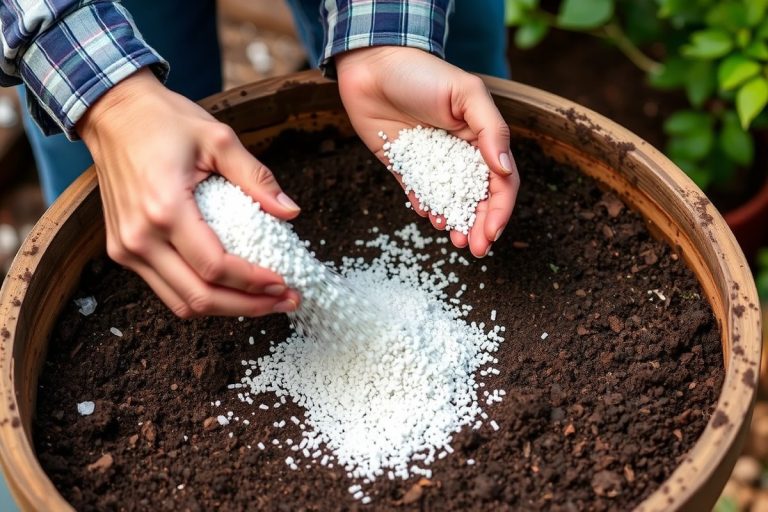
- Choose a soil mix that drains quickly. Combine half cactus soil with about a third perlite. Add 20% coarse sand to finish the mix.
- Keep temperatures steady between 75 and 80 degrees Fahrenheit for best results.
- Place cuttings in indirect sunlight with 35, 55% humidity to avoid stress.
- Rooting usually takes 3 to 8 weeks, depending on your chosen method.
- Watch for new roots or top heaviness as signs of successful rooting.
1. How to Root a Snake Plant: Step-by-Step Process
Rooting a snake plant is easy. Cut healthy leaves first. Then dry them if planting in soil.
Place cuttings in water or soil. You need sharp tools, a well-draining mix or fresh water, and patience. The right setup helps cuttings develop roots safely over several weeks.
Preparing Healthy Snake Plant Cuttings
Choose a mature snake plant leaf that looks strong and healthy. Use a clean, sharp knife or pruning shears to avoid damaging the leaf during cutting. Cut the leaf near its base at a 45-degree angle.
This creates a clean end. It helps the roots grow better.
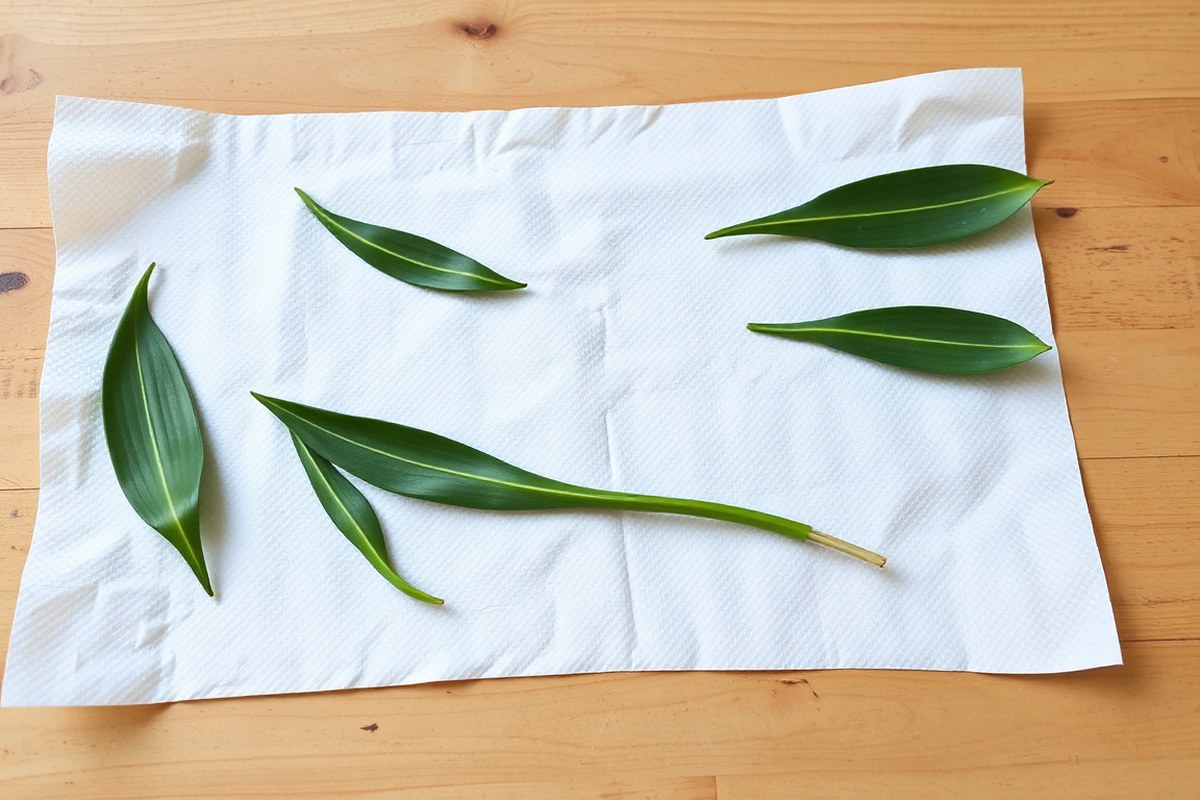
After cutting, slice the leaf into pieces 3 to 4 inches long. Let the cut ends dry for 1 to 2 days. This is called callousing.
It helps if you will plant in soil. This step reduces the risk of rot when the cutting is planted.
- Pick a healthy, mature leaf from your snake plant.
- Cut the leaf near the base at a 45-degree angle using sharp, clean tools.
- Slice the leaf into 3- to 4-inch sections.
- For soil planting, let the cuttings dry and callous for 1 to 2 days.
Rooting Snake Plant Cuttings in Water
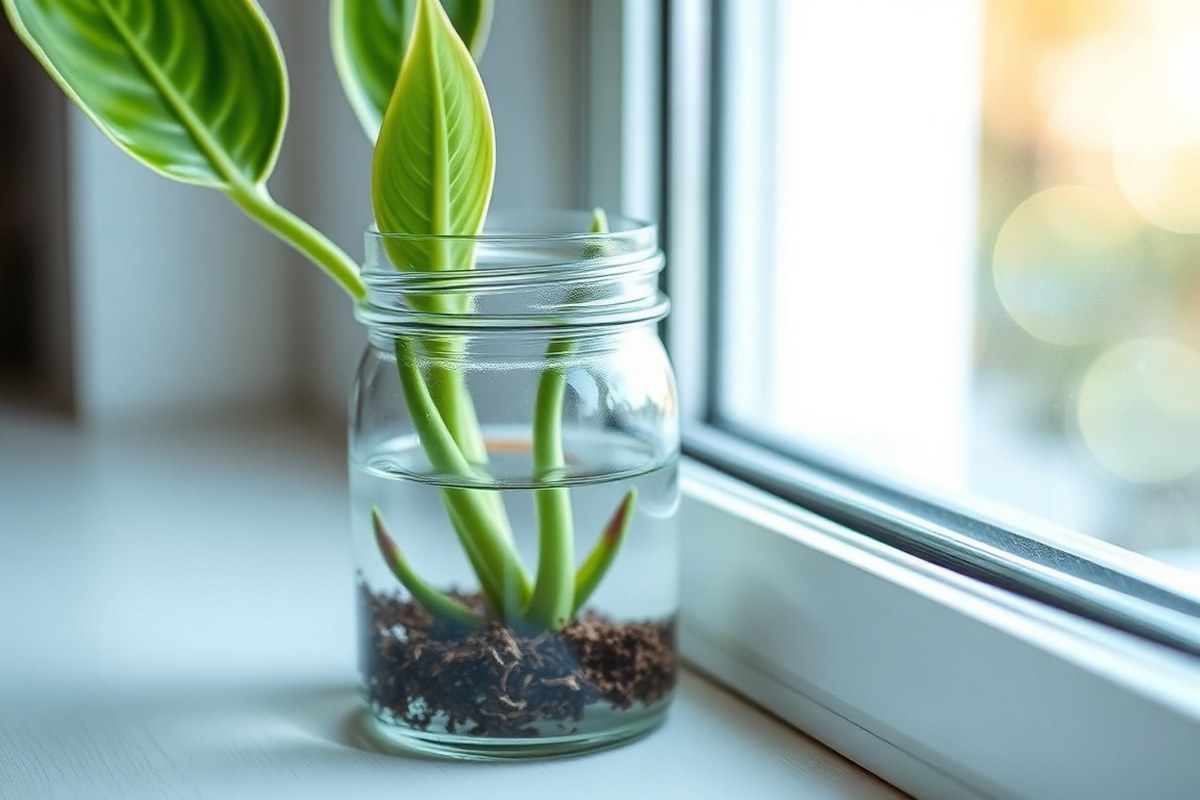
Place snake plant cuttings upright in a container with fresh, clean water. The water must cover the cut end completely. This keeps the leaf hydrated.
Avoid drowning the leaf in water. Change the water every week to prevent bacteria and keep it fresh.
Make sure the container allows plenty of light. But avoid direct sunlight that can heat the water and harm the cuttings.
Roots usually appear within 2 to 6 weeks. Watch for healthy white roots before moving to soil.
- Fill a clear glass or jar with clean water.
- Set the leaf cuttings upright so the cut end is submerged.
- Place the container in bright, indirect light.
- Change the water weekly for cleanliness and oxygen.
- Wait 2 to 6 weeks for roots to form before potting.
Rooting Snake Plant Cuttings in Soil
Use a small pot with drainage holes. Fill it with gritty soil mix. Use 50% cactus soil, 30% perlite, and 20% coarse sand.
This mix holds moisture yet drains well to help prevent root rot. Plant cuttings vertically, burying the cut end about 1 to 1.5 inches deep.
Keep the soil barely moist, not wet. Avoid watering too much, since soggy soil causes rot early on.
Keep the pot in a warm spot with indirect light. Roots form in 3 to 8 weeks.
- Prepare a small pot with well-draining, gritty soil.
- Plant each cutting vertically, burying cut ends 1 to 1.5 inches deep.
- Place the pot in warm, indirect light.
- Water sparingly to keep the soil slightly moist.
- Wait 3 to 8 weeks to see root development.
2. When Is the Best Time to Root Snake Plants?
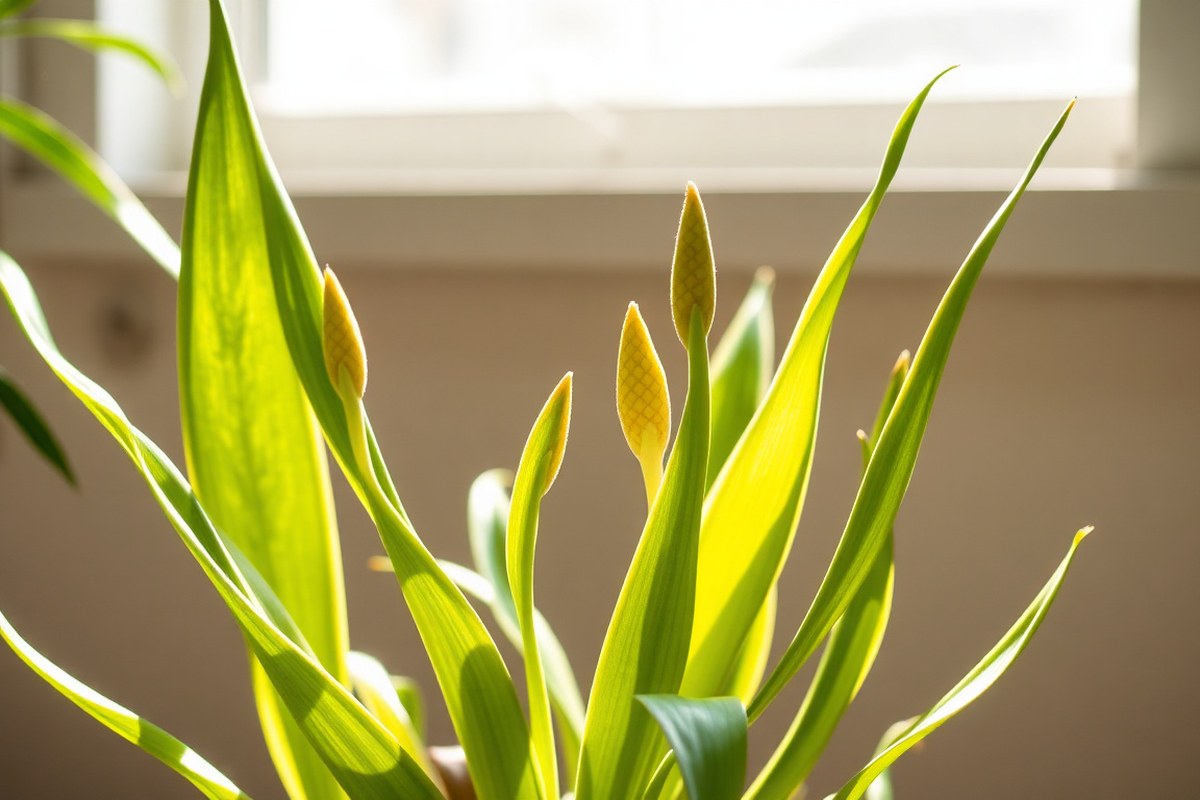
Spring and summer are the best seasons to root snake plants. These months offer warmer temperatures between 60 and 85°F (18 to 27°C). Warmer weather helps the plant grow roots faster since it’s in its active growth phase.
Your snake plant cuttings usually start rooting in 3 to 8 weeks. This happens during spring and summer.
The speed depends on temperature, humidity, and how you propagate it. Cooler months slow down root development because the plant goes into a resting phase.
You can still propagate snake plants during colder months, but expect slow progress. Temperatures below 60°F (15°C) put the plant under stress, which delays rooting and new leaf growth. Using a warm spot with indirect light helps if you try to root during these times.
Light affects rooting too. Early morning or late afternoon sun is ideal for cuttings.
Avoid full midday sun since it can dry out the leaves and cause damage. Keeping cuttings in bright, indirect light supports healthy root growth without stress.
Keep your cutting warm and in indirect light while rooting. Don’t overwater to avoid rot.
3. Choosing Between Water, Soil, and Division Methods
Division is the fastest way to get a new snake plant. It gives you a mature plant right away. Rooting leaf cuttings in water or soil takes more time.
It takes about six to eight weeks to get roots in water. Each method suits your needs for speed and effort. Choose based on how fast you want new plants.
Rooting Snake Plants in Water, Key Points
Rooting snake plants in water is simple and needs few supplies. Put leaf cuttings in a jar with clean water. Make sure the bottom ends stay underwater.
Roots usually show up in six to eight weeks. But wait longer before moving them to soil.
This method lets you see roots grow, which is nice. It also helps you know when to pot.
However, cuttings can rot if the water isn’t changed regularly. Keep the jar in bright, indirect light to avoid sun damage.
Rooting Snake Plants in Soil, Pros and Cons
Planting leaf cuttings directly in soil fits well when you want many new plants at once. Cut leaves into 4-inch pieces and dry for 24 hours.
Then plant them upright in well-draining cactus mix. The soil needs to stay lightly moist but not soggy.
This method takes longer to see roots. But it avoids the shock of switching from water to soil later.
Sometimes cuttings rot if soil is too wet or not draining well. Snake plants like a dry period between waterings while rooting.
Dividing Mature Snake Plants
Division splits a mature snake plant into sections with roots and leaves. This method works best when the plant outgrows its pot and has clear rhizome clumps.
Divide by cutting above soil or remove plant from pot. Either way works for a clean split.
This method is quickest because each division already has an established root system. It also keeps variegated leaf colours intact, unlike leaf cuttings that may lose colour. Division is more suited for larger plants and takes more effort but saves time.
| Method | Time to Roots | Main Advantage | Main Disadvantage |
|---|---|---|---|
| Water Propagation | 6-8 weeks | Easy to watch root growth | Risk of rot in stagnant water |
| Soil Propagation | 8+ weeks | Direct to permanent medium | Cuttings can rot if too wet |
| Division | Immediate mature plant | Keeps variegation and color | Requires larger plant and effort |
Your choice depends on how fast you want growth and your plant size. Choose water or soil to get many cuttings going.
Division works best when your snake plant is big enough. It gives you instant new plants.
4. Best Soil Mix and Potting Tips for Rooting
Use a well-draining potting mix designed for succulents or cacti. These mixes usually contain sand or perlite, which helps keep the soil aerated. Good aeration prevents water from pooling around the roots, reducing the risk of rot.
Fresh soil helps too. Avoid old potting soil that may hold too much moisture or harbor fungi.
Before potting, check that your container has drainage holes at the bottom. Drainage holes let excess water escape so the soil stays just damp, not soggy.
Choose a small pot for cuttings, about 4 inches in diameter. A pot this size fits the cutting without overcrowding.
It also makes it easier to monitor soil moisture. Start small, since snake plants grow slowly during rooting and don’t need large pots right away.
Fill the pot with sandy soil mix. Plant the cutting just deep enough. Make sure it stands upright.
Press the soil lightly around the base, but don’t pack it too hard. This allows air to circulate near the roots while supporting the cutting’s weight.
Keep the soil barely moist at first. Overwatering the new cutting is the main cause of rot. Wait about a week before watering again to let roots settle in.
You’ll see roots after several weeks. Check if the soil feels dry a few inches down.
Add gravel or small stones at the pot’s bottom. This helps drainage. This helps excess water move away from roots quickly.
Cactus or succulent mix usually doesn’t need more amendments. Adding sand helps drainage in heavy soils.
When roots reach several inches long, move the cutting to a bigger pot. Use standard indoor potting soil.
Keep the pot snug and well-drained. This helps the snake plant start healthy without rotting.
5. Using Rooting Hormone: Does It Improve Success?
5. Using Rooting Hormone: Does It Improve Success?
Rooting hormone is not required for snake plants. But it can help speed up the process.
Snake plants root easily from leaf cuttings, so many people skip the hormone. Still, it can give you a bit more confidence, especially with older or less healthy leaves.
There are three common forms of rooting hormone: powder, gel, and liquid. Powder is the most popular because it sticks well to the cutting end. Gel and liquid options often include extra nutrients or fungicides, which might protect your cutting.
You can find these products at garden centers or online. Prices usually range from $5 to $15 for a small container.
Apply rooting hormone after your cutting has dried out and callused for at least a day. This dry period helps prevent rot. Dip the cut leaf end into water first.
Then coat it with rooting hormone right after. Shake off any excess powder or gel to avoid clumps that might trap moisture.
- Let the cutting dry for 1 to 3 days before applying hormone.
- Dip the cut end in water, then into the rooting hormone.
- Remove excess powder or gel by gently tapping or shaking.
- Plant the treated cutting in soil or place it in water for rooting.
- Keep the cutting in indirect light and warmth to encourage roots.
- Avoid using hormone on freshly cut, wet ends or uncallused leaves.
- Store unused rooting hormone away from humidity and direct sunlight.
Rooting hormone can reduce the time it takes for roots to appear. Without it, snake plants might take four to six weeks or longer to root.
Hormones can encourage root growth within two to four weeks. Using hormone does not guarantee success, but it often results in thicker, healthier roots.
Don’t skip drying the cutting before applying rooting hormone; moisture can cause rot quickly.
Some people notice their snake plant cuttings root fine without any hormone at all. When using hormone, watch for mold or soft spots.
These signs mean the cutting got too wet or the hormone was applied too heavily. In such cases, cut off the unhealthy part and try again with a fresh cutting.
6. Preventing Rot and Common Rooting Problems
Snake plant cuttings often rot because they sit too wet for too long. Overwatering is the biggest cause, causing the roots to drown and decay. Their thick leaves store water, so they don’t need daily watering when rooting.
You can spot rot early if the leaves start turning yellow or mushy at the base. Mushy texture means the plant cells are breaking down.
Look closely where the leaf meets the soil or water. Feel for soft spots.
Good light also prevents rot. Snake plant cuttings need six to eight hours of bright, indirect light each day. Too little light slows root growth and weakens the cutting, which makes rot more likely.
Use a well-draining soil mix made for succulents or cacti. That helps water flow through fast, leaving air pockets so roots breathe. Plant cuttings in pots with drainage holes to avoid soggy spots.
Keep the potting area warm, not hot. Aim for 65 to 80 degrees Fahrenheit. This helps your snake plant root well.
Cooler temperatures slow root development and make cuttings prone to rot. Avoid placing them near cold drafts or too close to heaters.
Watch for any signs of rot. Act quickly to stop it from spreading. Remove the cutting from soil, cut away any brown or mushy parts with clean scissors.
Let the cut dry for one or two days. Then repot it in fresh soil or water. This helps prevent rot.
Some people dip cut ends in rooting hormone. It helps roots grow faster. This can reduce the chance of rot.
But don’t overdo it; follow package instructions carefully. Using hormone won’t fix constant overwatering or poor light problems.
Watch your cuttings daily for changes, checking moisture, light, and leaf condition. Move pots to a brighter spot to help struggling plants. Water them less often if needed.
These steps can save your plant. Early care matters most because rot spreads fast and kills the cutting if ignored.
7. Caring for Newly Rooted Snake Plants
Newly rooted snake plants need light watering and moderate light. Too much water or sudden bright sun can harm roots. Pot cuttings in small containers and watch for growth before repotting.
Watering Frequency and Techniques
Water your snake plant cuttings every 10 to 14 days. Let the soil dry out almost completely before watering again. Water sparingly to prevent root rot and adjust timing by room temperature.
Using a spray bottle to mist the topsoil can help avoid waterlogging. Check soil moisture by sticking your finger about an inch into the soil. If dry, it’s time to water, otherwise wait a few days longer.
Optimal Light and Temperature Settings
Place your new snake plants near an east-facing window with filtered light. Bright indirect light helps roots grow strong without stress. Avoid direct afternoon sun as it can scorch young leaves and dry out soil too fast.
Keep temperatures between 65°F and 80°F to support healthy root development. Lower temps can slow growth.
Higher temps dry soil quickly and may cause damage. Indoor humidity doesn’t usually need special attention.
When and How to Repot New Plants
Repot your cuttings when roots grow about 2 inches long or fill the existing pot. Use a pot 3 to 4 inches wide with fast-draining soil to avoid soggy roots. Snake plants like to be a bit potbound, so delay bigger pots.
Gently remove the plant from its pot and loosen the root ball if it’s tightly packed. Avoid damaging roots by handling carefully. Place the plant in fresh soil and water lightly after repotting to help roots settle.
Steps to repot your snake plant cutting:
- Check root length; wait for roots to reach at least 2 inches.
- Choose a pot 3 to 4 inches wide with drainage holes.
- Fill the pot with gritty, fast-draining potting mix.
- Gently remove the plant from its old pot.
- Loosen the root ball carefully if it’s compacted.
- Place the cutting in the new pot and add soil around roots.
- Water lightly to moisten soil without soaking.
- Mark the pot with the date and plant type for tracking.
8. Signs Your Snake Plant Cutting Is Rooting Successfully
Rooting a snake plant cutting usually takes between 6 and 10 weeks. You can expect to see new roots forming in this time. But visible leaf or pup growth often takes 2 to 3 months.
Watch your cutting closely. You’ll know when it’s ready to move. Then transplant it to a new pot or its permanent home.
Healthy roots look small and white or pale. They grow from the cutting’s base. This shows the plant is growing well.
You won’t always see these roots above the soil or water. So gently checking the bottom of a clear container or carefully feeling the soil can help. New firm leaves or pups near the base show growth.
These tell you the plant is ready to repot. Act then.
- Wait at least 6 weeks before expecting roots to appear.
- Look for white roots or new pups near the bottom of cuttings.
- New leaves should be firm, upright, and green, not stretched out.
- Repot once plants reach about 4 inches tall for stable growth.
- Use well-draining soil and a pot with drainage holes for repotting.
- Avoid repotting too soon to prevent root damage or stress.
- Only move cuttings from water to soil once roots are 2 to 3 inches long.
Be gentle when checking for roots to avoid breaking fragile new growth.
After about 2 to 3 months, your cutting usually shows clear new growth. This marks the end of propagation and signals it’s safe to transplant. Put the cutting in a warm spot with indirect light.
This helps roots grow faster. It also keeps leaves healthy.
Step-by-Step Action Plan for Rooting Your Snake Plant
Follow these steps to root your snake plant cutting or division successfully. Check each stage to keep your plant healthy and growing.
- Before you begin: Choose healthy leaves or divisions with no signs of rot. This gives your plant the best chance to root well.
- Day 1: Cut your snake plant at the base. Let the cut ends dry for a couple of days. Dry cuts reduce the risk of rotting.
- Day 3: Place your cutting in water or moist soil. Pick water to watch roots grow or soil for easier transplanting later.
- Week 1: Keep your cutting in indirect light and mist the soil or change water regularly. This prevents drying out and supports root growth.
- Week 2 to 4: Watch for small white roots emerging. Healthy roots mean your plant is ready for the next step.
- After roots appear: If rooting in water, move the plant to soil. When in soil, keep watering lightly and provide good light.
- Week 5: Start regular care. Water moderately and give indirect sunlight. This helps the new plant settle.
Frequently Asked Questions
Can I Root Snake Plants from a Single Leaf Cutting?
Yes, you can root snake plants from a single leaf cutting. It takes longer than whole leaf sections but works well with patience and proper care.
How Deep Should I Plant Snake Plant Cuttings in Soil?
Plant snake plant cuttings about 1 to 2 inches deep in soil. This depth supports stability and encourages root growth without rotting the cutting.
Should I Cover My Snake Plant Cutting While Rooting?
Covering is not necessary but helps maintain humidity. Use a clear plastic bag loosely over the pot and remove it daily for airflow.
How Often Should I Water Snake Plant Cuttings During Rooting?
Water sparingly, just enough to keep soil slightly moist. Overwatering can cause rot, especially with snake plants, which prefer drier conditions.
Can Snake Plant Cuttings Root Without Direct Sunlight?
Cuttings need bright, indirect light but not direct sun. Too much sun dries them out, slowing root development or causing damage.
How Long Before I Can Repot a Rooted Snake Plant Cutting?
Wait until roots are about 2 to 3 inches long and new growth shows. This usually takes several weeks to a few months, depending on conditions.
Wrapping Up
Rooting snake plants takes patience and the right conditions. Start your cutting with a good base and gentle care. Watch closely, and your new snake plant will thrive before you know it.