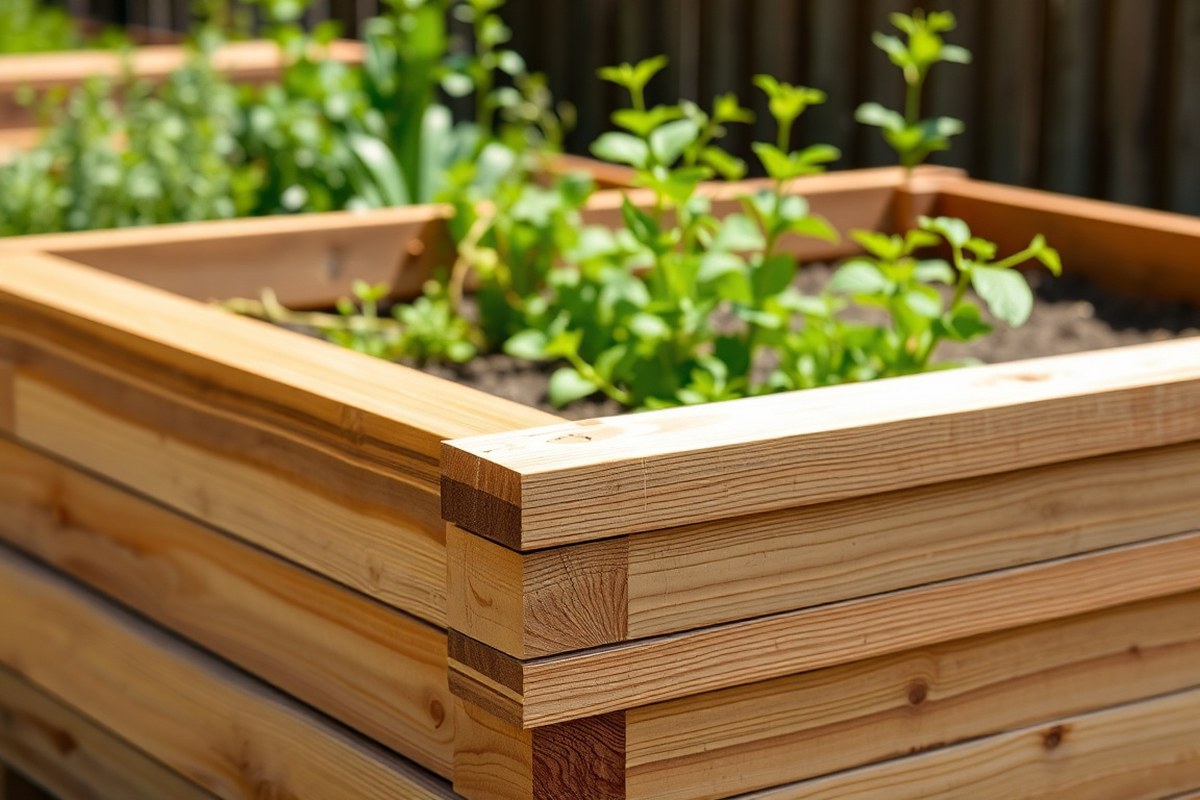
What Wood to Use for Raised Beds: Choose the Best Wood for Lasting Garden Success
Choosing what wood to use for raised beds depends on durability and safety. Cedar and white oak resist rot and pests. They last up to 10 years.
These woods are good choices for raised beds. Yew wood is also tough, lasting well beyond 10 years, making it a smart long-term option.
Pressure-treated wood has gotten safer over the years but still requires cautious use around edibles. Pine and Douglas fir are cheaper wood options. They usually last 5 to 7 years.
These woods rot faster than cedar or oak. Thicker wood, about 2 inches, adds strength, especially for beds wider than 4 feet.
Plan your bed width between 3 and 5 feet for easy gardening access. Protect the wood with food-safe sealers to extend its life. Good bracing helps too, especially for tall beds holding deep soil.
Key Takeaways
- Cedar and white oak last about 10 years with natural rot resistance.
- Yew wood can last 10 to 20 years but is less common and pricier.
- Use 2-inch-thick boards to build raised beds wider than 4 feet.
- Pressure-treated wood today is safer but check it closely before use.
- Pine and Douglas fir offer lower cost but rot within 5 to 7 years.
- Pick bed widths between 3 and 5 feet for comfortable gardening.
Best Woods for Raised Garden Beds: Durability and Safety Compared
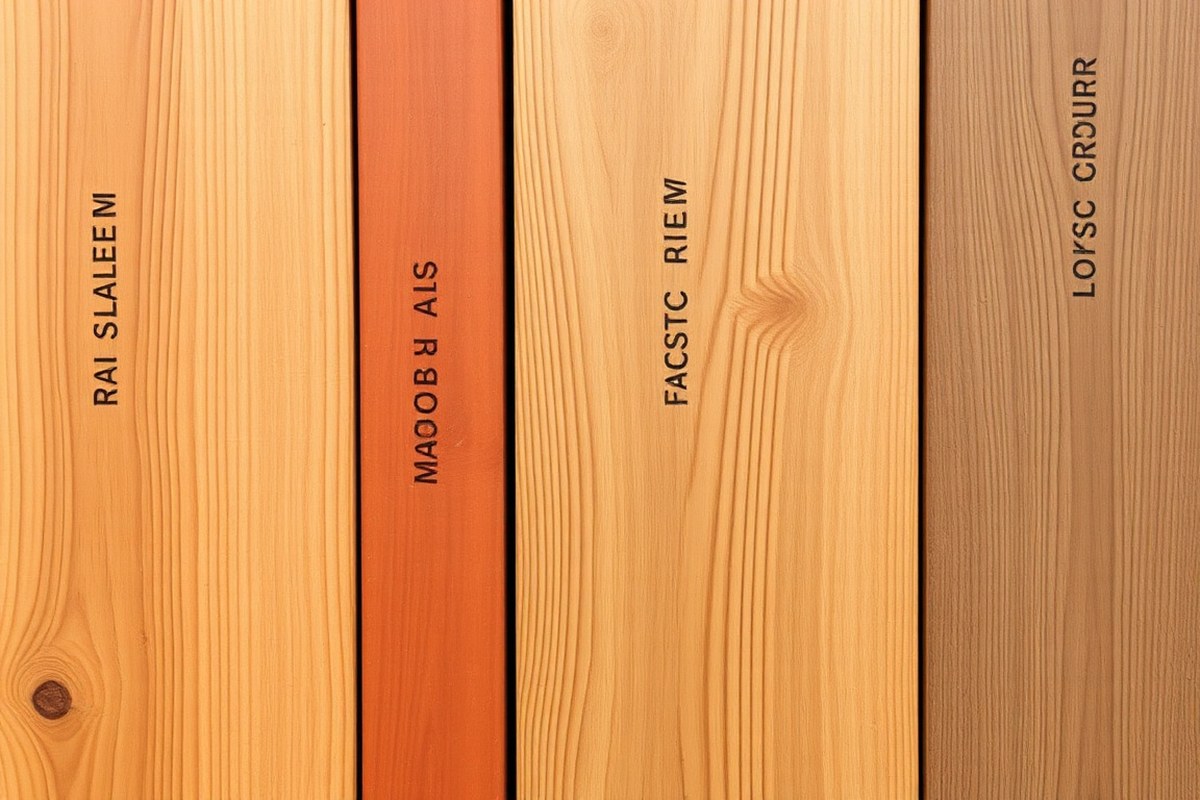
You want a wood that lasts and is safe for growing food. Western red cedar is at the top because it resists rot. It naturally lasts about 10 to 20 years.
This wood is a strong choice for raised beds. Redwood is another strong choice, lasting 20 to 30 years with high rot resistance.
Black locust also stands out, with a lifespan of 20 to 40 years. It naturally deters pests and resists decay without chemicals.
White oak offers good strength and can last 10 to 20 years in garden conditions. It is also safe for edible crops.
| Wood Type | Lifespan | Cost | Food Safe? | Best For |
|---|---|---|---|---|
| Cedar | 10, 20 years | Medium | Yes | Most homeowners |
| Redwood | 20, 30 years | High | Yes | Long-term gardens |
| Douglas Fir | 5, 7 years | Low | Yes | Budget builds |
| Pine (untreated) | 2, 5 years | Very Low | Yes | Short-term/ beginners |
| Oak | 10, 20 years | Medium-High | Yes | Sturdy, decorative beds |
| Black Locust | 20, 40 years | Medium | Yes | Best natural durability |
| Hemlock | 5, 10 years | Low-Medium | Yes | Cold climates |
Composite wood lasts over 25 years and is non-toxic. It avoids wood rot and pest issues but costs more upfront.
Some gardeners prefer it for low maintenance and long life. The look can fade or change, which might not suit traditional wood fans.
To pick the right wood, consider your budget. Also think about how long you want the bed to last. These two factors guide your choice.
Natural rot resistance matters because it reduces the risk of chemicals leaching into your soil. Always pick untreated wood that is safe for edibles. Cedar is a solid all-around option for many gardens.
Understanding Pressure-Treated Wood and Its Safety for Garden Beds
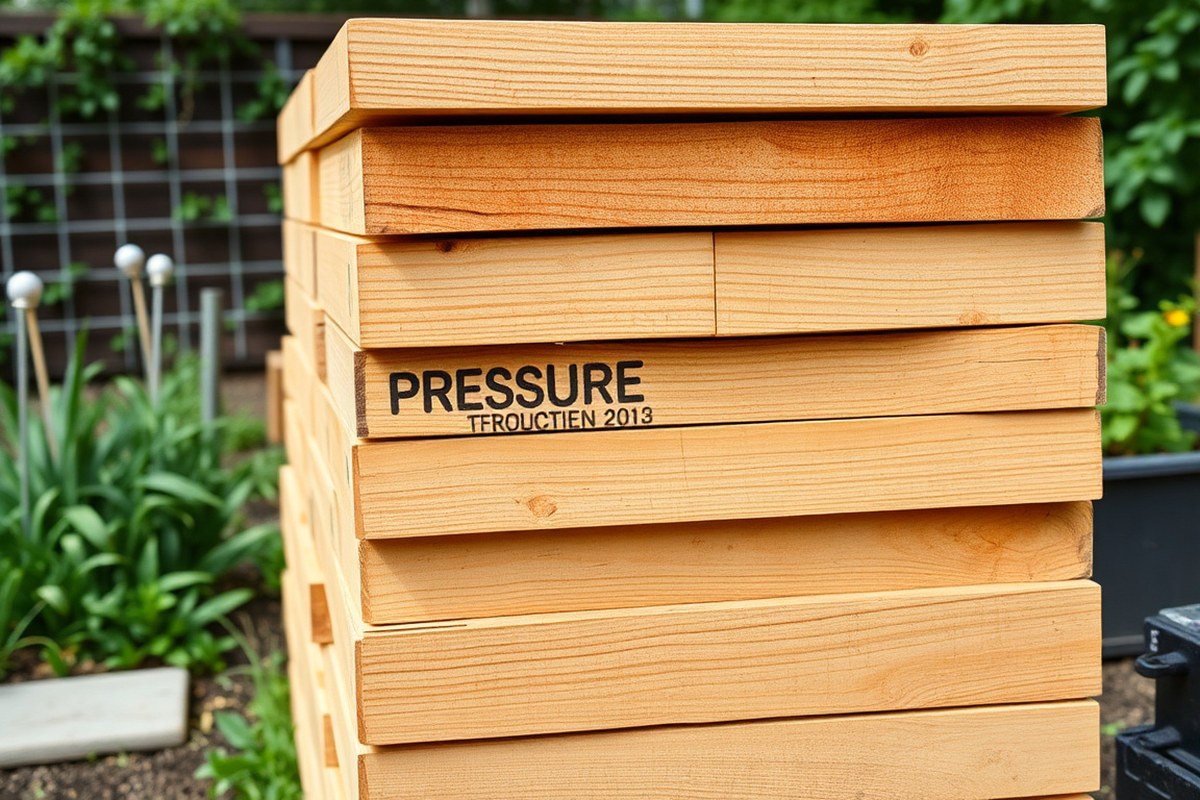
Modern pressure-treated wood is generally safe for raised garden beds, especially if treated after 2004. Older wood treated before 2004 can contain dangerous chemicals.
So knowing the treatment date is important. Follow simple steps to identify safe pressure-treated wood and take precautions during use.
Understanding Modern vs. Older Pressure-Treated Wood
Pressure-treated wood made before 2004 often had Chromated Copper Arsenate (CCA). CCA is a toxic chemical. It’s no longer used for residential projects.
Since 2004, safer chemicals like Alkaline Copper Quaternary (ACQ) are used. Copper Azole (CA) is another safe option. Experts say these are safe for gardening.
Modern treatment protects wood against rot and insects without arsenic or heavy metals. This change means pressure-treated lumber common today won’t harm your vegetable garden if handled properly.
How to Check If Wood Was Treated Before 2004
Old pressure-treated wood looks darker green, but color alone is not reliable. Identifying it requires checking tags, stamps, or asking the seller about treatment history.
Assume wood with no marks or bought before 2004 is unsafe. Avoid using this wood for growing edible plants.
Physical signs include heavy chemical smell or oily residue, which older treated wood may have. Avoid using such wood in your garden to prevent contamination.
Step-by-Step Guide to Identify Safe Pressure-Treated Lumber
Follow these steps to decide if your pressure-treated wood is suitable for raised beds.
- Look for the treatment tag on the wood, usually stapled or printed on the end.
- Check the stamp for EPA approval or terms like ACQ or CA. These indicate safe treatments.
- Ask the supplier or review purchase records to confirm purchase date after 2004.
- Inspect the wood’s color and smell. Modern treated wood is less intensely green and has no strong chemical odor.
- Test for any paint or sealers applied previously that might contain harmful substances.
- Pick untreated wood if you are unsure. Or choose wood a professional confirms safe.
When Pressure-Treated Wood Is Suitable for Raised Beds
Pressure-treated wood lasts longer than many natural woods, often 10 to 20 years. It can be a budget-friendly option when using modern treatments safe for vegetable gardening. Use it if you want durability, especially for larger beds or urban spaces.
Line the inside of the raised bed with plastic if cautious. Garden-safe fabric is another good choice.
This helps block any chemicals from the wood. This limits direct soil contact with treated wood.
Precautions for Building Raised Beds with Pressure-Treated Lumber
Wear gloves and a dust mask when cutting treated wood. This prevents breathing in wood dust or harmful chemicals. Use galvanized or stainless steel screws to prevent corrosion caused by the wood’s treatment chemicals.
Avoid burning pressure-treated wood since it can release toxic fumes. Seal the wood if exposed to weather. Keep children and pets away during construction and before the wood dries completely.
Never use pressure-treated wood manufactured before 2004 in garden beds growing edible plants.
Affordable Wood Options and How to Extend Their Lifespan
Pine and Douglas fir are affordable woods for raised beds. They usually cost $3 to $5 for an 8-foot board. These woods balance price with durability well.
Untreated pine lasts only about 5 years in soil contact before rotting. Douglas fir can last 7 to 8 years but fades faster without care. These woods are great budget picks when you plan to replace beds every few years.
You can extend their life with some basic treatment and maintenance. Using food-safe sealers helps keep moisture out while avoiding harmful chemicals near your plants. Natural oils like linseed or tung oil work well.
Water-based sealers safe for vegetable gardens also work. These protect wood without risking plant health. Reapplying treatments every 1 to 2 years keeps the wood protected.
Reclaimed wood can save money for raised beds. Check for any damage or decay first. It offers a second life for good-quality wood.
Make sure to remove old paint or chemicals that could harm your garden. Proper cleaning before installation helps the wood last longer.
- Apply natural oils or water-based sealers suitable for edible garden beds.
- Re-seal wood every 12 to 24 months depending on weather exposure.
- Improve beds slightly to improve soil drainage and reduce rot.
- Use galvanized or stainless steel fasteners to prevent rust damage.
- Avoid wood contact with constantly wet soil, add gravel or landscape fabric.
- Consider lining the inside of beds with heavy-duty plastic for longevity.
Regular maintenance matters as untreated wood decays quickly when exposed to moisture and soil. Watch for soft spots or splitting wood, which signal it’s time to retreat or replace.
Weather conditions affect how fast wood breaks down. So local climate plays a role in lifespan.
How Climate and Environment Affect Wood Choice for Raised Beds
Wet or humid climates demand woods that resist rot and bugs. Yew wood handles moisture well and fends off insects. So it works in humid gardens.
Black Locust, a dense wood often called “ironwood,” stays solid even with damp soil. White Oak is another good fit for moist areas around the eastern U.S.
Warm regions with lots of sun bring pest pressure and heat damage. Woods like Juniper and Black Locust resist insects common in hot zones.
Sunlight dries wood, which helps reduce rot but causes cracking over time. Applying a sealant every year slows sun damage and keeps the wood from splitting or warping.
Colder or dry climates are kinder to wood since low moisture lowers rot risk. In these places, you can use untreated softwoods like cedar or pine more easily. Let the wood dry fully before building your garden bed.
Raise the bed off the ground if you have frozen soil. This helps protect the wood and plants. This prevents moisture buildup during winter.
You’ll want regular upkeep no matter the climate. In humid zones, check for soft spots or insect holes twice a year. Clean dirt off edges and reapply non-toxic sealers to block moisture.
In dry spots, watch for sun cracks and sand rough spots before resealing. Check your beds every 1 to 3 years for repairs.
Doing this can keep them solid for 5 to 10 years. Wood type and local weather will affect how long.
Wood thickness plays a role too. Using 2×6 lumber (actual 1.5 x 5.5 inches) offers stronger walls that hold up better in humid soil.
Thicker wood costs more but lasts longer, saving you replacement expenses later. Talk to your local lumberyard about pricing for durable woods common in your area.
Choosing the Right Wood Thickness and Structural Support
For raised beds 3 to 5 feet wide, use boards 1 to 2 inches thick. Taller beds over 12 inches need thicker boards like 2×10 or 2×12 for strength. Beds longer than 4 feet require bracing or stakes to keep the structure solid.
Recommended Board Thickness by Bed Dimensions
Small beds, about 3 to 5 feet wide, work well with 1-inch thick boards. Thicker 2-inch boards handle soil pressure better and last longer. For beds taller than 12 inches, use 2×10 or 2×12 boards to prevent bending or warping.
For example, a 4-foot wide bed that’s 10 inches tall can use 2×6 or 2×8 boards. But if the bed height goes up to 18 inches, switch to 2×10 or 2×12 boards. The extra thickness supports the soil weight and moisture better.
Structural Bracing Techniques for Longer Beds
Raised garden beds over 4 feet long need extra support. Place 2×4 stakes or 1/2-inch rebar into the soil every 3 to 4 feet outside the long boards. Use corner or cross braces to keep beds longer than 6 feet steady.
Adding braces stops bowing and keeps soil in place over time. Use wood or metal braces placed inside corners or across the width at mid-span. This reinforcement prevents wobbling and maintains shape.
Follow these steps for bracing:
- Measure and mark stake locations every 3 to 4 feet along the long sides.
- Drive 2×4 wooden stakes or rebar at each mark into the ground outside the bed.
- Nail or screw the long side boards to each stake securely.
- Add diagonal braces inside the corners for beds taller than 12 inches.
- Install cross braces at mid-span on beds longer than 6 feet.
- Check braces for tight, wobble-free fit, adjust if needed.
- Use rust-resistant screws or galvanized nails for outdoor durability.
Don’t skip stakes on beds longer than 4 feet. Side boards bow easily under soil weight.
Fastener Types and Placement Tips
Use galvanized screws or coated nails because they resist rust outdoors. Drive screws every 16 to 24 inches along the boards for a strong hold. For corner joints, use 3-inch screws to connect thicker boards securely.
Place fasteners about 1 inch from board edges to prevent splitting. Use clamps to hold boards steady while fastening. Pre-drilling holes in hardwood reduces cracking and makes driving screws easier.
Thinner boards can be strengthened by adding vertical braces or using heavier fasteners. Pairing thinner wood with external stakes helps avoid failure from soil pressure or moisture damage.
Avoid These Woods: Safety and Durability Risks
Softwoods like pine and fir rot fastest in garden soil. They absorb water quickly and decay in just a few years. Avoid woods that crack, warp, or flake after wet weather.
These types often break down faster. Pick wood that stays solid and smooth.
A major safety concern is old pressure-treated wood made before 2004. These use CCA chemicals, which can leach toxic copper, chromium, and arsenic into your soil. This contamination can harm plants and pose health risks if you grow edibles in the bed.
Reclaimed wood can add charm and save money but requires caution. Not all reclaimed wood is safe.
Wood from pallets, railroad ties, or construction sites may have chemical treatments, paint, or other residues. These can be toxic or introduce pests.
- Old pressure-treated wood with CCA (pre-2004 treatment)
- Railroad ties (often creosote-treated)
- Shipping pallets (unknown chemicals and contaminants)
- Wood showing signs of rot, mold, or insect damage
- Woods with paint, stains, or heavy chemical residues
- Softwoods that rot within a few years if untreated
Look for any paint chips, unusual smells, or oily surfaces on reclaimed wood. These clues hint at contamination. You can’t verify the wood’s history?
Don’t use it in your garden bed. It’s safer that way.
Untreated woods failing quickly need frequent replacement and raise costs. Toxic woods risk soil pollution and unsafe crops. They can also leak chemicals that harm worms and beneficial microbes essential for healthy soil.
Using the wrong wood may mean wasted effort and money. Check local guidelines about wood reuse and chemical safety. When in doubt, opt for wood labeled safe for garden use or naturally rot-resistant species.
Food-Safe Treatments and Sealers to Prolong Wood Life
Natural, food-safe treatments help you protect wood without risking plant or soil health. Raw linseed oil is a top choice.
It soaks into the wood and blocks moisture, which slows rotting. Avoid boiled linseed oil, as it often contains chemicals not safe for vegetable beds.
Another option is tung oil. It dries harder than linseed oil and resists water well. Both oils need to be applied on clean, dry wood.
Use a brush or cloth to spread a thin coat. Let it soak for 24 hours, then wipe off any extra to stop stickiness. Wood can take 1 to 3 coats for good coverage, applied in a week.
Regular reapplication is key to lasting protection. Plan to renew treatments every year or two, especially in rainy or humid climates. You can track maintenance this way:
- Spring: Inspect wood for dryness and cracks
- Spring or early summer: Apply wood sealer or raw linseed oil
- Fall: Check for water absorption or fading
- Fall: Apply a second coat if needed
The right treatment extends wood life beyond 7 years in most cases. It slows moisture damage while keeping the surface safe near your veggies. Sealers form a thin barrier that stops water from soaking in, cutting mold and insect risks.
Some treatments can harm your garden soil or plants and should be avoided. Stay away from paints, varnishes, or sealers with synthetic chemicals or heavy metals. You also want to skip pressure-treated wood with arsenic or copper-based compounds for edible beds.
Applying a natural oil or sealer takes patience but costs little. A quart of raw linseed oil is under $20 and covers up to 300 square feet.
Good results show as a deeper wood color and a slightly waxy feel. Problems come if you rush, sticky, uneven surfaces can attract dirt or peel.
Composite Wood vs. Natural Wood for Raised Beds
Composite wood usually lasts about 20 to 25 years in raised beds. Redwood and cedar can last 15 to 30 years depending on conditions. Composite is safe for growing food, but it’s pricier upfront than natural wood.
Durability and Lifespan Comparison
Composite lumber resists rot, insects, and moisture better than most natural woods. This means it often outlasts cedar and redwood by several years. Redwood is especially strong and suits outdoor use well, lasting up to 30 years.
Untreated pine might only hold up for 3 to 5 years under typical garden conditions. Composite lasts long without sealing. Cedar may lose color over time.
Cedar also needs sealing to stay protected. It also won’t warp or crack as easily over time.
| Wood Type | Typical Lifespan | Rot & Insect Resistance | Maintenance Needed |
|---|---|---|---|
| Composite Wood | 20, 25 years | High | Low (no sealing required) |
| Redwood | 20, 30 years | High | Moderate (periodic sealing) |
| Cedar | 15, 25 years | High | Moderate (occasional sealing) |
| Untreated Pine | 3, 5 years | Low | High (frequent sealing) |
Composite wood holds up well without special care or treating. Redwoods and cedars need sealers every few years to avoid cracking. With pine, you’d expect replacement after a few seasons because it’s less durable.
Cost and Maintenance Differences
Composite boards cost $25 to $40 each for 8 feet. Cedar and redwood cost about half that. Composite is roughly twice as expensive as natural wood.
Cedar and redwood range from $12 to $20 per 8-foot board. Pine is cheapest but wears out fast, so it’s only good short term.
Composite’s maintenance demands are low. You won’t need to reseal or paint often like with cedar.
The upfront price is higher, but you avoid frequent repairs or full board replacements. This can save money long term.
Building raised beds with composite doesn’t require different tools or skills. It cuts and fastens like normal wood but feels heavier. You can use decking screws or nails suitable for composites, ensuring a firm hold.
Composite boards can be heavier than natural wood. Ensure your garden bed frame is supported well.
Environmental Impact of Each Material
Composite wood blends recycled plastic with wood fibers, which reduces landfill waste but uses plastic. Manufacturing composite materials requires more energy than harvesting cedar or redwood. Some composites include UV blockers and stabilizers to last longer outdoors.
Redwood and cedar are natural, renewable resources but take years to grow. Choosing certified sustainably harvested wood helps minimize impact. Untreated wood biodegrades, but replacing beds more often creates more waste and environmental cost.
Both types avoid chemical preservatives that could leach into soil. Using natural wood sealed with food-safe products helps keep gardens healthy.
Composites made from recycled materials also support the ecosystem. Both options are good for your garden’s health.
Step-by-Step Action Plan for Choosing Wood for Raised Beds
Pick a wood type that fits your budget, safety, and climate. Follow these steps to help your raised bed last and stay safe.
- Before you start: Check your local climate and soil conditions. Pick durable wood that resists moisture and decay there.
- Day 1: Choose wood like cedar or redwood if you want natural decay resistance. Look for straight boards without cracks or knots.
- Day 2: If budget is tight, pick pine but plan to apply a food-safe sealer. This will extend the wood’s life by stopping rot.
- Week 1: Build your raised bed with at least 1.5-inch thick wood. This keeps the bed stable and supports soil weight well.
- Week 2: Apply a non-toxic wood treatment or sealant inside and outside the bed. Wait for full drying before adding soil.
- Month 1: Monitor your bed for signs of rot or pest damage. Replace any damaged boards early to keep plants safe.
- Every season: Reapply the sealer as needed, especially after heavy rain or snow. This keeps your wood protected longer.
Frequently Asked Questions
What Wood Is Easiest to Cut for Raised Garden Beds?
Douglas fir is easy to cut and shape. It makes DIY projects simpler because of its soft grain and common availability at hardware stores.
Can You Use Recycled Wood for Raised Garden Beds?
Yes, but avoid wood treated with harmful chemicals or paint. Using untreated recycled wood saves money and prevents toxins from leaching into your soil.
Does Wood Type Affect Soil Temperature in Raised Beds?
Yes, darker woods tend to absorb more heat, warming soil faster. This can benefit growing seasons but may dry soil quicker in hot climates.
How Do You Prevent Wood from Warping in Raised Beds?
Keep wood sealed and avoid direct contact with wet soil when possible. Using a protective liner or choosing naturally rot-resistant wood helps reduce warping over time.
Is Untreated Pine Safe for Growing Edible Plants?
Untreated pine is generally safe but has a shorter lifespan and can rot fast. Consider sealing it with food-safe treatments to extend its use.
How Often Should Wood in Raised Beds Be Replaced?
Typically every 5-10 years depending on wood type and climate. Regular maintenance like sealing can push this timeframe longer for some woods.
Key Points to Remember
Cedar and redwood give you the best natural durability for your raised bed. Using a food-safe sealer helps protect cheaper woods like pine. Start by buying quality wood today and plan your build for a lasting garden.
3 Comments