What Do Grass Seeds Look Like? Visual Guide and Key Differences Explained
What do grass seeds look like? Grass seeds are small and vary by type but often look like tiny grains.
Some round out smooth, while others have a pointed or slightly oval shape. Their colours range from tan through reddish-brown to dark brown.
Many common seeds, like ryegrass, are easy to spot. They look shiny and light brown. They have a slender shape.
You might notice some coated seeds look bigger and smoother. But they actually contain less pure seed weight inside. Check seed bags carefully before you plant.
Coatings add bulk to the seed. Only half the weight is real seed.
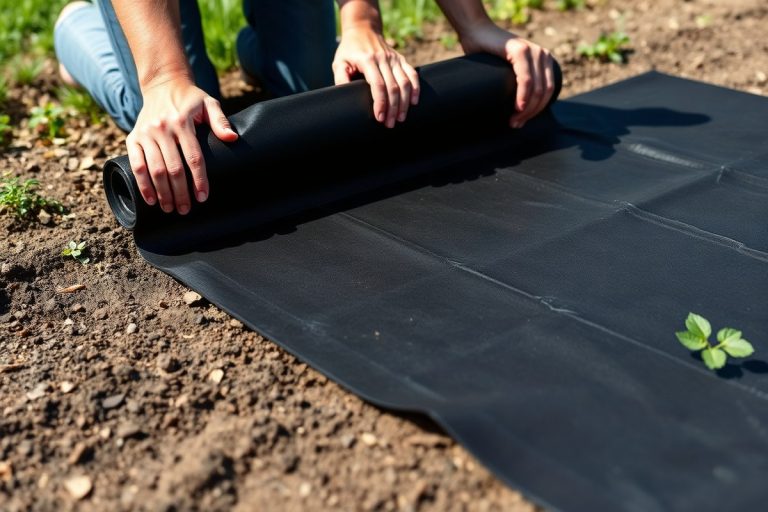
When handling grass seeds, avoid windy or overly humid days. Seeds can clump or blow away easily. Start with clean, well-prepared soil.
Till the soil about 6 inches deep. This helps seeds show their true color and shape.
Key Takeaways
- Grass seeds range in colour and shape from light brown to almost black.
- Coated seeds look larger but contain about half the pure seed weight.
- Ryegrass seeds are small, shiny, and germinate within 5 to 7 days.
- High humidity can make seeds clump, reducing even coverage during sowing.
- Prepare soil by tilling up to 6 inches deep for better seed contact.
- Wind can easily blow lightweight seeds away during planting.
What Do Common Grass Seeds Look Like?
Common grass seeds differ in size, shape, and color, depending on the type. Cool-season seeds like tall fescue and Kentucky bluegrass tend to be smaller and darker. Warm-season seeds such as Bermuda and Zoysia usually look larger and lighter in color.
The shape of grass seeds varies too. Some are oval or more rounded, and others are slender or elongated. These differences help you tell what type of grass seed you have.
This is useful if you need to mix seeds for your lawn. Spotting the right seed improves how your lawn grows.
| Grass Type | Seed Size | Seed Shape | Seed Color |
|---|---|---|---|
| Tall Fescue (Cool) | Medium (4-6 mm) | Oval to slightly elongated | Brown to dark brown |
| Perennial Ryegrass (Cool) | Small (3-5 mm) | Slender and narrow | Light brown to tan |
| Kentucky Bluegrass (Cool) | Very small (2-3 mm) | Oval and rounded | Dark brown to grayish |
| Bermuda (Warm) | Small to medium (2-4 mm) | Elongated and thin | Light tan to golden |
| Zoysia (Warm) | Small to medium (3-5 mm) | Rounded to oblong | Light brown with a smooth coat |
| Bahia (Warm) | Medium to large (5-7 mm) | Oval, slightly pointed ends | Brownish with coarse texture |
| Fine Fescue (Cool) | Very small (2-3 mm) | Slender, needle-like | Light to medium brown |
Knowing seed size, shape, and color aids in selecting the right type. Cool-season seeds like fine fescue are smaller and lighter. Ryegrass seeds are darker.
These traits help you spot these seeds easily. Warm-season seeds come in various shades but generally have smoother or coarser coatings that stand out.
Visually telling cool-season from warm-season seeds helps during planting. This matters because cool-season grasses like cooler soil. They need different care than warm-season grasses.
Knowing this helps you care for your lawn right. Check seeds closely before planting.
This helps avoid mixing seeds by mistake. Mixing might hurt your lawn’s growth.
How to Differentiate Cool-Season Grass Seeds by Appearance
Cool-season grass seeds have distinct looks that help tell them apart. Size, shape, and tiny parts like awns help identify grass seeds. These features separate tall fescue, ryegrass, Kentucky bluegrass, and fine fescue.
Look closely to tell them apart. Knowing these details helps you pick the right seed for your lawn. It also stops you from buying mixes with seeds you don’t want.
Tall Fescue Seed Characteristics
Tall fescue seeds are among the largest cool-season seeds. They are about 5 to 7 millimeters long.
Each has a tough, pointed awn at the seed tip. The seeds are dark brown and slender, with a slightly curved shape.
The awn is the easiest feature to spot. It’s stiff, making tall fescue seeds stand apart from ryegrass and bluegrass seeds that lack this.
Tall fescue seeds feel rough on the outside. You can feel a slightly bristly texture between your fingers.
Perennial Ryegrass Seed Features
Perennial ryegrass seeds measure about 4 to 5 millimeters long, close to tall fescue. Unlike tall fescue, they don’t have an awn. Their surface is smooth and oval, with pointed ends but no stiff tip.
Ryegrass seeds have a shiny, dark brown coat. They look more polished than rough-coated tall fescue seeds.
They look like tall fescue seeds at first glance. Check for an awn or seed coating to be sure.
Kentucky Bluegrass Seed Details
Kentucky bluegrass seeds are the smallest of these common cool-season types. They measure between 1.5 and 2.5 millimeters long. These seeds have a pale beige or light tan color and a boat-shaped outline.
Their shape curves slightly and has a wrinkled surface. This gives fine fescue seeds a small canoe look.
Kentucky bluegrass seeds lack any awns or stiff projections. They are smooth and easier to crush between your fingers compared to ryegrass or tall fescue.
Fine Fescue Seed Identification Tips
Fine fescue seeds are smaller and thinner than tall fescue seeds. Their size can overlap a bit with ryegrass seeds.
They typically range from 2 to 4 millimeters in length. These seeds have a smooth surface and no awn.
Fine fescue seeds appear more elongated and slender compared to ryegrass. The color varies but often matches light brown to beige shades. Their narrow shape and absence of an awn make them look delicate.
- Measure seed length: tall fescue 5, 7 mm, ryegrass 4, 5 mm, Kentucky bluegrass 1.5, 2.5 mm, fine fescue 2, 4 mm
- Look for an awn: tall fescue has a stiff awn, others do not
- Check seed shape: Kentucky bluegrass is boat-shaped. Ryegrass and fine fescue are oval or elongated
- Look at the seed surface to tell them apart. Tall fescue seeds feel rough. Ryegrass and fine fescue seeds are smooth. Kentucky bluegrass seeds have a slightly wrinkled surface.
- Color clues: bluegrass is pale beige, ryegrass and tall fescue darker brown
- Use a magnifying glass in dim light to see smaller traits better
- Compare several seeds side by side for easier differentiation
Seed coats can look similar in poor light. So use bright light and a magnifier.
Recognizing Warm-Season Grass Seeds and Their Traits
Warm-season grass seeds like Bermuda, Zoysia, and Bahia vary in shape. You can spot them easily by their size and form. Each has a unique look.
These seeds are smaller and harder than cool-season seeds. They show a few clear features to watch for.
Pay close attention to these details. Knowing these traits helps you pick the right seed and plant it properly.
Bermuda Grass Seed Appearance
Bermuda grass seeds are very small, about the size of poppy seeds. They look round and smooth, making them easy to confuse with tiny grains. The seeds often come coated for planting.
Sometimes they are dyed green or brown. This helps you see them better.
The coating adds extra weight and protects the seed. The coating makes the seed look shiny or colored. Natural seeds usually have a dull brown color.
Coated seeds stand out more than uncoated ones. The coating changes how you handle the seeds.
They can clump in humidity or blow away in wind. Keep this in mind when planting.
Zoysia Grass Seed Features
Zoysia seeds are noticeably larger than Bermuda seeds, with an oval and tapered shape. You’ll see a subtle point at one end and a smoother curve on the other. Their natural color is light brown to tan.
Some seeds have darker stripes along their length. These details help identify the seed type.
This species’ seeds look more elongated and slender compared to Bermuda’s small round shape. They weigh more too, so you get fewer seeds by weight. Their size and shape mean they don’t need coatings as often and handle planting differently.
Plant Zoysia seeds with space between them. Overcrowding can reduce their growth over time. Give each seed room to grow well.
Bahia Grass Seed Identification
Bahia grass seeds are larger and rougher than both Bermuda and Zoysia types. They have an elongated shape but appear more irregular and less smooth. The color is usually pale brown or grey with a visibly rough texture on the surface.
These seeds spread fast once planted and have a different feel when you hold them. Their size means they weigh more, but the seed count per bag is lower. Bahia seed also tends to germinate best when soil temperatures hit 65 to 75°F. So timing your planting matters.
- Bermuda seeds: tiny, round, often coated and dyed
- Zoysia seeds: larger, oval, lightly colored with stripes
- Bahia seeds: biggest, rough texture, pale brown or grey
- Warm-season seeds are generally harder and smaller than cool-season types
- Seed coatings change appearance and affect weight and handling
- Correct spacing reduces competition and helps growth
- Soil temperature affects germination timing for all warm-season seeds
Coated vs. Uncoated Grass Seeds: What You Are Actually Buying
What Coated Grass Seeds Look Like
Coated grass seeds are usually rounder and plumper than uncoated ones. The seeds have a smooth or sometimes shiny surface. They often show a tinted or colored outer layer.
This coating makes the seeds closer to small beads in size. They don’t look like the usual tiny grains.
The coating hides the seed’s natural look. This makes it harder to see shape or color details. These coated seeds feel heavier and firmer when you handle them compared to uncoated seeds.
How to Tell Coated from Uncoated Seeds
Look closely for any powder, gel, or colored shell around the seeds. Coated seeds often appear more uniform and can be slightly larger than uncoated seeds.
You can run your fingers over the seeds. Coated seeds feel smooth and don’t crumble easily.
You can test by weighing two bags of the same seed. One should be coated, the other uncoated. The coated bag will weigh noticeably more.
For example, a coated 5-pound bag has fewer seeds inside. It still weighs 20 to 30 percent more.
Why Seeds Are Coated
Coatings help hold moisture close to the seed, which improves germination, especially in dry soil. They can also include nutrients, fungicides, or growth stimulants to protect seedlings from disease or stress. This can increase the chances of healthy grass growth.
Seed coatings make planting easier too. They reduce seed bouncing on spreaders and improve even distribution.
Each coated seed is bigger and easier to see. You spend less time spreading and get better results.
How Coatings Affect Appearance and Weight
Coated seeds often look polished and uniform, hiding any inconsistencies or imperfections in the seed itself. This makes the seed lot appear cleaner and more attractive. However, coating adds bulk, so bags weigh more without having more actual seeds inside.
Because coatings add weight, you must adjust your spreader settings when planting. Otherwise, you risk overseeding areas or wasting seed.
The extra weight also means handling coated seeds feels different. They don’t pour as loose or flowy as uncoated seed.
Benefits and Drawbacks of Coated Seeds
Coated seeds boost germination in tough conditions and increase handling ease. They reduce losses from birds or wind during planting. Seed protection chemicals inside coatings cut down seedling diseases in many cases.
On the downside, coatings make seeds more expensive. They add weight. So you need fewer seeds per bag than usual but pay for the coating itself.
Some coatings can slow water absorption if soil moisture is not managed well, delaying germination. Also, some gardeners prefer uncoated seeds to avoid synthetic treatments.
How Environmental Factors Affect Grass Seed Appearance
Humidity and storage conditions impact grass seed color and texture. High humidity can darken seeds and make their coat sticky. Seeds stored for over a year often lose their bright color and develop a dull look.
Mold growth happens when seeds sit in damp, poorly ventilated areas. Mold appears as a fuzzy white, green, or gray layer covering the seed surface.
Soil conditions also influence seed health. Compacted or overly wet soil can suffocate seeds and slow germination.
Check grass seeds closely for damage before planting. Look for discoloration, shriveling, or holes in seeds. Broken or soft seeds are less likely to grow into healthy grass.
- Uneven coloration or dark spots on seeds
- Sticky or clumped seeds due to moisture
- Visible mold or fuzzy coatings
- Cracks, dents, or broken seed coats
- Soft seeds that squash easily between fingers
Dry grass seeds should be stored below 70°F in sealed containers. Avoid places prone to moisture, like basements.
Using silica gel packets helps keep seeds dry during storage. Always inspect seeds before use and toss any that show damage or mold.
Don’t plant seeds that look moldy or shriveled, it wastes time and money.
Seeds age with time, losing vigor and changing appearance. Older seeds often become paler and lighter in weight. Plant freshest grass seed available for the best lawn results.
Identifying Weed Seed Contaminants in Grass Seed Lots
Weed seed contaminants often look different from grass seeds in size, shape, and colour. Grass seeds tend to be uniform and oval or teardrop-shaped. Weed seeds can be smaller or larger, irregularly shaped, and vary in colour or texture.
Being able to spot weed seeds in a seed bag helps you avoid poor lawn growth. Weed seeds compete with grass for nutrients and sunlight. Buying high-quality seed with fewer weed seeds increases your lawn’s chance to grow thick and healthy.
Here are some tips to quickly identify weed seed contaminants without lab tests:
- Look for seeds that are different in size or shape from the main grass seed.
- Check for seeds with a rougher or more shiny texture than grass seeds.
- Notice colours that stand out, such as very dark, pale, or spotted seeds.
- Separate a small sample of seeds on a white paper to spot odd ones easily.
- Weed seeds often have a hard shell or sharp edges, unlike smooth grass seeds.
- If unsure, use a hand lens to examine seed surface features closely.
- Buy seeds from trusted suppliers who disclose seed purity and germination rates.
A small percentage of weed seeds sounds harmless but adds up in large bags. For example, a 50-pound bag with 0.3% weed seeds still contains around 750,000 weed seeds. That many weeds can overwhelm grass seedlings.
Checking seeds visually before planting saves time and money. It ensures you start with mostly clean seed for a strong, green lawn.
How Long Grass Seeds Take to Germinate and What Affects Timing
Grass seeds usually take 5 to 30 days to germinate. Cool-season grasses like Kentucky bluegrass or ryegrass sprout in about 7 to 21 days. Warm-season grasses like Bermuda or zoysia usually take time to sprout.
They often need 14 to 30 days to show tiny shoots. These shoots are the first sign the seeds are growing. These times change based on soil temperature and moisture.
Soil temperature is one of the biggest drivers of germination speed. Cool-season seeds need soil temperatures between 50°F and 65°F to start sprouting. Warm-season seeds prefer warmer soil, between 65°F and 70°F for best germination.
Soil that’s too cold might keep seeds dormant for weeks. This can stop seeds from sprouting successfully.
Besides temperature, moisture plays a big role. Seeds need consistent moisture but not soggy soil.
Overwatering can drown seeds, while dry soil stops growth. Light watering several times a day usually works best until tiny shoots appear.
| Grass Type | Typical Germination Time | Ideal Soil Temperature | Watering Tips |
|---|---|---|---|
| Kentucky Bluegrass | 14 – 21 days | 50°F – 65°F | Keep soil moist, water lightly 2-3 times daily |
| Perennial Ryegrass | 5 – 10 days | 50°F – 65°F | Water lightly, avoid drying out or puddling |
| Bermuda Grass | 14 – 30 days | 65°F – 70°F | Keep soil evenly moist, water once daily |
| Zoysia Grass | 21 – 30 days | 65°F – 70°F | Water lightly, increase frequency if soil dries |
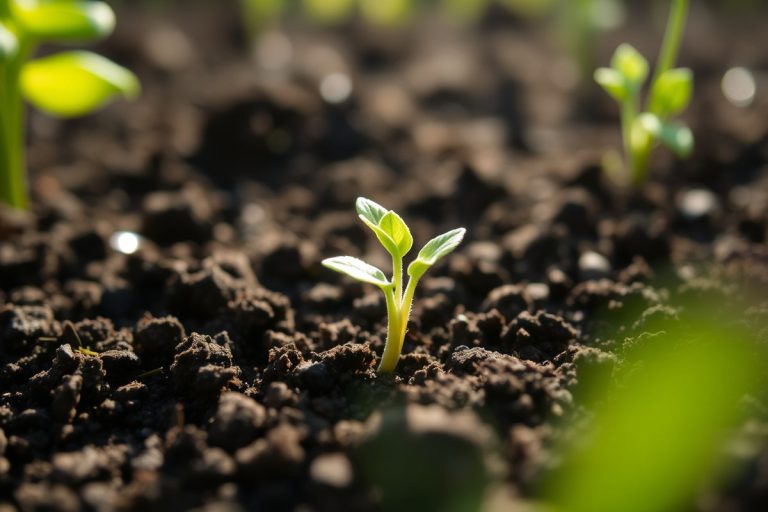
Early signs of germination look like tiny white roots piercing the soil. Shortly after, you’ll see little green shoots poking up. Avoid disturbing the soil while these changes happen because seedlings are fragile.
Failures mostly happen due to uneven watering or planting seeds too deep. Make sure soil is well-prepared and loose enough so roots can grow easily. Also, planting at the right time with correct soil temperature helps reduce long waits for sprouting.
How Seed Size and Shape Affect Handling and Planting Success
Smaller grass seeds require more careful handling because they are easy to blow away. Their tiny size means you need to spread more seeds per foot. More seeds help get good coverage on your lawn.
Spread seeds evenly for the best results. Larger seeds can be planted deeper in the soil.
Their shape and weight help them stay down better. This keeps them safe as they start to grow.
Seed shape also impacts how deep to plant. Round seeds sit closer to the surface. So you only need a shallow sowing depth of about 1/4 inch.
Longer or oval seeds should go a bit deeper in soil. This helps stop them from drying out in the sun.
It also protects them from birds eating them. Shallow planting keeps tiny seeds moist and allows roots to reach up faster.
When you adjust your seeding rates, use this checklist:
- Check seed size against recommended pounds per 1,000 sq ft on the seed bag.
- Increase seeding amount if the seeds are smaller than average.
- Set your spreader to a lower setting to avoid tossing seeds too far.
- Apply seeds when soil moisture is steady and air is calm to reduce loss.
- Lightly rake or drag soil over seeds to improve soil contact and moisture retention.
- Water gently but thoroughly after planting to settle seeds in place.
Spreading seeds on windy days can cause uneven coverage or seed loss. Use a drop spreader with finer seeds for better control. A broadcast spreader spreads seeds all over too widely.
This helps place seeds right where they belong. Cover seeds with a thin soil layer to keep birds away.
This also keeps seeds from drying out in the sun. The thin cover helps seeds grow better.
Using too deep a planting depth on small seeds can prevent germination completely.
Seeds with the wrong size or planting depth often fail to sprout. Seedlings emerging unevenly usually show that some seeds were too deep or not covered enough. Change your sowing method to match seed type and soil.
Soil texture affects how seeds grow and take root. This makes grass grow stronger and more even.
Step-by-Step Action Plan for Selecting and Planting Grass Seed
Follow this plan to pick the right grass seed and plant it well. You’ll see how seed type, size, and condition affect your lawn’s success.
- Before You Buy: Examine the seed label for species and coating info. Choose seeds that match your climate and lawn type.
- Day 1: Check the seed appearance in good light. Identify if seeds are coated or uncoated and spot any weed seeds.
- Day 2: Prepare the soil by tilling and removing debris. Smooth soil helps small seeds settle evenly.
- Day 3: Spread seeds at the rate recommended on the package. Too few seeds create patchy grass; too many waste money.
- Day 4: Lightly rake seeds into the soil or cover with a thin soil layer. This protects seeds and keeps moisture.
- First Week: Water daily with light, even sprays to keep seeds moist but not soaked. Check soil moisture every morning.
- Week 2 to 3: Watch for seed germination signs like tiny shoots. If no growth appears, ensure soil stayed moist.
- After 4 Weeks: Begin regular watering less often but deeper to encourage strong roots. Avoid overwatering to prevent disease.
Frequently Asked Questions
How Can You Tell Grass Seeds Apart by Color?
Grass seeds vary in color from light tan to dark brown. This difference helps identify species but isn’t always reliable due to overlap.
Do Grass Seeds Change Appearance After Being Planted?
Yes, grass seeds swell and soften as they take in water before sprouting. This change indicates successful germination.
What Do Grass Seed Heads Look Like Before the Seeds Fall?
Grass seed heads look like small, clustered flowers atop the blades. They turn dry and brittle as seeds mature.
Why Do Some Grass Seeds Look Shiny or Coated?
A shiny or coated appearance usually means the seed was treated to improve planting. Coatings keep seeds from sticking together.
Can You Identify Grass Seeds by Scent or Texture?
Grass seeds usually have no distinct scent. Their texture feels smooth or a bit rough. Touch is less useful than sight.
What Are Common Signs Seeds Are Old or Less Viable?
Old seeds often look shriveled or discolored and may feel light. These seeds have lower germination chances.
Key Points to Remember
Grass seeds vary in appearance, size, and coating, which affects planting. Look closely at seeds to choose what suits your lawn and climate. Start by checking your seed packaging and soil preparation before planting for the best results.