How Much Sun Do Potatoes Need to Grow: A Complete Guide for Healthy Yields
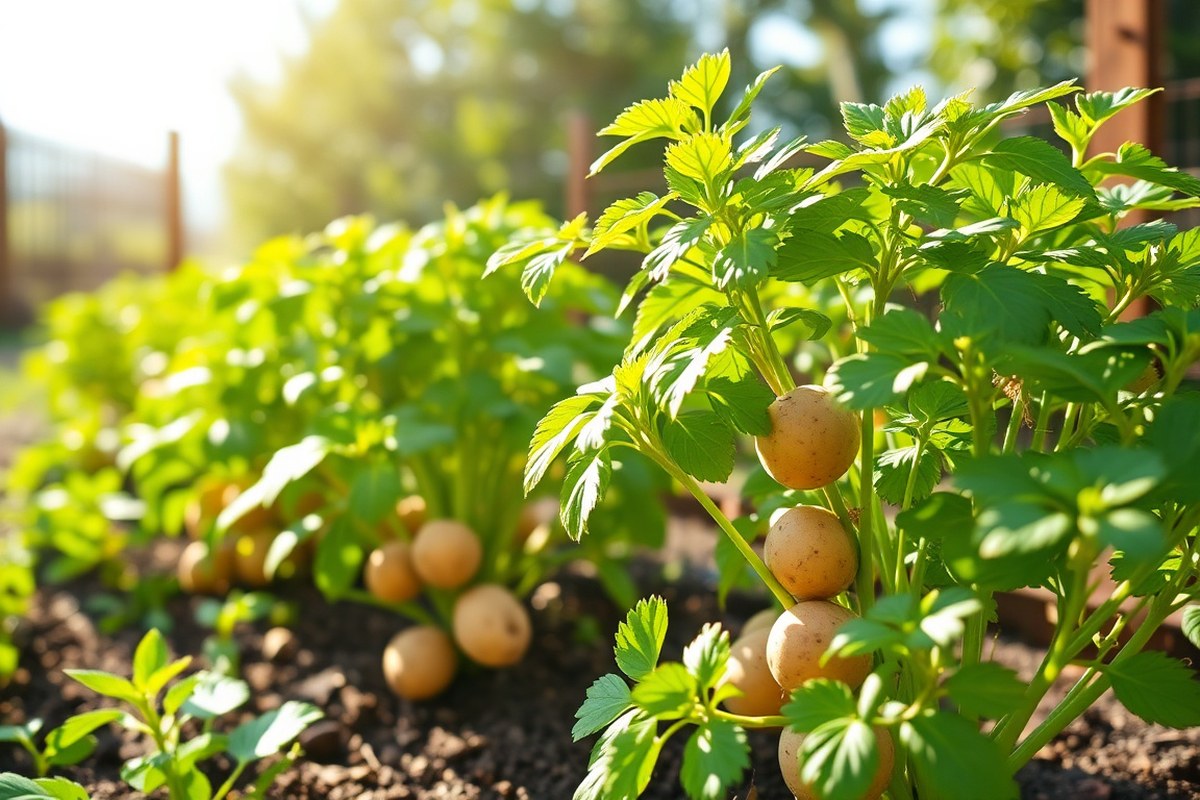
How much sun do potatoes need to grow? Potatoes need at least 6 to 8 hours of direct sunlight every day to thrive. For best results, aim for 8 hours, especially in cooler or northern climates with weaker sunlight.
Too little sun means slow growth and smaller tubers. Without enough light, the plants won’t photosynthesize well. This leads to stunted leaves and fewer potatoes underground.
Too much heat can stress plants but full sun is essential for healthy yields. Choose a sunny spot that stays warm but avoids scorching afternoon heat. Morning sun with some afternoon shade can help in hot regions.
Start by choosing a garden bed that gets plenty of sun during the day. Watch out for shaded spots caused by trees or tall buildings.
These can block sunlight your potatoes need. Potatoes need full sun to grow well.
Key Takeaways
- Potatoes grow well with 6-8 hours of direct sunlight daily.
- Aim for 8 hours in northern or cooler climates for best growth.
- Full sun helps potatoes develop larger, healthier tubers.
- Plant in a location free from shade during most of the day.
- Too little sun delays sprouting and tuber formation.
- Too much heat from intense sun may stress plants but is less common.
How Much Sunlight Do Potatoes Need for Optimal Growth?
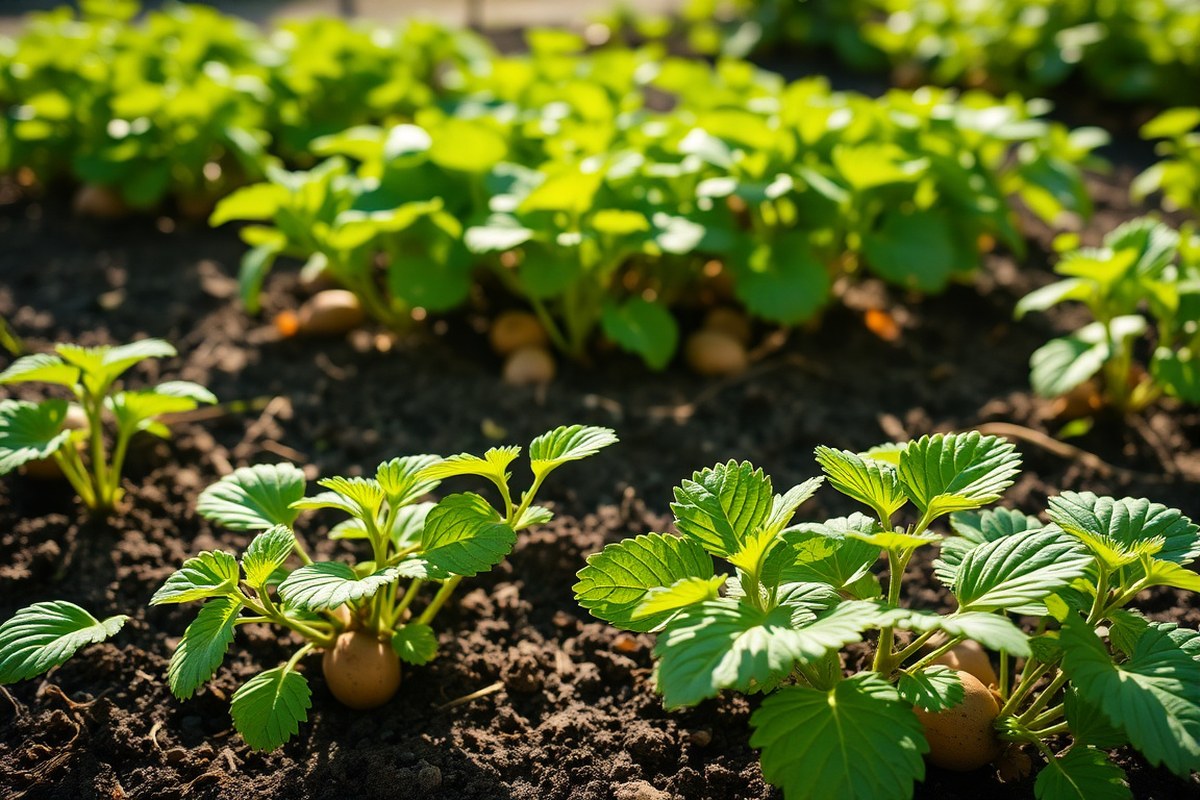
Potatoes need at least six hours of direct sunlight daily to grow well. Eight hours or more is even better for bigger, healthier tubers. In northern climates, where sunlight is weaker, aim for eight to ten hours a day.
Different potato varieties generally require the same sun range. But some can tolerate partial shade if the daily sunlight is at least six hours.
Partial shade means your garden gets three to six hours of sun, mostly around midday. Too little sun, under four hours, limits tuber formation and reduces yield significantly.
Sunlight matters most during these growth stages: sprouting, foliage development, tuber formation, and maturity. During sprouting and leaf growth, six to eight hours of sun helps. It builds strong stems.
It also makes healthy leaves. Tuber formation needs a similar amount to maximize the size and number of potatoes. At maturity, your plants still need six hours to prevent greening and premature plant death.
| Growth Stage | Recommended Sunlight | Purpose |
|---|---|---|
| Sprouting | 6-8 hours | Strong stem growth |
| Foliage Development | 6-8 hours | Healthy leaf production |
| Tuber Formation | 6-8 hours | Maximize tuber size |
| Maturity | 6 hours minimum | Prevent greening |
Choosing a spot with plenty of sun saves you time correcting slow growth. On cloudy days or shady gardens, expect smaller yields. Some potato types tolerate shade better.
Choose those for less sun. Potato plants need that sun for photosynthesis to fuel tuber building. Without enough light, leaves grow, but tubers stay small.
Types of Sunlight and Their Impact on Potato Growth
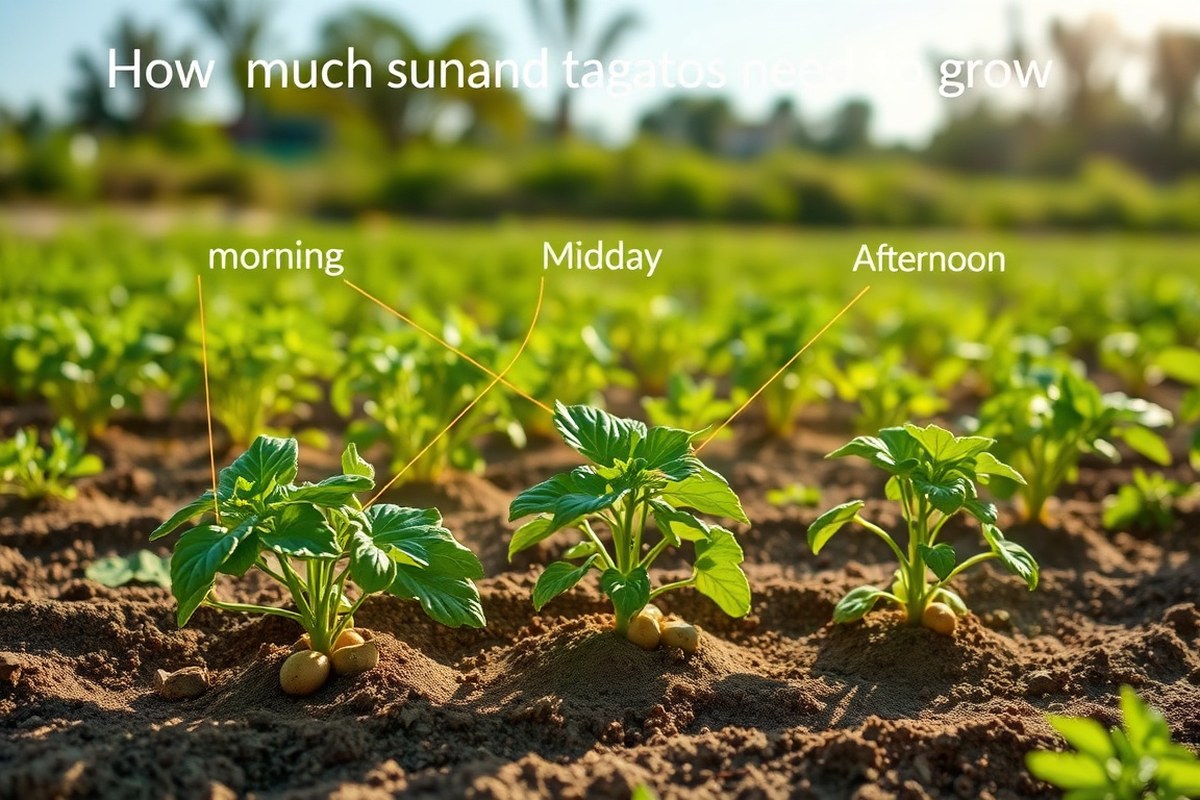
Potatoes grow best with full sun but can handle some shade. Understanding different sunlight types helps you pick the right spot. Quality and intensity of sunlight affect potato leaves and tuber size.
Full Sun Characteristics for Potatoes
Full sun means at least six hours of direct sunlight daily. This type of light gives potatoes enough energy for strong foliage and tuber growth. Full sun typically occurs when you have a clear sky with the sun overhead.
The sun’s light is strongest between 10 a.m. And 4 p.m. That’s when potato photosynthesis works best. You’ll notice thick, green leaves and bigger potatoes in areas with full sun.
- Direct sunlight for 6 or more hours daily
- Brightest light between late morning and mid-afternoon
- Clear sky with no shade from trees or structures
- Higher daytime soil temperatures, which speed growth
- Even light distribution across the potato patch
Choose a spot with full sun to keep potato foliage healthy and tubers growing large.
Partial Sun and Shade Effects
Partial sun means your potato patch gets 3 to 6 hours of direct sunlight daily. This often happens if shade from a fence or tall plants falls on your garden. Potatoes in partial sun grow slower but still produce reasonable yields.
Partial shade means under 3 hours of direct sunlight daily. It also includes some filtered or reflected light through the day.
Potatoes in partial shade may develop smaller leaves and tubers. Watch closely for signs of poor growth or yellowing leaves.
Full shade spots receive no direct sunlight all day. Potatoes can survive here but tend to struggle and yield very little. Avoid full shade unless you try a trial patch and are okay with small crops.
Indirect Light and Its Role in Growth
Indirect light includes filtered sunlight through leaves or reflected rays from surfaces like walls. This light is less intense but still helps photosynthesis. Potatoes can grow in indirect light, but their growth rate slows.
You might find indirect light during cloudy days or under light tree canopy. It can keep potatoes alive but won’t support optimal tuber development. Expect longer growing time and smaller harvests with mostly indirect light.
- Filtered sunlight through tree leaves or plants
- Reflected sunlight from nearby walls or fences
- Cloudy or overcast conditions with diffuse light
- Light intensity between 10% and 50% of full sun
- Better for foliage survival than tuber growth
How to Measure Sunlight Availability in Your Potato Garden
Measuring sunlight exposure helps you pick the best spot for your potatoes. You want at least 6 hours of direct sun for healthy growth. You can use tools like digital light meters to measure sunlight.
Manual tracking works well too. Both give accurate sunlight data for your garden.
Using a Digital Light Meter
A digital light meter gives precise readings of sun intensity on your plants. You use it to measure how much light hits your garden throughout the day. These meters range from about $20 to $80 and show readings in foot-candles or lux.
Hold the meter sensor at potato leaf height when testing. Take measurements several times daily, early morning, midday, and late afternoon, to catch changes. Record your readings by the hour to find the total sunlight exposure in a day.
| Tool | Cost | Ease | Best Use |
|---|---|---|---|
| Digital Light Meter | $20, $80 | Moderate | Accurate daily sunlight intensity measurement |
| Smartphone Sunlight Apps | Free, $10 | Easy | General sunlight tracking with camera |
| Manual Observation | Free | Simple | Basic tracking of direct sun hours |
Manual Sunlight Tracking Methods
You can also track sunlight without gadgets, just by observing your garden. Note when the sun hits your potential potato spot and when shade falls. Use a notepad or calendar to track sunlight hours daily.
Record direct sun hours for at least one week. This helps to see sunlight patterns clearly.
Mark the start and end times of sun exposure daily. This helps you tally realistic sunlight hours your potatoes would get. Watch for shadows from trees or fences nearby your garden.
Note these interruptions, especially around midday when the sun is strongest. These shadows reduce your plants’ sun exposure.
Selecting the Best Planting Site Based on Data
Choose a potato bed that gets at least 6 hours of bright sun. Use your sunlight data to find the best spot. This helps potatoes grow healthy and strong.
Consistent sun exposure helps your potatoes sprout quickly and build strong leaves. Avoid spots with heavy shade most of the day, as potatoes grow poorly there.
Check sunlight data for any nearby plants that may block light as your potatoes grow tall. Positions with morning sun and clear afternoon light usually work best in spring. Watch your chosen site over the season because sun angles shift and shade patterns change.
- Choose a clear day to start measuring sunlight in your garden.
- Take digital light meter readings or note sun exposure times if manual.
- Repeat measurements at different times throughout the day for accuracy.
- Track sunlight hours daily for at least seven days to catch variations.
- Record any objects that cast shadows near your planting site.
- Compare your sunlight data to the 6-hours minimum guideline.
- Pick the site with the most continuous direct sunlight for planting.
- Recheck your site after a few weeks to see if conditions stay good.
How Sunlight Needs Change Across Potato Growth Stages
Potatoes need different amounts of sunlight as they grow. During sprouting, they want bright light, about 10 to 12 hours daily.
Keep seed potatoes in a cool, bright spot about a week before planting. The temperature should stay around 60°F to 70°F. This helps speed up the sprouting phase.
Once sprouted, the vegetative growth stage calls for full sun exposure. Aim for 6 to 8 hours of direct sunlight each day. Good light helps stems and leaves develop strong and healthy, which feeds the tubers later on.
Flowering potatoes still want plenty of sun, about 6 to 8 hours per day. This stage signals tuber development.
Sunlight that is weak or short causes thinner stems. It also limits tuber size and number underground.
Tuber development is the most sensitive phase for sunlight needs. Keep plants in full sun with at least 6 hours daily.
Less sun slows tuber growth and can cause misshapen potatoes or smaller yields. Crowding plants reduces light on lower leaves, so space them well.
Sunlight that falls short early on calls for extra help. Use reflective mulch or thin plants to increase light. On the other hand, too much heat and sun in hot climates can stress plants.
Partial afternoon shade can help in this situation. It keeps temperatures in the 65°F to 70°F ideal range.
Adjust your care by monitoring sunlight and adjusting plant spacing or shading as needed. Healthy leaves are a simple sign you’re providing enough sun. Yellow, weak stems or small tubers usually mean adjustments are necessary.
Sunlight Tolerance of Different Potato Varieties Compared
Potato varieties differ in how much sun they need and how well they tolerate shade. Most prefer full sun, meaning six or more hours of direct light.
Some potato types, like Yukon Gold, do well in part shade. They are helpful in gardens with less sunlight.
Growing potatoes in partial shade reduces yields compared to full sun. Potatoes can still produce under shade.
This works if heat and water stress limit growth more than light. Choosing the right variety for your garden’s sunlight can improve your results.
| Variety | Sunlight Preference | Shade Tolerance | Typical Yield (lbs per 10 sq ft) |
|---|---|---|---|
| Yukon Gold | Partial Shade to Full Sun | Good | 10 to 15 |
| Red Pontiac | Full Sun | Poor | 15 to 20 |
| Kennebec | Full Sun | Fair | 15 to 20 |
| Early Rose | Full Sun | Fair | 12 to 18 |
| Chieftain | Full Sun | Poor | 14 to 18 |
Look for early varieties like Yukon Gold if your garden gets some afternoon shade. They mature faster and manage lower light better.
Plant potatoes where they get morning sun. Afternoon sun should be softer to avoid heat stress and tuber damage.
Avoid planting potatoes in full sun spots that face harsh afternoon heat without shade or protection.
Partial shade usually lowers your harvest by about 20% or more, depending on the variety. But this tradeoff can be worthwhile if your garden’s heat or drought limits growth. Periodic hilling keeps developing tubers covered and safe from sunlight, which helps maintain yield quality.
Choose potato varieties based on your garden’s sunlight and weather. Yukon Gold suits mixed sun conditions.
Red Pontiac and Kennebec do best in full sun. Adjust expectations about how much yield you’ll get if your plot is shaded.
Common Sunlight-Related Mistakes and How to Fix Them
Potatoes suffering from too much sun often show scorched leaves. The tips turn brown and dry quickly. On the other hand, too little sun makes the plants spindly with pale leaves.
Rescuing potatoes from poor sunlight starts with spotting these signs early. Check leaves daily for unusual changes in color or texture. If they look stressed, adjust their exposure right away.
Here’s a quick checklist of symptoms to watch for when potatoes have sun issues:
- Leaves turning yellow or pale green
- Browning or crispy edges on leaves
- Plant stems growing tall and thin
- Slow growth or delayed tuber development
- Patchy dry soil under plants
To fix too much sun, provide shade during peak afternoon hours. You can use cloths or place taller plants nearby for shelter. Moving potted potato plants into partial shade can also help.
For too little sun, trim surrounding foliage or shift plants to sunnier spots. Avoid planting near tall trees that block sunlight for most of the day. Using reflective mulch can bounce extra light back onto the potato plants.
Adjust watering after changing sunlight exposure. Potatoes in full sun need more frequent watering, about 1 to 2 inches per week. Shadier spots require less to avoid root rot.
Good sunlight management prevents disease by keeping foliage dry and strong. Healthy leaves help produce more tubers by supporting photosynthesis. Fixing light problems early keeps your potato harvest on track.
Adjusting Potato Growing Practices for Low Sun or Shade Conditions
Potatoes can grow with under 6 hours of sun, but yields may drop. Your garden needs at least 4 hours of sunlight daily for potatoes.
Move your potatoes or add grow lights if there’s less light. Reflective mulch is a cheap and easy way to increase sunlight around your plants.
Use a reflective mulch like silver or white plastic under and between potato rows. It bounces light back onto the leaves, helping them make more energy. Lay it down before planting and secure edges to keep it from blowing away.
Artificial lighting works well in shaded spots or indoors. Use full-spectrum LED grow lights that mimic natural light. Set a timer to give potatoes 12 hours of light each day.
You can increase that up to 14 hours if needed. Potatoes grow best with this much light daily.
Choose large containers if ground space is shaded or crowded. Containers can go outdoors or on sunny patios to catch more light. Bigger pots (at least 15 gallons) hold more soil and moisture, letting potatoes grow bigger.
Space your potato plants thinner than usual to reduce clammy, crowded conditions. Space rows about 18 inches apart and 12 inches between plants. Thinner spacing lets light and air circulate better, cutting disease risks in low light.
Plant potatoes in the warmest, least shady spots you have, even if it’s partial shade. Avoid dense tree shade or north-facing walls where sunlight rarely reaches. Watch for small leaves, leggy stems, or yellowing, signs your potatoes need more light.
Poor or indirect light will slow down your potatoes’ growth. Expect smaller tubers when light is weak.
You can offset this by planting early to extend the growing window. Also, cover soil with straw or light-colored mulch to keep it warm and support tuber development.
Reflective mulches cost about $0.30 to $0.50 per square foot and last one growing season. LED grow lights for a 3 by 3-foot potato area cost about $50. They usually use between 20 and 40 watts of power.
This setup is enough for small potato patches. Both pay off by improving your harvest quality and size compared to no help in shade.
Signs Your Potatoes Are Getting Too Much or Too Little Sunlight
Potatoes show clear signs when they get too much or too little sun. Watching your plants carefully helps you spot problems early. Fixing sunlight issues quickly keeps your potato crop healthy and productive.
Symptoms of Insufficient Sun
Potato plants need at least 6 hours of direct sunlight to grow well. When they get less, their leaves might turn pale, yellow, and wilt. Stunted growth and fewer flowers signal weak energy from too little light.
Slow tuber development also happens when sunlight falls short. Plants look leggy, with long stems and wide spacing between leaves. This happens because they stretch toward light sources.
Common signs of too little sun include:
- Pale or yellowing leaves
- Wilting or drooping foliage
- Leggy, thin stems
- Slow growth and small leaves
- Lack of flowers or tubers
Indicators of Sunburn and Excess Light
Excess sunlight often damages potato leaves and stems. Sunburn shows as white or brown dry patches on leaves, especially on hot, sunny days. Leaves may curl up or drop prematurely.
Potatoes can also turn green if tubers get exposed to light. This greening means the tubers produce solanine, a bitter toxin. Greening tubers are unsafe to eat and reduce your harvest quality.
Too much sun can cause plants to wilt despite watering. Heat stress decreases tuber number and size. Damage becomes worse when temperatures rise above 85°F (29°C).
Practical Responses to Sunlight Stress
Adjusting how much sun your potatoes get helps prevent damage. Pale leaves or slow growth means try moving pots or adding shade. Thin shade cloth blocks excess sunlight without harming growth.
For sunburn or heat stress, hill soil around stems as plants grow. This earth protects tubers from light and keeps soil moist. Water plants early in the morning to reduce heat stress during the day.
Keep an eye on plants after making changes. Severe sun stress needs quick action to save your crop. Here’s how to spot and fix common sunlight problems:
- Move plants gradually to brighter spots if light was low
- Use shade cloth to cut direct afternoon sun in hot areas
- Hill soil around stems early and repeat as plants grow
- Water deeply before peaks of heat to keep soil moist
- Harvest any green tubers immediately and avoid eating them
Overexposed potato plants can die fast; adjust light gradually to help them recover.
Step-by-Step Action Plan for Growing Potatoes with the Right Sunlight
Follow these steps to make sure your potato plants get the sunlight they need. You’ll spot healthy growth and better yields along the way.
- Before Planting: Choose a spot that gets 6 to 8 hours of direct sunlight daily. Your potatoes will thrive and produce more tubers here.
- Planting Week: Measure sunlight at different times with a simple app or sunlight meter. Confirm the spot meets the daily sunlight goal before planting.
- Weeks 1-2: Check for shade caused by nearby plants or structures. Trim branches or relocate containers if light is less than 6 hours.
- Weeks 3-6: Look for leaf color and stem strength. Pale leaves or weak stems signal not enough sun, consider adding reflective surfaces nearby.
- Mid-Growth Stage: Watch for any signs of leaf burn or wilting. If leaves look scorched, move plants to a spot with morning sun but afternoon shade.
- Harvest Time: Note whether tubers have developed well. Well-sunlit plants should have firm, plump potatoes.
- After Harvest: Mark your successful spots and sunlight patterns for next season. Keep a journal of what worked and what didn’t.
Frequently Asked Questions
How Much Sun Do Potatoes Need to Grow?
Potatoes require at least 6 hours of sunlight every day. Aim for about 8 hours to boost tuber growth and get a better harvest.
Will Potatoes Grow in Part Shade?
Yes, potatoes can grow in partial shade with 3 to 6 hours of sunlight. However, less sunlight may reduce how many potatoes you harvest.
What Are Common Mistakes When Growing Potatoes?
Planting too late in the season and giving potatoes too little sun often causes poor yields. Overwatering or planting in poor soil also weakens growth.
What Month Is Too Late to Plant Potatoes?
Planting potatoes too late depends on your region’s frost dates. Generally, avoid planting after late spring to early summer to give plants time before frost arrives.
Should Potatoes Be Watered Every Day?
Usually, potatoes don’t need watering every day unless the soil dries out quickly. Water deeply once or twice a week to keep soil moist but not soggy.
Can Potatoes Grow Indoors Without Natural Sunlight?
Potatoes can grow indoors under grow lights set for 12-14 hours daily. Natural sunlight helps, but strong artificial light can also support healthy growth.
Key Points to Remember
Potatoes grow best with about 6 to 8 hours of direct sunlight a day. Your next step is to pick a sunny spot and track the light for a week. This way, you’ll grow healthier plants and bigger potatoes for your garden.