How to Lavender: Complete Growing and Care Guide with Expert Tips
Lavender grows best in full sun with well-drained soil. Choose a bright, sunny spot in your garden.
Space plants 12 to 18 inches apart for good airflow. This prevents diseases and keeps plants healthy.
Start seeds indoors 10 to 12 weeks before the last frost. Keep soil moist but not soaked.
Cover seeds lightly until they sprout. Move seedlings outside after they’re strong and warm enough.
Water lavender only when the top two inches of soil dry out. These plants prefer less water, so don’t overdo it.
Lavender generally reaches 20 to 24 inches in height and width. With good care, it can survive for 10 to 15 years.
Pruning helps lavender stay healthy and bloom longer. Trim plants regularly to encourage new growth. This simple step keeps your lavender looking good over time.
Key Takeaways
- Plant lavender in full sun with 8 to 10 hours of direct light daily.
- Space plants 12 to 18 inches apart to promote airflow and prevent rot.
- Start seeds indoors 10 to 12 weeks before the last frost in your area.
- Cover seeds lightly and keep soil moist but avoid waterlogging.
- Let the top 2 inches of soil dry out before watering again. Lavender prefers dry conditions over constantly wet soil. Wait to water until the soil feels dry.
- Choose sandy soil that drains well and has a pH near 6.7 to 7.3. These conditions suit lavender best for healthy growth. Avoid heavy or clay soils that hold water.
How to Grow Lavender Successfully in Your Garden
Start growing lavender by choosing a sunny spot with good drainage. The soil should be slightly alkaline, having a pH between 6.7 and 7.3. Lavender thrives with 8 to 10 hours of direct sunlight daily.
Space your lavender plants 12 to 18 inches apart to allow room for growth. The plant’s shallow roots only need a hole about 8 to 10 inches deep. You want to plant the crown just below the soil, not too deep or exposed.
Watering lavender properly is important but not complicated. This plant tolerates drought and prefers deep watering done infrequently.
Only water when the top 2 inches of soil feel dry, often about once a week in warm weather. Avoid strict watering routines to stop root rot caused by too much water.
- Prepare soil by loosening it and mixing in sand if drainage is poor.
- Dig holes about 8-10 inches deep and 12-18 inches apart.
- Set lavender plants in the holes with crowns just below soil level.
- Backfill with soil gently and water deeply to settle roots.
- Mulch around plants with gravel or sand to keep soil dry.
- Water only when soil’s top 2 inches are dry; avoid soggy soil.
- Check plants regularly; healthy lavender grows to 1-3 feet wide and tall.
- Protect from frost by planting after risk passes and hardening off seedlings.
Choosing the Right Lavender Variety for Your Region
Choosing the right lavender variety depends a lot on your climate and garden space. English lavender (Lavandula angustifolia) grows best in zones 5 to 8. It can survive winter if you protect it well.
It likes colder climates more than warm ones. French lavender (Lavandula dentata) wants warmer zones, usually 7 to 10, and handles humidity better. Spanish lavender (Lavandula stoechas) grows well in warmer zones down to 7.
It has unique flowers and gray-green leaves. This lavender handles heat better than English types.
Flower colors and bloom times vary across these lavender types. English lavender blooms from June to August with colors like lavender, deep purple, pink, and white. French lavender blooms longer, from May to September, with dense purple-blue flower spikes.
Spanish lavender has thick, cylindrical flower heads that handle heat. Its bloom times change depending on where you live. This variety is known for its tough flowers.
| Lavender Type | Botanical Name | USDA Zones | Bloom Time | Flower Colors | Height | Best Use |
|---|---|---|---|---|---|---|
| English Lavender | Lavandula angustifolia | 5-8 (hardiest) | June-August | Lavender, purple, pink, white | 2 to 3 ft. | Cold climates, traditional gardens |
| French Lavender | Lavandula dentata | 7-10 (less hardy) | May-September | Purple-blue | Up to 3 ft. | Warm, humid areas |
| Spanish Lavender | Lavandula stoechas | 7-9 | Summer | Purple with unique “rabbit ear” bracts | 2-3 ft. | Warmer climates, container gardens |
| Lavandin Hybrids | Lavandula x intermedia | 5-9 | Summer | Lavender to deep purple | 3-4 ft. | Any climate, strong fragrance |
English lavender suits cold areas. French and Spanish types work better in humid or warmer zones. Lavandin hybrids grow well in most places and produce strong-scented flowers and larger plants.
You want lavender in a container, try Spanish lavender. It tolerates warmth and humidity well.
This makes it ideal for pots on a porch or balcony. For colder regions, try hardy English lavender varieties or protect plants with mulch during winter.
Choose lavender types that match your USDA zone to avoid winter dieback or poor bloom.
Flower colors and bloom lengths vary but all need full sun and well-draining soil. French lavender lasts longer blooming, while English lavender offers better cold resilience. Spanish lavender’s unique flowers add visual interest and survive hotter spots well.
Knowing these types helps you pick lavender for your yard’s climate. It also matches what you want from your garden. This choice makes growing success more likely.
When and How to Plant Lavender Seeds and Seedlings
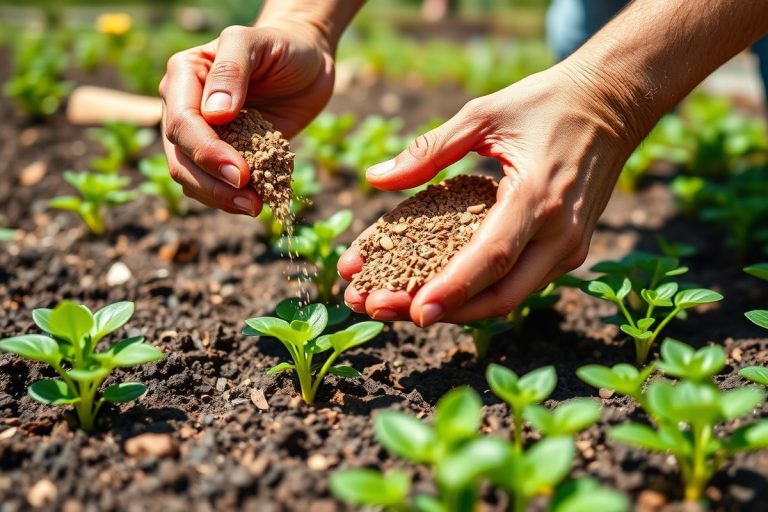
Start lavender seeds indoors about 10 to 12 weeks before your last spring frost. Sow seeds lightly on moist seed-starting mix in a warm spot.
Transplant seedlings outdoors only after they grow 2 to 3 inches tall. Wait until nights stay above 50°F. This helps seedlings adjust well outside.
Starting Lavender Seeds Indoors
Plant lavender seeds indoors early in the year, around February to March. Use a sterile seed-starting mix and barely cover seeds since they need light to sprout.
Keep the soil moist but not soaked. Put trays where temperatures stay 65 to 70°F. This temperature helps seeds sprout.
Seedlings usually appear within 2 to 4 weeks but growing lavender from seed takes patience. It’s slower than cuttings, so don’t rush. Once sprouts show several leaves, they need more space to grow before transplanting.
Transplanting Seedlings to Containers or Outdoor Beds
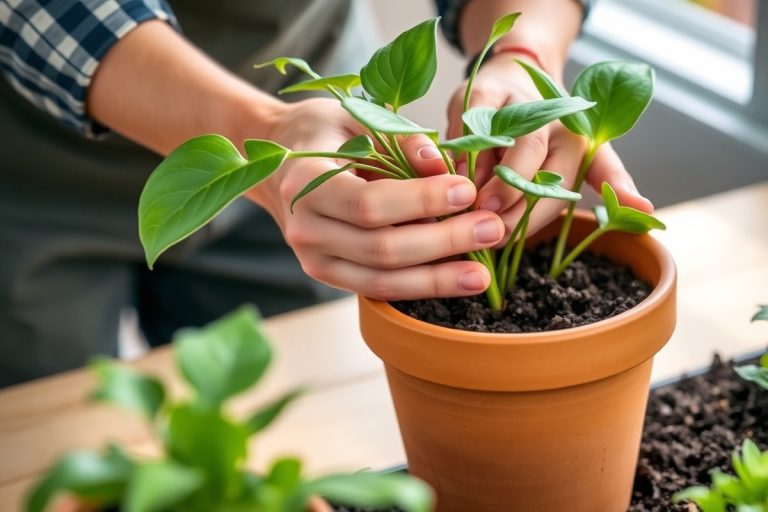
Before moving seedlings outdoors, lift them carefully to avoid damaging roots. Transplant when seedlings have a few sets of true leaves and are a few inches tall. Use pots or garden beds with good drainage and at least 6 hours of sunlight daily.
Plant seedlings about 1 inch apart at first. Later, space them 12 inches apart in the garden. This gives mature plants room to grow.
Choose containers that are at least 12 inches wide and filled with well-draining soil. This helps young plants grow strong before facing outdoor conditions.
- Fill small pots or seed trays with sterile seed-starting mix.
- Sow lavender seeds on the surface, barely covering them with soil.
- Water gently and keep soil moist but not soaked.
- Place trays in a warm area with indirect sunlight (65 to 70°F).
- Wait 2 to 4 weeks for seedlings to sprout.
- When seedlings grow 2 to 3 inches tall, transplant into larger pots or garden beds.
- Space plants 12 inches apart to allow room for growth.
Acclimating Lavender to Outdoor Conditions
Gradually expose seedlings to outdoor light and wind to harden them off. Start by placing seedlings in a shaded, protected spot for a few hours daily. Increase this time gradually over 7 to 10 days.
This helps seedlings get used to outdoor conditions. This helps plants adjust without stress or sunburn.
Only plant lavender outside once nighttime temperatures stay above 50°F consistently. Night chill can shock seedlings and stunt growth. Protected sites with full sun and well-draining soil will give seedlings the best start outside.
Pruning and Harvesting Lavender for Health and Maximum Blooms
Pruning lavender keeps plants healthy and full of blooms. You usually prune after flowering, in late summer to early fall. Harvest flowers when a few blooms just start opening.
Proper Pruning Techniques
Prune lavender to shape it and stop it from getting woody. You want new growth.
So cut back about one-third of the plant but keep some green leaves. Avoid cutting into old, woody stems that won’t grow back.
Pruning after blooming encourages the plant to stay compact and bloom again. Lightly prune faded flower stems during the season to keep the plant tidy. Remove dead or damaged stems any time.
Follow these steps to prune your lavender properly:
- Wait until late summer or early fall after the main bloom fades.
- Use clean, sharp pruning shears for a smooth cut.
- Cut back flower stalks and about 1, 2 inches of green leafy stems.
- Avoid cutting into woody branches with no leaves.
- Shape the plant to keep it rounded but not flat or droopy.
- Dispose of cuttings to avoid pests and diseases.
Best Time and Method for Harvesting Flowers
Harvest lavender flowers when just a few blooms have opened. This timing gives the best scent. It also ensures the highest quality lavender.
Cut the stems early in the morning after dew dries but before midday heat. This timing keeps oils fresh for cooking or drying.
Your lavender keeps flowering in milder winters. Keep harvesting it as usual all season.
You can also clip faded flower heads during summer to encourage more blooms. Cut stems about 6 inches long to get enough for bunches.
Light harvesting means taking flower stems while leaving plenty of leaves and buds on the plant. This way, lavender stays healthy for years. Avoid cutting too low or too often to prevent stress on the shrub.
Recommended Tools and Safety Tips
Use hand pruners or garden scissors with sharp, clean blades for pruning and harvesting. This prevents ragged cuts that can invite disease. A sharp blade costs around $10 to $20 but lasts longer.
Wear gloves to protect your hands from scratches and skin irritation. Lavender has a woody texture that can be tough on bare skin. Also, clean your tools with rubbing alcohol before and after to reduce infection risk.
Store tools safely after use and keep them away from children or pets. Regularly check tool sharpness, it makes trimming easier and faster. Dull tools can crush stems instead of cutting cleanly.
Soil, Watering, and Sunlight Requirements for Healthy Lavender
Lavender prefers soil with a pH between 6.5 and 8.2. Mix 25% coarse grit or builder’s sand into garden soil for better drainage. Skip rich compost since lavender likes lean, sandy, or chalky soil.
Use good potting mix for containers. Add builder’s sand or pea gravel. This helps water drain well.
Make sure your pot has several drainage holes. Add a tablespoon of lime monthly to keep soil slightly alkaline.
Crushed eggshells work well too. This keeps the pH right for lavender.
Lavender needs full sun, roughly 8 to 10 hours of direct sunlight daily. Place your plant in the sunniest spot, whether in the garden or on a patio. Plant lavender on a raised bed or small mound.
This keeps roots drier. It also prevents water from pooling.
Water established lavender only when the soil has dried out completely. Overwatering leads to root rot and common diseases. So hold back except during long dry spells.
New lavender plants need watering about once or twice weekly. This helps roots settle in. Older plants require less frequent watering.
Stop watering as cooler weather approaches, since lavender needs less moisture in winter. Winter rain in your area can provide enough hydration. You might not need extra watering then.
Check soil moisture by sticking your finger an inch deep. This helps avoid watering too much. Keep an eye on soil dampness regularly.
Water only when soil feels dry to the touch. Wet soil causes root rot, which kills lavender. Let soil dry between waterings.
Common Pests, Diseases, and Problems Affecting Lavender
Lavender faces few pest problems, thanks to its strong smell. Common pests include whiteflies, spider mites, leafhoppers, and spittlebugs. These pests mostly cause minor damage, like some leaf spotting, which rarely needs treatment.
You can spot whiteflies by tiny white insects flying around leaves when disturbed. Spider mites create fine webbing and cause leaves to look speckled or yellow. Spittlebugs leave frothy blobs on stems, which you can rinse off with water.
Fungal diseases can harm lavender, especially in wet or humid conditions. Root rot happens when soil stays soggy for too long, making roots mushy and plants wilt. Powdery mildew appears as a white, powdery coating on leaves, common in damp climates.
Prevent fungal problems by not overwatering and giving lavender good drainage. Water at the plant’s base or use drip irrigation to keep leaves dry. Avoid heavy clay soil or improve drainage by mixing in sand or gravel.
Root rot can spread, so remove any affected plants right away. For powdery mildew, prune crowded stems and improve airflow. Organic treatments like neem oil or fungicidal soaps work well against powdery mildew without harsh chemicals.
Alfalfa Mosaic Virus, spread by aphids, causes leaf yellowing or distortion. This virus is rare but can stunt your plant. Remove infected parts and control aphids by spraying water or using insecticidal soap.
Overwatering is one of the biggest risks to lavender. Signs include yellowing leaves, wilting despite moist soil, and slow growth.
Check that your garden bed drains well. Only water when soil feels dry about 1 inch deep.
Use well-draining soil for your lavender. Place plants where wind and sun keep leaves dry. This helps prevent many problems.
Mulching with light gravel instead of organic mulch also reflects sunlight and reduces dampness. Commercial growers use reflective mulch to help plants stay healthy. You can try this in your garden too.
How to Propagate Lavender: Seeds, Cuttings, and Layering
Lavender can grow from seeds, cuttings, or layering. Cuttings are the fastest and easiest for beginners.
Seeds take longer. Layering suits those who want to clone a strong plant over time.
Propagation from Seeds
Sowing lavender seeds takes patience. Seeds start to sprout in 14 to 21 days at 65 to 70°F. Sometimes, it can take up to 90 days for seeds to sprout.
Keep soil warm and check daily for sprouts. You need to start indoors in a well-drained seed mix for good results.
Keep the soil moist but not wet during germination. After seedlings grow several sets of leaves, move them outdoors gradually. They need full sun and good airflow to avoid damping off.
- Fill seed trays with a fine, well-drained seed starting mix.
- Sow lavender seeds thinly on the surface and press lightly.
- Cover seeds with a thin layer of soil or sand.
- Water gently to moisten the soil without washing seeds away.
- Keep trays in a warm spot (65 to 70°F) with indirect sunlight.
- Maintain moist soil by misting regularly until seeds sprout.
- Thin seedlings to one per cell after the first true leaves appear.
- Harden off plants outdoors for 1-2 weeks before planting in garden.
Taking and Rooting Cuttings
Softwood cuttings taken in spring root faster but don’t always succeed. Hardwood cuttings from late spring or fall root slower (4 to 6+ weeks). Both produce stronger plants than seeds.
Cut healthy stems about 3 to 4 inches long without flowers. Remove lower leaves and dip the cut end in rooting hormone powder for best success. Root cuttings in a light, well-drained mix.
- Cut 3-4 inch softwood or semi-ripe stems right after pruning.
- Strip leaves from the bottom half of each cutting carefully.
- Dip cut ends in rooting hormone powder to stimulate roots.
- Insert cuttings into moist sand or perlite mixed with potting soil.
- Place pots in bright, indirect light at 65-70°F temperature.
- Keep the soil moist but not soggy; mist cuttings if needed.
- Expect roots in 3-6 weeks; gently tug to check for resistance.
- Transplant rooted cuttings after 6-8 weeks outdoors or into bigger pots.
Propagation by Ground Layering
Layering takes longer but produces tough plants. Best done in spring or fall when plants are active but not flowering. It involves bending a low stem to the ground and encouraging it to root.
Scrape a small section of the stem to expose fresh tissue. Bury that section under soil and anchor it with a pin or stone. The stem roots in 2 to 3 months, after which you cut and pot it separately.
- Select a long, flexible stem growing near the soil surface.
- Scrape about one inch of bark off the stem’s underside.
- Bend the stem down to the ground and dig a shallow trench.
- Place the scraped section into the trench and cover with soil.
- Anchor the stem with a U-shaped pin or a small rock.
- Keep the soil moist but not soaked during rooting.
- Wait 2-3 months until new roots form where buried.
- Cut the rooted section from the parent plant and transplant it.
Growing Lavender in Containers and Small Gardens
Choose a container at least 12 inches wide and deep for each lavender plant. This size gives lavender roots enough room to grow and keeps plants healthy. Make sure your container has many drainage holes so water won’t pool and cause root rot.
Use a well-draining potting mix made for herbs or cacti. You can also mix garden soil with sand and perlite. This keeps soil light and drains water well.
Lavender hates soggy roots, so good drainage matters most. Water your potted lavender only when the top inch of soil feels dry. Overwatering is a common mistake; soggy soil invites disease and kills lavender.
In winter, potted lavender needs extra care. In zones colder than 5, bring containers indoors during winter. You can also bury pots in the ground to protect roots.
This prevents freezing in cold weather. Place pots indoors in a cool room with 45 to 60 degrees.
This temperature range helps keep plants healthy during cold months. Avoid warm rooms that wake the dormant plant and cause stress.
Shield outdoor pots from harsh winds by placing them near a sunny, sheltered wall. This protects lavender from winter damage and helps keep soil temperature steady. Cover containers with mulch or straw to add insulation.
Remove mulch in spring to prevent mold growth. This keeps your plants safe through winter.
Never let water sit in the container’s saucer or tray. Always empty excess water after watering.
Step-by-Step Action Plan for Growing Lavender
Follow this simple plan to get your lavender growing well. Each step helps you see progress and know you’re on track.
- Before planting: Choose a sunny spot with well-drained soil. You’ll see no puddles after watering.
- Week 1: Plant seedlings or seeds about 12 inches apart. Check that roots have good soil contact.
- Week 2 to 3: Water lightly but regularly to keep soil moist, not soggy. Soil should feel damp, not wet.
- Month 1: Begin pruning small shoots to shape plants. Look for new growth after trimming.
- Month 2: Stop heavy watering and let soil dry between sessions. Plants should look healthy, not wilted.
- Month 3: Harvest a few flower stalks early in bloom. Check that cut stems dry well, then enjoy the scent.
- After 6 months: Start propagating by cuttings if you want more plants. Roots should develop within a few weeks.
- Ongoing: Watch for pests or disease spots. Treat quickly if you notice any damage.
Frequently Asked Questions
How Long Does It Take for Lavender to Bloom After Planting?
Lavender typically blooms in its second year. It needs a full growing season to establish before flowering well. Keep watering and pruning regularly to encourage strong blooms.
Can Lavender Survive Winter Outdoors?
Yes, many types can survive winter, especially in zones 5 to 8. Protect young plants with mulch in colder zones to prevent root freeze. Choose hardy varieties for colder climates.
How Often Should You Fertilize Lavender Plants?
Lavender needs little fertilizer. Apply a balanced, slow-release fertilizer once in early spring. Avoid over-fertilizing to keep the plant compact and healthy.
What Is the Best Way to Dry Lavender Flowers?
Cut flowers in the morning after dew dries. Bundle stems and hang them upside down in a dry, dark, and ventilated area. This preserves scent and color best.
Can Lavender Be Grown Indoors Year-Round?
Yes, if you provide 8-10 hours of direct sunlight daily. Use a south-facing window or grow lights, and water only when soil is dry. Indoor lavender needs good airflow.
Is It Normal for Lavender to Die Back After Blooming?
Yes, lavender naturally goes dormant or may brown after flowering. Pruning after bloom helps new growth for next season. This also keeps the plant tidy.
Final Thoughts
Growing lavender takes patience but gives rewarding herbs and blooms. Try planting a few seeds or seedlings today. Care for them step by step, and enjoy your fresh lavender soon.