How Much Sun Do Pepper Plants Need for Best Growth and Fruit Yield
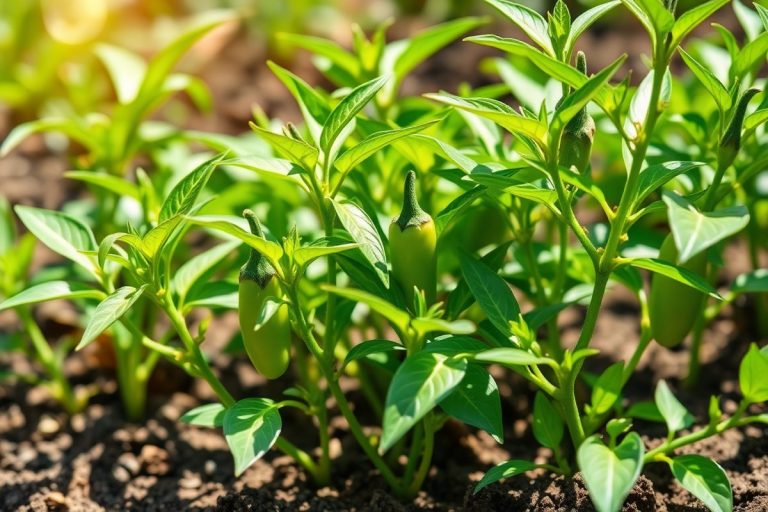
Many gardeners ask about the sun needs of pepper plants. They need at least 6 to 8 hours of full sun every day. This helps the plants grow strong leaves and lots of fruit.
Too little sun results in weak plants with fewer peppers. Place your pepper plants where they get full sun in the morning. This is especially important in hot areas that cook plants all afternoon.
Morning sun wakes up plants gently before the heat arrives. Morning sun warms the plants gently and avoids the harshest afternoon heat.
Watch for signs of sun stress like leaf scorch or faded fruit color. Peppers showing stress benefit from some shade in the afternoon. This shade does not reduce their fruit production.
It helps protect them from too much heat. It’s about finding the right sun balance for your local climate and season.
Key Takeaways
- Give pepper plants 6 to 8 hours of direct sunlight daily for best growth.
- Use morning sun and light afternoon shade in areas over 95°F temperature.
- Mature pepper plants can thrive with up to 12 hours of sun on cooler days.
- Too much afternoon sun in hot climates often leads to heat stress.
- Shade up to 50% may not reduce fruit yield significantly in warm regions.
- Place seedlings where they gradually increase sun exposure before moving outdoors.
How Much Sunlight Do Pepper Plants Need Daily?
Pepper plants need at least 6 hours of direct sunlight each day to grow well. They perform best with 6 to 8 hours of full sun, which means direct, unfiltered light. Full sun for peppers means steady, bright light all day.
Avoid spots with shadows or shade. They need direct sunlight without interruptions.
Different types of peppers have slightly different sun needs. Bell peppers and hot peppers both thrive with 6 to 8 hours of sun daily.
Ornamental peppers can tolerate about 6 hours and may handle a bit more shade. Less than 6 hours usually causes leggy plants, smaller fruits, and delayed ripening.
Peppers with less than 6 hours of sunlight tend to grow weak and produce fewer peppers. Bell peppers with only 4 hours of sun stretch toward the light. They grow small, pale fruits.
Lack of sun limits their growth. Hot peppers need plenty of light to develop their heat and full flavor. Less sunlight reduces their quality and yield.
| Sunlight Hours | Plant Health | Fruit Yield |
|---|---|---|
| 6, 8 hours (Full Sun) | Strong, compact plants | High, large fruits |
| 4, 6 hours (Partial Shade) | Leggy growth, slower development | Fewer fruits, smaller size |
| Less than 4 hours | Very weak, pale plants | Minimal or no fruit |
For you, picking a sunny spot with plenty of morning and midday sun matters. A south-facing garden or area usually gives your peppers the 6 to 8 hours they need. East-facing spots get morning sun for a few hours.
They work if you grow light-tolerant varieties. Some peppers handle less sun better. But full south exposure remains better.
The exact sunlight your peppers need can vary by your climate. In very hot places, peppers need about 6 hours of morning sun. They benefit from light afternoon shade.
Shade helps avoid stress from heat. Cooler areas benefit from full sun all day to boost plant growth and fruit production.
Can Pepper Plants Get Too Much Sun and How to Protect Them?
Pepper plants can get too much sun, especially during hot weather. Too much sun causes sunburn and stress on leaves and fruits. You can protect peppers with shade cloth or by moving pots to less sunny spots.
Signs Your Pepper Plants Are Sun-Stressed
Leaves may curl, turn yellow, or get brown edges when sun-stressed. Fruits show soft, pale, or water-soaked spots called sunscald. Wilting during midafternoon heat also signals too much sun.
Watch for leaf drop or slowed growth, which happen if stress lasts. Stress weakens plants, making them open to pests and diseases. Early action helps plants recover before serious damage occurs.
Preventing Sunscald on Pepper Fruits
Sunscald happens when direct, strong sunlight hits unprotected fruit. Healthy leaves usually shield fruits, but leaf loss exposes them. Provide extra shade during peak afternoon sun to block harsh rays.
Use a breathable shade cloth with 30 to 50 percent density over plants. This lightens the sun without starving peppers of needed energy. Also, prune carefully to keep enough foliage protecting fruits.
When and How to Use Shade Cloth
Shade cloth is best during heat waves or daytime highs above 90°F (32°C). Use 30 to 40 percent shade during these times for balance of sun and protection. Keep it up from late morning to late afternoon for best results.
Secure shade cloth so it doesn’t touch plants, allowing airflow beneath. Support it with stakes or frame to prevent sagging or damage. Remove cloth once temperatures cool to maintain good light exposure.
Simple Actions to Shield Pepper Plants from Excess Sun
Move potted peppers to spots with strong morning sun but afternoon shade. Use garden umbrellas or temporary screens on extremely hot days. Water plants deeply to reduce heat stress during sunny spells.
Gradually introduce seedlings to full sun through hardening off to prevent shock. Start by giving them filtered light for a few hours daily. Add more light time each day for a week.
Keep increasing until they get enough bright light. This builds plant strength to handle direct sun safely.
Protect fruits with shade cloth during the hottest afternoon hours to prevent soft spots and sunburn.
Can Pepper Plants Grow Well in Partial Shade?
How Partial Shade Affects Pepper Growth
Pepper plants can grow well in partial shade. But they need 4 to 6 hours of direct sun daily. Less sunlight means slower growth and smaller yields.
In hot climates, shading peppers can protect them from heat stress. That can help prevent leaf wilting and sunburn on fruit.
Yield and Flavor Differences in Shade
| Sunlight | Yield | Flavor |
|---|---|---|
| Full sun (6-8 hours) | Higher yield | Stronger, richer flavor |
| Partial shade (4-6 hours) | Moderate yield | Milder flavor, less spicy |
One study found bell peppers with 35% shade grew better. Those plants had 119% more marketable fruit than full sun plants. Shade helped peppers grow more fruit you can sell.
However, hot peppers usually lose some spiciness without full sun exposure.
Best Pepper Varieties for Partial Shade
Capsicum pubescens tolerates shade and cooler temperatures better than most. It suits partial shade well.
Milder peppers or ornamental varieties also handle shade more easily. Hot peppers like jalapeños prefer full sun.
When and How to Provide Partial Shade
Use morning sun spots where peppers get sun before midday. Afternoon shade helps in hot summer areas.
Provide shade cloth blocking about 30-40% of sunlight during peak afternoon hours. It reduces heat without cutting sun too much.
Keep pepper plants away from thick plants or tall fences. Shade from these blocks sun most of the day. Peppers need more light than that.
Common Problems and Solutions in Partial Shade
Leaf yellowing or dropping usually means too little light. Move plants to brighter spots.
Stretchy stems can appear if light is too low. Use grow lights indoors or trim surrounding plants outdoors.
Watch soil moisture closely. Shaded soil dries slower but can cause root issues if too wet.
How to Transition Pepper Seedlings from Indoors to Outdoor Sunlight
Start your pepper seedlings outside in shady spots for a couple of days. Gradually increase their sun time over 7 to 10 days to help them adjust safely. This slow exposure stops sunburn and keeps them from drying out or wilting.
Day 1 and 2: Initial Shaded Exposure
Put the seedlings outside for 1 to 2 hours each day. Keep them in a spot with dappled or indirect sunlight. This shields the young plants from harsh rays while they get used to outdoor temps.
Keep soil moist but not soggy during these first days. Watch the plants closely for any signs of wilting or leaf curl. Avoid windy places as the leaves are still tender and can dry out easily.
Day 3 to 7: Gradual Increase in Sunlight
Each day, add about 1 to 2 more hours of outdoor time. Move the seedlings toward areas with morning sun first, which tends to be gentler. In afternoon, partial shade helps avoid heat stress during the hottest hours.
Check soil daily and water deeply when the top feels dry. If leaves look pale or crinkled, hold back on sun and extend shaded periods. Good ventilation helps prevent fungal problems as air movement builds.
After One Week: Full Sun Exposure
By day 8 to 10, seedlings can spend most daylight hours in full sun. They should look sturdier and greener, with firm stems. Keep watering enough to keep soil moist, especially in warm weather.
Bring them in at night if temperatures drop below 50°F (10°C). Cloudy or rainy days are good chances to leave them out longer with some natural shade. After this phase, you can transplant your peppers safely to their garden spot.
- Place seedlings outdoors in shaded, protected spots for 1-2 hours.
- Increase outdoor time by 1-2 hours each day, adding sun gradually.
- Shift seedlings to areas with morning sun and afternoon shade initially.
- Keep soil moist and watch leaves for signs of sun stress or dry out.
- Use a light breeze exposure but avoid strong winds early on.
- After about a week, allow full sun for most of the day.
- Bring plants in at night if temperatures are cold or below 50°F.
- Once hardened off, move plants to garden soil or containers outdoors.
How Does Sunlight Affect Pepper Flavor, Color, and Yield?
Pepper plants grown in full sun produce fruit with stronger heat and more intense flavor. The sunlight boosts capsaicin, which gives hot peppers their spicy kick. In contrast, peppers grown in shade often taste milder and less complex.
Sweet peppers in full sun grow richer, brighter colors. Those in low light look dull or pale. Sunlight boosts their color vibrancy.
Sunlight also directly affects the amount of fruit your pepper plants produce. Plants in full sun produce 30 to 50 percent more peppers. Partial shade yields fewer fruits.
Sunlight drives higher pepper production. The light fuels photosynthesis, which supports flower and fruit development. However, extreme sun combined with high temperatures can stress plants, causing flowers and fruit to drop.
Peppers need 6 to 8 hours of strong sunlight daily. This helps flavor, color, and yield improve. Studies back this sunlight range.
Hot peppers especially thrive with consistent heat and light to develop their characteristic heat. Sweet peppers handle light fluctuations better but still produce better fruit with plenty of sun. Some afternoon shade during extreme heat can help prevent sunscald, which damages fruit and reduces quality.
Use a smartphone app to track your garden’s sun. Check when plants get too much or too little light. This helps adjust sun exposure.
Give peppers morning and midday sun for best growth. Provide some shade when afternoon heat hits above 95°F. This protects peppers in intense heat. This balance improves taste and color while protecting plants from heat stress.
Avoid growing peppers in dense shade unless you want smaller, milder fruit or lower yields. Proper sun exposure matters most during flowering and fruit set for a full harvest.
Choosing the Best Garden Location for Optimized Sunlight
Picking the right garden spot helps your pepper plants thrive. Most peppers need 6 to 12 hours of direct sunlight daily. Places that face south or southwest usually offer the most sun for your peppers.
| Garden Orientation | Average Direct Sunlight Hours | Suitability for Peppers |
|---|---|---|
| South-facing | 8-10 hours | Best: full sun, highest yields |
| Southwest-facing | 7-9 hours | Very good: plenty of afternoon sun |
| West-facing | 6-8 hours | Good: warm afternoons, can tolerate some shade |
| East-facing | 5-7 hours | Moderate: morning sun, less heat later |
| North-facing | 4-6 hours | Least ideal: may not support full fruiting |
Tall trees or buildings nearby may block sunlight and limit your peppers’ growth. Trees that fill their leaves in summer cause shade that wasn’t obvious in spring.
Check your chosen spot several times during the day to see where shadows fall. Sketching shade patterns in a garden journal helps track hours of direct sun your peppers get.
Containers give you flexibility if your garden has shady areas. You can move pots to catch more sunlight or shield plants during intense afternoon heat. Move your pot to change sun exposure as seasons change.
Watch for stretching or fewer fruits on your peppers. Adjusting the pot’s location helps you improve their growth.
Use this checklist to pick your planting spot:
- Count hours of direct sunlight for at least three days
- Observe shading from trees or buildings in summer
- Choose a spot with 6 to 10 hours of full sun
- Consider moving pepper pots to optimize light
- Look for some afternoon shade if your climate gets very hot
Pick a spot with steady sunlight for your peppers. Peppers need sunlight to grow strong and produce fruit. Consistent sun gives them the energy they need.
Too little sun slows growth and reduces fruit. Too much shade causes leggy stems that struggle to set peppers. Containers add a handy option when your garden spot is less than perfect.
Managing Sun Exposure During Extreme Heat and Summer
Peppers struggle in temperatures above 95 degrees Fahrenheit, especially under harsh afternoon sun. At this point, shade becomes necessary to prevent heat stress and sunscald on leaves and fruit. Use shade cloth blocking 30% to 50% of sunlight in the afternoon.
Do this during peak hours from 3 to 5 PM. This lowers heat but still lets light reach your plants.
Put shade cloth on a frame or tie it above the plants. This creates a temporary cover. It helps protect the plants from strong sunlight.
This setup costs around $20, $40 for a 6-by-10-foot piece of cloth, depending on material quality. Grow taller companion plants nearby to give natural shade.
This way, your peppers avoid full sun. Use plants that grow fast and tall enough to block harsh light.
Watering peppers well is important under intense heat. The soil dries faster and the plants lose moisture quicker through their leaves. Water deeply in the morning before the heat builds.
Check soil moisture daily by poking your finger an inch deep. Give enough water to soak the roots if the soil feels dry.
Avoid leaving puddles on the soil surface. Too much water can harm the roots.
- Use 30% to 50% shade cloth during the strongest afternoon sun
- Set up shade cloth frames or tie cloth loosely above plants
- Water deeply in the morning to prepare plants for hot afternoons
- Check soil moisture daily; water when the top inch feels dry
- Try companion plants like corn to provide natural shade
- Move container plants to morning sun and afternoon shade spots
- Watch plants for drooping leaves or flower drop, signs of heat stress
In raised beds or containers, sun heats the soil faster. Move pots or beds if you can to spots with morning sun only. Morning sun is gentler for pepper plants than afternoon sun.
This reduces heat stress on your plants. This reduces heat buildup while giving peppers enough light to thrive.
Visual cues like curled or scorched leaves tell you when plants need relief. Adding shade or extra water immediately helps them bounce back without losing fruit production.
Common Sunlight Mistakes and How to Fix Them
Pepper plants get leggy and produce fewer fruits with too little sun. You may notice thin stems and fewer leaves if they don’t get enough light. They need at least six hours of direct sun to grow strong and healthy.
Too much sun causes leaf scorch, wilting, or yellowing. Overexposed plants might stop producing peppers and show brown, crispy spots on leaves. This happens because the heat stresses the plant and dries out the soil faster.
- Check that peppers get 6 to 8 hours of sun, mostly morning or afternoon.
- Look for leaf scorch, brown, crispy edges or wilting during midday heat.
- Keep soil moist with regular watering and mulching to reduce heat stress.
- Use shade cloth to block sun if heat consistently exceeds 85°F.
- Relocate pots to a spot with dappled shade during afternoon for sunburn risk.
- Ensure soil drains well to avoid waterlogged roots under stressful sun conditions.
When you notice stress signs, start by checking soil moisture. Wilting from dry soil means water more regularly.
When soil feels soggy, cut back watering to prevent root rot. You usually want moist but not wet soil to keep peppers thriving.
Decide to move or shade your plants if leaf scorch worsens despite watering. Shade cloth with 30 to 50 percent filtering works best. Moving plants is easier with pots.
But for garden beds, add temporary shading during hot spells. Maintain at least 6 hours of sun even when shading.
Keep an eye on leaves daily during sunny days to catch stress early.
Supplemental lighting can help if your garden lacks enough sun hours. Use grow lights set on timers to give peppers light close to natural daylight timing.
This supports fruit development without risking sunburn. Adjust light duration as the days lengthen or shorten.
Step-by-Step Action Plan for Sunlight Success
Follow this plan to give your pepper plants the right amount of sun every day. Watch your plants grow healthy and produce tasty peppers.
- Before Planting: Choose a garden spot with at least 6 hours of direct sun. Check for shade from trees or buildings during afternoon.
- Day 1: Move seedlings outdoors in the morning shade for 2 hours. Make sure leaves don’t show sunburn spots yet.
- Week 1: Increase sunlight exposure by 1 hour each day. Stop if leaves get pale or scorched.
- Week 2: Shift seedlings to full sun for most of the day. Plants should look sturdy and deep green.
- After Planting: Water your peppers deeply in the morning. Keep soil moist but not soggy to protect from heat stress.
- Summer Heat Spells: Provide temporary shade like garden cloth when temperatures hit 90°F or higher. Notice if leaves stay vibrant and firm.
- Mid-Season: Check fruit color and size regularly. Rich color and good size indicate enough sun and good care.
- Harvest Time: Pick peppers when they reach expected color and firmness. This shows the plant got enough sun during growth.
Frequently Asked Questions
How Much Sunlight Do Pepper Plants Need to Flower and Set Fruit?
Pepper plants must get 6 to 8 hours of direct sun daily. Not enough sun lowers their fruit production and slows flowering. Sunlight is key for healthy growth and good harvests.
Will Pepper Plants Grow Indoors with Artificial Light Only?
Pepper plants can grow indoors under strong artificial lights for 12 to 16 hours daily. However, natural sunlight usually produces better growth and fruit quality.
How Does Soil Moisture Affect Sunburn Risk on Pepper Plants?
Dry soil increases the risk of sunburn on pepper leaves and fruits. Keeping soil consistently moist helps protect plants from heat stress.
Can You Use Shade Cloth to Improve Pepper Plant Health?
Yes, a 30% to 50% shade cloth helps during the hottest hours. It lowers sun stress and heat on the plants.
Using shade cloth protects peppers without blocking all sunlight. It helps maintain better leaf color and pepper development.
Why Do Some Pepper Leaves Curl in Full Sun?
Leaf curling often signals sun or heat stress. Providing temporary shade and proper watering usually corrects this condition.
Do Different Pepper Varieties Have Varying Sun Requirements?
Some varieties like jalapeños tolerate slightly less sun and heat than others. Research your specific type for best sunlight and temperature tolerance.
Key Points to Remember
Pepper plants need daily sun to grow strong and produce tasty fruit. Start with 6 hours of sunlight and adjust for heat or shade. Check your plants often and give them shade when needed to keep peppers healthy.