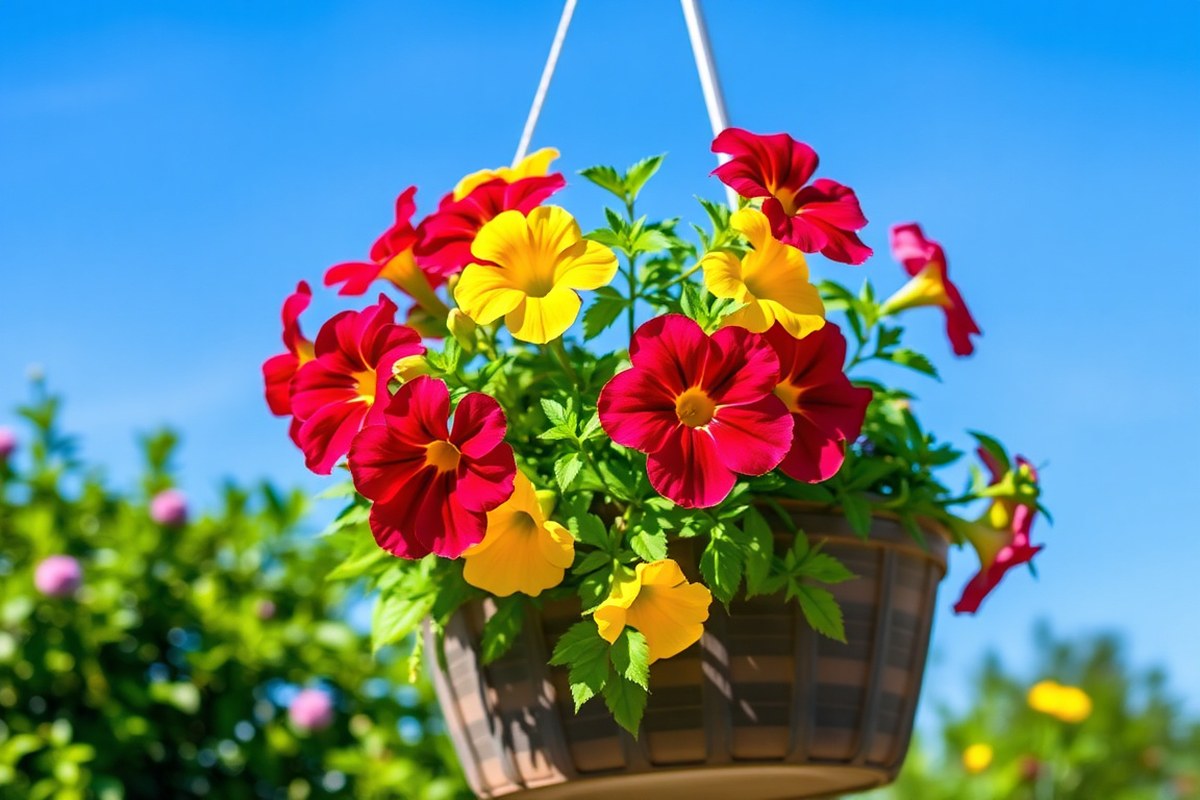
Does Calibrachoa Come Back Every Year? Expert Care and Overwintering Tips
Does calibrachoa come back every year? Mostly no, unless you help it survive winter. This plant is sensitive to frost and cold temperatures below 32°F (0°C) usually kill it.
It acts like an annual in cold climates. It may return in mild zones or with care.
Calibrachoa can live through winter in warm USDA zones 9 to 11. It flowers again there.
In cold spots, bring it inside or protect it when under 40°F (4°C). Without this, it will die off and need new planting next spring.
Start by watching your local climate closely. Move the plant to a cool, bright indoor spot or unheated garage when frost threatens. This step is key for keeping it alive beyond one season.
Key Takeaways
- Calibrachoa dies in frost but can overwinter indoors or in warm climates.
- Bring plants inside before temperatures fall below 40°F (4°C).
- USDA zones 9-11 often allow calibrachoa to come back naturally.
- Protect with a garage or shed if outdoor winter temperatures stay mild.
- Water only when the top 2 inches of soil feel dry.
- Keep plants in a place with at least 4-6 hours of direct sunlight daily.
Does Calibrachoa Come Back Every Year or Die After Frost?
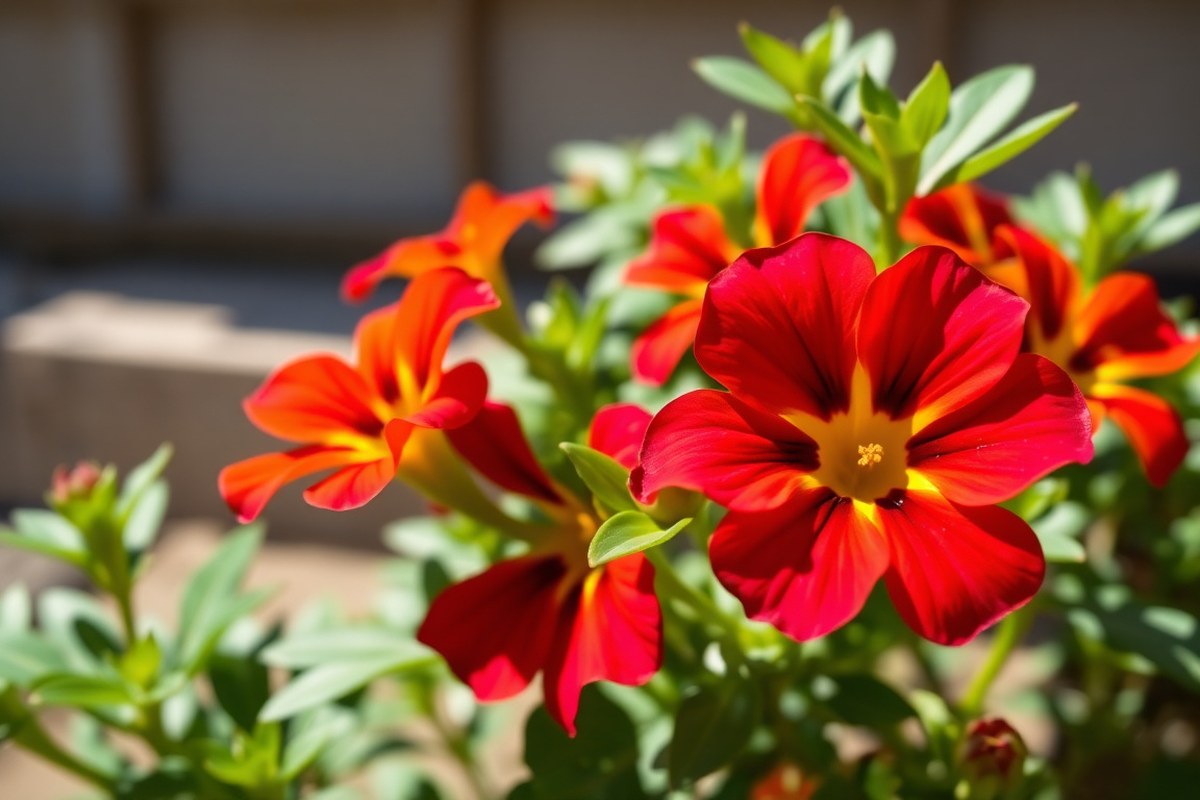
Calibrachoa is mostly grown as an annual because it does not survive frost. It is a tender perennial in very mild climates. It can come back after winter only if freezing doesn’t happen.
Freezing kills the plant. In colder zones, the plant usually dies after the first hard frost.
Frost kills the above-ground parts and often the entire plant. Calibrachoa cannot tolerate temperatures below about 28°F (-2°C).
Even a brief frost damages its stems and leaves, ending the growing season. This frost sensitivity makes it an annual in most temperate regions.
In USDA hardiness zones 9 through 11, winters stay above freezing. Calibrachoa can grow outdoors all year there. It survives without extra care.
It often blooms continuously because winters are mild. Here the plant behaves like a perennial and returns every spring without extra help.
You must treat calibrachoa as an annual where frost happens. Or move it indoors before winter starts. That keeps it alive.
Growing calibrachoa in containers makes it possible to bring plants inside before frost hits. Keep calibrachoa in a bright spot indoors during winter.
The temperature should be about 50-60°F (10-15°C). This helps the plant survive the cold months.
Without protection from frost, calibrachoa plants die and won’t regrow the next year. But in warm or frost-free zones, they can survive and bloom again. Know your climate and how frost affects calibrachoa.
This helps you choose if it will come back. Or if you need to plant new ones in spring.
How Climate Zones Influence Calibrachoa’s Lifespan
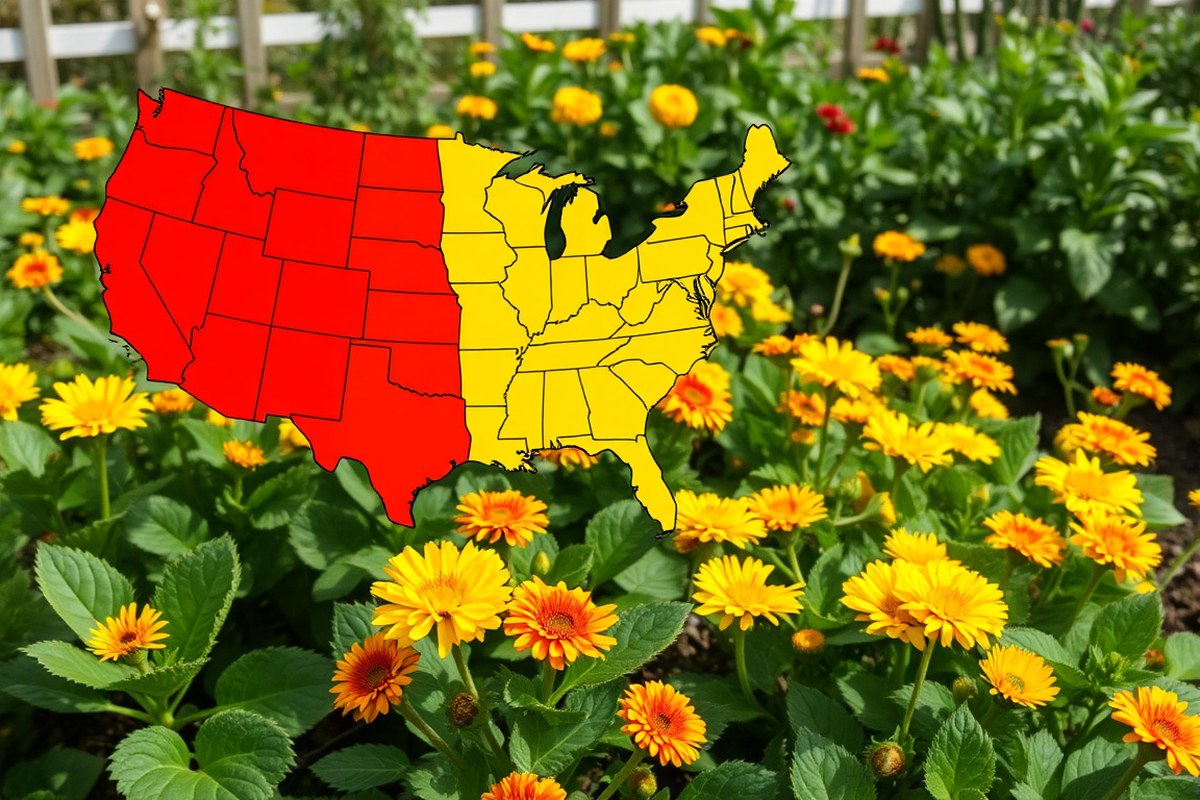
Calibrachoa thrives as a perennial only in USDA Zones 9 to 11. In these zones, winter temperatures usually stay above freezing, letting the plant survive outside year-round. Zones below 7 freeze too much for calibrachoa plants to survive.
Winter can kill the plant’s crown. Calibrachoa does not tolerate very cold weather.
Zone 8 is a borderline case. Calibrachoa may survive in microclimates that stay just above freezing. However, even brief dips below 32°F (0°C) can damage the plant.
In zone 9, calibrachoa can sometimes survive winter outdoors but may struggle if grown in containers. Pots freeze faster than soil. Unprotected container plants rarely make it through cold snaps.
The table below shows how calibrachoa responds to various frost and temperature levels. This helps you know when your plant is safe or at risk:
| Frost Severity | Typical Calibrachoa Response |
|---|---|
| Light (0 °C to just below freezing) | Foliage dies back; crown and roots usually survive |
| Moderate (‑2 °C to ‑5 °C) | The plant’s above-ground parts die in freezing weather. Roots might live if kept warm with mulch. Too much moisture can cause the crown to rot. |
| Hard (below ‑5 °C) | Freezing can kill both the roots and the whole plant. The entire calibrachoa often dies in cold soil. Frozen soil damages the roots beyond repair. |
| Extreme (prolonged sub‑‑10 °C with wind chill) | Near‑certain death of both tops and roots |
Keeping calibrachoa alive outdoors means watching the soil temperature and frost risk closely. Take action before temperatures fall below 40°F (4°C). This helps protect the plant from cold damage.
Preparing early reduces the chance of losing it. Moving container plants indoors or into a protected space helps avoid frozen roots. Mild winters let you keep calibrachoa in a garage or shed.
The space should stay above 40°F and get some sunlight. This setup helps the plant survive cold times.
Never leave container-grown calibrachoa outside if temperatures fall below freezing. Pots freeze faster than the ground.
Growing calibrachoa outside in zones 9-11 lets you enjoy them as perennials. In colder areas, treat calibrachoa as annuals to avoid loss. Bringing them indoors before frost protects them well.
This approach stops cold from killing the plants. Watching your local frost patterns helps you decide exactly when to protect or move your plants. This care keeps them healthy and ready to bloom again next season.
Three Overwintering Methods to Keep Calibrachoa Year After Year
You can keep calibrachoa in winter using three ways. Store it indoors while dormant. Or grow it actively inside.
Another option is to start new plants from cuttings. Each method requires different steps and care.
You can maintain the same plant traits by using cuttings. The others focus on preserving the original plant.
Indoor Dormant Storage Method
This method puts your plant into a resting phase indoors during winter. Dormant storage slows growth and cuts care. It needs a cool, dark place.
The ideal temperature is about 40°F (4°C). You’ll prune the plant first to prepare it for dormancy.
Follow these steps to store calibrachoa dormant indoors:
- Move your calibrachoa indoors once night temperatures near 40°F (4°C). This protects the plants from cold damage. Doing it early keeps them healthy.
- Remove excess soil gently to reduce pest risk.
- Prune stems back to about 4 inches.
- Place the plant in a cool, dim area like a basement or garage.
- Check soil moisture monthly, watering lightly if soil feels dry.
- Wait until spring to bring plants back to light and warmth.
This approach saves energy but risks drying out or rotting if you overwater. It works best if you can keep consistent low temperatures and light exposure is minimal.
Active Indoor Growing Method
Keep your calibrachoa growing indoors during winter using bright light and warmth. It takes more effort but keeps plants lively and blooming longer. Use grow lights to provide 6 to 8 hours of daily light.
Here’s how to actively grow calibrachoa indoors in winter:
- Move plants to a sunny window or set up grow lights.
- Maintain temperatures between 60°F and 70°F.
- Water regularly, keeping soil moist but not wet.
- Fertilize every 2 to 3 weeks with balanced liquid fertilizer.
- Prune leggy or dead stems to encourage fullness.
- Monitor for pests, especially aphids or whiteflies.
Growing your calibrachoa indoors with light and heat costs more. This method gives the best chance for a lively plant.
You’ll spend more but get better results. It needs regular pruning and fertilizing to prevent leggy growth indoors.
Propagation from Cuttings
Taking cuttings lets you start new plants with the same traits every spring. This method is reliable and straightforward. You’ll need sharp scissors and rooting hormone for best results.
Use this step-by-step to propagate calibrachoa from cuttings:
- Choose healthy stems without flowers for new cuttings.
- Cut 3-4 inch stem pieces just below a leaf node.
- Remove leaves from the bottom half of each cutting.
- Dip cut ends in rooting hormone powder.
- Plant cuttings in moist, well-draining seed-starting mix.
- Keep cuttings warm (around 70°F) with indirect light.
- Water lightly, maintaining moist but not soggy soil.
- Expect roots in 2 to 3 weeks, then transplant to pots.
Propagation keeps your plant’s genetics intact. Success rates are generally high if you keep humidity steady and avoid overwatering. Starting fresh cuttings every year ensures vigorous new plants.
Pruning and Care Tips for Healthy Overwintering and Regrowth
Pruning Calibrachoa before and after winter helps it stay healthy and bloom well. You’ll trim leggy stems, water moderately, and wait to fertilize until new growth starts. Giving it 6 to 8 hours of sunlight daily also supports overwintering and regrowth.
Timing and Technique for Winter Pruning
Late winter or early spring is best to prune Calibrachoa. Cut back leggy stems to about 4 to 6 inches.
But avoid cutting down to the crown. Pinching the tips every 10 to 14 days before winter controls legginess and encourages new branches.
Use clean shears or pinch by hand. Snip 1 to 2 inches just above a leaf node to promote healthy regrowth. Removing dead or weak stems before winter reduces disease risk and saves energy.
Watering Guidelines During Overwintering
Water Calibrachoa only when the top 2 inches of soil are dry. Usually, that means watering every 3 to 4 weeks during winter. Avoid overwatering, which can cause root rot and damage.
To water correctly, soak the soil in the morning or early evening for about 20 minutes. This ensures the roots absorb moisture without sitting in water. Cooler temperatures and less growth reduce water needs.
Fertilizing at the Right Time
Hold off on fertilizing during winter dormancy. Calibrachoa doesn’t need many nutrients when it isn’t actively growing. Start feeding with general-purpose liquid fertilizer in early spring.
Begin once you see new leaves or shoots. This helps your plants grow better.
Apply fertilizer monthly to support vigorous regrowth and abundant blooms. Too much fertilizer before new growth can harm the plant and waste nutrients.
Light Requirements for Survival and Growth
Calibrachoa thrives with six to eight hours of direct sunlight daily. During winter, place containers or plants where they get the most light available. Insufficient light leads to weak stems and poor blooming in spring.
Use a bright south-facing window for indoor overwintering. Add grow lights to boost light when needed. Good light helps the plant conserve energy and resume vibrant flowering after winter.
Checklist for Winter Care and Regrowth
- Prune stems back to 4, 6 inches late winter or early spring
- Pinch tips every 10, 14 days before winter to prevent legginess
- Water only when top 2 inches of soil feel dry (roughly every 3, 4 weeks)
- Water for about 20 minutes in morning or early evening
- Fertilize monthly only after new growth begins in spring
- Provide 6 to 8 hours of direct sunlight daily
- Avoid overwatering and fertilizer during dormancy
Common Mistakes That Cause Overwintered Calibrachoa to Die
One common mistake is overwatering during winter. Calibrachoa needs less water when inactive. Too much moisture leads to root rot and plant death.
You want the soil just barely moist between waterings. A soggy pot is a quick way to lose your plant.
Light is another big factor. These plants need at least 6 hours of direct sun daily to thrive. Insufficient light slows growth and stops flowering.
When moving plants indoors, place them near a south-facing window or use a grow light. Without enough light, calibrachoa will weaken and fail to come back strong.
Here are five critical overwintering errors and how to avoid them:
- Overwatering: Water sparingly, letting soil dry slightly between waterings.
- Too little light: Provide 6+ hours of direct sunlight or use grow lights indoors.
- Cutting plants before winter: Avoid pruning before frost; wait until spring.
- Ignoring temperature: Keep indoor plants between 55°F and 70°F for best results.
- Failing to mulch outdoors: Add mulch to protect roots if leaving plants outside.
Pruning too early can expose the plant to frost damage. Leaves or stems cut back before cold hits lose protective coverings.
Roots often die back in freezing soil, so mulch helps keep them insulated. Also, plants kept too warm inside may waste energy, leading to collapse when returned outside.
Check leaves and stems, but also watch root health to judge overwinter success.
Often, plants that fail to come back show green leaves but dead roots. This happens with excess watering and poor soil drainage.
Healthy calibrachoa will die back above ground when temperatures fall. The root crown or roots should stay alive to regrow in spring.
Recognizing Signs of Successful Overwintering in Spring
New shoots on calibrachoa appear about 2 to 4 weeks after warm weather starts. Temperatures need to stay above 50°F for shoots to begin. This is when you first see fresh growth.
Keep your plant in a bright place away from direct, hot sun. The light should be gentle as the plant wakes up. Avoid harsh rays that can stress young shoots.
Early growth should look fresh and green. Watch out for wilting or brown leaves. These issues may mean winter damage or stress.
Look closely for tender new stems and small leaves that feel firm and moist. A healthy plant will have a compact shape and no sticky residue or unusual spots. Slow or scraggly growth after 4 weeks can mean problems.
Yellow leaves also signal trouble or disease. Your plant might be struggling to bounce back.
- Check soil moisture regularly to keep it slightly damp but not soggy.
- Place calibrachoa in a location with at least 4 to 6 hours of indirect light daily.
- Watch for firm new shoots emerging from the base or old stems.
- Remove any dead or damaged leaves to promote healthy growth.
- Keep temperatures between 55°F and 70°F to encourage steady development.
- Apply a balanced, diluted fertilizer once new growth is visible.
- Deadhead spent blooms once flowering restarts to boost new flowers.
Blooming often starts about 6 to 8 weeks after the first new shoots emerge. How fast calibrachoa flowers depends on light, warmth, and how well you care for it. Snapback to full bloom means the plant overwintered well.
It shows good conditions and healthy recovery. This is a positive growth sign.
Sometimes blooms take longer if the plant was weak or the environment fluctuated in early spring. Keeping a consistent routine helps the plant come back strong and show colorful flowers throughout summer.
Special Considerations: Containers, Microclimates, and Cultivar Choices
Growing calibrachoa in containers gives you better control over winter survival. Containers let you move plants to sheltered spots when cold weather hits.
Use pots with good drainage to prevent root rot. Adding mulch or wrapping pots with insulation helps keep roots warmer.
Microclimates can make a big difference in calibrachoa’s lifespan. South- or west-facing walls reflect heat and protect plants from harsh winds.
Planting near structures or under eaves creates warmer pockets where calibrachoa can endure cooler nights. Avoid low spots that collect cold air, which can freeze roots easily.
Some cultivars have better cold tolerance thanks to breeding efforts. Look for varieties labeled as “cold hardy” or “improved winter survival.These types handle temperatures as low as the low 20s Fahrenheit. Standard calibrachoa get damaged below freezing.
They tolerate cold better than usual varieties. Cold-tolerant types cost a bit more.
But they lower the chance of plant loss. They protect your plants from early frost damage.
To boost container success, use soil mix that drains quickly but holds moisture. Water moderately through winter since overwatering can rot the roots, especially in cold.
Check the soil often and reduce watering once growth slows. Cover containers with burlap or bubble wrap during freezing temperatures for extra protection.
Choosing the right spot for your plants involves scouting your garden’s warmest zones. Sunny, protected nooks are ideal for containers. Open areas expose calibrachoa to harsher cold.
Place plants near heat-holding surfaces like concrete or brick. These surfaces can raise nighttime temperature by a few degrees. This helps keep plants warmer overnight.
Even with cold-hardy cultivars and microclimate advantages, severe freezes still risk damage. That’s why many gardeners combine container growing with overwintering indoors or in a greenhouse. This method keeps calibrachoa healthier through winter.
Your plants can bloom again in spring more easily. You avoid the hard effects of winter outdoors.
Propagation and Replanting: Ensuring Calibrachoa Returns Every Year
Calibrachoa can come back every year if you take care. You need to propagate it properly. Then replant at the right time.
Taking stem cuttings or starting from seed lets you grow the same plant or new variations. Timing your repot or planting helps the plants settle and bloom well each season.
Propagation from Stem Cuttings
Stem cuttings are an easy way to clone your favorite calibrachoa. This keeps all the traits of the parent plant.
So flowers and colors stay the same. You can take cuttings anytime during the active growing season for best results.
Follow these steps to root stem cuttings:
- Choose healthy stems about 4 to 6 inches long.
- Cut just below a leaf node with clean scissors.
- Remove leaves from the lower half of the cutting.
- Dip the cut end in rooting hormone powder to boost success.
- Insert cuttings into moist potting mix or a seed-starting mix.
- Keep the soil evenly moist but not soggy.
- Place cuttings where they get bright, indirect light (65, 75°F).
- Expect roots in 2 to 3 weeks, then transplant to bigger pots.
Don’t let the cutting dry out or get too hot, it stops root growth.
Starting Calibrachoa from Seed
Growing calibrachoa from seed gives you new plants but may vary in look. Seeds let you try different varieties or save costs by producing many plants at once. Start indoors 8 to 10 weeks before the last frost date.
This gives plants a good head start. It helps them grow strong before going outside.
Here’s how to start calibrachoa seeds:
- Sow seeds on top of a fine, well-drained seed-starting mix.
- Press seeds lightly but do not cover them, they need light to germinate.
- Keep soil moist and cover trays with clear plastic to keep humidity.
- Place trays under grow lights or a sunny window at 70 to 75°F.
- Seeds should germinate in about 7 to 14 days.
- Thin seedlings or transplant into individual cells once they have 2 sets of leaves.
Lighting is key; without bright light, seedlings grow leggy and weak.
Best Timing to Replant and Repot
You want to replant or repot calibrachoa when outdoor temperatures stay above 50°F at night. This timing lets plants adjust without cold stress or shock. Usually, this means transplanting after the danger of frost has passed in your area.
Repotting spring cuttings or hardened-off seedlings into bigger containers encourages healthy growth. Use well-draining soil and pots with drainage holes to avoid soggy roots.
Water well after planting. Keep plants in shade for a few days while they settle in.
When you repot:
- Pick a pot 1 to 2 inches larger than the current one.
- Fill the pot with fresh potting mix made for container plants.
- Gently remove the plant from its old pot without breaking roots.
- Place the plant in the new pot and fill around roots with soil.
- Press soil lightly to secure the plant, but don’t compact it too much.
- Water the plant thoroughly after repotting.
Avoid repotting during extreme heat, as stress lowers your plant’s chances.
Step-by-Step Action Plan to Keep Calibrachoa Coming Back
Follow these steps to help your calibrachoa survive winter and bloom again. Check for healthy growth at each stage.
- Late Summer: Start pruning your calibrachoa back by one-third. Look for fresh new shoots to appear.
- Early Fall: Move container plants indoors or to a frost-free spot. Confirm no frost damage after a cold night.
- Fall: Reduce watering but keep soil slightly moist. Soil should never be soggy or bone dry.
- Late Fall: Stop feeding and keep plants in bright, cool conditions. Leaves should stay green without wilting.
- Winter: Check moisture weekly and trim dead branches. Healthy stems stay firm and flexible to the touch.
- Early Spring: Gradually expose plants to outdoor light and warmer days. New leaf buds show successful hardening off.
- Spring: Resume watering and start light feeding. Watch for steady new growth and flower buds.
- After Last Frost: Move plants outdoors permanently. Calibrachoa should bloom heavily within weeks.
Frequently Asked Questions
Can Calibrachoa Survive Outdoors Year-Round in Warm Climates?
Yes, in USDA zones 9-11, calibrachoa can survive outdoors year-round. Winters stay mild, so frost usually doesn’t harm the plants.
They can regrow each spring outside. No need to bring them indoors for care.
Is It Better to Grow Calibrachoa in Containers or In-Ground for Overwintering?
Containers are better for overwintering because you can move them indoors. Bringing plants inside protects them from frost and temperature drops that might kill in-ground plants.
How Often Should You Water Calibrachoa During Winter to Keep It Alive?
Water lightly every 1 to 2 weeks during winter indoors. Too much water leads to rot in the plant’s roots.
The plant still needs some moisture to stay healthy. Keep the soil slightly damp until spring comes.
Can You Use Cuttings from Calibrachoa to Start New Plants After Winter?
Yes, taking cuttings is an effective way to start new calibrachoa plants after winter. Root them indoors during cooler months for better success when transplanting outside.
What Signs Show That a Calibrachoa Plant Didn’t Survive Winter?
Dead stems and mushy roots indicate the plant didn’t survive. If the plant freezes in winter, it won’t grow new leaves in spring.
The same happens if it dries out too much. Without green leaves, the plant can’t recover.
Does Applying Fertilizer in Late Fall Help Calibrachoa Survive the Winter?
No, fertilizing in late fall won’t help it survive winter. Calibrachoa enters dormancy then. So feeding stops and excess nutrients may harm the plant indoors.
The Bottom Line
Calibrachoa can return every year if you protect it from frost. You also need to care for it well through the winter months. This care helps the plant survive until spring.
Start overwintering your plants this fall to enjoy their blooms again next spring. Watch your plants closely and adjust care based on their growth signals.