Does Burning Weeds Kill Them? What Actually Works for Quick and Lasting Control
Does burning weeds kill them permanently? Yes, burning kills weeds by damaging their leaves and roots.
The heat breaks plant cells quickly, destroying above-ground parts and harming roots. However, burning alone often won’t stop weeds for good without follow-up.
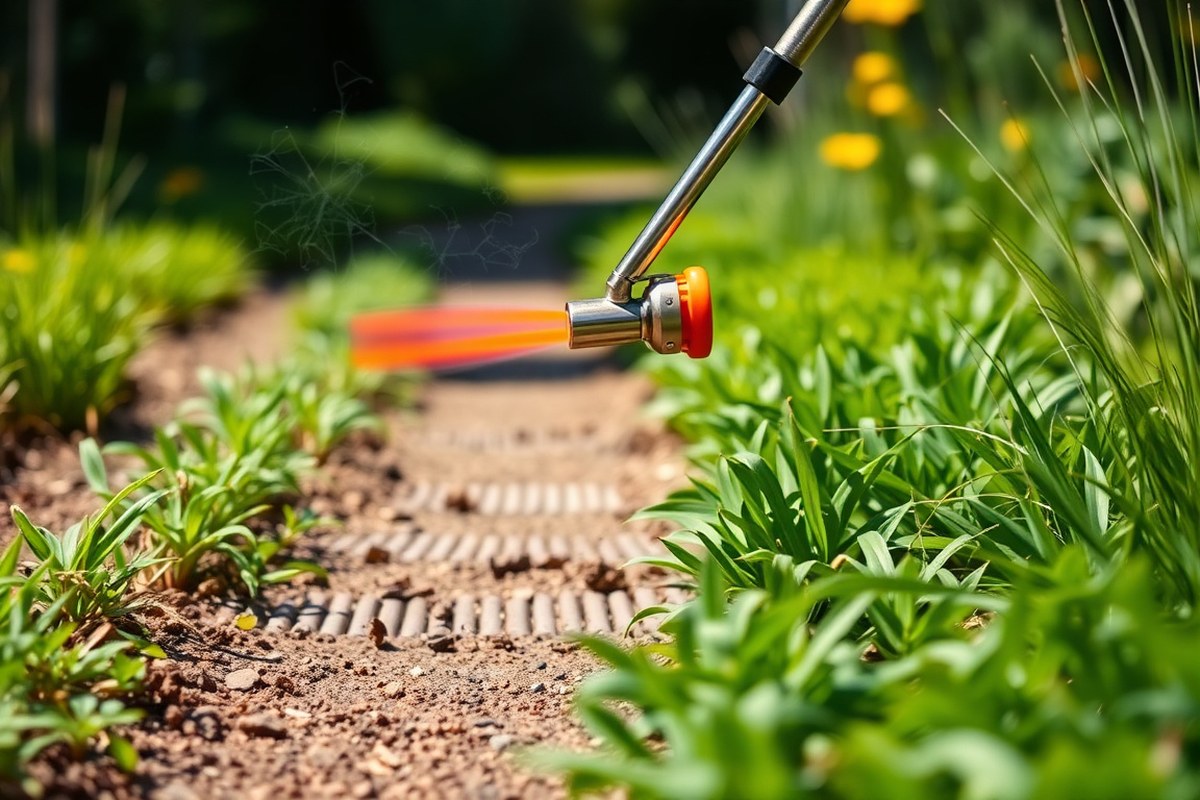
Using a propane torch that reaches over 140°F (60°C) helps kill weeds effectively. The heat vaporizes water inside plants and bursts cell walls fast. Sweep the flame quickly over small weeds, just a few seconds per patch.
Flame weeding works well on many annual weeds and grasses. Tough perennials usually need burns repeated multiple times. Repeating this for two to three years during the right season also kills seeds and reduces regrowth.
Hold the flame three to six inches above weeds and keep it moving fast. This protects the soil and cuts down soil damage. Careful flame control helps control weeds without harming your garden’s soil.
Key Takeaways
- Temperatures above 140°F effectively kill the leaves and roots of most weeds.
- Propane torches can heat leaves instantly to about 100°C and kill them fast.
- Moving the flame briskly at 1 to 2 miles per hour prevents soil damage.
- Hold the torch three to six inches above weeds for best results.
- Repeat burning yearly for 2, 3 years to reduce tough weed seeds significantly.
- Flame weeding works best on small annual weeds, not well on established perennials.
Does Burning Weeds Kill Them Permanently?
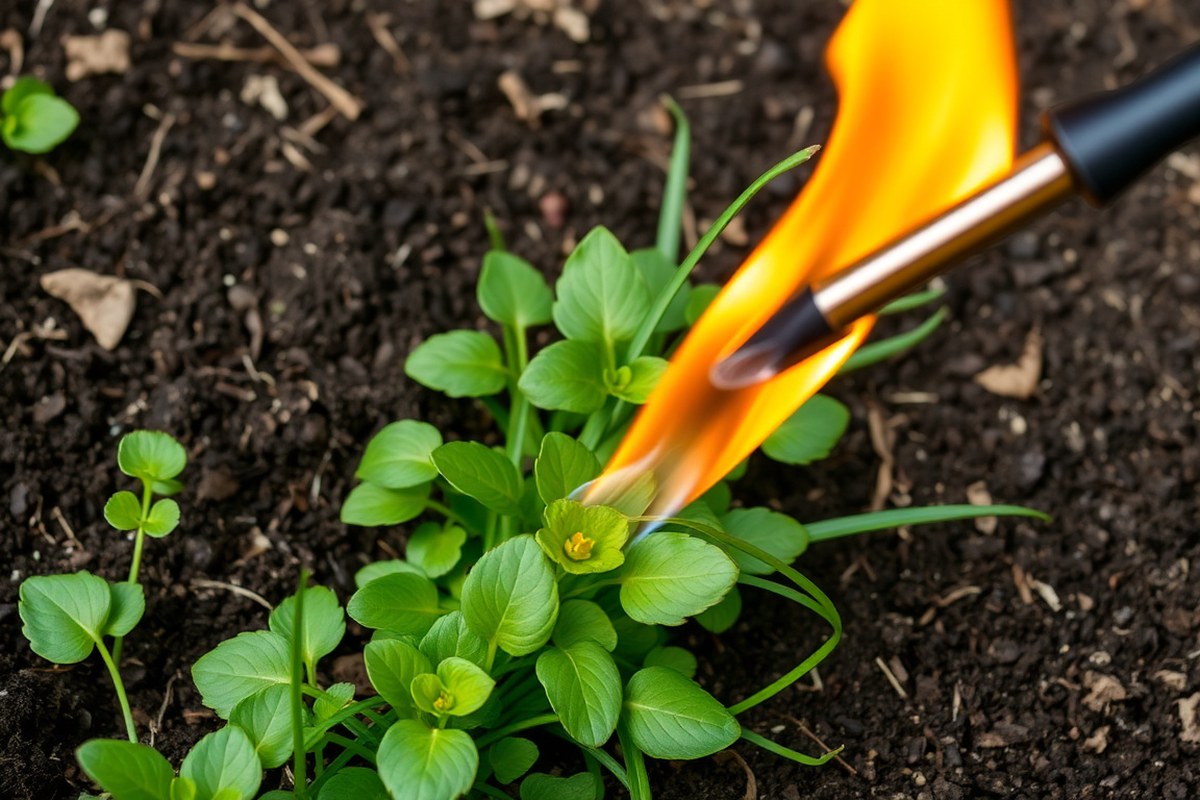
Burning weeds does not always kill them permanently. Annual weeds with shallow roots usually die after a quick pass with a torch. They have soft stems and small root systems that heat destroys quickly.
Perennial weeds respond differently because they have deep, tough roots. Burning often damages only the aboveground part, while roots stay alive underground.
These roots can sprout new growth later. So repeated burning is needed to weaken them gradually.
| Weed Type | Response to Burning |
|---|---|
| Annual Weeds | Usually killed by one burn; shallow roots die quickly |
| Perennial Weeds | Top growth killed; roots survive; regrow unless burned repeatedly |
Heat must reach root depth to kill them. But most flame weeding reaches only the surface.
Propane torches heat leaves to around 100 °C in less than 0.1 seconds, which kills tissue fast. The heat doesn’t usually penetrate enough to kill deep roots.
Seeds are another concern. Some weed seeds survive short heat bursts because of seed coatings or position in soil.
Burning can destroy exposed seeds, but buried seeds often stay safe. Repeating burns yearly helps reduce viable seeds on the soil surface.
Perennial and woody weeds can regrow from root fragments after burning. Consistent flame treatment over a couple of years may eventually drain root energy. Each burn weakens root reserves, slowly reducing regrowth.
How Heat Destroys Weed Plants and Roots
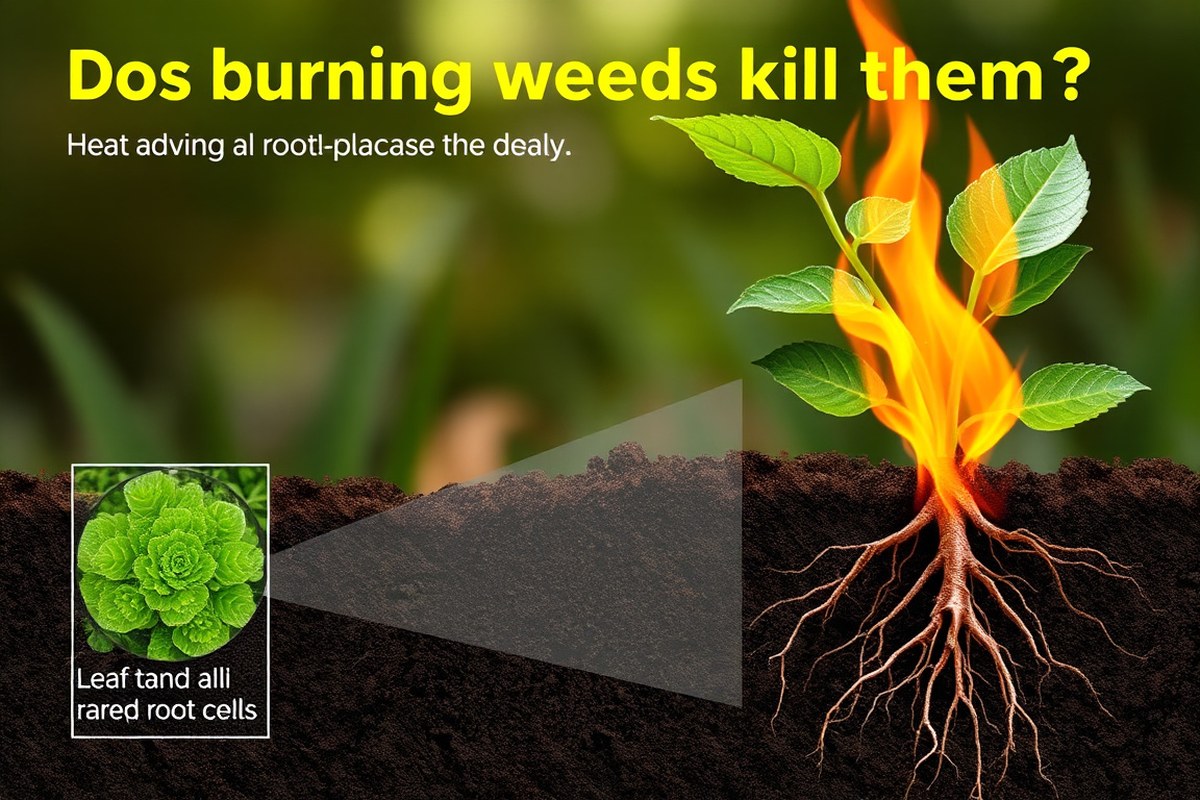
Heat destroys weed plants by damaging their cells quickly. Flames raise the temperature above 160°F (71°C), causing leaf tissues to wilt and die. The heat bursts cells, breaking the plant apart from the inside.
How Heat Damages Weed Cells
Plants survive because their cells hold moisture and maintain structure. When heat rises fast, it boils the water inside cells. This bursts the cell walls and causes rapid collapse.
The flame doesn’t burn the weed like paper. It heats the outer leaves enough to make the tissues fail. The plant then dries out and dies, usually within hours.
Minimum Temperatures Needed for Killing Weeds
Research shows weeds need at least 140°F (60°C) to die from heat. But tissue damage starts at 160°F (71°C). Flames from weed torches can reach 2,000 to 2,250°F, far hotter than needed.
Such high heat delivers a quick pulse. It raises leaf temperature fast enough to kill before heat escapes. This quick spike is essential for good weed control.
Effect of Heat on Weed Roots
Flame heat mostly kills above-ground parts, not roots. Soil protects roots from reaching lethal temperatures during brief flame contact. Mature weeds often regrow from surviving roots after flame weeding.
This means flame weeding works best on young, small weeds with shallow roots. Deep roots or large plants need repeated flame or other methods to stop regrowth.
Using Flame Heat Properly on Plants
Target young seedlings one to four inches tall for best results. Flames work faster and deeper on tender tissues than on tough, mature leaves. Flame weeding works best during midday when leaves are more heat sensitive.
Passing the torch flame quickly over weeds heats cells sharply without burning soil. This avoids soil damage while killing weed tissues. Wet leaves sometimes work better because water conducts heat.
Don’t hold the flame in one spot too long. This can damage the soil. Use short bursts of heat instead.
Which Weeds Are Best Controlled by Burning?
Burning works best on annual weeds and young perennial weeds. These plants have shallow roots, so burning their green foliage usually kills them fast.
You’ll get better results on small or young broadleaf weeds up to six inches tall. Grasses and large, established perennials tend to survive fire because their roots stay protected underground.
Perennial weeds such as dandelions, thistle, and bindweed pose challenges. Their deep roots and underground structures often survive burning. So the plants regrow after a fire.
Some reports show that fire can control perennial grasses in the eastern U.S. But that success isn’t consistent in all regions, like California. Timing and weed age matter a lot.
Here is a basic comparison of how common weed types respond to burning:
| Weed Type | Burning Effectiveness | Notes |
|---|---|---|
| Annual Broadleaf Weeds | High | Shallow roots, susceptible when small and green |
| Annual Grasses | Moderate to High | Depends on species and region |
| Young Perennial Weeds | Moderate | Best when still green; older plants resist burning |
| Mature Perennial Broadleaf Weeds | Low | Roots often survive, leading to regrowth |
| Perennial Grasses | Variable | Some success reported in eastern states, less in California |
To increase burning success, target weeds when they’re young and actively growing. Bigger plants need several treatments or combined methods. Cutting plants and letting them dry before burning raises fire intensity.
This stronger fire helps kill tougher species. Spot burning helps control fire spread and targets problem patches.
Repeated burns reduce shrub density and turn areas into grassland. These burns can also encourage non-native annual grasses. Without follow-up, most weeds bounce back in two to four years.
Watch weather conditions carefully to avoid dangerous fires. Burning is a tool in weed control but not a cure-all for all weed types.
Choosing the Right Equipment and Techniques for Flame Weeding
For effective flame weeding, choose the right torch and set it properly. Use moderate flame size and correct pressure, and move at a consistent pace. These steps help target weeds without wasting fuel or harming soil.
Types of Weed Torches and Costs
You can pick a handheld torch for small work. A larger propane tank suits bigger areas. Choose based on the size you need.
Handheld models usually cost between $30 and $70. A professional-grade torch with a 20-lb propane tank runs $100 to $200.
These setups differ in power and fuel supply. Smaller torches suit spot treatments along sidewalks or garden beds. Larger systems cover driveways or fields faster but need careful handling and storage.
Adjusting Flame Intensity and Distance
Set your torch’s pressure between 40 and 60 psi for a steady flame. Keep the flame head 4 to 6 inches from the ground. A flame about 4 inches high works best for most weeds.
Using too big a flame can harm soil. Holding it too close hurts nearby plants. Keep the flame size moderate and distance safe.
Keep the flame about six inches from the weed. Apply heat for 1 to 2 seconds each.
This effectively kills the weeds. Always point the torch away from yourself and others.
Proper Walking Speed and Flame Movement
Hold the torch at a 45° angle to optimize heat delivery. Walk at a steady 2 to 3 mph pace while passing over weeds. This speed ensures enough heat without burning too long in one spot.
Smooth, consistent movements help each weed receive equal heat. Avoid stopping or waving the flame wildly. Overdoing the burn can damage soil and nearby plants instead of killing only the weeds.
Follow these steps for setup and use to get the best results:
- Inspect your torch and propane tank for leaks or damage before use.
- Attach a 20-lb propane tank for large areas or the smaller tank for spot treatments.
- Adjust the pressure regulator to 40, 60 psi for an even flame.
- Ignite the torch and set the flame height to about 4 inches.
- Hold the flame 4 to 6 inches above the weed at a 45° angle.
- Walk at 2 to 3 mph while flame weeding. Pass the flame over each weed for 1 to 2 seconds. This covers all plants well.
- Keep awareness of the flame position to avoid contact with people, pets, or flammable objects.
- Turn off the torch and allow it to cool before storing it safely.
How Long to Burn Weeds and When to Do It
Burn weeds quickly, holding the flame on each plant for about 2 to 5 seconds. This brief heat collapses plant cells quickly. It doesn’t burn soil deeply.
Roots also stay mostly unaffected by the flames. Burning longer risks soil damage and wastes propane.
The best time to burn weeds is late spring or early summer. At this stage, weeds are growing fast but have not formed seeds or flowers yet. Early morning is a good time for flame weeding.
The air is cooler then. Calm air keeps flames controlled and steady.
You should repeat the burning two or three times during the growing season. Burning once rarely kills the seed bank.
So returning every few weeks targets new sprouts before they mature. In annual gardens, pre-emergence flaming right before crop planting can stop weed seedlings.
Burning yearly or every growing season can steadily reduce tough weeds like yellow starthistle. Combining this with tilling just after burning breaks up soil and kills more seeds. Aerating the soil afterward helps expose seedlings to predators and weakens the weed population.
Avoid burning near dry brush or flammable material to prevent fires from spreading beyond your garden.
Different weed stages require timing adjustments. For young seedlings, a quick pass with the flame is enough.
Larger plants need longer or repeated burns to weaken roots and stop seed production. Don’t wait until weeds produce seed heads because burning then won’t stop new plants from growing.
Flame weeding runs on propane fuel. Costs depend on the tank size and use. Expect to pay between $15 and $30 per hour.
It pays off by cutting down manual pulling and chemical use. Watch for signs of scorch without fire damage to know you’ve burned long enough.
Safety Precautions and Legal Considerations for Burning Weeds
Burning weeds can be effective if you follow strict safety rules and legal guidelines. Use the right gear and pick safe conditions to keep fires under control. Always check local rules to avoid fines or dangerous situations.
Essential Safety Gear for Flame Weeding
Protecting yourself is key when using a torch for weeds. Wear heavy gloves to shield your hands from heat. Safety glasses protect your eyes from sparks and embers.
A long-sleeve shirt and pants made from natural fibers like cotton reduce burn risk. Closed-toe boots guard your feet and help steady your footing. Carry a water source nearby in case you need to douse flames fast.
Preparing the Area Before Burning
Clear the area around the weeds to avoid fires spreading. Remove dry grass, leaves, or anything flammable within at least 10 feet. Wet the soil and nearby plants to reduce accidental ignition risks.
Plan to burn only after a recent rainfall or when vegetation has higher moisture content. Keep a fire extinguisher or a garden hose ready for emergencies. Have a phone nearby in case you need to call the fire department.
- Remove all flammable debris from the burn site.
- Wet surrounding soil and plants to lower fire chances.
- Keep fire extinguishing tools within easy reach.
- Check weather conditions, avoid windy days.
- Burn only a small patch at a time.
Working in small sections lets you control flames better. If wind picks up or fire spreads, stop immediately and cool the area down.
Understanding Local Burning Regulations
Your city or county may ban open flame use during dry seasons to prevent wildfires. Contact your local fire department before burning to learn about any restrictions or required permits. Some areas require a written burn plan that takes months or years to approve.
Only burn when there’s no active burn ban. These bans often happen in summer or drought conditions. Other rules might limit the hours you can burn or the size allowed.
- Check local fire department or extension office for permits.
- Know burn ban dates and compliant burning hours.
- Understand penalties for illegal burning.
- Follow all state and local open burning laws.
Failing to follow rules can cause fines or dangerous wildfires. Always ask professionals if you’re unsure what is allowed in your area.
Environmental and Soil Effects of Burning Weeds
Burning weeds can change soil nutrients and harm beneficial soil organisms. The heat kills some useful microbes, which can slow down nutrient recycling. Flame weeding does not disturb the soil.
But strong or often burning can lower organic matter. This can reduce nutrients over time.
Soil erosion is another risk if the fire clears too much vegetation. Plants and roots protect the soil from wind and water erosion.
Removing this cover with fire makes soil more vulnerable, especially on slopes or bare ground. To reduce erosion risks, water the area before burning and avoid burning on windy days.
Burning weeds releases smoke with harmful chemicals that affect air quality. This smoke can irritate your lungs and harm nearby people or animals. Burning also leaves ash that may wash into nearby streams, polluting water and affecting aquatic life.
Making a wet buffer zone around the burn traps ash. It also stops ash from running off into water.
Many organic farmers use flame weeding because it doesn’t add chemical pollutants or damage soil structure. The heat kills weeds above ground without tilling, so the soil stays mostly intact.
Still, you should avoid burning too often in the same spot. Overdoing it can kill helpful organisms and cause soil problems.
Burn only young weeds to reduce damage. Keep flames on each patch for 1 to 2 seconds. This targets the weed without overheating the soil.
Also, keep flames away from desired plants and always check local burn restrictions. Lighting small, controlled burns reduces the chance of wildfires and pollution spikes.
Alternatives and Complementary Methods to Burning Weeds
Flame weeding works fast and leaves soil mostly undisturbed. It kills above-ground growth but may not destroy deep roots. You might need to combine it with other methods for lasting control.
Herbicides can kill weeds deeply but often involve chemicals you might not want near your garden. Hand-pulling is chemical-free but takes time and effort, especially with tough or many weeds. Mulching blocks sunlight, reducing weed growth well but does not kill existing weeds.
Here’s a simple comparison of common weed control methods. This helps you see which fits your garden size, time, budget, and preferences better.
| Method | Pros | Cons | Best Use |
|---|---|---|---|
| Flame Weeding | Quick, low soil disturbance, chemical-free | May need repeat use, not for deep roots | Small to medium areas, young weeds |
| Herbicides | Deep root kill, less time | Chemicals, risk to other plants, regulations | Large areas, persistent weeds |
| Hand-Pulling | No chemicals, precise | Labor-intensive, not ideal for many weeds | Small gardens, spot treatment |
| Mulching | Suppresses new weeds, improves soil | Doesn’t kill existing, needs reapplying | Garden beds, between crops |
| Tarping (Solarization) | Kills weeds and seeds with heat | Takes weeks, blocks access | Before planting, bare soil |
Burning weeds fits well if you want quick removal without chemicals. Still, plan to follow up by removing burnt debris.
Then add mulch or plant cover crops to stop new weeds. Hand-pulling stubborn roots afterward breaks the weed cycle further.
Combining these methods in one plan works best. You might burn weeds early, then mulch to block new growth.
Use herbicides only if the problem is severe and you accept chemical use. Hand-pull near crops or sensitive plants to avoid damage.
Always test flame weeding on a small patch first to avoid unintended plant damage.
Step-by-Step Action Plan for Flame Weeding
Here’s how to burn your weeds safely and effectively. Follow each step to see if burning is working for you.
- Before you start: Check local rules about burning weeds. Know your area’s fire risk level to avoid trouble.
- Day 1: Pick a calm, dry day with no wind. Use a propane torch and pass briefly over young weeds.
- Day 3: Watch the weeds for new growth. Burn the sprouts again to kill them completely.
- Week 1: Inspect the soil for signs of damage. Water the area lightly when the soil looks dry or cracked.
- Week 2: Use a hoe or hand tool to remove any stubborn dead weeds. This clears space for your plants.
- Week 3: Add mulch after burning to prevent new weed seeds from growing.
- After 1 month: Check your site’s weed control success. Repeat burning only if weeds return aggressively.
Frequently Asked Questions
What Actually Kills Weeds Permanently?
Killing weeds permanently often needs more than just burning. Permanent control means killing roots or using many methods. Cutting plants and covering soil can help stop regrowth.
These steps work together to keep weeds gone. Burning kills tops but may miss deep roots.
Is Burning Weeds Better Than Spraying Them?
Burning weeds avoids chemical use, making it safer for your garden’s soil. But spraying can reach roots more effectively, especially on tough weeds. Choose based on weed type and your safety comfort.
How Long Will Burning Weeds Last?
Burning kills weeds quickly but may not stop regrowth long-term. Young weeds die fast, but mature roots can bounce back. You may need to repeat burning or combine methods for lasting control.
What Are the Disadvantages of Flame Weeding?
Flame weeding can harm nearby plants and soil organisms if done carelessly. Fire risk and local regulations also limit its use. Plus, big or deep-rooted weeds often survive, making it less effective alone.
Best Way to Get Rid of Weeds Is to BURN Them?
Burning weeds works best on small, young weeds with shallow roots. It’s not the best method for large or perennial weeds, which often need extra treatment. Don’t rely on burning alone for tough weeds.
Can Burning Weeds Cause Lasting Soil Damage?
Flame weeding usually causes little lasting soil harm if done briefly. High heat can affect surface microbes but rarely destroys soil health. Avoid repeated heavy burns to keep your soil healthy.
The Bottom Line
Burning weeds kills most visible parts but may not stop all roots. Testing your area and repeating the process helps. Start small and see how your weeds respond.