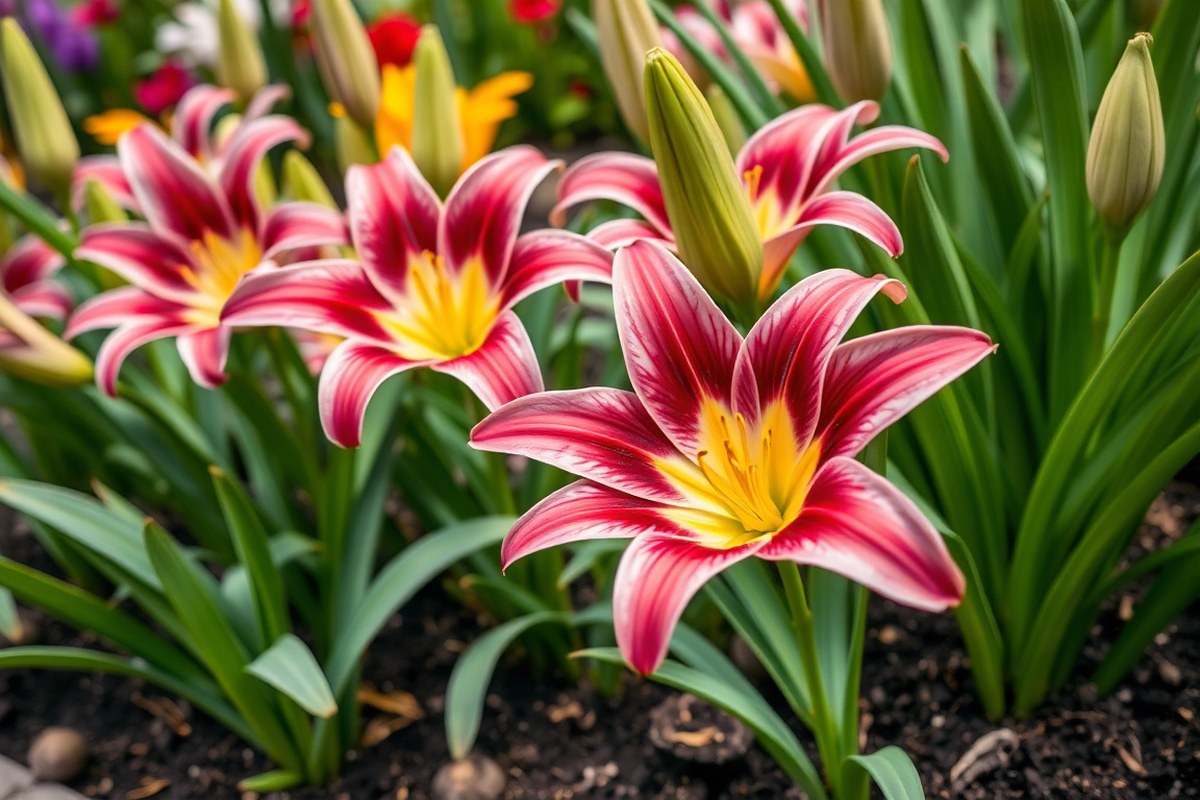
How to Cultivate Lilies a Complete Guide for Healthy Blooms and Care
Knowing how to cultivate lilies starts with choosing the right planting site. Lilies need full sun to bloom consistently. So pick spots with at least six to eight hours of direct sunlight.
Plant bulbs in well-drained soil to avoid rotting. Space them carefully for the size of each variety.
Planting lily bulbs at the right depth helps strong root growth. A general rule is to plant bulbs three times as deep as their height.
Water lilies well after planting, but don’t soak the soil. They like moist but not waterlogged conditions.
Keeping lilies healthy means watching out for common pests and disease. Regularly check for damage and remove any weak or dying stems. Mulching can help maintain soil moisture and protect bulbs in colder zones during winter.
Key Takeaways
- Choose a planting site with six to eight hours of full sun daily.
- Plant lily bulbs three times as deep as their height for best growth.
- Use well-drained soil to prevent bulb rot and ensure healthy roots.
- Water newly planted bulbs to keep soil moist, but not soaked.
- Check regularly for pests and remove weak or damaged stems promptly.
- Apply mulch in fall to protect lily bulbs in zones 4 and 5.
How to Plant Lily Bulbs for Best Growth
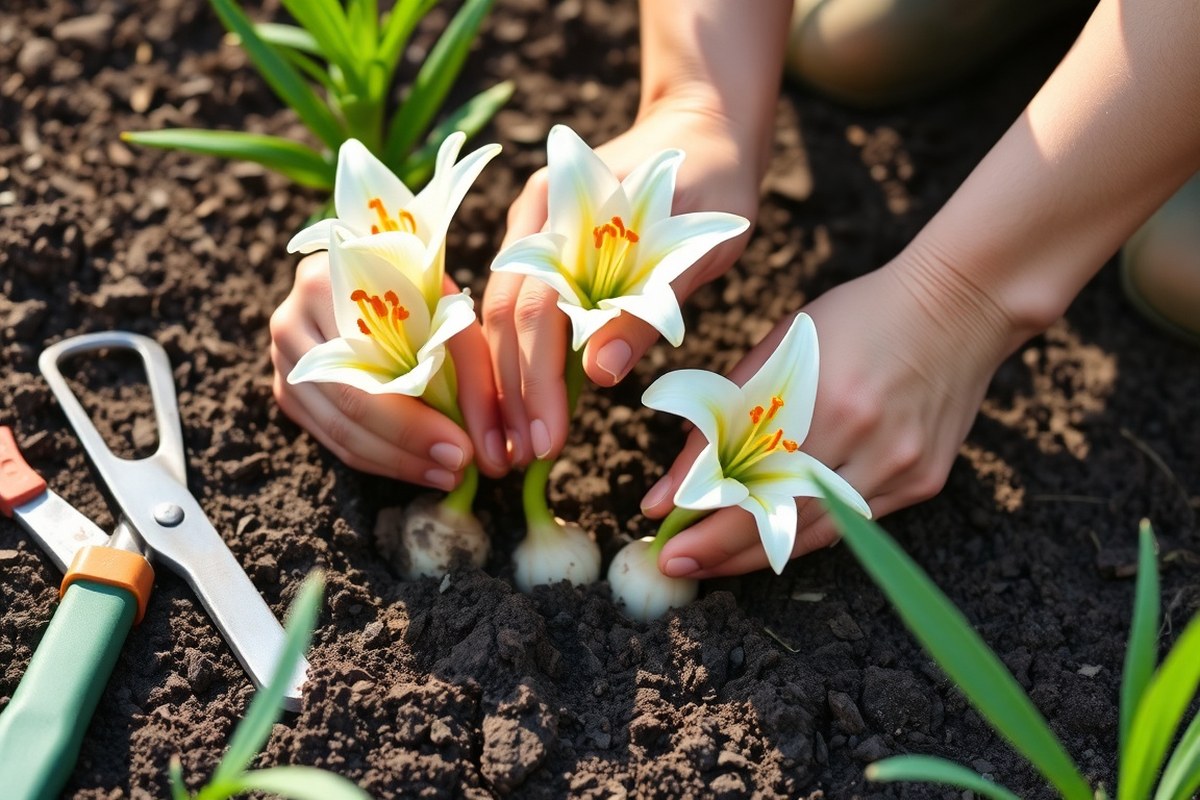
Lily bulbs need planting at the right depth and time for healthy growth. Plant bulbs about three times their height deep, usually 6 to 8 inches. Space bulbs 6 to 8 inches apart for most lilies.
Lilium candidum bulbs differ; plant these just 1 inch below the surface. Smaller species like Lilium pumilum need planting about 3 inches deep.
Space them 4 to 6 inches apart for best growth. The ground must drain well to stop bulbs from rotting.
Plant lilies when the soil is workable in spring or fall. You can store bulbs in a refrigerator drawer at 40°F. Keep them there up to three weeks if you can’t plant immediately. Avoid freezing or overly warm storage to keep bulbs healthy.
Planting lilies in containers requires deeper pots, at least 12 inches tall. Use rich, well-draining soil mixed with bulb food or compost. Plant bulbs about 4 inches deep in containers and keep spacing similar to garden beds.
Follow these steps to plant lily bulbs correctly:
- Choose a sunny spot with rich, well-drained soil or use a large container with drainage holes.
- Loosen soil to about 12 inches deep before planting. Mix in bulb fertilizer or compost to add nutrients.
- Put each bulb pointed end up at a depth three times its height. Space bulbs 6 to 8 inches apart.
- For Lilium candidum, plant bulbs closer to the surface and space them 8-10 inches apart.
- Cover bulbs gently with soil and press down lightly to remove air pockets.
- Water the planting area thoroughly after planting to settle the soil around bulbs.
- Mulch lightly to conserve moisture and prevent weeds, avoiding soggy conditions.
- Plant bulbs about 4 inches deep in containers filled with quality mix. Space bulbs like you would in garden beds.
Which Types of Lilies Are Best for Your Garden?
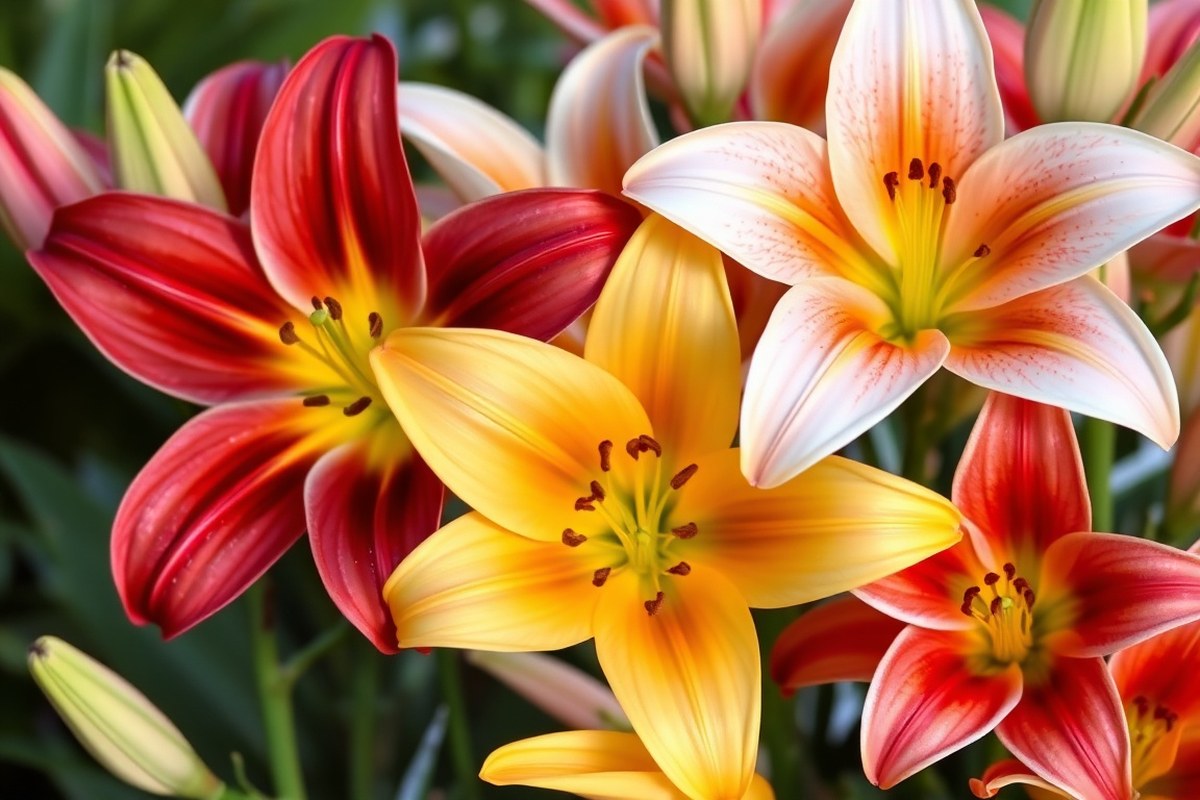
Lilies come in several popular types, each with unique traits in size, bloom, and scent. Asiatic lilies are compact, growing about 2 to 3 feet tall. They bloom early in the summer and offer bright colors but little fragrance.
Oriental lilies bloom later in summer and are bigger, often 3 to 6 feet tall. Their flowers are huge, up to 9 inches wide, with a strong, sweet fragrance. These lilies suit gardeners seeking scent and showy blooms.
Trumpet lilies have a fragrance similar to Orientals and bloom late. They grow between 3 and 6 feet tall and produce elegant, trumpet-shaped flowers. Orienpet lilies are hybrids of Oriental and Trumpet types and share traits from both.
| Type | Height | Bloom Time | Flower Size | Fragrance | Colors | Best Use |
|---|---|---|---|---|---|---|
| Asiatic | 2-3 feet | Early summer | Small to medium | None or weak | Wide range, bright | Beginners, containers, borders |
| Oriental | 3-6 feet | Mid to late summer | 6-9 inches | Strong, sweet | Pastels and white | Fragrance lovers, large gardens |
| Trumpet | 3-6 feet | Late summer | Large | Strong | White, yellow | Long bloom season, easy care |
| Orienpet (Hybrid) | 3-6 feet | Mid summer | Medium to large | Moderate to strong | Bright to pastel | Mixed traits, versatile |
Asiatic lilies suit beginners since they adapt well and usually need less care. Their compact size makes them perfect for containers and borders. Oriental lilies take a bit more attention but reward with scent and large flowers.
Trumpet and hybrid Orienpet lilies offer a long blooming period. They fill spaces where you want strong scent without much fuss. Some varieties grow shorter, like Asiatic ‘Grand Cru’ and ‘Orange Pixie.’
They reach about 50-60 cm tall. These types work well in containers.
Make sure you choose lily types that match your garden’s space and care ability.
Lilies with strong fragrance like Orientals often bloom later when other flowers fade. You want early color; Asiatic lilies brighten your garden quickly. Trumpet lilies are a good choice if you want late bloomers that supply fragrance too.
What Are the Ideal Soil and Sunlight Conditions?
Lilies need soil that drains well but stays moist. A soil pH between 6.0 and 6.5 works best, which is slightly acidic to neutral. Add organic matter like compost or leaf mold to the soil.
This helps the soil hold moisture better. It also gives your lilies extra nutrients.
Lilies need 6 to 8 hours of direct sunlight each day. This helps their blooms grow fully. Make sure they get sun most of the day.
Lilies prefer “head in the sun, feet in the shade.” Plant low-growing plants around them to shade roots.
This keeps lily roots cool and happy. This keeps the soil cool and helps bulbs avoid heat stress during summer.
Add 2 to 3 inches of mulch around lily roots. Use compost, straw, or well-rotted manure for the mulch. This protects roots and keeps moisture in.
Mulch keeps the soil cool, retains moisture, and suppresses weeds. Be sure to avoid piling mulch right against stems to prevent rot.
Water lilies evenly but avoid overwatering. Their soil should stay moist but not soggy.
In containers, check the soil regularly and water when the top few centimeters feel dry. Stop watering once lilies go dormant in summer to prevent fungal problems.
Use a pot at least 12 inches deep for container lilies. Fill it with rich, well-draining soil above the bulb. This gives roots room to grow well.
Containers dry out faster, so you may need to water more often. Keep mulching containers with organic matter to help keep roots cool and moist.
How to Care for Lilies Through Growing Season
Lilies need steady care through the growing season to stay healthy and bloom well. Feeding, staking, deadheading, and pest checks each play a key role. You’ll adjust watering and feeding mainly in spring and summer.
Fertilizing Schedule and Tips
Feed lilies in early spring when new shoots appear. Use a balanced fertilizer, about 10-10-10, to support steady growth. Repeat once more after the first flowers show up in summer.
Too much fertilizer can hurt bulbs or encourage only leafy growth. A light feeding every six to eight weeks during active growth is enough. Stop fertilizing in fall when plants begin to slow down.
Adding compost or well-rotted manure around the base helps feed bulbs slowly. Ensure soil stays moist but not soggy for best nutrient uptake.
Staking Tall Lily Varieties
Tall lilies like Oriental and Trumpet types often need staking to prevent breakage. Use stakes about as tall as the stem or slightly taller. Bamboo or metal stakes tied with soft twine work well.
Place stakes gently to avoid disturbing roots. Tie stems loosely in several spots to keep them upright but allow some movement. You can start staking once stems reach about one-third their full height.
Moving lilies from shade to sun may reduce leaning. Shorter lilies usually do not require stakes.
Deadheading and Pruning Guidelines
Remove faded flowers quickly to encourage more blooms. Pinch or snip the flower stem just above a leaf node. This prevents the plant wasting energy on seeds.
Cut back yellow or dead leaves as needed during the growing season. Trim stems to the ground after foliage dies back naturally in fall. This prepares the bulb for winter rest.
Reduce watering after blooms fade and leaves yellow. Drying down helps bulbs store energy for next year. Avoid cutting green leaves too early to not harm bulb development.
- Fertilize twice: spring and early summer
- Stake stems loosely at one-third height
- Deadhead promptly after flowering
- Trim yellow leaves to keep plants tidy
- Stop watering as foliage dies in fall
- Check regularly for pests like lily beetles and aphids
- Use mulch in summer and fall to conserve moisture
How to Propagate Lilies Successfully at Home
How to Propagate Lilies Successfully at Home
You can propagate lilies by seed, bulbils, or scaling. Each method takes different time and care.
Choose based on how fast you want lilies to grow. Also, think about how much work you’re ready to do.
Starting Lilies from Seed
Growing lilies from seed takes the longest time. Seeds need a cold period to sprout.
So start by planting them in late fall or early winter. Keep the soil moist and cool around 40 to 50°F until seedlings appear in spring.
Seedlings can take two to three years to grow into flowering plants. You will need patience and regular watering during this time.
Using seed gives you a chance to see new lily varieties. But it’s slower than other methods.
Using Bulbils for Propagation
Bulbils form on the stem of certain lilies like tiger lilies. Collect these small bulbs when they turn brown and fall off in late summer. Plant them shallowly in a container or a 2-3 inch trough with light, moist soil.
Keep the container in a shaded place with temperatures between 60 and 70°F. Bulbils take one year to form a visible bulb. Then, they need one or two more years to bloom. They are easier than seeds and produce clones of the parent plant.
Scaling Method Step-By-Step
Scaling uses the bulb scales to grow new bulbs faster than seeds or bulbils. Gently peel some scales from a healthy bulb, keeping their base intact.
Dust the scales with fungicide to stop rot. Place them upright in damp peat moss or vermiculite.
Store them between 60 and 70°F in indirect light. Roots and new bulbils appear on the scales after six to eight weeks.
Transplant new bulbs outdoors after roots and small shoots form. This usually happens within a year.
Make sure to water propagation materials gently and avoid soggy soil. Too much moisture causes rot and kills young bulbs.
Common Pests and Diseases Affecting Lilies
Red lily beetles are a major pest that target lilies. They are bright red and easy to spot on leaves or stems. Their larvae feed heavily on foliage, causing holes and defoliation within weeks.
Fungal diseases like botrytis cause dark spots on leaves. They also create gray fuzzy mold on stems. Watch for these signs early.
You might see wilting or blackened flower parts. Lily mosaic virus causes mottled patterns or streaks on leaves, making plants look weak.
Plant lilies with enough space, around 12 to 18 inches apart, to boost air circulation. Good airflow helps keep fungal spores from settling. Avoid overhead watering in the evening to stop moisture buildup on leaves, which invites fungus.
Organic options include neem oil spray, which disrupts insect growth and reduces fungal spores. Use it early in the morning for best results.
Remove beetles by hand daily, crushing or dropping them into soapy water. For fungal diseases, applying copper fungicide can help but use it carefully and follow label directions.
Resistant lily varieties help reduce pest damage. Species like Lilium nepalense fight fungus better. They especially resist it with mulch around the base.
Mulch keeps them healthier. Mulch also keeps soil temperature steady and moisture consistent, lowering stress on lilies.
Consistent monitoring prevents pest infestations from getting out of hand. Check leaves and stems weekly for beetles and disease symptoms. Prompt removal of affected parts stops the spread.
Chemical insecticides exist but might harm pollinators and beneficial insects. So weigh that before using them.
Keep old plant debris cleared in fall because fungal spores survive there. Compost or dispose of these materials. Healthy lilies usually grow better all season.
Good air flow and clean soil help a lot. Resistant types get fewer problems.
How to Overwinter Lily Bulbs Safely
Lilies can survive freezing winters in many zones, especially from zone 4 to 8. Some species handle colder zones down to 3. Tender types struggle below zone 5.
Mulching helps protect bulbs in ground. But digging them up is smart if your winters are very harsh or wet.
Mulch the lilies with 3 to 4 inches of organic matter. Use straw, shredded leaves, or bark. This helps keep the soil moist and cool.
This depth helps keep the soil temperature steady and stops frost damage. In wet, heavy-soil areas, less mulch is needed to prevent rot during winter.
Dig up bulbs in fall. Do this after the leaves turn brown and die back. Clean off soil and remove damaged parts.
Store bulbs in a cool, dry spot with good air circulation, like a basement or garage. Use peat moss or dry sawdust to keep them from drying out.
Plant bulbs outdoors in spring when the ground thaws. This usually happens when the soil stays above 40°F. Plant bulbs three times their height deep.
For most lilies, this means 6 to 9 inches deep. This protects bulbs from drying and sudden temperature drops.
Follow these steps to guard your lilies through winter:
- Wait until the lily leaves turn yellow and wither before starting.
- Mulch lilies planted in the ground with 3 to 4 inches of straw or bark.
- Dig up bulbs gently in cold zones below 5 or wet winter areas.
- Clean bulbs and remove soft or damaged scales after digging.
- Store bulbs in slightly damp peat moss or sawdust in a cool, dry room.
- Keep stored bulbs at 35-50°F, avoiding freezing and humidity.
- Plant bulbs in early spring when soil warms above 40°F.
- Plant bulbs 3 times as deep as bulb height (6 to 9 inches usually).
Tips for Growing Lilies in Containers and Small Spaces
Lilies grow well in containers if you pick the right pot and soil. Use a deep pot with good drainage and a light, well-drained soil mix. Water moderately and protect potted lilies from freezing in winter for the best results.
Choosing the Right Container
Choose a deep pot at least 12 inches (30 cm) tall and wide for lilies. The depth lets the roots grow deep and keeps bulbs cool in summer. A pot with drainage holes is essential to stop water from sitting and causing rot.
Smaller offsets or young lilies grow best in 4- to 6-inch pots. You should move them to bigger pots as they grow. This helps them develop better roots and shoots.
Bigger pots help mature lilies bloom longer. They also may let you keep the plants for another season. Using the right pot size supports growth and flowering.
- Use pots made of terracotta, plastic, or ceramic with drainage holes
- Select a pot size about twice as wide as the bulb cluster
- Avoid shallow pots that limit root growth
- Improve pots slightly to improve drainage
- Choose dark-colored pots to warm the soil in spring
- Consider using saucers to catch excess water
Bigger containers also help soil stay moist longer and reduce watering frequency. This is especially useful in hot sunny spots where lilies like to thrive.
Soil and Watering for Potted Lilies
Fill pots with a sterile, well-draining potting mix. A mix of potting soil, compost, and drainage material like coconut coir or gravel works well. This light mix keeps bulbs moist but prevents waterlogging.
Lilies in pots need regular watering but do best when the soil dries slightly between drinks. Check soil moisture about twice a week by feeling 2 inches down. Water deeply until it drains out the bottom, avoiding soggy soil.
Use a balanced liquid fertilizer every 4 to 6 weeks from spring to flowering. This helps boost healthy growth and flower production.
Regular feeding keeps your lilies thriving. Avoid over-fertilizing, which can damage bulbs and stunt blooms.
Too much water is a common problem. It can cause bulb rot and kill your lilies.
Asiatic lilies are a good choice for containers, they bloom early and handle container conditions well. Easter lilies also do great in pots, especially indoors or in sheltered spots.
Winter Care for Container-Grown Lilies
Lilies in containers risk freezing if left outside all winter. Waterlogged pots freeze easily and damage bulbs. You can protect pots by moving them to a sheltered, frost-free spot during cold months.
Some gardeners bring pots indoors to cool, bright locations like garages or unheated rooms. Keep soil just moist enough to avoid drying out, not soggy or frozen.
You can grow lilies in large containers for a second season. Before doing that, replace the top 2 inches (5 cm) of old compost with fresh mix. This refreshes nutrients and helps keep bulbs healthy.
Step-by-Step Action Plan for Growing Lilies
Follow these steps to get your lilies growing strong and blooming beautifully. Check each stage to make sure your lilies thrive.
- Before planting: Choose healthy bulbs and prepare soil rich in organic matter. Healthy bulbs feel firm, and soil drains well without pooling water.
- Day 1: Plant bulbs 4 to 6 inches deep with the pointed end up. Cover them with soil and water gently to settle the soil.
- Week 1: Keep soil moist but not soggy. Look for no signs of drying out or waterlogging.
- Week 3 to 4: Watch for sprouts reaching 4 to 6 inches tall. This shows bulbs are growing well.
- Flowering season: Apply a balanced fertilizer every 4 weeks. Healthy, dark green leaves and strong stems mean feeding is effective.
- After blooming: Cut back spent flowers to prevent seed formation. Leave leaves intact to feed the bulb.
- Late fall: Mulch plants and protect bulbs if you live in cold zones. Mulch should stay in place until spring.
- Early spring: Remove mulch slowly and check for new shoots. This shows bulbs survived winter and are ready to grow again.
Frequently Asked Questions
What Is the Best Time of Year to Plant Lily Bulbs?
Plant lily bulbs in the fall for spring blooms. This timing lets them establish strong roots before winter sets in.
How Deep Should Lily Bulbs Be Planted in the Soil?
Plant bulbs about three times as deep as their height. This protects them and helps with sturdy stem growth.
Can I Grow Lilies Indoors as Houseplants?
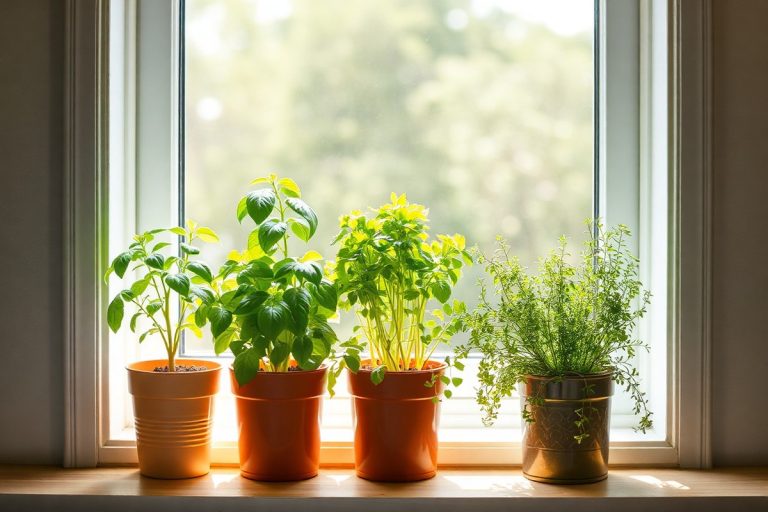
Lilies can grow indoors with enough sunlight and drainage. Use a bright window spot and a pot with holes for water flow.
Should I Remove Lily Flowers After They Fade?
Yes, deadhead lilies to encourage energy toward bulbs, not seeds. This improves next year’s blooms and keeps the plant tidy.
How Often Should I Water Lilies During the Growing Season?
Water lilies once or twice a week depending on rainfall. Soil should stay moist but not soggy to prevent rot.
Are Lilies Toxic to Pets, and How Can I Keep Them Safe?
Yes, lilies are toxic to cats and dogs. Keep them out of reach or choose pet-safe plants for your garden.
Final Thoughts
Growing lilies takes steady care and attention at each stage. Watching your bulbs sprout and bloom rewards your work. Start with soil prep today and stay patient through growth.