When to Plant Peppers: A Complete Guide for Best Timing and Growth
Knowing when to plant peppers is key for a good harvest. Plant peppers outdoors only after nighttime temperatures stay above 55°F. This helps avoid damage from cold weather and frost.
Begin growing pepper seeds inside about 8 to 10 weeks before the final frost. This timing helps seedlings develop well before planting outdoors. Make sure the outdoor soil stays above 60°F before moving the plants outside.
Keep peppers spaced about 18 inches apart with rows 2 to 3 feet apart. This lets each plant get enough sunlight and airflow. Don’t plant too early, even if days feel warm.
Peppers need warmth both day and night to thrive. Nighttime temperatures that are too cool can harm young plants.
Key Takeaways
- Sow pepper seeds indoors 8 to 10 weeks ahead of your last expected frost. This gives seedlings a solid head start before outdoor planting.
- Transplant peppers outside only after nights stay above 55°F.
- Ensure soil temperature is at least 60°F before planting outdoors.
- Keep bell pepper plants about 18 inches apart in each row. Space the rows themselves 2 to 3 feet apart for best growth.
- Peppers thrive when daytime temperatures stay between 70°F and 85°F.
- Wait to plant in cold climates until soil and air warm consistently.
Best Time to Plant Peppers Outdoors
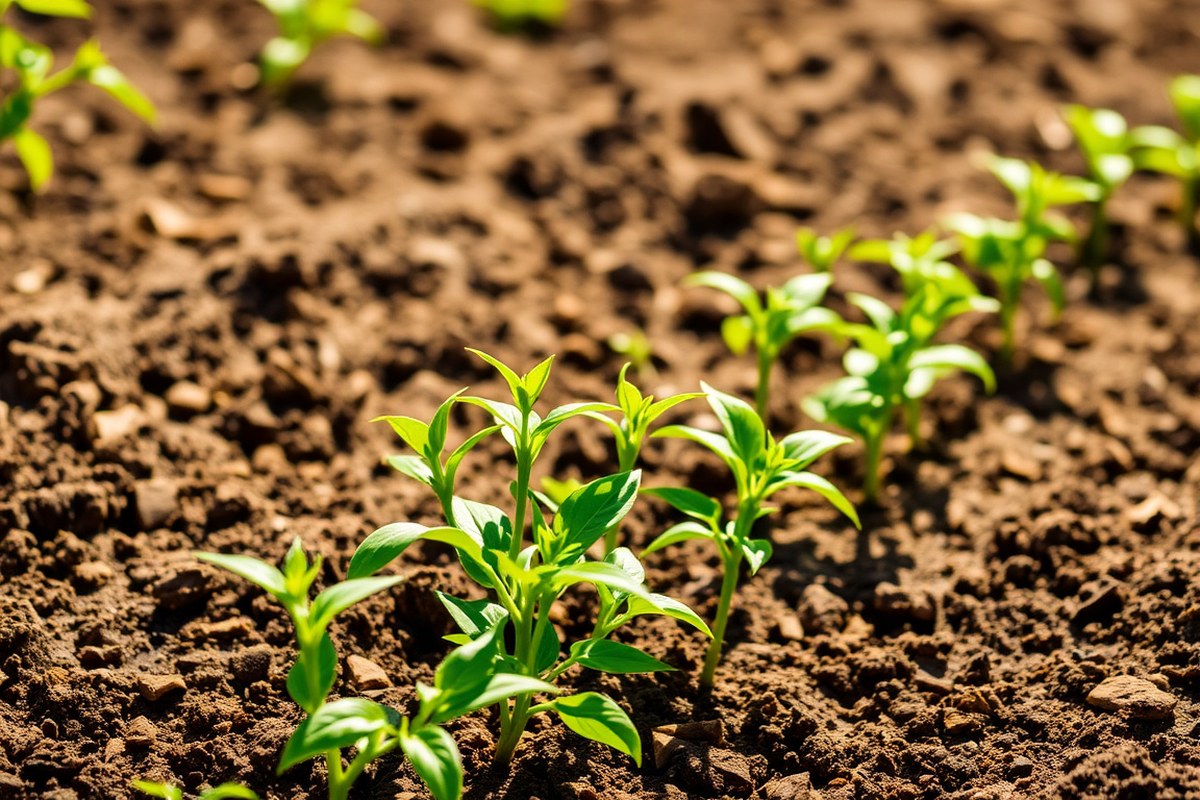
Plant peppers outdoors after nighttime temperatures stay above 55°F consistently. This usually happens around two to three weeks after your last frost date. Avoid planting too early because peppers don’t grow well in cold soil or air.
Soil temperature also matters. The ground should be at least 60°F measured two inches deep with a soil thermometer.
Cold soil can stunt growth or cause your pepper seedlings to die. Warm soil encourages roots to take hold and grow strong.
Nighttime temperatures matter because peppers are sensitive to cold. Night temperatures below 55°F can stress your plants or stop growth. Make sure your area’s average nighttime temperature stays above that before planting outside.
Start by noting your last frost date from local gardening sources. Then, wait about two to three weeks after that date.
Check soil temperature with a probe or digital thermometer. Soil below 60°F means wait a few days before testing again.
In colder or unpredictable climates, give seedlings a few days to adjust outdoors. This process, called hardening off, helps plants get used to sunlight and temperature changes. Set your peppers outside for a few hours each day, increasing time gradually.
Warmer zones like USDA Zones 10 through 13 can plant peppers outside early. Frost risk is minimal there.
In colder zones, delaying planting until soil and nights warm up prevents poor growth. Planting too soon leads to weak plants or loss to frost.
For best results, watch nighttime temperatures and soil warmth carefully. Your peppers should enjoy steady warmth both day and night to thrive. This careful timing boosts your chances of a healthy, productive harvest.
When and How to Start Pepper Seeds Indoors
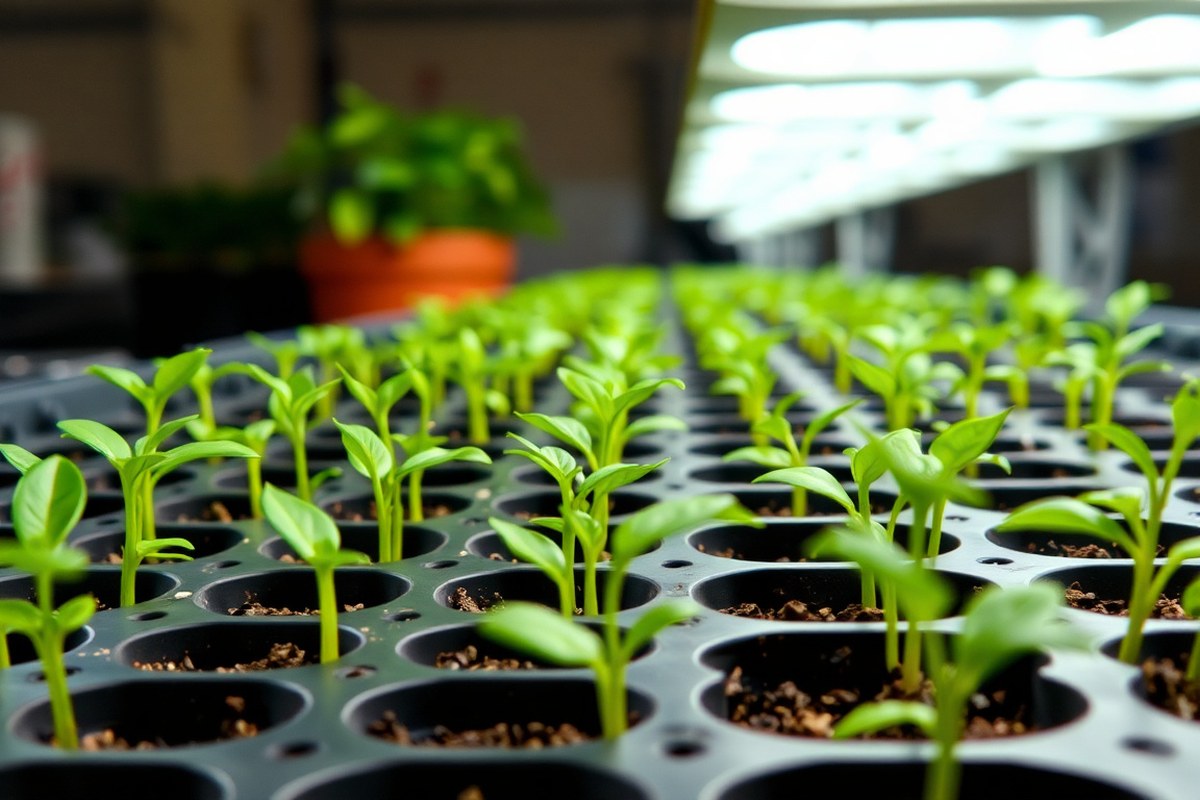
When and How to Start Pepper Seeds Indoors
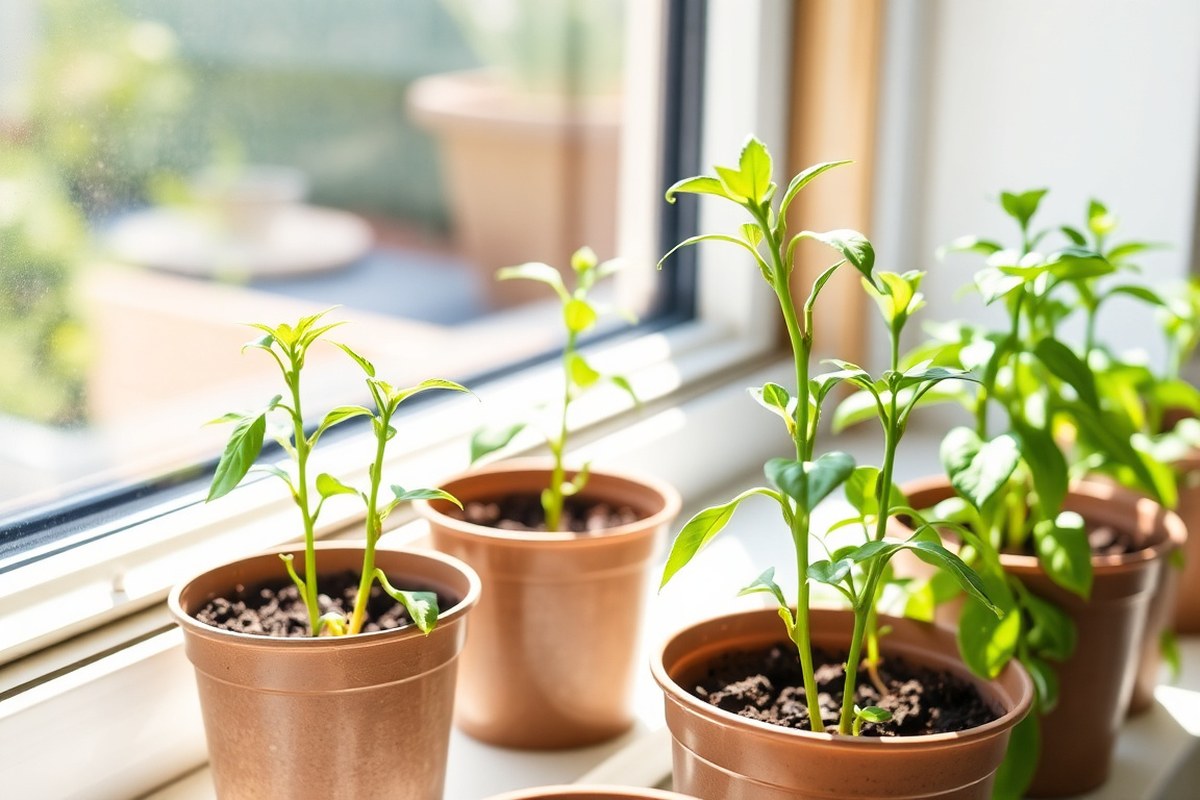
Begin by sowing pepper seeds indoors about 8 to 10 weeks before the last frost. Use a sterile seed-starting mix and plant the seeds 1/4 inch deep. Give them enough light and warmth so they sprout well and grow strong.
Optimal Timing Before Last Frost
Find your last expected frost date. Then count back 8 to 10 weeks to pick when to start seeds.
This timing helps peppers grow properly before you plant outside. This timing lets seedlings grow enough indoors before transplanting.
Zones 7 through 9 can start seeds as early as late December to late February. Cooler zones should wait until 8 to 10 weeks before their specific frost date.
Starting seeds too early leads to lanky plants that need extra care and space. Starting late risks slow seedlings and delayed fruit production.
Seed Planting Depth and Spacing
Sow seeds roughly 1/4 inch (0.6 cm) deep. Planting too deep slows germination and weakens seedlings.
Use one seed per cell or small pot for the best root development and easy transplanting. Overcrowding causes competition and stunted growth.
Choose sterile seed-starting mix to avoid fungal issues. Keep the soil moist but not soaked for healthy seed sprouting.
Light and Temperature Requirements
Peppers need temperatures around 70 to 85°F (21, 29°C) for fast and even germination. Cooler soil delays sprouting or causes failure.
After germination, provide 12 to 16 hours of bright light daily. A sunny south-facing window or fluorescent grow lights work well.
Too little light results in weak, leggy seedlings that struggle outdoors. Check temperature regularly because most indoor spaces are cooler at night. Follow these steps to start pepper seeds indoors successfully:
- Choose quality seeds from a reliable source.
- Fill seed trays or small pots with a sterile seed-starting mix.
- Plant seeds 1/4 inch deep, one seed per cell.
- Water gently to moisten the soil without flooding.
- Cover with plastic or a humidity dome to retain moisture.
- Place trays in a warm spot or use a seed heat mat set to 75, 85°F.
- Remove covers once seeds sprout, then provide 12, 16 hours of light daily.
- Keep soil moist but allow the top to dry slightly between waterings.
Use a heat mat if your room stays below 70°F to speed up germination. Avoid overwatering, which causes damping-off disease.
When to Transplant Pepper Seedlings Outside
Transplant pepper seedlings outside after nighttime temperatures stay above 55°F (13°C). The soil should be at least 65°F for root growth. Harden off seedlings for 7 to 10 days before moving them completely outdoors.
Checking Nighttime Temperature Consistency
Peppers dislike cold nights below 55°F, which can stunt growth. Check a reliable weather app each evening to track nighttime lows. Be sure nights stay consistently above 55°F for about a week before transplanting.
Local microclimates might differ from forecasts. Place a simple outdoor thermometer in your planting spot to monitor real conditions. Avoid moving seedlings out if heavy rain or frost is forecast.
Soil Temperature and Moisture Requirements
The soil temperature should reach at least 65°F before transplanting. Cooler soil slows root growth and can cause seedlings to “sit there.”
Check soil warmth by pushing a finger 2 inches deep or use a soil thermometer. The soil should feel warm but not hot. Keep soil moist but avoid waterlogging to prevent root rot.
Plant peppers in well-drained soil rich in organic matter. Consistent moisture helps prevent blossom-end rot, a common problem with peppers.
Hardening Off Seedlings Safely
Hardening off prepares seedlings for outdoor stress like wind, sun, and temperature swings. Gradually exposing plants over 7 to 10 days reduces transplant shock. Start by moving them outside for a few hours in partial shade.
Follow these steps to harden off pepper seedlings:
- Place seedlings in a sheltered, shaded spot outdoors for 2, 3 hours on day 1.
- Increase outdoor time by 1, 2 hours daily over the next week.
- Introduce some direct sunlight starting day 4, beginning with 1 hour.
- Expose seedlings to wind by gently moving pots or placing them where breezes occur.
- Bring plants indoors or cover if temperatures drop near or below 50°F during the process.
- Check plants daily for wilting or stress; reduce sun or wind if needed.
- On day 10, leave seedlings outside overnight if temps remain above 55°F.
- Transplant to the garden after hardening off is complete and soil temperature is right.
Pepper Planting Times by Hardiness Zone
Your USDA zone sets when you can safely plant peppers outside. Peppers need soil temperatures above 60ºF and no chance of frost to grow well. Starting seeds indoors protects plants from cold.
You can wait until after your last frost date. This helps you avoid losing seedlings to frost damage.
| USDA Garden Zone | Average Last Frost Date | When To Start Pepper Seeds Indoors |
|---|---|---|
| 3 | May 1, 15 | March 6, 20 |
| 4 | May 23, June 13 | March 28, April 18 |
| 5 | May 9, June 4 | March 14, April 9 |
| 6 | April 28, May 14 | March 3, 19 |
| 7 | March 30, April 16 | February 2, 19 |
| 8 | March 13, 29 | January 16, February 1 |
| 9 | February 6, 28 | December 12, January 3 |
| 10-13 | No freezes | Anytime |
Colder zones like 3 to 5 have short growing seasons. You need to start seeds indoors early, then transplant only after late frosts pass.
For example, zone 5’s last frost can linger until early June. That shortens the time peppers have to mature outside.
Zones 8 and warmer let you start seeds in January. You can transplant pepper plants by mid-March. These warmer areas have longer growing seasons.
Some zones 10 and higher never see frost, so peppers can grow year-round. Still, don’t plant too early if nights stay cool. Cold nights slow growth and can harm plants.
Peppers need about 75 days to mature after transplanting. So check your zone’s fall frost date too.
Zone 7 gardeners can usually grow varieties like California Wonder bell peppers successfully. Zone 5 often doesn’t warm up long enough before frost returns.
Protection methods help in colder areas. Cover pepper plants if a late frost happens. You can also add Epsom salt at the base.
This helps the plants grow stronger. Don’t rush to plant if the soil isn’t warm enough. Waiting a couple of weeks later can mean stronger plants and better harvests.
- Measure your zone’s last frost date using local tools or USDA maps.
- Start seeds indoors 6 to 8 weeks before last frost for most zones.
- Transplant only after frost danger passes and soil holds 60ºF or higher.
- Consider season length: short in cold zones, long in warm zones.
- Use covers or soil amendments to protect from unexpected cold spells.
Extending Pepper Planting Season in Cold Climates
Start peppers indoors 8 to 10 weeks before the last frost. Zones 3 through 5 need this early start. This gives seedlings time to grow strong.
Put seedlings under grow lights or by a sunny window. Give them 14 to 16 hours of light each day. This helps them grow healthy and tall.
Use a heat mat under seed trays to warm the soil. Peppers like soil between 70 and 85 degrees Fahrenheit. Warmer soil helps seeds sprout faster.
After moving plants outside, protect them during cold weather. Use cloches, row covers, or cold frames for shelter. This guards young plants from frost damage.
These coverings trap heat and keep nighttime temperatures above 55°F, which peppers need to thrive. Mulch around pepper plants with straw or shredded leaves.
Mulch keeps soil warm and holds moisture well. This supports steady growth for your peppers.
Greenhouses provide an excellent way to extend the growing season. A steady, warmer space helps peppers grow before spring thaw. It also helps them keep growing later into the fall.
This extends your pepper harvest season. Cold frames act like small greenhouses for tight spaces.
They usually cost less than $100 for a ready-made model. This lets you grow peppers in smaller areas.
- Start seeds indoors 8-10 weeks before last frost.
- Use heat mats to maintain soil temperature around 75°F.
- Provide 14-16 hours of light with grow lights or sunny windows.
- Harden off seedlings gradually before transplanting outside.
- Cover plants with cloches or row covers during cold nights.
- Mulch soil to conserve warmth and moisture.
- Use cold frames or greenhouses to grow peppers earlier and longer.
Never leave covers on during warm days. Peppers can overheat quickly under plastic or fabric guards.
Plants started indoors develop stronger roots and grow 4 weeks faster than those seeded outside. That head start matters when summers are short. Keep an eye on local forecasts.
Remove covers during warm days to avoid overheating your young peppers. Gradually exposing plants to outdoor conditions over 7 to 10 days reduces shock.
Some gardeners grow peppers year-round in heated greenhouses or under indoor lights. This requires extra electricity and setup costs but delivers fresh peppers off-season. Starting seeds indoors saves money for outdoor gardeners.
Using simple row covers helps extend the growing period too. This method stretches your garden season without big costs.
Soil Preparation and Fertilization for Peppers
Peppers thrive in well-drained, fertile soil with a pH between 6.0 and 6.8. The soil should feel loose and crumbly, not hard or compact. Too much clay or sand can stunt growth and reduce yield.
Fertilizing peppers starts before planting and continues through the growing season. They need steady nutrients, especially phosphorus and potassium, to produce fruits.
Using a balanced fertilizer early supports roots. Extra feeding once flowers form helps peppers grow larger.
Prepare your soil well before planting pepper plants in the garden. Work the soil to loosen and remove any weeds.
This helps your peppers start off strong. Here’s a step-by-step soil preparation checklist to follow:
- Test your garden soil’s pH and nutrient levels with a home kit or local extension service.
- Amend soil with compost or aged manure to boost fertility and improve texture.
- Till or dig the soil to about 8 to 12 inches deep to loosen it well.
- Use a balanced granular fertilizer like 10-10-10 when you plant. Mix it into the top 6 inches of soil. This gives your peppers the nutrients they need early on.
- Water the soil lightly to settle it and make it moist but not soggy.
- After your peppers bloom, add more fertilizer to the soil side. Choose a formula with more potassium, such as 5-10-10. This helps fruit development and plant health.
- Repeat fertilizing every 3 to 4 weeks during fruit development, following package rates.
- Mulch around plants to retain moisture and reduce weed competition.
Fertilizer choice matters since excessive nitrogen produces leafy growth but fewer peppers. Use slow-release types or organic options like fish emulsion if you prefer less synthetic fertilizer.
Healthy soil warms faster and drains well. So avoid planting when soil temperature stays below 60°F. Cold, wet soil can shock young roots and slow growth dramatically. Proper soil care leads to strong plants that bear more fruit and resist diseases better.
Proper Planting Distances and Spacing for Peppers
Peppers need enough space to grow and get good air flow. Space plants 12 to 24 inches apart in rows. Leave 30 inches between each row to avoid crowding.
This helps sunlight reach every plant. Keep up to 36 inches if your pepper plants grow large.
Bell peppers usually do well with about 18 inches between plants. The rows can be 2 to 3 feet apart to give the plants room to spread.
Hot peppers like jalapeños and poblanos don’t need much different spacing. But smaller types like shishito or mini sweet peppers can be placed a little closer.
For container gardening, use a pot at least 12 inches wide for each pepper plant. Compact pepper varieties need about 12 inches between plants too. This spacing helps avoid damp conditions that cause disease and lets you manage the peppers easily.
- Space bell peppers 18 inches apart in rows 24 to 36 inches apart
- Hot peppers like jalapeños can use the same spacing but adjust for size
- Mini and compact peppers do fine 12 inches apart
- Use containers at least 12 inches wide per plant
- Double or stagger rows in 2-foot wide beds for better yield
Planting peppers too close makes air move poorly and slows growth. Crowded peppers ripen slower and produce less fruit. Too much distance wastes garden space but reduces competition.
Try to plant after frost danger is gone and soil is warmer than 50°F. Proper spacing helps peppers grow strong and healthy. Timing also matters for good growth. These factors help you get lots of fruit to pick.
Temperature and Weather Effects on Pepper Growth
Pepper plants grow best with daytime temperatures between 70°F and 85°F. Night temperatures should stay above 60°F to encourage flowering and fruit set. Temperatures below 55°F at night slow growth and cause flower drop. Highs above 90°F can stop fruit from forming.
Extreme heat or cold stresses peppers and causes common problems. Temperatures over 95°F for several days can cause flowers to drop. This happens because the plant struggles to set fruit in such heat.
You might see wilting leaves or faded colors during heat stress. Cold nights below 50°F cause leaves to yellow and stunt fruit growth. Peppers in cold climates often struggle to ripen fully.
Protect peppers from weather extremes using simple methods. For heat, try shading plants in the afternoon between 3 and 6 PM. Shade cloth or lightweight garden fabric helps lower leaf temperature.
When cold threatens, cover plants with frost cloth or row covers each night to trap warmth. Row covers can prevent freeze damage when temps drop into the 40s°F.
Maintaining steady moisture helps peppers handle these stresses. Avoid inconsistent watering, which can cause blossom-end rot, a brown patch on fruit bottoms. Adding mulch keeps soil moist and cool.
During flowering, spray leaves with Epsom salt solution. Use 1 tablespoon per gallon of water. This helps with magnesium and fruit set.
Keep night temperatures above 60°F or use row covers. Cool nights under 55°F cause flower drop and weak fruit development.
Differences in Planting Sweet vs. Hot Peppers
Hot and sweet peppers differ in planting schedules and temperature needs. Hot peppers usually need a longer indoor start and higher outdoor temperatures. Sweet peppers germinate faster and tolerate cooler conditions.
Indoor Start Timing for Sweet vs. Hot Peppers
Start sweet pepper seeds indoors about 8 to 10 weeks before the last frost date. Hot peppers, especially super-hot varieties, need at least 10 to 12 weeks to grow indoors first. The extra time helps hot peppers develop enough before transplanting.
Plant seeds about 1/4 inch deep in seed-starting soil. For example, jalapeño and habanero seeds benefit from longer indoor care. Starting hot pepper seeds early gives them a better chance to ripen fully.
Transplant Temperature Differences
Sweet peppers handle cooler transplant temperatures than hot varieties. Sweet peppers can be moved outside when nighttime temps stay above 50°F. Hot peppers require warmer soils and air, ideally above 60°F at night.
Cold soil or chilly weather can stunt hot peppers more than sweet ones. Waiting until the danger of frost passes and the soil warms improves hot pepper survival. Transplanting too early risks slow growth or plant shock, especially for hot peppers.
Maturation Speed and Sensitivity
Hot peppers generally take longer to mature compared to sweet peppers. Many hot types need a growing season longer than most sweet varieties to fully ripen. For instance, super-hot peppers often require continual care for 12 weeks or more outdoors.
Sweet peppers mature faster but may lose flavor if rushed. Hot peppers tolerate heat and stress better but need careful timing to avoid poor fruit development. Careful scheduling ensures both types finish growing in your climate.
Here is a table showing suggested varieties and their planting details:
| Fruit Type | Suggested Varieties | Indoor Start Time (weeks) | Transplant Temp (night °F) |
|---|---|---|---|
| Sweet | Ace, Banana Supreme, Bell Boy | 8-10 | ≥50 |
| Hot | Anaheim, Early Jalapeño, Habanero | 10-12 | ≥60 |
| Specialty | Prairie Fire, Riot (edible ornamental) | 10-12 | ≥60 |
Knowing these differences helps you better plan your start times. Starting hot peppers earlier indoors and transplanting later outdoors prevents stress. Sweet peppers give more flexibility with cooler temps and shorter indoor time.
Step-by-Step Action Plan
Follow these steps so you can plant your peppers at the right time. This order will help your plants grow strong and produce well.
- Eight weeks before last frost: Start pepper seeds indoors in seed trays or pots. Seeds should sprout in 7 to 14 days if kept warm.
- After seedlings grow two sets of true leaves: Thin seedlings to one per pot. Healthy leaves show good seedling growth.
- Two weeks before transplanting: Start hardening off your seedlings. Put them outside for a few hours daily. Gradually increase their time outside each day. Look for no wilt or sunburn on leaves.
- After last frost date: Transplant seedlings outdoors when night temperatures stay above 50°F. Plants should look sturdy and not stressed.
- At planting: Prepare soil with compost and balanced fertilizer, spacing plants 18 to 24 inches apart. Soil should drain well and feel loose.
- After planting: Water plants deeply and mulch around stems to keep moisture consistent. Leaves should stay green and firm.
- During growing season: Monitor temperatures and protect peppers from cold snaps with row covers if needed. Plants should keep growing without wilting.
- Weeks 8 to 12: Start harvesting peppers once they reach full color and size. Pick regularly to encourage more fruit.
Frequently Asked Questions
What Time of Day Is Best for Planting Peppers?
Plant peppers early in the morning or late afternoon. This helps plants avoid heat stress.
It lets roots settle. They get ready before the hot midday sun comes.
Can You Plant Pepper Seeds Directly in the Garden?
Yes, but only when soil temperatures stay above 60°F. Cold soil slows germination and can cause seeds to rot or fail.
How Often Should You Water Peppers After Planting?
Water peppers deeply once or twice a week depending on rainfall. Keeping soil moist but not soggy helps prevent root problems.
Is It Better to Plant Peppers in Containers or Garden Beds?
Both work well, but containers should be at least 5 gallons. Containers give more control over soil quality and drainage.
Can Pepper Plants Handle Morning Sun Only?
Peppers need at least 6 hours of sun daily. Morning sun alone might not give enough light for good growth and fruit.
How Soon Do Pepper Plants Start Producing After Transplanting?
Peppers usually start fruiting 60 to 90 days after transplanting. Warmer temperatures speed up growth and fruit development.
Wrapping Up
Planting peppers at the right time helps you get the best harvest. Start seeds indoors early and move them outside after frost danger passes. Check local frost dates now, then plan your seed start to suit your zone.