How Much Bark Mulch Do I Need? A Complete Guide with Practical Calculations
How much bark mulch you need depends on the garden’s size and mulch depth. A 2 to 3-inch layer is best for most plants. This thickness helps control weeds and keeps soil moist.
Measure your garden area in square feet. Multiply by the mulch depth in inches, then convert to cubic feet. This gives a good estimate of how much mulch you need.
Finer mulch settles faster, while chunkier bark lasts longer but takes more space. Bark mulch shrinks about 10 to 20 percent as it settles. Buy extra to make up for this shrinkage.
Ordering mulch in bulk usually saves money. Bagged mulch is fine for small areas but costs more per cubic foot. These tips help you avoid buying too little or too much mulch.
Key Takeaways
- Measure the garden area in square feet before buying mulch.
- Use 2 to 3 inches as the optimal mulch depth for most plants.
- Multiply area by depth to calculate mulch volume in cubic feet.
- Chunky bark mulch lasts longer than fine mulch but needs more volume.
- Expect bark mulch to settle by about 10 to 20 percent.
- Add 10 percent extra mulch to cover settling and waste.
How to Calculate the Right Amount of Bark Mulch
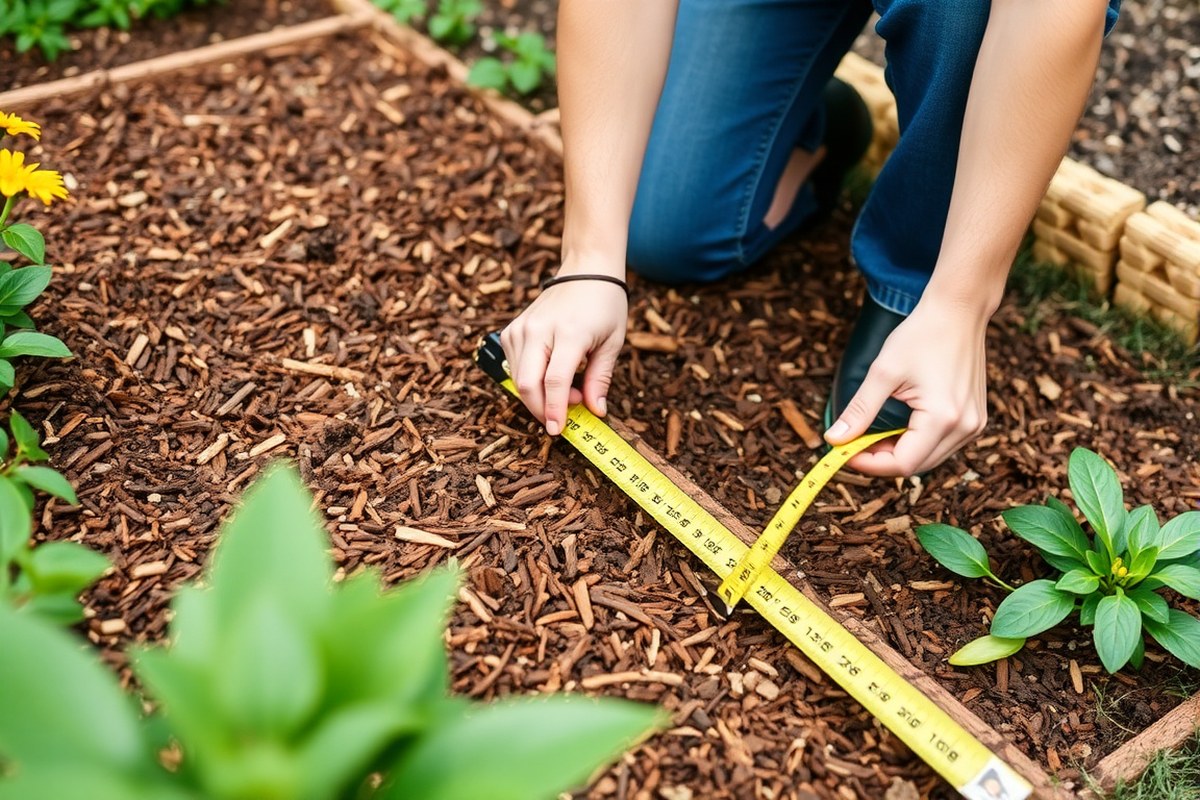
Measure the area you want to cover with bark mulch. Use a tape to get the length and width. Multiply those to find the area in square feet.
Then decide the depth of mulch. Most gardeners use between 2 and 4 inches depending on plant needs. Getting these details right early helps a lot.
You avoid buying too much or too little mulch. This saves you time and money.
Use this simple method to calculate the required mulch volume. It works for any shape if you first find the area in square feet.
Then multiply that by your desired depth in inches. The result will guide you to buy the right amount either in bags or bulk.
- Measure the length and width. For rectangular beds, multiply length by width to get square feet. For example, a 15 ft by 8 ft bed equals 120 sq ft.
- Calculate the area for irregular shapes.Break the shape into rectangles or triangles first. Find each small area’s size by multiplying length and width. Add all those areas up for the total square feet.
- Choose your mulch depth in inches. Common depths are 2 to 4 inches depending on your plants’ needs.
- Multiply the area by depth. For 120 sq ft at 3 inches deep, multiply 120 × 3 = 360 cubic inches.
- Convert cubic inches to cubic feet. Divide total cubic inches by 1728 (12 × 12 × 12). For 360, that’s 0.21 cubic feet.
- Convert cubic feet to cubic yards. Divide cubic feet by 27. For 0.21 cu ft, it’s 0.0077 cubic yards.
- Decide on bags or bulk. A typical bag holds 2 cubic feet. Divide the total cubic feet by bag size to get bag count. Here, 0.21 ÷ 2 = 0.10 bags, a small fraction.
- Buy slightly more. Add 10-20% to account for settling and uneven ground. Multiply your final yard or bag number by 1.1 to 1.2.
For your 15 × 8 ft bed at 3 inches, you need about 0.21 cubic feet or a fraction of one bag. Scaling up, a 500 sq ft bed at 3 inches would take roughly 4.63 cubic yards or 63 bags of 2 cubic feet each.
Suppliers usually price mulch by the cubic yard. Delivery fees mean buying at least 3 cubic yards often saves money.
Keep these conversions handy: 1 cubic yard = 27 cubic feet. Most bags hold 2 or 3 cubic feet. Also, mulch settles 10-20% after a few months, so plan accordingly.
Taking time to measure correctly saves your money. You will get just the right amount of mulch. Avoid running short when planting starts.
Choosing the Right Mulch Depth for Your Plants
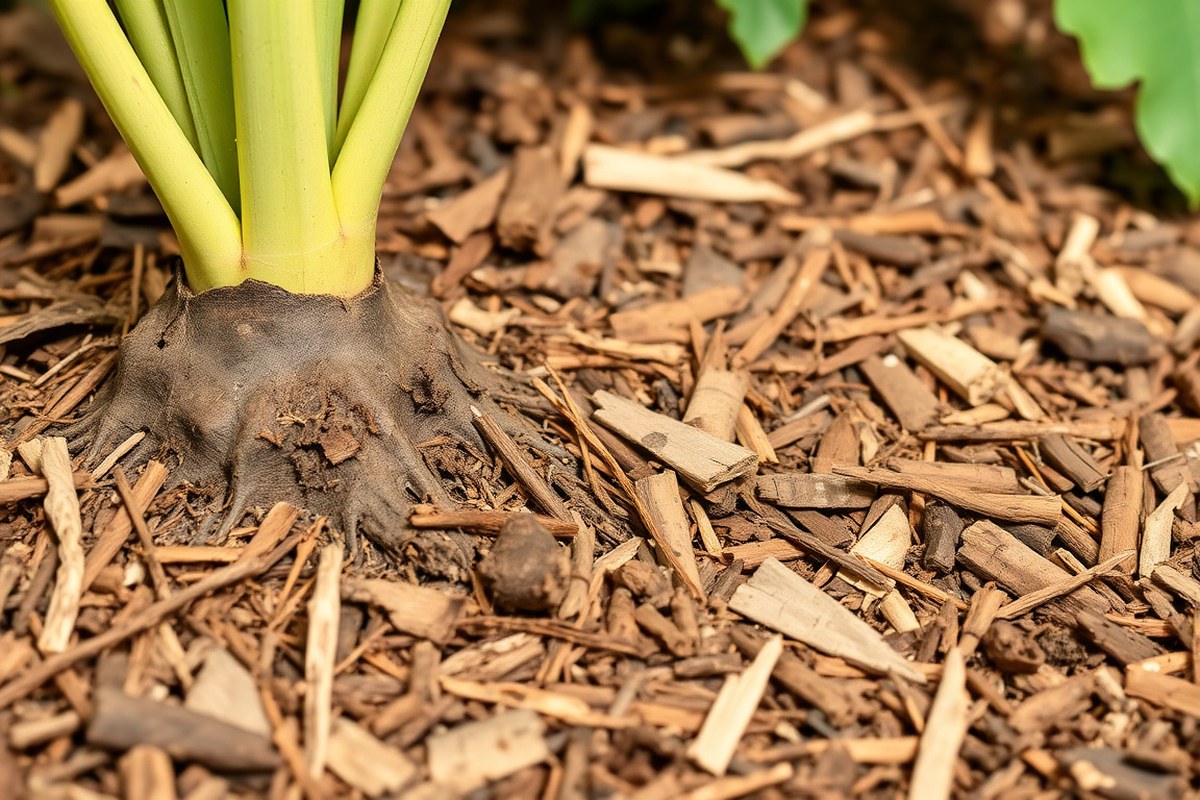
Bark mulch works best at about 2 to 3 inches deep. At this depth, it blocks sunlight, which keeps weeds from growing. Plus, it holds moisture by reducing evaporation, so your plants stay hydrated longer.
Too little mulch won’t stop weeds or hold enough water. A 2-inch layer offers light weed control.
3 inches gives much better coverage and helps soil stay cooler. This balance improves plant health by protecting roots from temperature swings.
Applying more than 3 inches causes problems. Thick mulch layers can stop water from reaching soil.
This leaves roots thirsty and can cause rot if water pools on top instead. Also, thick mulch makes roots grow into the loose mulch, not the soil, raising drought risk.
On poor drainage spots, keep mulch to 2 inches or less. Coarser bark helps air reach the soil, preventing root rot there. For normal garden beds, use 3 inches of aged bark.
Press it down lightly. This helps control weeds for a long time.
Fresh pine bark is mildly acidic, but three inches won’t change soil pH much. Organic bark slowly adds nutrients as it breaks down, boosting soil fertility over time. Avoid piling mulch against tree trunks or plant stems to stop pests and disease.
Use 2 to 3 inches of bark mulch for best weed control and moisture retention. Never pile it thick enough to suffocate roots or block water.
Types of Bark Mulch and How They Affect Quantity
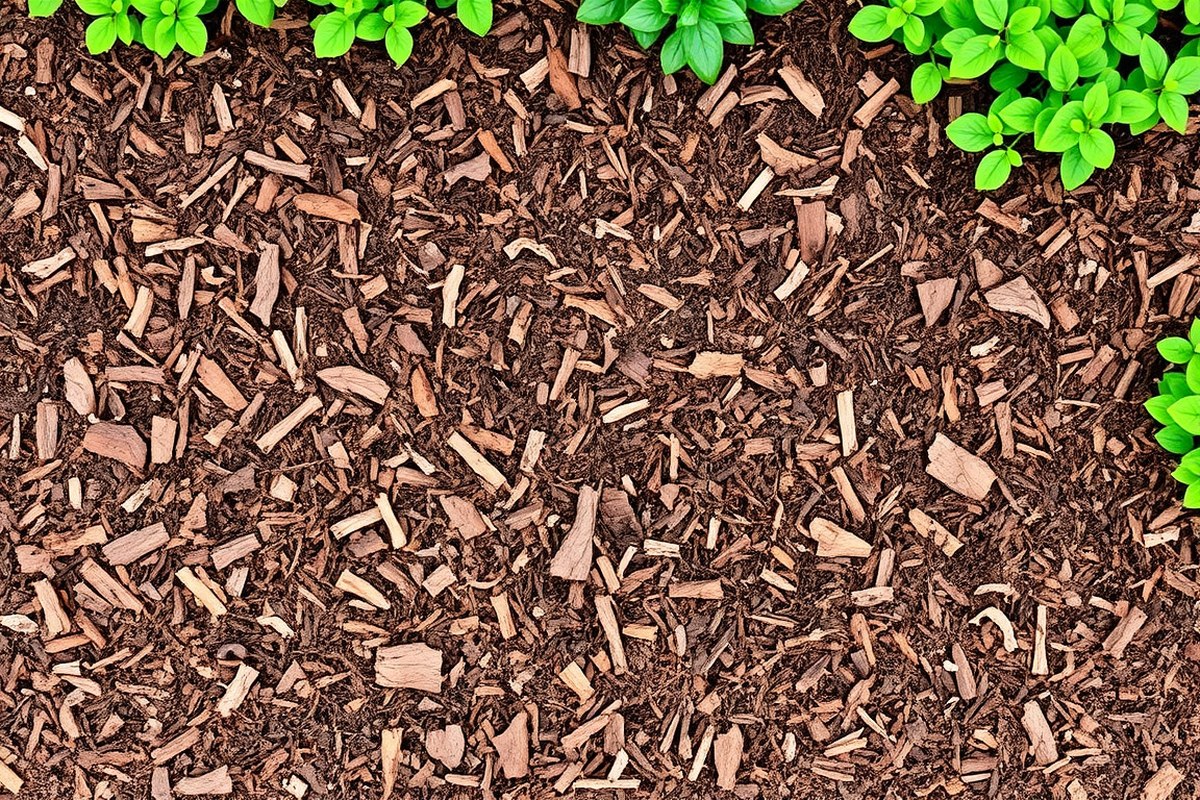
The type of bark mulch greatly changes how much you need. Shredded varieties cover densely but break down faster and settle more. Larger nuggets last longer but need less frequent topping.
Shredded Bark and Fines
Shredded bark and finer pieces cover the ground tightly. You often need less at first since they fill in gaps well. However, these break down faster, requiring you to add more often, usually every year or two.
This mulch settles more than chunky types. So expect about 10 to 20 percent volume loss annually. Because they decompose faster, they add organic matter to your soil quicker.
Use shredded pine bark or hardwood bark fines in vegetable beds. They work well for fast soil improvement. They’re great for areas that need quick nutrient boost.
Large Nuggets and Chippings
Large bark nuggets and chips are chunkier and last longer on the surface. They break down slower.
So you generally replace or top up every 18 months to 3 years. These are great for decorative borders and spots where you want a neat, less disturbed look.
Since they settle less, usually under 10 percent, you don’t have to add mulch as often. Big nuggets also take up more space.
So one cubic yard covers less square footage at the same depth compared to shredded bark. Expect to pay about $30 to $45 per cubic yard for pine bark nuggets.
Composted Bark and Woodland Mulch
Composted bark mulch is finely broken down and nutrient-rich. It breaks down quickly, in 6 to 12 months. This adds many nutrients to your soil.
That helps plants grow better and stronger. Because of the quick breakdown, you have to replace it every year reliably.
This mulch settles the most, sometimes up to 20 percent or more. So order extra to maintain coverage. Woodland mulch is another fine-texture choice for your garden.
It breaks down in about 12 to 18 months. This mulch helps improve your soil structure too. These types work best in vegetable gardens and annual planting beds.
| Mulch Type | Lifespan | Top-up Frequency | Settling | Notes |
|---|---|---|---|---|
| Standard Bark Chippings | 2, 3 years | Add 25mm annually | 8, 10% | Smaller chips break down faster |
| Large Decorative Bark | 3, 4 years | Add 25mm every 18 months | Less than 10% | Bigger chips last longer |
| Composted Bark | 6, 12 months | Add annually | Up to 20% | High nutrient content, feeds soil rapidly |
| Wood Chip (Arborist) | 1, 2 years | Add 50mm annually | 12% | Breaks down faster, good soil improver |
| Play Bark | 1, 2 years | Replace annually for safety | Varies | Must keep certificate’s tested depth |
Knowing these differences helps you pick the right mulch type and amount. Expect finer mulches to need more frequent refills and extra volume for settling.
Chunkier bark mulch holds its shape longer, needing fewer top-ups. But covers less ground at the same depth.
How to Account for Settling, Waste, and Uneven Ground
Bark mulch settles as it compresses and decomposes over the weeks after spreading. Plan to add about 20% to 30% extra volume to your initial calculation for settling alone.
This extra mulch fills the volume lost when bark flakes down. It also fills space when mulch compresses against uneven ground.
Adding a 10% buffer for waste and settling is a common practice chosen by many landscapers. This buffer covers material spilled during spreading, uneven spreading thickness, and natural settling combined. You can apply this by multiplying your calculated mulch volume by 1.1 to get a safer estimate.
Slopes and uneven ground require extra mulch. On slopes steeper than 10%, shredded pine bark works better. It stays in place more easily on these slopes.
For moderate slopes or bumpy beds, add about 10% more mulch. This is on top of your settling and waste allowance. Pinning landscape fabric edges also helps keep mulch from washing away on hills.
Start your final mulch amount by calculating the volume for your bed at the target depth. Then multiply by 1.2 to 1.3 for settling, then by 1.1 to include waste.
For example, a base 1 cubic yard calculation becomes about 1.32 to 1.43 cubic yards after adjustments. This method prevents running short and needing an extra trip for more mulch.
Refreshing mulch each spring with about half the original depth also keeps bark thick and healthy. Mulch thinning and settling happen year-round. So adding roughly 25mm of fresh bark annually maintains protection.
Lay ground fabric first to stretch your budget. It slows decomposition and weed growth. This means less mulch replacement later.
Common mistakes include measuring without allowances, which leads to thin mulch layers or bare spots. Also, spreading mulch directly against tree trunks can trap moisture and cause rot.
Leave a small gap around stems to avoid this. Combining these tips helps mulch stay attractive and effective for weed control and soil health longer.
Cost and Bag Size Considerations When Buying Bark Mulch
Choosing between bagged mulch and bulk delivery depends on your project size and budget. Small areas under 100 square feet suit bagged mulch for ease and convenience. Larger projects are usually cheaper and simpler with bulk mulch by the cubic yard or meter.
Common Bag Sizes and Volumes
Mulch bags typically range from 50 to 100 liters. A 100L bag covers about 2 square meters at 50mm depth. For example, 13 bags of 60L cover roughly 15 square meters at 3 inches deep.
Here’s a quick look at common bag sizes. See what each covers at a usual depth. This helps you match bags to your garden size.
| Product | Size | Best For | Buy |
|---|---|---|---|
| Bark Chippings 10-20mm | 80L bag | Borders, beds, weed suppression | Gardening Naturally |
| Rolawn Play Grade Bark | Bulk bag (1m³) | Children’s play areas (BS EN 1177 certified) | Homebase |
| Westland Decorative Bark | 70L bag | Ornamental borders, front gardens | , |
| Strulch Mineralised Straw Mulch | 100L | Slug-resistant, lasts 2 years | Gardening Naturally |
| Welsh Slate Chippings 40mm | 25kg bag | Permanent decoration | , |
Many retailers offer bags from 50L to 100L, balancing weight and coverage. Smaller bags suit tight spaces but cost more per volume.
Bulk Delivery vs Bagged Mulch Costs
Bulk mulch costs less per volume than bags but needs space to store and heavier lifting. A 1-cubic-yard bulk load covers about 108 square feet at 3 inches deep. It typically costs $50 to $90 for delivery and material.
Bagged mulch costs about $5.50 per 80L bag, which equals roughly $74 per cubic yard. Smaller bags cost more by volume and add plastic waste. Bulk is better for 15 square meters or more.
| How You Buy | Typical Price | Cost per m² at 50mm | Best For |
|---|---|---|---|
| Small bags (50, 60L) | £4, £6 per bag | £3.30, £5.00 | Topping up small borders |
| Standard bags (80, 100L) | £8, £13 per bag | £2.50, £4.00 | Medium borders, front gardens |
| Bulk bag (1m³ / 1,000L) | £50, £90 delivered | £2.50, £4.50 | Large borders, 20m²+ projects |
| Loose tipper load (3, 5m³) | £100, £200 delivered | £1.00, £2.00 | Very large areas, 50m²+ |
Bulk bags and loose loads offer better value for bigger areas. They often need a vehicle with enough space.
Plus, the driver must have easy access for delivery. Small bags are best if you have back or transport limits.
Calculating Your Break-Even Point
Estimate how many bags you need by dividing your garden area by the bag coverage. Buying mulch in bulk usually costs less for areas over 15 square meters. Below this, small bags cost less upfront and are easier to handle.
For a 100 square foot area with 3 inches thickness, you require roughly 13 bags of bark, each with 2 cubic feet. A single bulk bag usually covers close to 20 square meters. Digital mulch calculators help you find the precise quantity for your needs.
Check these rules before buying:
- For under 100 sq ft, buy bagged mulch to avoid heavy lifting.
- For 100 sq ft or more, bulk mulch cuts cost and waste.
- Consider delivery fees and storage space too.
Measure your garden area before buying mulch. Then use a mulch calculator to choose between bulk or bags.
When and How to Apply Bark Mulch Correctly
Apply bark mulch during cooler, wetter seasons to help plants retain moisture. Use the Donut Method by leaving a 5cm gap around each plant base. Take care not to pile mulch against stems to avoid rot and ensure healthy growth.
Ideal Times to Mulch
Spring and fall are the best seasons for mulching your garden. The soil is moist, and the plants are actively growing or preparing for dormancy.
Mulching during dry summer months can help conserve water. But avoid doing it in icy winter when mulch can freeze around roots.
Adding mulch in spring helps control weeds and keeps soil temperatures stable. In fall, mulch protects plant roots from harsh winter temperatures. Avoid laying mulch on frozen ground because it won’t settle well and can smother plants.
Proper Mulch Spreading Techniques
Start by clearing weeds and debris from the area before spreading mulch. Put bark mulch in a wide ring around trees and shrubs. Leave a 5cm gap from the trunks to avoid rot.
This helps keep trees healthy. This donut-shaped layer improves moisture retention without causing rot.
Spread mulch evenly to a depth of about 5cm across garden beds. Use about 50 litres of bark mulch for every square metre. This depth holds moisture but lets air reach the roots.
It creates a good balance for growth. Rake the mulch smooth and avoid piling it up around plant bases.
Here are the key steps for proper application:
- Clear weeds and old mulch from the garden bed.
- Measure your garden bed area for mulch quantity.
- Spread mulch in a wide ring around plants, leaving 5cm gap.
- Maintain a 5cm depth by using about 50 litres per square metre.
- Rake mulch evenly, avoiding thick spots or piles near stems.
- Lightly water the mulch to help it settle in place.
Avoiding Mulching Mistakes
A common mistake is piling mulch against plant trunks. This traps moisture, leading to bark rot and disease. Keep a clear 5cm space to let the root flare breathe and avoid damage.
Do not apply bark mulch directly over persistent weeds like bindweed. Mulch can trap seeds and encourage growth if the weeds are already established. Remove these weeds before mulching to prevent their spread.
Also, pine bark mulch is a safe, natural choice free of dyes and chemicals. Using too much mulch or applying it unevenly wastes materials and may harm plants.
Watch for settling; bark mulch settles about 20% in the first few months. So plan to replenish it yearly, especially in play areas where kids may kick it around.
Adjusting Mulch Amounts for Specific Garden Situations
Calculate mulch for tree rings by measuring the ring’s diameter in feet. Multiply the area by the mulch depth, usually 3 inches. Then convert to cubic yards or bags.
Avoid piling mulch against tree trunks. Keep at least 3 inches away to prevent rot or pests.
You can vary mulch depth in the garden depending on the area’s use and plants. Flower beds and vegetable gardens do well with 2 to 3 inches of bark mulch.
Play areas, paths, or slopes may need 3 to 4 inches. Use chunkier bark chips for durability and less compaction.
Paths and playgrounds require tougher, chunkier bark chippings that last under foot traffic. You need more volume for deeper layers in those areas. Expect 3 to 4 inches depth for a safe, cushioned surface.
Vegetable beds and shrubs prefer thinner layers. They keep soil moist and allow air and water flow.
Measure length and width in feet for beds. Use circles for tree rings and measure slopes carefully. Multiply the area by your chosen depth in inches, then convert to cubic feet or yards.
Mulch settles about 20 to 30 percent after a year. Order extra to keep good coverage.
For example, a 6-foot diameter tree ring covers about 28 square feet. At 3 inches depth, it needs roughly 0.26 cubic yards or four 2-cubic-foot bags of mulch.
Larger garden beds need scaled-up amounts. But always avoid the “volcano” shape by layering evenly and stopping short of stems or trunks.
Sloped garden spots need careful mulch to prevent erosion. Make the bark layer 3 to 4 inches thick. This holds soil without slumping from water flow.
Chunkier bark works best as it stays in place and drains well. Adjust your mulch plan site by site for healthy plants and neat beds.
Common Mistakes When Calculating Bark Mulch and How to Fix Them
One common mistake is miscalculating mulch volume by not measuring the area correctly. Many forget to convert feet or meters into consistent units. Measure length and width in feet or meters first.
Multiply those by your desired depth in feet or meters. Then convert that number to cubic yards or meters.
Another error is ignoring the natural settling of bark mulch over time. Mulch can shrink up to 30% after a few weeks. Order extra, about 25% more than your initial calculation, to avoid bare spots later on.
Applying mulch too thickly is a frequent problem. Thick layers, especially over clay soils, can cause waterlogging and root rot. Stick to 2 to 3 inches (5 to 7.5 cm) deep for bark mulch, then spread it evenly to help soil breathe.
On the flip side, spreading too little mulch offers limited benefits. Mulch thinner than 2 inches won’t stop weeds well.
It also won’t hold moisture effectively. You might see more weeds growing or your plants needing extra water.
Watch where mulch touches plant stems or tree trunks. Too much mulch piled against stems can trap moisture and cause decay. Leave a few inches of bare soil between mulch and plant bases for healthier growth.
For uneven grounds, don’t skip adjusting volume. Slopes need more mulch to cover thin spots. Remove loose debris from the surface before measuring.
Calculate mulch needed for the highest and lowest spots. Add about 10% more to cover slopes properly.
Overestimating mulch by buying bags without knowing their size can waste money. Check bag volume carefully, many bags hold 2 cubic feet (about 60 liters). Divide your total mulch volume by single bag size to know how many bags to buy.
Buy around 25% more mulch than your calculations to cover settling and uneven spots.
Step-by-Step Action Plan for Using Bark Mulch
Follow these steps to get the right amount of bark mulch. Spread it correctly so your plants stay healthy. Watch them grow well with good mulch coverage.
- Before you start: Measure the area needing mulch. Write down your length and width in feet.
- Day 1: Calculate the mulch volume using the area and chosen depth. Check your math with a mulch calculator.
- Day 2: Buy bark mulch in bags or bulk as per your calculation. Aim for 10% extra to cover waste and settling.
- Day 3: Clear the planting area of weeds and debris to prepare a smooth base.
- Day 4: Spread mulch evenly to match your planned depth. Don’t pile mulch against plant stems or tree bases. Keep mulch loose to avoid harming plants.
- After 1 week: Inspect mulch layer for settling or gaps. Add mulch to fill spots if needed.
- After 4 weeks: Check moisture beneath the mulch regularly. Make sure the soil stays damp but not soaked. Adjust watering to keep soil just right.
- Seasonal check: Renew mulch yearly to maintain depth and protect plants through the seasons.
Frequently Asked Questions
How Do I Calculate Bark Mulch for Irregularly Shaped Beds?
Break your bed into smaller, simple shapes like rectangles or circles. Calculate each area, then add them together for a total coverage estimate. This method helps you avoid under or overbuying mulch and works for any shape garden bed.
Can I Use Bark Mulch on Vegetable Gardens?
Yes, but choose composted bark or a thinner layer to avoid damaging plants. Too thick mulch can block water or heat. So 1-2 inches is usually best for veggies.
What Happens If I Apply Too Thick a Layer of Bark Mulch?
Roots may grow upward into mulch, increasing drought stress risk. Applying over 2 inches can suffocate roots and harm plant health. Use recommended thickness to avoid these problems.
How Much Mulch Should I Use Near Tree Trunks?
Keep mulch 4-6 inches away from trunks to prevent rot and pests. Use a thinner layer here and extend mulch outward to protect roots without suffocating the base.
How Does Mulch Settling Affect Coverage Estimates?
Expect around 10-20% reduction as fresh mulch compacts and decomposes. Buy a little extra mulch beyond calculations to maintain proper depth after settling.
Is Bulk Mulch Always Cheaper Than Bagged Mulch?
Bulk bags usually cost less per cubic yard but need a larger area to justify. Small projects may be easier and cost-effective with bagged mulch from stores.
Wrapping Up
Bark mulch protects your plants and improves your garden’s soil. Start by measuring your mulching area for the right amount. Grab mulch today and give your garden a fresh, healthy layer.