What Do Marigolds Represent: A Complete Guide to Their Meanings and Uses
What do marigolds represent? They mainly symbolize warmth, creativity, and remembrance. Marigolds often stand for the sun’s energy and life’s vibrant cycle in many cultures.
You’ll see them used in celebrations that honor life and death. Their bright colors bring hope. They also provide comfort.
These flowers carry different meanings depending on their color and cultural traditions. For example, orange marigolds often mean fierce love, while yellow ones suggest optimism. Knowing these differences helps you pick the right marigold for any occasion.
Marigolds also connect to spiritual and historical stories worldwide. They were sacred to the Aztecs. Marigolds play a big role in Day of the Dead.
They are part of many ceremonies. Understanding marigold meanings makes your gift or use more thoughtful. It shows you put care into your gesture.
Key Takeaways
- Marigolds symbolize warmth, remembrance, and life’s vibrant energy in many cultures.
- Choose orange marigolds to express fierce love and creativity.
- Yellow and gold marigolds stand for optimism and positive energy.
- Marigolds were sacred to the Aztecs, especially in Day of the Dead rituals.
- Using marigolds during October relates to their status as a traditional birth flower.
- Marigold colors carry distinct meanings, so pick one to match your message.
What Do Marigolds Symbolize Across Cultures and Traditions
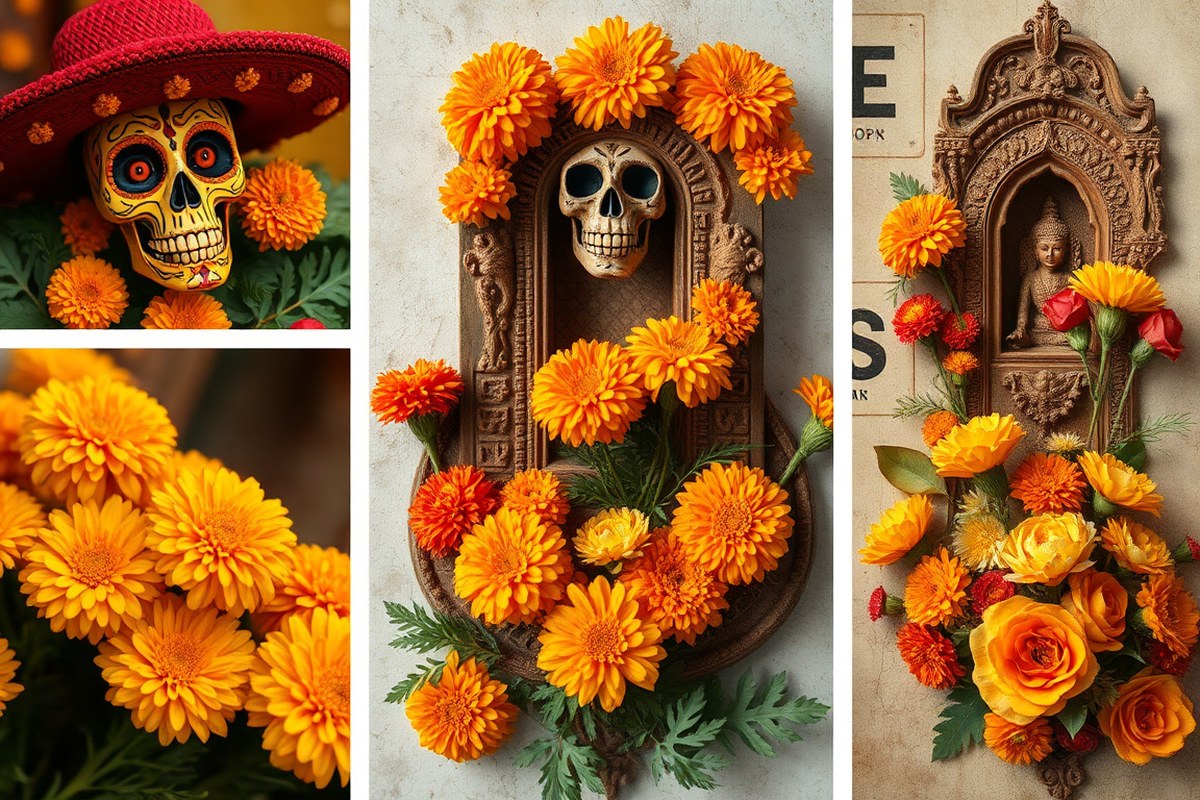
Marigolds generally represent devotion, protection, grief, and transformation. They carry the energy of the sun, symbolizing warmth and renewal. People use marigolds to express love, purity, and healing across many cultures.
In Mexico, marigolds are key during Día de los Muertos celebrations. Families decorate altars with orange and yellow marigolds to guide spirits back home. This tradition reflects marigolds’ role in helping transform grief into remembrance and hope.
India holds marigolds in high regard for religious and festive use. They symbolize good fortune and prosperity, especially yellow marigolds linked to the goddess Lakshmi. People string marigold garlands for weddings and temple offerings to invite blessings.
Europe associates marigolds with the Virgin Mary, often called “Mary’s gold.” By the medieval period, they appeared commonly in Mary Gardens, symbolizing purity and devotion. Victorians used marigolds to show deep sorrow after loss.
They saw a darker side to marigold meanings. It showed feelings after losing loved ones.
Spiritually, marigolds are believed to protect and shield energy. Wearing marigold oil or carrying petals can create an energetic barrier. Their role in grief rituals worldwide shows their power in healing and regeneration.
Marigolds connect to astrology and zodiac signs. These signs are known for strong will and energy. They’re linked with active, determined personalities.
Their bright colors and sun-like glow represent vitality and expansive strength. Using marigolds in home décor or ceremonies invites positive energy and protection.
Marigold Flower Colors and Their Unique Symbolic Meanings
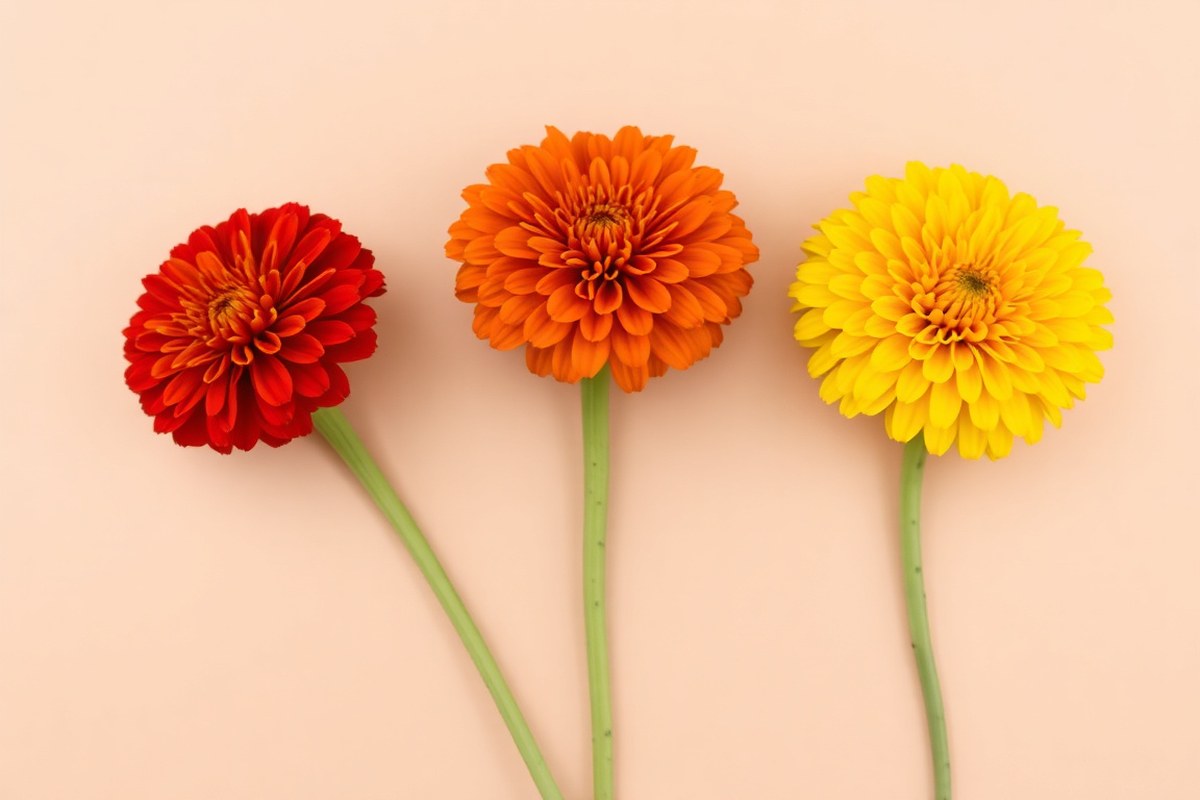
Marigolds come in several colors, each carrying unique meanings. Red marigolds symbolize romantic love, while orange ones stand for passion and creativity.
Yellow and gold express optimism and wisdom. White marigolds relate to peace and grief healing.
Red Marigolds Symbolism
Red marigolds are mostly seen as tokens of romantic love in modern flower language. This meaning is quite recent and fits well for Valentine’s Day or intimate gifts.
However, watch out: Victorians linked red marigolds to jealousy. So some may interpret them less positively.
Mixing red petals with orange tips combines intense passion with creativity, making these marigolds very expressive. Use these when you want to show fiery emotions. But be mindful of the recipient’s cultural background.
Orange Marigolds Meaning
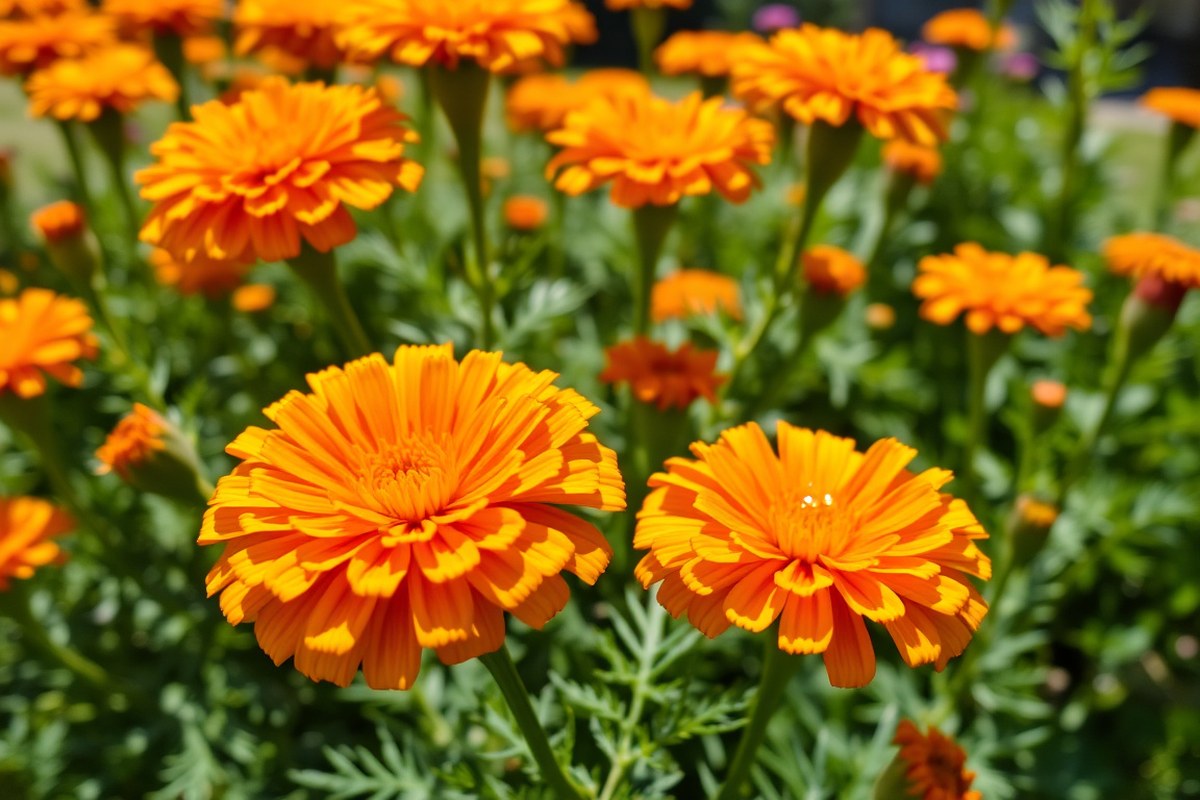
Orange marigolds symbolize warmth, courage, and creativity. Their fiery color echoes the sun’s energy, making them a strong spiritual symbol of passion. Modern florists often recommend orange marigolds for creative milestones or to encourage bravery.
The shade of orange can vary from bright to deep. Deeper tones lean toward spiritual commitment. Use orange marigolds to brighten spaces that need motivation or courage.
Place them in studios or offices to lift the mood. These flowers add energy and warmth to your room.
Yellow and Gold Marigolds Associations
Yellow and gold marigolds represent optimism, friendliness, and wisdom. These colors capture the flower’s association with the sun and light. Yellow marigolds are popular in gardens for their ability to uplift moods and symbolize clear communication.
Their link with metal and earth energies also ties them to material stability. Yellow marigolds fit well in celebrations of success or new beginnings. Bright golden hues bring a sunny, welcoming touch that many find comforting.
| Color | Meaning |
|---|---|
| Red Marigold Flowers | Romantic love, modern interpretation |
| Orange Marigold Flowers | Fierce love, passion, creativity |
| Yellow or Gold Marigold Flowers | Optimism, positivity, material stability |
| White/Cream Marigold Flowers | Purity, peaceful transition, grief healing |
Colors carry layers of meaning but can shift depending on culture or personal views. The bright colors of marigolds generally symbolize energy and life. Choose marigold colors based on the message you want to send.
Pick a shade that fits the event or your mood. This helps your flowers match the occasion perfectly.
White Marigolds and Grief
White or cream marigolds differ from the others by symbolizing purity and peaceful transition. They often appear in ceremonies related to grief and healing. The gentle color offers calmness and respect rather than energy or passion.
Use white marigolds for funerals or times of reflection where you want to express sympathy respectfully. They signal hope and the easing of sorrow rather than celebration.
Choose marigold colors carefully to match your message and the recipient’s cultural views.
The Historical and Mythological Origins of Marigold Symbolism
Marigolds originated in the Americas and have deep roots in cultural traditions. Their history spans continents, from the Aztec “flower of 400 lives” to Indian and European uses. These flowers carry stories and symbolism tied to mythology and ritual ceremonies.
Aztec and Mexican Mythology
The Aztecs called marigolds cempasúchil, meaning “flower of 400 lives.” They cultivated the Tagetes erecta marigold for over 2,000 years before Europeans arrived. These flowers played key roles in rituals, medicine, and the Day of the Dead celebrations.
During Día de los Muertos, families scatter marigold petals to guide spirits back to their homes. The flower’s strong scent and bright color were believed to attract and comfort souls. This tradition shows how marigolds link the living and the dead in Mexican culture.
European Herbal Tradition
European use of marigolds dates back to medieval times and focuses mainly on Calendula officinalis. Christians dedicated this marigold to the Virgin Mary, often offering the flower instead of gold coins. The flower symbolized purity and divine favor.
Herbalists prized marigolds for healing wounds and skin issues, and gardeners grew them widely. The bright yellow and orange blooms spread across Europe by the 16th century.
They became common in many flower gardens there. This helped the flower spread slowly beyond its original American home.
Introduction of Marigolds to India
Marigolds arrived in India through trade and colonization sometime after the 1500s. In Indian culture, marigolds became a staple in religious worship, weddings, and festivals. They symbolize protection, healing, and devotion to gods like Krishna and Radha.
Garlands made of marigold flowers are a popular item during celebrations, representing love and spirituality. Marigolds are still loved in India for their bright colors.
People use them a lot in festivals today because they smell nice. Their spread highlights how traditions adapt across cultures.
Myths: The Story of Clytie
The Greek myth of Clytie explains a different origin for marigolds. Clytie, a water nymph, was in love with the sun god Helios but he ignored her. She transformed into a yellow flower that constantly turns toward the sun.
This tale links the marigold with loyalty and love, symbolizing devotion that endures despite loss. It shows how ancient stories helped people explain the flower’s bright color and sun-facing blooms. Different myths like this add layers to the marigold’s meaning worldwide.
Spiritual and Religious Meanings of Marigolds Worldwide
Marigolds hold deep spiritual and religious meanings around the world. They serve as sacred offerings, symbols of devotion, and spiritual guides connecting living and ancestral spirits. Different cultures use them in unique ways during rituals and celebrations.
Marigolds in Hindu Devotion
In Hinduism, marigolds symbolize purity, love, and devotion. They often decorate temples and homes, used in garlands for deities during prayers and festivals. The bright yellow and orange colors are lucky.
They stand for light winning over darkness. People often see them as hopeful and positive.
These flowers are placed on altars as offerings to gods like Vishnu and Lakshmi. People string marigolds into garlands and hang them in doorways to invite blessings. The strong scent is believed to cleanse the area and ward off negative energies.
Role in Day of the Dead Celebrations
Marigolds, called “cempasúchil” in Mexico, play a key role in Day of the Dead rituals. Families scatter petals and place flowers on altars. This helps guide spirits back to the living.
It shows respect and welcomes them home. Their bright color and scent are believed to attract and lead departed souls home.
During the celebration, people create intricate paths and decorate graves with marigolds. These flowers connect the living to their ancestors in a joyful reunion. They symbolize remembrance, life, and the ongoing bond between worlds.
Protection and Ancestral Connection
Many cultures think marigolds have protective powers. People use them to shield against evil spirits and negative energy during spiritual rituals. Their presence around homes, temples, and shrines offers a sense of safety and sacredness.
Marigolds also act as bridges between the living and the dead. Their use in offerings strengthens connections to ancestors, inviting guidance and blessing. The orange marigold in particular is linked to sacrifice and spiritual devotion.
Symbolism in Buddhist Practices
Buddhists use marigolds mainly as offerings on altars in Southeast Asia and Tibet. The flowers represent respect, purity, and mindfulness during meditation and worship. They help create a peaceful, sacred space in temples and homes.
The marigold’s bright colors remind practitioners of wisdom and the light of enlightenment. Offering them acknowledges the impermanence of life and honors spiritual teachers. Their scent and beauty improve devotion without distracting from practice.
Marigolds in Art, Literature, and Modern Culture
Marigolds have appeared repeatedly in literature and art to symbolize strong emotions. Shakespeare mentions the flower, often relating it to warmth or sadness. In the 19th century, marigolds symbolized grief and jealousy.
Victorian floriography gave them these meanings. Kate Greenaway’s 1884 Language of Flowers popularized this idea.
In paintings, marigolds frequently express joy or remembrance. Their bright colors make them a common motif for themes about love and loss. You’ll also find marigolds in tattoos, where meanings shift depending on style.
Many choose marigold tattoos to show grief or jealousy, tying back to Victorian symbols. But others use them to represent resilience or celebration.
The animated movie Coco from Disney Pixar highlights marigolds in Mexican culture. Marigolds represent a link between the living and ancestors. This symbolism is strong during the Day of the Dead.
The flowers help connect families to their past. This reflects marigolds’ role in representing remembrance and the fleeting nature of life. Marigolds inspire art, fashion, and design today.
They symbolize hope and joy in modern culture. This meaning goes beyond their traditional use.
Some people include marigold drawings or poems in personal projects. These flowers show strong feelings like love beyond death. They also represent friendship and warmth.
Marigolds express emotions both visually and energetically. When you use marigolds in creative works, they communicate deeper feelings without needing many words. This is why many artists and writers keep returning to marigolds for meaning and beauty.
Check that your tattoo artist knows marigold meanings first. This helps avoid unwanted or confusing symbolism in your tattoo. Be sure about the flower’s history before you get inked.
Choosing and Giving Marigolds: Symbolism for Gifts and Occasions
Marigolds work well for many occasions, like birthdays, new jobs, and celebrations. Their bright colors bring joy and confidence to gifts. Still, you should think about the setting first.
Marigolds often appear at funerals and mourning events. This is true, especially near All Saints’ Day.
Choosing the right color adds meaning. Yellow marigolds suggest happiness and warmth, perfect for birthdays or congratulations. Orange shades stand for passion and creativity.
Deep red or maroon marigolds can fit somber events or moments of remembrance. But avoid these colors at casual celebrations where they might confuse the message.
Think through the cultural context carefully. Hindu festivals often feature marigold garlands for blessings and good fortune. In Mexico, marigolds are linked to Dia de los Muertos, honoring ancestors.
So giving them without knowing may be misread. You should ask about cultural customs.
Some people might see the flowers differently. It depends on your friend or family member’s background.
- Match yellow marigolds to joyful occasions like birthdays or new jobs.
- Use orange marigolds when you want to encourage creativity or energy.
- Send deep red marigolds for respectful gestures during mourning or memorials.
- Provide garlands or loose flowers for Hindu celebrations and weddings.
- Avoid marigolds as gifts near All Saints’ Day if unsure of cultural meaning.
- Check if the recipient associates marigolds with remembrance to avoid confusion.
Decide on marigolds by matching the flower’s color and setting to your message. For example, pick bright yellow marigolds for a cheerful birthday bouquet. Add orange if you want to lift someone’s spirits creatively.
When the event is solemn, use deep reds or marigolds. Add candles to show sympathy in a respectful way.
Picking marigolds thoughtfully shows that you know their symbolism and respect the receiver’s culture. It can make your gift more meaningful and appreciated. Costs are usually low.
Marigolds often sell for under $10 a bunch. Prices vary by season and store. Buying fresh ensures vibrant colors that hold their meaning best.
Medicinal Uses and Safety of Marigold Flowers
Certain marigold species, like Calendula officinalis, have recognized healing benefits. They’re used in traditional medicine to reduce inflammation and soothe skin irritations. You can find calendula in creams.
It also comes in teas and tinctures. These products help with skin healing and mild digestion issues.
Marigold flowers contain carotenoids like lutein, which offer antioxidant and anti-inflammatory effects. These compounds help protect cells from damage and support overall physical wellness. People use marigold flower essence in emotional healing.
It helps with emotional conflicts. It also eases problems with accepting love.
You can eat marigold petals as a garnish. Add them to salads for color. They give a mild flavor too.
Calendula petals are safe in small amounts. Use one to two teaspoons of fresh petals. Or one teaspoon of dried flowers per serving.
Don’t use more than this amount. Avoid eating marigolds from garden centers since they might have pesticides.
Marigolds are generally safe but may cause allergic reactions in sensitive people. Test a small skin patch first if you plan to use topical calendula products.
Avoid internal use if you have known allergies to ragweed or daisies. Also, pregnant or breastfeeding women should consult a healthcare provider before using marigold remedies.
Overuse of marigold products might lead to stomach upset or contact dermatitis. Always follow package directions if using commercial preparations.
Homemade extracts must be used carefully, avoiding large doses and long-term use. When in doubt, check with a licensed herbalist or doctor.
Common Misconceptions and Myths About Marigold Symbolism
One common error is mixing up marigolds with calendula, or pot marigolds. Marigolds belong to the Tagetes genus and have bright, warm colors. Calendula tends to have softer, yellow-orange petals and is often used in cooking and skincare.
This confusion matters because the two flowers hold different symbolic meanings and uses. Marigolds represent both bright life and darker emotions. Calendula is mainly linked to healing and comfort.
Marigold color meanings can cause confusion, too. People often think all marigolds share the same symbolism. Yet marigolds come in various colors.
Each shade carries a unique message, especially combined with other bright flowers like roses and sunflowers. Mixing these blooms can show happy feelings or soften sad meanings.
The effect depends on the bouquet’s colors and situation. You choose the mix to fit your message.
Some cultural mix-ups also cloud marigold symbolism. In some Latin American areas, marigolds honor the dead. They stand for endings or mourning in these cultures.
People use them in special ceremonies and days. This contrasts with their use in India, where they signify prosperity and the goddess Lakshmi’s favor.
Scenarios like dreaming of marigolds in some Western cultures could be seen as warnings or endings. Understanding these differing views helps you use the flowers appropriately.
| Aspect | Marigold (Tagetes) | Calendula (Pot Marigold) |
|---|---|---|
| Botanical Family | Asteraceae | Asteraceae |
| Common Uses | Symbolism in ceremonies, decorations | Cooking, skin treatments |
| Color Range | Bright orange, yellow, red | Soft yellow, orange |
| Symbolism | Life’s light and dark moments | Healing, comfort |
| Cultural Associations | Goddess Lakshmi, Day of the Dead | Traditional herbal medicine |
Keep these differences in mind when buying or gifting marigolds to match the right meaning.
Step-by-Step Action Plan to Understand and Use Marigold Symbolism
Follow this simple plan to learn what marigolds represent and use their meaning well. It helps you pick the right colors and occasions to share them.
- Day 1: Read about marigold colors and what they mean. Notice which color fits your feelings or event best.
- Day 3: Learn which cultures use marigolds and why. This helps you respect their traditions if you use marigolds in ceremonies.
- Day 5: Find out about marigolds’ spiritual meanings worldwide. Decide if these fit your personal beliefs or gifts.
- Week 2: Choose marigolds as gifts for special occasions. Pick colors that match your message or the event’s tone.
- Week 3: Check if marigolds have medical uses that matter to you. Remember to talk to a doctor before using them medicinally.
- Week 4: Avoid common myths by double-checking information from trusted sources. This stops you from sharing wrong ideas about marigolds.
- After Next Event: Reflect on how the marigolds were received. Notice if your choice matched what you wanted to say.
Frequently Asked Questions
What Do Marigolds Symbolize in Grief and Comfort?
Marigolds represent expressing love through loss, symbolizing sorrow in a gentle way. They help people honor grief without focusing on sadness alone.
Why Are Marigolds Significant in Hindu Rituals?
Marigolds symbolize the divine mother and are used in offerings and ceremonies. They bring blessings and spiritual energy during worship.
What Does the Color Yellow in Marigolds Represent?
Yellow marigolds stand for optimism, positivity, knowledge, and prosperity. They also connect to the Hindu goddess Lakshmi’s blessings.
How Do Marigolds Relate to the Zodiac Sign Sagittarius?
Marigolds are linked to Sagittarius, symbolizing adventure, optimism, and passion. This connection adds a personalized meaning for people born under that sign.
Why Are Marigolds Popular in Fashion and Design?
Marigolds signify intention, making them more meaningful beyond decoration. They add a purpose-driven message to clothing and home decor.
Can Marigolds Be Used to Represent Both Joy and Remembrance?
Yes, marigolds carry emotions like celebration, fertility, joy, and honoring past loved ones. They blend happiness with deep emotional memory.
Before You Go
Marigolds show many meanings from joyful to sacred across the world. Use their colors and history to send thoughtful messages. Start by picking a marigold color today that fits what you want to express.