How Much Is 10 Yards of Dirt? Cost, Coverage & Weight Explained
How much is 10 yards of dirt? Delivered, it usually costs between $250 and $1,200.
Expect an average price around $550 to $750 for typical fill dirt. Prices depend on dirt type, location, and delivery distance.
Ten cubic yards spread out at 4 inches deep covers a 20 by 30 foot space. Compacting dirt reduces its volume. Adding 15 to 20 percent extra prevents falling short or waste due to settling.
Dirt weight varies but a loose cubic yard weighs around 2,300 to 2,700 pounds. That means 10 yards weigh roughly 11.5 to 13.5 tons. Knowing the weight helps plan hauling, especially if renting a truck or ordering bags.
Bulk dirt deliveries often have minimum orders of one cubic yard. Extra fees may apply for small loads or difficult access sites. Checking local suppliers can save money by comparing their fees and dirt qualities.
Key Takeaways
- Ten cubic yards of fill dirt covers about 600 square feet at 4-inch depth.
- Expect delivered dirt to cost between $250 and $1,200 for 10 yards.
- Order 15-20% more dirt to compensate for compaction and settling.
- Loose dirt weighs about 2,300 to 2,700 pounds per cubic yard.
- A typical pickup truck can carry 1 to 2 cubic yards of dirt.
- Dump truck loads of 10 to 14 yards usually cost $150 to $400 delivered.
How Much Does 10 Yards of Dirt Cost Delivered?
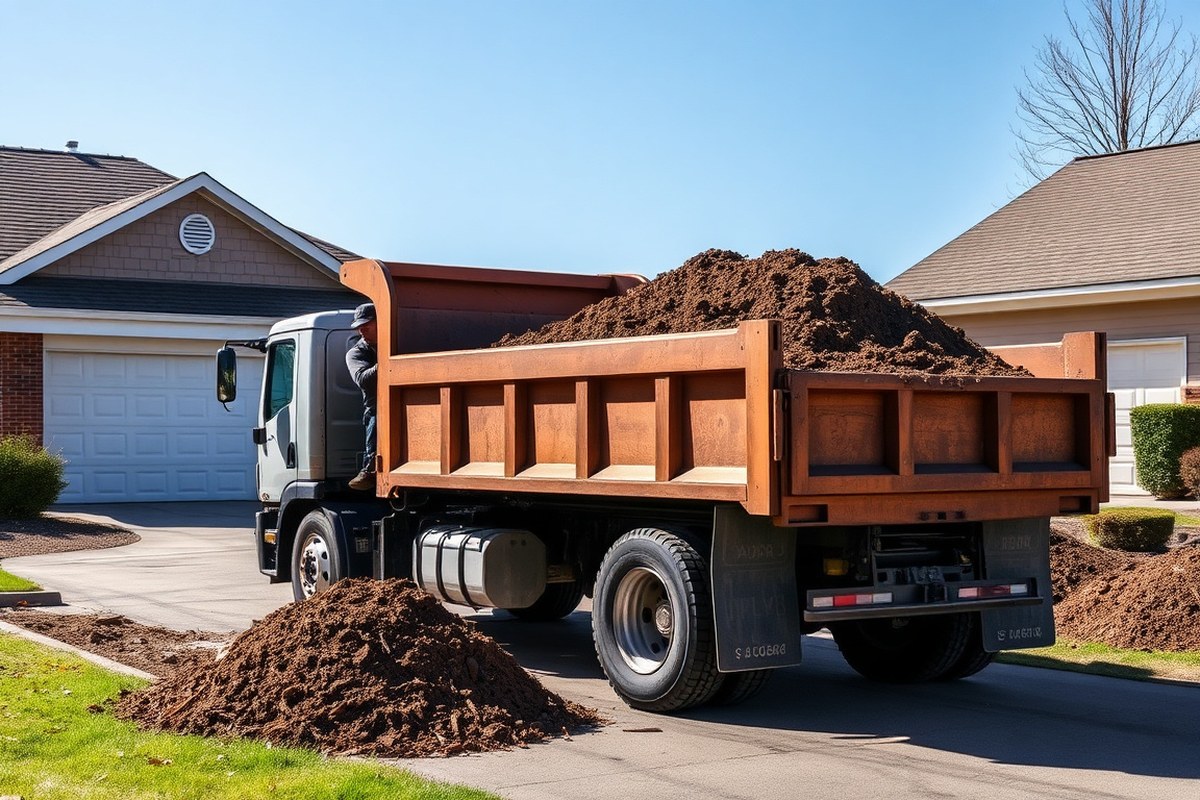
On average, 10 yards of dirt delivered to your property costs between $250 and $1,200. Delivery fees range from $75 to $300. They depend on the distance the supplier drives.
Site access also affects the cost. Different soil types affect prices, with fill dirt costing less than screened topsoil or compost blends.
Fill dirt costs $10 to $35 per cubic yard. It is the cheapest option for large orders. Many people choose it for bulk projects.
Screened topsoil costs $30 to $60 per cubic yard because it’s free of rocks and debris. Specialty soils may cost $50 to $100 or more per yard. They include compost or custom blends.
These make the soil better for plants. Your exact location and supplier quality also change the price.
| Soil Type | Estimated Price Range (per Cubic Yard) | Notes |
|---|---|---|
| Fill Dirt | $10, $30 | Less processed, good for bulk filling and grading |
| Topsoil | $20, $50 | Suitable for lawns and gardens, general purpose |
| Screened Topsoil | $30, $60 | Finer texture, free of rocks and debris |
| Composted Soil | $40, $75+ | Enriched with organic matter and nutrients |
| Specialty Mixes | $50, $100+ | Custom blends, suited for specific plants |
| Delivery for 10-yard load | $75, $300 | Depends on mileage, fuel, and access difficulties |
Delivery fees can match or exceed the material price. This happens if your site is far away. Hard-to-reach sites also increase the cost.
Buying 10 yards at once often reduces the per-yard delivery fee compared to smaller orders. Local suppliers tend to offer better deals due to lower transport costs. But prices vary widely with regional demand and soil availability.
Mixing soil types or ordering specialty blends adds to the cost. For example, blending compost or screening out debris improve price but improves soil quality. Weigh your project needs against the budget.
Getting cheaper fill dirt might suit grading work. Investing in higher quality soil helps your plants grow better.
It might cost more upfront. The results make it worth the expense.
How Much Area and Depth Will 10 Yards of Dirt Cover?
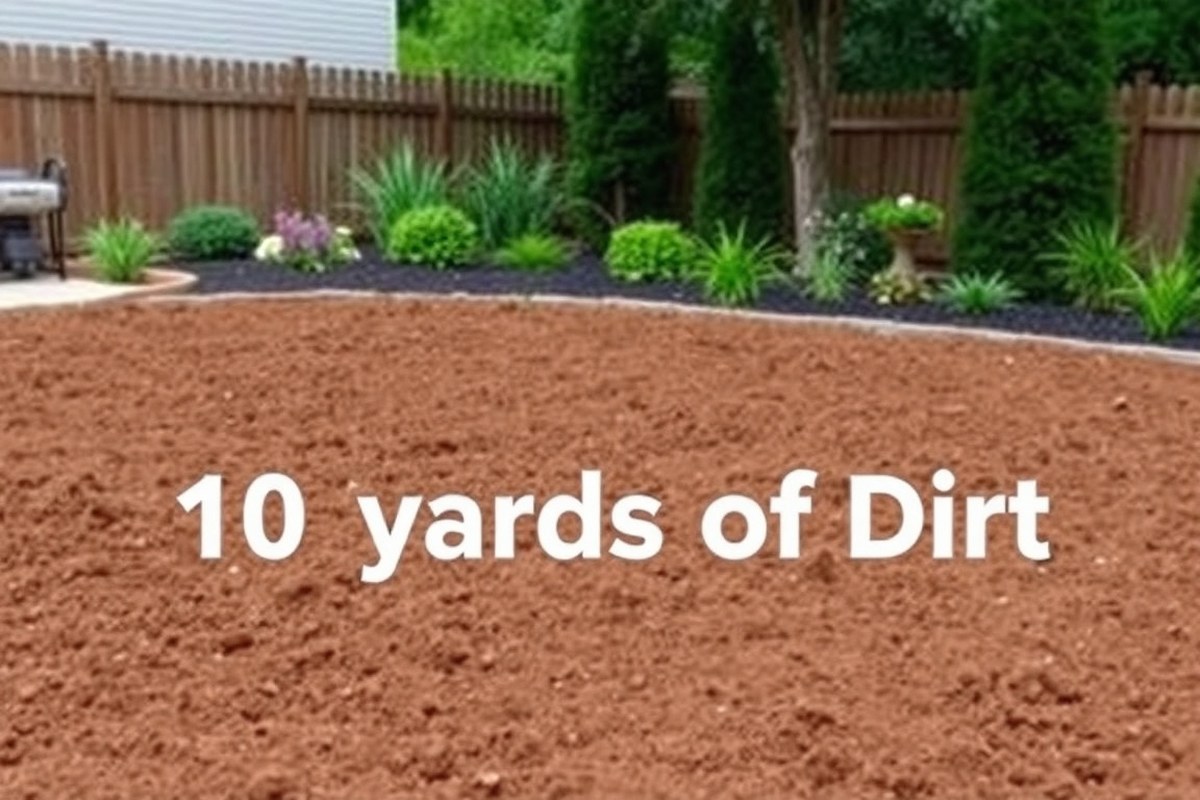
Ten cubic yards of dirt can cover a lot of ground. But how far it spreads depends on the depth you want. Dirt volume is measured in cubic yards.
Coverage is calculated by dividing the total cubic feet by the depth in feet. One cubic yard equals 27 cubic feet.
Multiply your area’s length and width in feet. Then multiply by depth in feet and divide by 27.
For example, your garden bed is 200 square feet. You can find how much 10 yards covers. This depends on different depths.
To cover 200 square feet at 2 inches deep, you need about 1.2 cubic yards of dirt. At 6 inches deep, the same 200 square feet require more than 3.5 cubic yards.
Ten cubic yards can cover about 800 square feet at 3 inches deep. It covers about 1,620 square feet at 2 inches deep.
Most gardeners use 3 to 4 inches of topsoil or garden mix. This depth suits new lawns and garden beds. Fill dirt for leveling or grading usually goes down 4 to 6 inches or more.
Calculate square footage by dividing 2,916 (10 yards × 27 ft) by depth in feet. Convert depth from inches to feet first.
To do the math: first, change your depth from inches to feet. Divide the inches by 12 to get feet. Suppose you want a 4-inch depth, which is 0.33 feet (4 ÷ 12).
Then divide 270 (cubic feet in 10 yards) by 0.33 feet depth to get around 810 square feet coverage. So, for a 4-inch layer, 10 yards covers about 810 square feet.
Knowing the depth helps avoid ordering too much or too little dirt. Most landscapers recommend 2 to 4 inches of topsoil for establishing healthy plants and lawns. Going thinner wastes your effort.
Too thick a layer can be expensive and cause drainage issues. Adjust depth based on your soil needs and project goals.
Measure your area carefully before calculating. Convert depth from inches to feet first. Then find your coverage. This step prevents ordering mistakes that waste time and money.
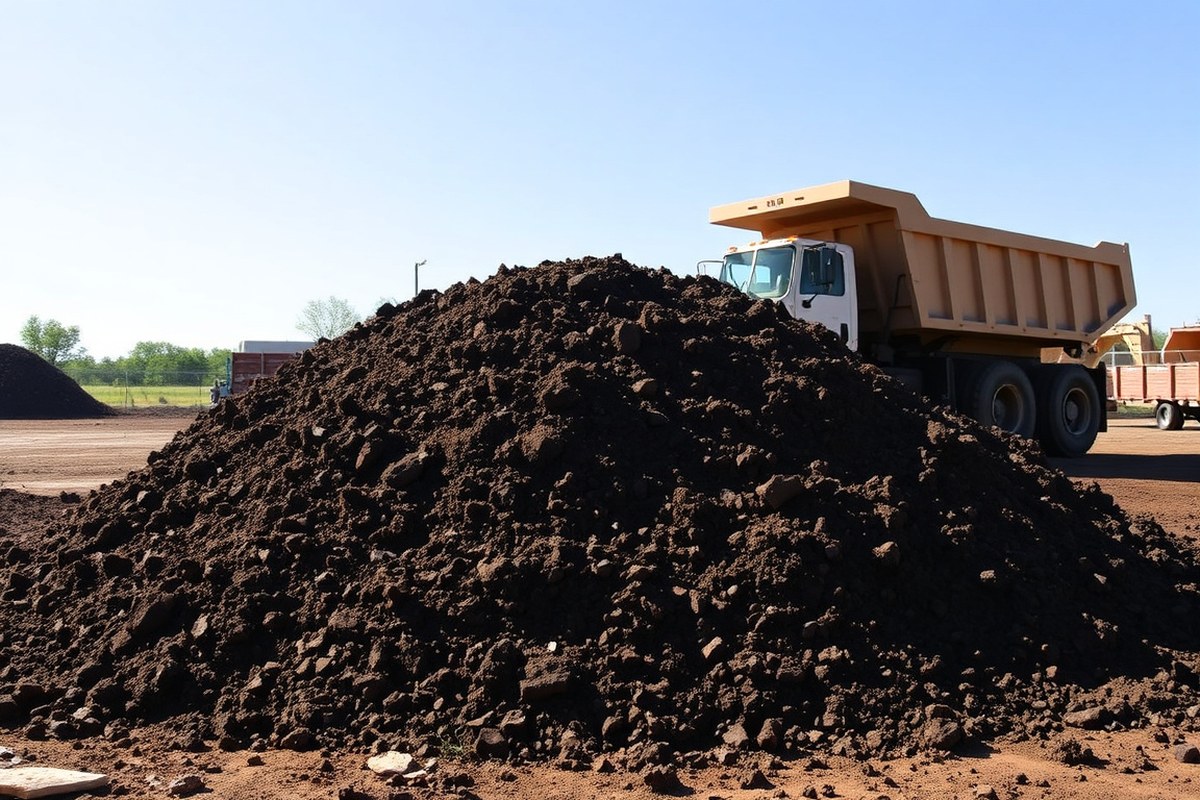
What Does 10 Yards of Dirt Look Like Physically?
Ten cubic yards of dirt is a big pile that takes up noticeable space. Imagine a 10-foot by 10-foot area. It is about 3 feet deep.
That means it holds around 10 pickup truck loads. This helps you plan how to handle or move it on your property.
Dimensions of One Cubic Yard and Ten Yards
One cubic yard is a cube. It measures 3 feet wide, long, and tall.
That means one yard covers 27 cubic feet of volume. So, ten cubic yards means 270 cubic feet of soil.
Visualize ten yards as a pile 3 feet deep covering about 90 square feet. Say you have a 9-foot by 10-foot area. It goes down 3 feet deep.
This equals about ten cubic yards of dirt. This is about the size of a small patio space filled with dirt.
Visual Comparisons to Trucks and Common Objects
One cubic yard weighs about 2,100 pounds and fits into one full pickup truck bed. Ten cubic yards, then, equals about ten fully loaded pickups. You’d need several trips or multiple trucks to move ten yards manually.
Handling 10 yards means:
- About 100 wheelbarrow loads, since one wheelbarrow carries roughly 3 cubic feet
- Renting a bobcat or skid steer for easier moving
- Using a standard dump truck can often hold the whole 10 yards in one load
- Equivalent to filling about 135 standard 1-cubic-foot bags
- Approximately 11.5 to 13.5 tons in weight depending on moisture and soil type
These amounts help you decide on the right equipment for delivery and placement. Smaller tools and trucks will mean multiple trips and more work.
How Dirt Volume Changes by Compaction and Moisture
Dirt volume isn’t fixed. It shrinks when compacted or packed hard. Loose dirt occupies more space than packed dirt by 10 to 25 percent.
Wet dirt weighs more and settles down later. It may hold less air space, reducing visible volume. Dry, fluffy dirt looks bigger but weighs less per cubic yard.
Always measure dirt volume before compaction. Order a bit extra to make sure you cover your project.
Damp soil on a truck weighs more. So suppliers may limit loads by weight, not volume.
How Much Does 10 Yards of Dirt Weigh in Tons and Pounds?
Dirt weight differs by type, moisture, and compaction. One cubic yard of dry topsoil usually weighs between 1,600 and 2,100 pounds. Fill dirt is heavier, ranging from 2,000 to 2,200 pounds per cubic yard dry.
Wet soil can weigh significantly more. Saturated dirt often exceeds 3,000 pounds per cubic yard. This weight increase can bump your total load well above dry soil estimates.
Here’s a weight breakdown for common landscaping materials per cubic yard:
| Material Type | Weight per Cubic Yard (lbs) | Weight per Cubic Yard (kg) |
|---|---|---|
| Topsoil (Loose) | 1600, 2100 | 725, 950 |
| Fill Dirt (Dry) | 2000, 2200 | 900, 1000 |
| Sand (Dry) | 2400 | 1090 |
| Clay (Dry) | 2500 | 1135 |
| Wet/Saturated Soil | 3000+ | 1360+ |
| Compost | 1250 | 565 |
| Mulch/Wood Chips | 1000 | 450 |
To estimate 10 yards’ weight, multiply the cubic yards by your material’s weight. For example, 10 yards of loose topsoil weighs between 16,000 and 21,000 pounds. Ten yards of dry fill dirt fall roughly between 20,000 and 22,000 pounds.
Moisture adds weight and affects hauling limits. Truck weight limits often cap loads near 14 tons (28,000 pounds).
Wet fill dirt hits weight limits before a truck bed fills. Choose drier material or smaller loads to avoid overweight fines.
Decide on material and moisture to pick the right truck size. Use this rule: Calculate the cubic yards × weight per yard to find total pounds.
Convert pounds to tons by dividing by 2,000. Check the result against your vehicle’s legal weight limit.
How to Calculate and Convert Soil Volumes and Units?
Convert dirt volume from cubic yards to other units using simple formulas. One cubic yard equals 27 cubic feet. Use this to find tons or bags based on your soil type.
Step-By-Step Volume Calculation
Start by measuring the length, width, and depth of the area where you’ll place the dirt. Measure depth in feet or inches for accuracy. The volume in cubic yards helps you order the right amount.
- Measure the length of the area in feet.
- Measure the width of the area in feet.
- Measure the depth in inches or feet.
- If depth is in inches, divide it by 12 to convert to feet.
- Multiply length × width × depth (in feet) to get cubic feet.
- Divide the total cubic feet by 27 to convert to cubic yards.
Double-check your measurements before ordering to avoid buying too much or too little dirt.
Converting Volume to Weight and Bags
One cubic yard holds about 27 cubic feet of dirt. It weighs between 1,480 and 2,130 pounds depending on moisture and type. A common estimate is 1.5 tons per cubic yard.
Soil in bags varies: 54 standard 40-pound bags equal one cubic yard. For smaller bags, like 1.5 cubic feet each, expect around 18 bags per cubic yard. This helps when buying small amounts.
To calculate for 10 yards: multiply 10 by the number of bags or tons per yard. For example, 10 yards equals about 540 standard bags or 15 tons of dirt.
Adding Allowances for Settling and Compaction
Soil settles and compacts after delivery. Add 20% to 25% extra volume to your order. This prevents running short after the dirt compresses.
For example, if you need 10 cubic yards, order about 12 to 12.5 cubic yards instead. This covers settling and ensures you have enough soil for the project.
Keep in mind that loose soil can lose volume quickly. Layered compaction varies by soil type and moisture, so your allowance might differ.
Bags, Pickup Trucks or Dump Trucks: How to Transport 10 Yards?
You likely can’t haul 10 yards of dirt in one trip. Standard pickup trucks have limited space. You’ll need multiple trips for that much dirt.
Pickup trucks are limited by weight more than volume. 10 yards of damp topsoil weighs between 8 to 11.5 tons.
Most pickups have payload limits between 1 and 3 tons. So you’d need multiple trips or a larger vehicle.
For bags, it takes many to equal 10 yards. One cubic yard equals 27 cubic feet. A single bag holds 1 cubic foot of dirt.
To carry 10 yards, you’d need around 270 bags. That many bags means a lot of work. That means a lot of lifting and storage space before you start.
| Truck Type | Bed Holds About (cubic yards) | Legal Load (tons) | Fill Dirt per Load (cubic yards) |
|---|---|---|---|
| Small single axle dump truck | 3 to 6 | Varies | 3 to 6 |
| Standard commercial dump truck | 10 to 12 | 14 | 10 to 12 |
| Tandem dump truck | 12 | 14 | 10 to 12 |
| End dump semi | 18 | 22 | 16 to 18 |
| Belly dump | 22 | 24 | 18 to 21 |
Commercial dump trucks hold about 10 to 12 yards of dirt per load. They transport dirt efficiently for your needs. Driveways should be 10 feet wide and 20 feet high for truck access.
Bags give you control and less mess but are expensive and heavy to deal with. Bulk dirt is cheaper per yard and faster to load.
But you’ll need machinery or help to spread it. Dump trucks suit big jobs, while bags may work for small landscaping patches.
You need to compare your equipment’s capacity with the dirt’s weight. Pickup trucks handle about two yards per trip safely, depending on your vehicle’s payload. If a dump truck can’t get close, expect extra fees.
Labor or tools like skid steers may be needed. Dirt might require moving by wheelbarrow too.
How Moisture and Dirt Type Affect Weight and Handling
Wet dirt can weigh 30 to 50 percent more than dry dirt. Dry loose topsoil weighs about 1,600 to 1,800 pounds per cubic yard. Moist topsoil weighs from 2,100 to 2,700 pounds per cubic yard.
Fully soaked soil can weigh over 3,000 pounds per cubic yard. Knowing this helps you plan for weight limits. This weight difference matters for transport safety and equipment limits.
Clay soils hold the most water, often making them much heavier than sandy or loamy soils. Sandy soils drain quickly and stay lighter. Know your soil type before ordering or hauling it.
This helps you avoid overloads. It can also prevent extra fees. Wet, heavy soil also means your truck or loader uses more fuel and works harder.
Always add 10 to 20 percent extra dirt when ordering. This covers settling and compaction effects. It ensures you have enough for your project.
For example, order 11 to 12 yards if you need 10 yards. This is useful when soil will be packed down. It prevents running short.
Compacting moisture-heavy clay can shrink volume but increase weight. This changes how you spread and level the dirt later on.
Spreading wet soil is tougher because it clumps and sticks. Dry dirt is easier to handle but can blow away or erode if spread too thin.
After you spread wet soil, let it dry out slightly before heavy foot or machine traffic. This avoids overly dense, hard-packed ground that can hurt plant growth and drainage.
Monitor moisture on delivery day. When soil feels soggy or holds water, plan to spread it soon. This prevents delays and problems.
Timing is key with wet soil. Very dry dirt may need light watering after you spread it. Water helps it settle and stick together.
This makes the soil easier to work with. Keep a garden rake, roller, or tamper ready for compaction control.
Use them based on your project’s needs. They help manage soil density properly.
Tips to Order the Right Amount and Avoid Common Mistakes
Order about 10 to 15 percent more dirt than your calculations show. This extra dirt covers settling, compaction, and uneven ground. Clear measurements and good communication with suppliers avoid surprises.
Checklist for Measuring and Ordering Correctly
Measure the area by multiplying length, width, and depth in feet and inches. Convert inches to feet by dividing by 12, then divide by 27 for cubic yards. Add 10 to 15 percent extra to cover compaction and settling.
Before you order, check the supplier’s minimum delivery amount. It usually ranges from 3 to 5 cubic yards. Make sure you meet this minimum before buying dirt.
Confirm the dirt type matches what you need, such as topsoil, fill dirt, or amended soil. Keep your area measurements handy when you call the supplier.
- Measure area in feet and inches, convert to cubic yards
- Add 10-15% extra for settling and compaction
- Check supplier’s minimum delivery requirements
- Clarify dirt type and quality before ordering
- Ask about delivery fees and timing upfront
- Arrange a clear delivery spot for the truck
- Keep a tape measure and notepad ready for onsite checks
Doing these steps makes your order easier to manage. You’ll avoid paying for extra dirt you don’t need or running short.
Common Mistakes and How to Fix Them
One common error is underestimating depth or forgetting to include slopes. Double-check measurements in multiple spots to catch uneven surfaces. Include a buffer amount to account for settling after you spread the dirt.
Another issue is ordering the wrong type of dirt. Describe your project clearly when ordering and confirm the supplier’s product matches your needs. Expect some variation in soil moisture and texture when it arrives.
Don’t assume dirt arrives dry and loose; moisture changes volume significantly during transport.
Over-ordering is costly but under-ordering wastes time and money for a second delivery. Carefully calculate and add a small percentage for safety.
When to Hire Professionals for Spreading or Delivery
Consider professional help if your project covers a large area or requires precise grading. Equipment rental for spreading can be costly and tricky if you’re inexperienced. Pros bring experience, especially with compactors and landscape rakes.
Professional delivery teams place the dirt exactly where you want it. This helps prevent damage to your yard or driveway. They handle the delivery carefully to avoid any mess.
They usually charge extra but save time and effort on heavy labor. Get local quotes and check reviews before hiring.
For small garden beds or minor leveling, delivering loose dirt and spreading by hand works fine. Use pros for bigger, more complex soil projects.
Step-by-Step Action Plan for Buying and Using 10 Yards of Dirt
Follow these steps to get the right amount of dirt delivered and used without headaches.
- Before you buy: Measure the area and decide the needed depth. Check that your space matches the volume 10 yards cover.
- Day of order: Contact your supplier with exact dirt type and delivery address. Confirm price and delivery date.
- Delivery day: Make space for the dump truck. Clear obstacles to allow easy unloading.
- Right after delivery: Spread the dirt evenly using a rake or shovel. Check coverage depth with a measuring stick.
- Within a week: Monitor settling and add more dirt if needed to maintain your desired height.
- Handling tips: Keep extra moisture by watering lightly; dry dirt packs lighter but dustier.
- Transport alternatives: Rent a pickup truck if you recycle leftover dirt. Choose one with a bed liner to make hauling easier. This keeps your dirt clean and secure.
- Post-installation: Check the area a few days later for any sinking spots and fill them.
Frequently Asked Questions
How Much Is 10 Yards of Dirt?
Ten yards of dirt usually costs between $150 and $400 delivered. The price depends on dirt type and delivery distance, typically within 10 miles.
How Much Will 10 Yards of Dirt Cover?
Ten yards of dirt can cover about 3,240 square feet at 1 inch deep. Coverage reduces as you add depth, so plan based on your project depth.
How Much Do 10 Yards of Dirt Look Like?
Ten yards of dirt fills about one standard dump truck bed fully. It looks like a large pile roughly 12 to 15 feet long by 7 feet wide.
How Many Yards of Dirt Are in a Dump Truck?
Most dump trucks carry between 8 and 15 cubic yards of dirt. The size of the truck and how heavy the dirt is affects capacity.
These factors decide how much dirt the truck can hold. Legal weight limits matter more than volume sometimes.
How Many 40lb Bags of Dirt Are in a Yard?
One cubic yard equals about 135 40-pound bags of dirt. This helps when you want small bagged amounts instead of bulk deliveries.
How Much Does 10 Yards of Dirt Weigh?
Ten yards of dirt weighs roughly 11,500 to 13,500 pounds. Moisture content and dirt type can shift this number quite a bit.
Wrapping Up
Ten yards of dirt covers a lot but you need to plan delivery and spreading well. Choose your dirt type and measure carefully before ordering. Start by measuring your space now and calling local suppliers for quotes.