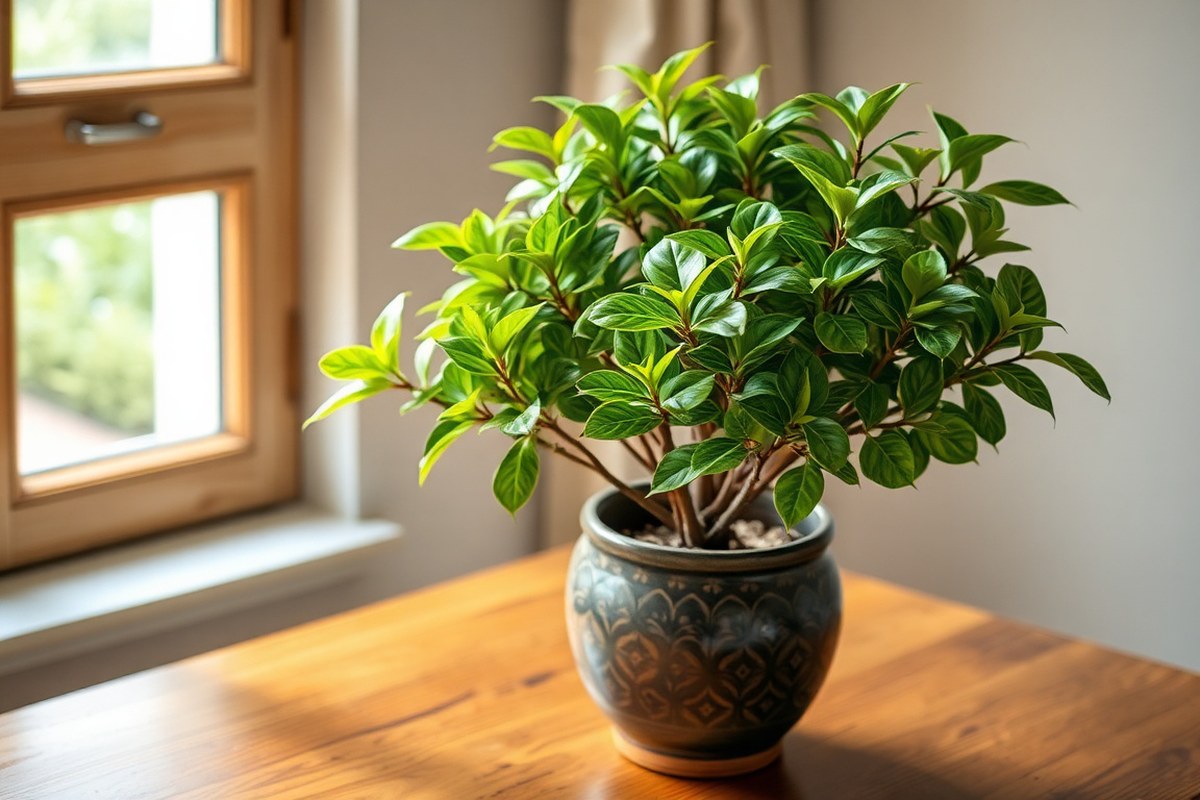
How to Care for Chinese Evergreen: 8 Essential Tips for Healthy Growth
How to care for Chinese evergreen is easier than you might think. These plants need just the right balance of water, light, and warmth to thrive. Water them only when the soil feels dry to touch, generally about every two weeks.
Keep Chinese evergreen in moderate or low light, away from direct sun. They like temperatures between 65°F and 80°F and need humidity above 50%. Using a humidifier helps if your home is dry, especially in winter.
Repot your Chinese evergreen every 2 to 3 years. This refreshes the soil. It also gives the roots more room to grow.
Choose a pot one or two inches bigger than the current one for best results. These steps keep your plant healthy and happy over the years.
Key Takeaways
- Water Chinese evergreen when the top 1-2 inches of soil is dry.
- Place your plant in bright, indirect light or moderate shade indoors.
- Maintain room temperatures between 65°F and 80°F for steady growth.
- Keep humidity levels around 60 to 70% for a tropical feel.
- Use a slightly larger pot every 2-3 years to avoid root crowding.
- Avoid direct sunlight, which can scorch its leaves quickly.
1. How to Water Your Chinese Evergreen for Best Results
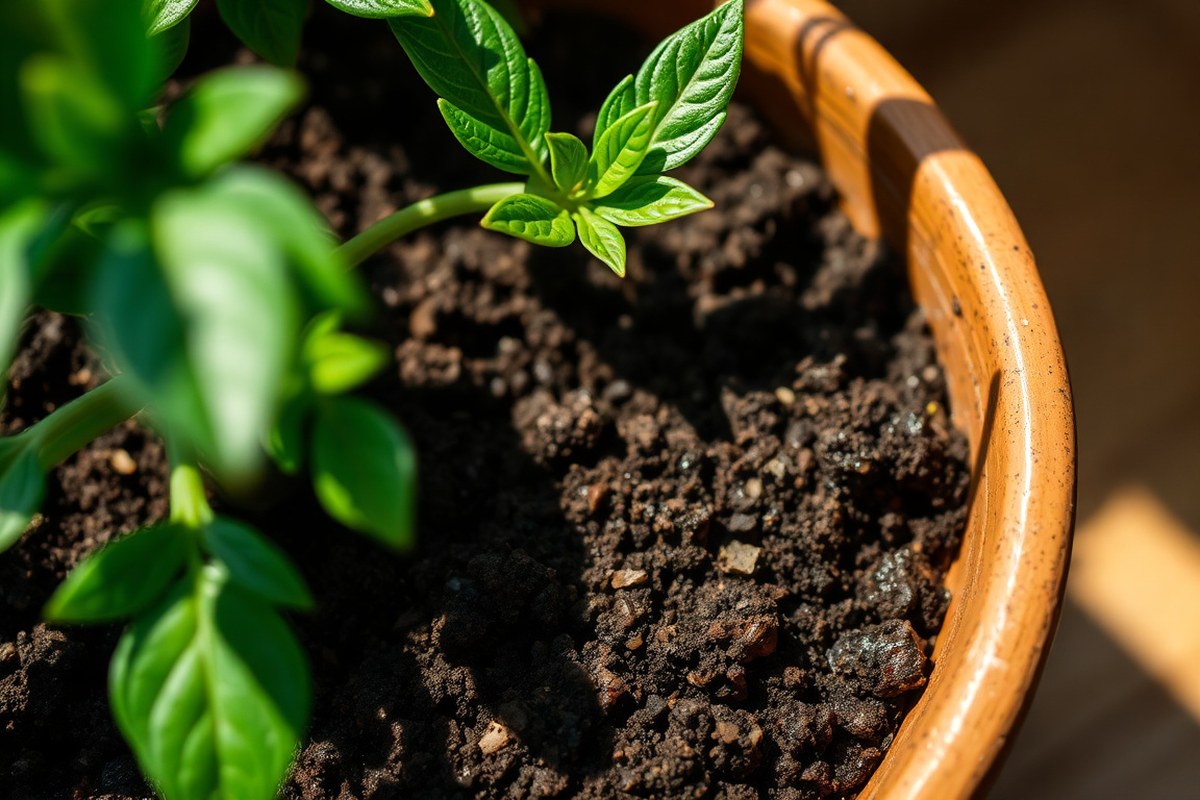
Water your Chinese evergreen only when the top 1 to 2 inches of soil feel dry. Check this with your finger or a wooden stick.
Usually, watering once a week works in spring and summer. Every 10 days suits fall and winter.
Use room-temperature tap water if it’s not too hard. Filtered or rainwater works well. Too much chlorine or minerals can hurt roots.
Use these waters to protect your plant’s roots. Always water thoroughly until you see water drain out the pot’s bottom. But never let the pot sit in standing water.
Overwatering causes root rot, showing as yellow leaves, soft stems, or brown spots. Watch for these signs. Stop watering once you see them.
Then check the roots for damage. Underwatering makes leaves dry and crispy. Water more regularly in this case.
Avoid soaking the soil. Keep soil moist, not wet.
In warmer months, the Chinese evergreen uses water faster. So keep an eye on soil moisture weekly. In cooler seasons, it needs less water since growth slows.
Weekend watering can then stretch to every 10 days. Always confirm dryness before watering to avoid overwatering.
Water evenly around the base, avoiding leaves to prevent rot or fungal issues. Use pots with drainage holes and well-draining soil to keep the roots healthy. Repot every 2 to 3 years.
This refreshes the soil and root space. It helps keep watering right.
2. What Lighting Conditions Does Chinese Evergreen Prefer Indoors?
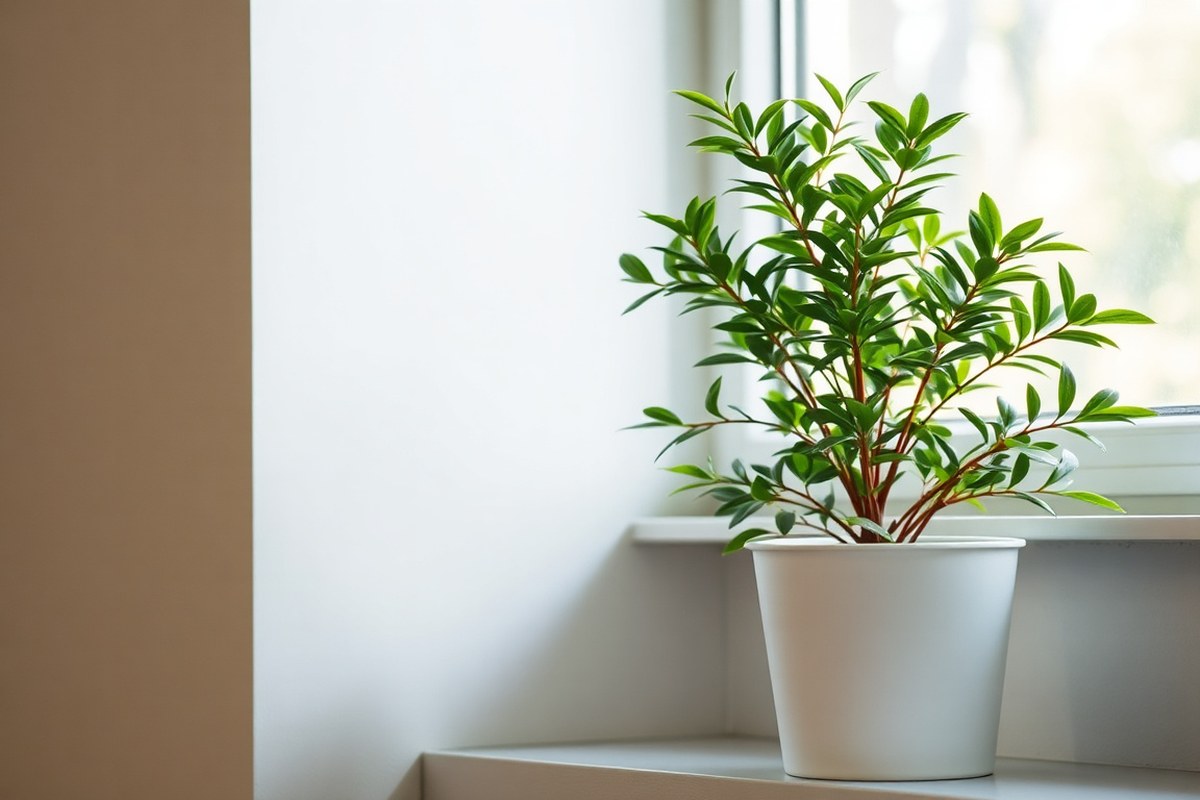
Chinese evergreen plants grow best in bright, indirect light but handle low light well. Solid green varieties do especially well in low light and slow their growth to match this. Variegated types need medium indirect light to keep their colors bright.
Too little light can cause dull, faded leaves. Keep them out of direct sunlight to protect their colors.
Place your plant near a north-facing window for good light. You can also put it a few feet from east or west windows. This usually provides balanced indirect light.
Avoid direct sunlight, especially for variegated ones. Direct sun burns their leaves, causing brown, crispy patches and droopiness. Solid green types tolerate low-light corners better, like inside offices or dim living rooms.
Your plant’s lighting needs vary with its leaf type. A solid dark green leaf Chinese evergreen thrives in 50 to 250 foot-candles of light. Variegated plants usually need 250 to 1,000 foot-candles for their colors to stay vivid.
These plants need about 12 to 14 hours of indirect light daily. That matches most indoor daylight hours. Keep their light consistent for best health.
Slow growth can mean your plant has too little light. Look for dull leaves on variegated types too. These signs suggest you should move the plant to brighter spots.
They may also start to lean toward the light source. Too much light shows as bleached or scorched leaf tips and edges. Those signs mean you should move your plant farther from windows or add a sheer curtain.
Variegated Chinese evergreens need more light. Put your plant near a bright window for good light. Use sheer curtains to block direct sun rays. This will prevent sunburn on the leaves.
Solid green leaves do well in low light. They can stay healthy without bright sunlight. That makes them easier to keep indoors.
Variegated types need moderate light to keep their patterns sharp. Watch the colors on mixed-color plants closely. Move the plant if colors fade or leaves burn.
Adjusting light keeps them looking their best. That will keep your evergreen looking fresh and healthy without extra fuss.
3. Choosing and Preparing Soil and Pots for Chinese Evergreen
3. Choosing and Preparing Soil and Pots for Chinese Evergreen
Use a peat-based potting soil mixed with perlite for your Chinese evergreen. This mix holds moisture but drains well, which the plant needs. Good drainage stops water from sitting at the roots.
Choose a pot only 1 to 2 inches bigger than your plant’s root ball. Using a bigger pot holds excess water and causes root rot. Ensure the pot has holes to allow water to escape properly.
Repot every two to three years or when roots appear from drainage holes. At repot time, check the roots.
Cut off any that look mushy, dead, or damaged. Rinse away old soil before adding fresh mix.
- Use gloves to avoid skin contact, the plant is mildly toxic.
- Prepare the pot by cleaning it and confirming drainage holes are clear.
- Fill the pot about one-third full with fresh potting mix.
- Set the plant’s root ball in the pot and add more soil around it.
- Press soil down gently to remove air pockets; don’t compact tightly.
- Water lightly to settle the soil after potting.
Choose soil with a pH near neutral for best growth, usually between 6.0 and 7.5. Avoid heavy, compacted soils that trap water. Fresh soil helps keep the plant healthy and supports slow, steady growth.
Watch for signs that soil is too dense or drains too fast. Adjust the mix by adding more perlite or peat. A good pot and soil mix help roots stay healthy.
This stops issues like root rot and stunted growth. Healthy roots support strong indoor plants.
4. Ideal Temperature and Humidity to Keep Your Plant Thriving
Chinese evergreen grows best between 65°F and 80°F (18°C to 27°C). Avoid spots where temperatures fall below 60°F to prevent stress. Keep it clear of vents, windows, or doors that cause quick cold changes.
This plant prefers humidity levels around 60% to 70%, similar to its natural tropical habitat. Low humidity can cause leaf edges to brown and crisp up.
Too much moisture in the air might lead to fungal problems. You’ll notice healthier, more vibrant foliage when humidity stays in this range.
Your home might be dry, especially during winter months. Grouping plants together helps increase humidity naturally. This works without needing a humidifier.
Placing your Chinese evergreen on a tray filled with water and pebbles helps too. The evaporating water boosts moisture around the leaves. Just make sure the pot isn’t sitting directly in water, which can cause root rot.
Place your plant where it won’t face drafts. Avoid spots near windows or doors that open a lot. Choose a steady location to keep conditions stable.
Avoid sudden temperature changes, as they cause leaf drooping and leaf drop. During cold months, keep the plant somewhere warm. But out of direct heating vent blasts to prevent drying out.
5. How to Prune Your Chinese Evergreen for Better Growth
Prune your Chinese evergreen mainly to remove dead or yellowing leaves. This helps the plant focus on healthy growth and stops energy waste. You can also trim leggy stems to keep a fuller shape.
Identifying Leaves and Stems to Prune
Look for any leaves that have brown tips or are completely yellow. These parts are dead or dying and should come off.
Also, check for stems that look long and bare at the bottom. Cutting back these stems encourages bushier growth.
Avoid cutting large amounts of healthy foliage at once. Doing this stresses the plant and slows growth. Just remove what’s clearly not thriving to keep your plant happy and healthy.
Best Tools and Sterilization Methods
Use a pair of sharp, clean scissors or small pruning shears. Sharp tools make precise cuts that heal faster and reduce damage. Before pruning, wipe your scissors with rubbing alcohol or a 10% bleach solution to kill bacteria.
Do this sterilization each time you prune to avoid spreading diseases. Keep the blades dry.
Handle the tools carefully. This avoids cuts.
Post-Pruning Care Tips
After pruning, place your plant back in its usual spot with moderate indirect light. Avoid moving it to a bright, sunny window right away to reduce stress. Water the plant lightly, letting the soil dry between waterings.
Check the plant over the next few weeks for any signs of stress or disease. Pruning can speed growth, but it needs extra care for the first week afterward. Wiping leaves with a damp cloth can keep them clean and help photosynthesis.
Here is a step-by-step guide to pruning your Chinese evergreen:
- Inspect the plant for dead, yellow, or brown-tipped leaves.
- Select the longest, leggy stems if you want to encourage bushiness.
- Sterilize pruning scissors with rubbing alcohol or diluted bleach.
- Cut dead leaves close to the stem base without tearing the plant.
- Trim leggy stems back to a node or healthy leaf junction.
- Dispose of trimmed leaves to avoid pests or diseases spreading.
- Place the plant in indirect light and water moderately after pruning.
Never prune more than 10-20% of foliage at once to avoid plant stress.
6. Methods to Propagate Chinese Evergreen Successfully
You can propagate Chinese evergreen easily using stem cuttings taken during summer. Cuttings should be 4 to 6 inches long and rooted either in water or soil. Rooting usually takes 3 to 4 weeks before you can plant the new growth in soil.
Taking Healthy Stem Cuttings
Choose a healthy stem that looks strong and free of damage. Use a sharp, sterilized knife or scissors. Cut just below a leaf node.
Make sure your cut is clean and straight. The cutting should be between 4 and 6 inches long for best results.
Remove leaves near the bottom of the cutting. This helps stop rot in water or soil.
Keep the cutting clean for better growth. Make sure to work quickly to keep the cutting fresh and prevent it from drying out.
- Select a healthy Chinese evergreen stem in summer.
- Cut a 4- to 6-inch piece below a leaf node with sterilized scissors.
- Remove the lower leaves to expose 1 to 2 inches of stem.
- Keep the cutting moist and avoid direct sunlight until rooting.
Rooting in Water vs Soil
Rooting in water lets you watch roots grow, which usually takes 3 to 4 weeks. Put the glass in bright, indirect light. Change the water every few days.
This keeps bacteria from building up. Wait until roots reach about 1 to 2 inches before transplanting.
Rooting in soil works faster with moist potting mix. Use peat moss and a rooting hormone to boost growth. Keep the soil damp but not wet.
Plant the cutting 1 to 2 inches deep in soil. Keep the soil moist but avoid sogginess.
Cover with a plastic bag to keep humidity in. This method reduces transplant shock but needs careful watering.
Water propagation is simple but takes more time before potting. Soil rooting is preferred if you want the plant to adjust faster to its new home.
Transplanting Rooted Cuttings
When roots reach 1 inch, transplant the cutting. Use a pot with well-draining soil mixed with peat moss. This gives roots room to grow.
This blend helps hold moisture but avoids waterlogging. Choose a pot with drainage holes to keep roots healthy.
Place the new plant in medium to bright, indirect light and keep soil consistently moist. Water when the top inch feels dry.
Do not expose young plants to cold drafts or direct sun. Keep temperatures between 65 and 80 degrees F for best growth.
7. Common Problems and How to Fix Them
Yellow leaves on your Chinese evergreen often mean overwatering, underwatering, or too much direct light. Leaves that turn yellow with soft edges and droop usually point to overwatering. Brown, dry, and drooping leaves tend to mean the plant isn’t getting enough water.
Root rot happens when the soil stays too wet for a long time. Its signs include wilting leaves, soft stem bases, and a bad smell from the soil. To fix root rot, remove the plant from its pot.
Check and cut away any black, mushy roots using clean scissors. Then, repot the plant in fresh, well-draining soil with a clean pot. Water lightly and use a root rot treatment recommended for houseplants to protect the roots.
Pests like aphids, mealybugs, and whiteflies can harm Chinese evergreens. These bugs suck sap, causing leaves to turn yellow or sticky. Catch pests early by checking under leaves weekly.
Use insecticidal soap or wipe the leaves with a soft cloth dipped in soapy water. Avoid harsh pesticides indoors, which may hurt the plant.
- Yellow leaves with soft drooping tips: likely overwatering
- Brown, crisp leaves losing shine: likely underwatering
- Roots black, slimy, and smelling bad: check for root rot
- Look under leaves for tiny bugs often
- Use insecticidal soap to control pests
- Trim dead or yellow leaves regularly to help growth
- When unsure, consult a local plant expert
Overwatering leads to soggy soil and root problems. Don’t water again until the top inch of soil feels dry. Underwatering means the soil dries out completely.
Soak the pot until water drains to rehydrate. If your plant continues to drop leaves or shows severe root damage after treatment, professional help is a good idea. Plant clinics or experienced gardeners can give hands-on advice and save your plant.
8. Differences Between Popular Chinese Evergreen Varieties
Popular Chinese evergreen varieties differ in leaf color, size, growth speed, and care needs. Some handle low light better and have variegated or solid leaves. Knowing these differences helps pick the right plant for your space and skill level.
Aglaonema Silver Bay Characteristics
Silver Bay is one of the most popular varieties. Its leaves have a silvery-green center with dark green edges. Silver Bay grows moderately fast and reaches about 3 feet tall indoors.
This variety tolerates low to moderate light well. It prefers moist soil but can dry out briefly between waterings. It grows slower in winter and lower light but stays healthy with monthly feeding during growth.
Features of Siam Aurora
Siam Aurora stands out for its red or coral leaves. It grows faster than many other varieties, reaching up to 4 or 5 feet tall. This makes it a good choice if you want a bigger, bolder plant.
Siam Aurora does best in moderate light, as too little light dulls its colors. It needs regular watering, but the soil should dry slightly before the next session. It can handle typical indoor temps from 68 to 77°F.
Overview of Pink Star Variety
Pink Star features leaves almost entirely pink or coral, with some green shades. It grows slower than Siam Aurora and stays smaller, usually around 2 to 3 feet. It’s great for adding bright color in low to moderate light.
Like most Chinese evergreens, it likes moist but drained soil. Pink Star tolerates low light well but shows its best color in moderate light. Monthly liquid fertilizer during spring and summer helps maintain leaf vibrancy.
| Feature | Silver Bay | Siam Aurora | Pink Star |
|---|---|---|---|
| Leaf Color | Silvery green center, dark green edges | Red or coral | Mostly pink and coral |
| Growth Speed | Moderate | Fast | Slow |
| Size Indoors | Up to 3 feet | 3 to 5 feet | 2 to 3 feet |
| Light Preference | Low to moderate | Moderate | Low to moderate |
| Watering | Moist, dry before watering again | Moist, allow slight drying | Moist, avoid waterlogging |
| Variegation | Variegated leaves with silver | Mostly solid red leaves | Pink mostly solid leaves |
Choosing the right Chinese evergreen depends on your room’s light and space. Silver Bay suits smaller spots and lower light. Siam Aurora needs more room and light but shows brighter colors.
Avoid direct sunlight for all varieties to prevent leaf burn and fading colors.
Step-by-Step Action Plan for Your Chinese Evergreen
Follow these steps to keep your Chinese evergreen healthy and growing strong. Check each step to see how your plant responds.
- Day 1: Place your plant in a spot with indirect light. Watch for leaf brightness and no sunburn after a week.
- Week 1: Water your plant lightly after the top inch of soil feels dry. Healthy leaves mean you got it right.
- Week 2: Check humidity. Mist leaves or use a humidifier if the air is dry. Look for firmer, less browning leaf edges.
- Week 3: Add slow-release fertilizer or feed with diluted houseplant fertilizer. Growth or new leaves signals success.
- Month 1: Prune any dead or yellow leaves to boost new growth. New shoots mean your plant is happy.
- Month 2: Consider repotting if roots grow out of drainage holes. The soil should be loose and drain well.
- Month 3: Try propagating a stem cutting in soil or water to multiply your plants. Roots visible in 2-4 weeks show success.
- Every Month: Inspect for pests and treat quickly. No sticky residue or leaf damage means good health.
Frequently Asked Questions
How Often Should I Fertilize My Chinese Evergreen?
Fertilize your Chinese evergreen every 6 to 8 weeks during spring and summer. Use a balanced liquid fertilizer diluted to half strength.
This helps avoid root burn. It also promotes steady growth.
Can I Keep My Chinese Evergreen Outside During Summer?
You can place it outside if temperatures stay between 65°F and 80°F. Avoid direct sunlight to prevent leaf burn. Bring it indoors if nights turn cool.
What Should I Do If My Chinese Evergreen Leaves Turn Yellow?
Yellow leaves usually mean overwatering or poor drainage. Check soil moisture and pot drainage, then reduce watering until the top inch feels dry.
How Quickly Do Chinese Evergreens Grow Indoors?
They grow slowly to moderately, about 4 to 12 inches per year indoors. Growth speed depends on light, temperature, and humidity conditions.
Is Dusting Chinese Evergreen Leaves Necessary?
Yes, dust leaves gently with a damp cloth monthly to keep pores open. Clean leaves help with photosynthesis and keep the plant healthy.
Can Chinese Evergreens Tolerate Dry Indoor Air?
They prefer humidity but tolerate average household dryness. Using a humidifier or misting weekly can improve leaf condition, especially in winter.
Before You Go
Chinese evergreens are easy to care for with steady attention to light and water. Start with the right spot and watering habit. Adding pruning and occasional feeding will keep your plant lush for years.