When Growing Tomatoes: Timing, Seed Starting & Planting for Best Harvest
When growing tomatoes, timing is everything for a great harvest. Plant outdoors after nighttime temps stay above 50°F consistently. This helps avoid frost damage and lets roots settle well in warm soil.
Start seeds indoors about 6 to 8 weeks before the last expected frost date. Keep seedlings where temps stay between 65 and 85°F for healthy growth. Use a soil thermometer to check soil warms to at least 60°F before transplanting outside.
Choose tomato types that fit your growing season length. Faster maturing varieties work better if your season is short. Sunlight is also key, tomatoes need 6 to 8 hours daily for best flavor and growth.
Water newly planted tomatoes deeply but avoid soggy soil to prevent root rot. Adding mulch helps keep soil moist and reduces weeds. Fertilize after the first fruit sets to support steady development.
Key Takeaways
- Plant tomatoes outside when soil is 60°F or warmer at 4 inches deep.
- Wait until nighttime temps stay above 50°F before outdoor planting.
- Start seeds indoors 6 to 8 weeks before last frost date.
- Keep seedlings at 65, 85°F for strong early growth.
- Pick early-maturing varieties if your growing season is short.
- Give tomatoes 6 to 8 hours of direct sun daily for best fruit.
When Is the Best Time to Plant Tomatoes Outdoors?
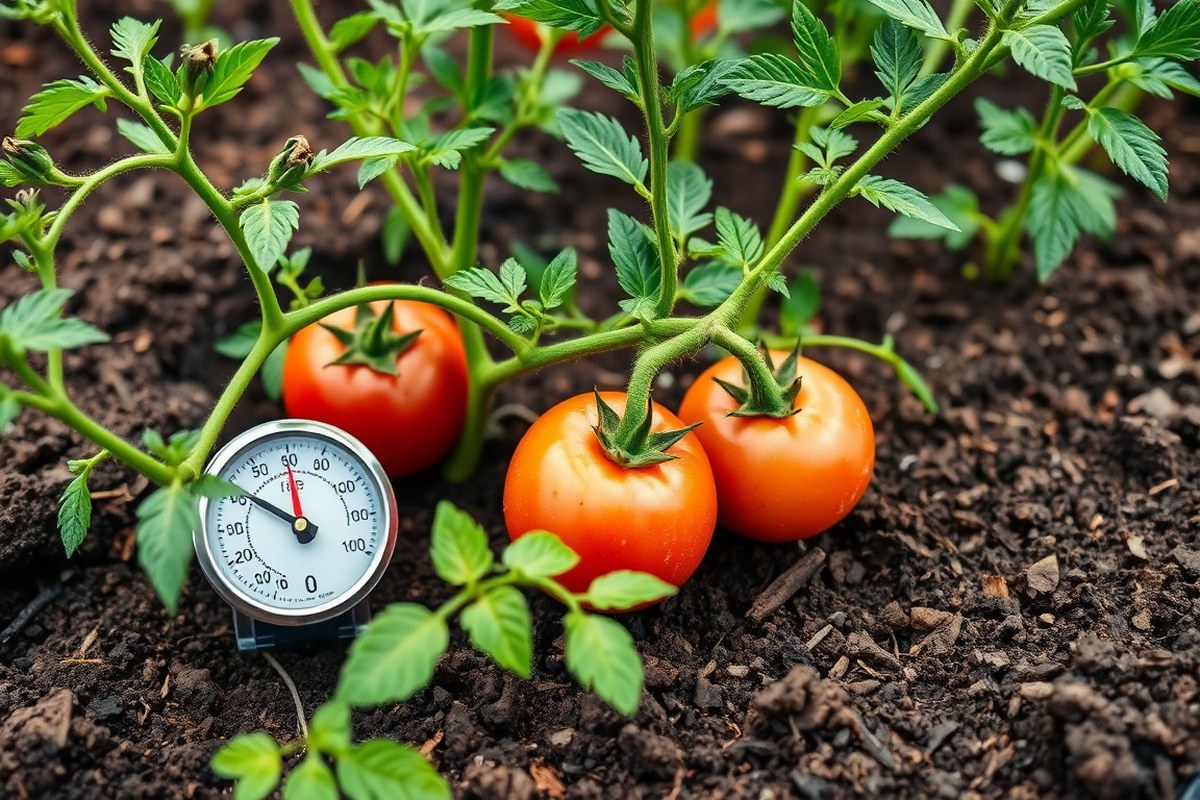
Plant tomatoes outdoors after the last frost and once the soil warms. Check that soil temperature at 4 inches deep is at least 60°F. The best range is between 65°F and 70°F. Use a soil thermometer to be sure. Cold soil keeps roots from growing well and slows the plant.
Also, watch nighttime temperatures before planting. Wait until nights stay above 50°F consistently.
Cool nights stress tomato plants and hurt fruit set. You can find your area’s average last frost date online or from local extension offices.
Use these decision rules: first, confirm the last frost date has passed. Second, measure soil temperature with a soil thermometer in the morning. Third, track nighttime lows for about a week to ensure they stay above 50°F. These conditions mean your garden is ready for planting.
Cold spells can harm young plants, so delay planting during a cold snap. In cooler or mountain areas, plant near south-facing walls. Use protective covers early to keep plants warm.
This helps plants grow better in cold spots. They keep soil and air warmer around your young tomato plants.
Planting too early when it’s cold harms growth and fruiting. Cold soil or night temps cause yellow leaves and stunted plants. Wait for warmer temps to avoid these problems.
When soil and nights are warm, tomatoes establish faster and produce better yields. Take time to check local weather forecasts alongside soil and air temps before you dig.
How to Start Tomato Seeds Indoors for Best Timing
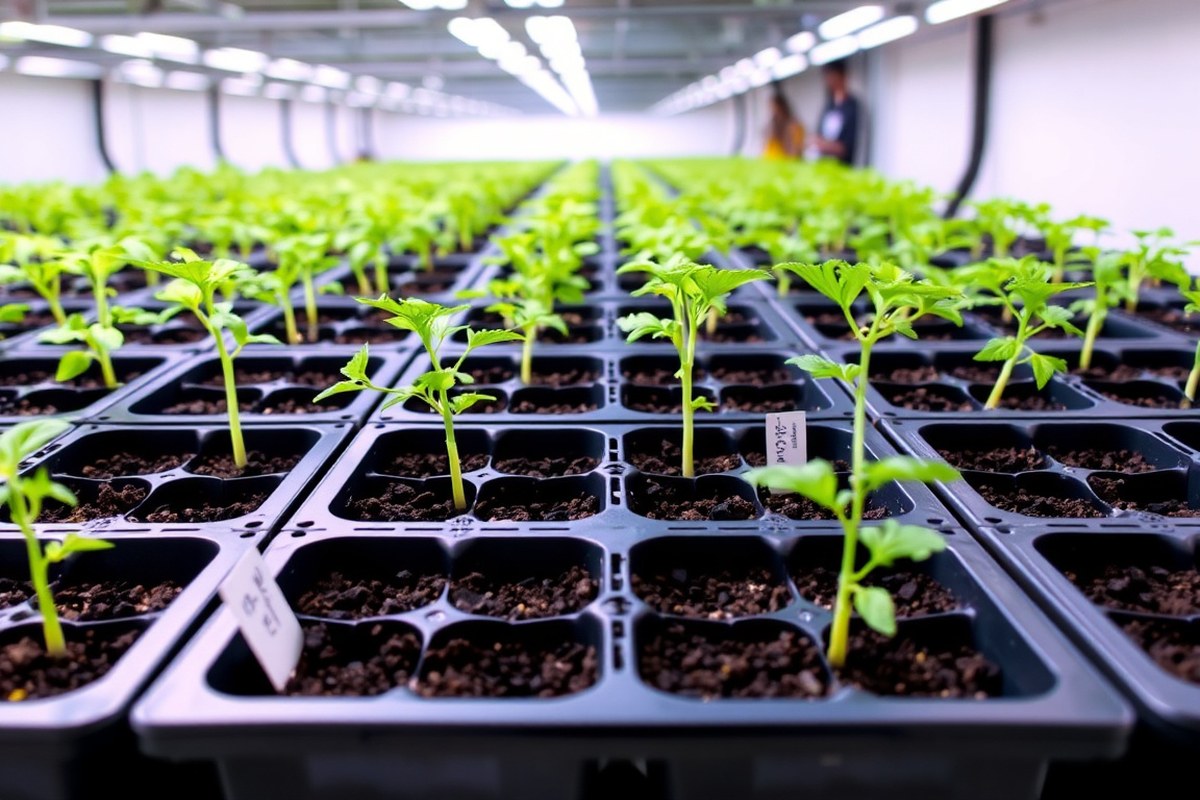
Plant tomato seeds inside roughly 6 to 8 weeks before frost ends. Keep the indoor area warm and well-lit to help seeds sprout. Move the seedlings outside after they grow sturdy and the weather suits.
Calculating Start Date from Last Frost
Find your area’s average last frost date. It usually falls between mid-March and mid-May depending on location. Count back 6 to 8 weeks from that date to pick your indoor sowing day.
This timing gives seedlings enough growth before planting outside. For example, if frost ends April 15, start indoors between late February and early March. Starting too early means crowded seedlings unless you have space and light to grow them properly.
Ideal Temperatures and Lighting for Germination
Tomato seeds germinate best at soil temperatures around 70 to 80°F. Keep night air temperatures above 60°F. Using a heat mat under seed trays can help maintain warmth evenly.
Place seedlings where they get 12 to 16 hours of light daily. A bright south-facing window or grow lights keep seedlings strong and stop them from getting leggy. Consistent light improves stem strength and leaf health.
How to Know When Seedlings Are Ready to Move Outdoors
Seedlings are ready to transplant when they have at least two sets of true leaves. This stage usually occurs about 5 to 7 weeks after sowing. Seedlings grown too small or weak may struggle after transplant.
Before putting seedlings outside, start hardening them off over 7 to 10 days. Gradually expose them to outdoor temperatures and sun to reduce transplant shock. Move them outdoors only once nights stay above 50°F consistently.
Follow these steps to start tomato seeds indoors successfully:
- Check your local last frost date to schedule seed starting.
- Fill seed trays or small pots with seed-starting mix.
- Plant seeds 1/4 inch deep and gently water to moisten.
- Place trays on a heat mat or warm spot at 70, 80°F.
- Provide 12, 16 hours of light daily using grow lights or a sunny window.
- Keep soil moist but not soggy until seedlings emerge in 5, 10 days.
- Thin seedlings if crowded, leaving the strongest plants per spot.
- Begin hardening off seedlings 1, 2 weeks before transplanting outdoors.
Starting seeds too early indoors can lead to leggy seedlings if light is insufficient.
Understanding Tomato Growth Stages and Time to Harvest
Tomatoes typically start flowering about 30 to 50 days after transplanting. Fruit usually ripens between 50 and 90 days after transplanting, depending on the variety. Your first harvest’s timing depends on the tomato type and the growing conditions.
Typical Growth Timeline from Seed to Fruit
From seed planting to transplant, you can expect about six to eight weeks of indoor growth. After transplanting outdoors, flowering starts around 30 to 50 days. Fruit appears shortly after, with the first ripe tomatoes around 50 to 90 days post-transplant.
If you plant ‘Early Girl’ seedlings in late May, expect flowers soon. You might see blooms by mid-June. This timing helps you plan your garden better.
Then, expect ripe tomatoes from mid-July to early August. Slower varieties might yield fruit later, sometimes closer to September or October.
Days to Maturity by Tomato Variety Categories
Early varieties like ‘Early Girl’ or ‘Sub Arctic’ mature in 55 to 65 days from transplanting. These are good choices if your growing season is short. Mid-season or late-season varieties often take 75 to over 90 days to produce ripe fruit.
Indeterminate tomatoes keep flowering and setting fruit through the season until frost. Determinate types tend to produce a single big crop within a shorter time frame. Check the seed packet’s days-to-maturity label to match varieties with your local season.
Environmental Factors That Speed or Delay Growth
Warm temperatures between 70°F and 85°F help tomatoes grow and flower fast. Too-hot days over 90°F can slow fruit set and ripening. Cool nights below 50°F also slow development, especially during early growth stages.
Soil quality and watering matter for steady growth. Tomato mix with extra potassium helps produce larger fruit quicker. Varieties bred for heat tolerance can still set fruit in hotter climates, avoiding delays in ripening.
Choosing Tomato Varieties Based on Growing Season Length
Tomato varieties differ widely in how many days they take to mature. Knowing this helps you choose the right type for your growing season length and climate.
Short-season growers need tomatoes that mature quickly. Long-season gardeners can pick from a wider range.
Early maturing tomatoes usually take 50 to 65 days to produce ripe fruit. Varieties like Early Girl are popular because they ripen in about 50 days. This means you can plant them later in spring and still get tomatoes before frost.
Late-season tomatoes need over 80 days. So they’re better for warm climates with long summers.
| Tomato Variety | Days to Maturity | Best For | Notes |
|---|---|---|---|
| Early Girl | 50 | Short growing seasons | Ripens quickly, good for later planting |
| Yellow Mini (F1) | 57 | Cooler or short seasons | Resists splitting, tobacco mosaic virus tolerant |
| Celebrity | 65 | Warm climates or longer seasons | Heat tolerant, good for spring planting |
| Sweet 100 (cherry) | 70 | Longer seasons, heat tolerant | Handles high temperatures well |
| Late-season heirlooms | 80+ | Long, warm growing seasons | Require early planting, long wait |
Pick varieties with days to maturity less than your frost-free days. Count from your average last frost date to your expected first frost.
Don’t plant a 70-day tomato if only 60 frost-free days remain. Fast growers give you more flexibility and better success in short seasons.
For container growing or late planting, choose early maturing types like Early Girl or Yellow Mini. Containers limit root space, so smaller, faster tomatoes perform better.
Also, avoid varieties that grow very tall if you lack staking space. Look for determinate or semi-determinate varieties suitable for pots.
Planting Tomatoes in Containers: Timing and Techniques
Plant tomatoes in containers outdoors only after nighttime lows stay at or above 60°F. Soil temperature is more important than air temperature. Check soil 4 inches deep to make sure it’s around 60°F before planting. This helps avoid stalled growth from cold soil that can last weeks.
Containers warm and cool faster than garden beds. This means soil in pots can heat up earlier in spring. So you might plant tomatoes in containers a week or two earlier than in-ground.
Still, watch daily lows and soil warmth before you put your plants outside. Cooler nights early on slow growth and increase disease risk.
Use a pot at least 5 liters in size with drainage holes. Fill it with tomato-specific soil mix like Tui Tomato Mix or Tui Enrich Vege, Tomato & Herb.
These mixes keep needed nutrients balanced and hold moisture without waterlogging roots. Good soil pH for tomatoes is 6.2 to 6.8 to help them absorb nutrients well.
Choose sunny spots that get 6 to 8 hours of direct sunlight daily. Tomatoes in containers often need extra watering since pots dry faster than ground soil.
Keep soil evenly moist but not soggy. Avoid letting the soil dry out or stay too wet, or fruits may stay small.
- Pick containers with at least 5 liters capacity and drainage
- Use tomato-specific soil with balanced nutrients and correct pH
- Check soil temperature at 4 inches depth; aim for 60°F
- Plant outdoors only after nighttime lows hit 60°F or higher
- Place containers in spots with 6 to 8 hours of sunlight
- Water regularly to keep soil moist but avoid overwatering
- Fertilize with a balanced 5-10-5 formula when fruits are 1 inch
Tomatoes in pots can be tricky if soil dries too fast or stays cold. Small containers heat up or cool down quickly, which stresses plants. Larger pots hold temperature steadier and reduce watering frequency.
Feed your plants when fruits are about one inch long. Do it again at harvest time. This helps boost their growth.
Check soil warmth by digging 4 inches deep, not just the air temperature.
How to Harden Off Tomato Seedlings Before Transplanting
Hardening off means slowly getting your tomato seedlings used to outdoor conditions. It helps prevent shock from sun, wind, and cooler temperatures. You do this by moving seedlings outside for a short time over 7 to 10 days.
Step 1: Introducing Seedlings to Outdoors
Begin hardening off when outdoor soil temperatures reach about 50°F. Pick a sheltered spot outside with some shade and little wind. On the first day, set your seedlings outside for 1 or 2 hours only.
Keep the seedlings away from full sun and strong winds. Bringing them outside too fast can cause leaf burn or wilting. Make sure they stay moist but not soggy during this step.
Step 2: Increasing Sun and Air Exposure Gradually
Each day, add about 1 to 2 more hours outside and move seedlings into more sun. By day four or five, they should get around 4 to 6 hours of sun. If the sun is intense, give them afternoon shade to avoid stress.
Also, let the seedlings feel gentle breezes to build stem strength. Usually, 7 to 10 days is enough time for your plants to toughen up. Keep watching for any signs of sunburn or wilting, move them into shade if needed.
Step 3: Final Signs Seedlings Are Ready
Seedlings that stand tall and firm after full sun exposure are ready to plant. Look for plants 6 to 10 inches tall with 2 or 3 pairs of true leaves. Leaves should look healthy and strong, not droopy or scorched.
Having controlled their water well during hardening off helps. Now you can transplant the seedlings outside, knowing they’ll adjust faster and grow strong.
- Check that outdoor soil is about 50°F before starting.
- Place seedlings in shade for 1, 2 hours on day one.
- Increase outdoor time by 1, 2 hours daily.
- Gradually move seedlings into more sun and mild wind.
- Provide afternoon shade if sunlight is too strong.
- Watch plants for sunburn or wilting and adjust exposure.
- Wait until seedlings reach 6, 10 inches tall with true leaves.
- Transplant hardened-off seedlings into garden or containers.
Extending Your Tomato Growing Season Efficiently
Begin tomato seeds inside using a grow light or a sunny window. Maintain soil temperature around 70°F with a heat mat. Sow seeds 6 to 8 weeks prior to the last expected frost for healthy plants.
Protecting tomatoes from heat is key in hot climates. A shade cloth cuts light by about 30% during midday sun.
It protects plants but still lets enough light for fruit to grow. Another way is watering deeply in the morning to keep roots cool during the day.
Use frost cloth or Wall-O-Water to protect plants from early frost. These tools help keep fruit growing into the fall season. These protect plants down to 20°F, giving you extra weeks or even months to harvest.
Late in the season, pinch the tops of indeterminate tomato plants. This directs the plant’s energy to ripen the fruit already growing.
- Start seeds indoors 6-8 weeks before last frost
- Use 30% shade cloth to reduce heat stress
- Water deeply early to cool roots
- Use frost cloth or Wall-O-Water to delay frost damage
- Pinch tops of indeterminate plants to boost fruit ripening
- Choose earlier-producing varieties for cooler fall harvests
In hot zones like Florida, many gardeners plant a fall crop after summer heat declines. The fall crop often outperforms summer plants, producing more tomatoes with less heat stress.
Choose young, healthy tomato seedlings for transplanting. Large, mature plants often stop growing well outdoors.
Vining tomatoes keep growing and fruiting until frost. This lets you pick some fruit early, then more as the weather cools.
These simple steps extend your tomato harvest season. They also help avoid problems from heat and frost.
Common Tomato Planting Mistakes and How to Avoid Them
Planting tomatoes too early often means putting seedlings in cold soil. When soil stays below 55°F, roots stop taking up water and nutrients. This weakens your plants and delays growth, even causing them to wilt or die.
Planting too late cuts your growing season short. Tomatoes can bloom but not produce fruit when days shorten. Too much heat above 90°F stops fruit from forming.
This happens even if flowers appear normally. This often leads to poor yields or no harvest at all.
Avoid planting tomatoes too early by waiting for warmer soil. Soil should be at least 60°F before you plant seeds. Plant tomatoes about two weeks after your area’s last frost date.
When soil temperature is right, transplant seedlings into the garden in early morning or late afternoon. This helps reduce shock and moisture loss. Avoid overhead watering right after planting to prevent diseases caused by wet leaves.
Poor fruit production often happens with bad timing plus too much nitrogen fertilizer. Excess nitrogen causes big leafy plants but few tomatoes. Use a balanced fertilizer and avoid feeding heavily until flowers show.
Tomatoes may not grow fruit if daytime heat goes over 90°F. Fruit can also fail if temperatures drop below 55°F during bloom. This temperature change affects tomato flowering and fruit set.
In hot regions, plant in early spring or late summer to avoid heat stress. In cooler areas, wait for consistent warm weather.
Heavy rainfall can wash pollen away, reducing fruit set. Keep soil consistently moist but not soggy to help flowers develop. Mulch around plants to regulate soil moisture and temperature.
Wait until soil temperature is comfortably warm, around 60°F, before planting tomatoes outdoors.
Step-by-Step Action Plan for Growing Tomatoes
Follow these steps to grow tomatoes successfully this season. Each step helps you stay on track and know when you’re doing the right thing.
- 8 weeks before last frost: Start tomato seeds indoors using seed trays or small pots. Check that the seedlings sprout in 5 to 10 days.
- 2 weeks before transplanting: Start hardening off seedlings. Put them outside for a few hours each day. Do this daily to prepare the plants. They should look healthy and strong after a week.
- After last frost date: Transplant seedlings outdoors when the soil is warm (above 60°F). Plants should adjust without wilting after planting.
- Immediately after planting: Water tomato plants deeply to settle soil and reduce transplant shock. Soil should be moist, not soggy.
- Throughout the growing season: Water tomatoes regularly, about 1-2 inches per week, aiming for consistent moisture. Leaves stay green and fruits start to form.
- 3 to 4 weeks after transplant: Begin feeding plants with balanced fertilizer every two weeks. Watch for steady growth and healthy leaves.
- When fruits form: Support plants with stakes or cages. Fruits should hang cleanly off the ground to avoid rot.
- Before first frost: Harvest ripe tomatoes fully colored and slightly soft to the touch. Store indoors or use right away.
Frequently Asked Questions
How Many Weeks Does It Take for Tomatoes to Mature After Planting?
Tomatoes usually take 10 to 14 weeks to mature after planting. This timing varies depending on the variety and how well you care for the plants.
What Is the Difference Between Bush and Vining Tomato Plants?
Bush tomatoes grow about 3 feet tall and stop growing after flowering. Vining types grow longer stems and keep producing fruit until frost.
When Should You Prune Tomato Plants, and Why?
Prune tomato plants when suckers grow 2 to 4 inches long by snapping them off. This helps focus the plant’s energy on producing better fruit.
What Nighttime Temperature Shows It’s Safe to Plant Tomatoes Outdoors?
It’s safe to plant tomatoes outdoors when nighttime temps stay above 50°F. Cooler nights can stunt growth or cause transplant shock.
Can Tomatoes and Cucumbers Be Grown Together?
Yes, tomatoes and cucumbers are warm-season crops that can grow together well. Just give each enough space to avoid overcrowding.
What Is the Best Way to Support Tomato Plants?
Tomato cages work well as a balance between staking and letting plants sprawl. They provide support and are easier to manage for many gardeners.
Final Thoughts
Timing and proper care make growing tomatoes much easier. Start with healthy seedlings and plant after frost risk passes. Now, check your local last frost date and get your seeds ready indoors.