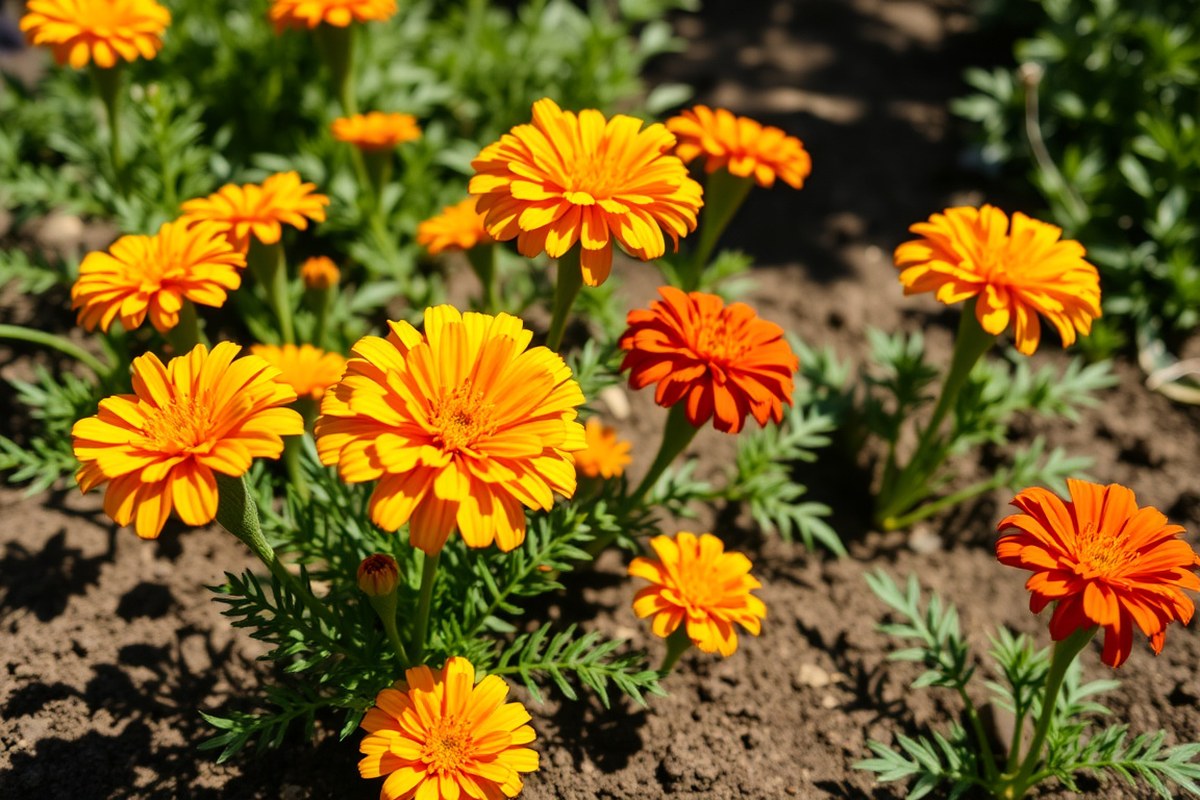
How Often to Water Marigolds: A Complete Guide with Proven Tips
How often to water marigolds depends on if they’re in pots or the ground. Container marigolds do well with watering every 2 to 3 days. Small pots may need daily watering during hot summer days.
In-ground marigolds usually need water about once a week. Give them a deep soak to reach their roots and stay strong.
Check soil moisture before watering. Water marigolds when the top 1 to 2 inches of soil feel dry. Don’t water if rain is coming within 24 hours to avoid soggy soil and root problems.
Marigolds need full sun to thrive. Water needs rise when temperatures go above 85°F. Mulching keeps soil moist longer. It can reduce watering frequency by around 30%, saving time and helping plants stay healthy.
Key Takeaways
- Water container marigolds every 2, 3 days; small pots need daily watering in heat.
- In-ground marigolds require a deep soak about once a week for best growth.
- Check soil dryness by feeling the top 1-2 inches before watering again.
- Don’t water if rain is expected within a day to avoid overwatering.
- Mulch plants with a 2-3 inch layer to reduce watering needs by around 30%.
- Marigolds need more water on hot days above 85°F to prevent wilting.
How Often Should You Water Marigolds for Best Growth?
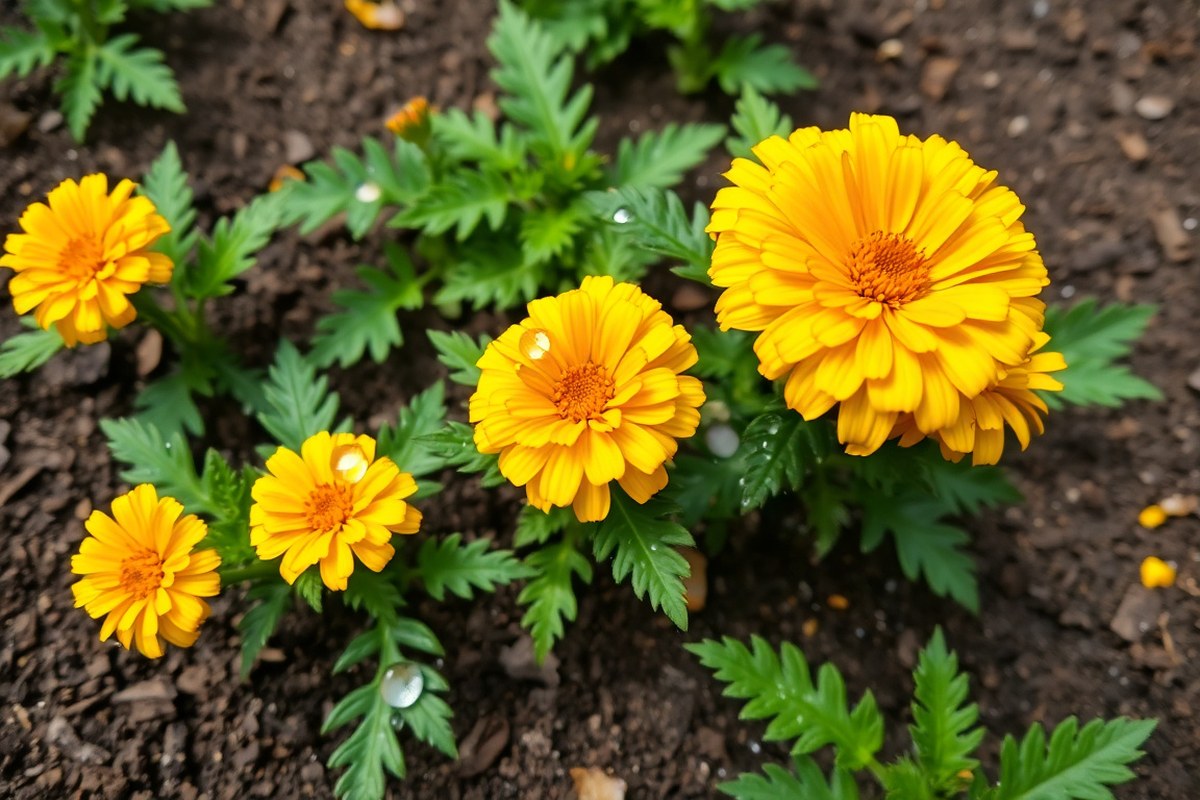
Newly planted marigolds need more frequent watering than established ones. Water seedlings every 2 to 3 days. Keep the soil moist.
Avoid soaking it. This encourages roots to grow deeper and helps plants avoid drying out.
Mature marigolds need less frequent watering. Their roots reach deep moisture. In-ground marigolds usually do well with a good soak about once a week.
Container marigolds dry out fast. Water every 2 to 3 days.
Soil type matters in watering frequency. Sandy soils drain quickly, so water more often to prevent dryness. Clay soils hold moisture longer, so wait longer between waterings to avoid soggy roots.
Sandy soil needs watering every 2 to 3 days for young plants. For mature plants, water every 4 to 5 days.
Clay soil may need watering every 3 to 4 days when young. Mature plants need water every 7 days or more.
Water deeply rather than shallow watering. Aim to soak the soil about 6 inches deep. Use a slow, steady stream of water at the base.
This helps moisture reach the roots. Shallow watering keeps roots near the soil surface, causing weaker plants and more frequent watering needs.
Stick your finger or a small tool about 1 to 2 inches into the soil. If the soil at that depth is dry, water your marigolds then. Avoid watering when the soil is moist to prevent root rot and fungus.
After planting marigold seeds in a container, water lightly every couple of days. Keep soil moist for germination. Once seedlings have true leaves, water more deeply but less often.
This encourages root growth. Mature container plants may need watering daily during hot summer days in small pots.
In the garden, water newly planted marigolds deeply twice a week, adjusting for weather. Once established, soak the soil every 7 to 10 days, depending on rainfall and temperature. Using a soaker hose or watering can at soil level prevents wetting foliage, reducing disease risk.
Watering Differences Between Container and In-Ground Marigolds
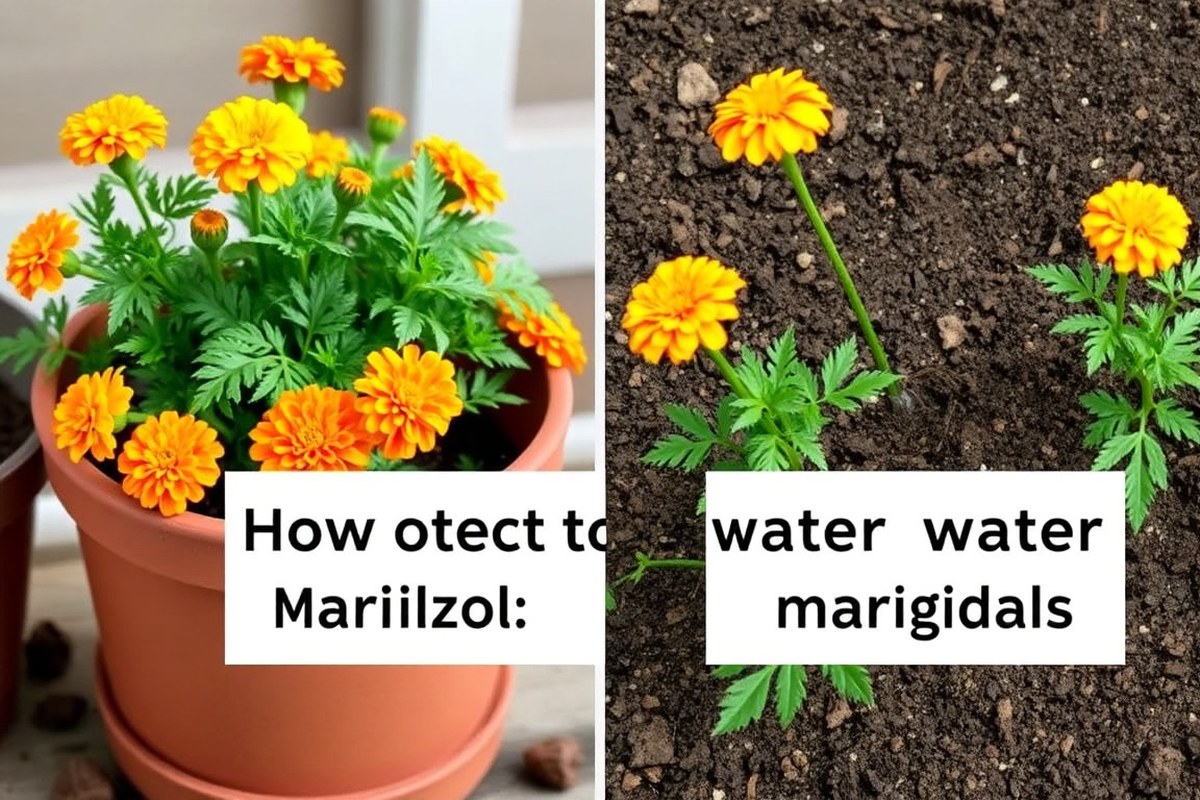
Marigolds in containers need more frequent watering than those in the ground. Containers dry out faster because they have less soil to hold moisture. Small pots under full sun may need water every day during hot spells.
In-ground marigolds usually require deep watering once or twice a week. The soil retains moisture longer, so you don’t have to water as often. A good soak encourages roots to grow deep and strong.
| Watering Factor | Container Marigolds | In-Ground Marigolds |
|---|---|---|
| Watering Frequency | Water your marigold every two to three days, more often for small pots in hot weather. | Once or twice a week with deep soak |
| Water Volume per Session | Enough to keep soil moist but not soggy | Deep watering to moisten soil several inches deep |
| Soil Moisture Retention | Low; dries quickly especially in small pots | Higher; soil holds moisture much longer |
| Pot Size Impact | Smaller pots dry faster, need daily watering | Not applicable; ground soil volume much larger |
| Recommended Watering Method | Watering can or drip irrigation | Soaker hoses or drip irrigation system |
Pot size changes how often you water container marigolds. Smaller containers need water daily in summer heat. Larger pots keep moisture longer, allowing 2-3 days between watering.
Drip irrigation suits both containers and garden beds well. It delivers water right to the roots, cutting waste. For in-ground beds, drip lines set to run weekly provide steady moisture.
Always check the soil moisture before watering to avoid overwatering, especially in pots.
Using a narrow-spout watering can helps direct water under the plant’s canopy. This method prevents wetting leaves unnecessarily. Wet foliage can lead to disease in warm, humid weather.
Signs Your Marigolds Need Water or Are Overwatered
Knowing when marigolds need water or are overwatered helps avoid plant stress. Dry, drooping leaves usually mean underwatering. Overwatered marigolds often show yellow leaves and soggy soil.
Checking soil moisture before watering is the best way to avoid mistakes. Slide your finger about an inch or two deep into the soil near the stem. When soil is dry and crumbly, it needs watering right away.
Cool, damp soil means wait a few days. Muddy or saturated soil signals overwatering, so hold off and check drainage.
| Symptom | Underwatering | Overwatering |
|---|---|---|
| Leaf appearance | Drooping or wilted leaves | Yellowing or pale leaves |
| Soil condition | Dry beyond top 1, 2 inches | Soggy, muddy, or constantly wet |
| Plant firmness | Stems feel limp | Soft or mushy stems |
| Leaf texture | Dry and brittle | Soft and limp |
| Root health (if visible) | Dry, shriveled roots | Roots show rot or smell foul |
Look for drooping leaves combined with dry soil first. That means your marigold is thirsty. Check soil moisture at least once a week if temperatures hit above 85°F. Soil should feel dry to your first knuckle before watering again.
Yellow or pale leaves with constantly wet soil warn of overwatering. Holding water in pots is risky if drainage is poor. Mulch keeps the soil moist for a longer time.
Pull mulch back 1 to 2 inches from the stem. This prevents rot near the plant base. Overwatered plants need time to dry; stop watering until soil feels drier.
- Check soil moisture with a finger or small stakes near the stem.
- Feel the soil texture: dry and crumbly means water soon.
- Wet or muddy soil means pause watering and improve drainage.
- Watch leaves: droop with dry soil, yellow with wet soil.
How to Water Marigold Seedlings vs. Mature Plants
Watering marigold seedlings requires gentle, frequent moisture, unlike mature plants that need deeper, less frequent watering. Seedlings are fragile and need extra care to avoid root rot. Established marigolds thrive with weekly watering once the soil surface feels dry.
Watering Frequency for Seedlings
Seedlings need watering every day to keep the soil consistently moist but not soaked. Soil should feel damp to the touch without puddles forming. Overwatering seedlings can cause root rot, so balance is key.
In full sun, water seedlings more often to prevent drying out. In partial shade, you can reduce watering slightly but keep the soil moist.
Watering Method for Mature Marigolds
Mature marigolds need about 1 inch of water weekly. Deep watering is best to encourage strong roots and healthy blooms. Water at the base to avoid wetting leaves, which helps prevent fungal problems.
Water outdoor marigolds every 3 to 5 days during hot, dry weather. Container plants need watering daily in those conditions.
Increasing watering helps the plants stay healthy. Reduce watering in humid climates or after rainfall.
Transitioning from Seedling to Established Watering
After about 10 days post-germination, seedlings start developing stronger roots. You can then reduce watering frequency, shifting to watering every 3 days. Watch soil moisture; adjust to keep it drying slightly between waterings.
This adjustment helps seedlings develop drought tolerance while preventing shallow roots. Gradually switch from light surface watering to deeper soakings at the plant base. Follow these steps to water marigold seedlings and mature plants effectively:
- Check soil moisture by touching the top 1 inch of soil daily around seedlings.
- Water seedlings with a gentle mist or small watering can to avoid washing them out.
- Keep seedling soil moist but never waterlogged to prevent root rot.
- Once seedlings grow for about 10 days, cut back watering. Water every 3 days, letting the soil dry a bit. This helps plants develop strong roots.
- For mature plants, water deeply once a week or every 3-5 days during heat.
- Apply water directly to the soil at the plant base to protect foliage.
- Adjust watering based on sun exposure and soil dryness, increasing in full sun or hot weather.
- Monitor for signs of overwatering like yellowing leaves or soggy soil, and reduce water accordingly.
Seasonal Factors That Affect How Often You Water Marigolds
How Seasonal Weather Changes Water Needs
Marigolds need more water in hot weather and less when it is cool. In summer, watering every day or every other day works well.
When temperatures fall below 60 degrees, marigolds use less water. You only need to water them every three or four days.
Spring and fall usually bring mild weather that requires moderate watering. You should check the soil before watering to avoid overdoing it. Cooler or cloudy days slow water evaporation from soil.
Adjusting Watering After Rainfall
Rain often gives enough water for marigolds, so don’t water as much. Only water again when the top inch of soil feels dry. Sometimes you can skip watering for one to three days after rain.
In container marigolds, water drains more quickly. So rain might dry out the soil sooner.
Check pot soil more often after rain. Outdoors, heavy rain could saturate the soil, causing root problems if watering continues unnecessarily.
Temperature Impact on Marigold Watering
Hot days require watering every day or every other day to keep marigolds healthy. The sun pulls moisture from soil fast, especially if temperatures rise above 85°F. Cooler days below 60°F slow growth and water needs.
In heatwaves, water marigolds early morning or late afternoon. This helps get moisture deep to the roots. Watering at midday can waste water as the sun quickly evaporates it before roots absorb it.
Humidity Levels Affect Water Use
Dry air makes marigolds lose water quickly through their leaves. In low humidity, increase watering frequency to prevent wilting. You can add a water tray or humidifier near indoor marigolds to raise humidity.
High humidity slows water loss from leaves. So water less often to avoid soggy soil. Watch soil moisture rather than sticking to a rigid schedule when conditions are humid or rainy.
Seasonal Watering Schedule Template
Early spring: Water marigolds twice a week, adjusting if rain falls. Summer heat: Water every other day, increasing frequency during heatwaves.
Fall: Cut back to once every three days or weekly as temperatures drop. Winter: Water once every five to seven days if plants are indoors or protected.
Check soil moisture before watering to tailor this schedule for your garden. Water only when the soil is dry about an inch down. Adjust more during dry spells or less after rain.
Skip watering for a day or two after rain to avoid overwatering your marigolds.
Best Practices for Watering Marigolds in Hot or Dry Weather
During heat waves or dry spells, water marigolds daily to prevent stress. High temperatures and dry air speed up water loss in soil and leaves. Check the soil every day to know if your marigolds need water.
Marigolds can handle a bit of drought but won’t thrive if roots dry out too long. They need about 1 inch of water weekly for healthy roots and bright flowers. When it’s very hot, watering once a week isn’t enough to keep them strong.
To protect the roots in hot weather, water deeply in the morning or late afternoon. Avoid soaking the leaves to reduce disease risks. Use mulch to keep soil moist and shade small or young plants from the harsh sun.
- Check soil moisture with your finger each morning
- Water when the top 1 inch of soil feels dry
- Water early or late to reduce evaporation
- Apply 2-3 inches of organic mulch around plants
- Provide shade with cloth or temporary covers
- Use a slow drip or gentle spray to avoid runoff
- Adjust watering if rain is expected soon
Mulching costs little and helps keep roots cool and moist. Shade cloth or umbrellas for young marigolds can lower heat stress. These practices cut how often you must water while protecting plants from harsh sun.
Watering too little causes wilting and dull flowers. Watering too much with hot soil risks root rot or fungus. Keeping a daily water check and adjusting amounts avoids these problems.
Practical Methods to Check Soil Moisture Before Watering
Check soil moisture before watering marigolds by feeling the top inch of soil. When the soil feels dry, you should water the plant. Use simple tools like your finger or a moisture meter for reliable results.
Using the Finger Test
Stick your finger into the soil about 1 to 2 inches deep near your marigold roots. This depth shows if the soil is dry where the plant’s feeding zones are. Dry soil at this depth means your marigold needs water.
For container plants, test the soil once a week or more often in hot weather. With in-ground plants, check every few days to avoid over- or underwatering. This method is easy, free, and usually accurate.
Follow these steps to do the finger test correctly:
- Choose a spot close to the marigold’s base but avoid touching the stem directly.
- Insert your index finger straight down about 1 to 2 inches deep.
- Pull your finger out and check the soil’s feel on your skin.
- Test the soil about 2 inches down. Water when dry.
- When the soil feels cool or moist, do not water yet.
Employing Soil Moisture Meters
Soil moisture meters can measure how much water is in the soil. They cost between $10 and $30 and give a quick moisture reading.
Push the probe 2 inches into soil near marigold roots. This gives you a good moisture reading.
Pick a meter with a simple dial or digital display for easy use. These tools work well for containers and garden beds, especially if you grow many plants. Use them several times a week to track moisture levels closely.
Remember to clean the probe after each use to get accurate readings. Avoid pushing too hard and damaging roots. Meters show if soil is dry, moist, or wet, helping you decide when watering is needed.
Visual and Tactile Soil Cues
Look at your soil’s color and texture to judge moisture levels. Dry soil often looks lighter and feels crumbly or dusty on top. Moist soil is usually darker and sticks lightly together.
Touch the soil surface but also check deeper 1 to 2 inches with your finger. Surface dryness doesn’t always mean the roots lack water. Allow marigolds to dry out between watering but not so much the soil cracks.
Combine these cues with your finger test or moisture meter. This gives a fuller picture before watering.
Wet leaves or muddy soil mean wait longer. Avoid merely guessing, soil checks lead to healthier marigolds.
Common Watering Mistakes and How to Fix Them for Marigolds
Overwatering marigolds is the biggest mistake gardeners make. These plants handle dry soil better than soggy roots. Keeping the soil wet invites root rot and fungal diseases that kill marigolds fast.
Underwatering is less common but still harms your flowers. Too little water makes leaves wilt and blooms fade.
You can fix this by watering deeply when the top inch of soil feels dry. Use a finger test to check moisture before adding water.
Watering at the wrong time can also cause problems. Marigolds like morning watering so leaves dry during the day.
Wet leaves at night increase fungal risk. Pour water gently at soil level, not directly on leaves, to avoid damage and pests.
- Only water marigolds about once a week to prevent soggy soil.
- Water deeply to soak roots but avoid puddles on the surface.
- Use a moisture meter or finger test to decide when they need water.
- Water in the morning, not evening, to keep leaves dry.
- Pour water directly onto soil, not on leaves, to reduce disease.
- Adjust watering based on weather and soil type for best results.
- Use well-draining soil or containers to keep roots healthy.
Proper watering helps marigolds bloom fuller and resist pests. Dry spells encourage stronger flowers up to a point.
Overwatered plants look weak and attract bugs like aphids and whiteflies. Correcting your watering schedule improves flower health within weeks and cuts pest problems.
Keep an eye on your soil’s feel before watering, wet soil usually means wait.
Adjust watering if your marigolds look droopy but soil feels wet. Cut back water and improve drainage to stop rot.
If leaves wilt and soil is dry, increase watering but avoid daily watering. Following these steps makes your marigolds happier and more colorful.
Step-by-Step Action Plan to Water Your Marigolds Right
Follow this plan to water your marigolds properly, whether in pots or garden beds. Watch for healthy leaves and soil moisture to know it’s working.
- Before planting: Choose well-draining soil and containers if potting. This limits water buildup and root rot.
- Week 1 (Seedlings): Water lightly every day to keep soil moist but not soggy. Seedlings should not dry out.
- Week 2 to 3 (Young plants): Water every 2 or 3 days. Check soil with your finger; it should feel slightly damp 1 inch down.
- Once mature: Water deeply once a week if soil feels dry an inch down. Increase frequency in hot, dry weather.
- During heat waves: Water marigolds every 2 days in containers or if soil feels dry. Shade them partially if possible.
- After heavy rain: Skip watering to avoid waterlogging. Let soil dry out a bit before watering again.
- Regularly check: Stick your finger into soil and watch leaves. Wilt means thirsty; yellow and soft may mean too wet.
Frequently Asked Questions
What’s the Difference Between Marigolds and African Marigolds?
African marigolds are generally larger and more heat-tolerant. They usually have bigger flowers than common marigolds.
Their stems are also thicker. Common marigolds tend to be smaller and bushier.
Can You Just Scatter Marigold Seeds?
Yes, you can scatter marigold seeds directly in the garden. Keep the soil warm and moist for the seedlings.
Thin them out as they grow. This stops overcrowding among your plants.
Do African Marigolds Do Well in Pots?
African marigolds do well in pots if watered regularly and grown in good soil. Use pots with drainage holes to prevent water buildup that can harm the roots.
How Many Marigold Seeds Do You Put in Each Hole?
Plant two to three marigold seeds in each hole. Once they sprout, thin to the strongest seedling to avoid crowding and encourage healthy growth.
Can Marigolds Suffer from Overwatering?
Yes, marigolds can get root rot if overwatered. Wait for the soil surface to dry before watering again to prevent waterlogging.
Should Marigold Soil Be Fertilized Regularly?
Marigolds need only light fertilizing every few weeks. Too much fertilizer can cause lush foliage but fewer flowers.
Final Thoughts
Watering marigolds carefully makes them bloom bright and healthy. Check their soil moisture mostly by feel and leaf look. Start by testing your soil today before watering again.