How to Grow Vegetables in Containers: A Complete Guide for Beginners
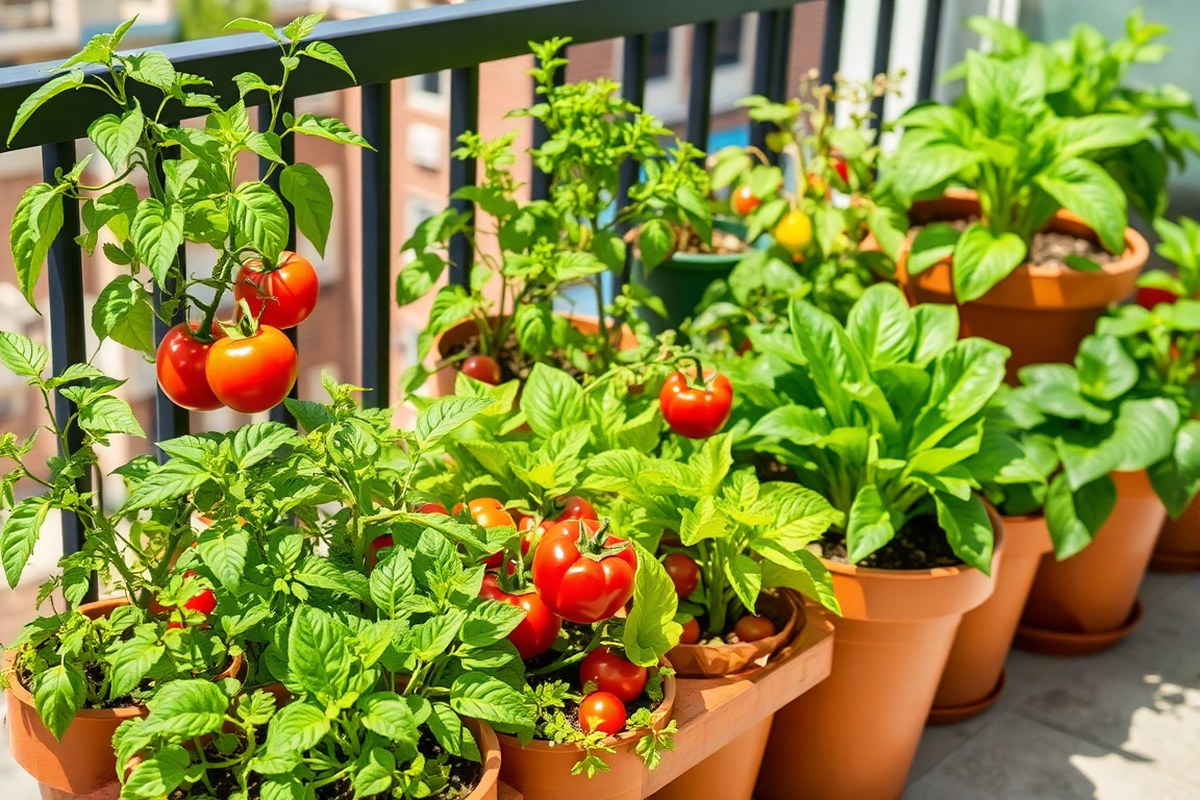
How to grow vegetables in containers is a great question for small spaces. The key is picking the right container size and soil mix for your plants.
Most veggies need at least 12 inches of soil depth to grow well. Use a high-quality potting mix made for containers, not garden soil.
Sunlight matters a lot, too. Leafy greens can do with 3 to 5 hours of sun daily. Fruiting veggies like tomatoes need around 8 hours.
Putting containers where they get enough light sets you up for success. Avoid spots shaded by buildings or tall trees.
Start by choosing pots with good drainage and that fit your plant’s root needs. Watch the container’s weight as it fills with soil and water.
You might want plant caddies to help move heavy containers around easily. Empty holes and saucers help prevent root rot by letting water escape.
Key Takeaways
- Most vegetables require containers at least 12 inches deep for good root growth.
- Lettuce and spinach grow well with only 3 to 5 hours of sunlight daily.
- Fruit-bearing plants like tomatoes need about 8 hours of direct sunlight each day.
- Use containers with multiple 1/4-inch drainage holes to prevent waterlogging.
- Heavy containers can weigh around 100 pounds when watered, so plan mobility.
- Keep containers about 12 inches away from stone or masonry walls for best results.
What You Need to Grow Vegetables in Containers Successfully
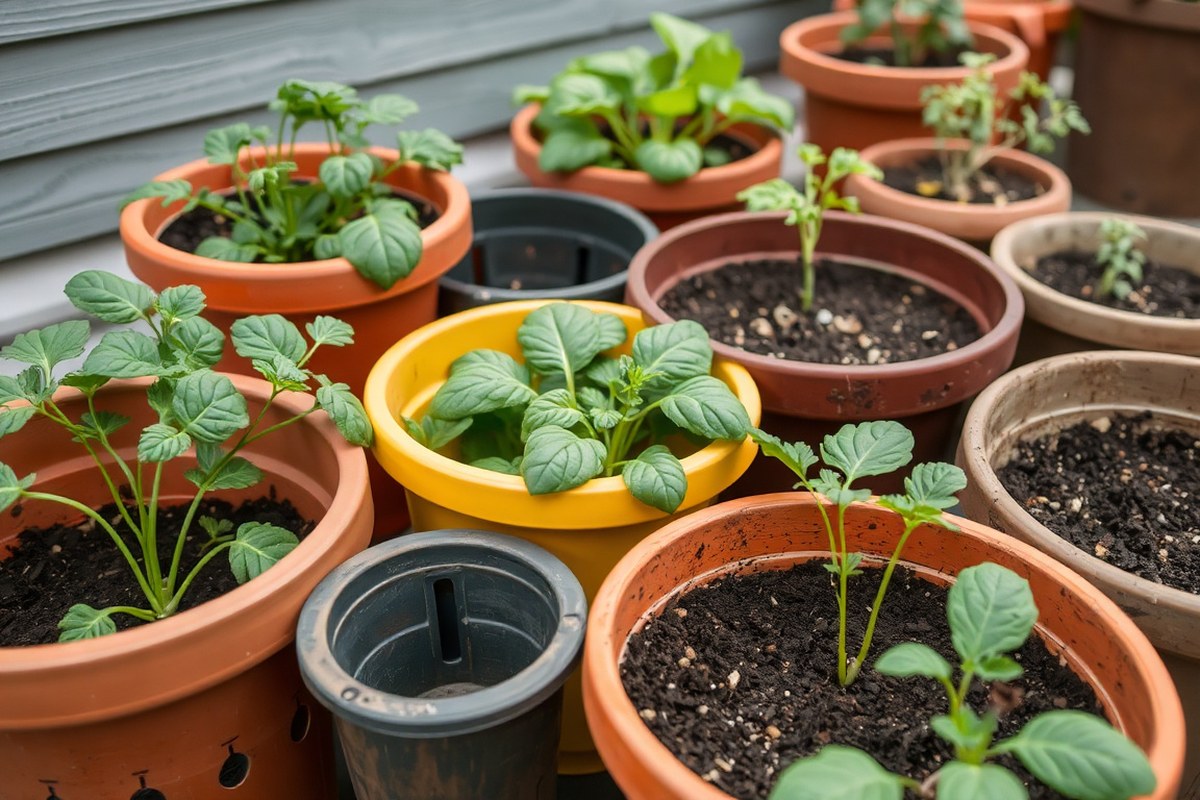
Start with containers that match your vegetable’s size needs. Most veggies grow well in containers at least 12 inches deep. Larger plants like tomatoes or squash need about 5 gallons of space.
Small leafy greens can thrive in containers as small as one gallon. Make sure the container has holes in the bottom to let water drain out. This prevents roots from sitting in water, which can cause rot.
Pick containers that won’t spill or hold toxins. Avoid containers that might have held chemicals or food unsafe for plants. Lightweight pots are easier to move.
But remember that a full 20-inch diameter pot can weigh around 100 pounds. A plant caddy can help you move heavy containers easily.
Non-porous containers keep moisture longer but may need less frequent watering. Terracotta pots breathe well but dry out faster, so water needs will change.
The right soil is key. Use a soil-less potting mix designed for vegetables instead of garden soil. This mix holds water while allowing air to reach the roots.
It also warms up faster in spring so you can start growing early. Avoid heavy garden soil, which can compact and suffocate plant roots. Soil in containers should be rich in nutrients and loose enough to drain well.
Choose dwarf or bush varieties of vegetables when possible. These plants need less room and do better in containers. They usually have smaller roots and produce well in limited space.
Follow a simple rule: match the container size to the plant’s mature root size. This helps plants grow fully without becoming root-bound too soon. Check a vegetable’s recommended minimum pot size before buying your container.
Choosing the Best Vegetables for Container Gardening
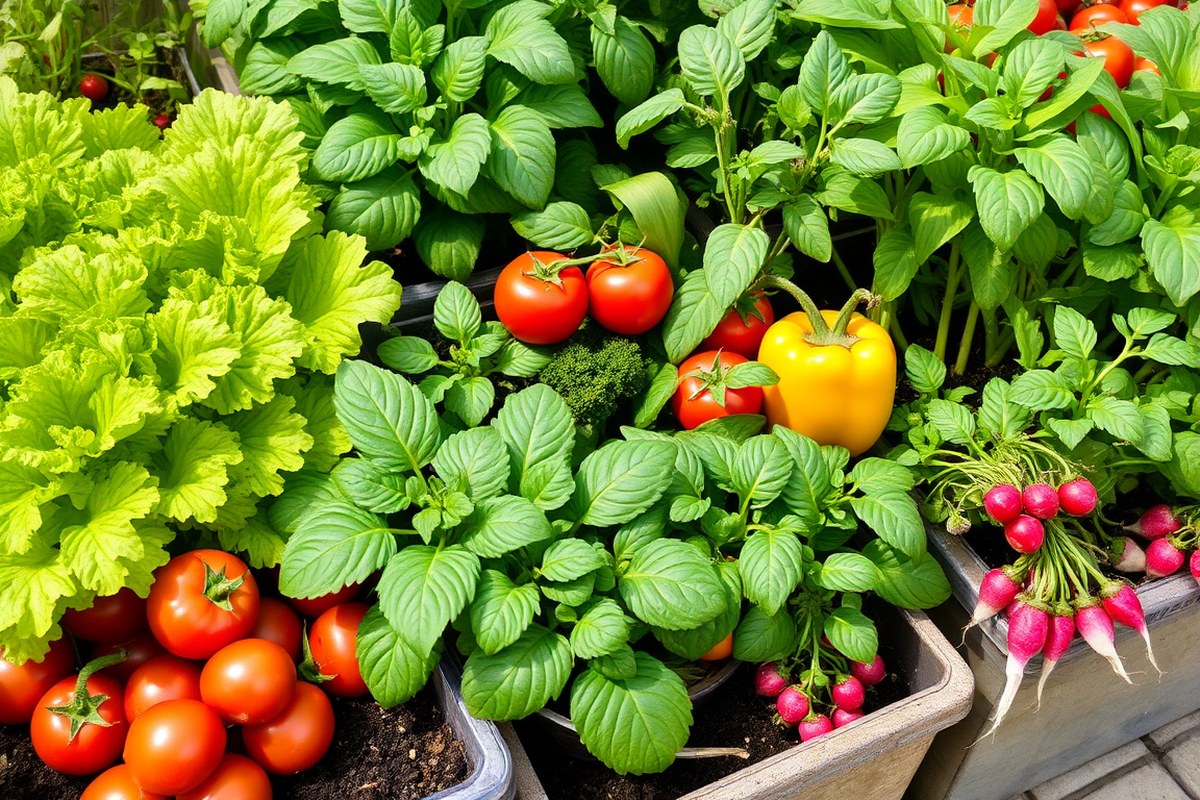
Choosing the right vegetables for your container garden depends on space, sunlight, and container size. Leafy greens and herbs generally need less sun and space. Fruiting vegetables require full sun and larger pots.
Matching vegetables to container size helps you grow them well. Consider sun availability too for best results. This reduces fuss as you garden.
Leafy Greens and Herbs
Leafy greens like lettuce, spinach, and kale are easy to grow in containers. They need 3 to 5 hours of sunlight and fit well in smaller containers. You can plant them close together and harvest leaves gradually, making these vegetables good for beginners.
Herbs such as basil, parsley, and cilantro also grow well in containers. These need about 4 to 6 hours of sunlight daily and small to medium pots. Growing herbs next to greens can save you space.
You get fresh flavors right on your porch. It fits well on balconies too.
Fruit-Bearing Vegetables
Tomatoes, peppers, eggplants, and squash require full sun, 6 to 8 hours daily, and larger containers. Expect to use five-gallon or bigger pots to give them enough root room.
These plants take longer to mature and need steady care. But reward you with plenty of vegetables.
Choose smaller or bush varieties to fit your space better. Fruit-bearing vegetables can be grown together if each has enough sunlight and space. Support plants with stakes or cages to keep fruits clean and off the soil.
Root Vegetables and Others
Root vegetables like carrots, radishes, and beets are perfect for container gardening. They need between one quart to two gallons for the roots to grow well. These vegetables handle partial shade without trouble.
They grow best with 4 to 6 hours of sun daily. This amount helps them thrive.
These vegetables often need thinning once seedlings grow to 6 to 8 inches tall. You can plant root veggies alongside leafy greens to make efficient use of containers. Crop rotation and staggered planting every two weeks can extend your harvest.
Use the table below to match a vegetable to your container size and sun conditions. Space between plants guides you for healthy growth and better yield.
| Vegetable | Light Requirements | Minimum Container Size | Inches Between Plants | Days from Seed to Harvest | Comment |
|---|---|---|---|---|---|
| Beans, bush | Full sun | 2 gallons | 2, 3 | 45, 60 | Several plantings, two-week intervals |
| Beets | Full sun; tolerates partial shade | 0.5 gallon | 2, 3 | 50, 60 | Thin plants when 6 to 8 inches tall |
| Carrots | Full sun; tolerates partial shade | 1 quart | 2, 3 | 65, 80 | Plant multiple times, two-week intervals |
| Cabbage | Full sun; tolerates partial shade | 5 gallons | 12, 18 | 65, 80 | Large container needed for head development |
Pick containers that match the water needs of your vegetables. Smaller pots dry out faster, so they may need daily watering during hot spells. Combining crops with different sun requirements in separate containers can boost overall garden productivity.
Start with leafy greens if you’re new to container gardening. They tolerate some shade and space limits.
How to Prepare Containers and Soil for Planting
Prepare your containers and soil carefully for the best vegetable growth. Clean containers and use the right soil mix to avoid pests and ensure good drainage. Fill containers properly to give plants enough space and moisture.
Cleaning and Preparing Containers
Start with clean containers to prevent diseases and pests. Wash plastic or ceramic pots with warm, soapy water.
Rinse containers well and let them dry in the sun. Check that drainage holes are clear to prevent water buildup.
- Remove any old soil and plant debris from the container.
- Scrub the container with warm, soapy water and a brush.
- Rinse thoroughly to remove all soap residue.
- Disinfect using a solution of 1 part bleach to 9 parts water, then rinse.
- Make sure drainage holes are not blocked or too small.
- Let the container dry completely in sunlight before use.
Mixing or Choosing Potting Soil
Avoid regular garden soil; it’s too heavy for containers. Use potting soil that drains well and holds moisture.
Look for a soil mix labeled for container vegetables or make your own. Good mixes have peat moss, perlite, and compost.
Adding compost or worm castings gives nutrients and improves soil health. Avoid soils that are too sandy or clayey.
Filling and Moistening Soil
Fill your containers with soil up to 1 or 2 inches below the top. This gap stops soil from spilling out. It also helps water soak in without overflow.
Moisten the soil before planting. Use your hands or a small tool to mix water into the soil.
Keep mixing until the soil feels damp. Avoid making the soil soggy or too wet.
Don’t pack the soil tightly; keep it loose for root growth. Fill containers firmly enough to support plants but still drain well.
Watering Containers: How Much and How Often?
Container size matters when watering vegetables. Small pots dry out fast and might need water daily in warm weather.
Larger containers hold moisture longer. So watering every two to three days can work unless it’s very hot.
Vegetables also differ in their watering needs. Leafy greens like lettuce drink more often, needing moist soil almost daily. Tomatoes and peppers like deep, less frequent watering, about every two days, to encourage strong roots.
Self-watering containers can help you avoid daily watering chores. They store water in a reservoir and let plants take what they need. These work best if you want consistent moisture and to reduce the risk of overwatering.
Watch for signs that tell you when you need to water or stop watering. Wilting leaves often mean the plant needs water.
If the soil feels dry an inch below the surface, it’s time. Yellowing leaves and soggy soil can mean too much water.
- Water early morning or late afternoon to reduce evaporation.
- Use a watering can with a narrow spout to target the soil.
- Do not let containers sit in standing water; empty trays quickly.
- Stick a finger 1 to 2 inches into the soil to check moisture.
- Adjust watering frequency in hot, dry weather, often daily.
- Heavier feeders like tomatoes may need about 1 inch of water weekly.
- Herbs usually prefer the soil to dry a bit between watering.
Watering well helps roots grow deep in the soil, which keeps plants healthier during dry spells. Poor watering can lead to stress, disease, and low yields.
Keep a close eye on moisture. You’ll get better results growing vegetables in containers.
Sunlight Requirements and Container Placement
Container-grown vegetables need lots of sunlight to grow well outdoors. Fruiting veggies like tomatoes, peppers, and beans usually want 6 to 8 hours of sun. Leafy greens such as lettuce and spinach do better with just 4 to 6 hours.
Place your containers where they receive the right amount of sunlight throughout the day. A south-facing balcony or patio usually gets the most sun, making it ideal for sun-loving vegetables.
Space with 4 to 6 hours of sun works best for herbs and leafy greens. These plants manage well in spots that get only partial sunlight daily.
Check the sun exposure by observing the spot for a few days. Mark the hours of direct sunlight during peak times, especially between 10 a.m. And 4 p.m. This helps you match vegetables to the best spot. Move containers if you need to, depending on the plants’ needs as they grow.
Keep water nearby because well-lit spots tend to dry out containers fast. Wind can also dry and stress plants, so place containers in wind-protected areas. Using heavier containers or adding weight inside can prevent pots from tipping over on windy days.
Remember, containers in full sun can heat up a lot. Check soil moisture daily to avoid drying out your vegetables.
Tomatoes and peppers won’t produce well in shady spots. They may flower but yield few fruits. Lettuce and spinach grow fine in partial shade.
They can even thrive indoors. Just place them near a bright window for best results.
Pale or leggy plants usually show they do not get enough light. Adding more sun or moving containers can help fix this.
Using reflective surfaces like light-colored walls or placing mirrors can increase sunlight on your containers. Also, rotating containers every few days helps even sun exposure, avoiding uneven growth. This simple step lets all sides of the plant get enough light.
Supporting and Pruning Container Vegetables for Better Yield
Supporting and pruning your container vegetables helps them grow stronger and produce more. Staking or trellising keeps tall or vining plants upright and saves space. Pruning improves airflow and directs energy to fruiting parts, making your harvest better.
Staking and Trellising Vining Plants
Tall vegetables like tomatoes and beans need support. This stops damage and saves space. Vining plants like cucumbers also need a sturdy frame.
Using stakes or trellises lets them grow upward, keeping leaves dry and fruit off the soil. This reduces disease risk and makes harvesting easier.
Use sturdy stakes or a trellis tall enough for your plant’s mature height. You can find bamboo stakes or wire trellises for around $5 to $15 at garden centers. Support young plants early to avoid breaking fragile stems.
- Place the stake or trellis securely in the container before planting or soon after.
- Tie the main stem to the support gently. Do this every 6 to 8 inches. Use soft ties or cloth strips for care.
- Regularly adjust ties as the plant grows to avoid cutting into the stem.
- For vining plants, weave side shoots through the trellis to encourage upward growth.
- Remove any runners or shoots that grow away from the support to focus energy on fruiting.
Pruning for Airflow and Growth
Pruning helps container vegetables by removing dead or crowded growth. This stops disease and lets sunlight reach healthy leaves. It also directs nutrients to fruit or flower production for better yields.
Prune tomatoes by pinching off suckers between the main stem and branches. For peppers or eggplants, trim leggy or yellowing leaves. Do this every 1 to 2 weeks during the growing season.
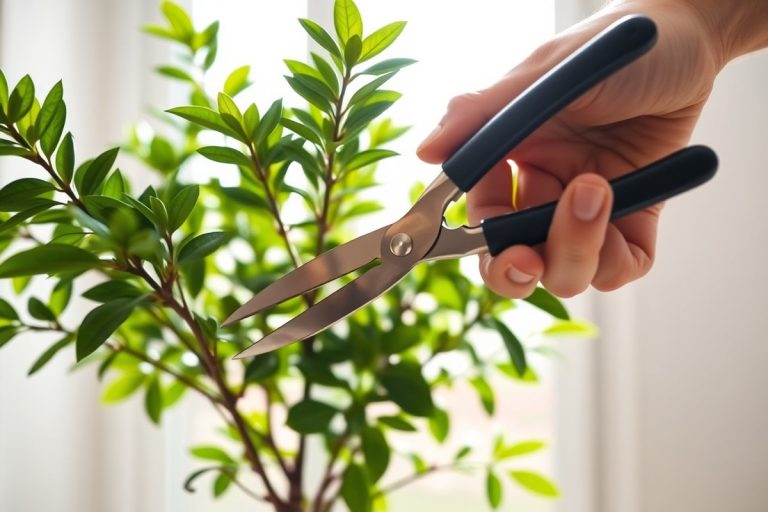
- Use clean, sharp scissors or pruners to avoid damaging plants.
- Start pruning when plants are about 6 inches tall to shape growth early.
- Remove crowded or crossing branches to improve airflow.
- Cut back yellow or dead leaves immediately to prevent disease spread.
- Pinch off flower buds on seedlings to help roots establish before fruiting.
Companion Planting in Containers
Mixing low-growing and tall plants in one container makes good use of space. For example, you can plant bush beans with dwarf tomatoes or lettuce with peppers. Be sure both plants have similar water and sunlight needs.
Avoid overcrowding by choosing smaller varieties meant for containers. Choose plants with shallow roots combined with deeper-rooted veggies to reduce competition. Stay within container size limits to keep each plant healthy.
Plants with different nutrient needs also help prevent early soil depletion. For example, leafy greens can grow alongside root crops in an 8- to 10-inch deep pot. Watch plants closely and adjust watering as mixed containers may dry unevenly.
Managing Fertilization and Nutrient Needs in Container Gardens
Container vegetables need regular feeding because soil nutrients wash out quickly. Use a balanced fertilizer with equal parts nitrogen, phosphorus, and potassium for steady growth. A slow-release fertilizer feeds plants for about two months.
You mix it into the soil at planting. It saves you from feeding plants too often.
After that, apply a water-soluble fertilizer every two weeks. Dilute it to half the recommended strength to avoid burning roots. For example, a 20-20-20 fertilizer works well for most vegetables like tomatoes, peppers, and lettuce.
Leafy greens like spinach and lettuce need more nitrogen to grow lush leaves. Use a fertilizer with a higher first number, such as 24-8-16, every two weeks after planting. Fruiting vegetables like tomatoes and peppers benefit from extra phosphorus and potassium for fruit production.
Look for fertilizers formulated specifically for vegetables or container plants to get the right balance. Organic options like fish emulsion or seaweed extract supply nutrients gently and improve soil health. You can apply these every 10 to 14 days using the dilution instructions on the label.
Signs that plants need fertilizer include slow growth and pale leaves. Yellow leaves often point to nitrogen deficiency. Poor fruit set suggests a lack of phosphorus or potassium.
Avoid overfertilizing, which can cause leaf burn and weak plants. Always water before and after applying fertilizer to protect roots.
Vegetables in larger containers need feeding less often than those in small pots. For example, a 5-gallon pot holds more nutrients.
So slow-release fertilizer might last three months. Small containers require feeding every week or two because they dry out and lose nutrients faster.
Keep a regular fertilizing schedule to see steady growth and good yields. Start feeding two weeks after planting seedlings or seeds. Change fertilizer type and how often you feed plants as needed.
Watch how each vegetable grows and reacts. Also think about your container’s size when adjusting.
Preventing and Handling Pests and Diseases in Containers
Start by checking your container vegetables regularly for pest signs. Look at the undersides of leaves and stems every few days. Early spotting helps stop infestations before they spread.
Keeping plants healthy reduces disease risk. Use well-drained potting mix and avoid overwatering. Container vegetables in good health resist pests and diseases better than weak ones.
Place containers where air flows freely to lower moisture buildup. Damp, crowded areas invite fungal diseases. Move pots apart or to sunnier spots if you see mold or mildew.
A simple pest prevention routine includes removing dead leaves and debris daily. Bugs and diseases hide in plant litter. Clean pots and tools too, to prevent spreading problems.
Natural pest control works well for container gardens. Mix one tablespoon of mild liquid soap with one quart of water.
Spray it on plants every 5 to 7 days to fight aphids and whiteflies. Rinse plants after a few hours to avoid soap buildup.
Another option is neem oil, found at garden stores. Dilute it according to label instructions and spray weekly. Neem oil disrupts pest breeding and is safe for beneficial insects.
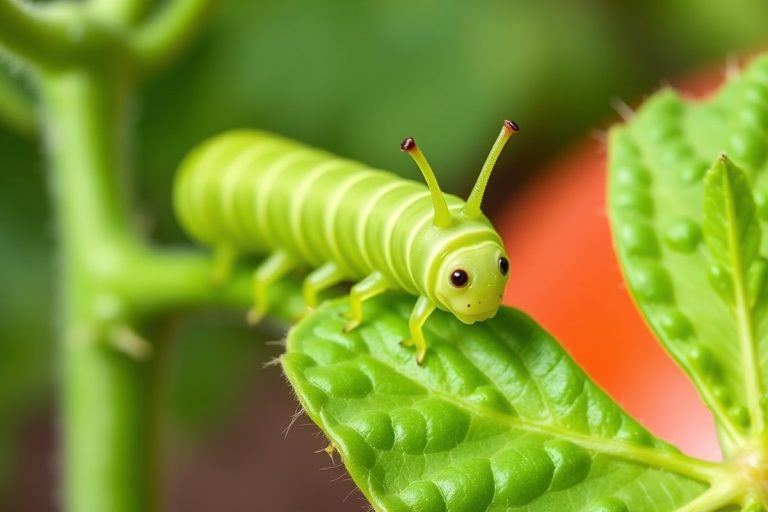
Handpicking pests like caterpillars and beetles from your plants lowers damage. Check your veggies once or twice a week and remove insects you see. Dispose of them away from your garden.
Using insecticidal soap or neem oil costs about $10 to $15 for a spray bottle. This is a small investment for protecting your vegetables organically. Avoid broad-spectrum chemical pesticides, which harm helpful insects and soil life.
Container vegetables generally suffer fewer diseases than those in garden beds. Pots isolate plants and stop soil pathogens from spreading easily. Still, watch for leaf spots and root rot signs and act quickly.
Identifying and removing infected leaves stops disease spread. Use clean scissors or pinch off diseased parts carefully.
You can compost diseased leaves if your compost gets very hot. It must reach above 140°F. This heat kills the harmful pathogens.
Don’t let water sit in saucers under containers; standing water breeds pests like mosquitoes.
Step-by-Step Action Plan for Your Container Vegetable Garden
Get started right away with this simple timeline. Follow these steps to see quick results and keep your plants healthy.
- Day 1: Choose containers with drainage holes and fill them with lightweight potting soil. You’ll know it’s right if the soil drains well and doesn’t stay soggy.
- Day 2: Plant your selected vegetable seeds or seedlings following seed packet instructions. Successful planting feels firm but not packed soil around roots.
- Week 1: Place containers where they get at least six hours of sunlight daily. Check plants each morning to confirm they’re getting enough light and aren’t wilting.
- Week 1: Water the containers until it drains from the bottom holes. Soil should feel moist, not soaking wet, the next day.
- Week 2: Start fertilizing with a balanced liquid fertilizer every two weeks. Green, healthy leaves show it’s working.
- Week 3: Begin pruning small side shoots or yellow leaves to boost growth. Your plants should look fuller and stronger after pruning.
- Week 4 and ongoing: Monitor for pests and diseases every few days. Remove or treat affected leaves immediately to keep the garden healthy.
Frequently Asked Questions
What Are the Easiest Vegetables to Grow in a Container?
Leafy greens like lettuce and herbs such as basil are easy to grow in containers. They need less space and grow quickly, making them perfect for beginners with small spaces.
What Is the Most Common Mistake Made with Container Plants?
Overwatering is the most common mistake people make with container plants. Containers often drain quickly. So watering too much can drown roots and harm the plants.
Can I Grow Plants in 5-gallon Buckets, and If so, How?
Yes, 5-gallon buckets work well for many vegetables like cucumbers or tomatoes. Make holes in the bottom for drainage.
Use good potting soil. This helps keep plants healthy.
What Month Should You Start a Vegetable Garden?
Start your container vegetable garden in early spring, once soil warms up. Containers warm faster, so you can plant a few weeks before outdoor beds.
Do Vegetables Grown in Containers Need Special Fertilizers?
Yes, container vegetables need balanced fertilizers regularly to replace nutrients lost in watering. Use slow-release or water-soluble fertilizer according to package directions.
Can Small Balconies Support Container Vegetable Gardens?
Yes, small balconies can hold containers if you choose compact plants and lightweight pots. Use plant caddies to easily move heavy containers for sun or rain.
Final Thoughts
Growing vegetables in containers is rewarding and doable with the right care. Start by picking your containers and soil today to get a jump on growing. Watching your first sprouts appear will keep you motivated to keep going.
One Comment