Can Worms Breathe in Water? Complete Guide That Explains Survival Limits
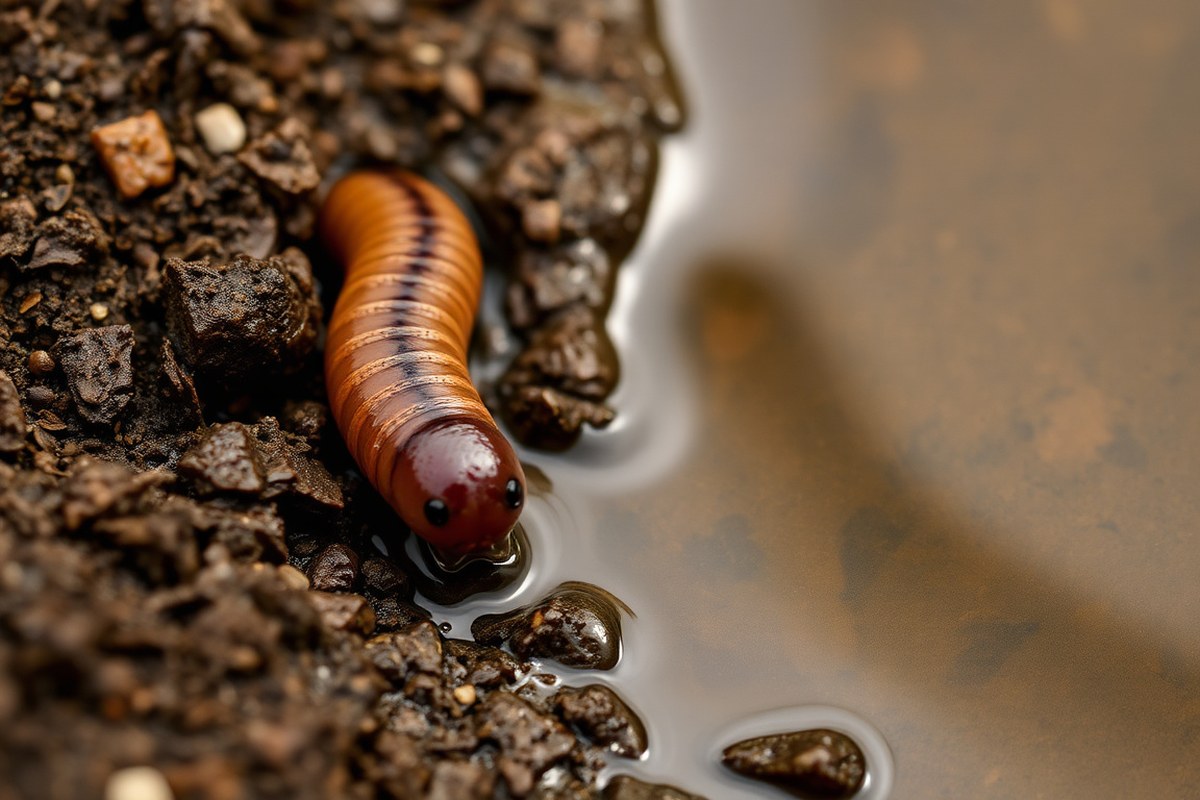
Can worms breathe in water? The short answer is yes, but with limits. Earthworms breathe through their moist skin, which can absorb oxygen from water.
Water has much less oxygen than air. That makes it hard for them. They often don’t get enough oxygen underwater.
Earthworms can generally survive underwater for up to two weeks if the water has enough oxygen. They get oxygen from water, not air. Water usually holds less oxygen than air pockets.
Those air pockets are more common in soil. This delay depends on water quality, flow, and oxygen levels.
When water stays still or is polluted, oxygen levels drop, causing stress for earthworms. That’s why you often see them surfacing after heavy rain. Knowing this helps you protect worms if your soil gets waterlogged or flooded.
Key Takeaways
- Earthworms breathe through their skin, needing moisture to absorb oxygen.
- Oxygen dissolved in water is much lower than in air-filled soil.
- They can survive underwater about two weeks if oxygen levels are good.
- Low-oxygen water from pollution or stagnation reduces survival chances sharply.
- Heavy rain can force worms to the surface to avoid low oxygen underground.
- Aerated water like streams offers the best oxygen supply for submerged worms.
Can Earthworms Breathe Underwater?
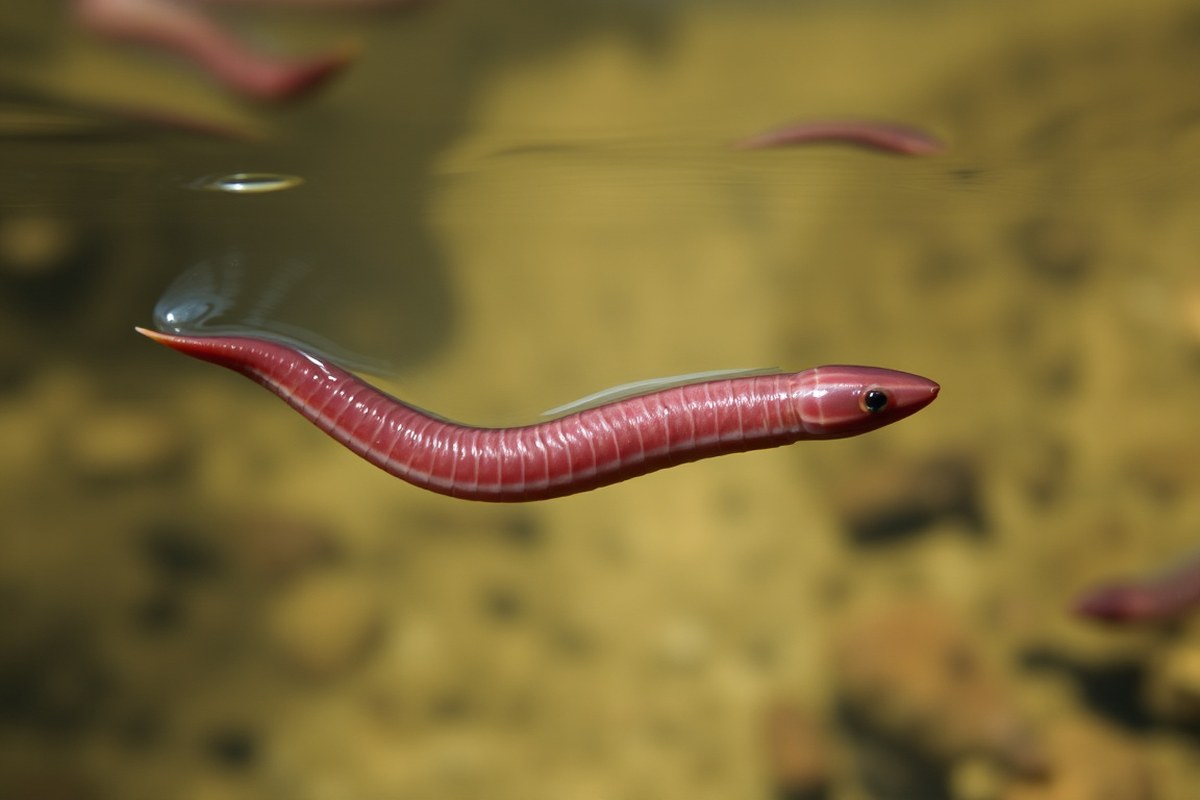
Earthworms can breathe underwater, but only for a limited time. Their skin must stay moist to absorb oxygen, which they usually get from air.
They can absorb some dissolved oxygen from water. But not enough to survive long underwater.
Because the oxygen in water is often low, earthworms eventually suffocate if fully submerged. The usual limit is about two weeks before they drown. This time can change depending on how much oxygen the water holds.
Earthworms rely on moist soil, not water, to get oxygen. When soil becomes waterlogged after heavy rain, oxygen levels drop.
Earthworms must leave their burrows to avoid suffocation. They do this even if surfacing raises their risk of danger.
How Do Earthworms Breathe Through Their Skin?
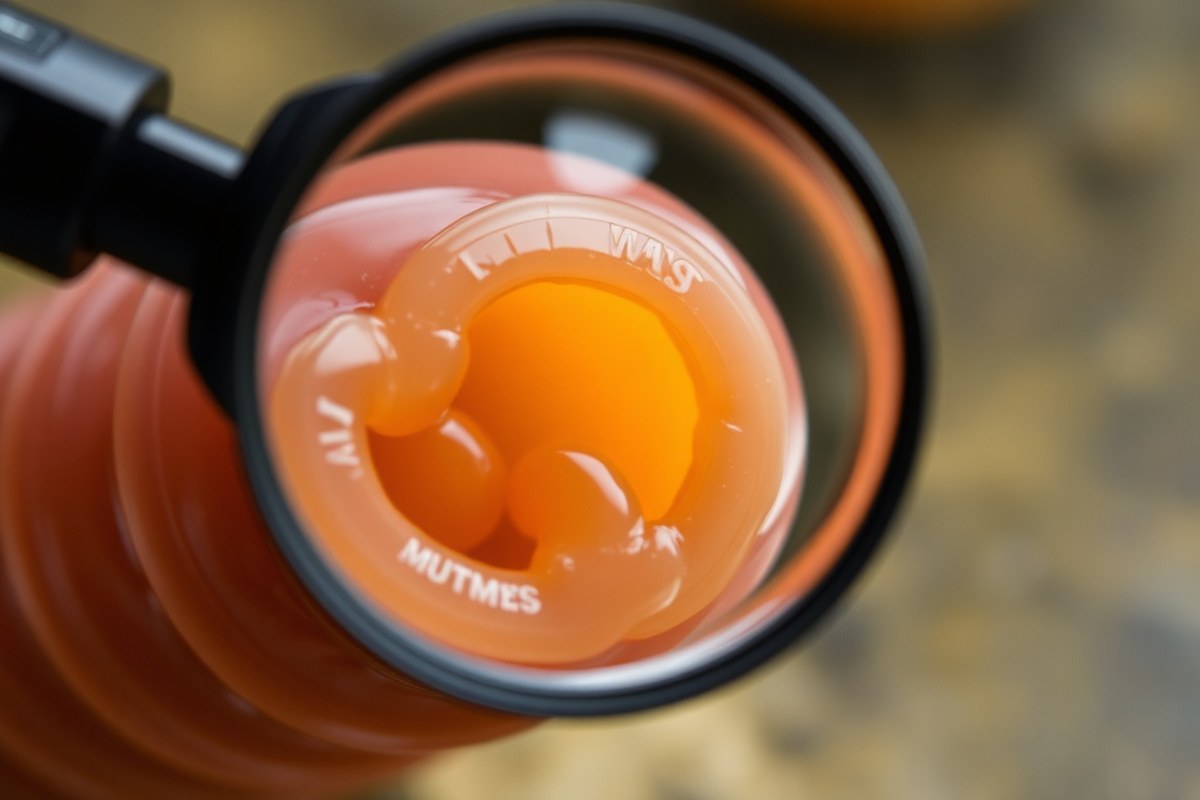
Earthworms breathe through their skin by a process called cutaneous respiration. They do not have lungs or gills like other animals. Their skin must stay moist for oxygen to pass in and carbon dioxide to leave.
The Process of Cutaneous Respiration
Cutaneous respiration means breathing through the skin. Earthworms have thin, permeable skin that allows gases to pass easily. Oxygen moves from the outside into their blood because oxygen levels are higher outside.
The carbon dioxide inside the worm is higher than outside, so it moves out. This movement of gases happens by diffusion. Diffusion means gases spread from high to low concentration.
It’s a natural process. Worms rely completely on this passive process since they don’t actively breathe.
Role of Mucus in Respiration
Earthworms produce mucus to keep their skin moist and slimy. This mucus traps moisture and helps oxygen dissolve on the skin surface. Without this wet layer, their skin would dry out and block oxygen absorption.
Keeping skin moist is important for survival. The worm suffocates when its skin dries. Dry skin blocks gas exchange.
The mucus protects the worm’s skin in many environments. It also changes with salty or polluted water. This can affect the worm’s health.
How Oxygen Enters and Carbon Dioxide Exits
Oxygen from the air or water first dissolves into the mucus covering the skin. From there, it diffuses through the thin skin into the worm’s blood. Specialized blood pigments help carry oxygen efficiently to the cells.
Carbon dioxide, produced by the worm’s metabolism, diffuses out the same way. It moves from the higher concentration inside the worm to the lower outside air or water. This exchange keeps the worm’s cells supplied with oxygen and clears waste gases.
Keep earthworms in cool, moist environments to support their skin respiration. Dry or salty conditions can quickly harm their breathing ability.
How Long Can Earthworms Survive Underwater?
Earthworms can survive underwater from a few hours to several days. This time varies depending on water temperature and how much oxygen the water holds. Cooler, well-oxygenated water lets worms live longer underwater than warm, stagnant water.
Typical Survival Durations
In cool streams, earthworms can stay underwater for 2 days. The water must have good air flow to help them live longer. They can sometimes survive even more than 2 days submerged.
Fresh rainwater soaks into soil and provides moderate oxygen. This lets worms survive underwater for about 12 to 24 hours.
Oxygen in the water helps keep them alive for this time. In stagnant ponds or puddles, oxygen quickly drops, limiting survival to just a few hours.
Polluted runoff with chemicals cuts oxygen levels drastically. Here, earthworms usually survive less than an hour before oxygen runs too low.
After underwater exposure, worms often recover if oxygen returns soon. But long time underwater in low oxygen causes serious harm or death.
Impact of Temperature on Oxygen Availability
Colder water holds more dissolved oxygen, which helps worms last longer underwater. Water below 60°F (15°C) helps hold enough oxygen for worms. This lets some survive underwater for more than 24 hours.
Cooler water is better for keeping worms alive longer. In contrast, water above 75°F (24°C) contains much less dissolved oxygen, shortening survival time.
Higher temperatures also increase the worm’s metabolism. This means worms need more oxygen but get less from warm water.
So, warm, stagnant water is the worst place for them to be underwater long. The balance between oxygen supply and worm demand shapes how long they can hang on.
Oxygen Level Variations in Different Water Bodies
Fast-moving streams constantly mix air into water, keeping oxygen levels high. Earthworms down there benefit and survive longest.
Fresh rainwater has moderate to high oxygen at first, supporting worms during brief flooding. But oxygen decreases as water sits still.
Stagnant ponds or puddles often have low oxygen because no air flows in. As worms stay underwater, they quickly deplete the oxygen supply.
Polluted runoff, containing chemicals, reduces oxygen further, sometimes almost zero. Earthworms face a race against time and oxygen in these waters.
Factors Affecting Earthworm Survival Underwater
Earthworms rely on dissolved oxygen in water to breathe through their skin. When water has low oxygen, worms struggle to breathe properly. Water quality, temperature, and pollution all play key roles in their survival underwater.
Oxygen content drops sharply in stagnant or polluted water. Chemicals from pollution can harm their skin and reduce oxygen exchange. Heavy rain may fill soil with water but dissolved oxygen levels can actually fall, stressing worms.
Water temperature also changes oxygen levels and worm metabolism. Cooler water holds more oxygen, which helps worms survive longer. Hot water has less oxygen and speeds up their breathing, exhausting them faster.
| Factor | Effect on Worm Respiration | Details |
|---|---|---|
| Dissolved Oxygen | Critical for breathing | Low oxygen reduces skin absorption; worms rise to surface |
| Water Quality | Pollution damages skin | Poisonous chemicals block oxygen uptake and cause harm |
| Water Stagnation | Decreases oxygen | Lack of flow lowers oxygen; worms may suffocate |
| Temperature | Affects oxygen solubility | Cool water (~50°F) holds more oxygen than warm (>75°F) |
| Moisture Level | Skin must stay moist | Dry skin stops oxygen absorption; worm suffocates |
Keeping water clean and cool can extend the time worms survive underwater. When their skin dries or pollution rises, oxygen can’t get through. That stops breathing and puts worms at serious risk.
The right balance depends on local conditions. Wet but oxygen-rich soil helps worms stay active. Locked in stagnant water, they rise often for air as their breathing becomes difficult.
Why Do Earthworms Surface After Heavy Rain?
After heavy rain, earthworms come out of the soil to breathe better. The rain soaks the soil, filling all the air pockets with water. This leaves less oxygen underground, forcing the worms to find air above the surface.
Worms breathe through their skin and need a good supply of oxygen. When the soil turns waterlogged, their usual way of moving through air-filled soil breaks down.
They can’t get enough oxygen in the wet soil. So they surface to avoid suffocation.
This is why you often see earthworms on sidewalks and driveways right after spring rains. The surface stays wet enough for them to survive while they find oxygen in the air. Staying above ground lets them breathe until the soil drains and air returns underground.
Earthworms usually move through the soil to reach fresh oxygen pockets. In compacted or flooded soil, these pockets disappear. Without enough air, the worms travel to the surface to get the oxygen their skin needs.
But coming out on the surface can be risky. Birds and other predators are waiting to eat these exposed worms.
Still, the need for oxygen outweighs the danger, especially after continuous heavy rain. Deep soil usually holds enough oxygen, letting worms stay down safely for months.
Don’t step on worms after rain, they need time to get back underground safely.
Comparing Terrestrial Earthworms and Aquatic Worms’ Breathing
Earthworms and aquatic worms use very different ways to get oxygen. Earthworms breathe through their skin, which must stay moist to absorb air’s oxygen. Their skin works fine in damp soil but struggles when submerged in water.
Aquatic worms live fully underwater, so they don’t breathe air at all. Instead, they extract oxygen that is dissolved in the water. This means they rely on special body parts to help them breathe in water.
| Feature | Terrestrial Earthworms | Aquatic Worms |
|---|---|---|
| Breathing Medium | Air absorbed through moist skin | Dissolved oxygen in water |
| Respiratory Structures | Semi-permeable skin only | Gills or branched skin projections |
| Species Examples | Lumbricus terrestris (common earthworm) | Polychaetes, tubifex worms |
| Oxygen Extraction | Simple diffusion through skin | Specialized structures increase surface area |
| Adaptation to Water | Limited, avoid waterlogged soil | Fully aquatic, survive submerged |
| Metabolic Adjustment | Can slow metabolism but with limits | Often maintain active metabolism with gills |
Aquatic worms use special structures like gills or branched skin parts to pull oxygen from water. These adaptations help them absorb enough oxygen in low-oxygen environments like mud or deep water.
Most aquatic worms belong to different species families than land earthworms. For example, tubifex worms are common in ponds and have distinct features from garden earthworms. This difference matters because each group evolved to live in their specific place.
How Earthworm Circulatory System Supports Breathing
Earthworms use a closed circulatory system with five simple hearts to pump blood. Their blood carries oxygen using hemoglobin-like pigments dissolved in plasma. This system supports breathing by transporting oxygen from the skin to all body tissues.
The Five Simple Hearts
Earthworms have five pairs of aortic arches near their front end. These arches act as simple hearts, contracting regularly to pump blood. The pumping moves blood through vessels to deliver oxygen throughout the body.
Unlike our hearts, earthworm hearts are small and similar in size. They do not pump large volumes but keep blood flow steady. This steady pumping helps maintain oxygen transport to tissues while the worm moves or rests.
Role of Hemoglobin-Like Pigments
Earthworm blood contains hemoglobin dissolved in plasma, not inside cells. This pigment binds to oxygen molecules after oxygen passes through the skin. Hemoglobin increases the blood’s oxygen-carrying capacity significantly, helping the worm breathe efficiently.
As the blood circulates, hemoglobin picks up oxygen near the skin surface. It then releases oxygen where tissues need it most for energy and survival. Without this pigment, oxygen transport would be slower and less effective across the worm’s body.
Transport of Gases Through Blood Vessels
Oxygen enters the worm’s body through its moist skin and diffuses into capillaries. These tiny blood vessels are part of the closed circulatory system below the skin. They provide a large surface area for oxygen to move from skin to blood.
Blood vessels carry the oxygen-rich blood away from the skin and towards internal tissues. At the same time, carbon dioxide produced by cells moves into the blood. The worm then releases this carbon dioxide back through the skin to the environment.
Tips to Protect Worms in Waterlogged or Aquatic Environments
Worms need oxygen through their skin, so excess water in soil can harm them. Waterlogged soil reduces air pockets, making it hard for worms to breathe. To keep worms safe, avoid overwatering garden beds and improve drainage where you grow plants.
If worms find their way into ponds or aquariums, they might struggle without enough oxygen at the surface. Gently remove the worms and place them back in moist but well-aerated soil outside. Leaving them submerged for too long risks suffocation, even if the water looks clean.
Maintaining the right moisture level keeps worms healthy without drowning them. Soil should feel damp, like a wrung-out sponge, not soaked or muddy. Adding organic mulch helps keep moisture steady and provides a better habitat.
- Water soil deeply but less often to avoid saturation.
- Use raised beds or add sand to improve soil drainage.
- Remove worms gently from ponds; avoid squeezing or drying them.
- Keeps soil covered with mulch to retain moisture evenly.
- Check soil moisture by feeling it a few inches deep before watering.
- Provide shaded areas to reduce evaporation and temperature spikes.
- Avoid compacting soil which limits air and water flow.
Worms curled up tight may be entering diapause due to poor conditions. Act quickly to improve their habitat.
When soil stays waterlogged for days, worms may reduce activity or enter a dormant state. This protects them but slows down soil health benefits, like aeration and nutrient cycling. Moving soil or adding materials that drain better can help worms stay active and alive.
In ponds, worms can survive briefly but usually need moist soil to breathe. Aquatic worms differ and handle water well, but common garden worms do not. Watch water levels carefully during heavy rains or flooding to protect your worm populations.
Step-by-Step Action Plan to Help Earthworms in Waterlogged Soil
Follow these steps to protect earthworms during and after heavy rain or flooding. Each step ensures better conditions for their survival and health.
- Before Heavy Rain: Add organic mulch to your garden soil. Check for healthy, moist soil that absorbs water well.
- After Rain: Gently aerate the soil using a garden fork. Look for improved soil drainage and less standing water.
- Within 24 Hours: Remove excess water from pools and soggy spots. Ensure water stops pooling so worms can breathe.
- Day 2: Create shallow drainage channels if areas stay wet. Notice quicker water movement away from worm habitats.
- Week 1: Plant water-loving cover crops like clover to improve soil structure. Watch for less compaction and better worm activity.
- Week 2: Avoid heavy foot traffic on wet soil to prevent crushing worms. Notice fewer soil cracks and worm injury signs.
- Ongoing: Monitor your soil moisture regularly. Healthy soil with balanced moisture keeps worms safer and breathing well.
Frequently Asked Questions
Can Earthworms Breathe Underwater?
Earthworms can survive underwater for about two weeks before drowning. They breathe through their skin, needing enough oxygen dissolved in the water to live.
What Kills Earthworms?
Earthworms die mainly from drying out, extreme cold, or too much water flooding their burrows. They also dislike chemicals and garden pesticides that can harm them.
What Smell Do Worms Hate?
Worms dislike strong smells like vinegar and ammonium, which can irritate their skin. These smells can make worms move away or even harm them if too concentrated.
Does a Worm Have a Heart?
Yes, earthworms have five pairs of simple hearts called aortic arches. These pump blood and help deliver oxygen absorbed through their skin.
Can Worms Drown in Water?
Yes, worms drown if submerged too long without enough oxygen. They rely on oxygen in their environment and will suffocate underwater eventually.
Do Worms Come Out Only During Rain?
Worms surface mainly after rain to avoid low oxygen underground. Heavy rain fills air pockets, forcing worms up to breathe more easily.
Final Thoughts
Earthworms can breathe in water for a limited time, relying on their skin to exchange gases. Keeping your soil well-drained and aerated helps them survive better in wet conditions. Start improving your soil’s drainage today to protect the earthworms you depend on.