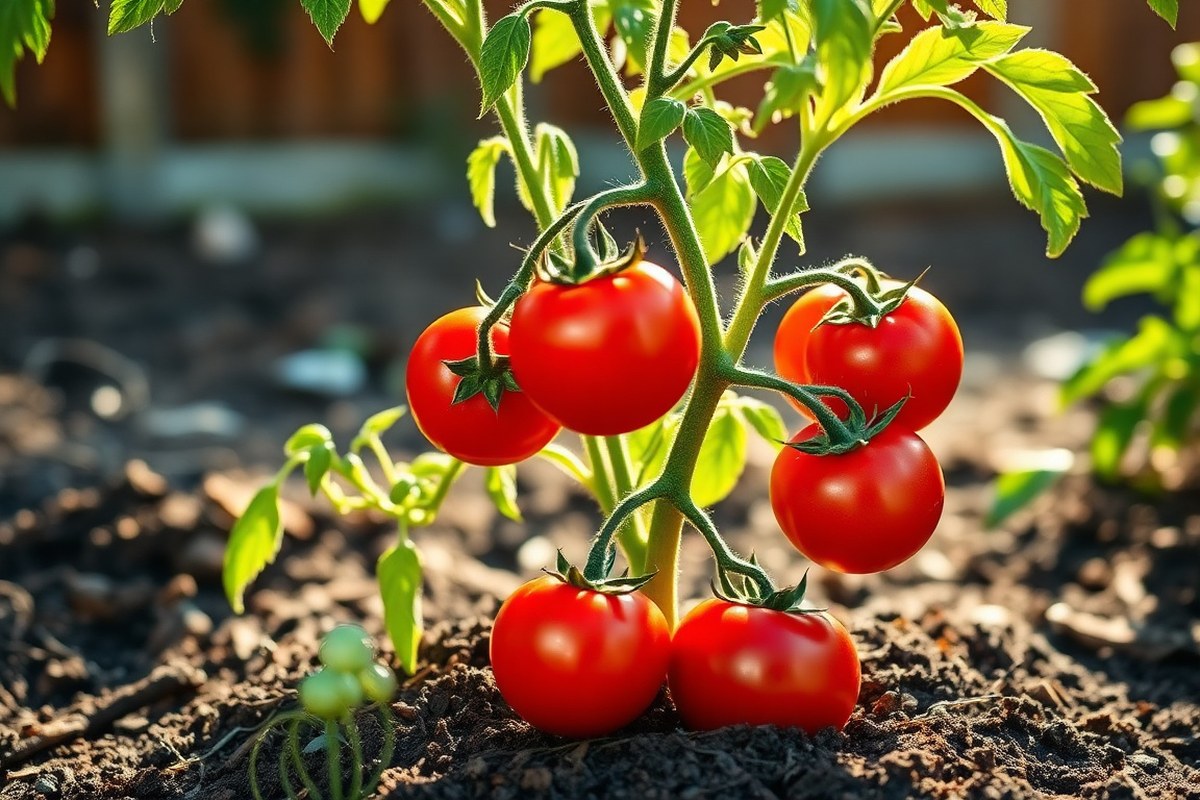
Do Tomato Plants Need a Lot of Water? A Complete Guide for Healthy Growth
Do tomato plants need a lot of water? Yes, but not too much at once.
Tomatoes require steady moisture, about 1 to 1.5 inches of water weekly. This amount helps them develop strong roots and keeps fruit juicy without causing root rot or other issues.
Watering deeply is better than watering lightly or often. Soak the soil 6 to 8 inches down so roots can grow deep. Shallow watering encourages surface roots, which leads to weaker plants and less drought resistance.
Check soil moisture often, especially in warm weather. Stick your finger about 2 inches into the soil. If it feels dry at that depth, it’s time to water your tomato plants.
Mulching around the base helps keep moisture in and reduces the need for frequent watering. Mulch also controls weeds that compete for water. This helps your tomato plants stay consistently hydrated without overwatering risks.
Key Takeaways
- Tomato plants usually require about 1 to 1.5 inches of watering weekly.
- Water deeply so moisture reaches 6 to 8 inches under soil surface.
- Check soil moisture by feeling 2 inches deep before watering.
- Young seedlings require daily moisture to keep soil consistently damp.
- Mature plants need water every few days, not daily light watering.
- Heat over 95°F means check daily and water if soil is dry.
How Much Water Do Tomato Plants Actually Need?
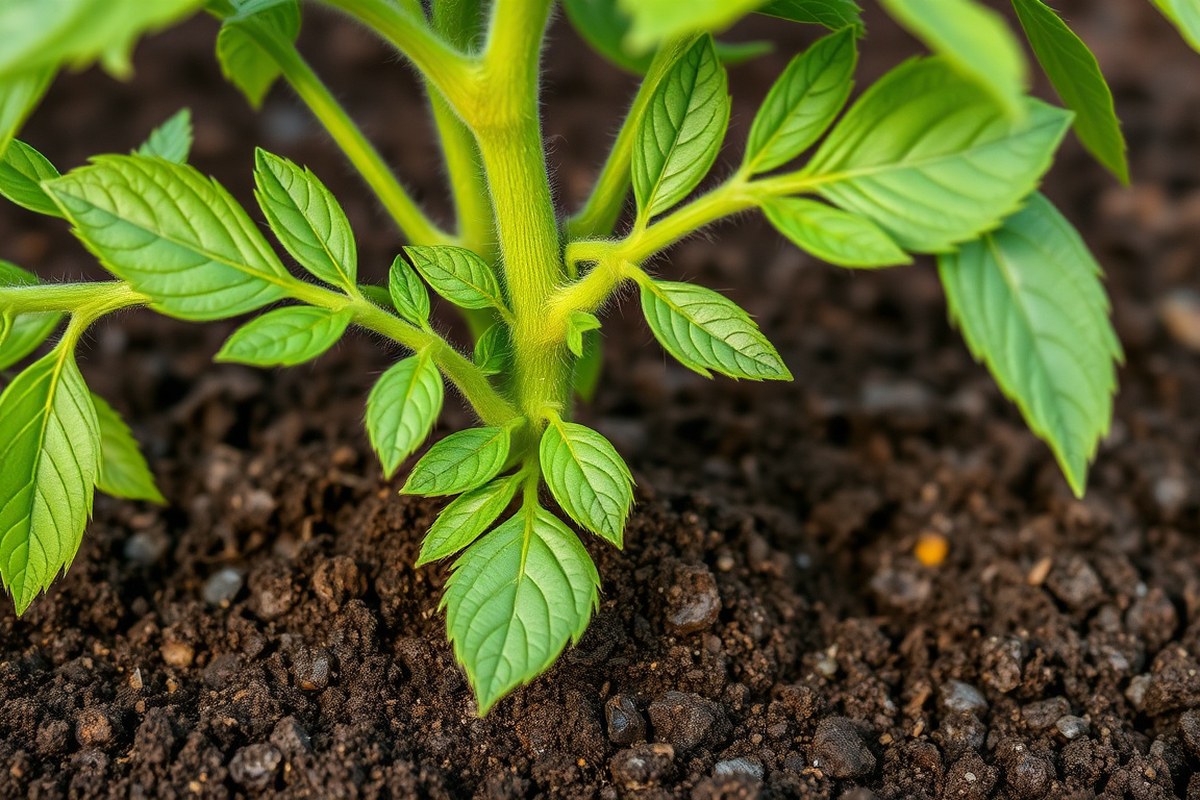
Tomato plants need steady moisture, but how much it varies by their stage. Seedlings need daily watering to keep their soil moist. Mature plants need 1 to 2 inches of water weekly.
The difference matters because seedlings have shallow roots that dry out fast. Mature plants develop deeper roots, so they don’t need watering every day. Older plants need about 1 to 2 gallons when watered.
| Plant Stage | Water Amount | Water Frequency |
|---|---|---|
| Seedlings | Keep soil moist daily | Every day |
| Mature Plants | 1, 2 gallons per watering | 2-3 times per week (deep watering) |
A mature tomato plant can use 2 to 3 gallons daily. Most gardeners avoid this by watering less often but deeper. This method encourages roots to grow downward, reaching water safely below the surface.
Tomatoes are about 95% water, so keeping steady moisture helps them grow healthy fruits. Not enough water can prevent nutrients like calcium from moving through the plant. That causes problems like blossom end rot, a common fruit disorder.
Water your tomatoes at the base early in the morning. This timing lets the soil absorb moisture before heat causes evaporation. Avoid watering lightly every day, since roots stay shallow and plants get thirsty faster.
When and How Often Should You Water Tomato Plants?
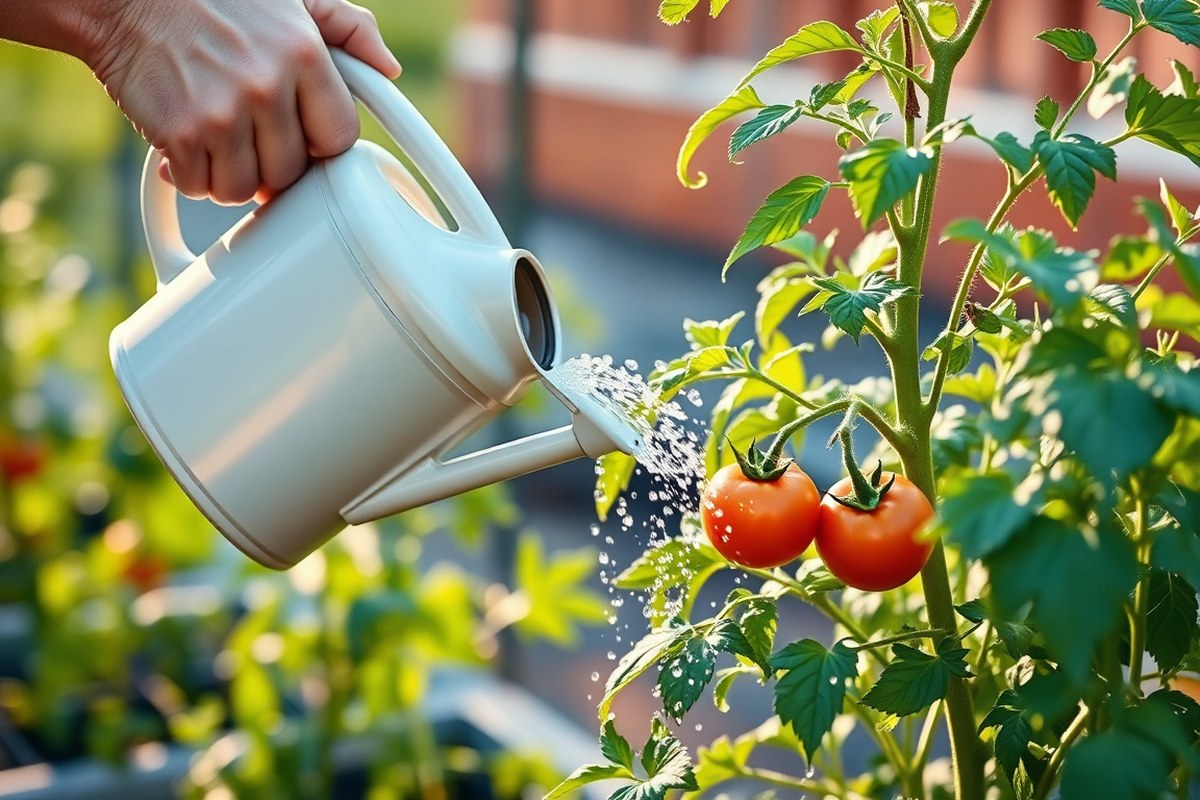
Water tomato plants deeply but less often to avoid shallow roots and diseases. Older plants do well with watering once a day or every other day. Watering daily with light amounts can cause problems for tomatoes.
It may lead to blossom end rot and fruit splitting. Frequent shallow watering can harm your plants.
The best time to water is in the morning. This helps water soak into the soil before the heat dries the surface.
Avoid watering in the heat of the day to prevent plant stress. Also, don’t water in the evening since wet leaves overnight risk fungal diseases.
During hot weather, increase watering frequency to twice a day. Check soil moisture to guide your decision instead of sticking to a fixed schedule. Water again when soil dries quickly or plants wilt by midday.
Rainfall can reduce your watering needs. But you should check if the soil is moist 2 to 3 inches deep. Skip watering on days when recent rain soaked the soil.
Clay soil holds water longer than sandy soil does. Sandy soil dries fast and may need watering every 2 to 3 days. Watch your soil type to time watering.
- Water early in the morning for best absorption and less disease risk.
- Water deeply so moisture reaches 6 to 8 inches below ground.
- Adjust frequency based on soil type: sandy soils need more, clay needs less.
- Increase watering to twice daily during extreme heat spells.
- Reduce watering after rainchecks soil moisture before skipping watering.
- Watch plant signs like wilting or fruit issues to tweak frequency.
Daily watering is not always best for tomato health. Deep, less frequent watering keeps roots healthy. This also helps prevent fruit from cracking.
Older tomato plants thrive with longer, deeper watering sessions rather than daily light watering. Changing the schedule as temperatures rise keeps plants healthy. Knowing your soil type and recent rainfall helps decide when to water next.
Check soil moisture and how your tomato looks first. This is the easiest way to water correctly. Watch both to get watering right.
How to Use Deep Watering for Healthier Tomato Roots
Deep watering means soaking the soil enough to reach the tomato roots deeply. This helps roots grow downward and find more water and nutrients. You water less often but more thoroughly, which leads to stronger tomato plants.
Why Deep Watering Matters
Tomato roots grow deeper in search of water when you water deeply and infrequently. This strengthens the plant by giving it stable access to moisture and nutrients below the surface. The University of Georgia Extension says don’t water shallow every day.
Shallow watering keeps roots near the soil surface. This makes roots weak.
Deep watering also cuts down on water waste. Shallow watering requires more frequent watering.
It encourages roots to stay near the topsoil where they are vulnerable to drying out. Strong deep roots help the plant survive hot or dry weather.
Step-by-Step How to Deep Water
Watering tomato plants deeply takes a slow and steady approach. You want water to soak into the soil at least 6 to 8 inches deep.
Use a gentle stream or drip irrigation near the base of each plant. So it doesn’t wash away soil or flood the roots.
Follow these steps to deep water your tomato plants:
- Place a watering can or drip emitter close to the tomato stem.
- Turn on the water slowly to soak the soil without runoff.
- Water until the soil surface stays wet and water begins to pool slightly at the base.
- Check the soil depth with a finger or trowel. Water should reach about 6 to 8 inches down.
- Stop watering once water saturates the root zone but isn’t puddling extensively.
- Let the hose or drip line run for a few minutes. Then pause the water. Run it again to fully soak the soil.
- Let soil dry slightly before the next watering to encourage root growth downward.
How Much Water per Deep Watering Session
Tomatoes in the ground need about 1 to 2 inches of water each week. Spread this amount total through the week. Keep the soil evenly moist.
One deep watering session should apply about half of that weekly amount, around 0.5 to 1 inch. This usually means about 1 to 2 gallons per plant per session.
Container tomatoes may need less water, depending on pot size and soil type. The goal is to saturate the entire root zone.
Applying water too quickly or too little can leave roots dry. Slow, long watering sessions help water reach the necessary 6- to 8-inch root depth.
Drip irrigation systems make this easier by delivering a steady, slow flow directly to the roots. This supports healthy plants while saving water and avoiding runoff. Keep an eye on soil moisture so you avoid overwatering, which risks root rot.
How Soil Type and Growing Method Affect Tomato Water Needs
Tomato plants need different watering depending on soil type and growing method. Soil texture controls how water drains and holds moisture. Sandy soil drains fast and dries quickly.
Clay soil holds water much longer. This affects how often you should water.
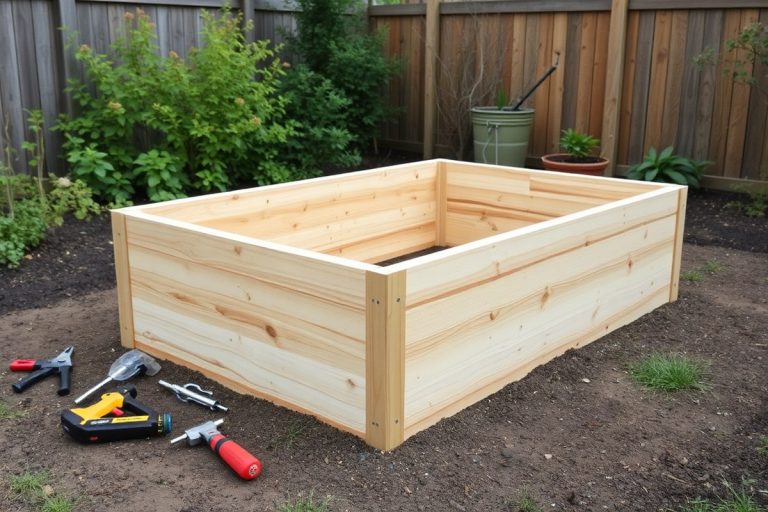
Raised beds usually have well-amended soil that drains moderately fast. They may dry out quicker than garden soil but slower than sandy soil alone. Containers hold less soil and dry fastest.
Container tomatoes need water more often because they have less soil. Hot weather can dry out the soil surface quickly. This means you should watch container soil carefully.
| Soil or System | Water Behavior | Watering Frequency | How to Check |
|---|---|---|---|
| Sandy Soil | Drains in hours, dries very fast | 3× per week | Top 2, 3 inches dry |
| Loam Soil (garden) | Holds moisture for 2, 4 days | 2× per week | Top 2, 3 inches dry |
| Clay Soil | Holds moisture 5, 7 days | Once per week deeply | Top 3 inches dry |
| Raised Bed (amended) | Drains moderately fast | 2, 3× per week | Top 2 inches dry |
Mulch on garden soil also helps keep moisture for 2, 3 days. This lets you water less often or with less volume.
In containers, use well-draining potting mix rich in organic matter. Organic matter helps hold water without causing soggy roots.
Check soil moisture often by feeling it 2 inches down in beds. For containers, feel 1 to 2 inches down to check moisture. This helps you know when to water.
Water deeply in the morning when the soil feels dry. This keeps plants healthy and saves water. Containers hold less water, so they might need watering daily in hot weather.
How to Check Soil Moisture and Plant Signs for Proper Watering
To tell if your tomato plants need water, check the soil moisture and the plants’ leaves. Use your fingers or a moisture meter to test the soil. Watch for signs like drooping leaves or yellowing, which clue you in on watering problems.
Checking Soil Moisture by Feel
Stick your finger in the soil near your tomato plants, about 1 to 2 inches deep. If it feels dry at that depth, your tomatoes probably need water. Damp or wet soil means hold off.
Try this at different spots around the plant because moisture can vary. Check every few days or after hot, sunny weather to catch changes early.
- Dry, crumbly soil indicates watering is needed.
- Cool, moist soil suggests healthy moisture levels.
- Soil that sticks to your finger feels properly wet.
- Wet, muddy soil means overwatering is likely.
- Check soil at the root zone, not just surface dry.
- Repeat checks in morning and afternoon for best results.
Using Soil Moisture Meters
Soil moisture meters provide a simple digital or gauge reading of moisture levels. These tools cost between $10 and $30, depending on features and brand. They offer more exactness than feel tests.
Insert the meter probe 2 to 4 inches deep around your tomato roots. Read the number: a range around 40-60% moisture suits most tomato plants. Higher or lower shows injury risk.
Some models combine moisture, light, and pH readings, which helps tune your garden care. They require battery power but last seasons with easy upkeep. Regular monitoring guides better watering schedules.
Recognizing Plant Symptoms of Water Stress
Trouble shows on tomato leaves first when watering is off. Droopy leaves early in the day warn of underwatering. Yellow or blistered leaves usually point to too much water.
Look for curling or browning leaf edges. These signs mean water is unbalanced. Plants might also stop growing or lose fruit if stress stays long.
- Wilting leaves in morning hint at low water.
- Yellow leaves with soft spots suggest overwatering.
- Leaves curling or browning signal moisture stress.
- Slow growth or drop of flowers hints at poor water.
- Soft, mushy stems warn of root rot from too much water.
Don’t wait for wilting before watering, check soil first to keep plants healthy.
Common Watering Mistakes and How to Fix Them
Watering mistakes can quickly harm tomato plants. Overwatering causes root rot and stunted growth. It also blocks nutrient uptake, leading to weak plants.
On the flip side, underwatering makes leaves curl and wilt. Tomatoes without enough water often have small, poor-quality fruit. Both problems slow growth and reduce your crop.
Shallow watering is another common problem. It encourages roots to stay near the surface. This limits the plant’s drought resistance and makes tomatoes less healthy over time.
- Overwatering: Water deeply but less often to prevent soggy soil.
- Underwatering: Keep soil consistently moist with 1, 2 inches weekly.
- Shallow watering: Use deep watering to encourage strong root growth.
- Inconsistent watering: Water evenly to avoid blossom end rot and uneven fruit.
- Watering in hot sun: Water early morning or late afternoon to reduce evaporation.
Too much water can also cause fruit problems like cracking. The plant takes up water too fast, and the tomato skin splits. Over time, excess moisture can invite fungal diseases.
Fix your watering by adjusting the frequency and depth. Aim for 2, 3 deep watering sessions per week instead of daily light splashes.
This encourages roots to grow deeper for healthier plants. It may take a few weeks, but tomatoes usually bounce back well.
Getting your watering right won’t cost much but saves wasted water and plant stress. Use a simple moisture meter or stick your finger in the soil.
Water if the top 2 inches feel dry. Watching your tomatoes daily helps catch problems early and keeps them thriving.
Why Mulching Helps Save Water and Keep Tomatoes Healthy
Mulching helps tomato plants hold moisture and stay healthy. It cuts down on how often you must water by stopping soil drying. Using the right mulch properly keeps soil cool and reduces weed growth.
Benefits of Mulching for Moisture
Mulch layers reduce water evaporation from the soil by 30, 50%. This means tomatoes get steady moisture longer after watering. Mulch also stops soil from heating too much, protecting roots from stress on hot days.
It keeps rainwater from splashing soil onto leaves, lowering disease risks. Plus, mulch blocks weeds from stealing water and nutrients tomato plants need. These combined effects mean you water less often yet keep plants thriving.
Choosing the Right Mulch
Organic mulches work best for tomatoes. Straw, grass clippings, or wood chips all slow evaporation well.
Straw is light and easy to spread. Wood chips last longer before breaking down.
Avoid mulch types that compact or hold too much moisture close to stems. Keep the mulch dry on the surface to discourage pests and rot. Fresh grass clippings can be good, but use a thin layer to stop matting.
How to Apply Mulch Effectively
Apply mulch so it stays 5 to 8 cm (2 to 3 inches) thick. This thickness blocks evaporation while letting air and water reach roots. Keep mulch a few inches away from tomato stems to prevent rot and pests.
Placing drip irrigation under the mulch protects water from evaporating. This setup delivers moisture directly to roots, saving water and reducing leaf wetness. Follow these steps to mulch tomato plants correctly:
- Clear weeds and debris from around tomato plants.
- Dig soil lightly to loosen the top layer.
- Lay out drip irrigation tubes if using them.
- Spread a 5 to 8 cm thick layer of organic mulch evenly.
- Leave about 2 to 3 inches of space around each stem.
- Water thoroughly after mulching to settle the soil.
- Check mulch regularly and add more if it thins out.
Adjusting Water Amounts for Heat, Rain, and Plant Growth Stages
Tomato plants need more water during heatwaves or droughts to avoid stress and cracking. Check soil moisture daily. Increase watering by 25% to 50% when over 85°F. Hot weather needs more water.
Water early in the morning to limit evaporation. This helps roots absorb moisture. Do this before the heat peaks.
Rainfall affects how much you need to water. Skip watering after heavy rain that soaks the soil at least 6 inches deep.
Wait 1 to 2 days to water again when soil is damp from rain. Overwatering after rain causes root rot and weakens the plant’s anchoring ability.
Young tomato seedlings need water every day or two to develop strong roots. After 3 to 4 weeks, roots grow 6 inches deep. Water less often but deeply then.
Water deeply every 4 to 5 days. This helps roots grow deeper and plants resist wind and drought.
Water needs increase as flowers and fruit start to develop. Provide about 1 to 2 inches of water per week during flowering and fruiting stages. Avoid quick, shallow watering.
Shallow watering keeps roots near the surface. Plants become vulnerable in dry weather.
Use this quick rule to adjust watering: feel the soil 2 inches below the surface. Water deeply when the soil is dry. During heatwaves, check every day.
After rain, skip a watering session. In early growth, water every 1 or 2 days with small amounts. Once fruiting, water deeply every 4 to 5 days unless rain fills the need.
Water too little early on and plants won’t root well. Water too much late and fruit can crack or plants topple.
Step-by-Step Action Plan for Watering Tomato Plants
Follow this plan to water your tomato plants well and help them grow strong. Check the plant and soil after each step.
- Before planting: Prepare soil with mulch to hold moisture. Check soil stays damp but not soggy.
- Week 1: Water daily with about 1 inch of water. Look for moist soil 2 inches deep.
- Weeks 2-4: Water every 2-3 days with deep watering. Make sure water reaches the root zone 6-8 inches deep.
- After plants grow leaves: Check leaves for wilting or yellowing. Adjust watering frequency to every 3 days if leaves drop wilting.
- When fruit starts forming: Water deeply once a week. Soil moisture should feel damp 6 inches down.
- Hot or dry days: Add an extra watering in the evening. Avoid wetting leaves to stop disease.
- After rain: Skip watering and check soil dampness before watering again.
- End of season: Gradually reduce watering as plants stop producing fruit. Keep soil slightly moist but not wet.
Frequently Asked Questions
Can You Overwater Tomato Plants?
Yes, overwatering can drown roots and cause rot. Water only when the top inch of soil feels dry to avoid this issue.
Do Tomato Seedlings Need Less Water Than Mature Plants?
Seedlings need less water, just enough to keep soil moist. Avoid saturating young roots or it can stunt growth.
Is Rainwater Better for Watering Tomato Plants Than Tap Water?
Rainwater is softer and often better for tomatoes. Tap water may have chemicals that harm soil microbes over time.
Can Tomato Plants Survive with Irregular Watering?
Tomato plants struggle with irregular watering and may crack fruit. Consistent moisture is key for even growth and taste.
Does Watering Tomato Leaves Cause Disease?
Watering leaves can increase disease risk, especially fungal infections. It’s best to water at the base near the soil.
How Much Water Do Container-Grown Tomato Plants Need?
Containers dry out faster and need daily watering in hot weather. Check soil moisture often and water deeply for best results.
Key Points to Remember
Tomato plants need steady, deep watering for best fruit and growth. Watch the soil and leaves to avoid over- or under-watering. Start adjusting your watering schedule today based on how your plants look and feel.