Is Coconut a Seed? Clear Answers and What It Means for You
Is coconut a seed? Yes, it is a seed, but also much more.
A coconut is a seed because it can grow into a new coconut palm tree. At the same time, it acts as a fruit and a nut in different ways.
The coconut’s structure has three layers protecting the seed inside. These layers help the seed remain safe and fertile for a long time. Knowing it is a seed helps you understand how coconuts sprout and grow.
When handling coconuts, remember that the seed inside is what will germinate. Watching how a coconut seed sprouts gives you clues about its nature. This knowledge matters if you want to grow coconut palms or understand their biology better.
Key Takeaways
- A coconut is botanically classified as a seed capable of germinating into a palm tree.
- It counts as a fruit called a drupe. It is also a nut because of its layered structure.
- The coconut fruit has three layers: exocarp, mesocarp, and endocarp protecting the seed.
- The seed inside the coconut is the part that grows roots and shoots during germination.
- Mature coconuts have thick flesh and are about 11 to 12 months old when harvested.
- Coconut allergy labeling requirements changed in 2025, removing it from major allergens list.
Is a Coconut Classified as a Seed?
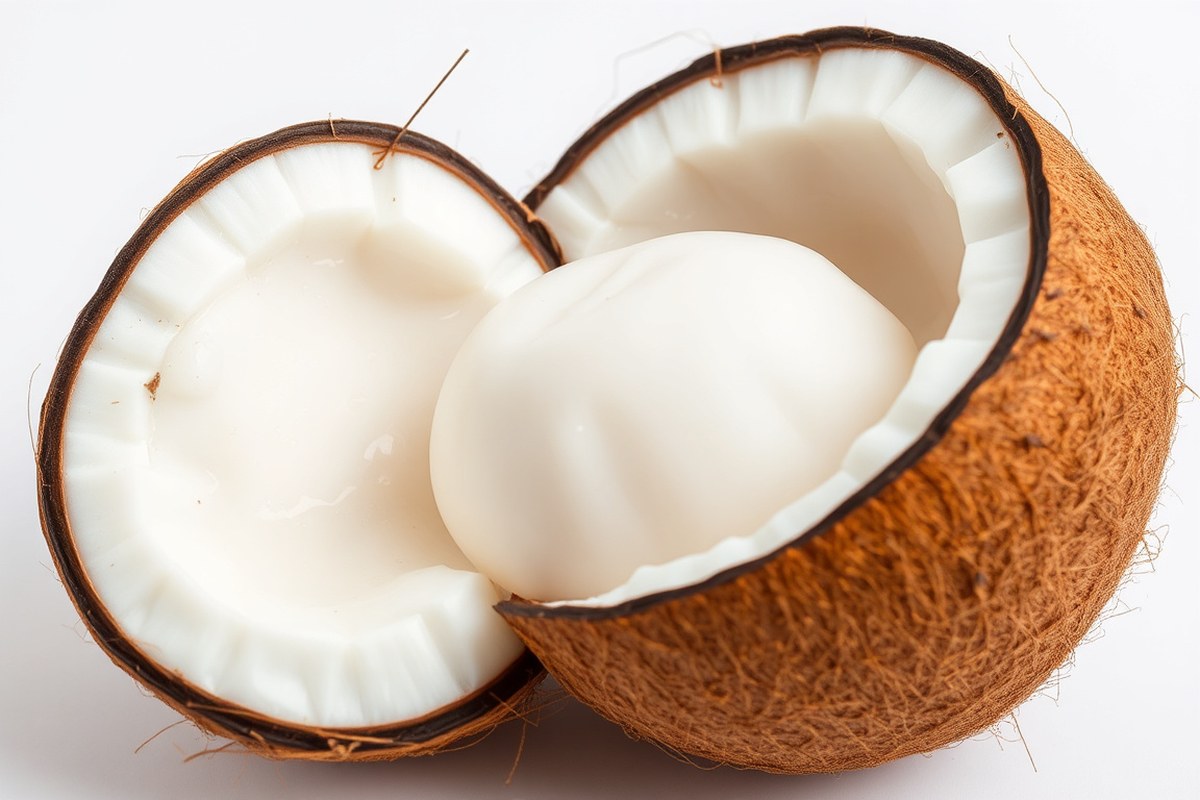
A coconut is technically a seed. A seed is the part of a plant that helps it grow. Seeds can grow into new plants.
They carry the plant’s embryo inside. A coconut has an embryo inside.
This embryo can sprout and grow into a palm tree. That makes a coconut fit the seed definition.
The coconut is actually the seed of a particular type of fruit called a drupe. Drupes have three main layers. The outer skin is the exocarp.
The middle fiber is the mesocarp or husk. The hard shell inside is the endocarp. Inside this woody shell lies the seed with its embryo, which will become the new plant.
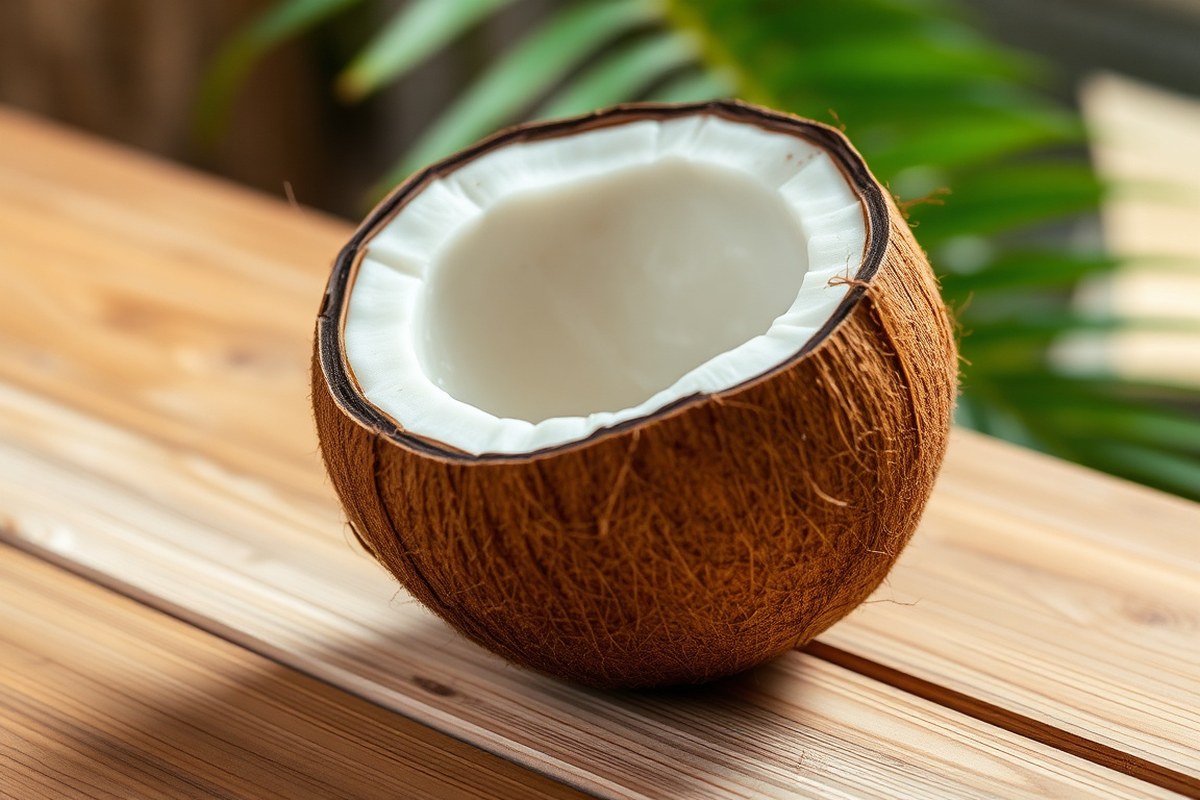
Think of the whole brown coconut you buy in the store. That shows the seed and its parts well. The coconut seed is inside that shell.
The hard shell you see surrounds the seed’s embryo. Near the coconut’s three “eyes,” the embryo starts to grow. The thick white flesh and liquid inside feed the seed.
They provide food until roots and shoots grow in soil. This helps the plant start growing. This ability to sprout confirms the coconut is indeed a seed.
How Is a Coconut Also a Fruit and a Nut?
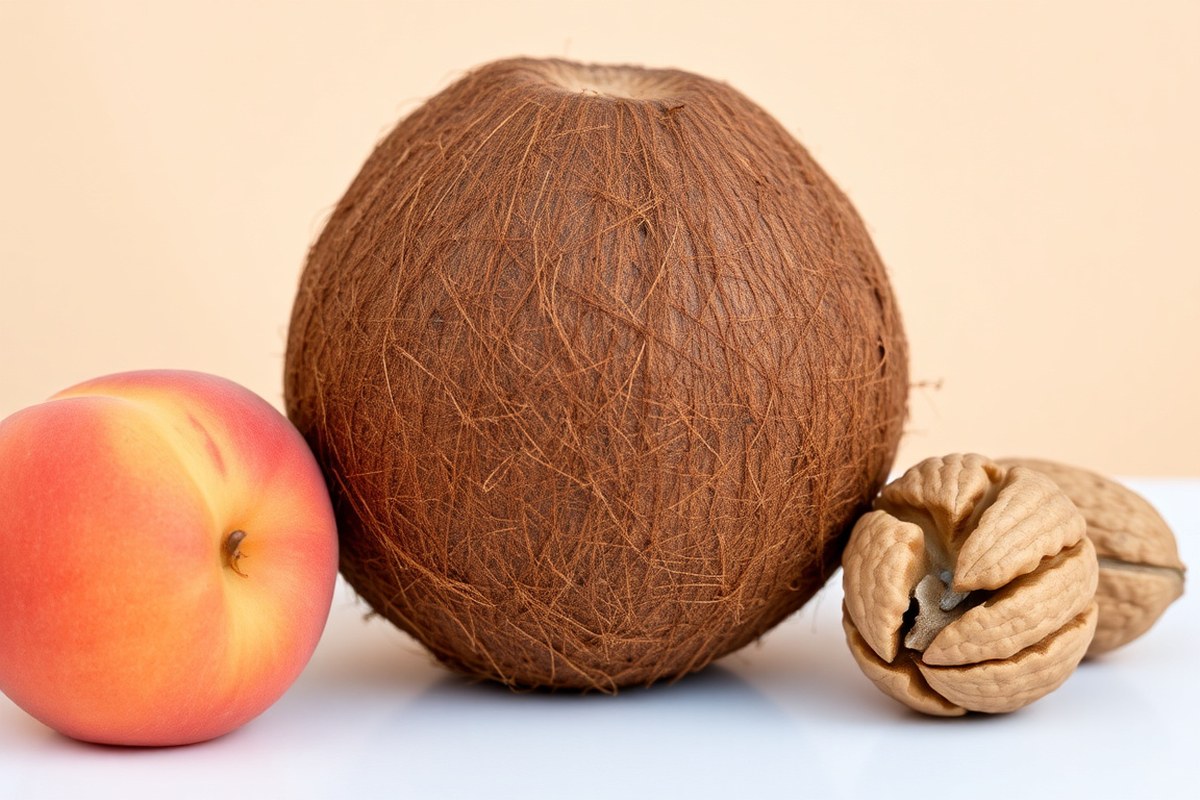
How Is a Coconut Also a Fruit and a Nut?
A coconut fits into different botanical categories at once. It is a fruit, specifically a drupe, and also called a nut in everyday language. Botanical definitions explain why this happens and clear up confusion.
What Makes a Coconut a Fruit Drupe?
A drupe is a fruit with three layers. It has an outer skin. Inside is a fleshy middle and a hard shell holding the seed.
Coconuts have a green or brown outer skin called the exocarp. The middle layer is a fibrous husk.
Inside, there is a tough shell. This structure matches the botanical definition of a drupe exactly.
Inside the hard shell sits the single seed, which can sprout into a new coconut palm. Think of a coconut as a dry drupe.
It has a fibrous outer layer. This is different from soft, juicy fruits like peaches.
How Do Nuts Compare to Drupes and Coconuts?
Nuts are generally dry fruits with a hard shell directly enclosing the seed. But they don’t have the fleshy or fibrous layers that drupes do.
Examples include acorns and chestnuts, which are true nuts botanically. Coconuts differ because they have the fibrous husk layer before the hard shell.
The word “nut” in coconut comes from a culinary and historical viewpoint, not botanical science. Coconuts got the name because their shell resembles the hard shells of typical nuts. Still, they are not true nuts to botanists since of their layered fruit structure.
Why Is the Coconut Called a Nut Historically?
The name “coconut” comes from old European explorers. They thought the shell looked like a monkey’s head. “Coco” means “head” in Portuguese or Spanish.
They treated it like a nut because of its hard shell and size. This is why the term “nut” stuck in common speech but does not reflect scientific classification.
You’ll see coconuts called nuts in cooking. This is because of tradition.
They also share some properties with nuts. However, official botanical sources classify them as fruits, not nuts.
Comparing Coconut, Drupe, and Nut Features
Coconuts share traits with both drupes and nuts. They fit best as drupes. This is due to their three fruit layers.
The fibrous husk is unusual compared to most drupes, which have soft flesh. True nuts don’t have fleshy or fibrous layers.
They only have a hard shell around the seed. Coconuts do not fit this.
Understanding these differences helps if you study plants or handle coconut products. The labels you see in food stores follow tradition, not strict botany. Knowing a coconut’s drupe nature explains its growth and seed protection unlike ordinary nuts.
The name “coconut” can cause confusion. Treating coconuts like tree nuts depends on tradition. It is not based on science.
What Are the Three Layers of a Coconut Fruit?
A coconut fruit has three distinct layers that protect the seed inside. These layers vary in texture and function, unlike many common fruits. The seed lies within the innermost hard layer, shielded by fibrous and smooth outer layers.
Exocarp: The Outer Skin and Fibrous Husk
The exocarp is the thin, smooth outer skin of the coconut. It starts green on young coconuts and turns brown as the coconut matures. This layer protects the coconut from minor scratches and pests.
It also supports the thick husk beneath it. When you buy a young coconut, this green skin may still be intact or partly removed. The exocarp’s main role is to keep moisture inside and guard against external damage.
Mesocarp: The Fibrous Middle Layer
Beneath the exocarp lies the mesocarp, a thick, fibrous layer called coir. It acts like a cushion, absorbing shocks and helping the coconut float in water. This fibrous husk also slows down drying and decay.
People harvest this layer to make rope, mats, and brushes. Its strong fibers protect the hard shell from bruises and bumps during falling or transport. Its thickness can vary with the coconut’s maturity.
Endocarp: The Hard Shell Protecting the Seed
Inside the fibrous mesocarp is the tough endocarp, a hard, woody shell. This brown shell surrounds the seed and guards it against animals and environmental stress. It has three pores, or “eyes,” for sprouting when the seed germinates.
The endocarp keeps the seed safe until it’s ready to grow. The hard surface stops pests and fungi from attacking the seed. When cracked open, you see the white coconut meat and watery seed inside this shell.
Identifying the Seed Inside the Coconut
The seed inside a coconut is not just one small part. It is the whole hard shell with everything inside. This shell holds the white meat and water inside.
These parts serve as food for the seed growing inside. Just inside the brown shell, there’s a thin brown seed coat.
It’s called the testa. It wraps the white endosperm and tiny embryo.
The seed sits under one of the three soft, dark indentations. These are called the “eyes” and are at the coconut’s top end. These “eyes” mark where the embryo is tucked safely under the hard outer shell.
Each coconut has only one seed inside its shell. It looks like a nut, but it is actually a seed.
- Look for the three eyes on the coconut’s hard shell end
- Locate the softer eye, often darker and slightly dented
- Inside, a thin brown seed coat covers the seed’s white meat
- The water is inside the same shell, nourishing the embryo
- Only one seed per coconut, wrapped entirely inside the endocarp
Knowing what the coconut seed looks like helps you understand how it grows. The thick shell protects the seed during long trips by ocean or land. The white meat and water inside carry the nutrients needed when the seed sprouts.
Pulling apart a coconut to see the seed can be tricky. The hard shell needs cracking with a hammer or sturdy tool.
You want to avoid breaking the seed coat inside because it protects the embryo. Breaking this seed coat can stop the seed from growing well when planted.
How Does a Coconut Seed Germinate and Sprout?
The coconut seed starts to sprout once its tiny embryo activates inside the shell. This embryo uses stored food in the white flesh.
It grows until it breaks out of the shell. Visible sprouting shows as a small shoot pushing through one of the coconut’s three eyes.
Stage 1: Seed Embryo Activation
Inside a mature coconut, a small embryo lies hidden near one of the three germination pores. These pores look like the eyes you see on one end of the coconut. When the coconut is in moist, warm conditions, the embryo wakes up and begins growing.
Heat near 80°F (27°C) and humidity help the embryo. They allow it to absorb water and use nutrients.
This activation phase usually lasts a few weeks to a month. During this time, the embryo grows enough to start pushing into the tough shell around it.
Stage 2: Initial Sprout Emergence
After activation, the seed shows its first sign of life. A greenish shoot comes out of a pore. The shoot becomes the trunk and leaves of the new palm tree.
It is the sprout. You can spot it poking through the shell, often looking like a small spike.
This sprouting typically appears between three and six months after you plant the coconut. The sprout might take longer to develop or fail. This happens if the environment is dry or cold.
The sprout grows slowly now but is easy to see. This happens within a month of starting.
Stage 3: Seedling Development
Once the shoot grows 2 to 3 inches, it starts expanding leaves and roots. The roots push down to anchor the seed.
The leaves grow up to catch sunlight. This young seedling will grow quickly if it has ample water and sunlight.
Within five years, the seedling can develop into a trunk with many leaves. For growing a seedling at home, expect several months just to reach the small plant phase.
Keep the coconut moist and away from strong wind. This protects the fragile sprout.
Here’s a simple step-by-step guide to sprout your coconut seed:
- Choose a mature coconut with three visible eyes at one end.
- Soak the coconut in warm water for 2-3 days to soften the shell.
- Plant the coconut partially buried with the eyes just above soil level.
- Place the coconut in a warm spot with indirect sunlight and maintain moist soil.
- Check the coconut weekly for signs of sprouting around the eyes.
- Water the plant regularly, avoiding waterlogging.
- Wait between 3 to 6 months for a shoot to emerge and grow 2-3 inches.
- Move the seedling to a brighter spot or outdoors after sprouting, depending on climate.
Keep the coconut moist but not soaked to prevent mold or rot during sprouting.
Differences Between Young and Mature Coconuts
Young and mature coconuts look and feel quite different. Young coconuts have a green outer shell and soft, jelly-like flesh. Mature coconuts turn brown with a hard, hairy shell and thick, firm flesh inside.
Inside, young coconuts contain mostly coconut water, which is clear or gel-like. This water serves as liquid endosperm that nourishes the developing seed.
As coconuts get older, white flesh forms inside the shell. The water inside shrinks over time.
These changes matter because they affect how you use the coconut. Young ones are great for drinking the water or blending the soft flesh into smoothies. Mature coconuts offer firm meat used in cooking or for making coconut milk.
| Feature | Young Coconuts | Mature Coconuts |
|---|---|---|
| Age | 5 to 7 months | 11 to 12 months |
| Shell Color | Green, sometimes trimmed | Brown, hard, and hairy |
| Flesh Texture | Soft, jelly-like | Thick and firm |
| Coconut Water Content | Mostly liquid, sweet | Less water, clearer |
| Common Uses | Drinking water, smoothies | Cooking, extracting milk |
| Weight and Freshness | Heavy, sloshes when shaken | Heavy, sloshes when shaken |
Choose coconuts by shaking them. Pick the heavy ones that slosh inside.
Avoid those with mold on the husk or eyes. Young coconuts store well in the fridge, keeping their soft flesh and water fresh.
Mature coconuts don’t need refrigeration right away but keep them in a cool place. Want coconut water? Choose a young coconut.
For cooking or making milk, mature ones work best. Knowing these differences helps you pick the right coconut easily.
Safety and Allergy Considerations for Coconut Consumption
Most people with tree nut allergies do not react to coconut. That’s because genuine coconut allergy is very rare. Usually, you can eat coconut safely even if you avoid almonds, cashews, or other tree nuts.
The Food and Drug Administration changed how they classify coconut in 2025. They removed coconut from the list of major food allergens.
Before, coconut was grouped with tree nuts for labeling. Now, it’s treated separately.
This change means food labels might no longer list coconut as a tree nut allergen. You should still check labels carefully if you have allergies. Some products may call out coconut, while others might not.
People with tree nut allergies should try coconut oil products with caution. Start with a small amount and watch for any reaction over 24 to 48 hours.
Stop using coconut products if you feel itchy or get hives. Also, if your breathing tightens, see a doctor right away.
You can ask your doctor to test for coconut allergy specifically. That helps clarify whether coconut is safe for you.
Keep in mind that reactions to coconut and reactions to tree nuts happen for different reasons. Your doctor can explain what to expect.
Remember that coconut grows on a tree and is technically a fruit, not a true nut. Its allergy risk is different from almonds, walnuts, or pecans. Treat coconut as a special case in your diet.
Don’t assume it’s off-limits due to tree nut allergies. Consult with a healthcare provider if unsure.
Common Myths and Clarifications About Coconut as a Seed
The word “coconut” causes a lot of confusion because it has “nut” in the name. This makes many people think it’s a true nut like almonds or walnuts. A coconut is a seed inside a fruit called a drupe.
It is not a true nut. This is the botanical fact. True nuts like acorns don’t split open; coconuts do.
People often call any big, hard-shelled, oily seed a “nut.” This use is common in cooking. It mixes up the real meaning.
That’s why almonds, pistachios, and coconuts are all called nuts in the kitchen. Scientifically, these are seeds inside fruits with soft, fleshy layers. These layers cover a hard shell.
That is the proper description. That’s what makes coconuts both fruit and seed.
- Myth: Coconuts are true nuts
- Fact: Coconuts are seeds inside a fruit called a drupe
- Myth: The shell alone means it’s a nut
- Fact: The shell is part of the fruit’s seed casing, not a nut shell
- Myth: All edible nuts are true nuts
- Fact: Many “nuts” in cooking are seeds from drupes or other fruit types
When you explain, say a coconut’s “nut” name comes from old Portuguese. It means “head.” This is why the name stuck.”
Its three holes look like a face, not nut traits. Then say a coconut fruit has three layers. Inside is a seed with a hard shell.
These layers are easy to see. This shows how it fits the seed and fruit categories, not just a nut.
Also tell them the seed inside can grow into a coconut tree. That’s the main job of seeds. They start new plants.
You can say, “It’s a seed in a fruit that looks like a nut.” This clears up the confusion and shows why coconuts don’t fit neatly into one group. It helps people understand how plant science and everyday language differ.
Avoid calling coconuts “true nuts.” This confuses cooking and botany terms. Stick to the right usage to keep facts clear.
Step-by-Step Action Plan to Identify and Understand Coconut Seeds
Follow these steps to spot the coconut seed and learn about its growth easily.
- Day 1: Examine a whole coconut. Look for the hard shell and three eyes on one end.
- Day 2: Crack open the coconut carefully to see the white flesh and the water inside.
- Day 3: Identify the seed inside as the coconut meat and hard inside shell combined.
- Day 4: Check young and mature coconuts to notice differences in water amount and meat texture.
- Week 1: Place a mature seed in soil or damp paper towel to test germination.
- After 2 weeks: Look for a sprout and roots as signs of successful germination.
- Ongoing: Avoid coconut allergens if you experience reactions during handling or eating.
- As needed: Use this knowledge to appreciate coconut’s unique classification in botany and food.
Frequently Asked Questions
Can a Coconut Seed Grow Without Water?
No, a coconut seed needs water to germinate. The moist environment softens the husk and helps the young plant sprout.
How Long Does It Take for a Coconut Seed to Sprout?
Coconut seeds usually sprout within 3 to 6 months. Temperature and humidity affect this timing significantly.
Are All Parts of the Coconut Seed Edible?
Only the white meat and water inside are edible. The outer hard shell and husk are not safe to eat.
Can a Coconut Seed Float on Water?
Yes, coconut seeds float and are naturally dispersed by water. This helps coconuts travel long distances in nature.
Does the Coconut Seed Have a Protective Coating?
The hard, woody endocarp layer protects the seed inside. It keeps the seed safe during germination and dispersal.
Is a Green Coconut a Seed or a Fruit?
A green coconut is a young fruit containing the seed inside. The seed matures as the coconut ripens and dries.
The Bottom Line
Coconuts are seeds inside a fruit, not true nuts. You can spot the seed by looking inside the hard shell. Try growing one to see its seed nature come to life.