Is Plant Food the Same as Fertilizer? Understand Key Differences & Benefits
Is plant food the same as fertilizer? No, they are not the same thing. Plant food usually means what plants make themselves.
Fertilizer is what you add to soil. Plants produce their own food through photosynthesis, using sunlight, water, air, and nutrients in the soil.
Fertilizer, on the other hand, supplies extra nutrients to help plants grow better. It fills gaps when soil lacks enough nitrogen, phosphorus, or potassium. Before you use fertilizer, check your soil or potting mix to avoid overfeeding your plants.
You’ll also want to follow the directions on the fertilizer label. Different products feed plants at various speeds.
They break down in soil at different rates. The time they take to dissolve also varies.
Key Takeaways
- Plant food is made by plants, fertilizer is added by gardeners.
- Photosynthesis lets plants turn sunlight into their own food.
- Fertilizers provide key nutrients that soil might be missing.
- Check soil nutrient levels to avoid overusing fertilizer.
- Read fertilizer labels to know nutrient ratios and application tips.
- Granular fertilizers feed plants slowly over weeks to months.
Are Plant Food and Fertilizer the Same Thing?
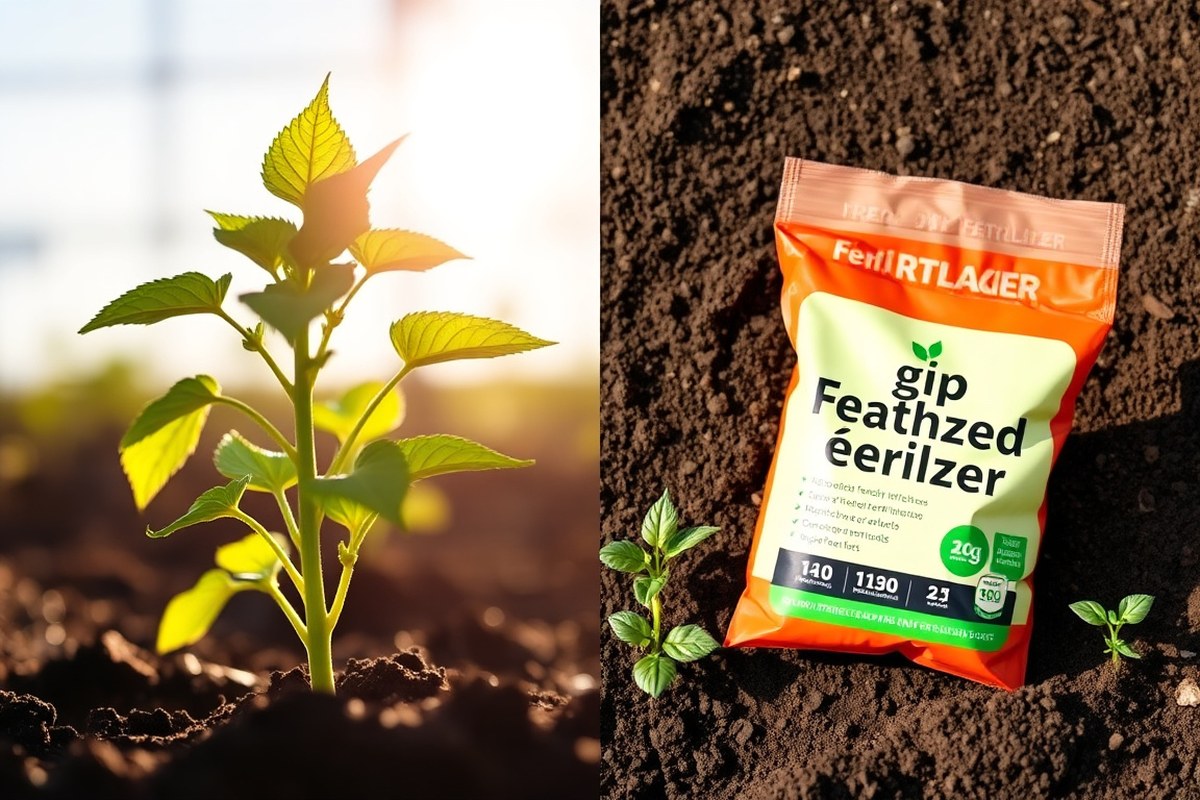
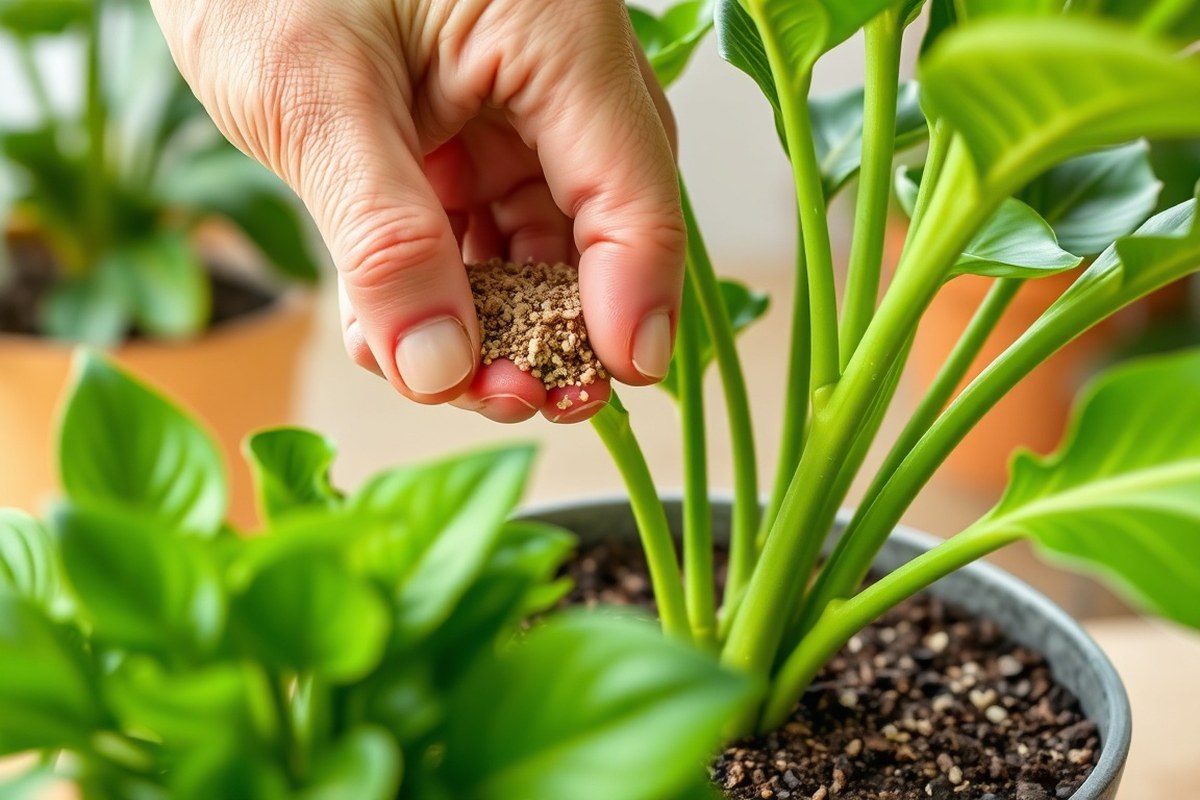
Plant food and fertilizer aren’t the same thing, even though people often mix up the terms. Fertilizer is a product you add to soil or plants. It supplies essential nutrients like nitrogen, phosphorus, and potassium to help plants grow.
Plants produce their own food by combining sunlight, water, and carbon dioxide to make sugars. These sugars serve as energy for growth. What you see as “plant food” in stores is often just fertilizer under another name.
Marketing plays a big role in this confusion. Many products say “plant food” because it sounds natural or easy to understand.
But real plant food is made inside the plant, not something you pour on it. Fertilizers supply missing nutrients that plants can’t get enough of from the soil alone.
Some products called plant food contain nutrients. But others may be soil conditioners or additives without specific nutrient amounts.
The Royal Horticultural Society notes that fertilizer labeled as plant food often falls under different regulations. This means the exact nutrient content might not always meet the label’s claims.
For practical gardening, when you buy plant food, you’re usually getting fertilizer. It’s best to check the label for nutrient content rather than trusting the name alone. This way, you can apply the right product to meet your plants’ needs without guesswork.
How Do Plants Make Their Own Food Through Photosynthesis?
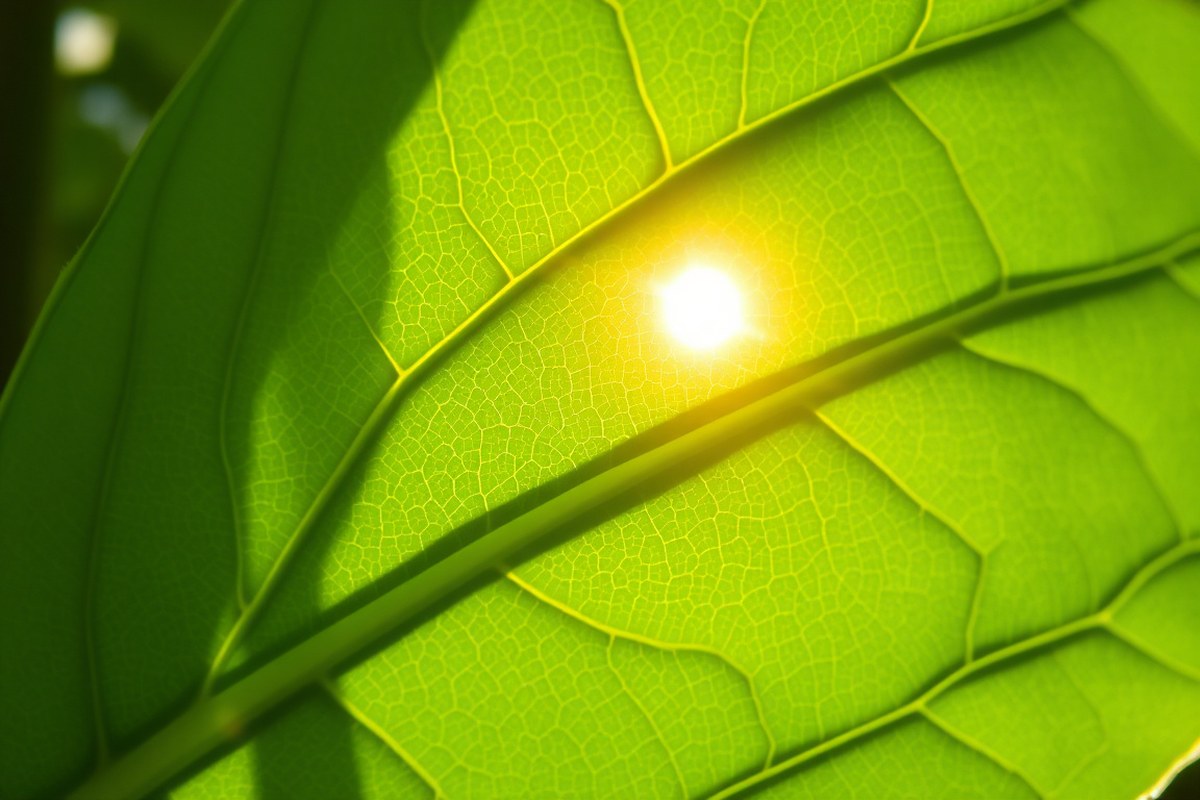
Plants produce their own food through a process called photosynthesis. They take in sunlight, water, and carbon dioxide from the air. Inside their leaves, these ingredients become glucose.
Glucose is a sugar plants use for energy. It helps them grow and stay healthy.
During photosynthesis, sunlight excites chlorophyll, the green pigment in leaves. This starts a chemical reaction combining water from the soil with carbon dioxide from the air. The result is glucose and oxygen, which the plant releases into the atmosphere.
Glucose acts as the true food inside plants, fueling their cells and helping build new tissue. Without this sugar production, plants could not grow or survive.
Fertilizer can’t replace this natural process because it provides nutrients. But not glucose or energy.
Fertilizers supply minerals like nitrogen, phosphorus, and potassium to support photosynthesis and root growth. Still, they don’t create energy for the plant.
Only sunlight, water, and carbon dioxide can do that. Plants need good light and enough water constantly to keep making their food through photosynthesis.
Indoor or container plants require ample light exposure to photosynthesize well. They need enough natural or artificial light to grow. Without it, they might not make enough glucose.
Fertilizer alone won’t fix this problem. Good photosynthesis means healthy, vibrant plants over time.
Remember, plants must get enough sunlight and water to make their real food, glucose.
What Is Fertilizer and How Does It Support Plant Growth?
Fertilizer adds essential nutrients like nitrogen, phosphorus, and potassium to soil. These nutrients help plants grow bigger, healthier, and produce better food through photosynthesis. Fertilizers improve poor or depleted soil by restoring these key elements plants need.
Macronutrients in Fertilizers and Their Roles
Nitrogen is the most important nutrient for leaf and stem growth. It helps plants make chlorophyll, the green pigment needed for photosynthesis. Without enough nitrogen, leaves can turn yellow and growth slows.
Phosphorus supports root development and flower production. It also plays a important role in energy transfer inside the plant. A lack of phosphorus can cause weak roots and poor blooming.
Potassium strengthens plants by regulating water use and boosting resistance to disease. It supports overall plant health and improves fruit and flower quality. Plants with enough potassium suffer less stress from drought.
Types of Fertilizers: Organic, Liquid, Granular, Slow-Release
Organic fertilizers come from natural materials like compost, manure, or bone meal. They slowly release nutrients while improving soil structure and water retention. This makes them a sustainable choice but slower to act than synthetic fertilizers.
Liquid fertilizers dissolve quickly in water and provide an immediate nutrient boost. You apply them by mixing with water and watering your plants directly. They work well during active growth seasons but require frequent reapplication.
Granular fertilizers are dry particles applied directly to the soil surface. They come in quick-release or slow-release formulas. Slow-release versions feed plants gradually over weeks or months, reducing the risk of burning roots.
How Fertilizer Nutrients Improve Plant Roots, Leaves, and Flowers
Phosphorus from fertilizer encourages strong root growth, helping plants absorb more water and nutrients. Healthy roots anchor plants firmly and improve drought tolerance. Weak roots cause the entire plant to struggle and grow poorly.
Nitrogen boosts the growth of lush, green leaves that capture sunlight effectively. With plenty of nitrogen, plants can produce more energy to grow and flower. Lack of nitrogen makes leaves pale and weak.
Potassium supports flower development and fruit quality by regulating water and nutrient balance. It helps plants withstand heat, cold, and pests better. Fertilizer with the right potassium levels leads to healthy blooms and tasty harvests.
How to Read and Understand Fertilizer Labels and NPK Ratios
Fertilizer labels show three key numbers called NPK ratios. They tell you how much nitrogen, phosphorus, and potassium the fertilizer has. Knowing these helps you pick the right one for your plants’ needs.
Decoding NPK Numbers on Fertilizer Packages
NPK stands for nitrogen (N), phosphorus (P), and potassium (K). The numbers show their percentage by weight in the fertilizer mix. For example, 10-10-10 means 10% nitrogen, 10% phosphorus, and 10% potassium.
Nitrogen mainly helps plants grow leaves and stems. Phosphorus supports root growth and flower or fruit development. Potassium aids overall plant health and disease resistance.
Comparison Table: Common NPK Ratios and Best Use Cases
Different plants and growth stages need different NPK ratios. Use this table to match fertilizer to your plant type and goals.
| NPK Ratio | Best Use | Plant Types |
|---|---|---|
| 10-10-10 | All-purpose, balanced nutrition | Seedlings, young plants, most indoor plants |
| 20-10-10 | High nitrogen for leafy growth | Foliage plants, lawns, leafy vegetables |
| 10-20-10 | Phosphorus boost for roots and blooms | Flowering plants, bulbs, fruiting plants |
| 10-10-20 | Potassium to improve health | Plants facing stress or disease, fruit plants |
| 5-10-5 | Low nitrogen for blooming without excess leaf | Flowering houseplants, orchids |
Choosing the right ratio affects growth speed and plant appearance. High nitrogen tends to make leaves lush but can reduce blooms.
Micronutrients Often Included and Their Importance
Besides NPK, many fertilizers contain small amounts of micronutrients like iron, magnesium, and calcium. Plants need these for strong cells and proper photosynthesis.
Micronutrients support processes like enzyme function and chlorophyll production. Lack of these can cause yellowing leaves or poor growth, even if NPK is balanced.
How Quickly Do Different Fertilizers Deliver Nutrients to Plants?
Liquid fertilizers act quickly, delivering nutrients immediately after you apply them. Plants absorb these nutrients right away through the soil and roots. This fast uptake lasts about one to two weeks before the nutrients fade or wash away.
Granular fertilizers release nutrients more slowly. You’ll usually see results within a few days to a week. These fertilizers stay in the soil longer, often feeding plants for several weeks.
To help nutrients absorb, work granules into the soil’s top. Do this for about 6 to 8 inches deep. Or sprinkle granules around the drip line of plants.
Slow-release fertilizers work even longer, feeding plants steadily for months. They break down little by little, releasing nutrients over time.
This steady supply is good for avoiding spikes or burns from overfeeding. These options cost more upfront but reduce how often you need to fertilize.
How fast plants take in nutrients also depends on soil moisture and temperature. Fertilizers need water to dissolve so roots can absorb nutrients.
Dry soil or very cold temps slow this process. Adding fertilizer without watering risks root damage and poor nutrient uptake.
Never apply fertilizer to dry soil without watering first to avoid root damage.
What Are Best Practices and Safety Tips for Fertilizer Use?
Start by reading the label and following the exact doses listed. Using more fertilizer than the label says can harm your plants by burning their roots. For example, a label may say use one teaspoon per gallon.
Don’t guess the amount. Avoid doubling the dose.
Apply fertilizer during your plants’ active growing season. For most indoor plants, that means feeding once a month from spring through early fall.
Stop feeding in winter when plants slow down or feel stressed. Too much fertilizer can damage them then.
Water the soil before and after fertilizing to help nutrients soak in safely. Applying fertilizer to dry soil can lead to root burn or uneven nutrient absorption.
You want even spreading. So start with moist soil, then water again after spreading or applying liquid fertilizer.
Avoid fertilizing just before extreme heat or cold. Sudden temperature swings can shock your plants.
Their roots absorb nitrogen or salts too fast. For outdoor garden plants, aim for cool mornings or late afternoons to spread fertilizer.
Don’t mix different fertilizers or add extra nutrients beyond what the label suggests. Overfertilizing can cause leaf yellowing, wilting, or too much leafy growth with few flowers or fruits. Watch your plants for signs of stress after fertilizing, like burnt leaf edges or drooping.
Keep fertilizer out of reach of children and pets. Store it in a dry, cool spot or sealed container.
Handle fertilizer carefully to protect your household. Avoid spills that hurt plants and soil.
Consider soil tests before adding fertilizer. Testing tells you exactly what nutrients your plants need and prevents unnecessary feeding.
You can buy a home soil test kit for $15 to $25. Or get a professional test for more details.
How Does Soil Condition Affect Fertilizer Effectiveness?
Soil pH strongly affects how well fertilizer works. Most nutrients become available when soil pH is between 6.0 and 7.5. When pH gets too low or high, plants can’t absorb nutrients well.
This happens even if you have fertilizers in the soil. Plants may struggle to grow or stay healthy because of this.
Maintaining proper pH means testing your soil every few years. Use a simple soil test kit from a garden center.
Adjust pH by adding lime to raise it or sulfur to lower it. This small step helps fertilizers deliver nutrients effectively and saves money on wasted products.
Moisture also plays a big role. Many fertilizers need water to dissolve and reach plant roots. Natural fertilizers rely on soil microbes that work best when soil stays moist but not waterlogged.
Keep soil damp when temperatures are above 50°F in warm seasons. This helps microbes stay active. They break down organic matter into nutrients plants can use.
Dry or compacted soil slows nutrient release and uptake. Water your plants evenly and avoid letting the soil dry out for long periods. For indoor plants, use a moisture meter to check soil dampness.
Or press your finger into the soil to feel moisture. This helps you keep the right wetness for the plant.
Soil biology is another key factor. Microorganisms like bacteria and fungi break down natural fertilizers gradually.
They turn organic matter, compost, and manures into nutrients plants can absorb. Without these microbes, natural products won’t release enough nutrients to support growth.
To encourage healthy soil life, add compost and avoid harsh chemicals that kill microbes. Good soil biology also improves soil structure, helping roots grow better and access nutrients. For gardeners, mixing in organic matter regularly and keeping soil moist feeds beneficial microbes naturally.
In poor or imbalanced soils, plants may show yellow leaves or weak growth even after fertilizing. This often means pH is off or microbes aren’t active. It takes time to fix imbalances.
So test soil before adding fertilizer and improve conditions first. Using the right fertilizer doesn’t help if soil blocks nutrient absorption.
Regular soil checks, watering wisely, and feeding microbes help fertilizers work as they should. Knowing these factors saves money and makes your plants healthier with less effort. Testing pH and moisture usually costs $10 to $20 for kits and products.
These small costs can help you have stronger plants during the season. Adjusting soil conditions pays off with better plant growth.
When to Use Plant Food or Fertilizer for Indoor and Container Plants?
Indoor plants do need fertilizer or plant food to replace lost nutrients. Container soil loses nutrients fast and can’t supply everything. Choose the type and frequency based on plant type and growing conditions.
Nutrient Needs for Indoor Plants vs Outdoor Garden Plants
Indoor plants need a balanced mix of nutrients to stay healthy and keep growing. Their soil dries out slower and holds fewer nutrients than garden beds. Plants like ivy need regular feeding to avoid yellowing or slow growth.
Outdoor plants get nutrients from rain, soil life, and fertilizer. Indoor containers rely more on you for nutrients. The lack of natural nutrient cycling indoor means you should feed them more often with fertilizer.
Liquid Versus Granular Fertilizers for Indoor Use
Liquid fertilizers dissolve fast for quick absorption by indoor plants. They are easier to control and suit frequent feeding routines. Granular types break down slower and might not be best for small indoor pots.
Water-soluble liquid fertilizer works well for indoor plants and houseplants. Apply it diluted as the label says, usually once a week during active growth. Avoid overfeeding because it can burn roots or cause salt buildup.
Adjusting Feeding Frequency for Container Growth
Feed houseplants once a week with water-soluble fertilizer during spring and summer. Outdoor containers need feeding twice a week because sunlight and rain wash nutrients away. Slow-release fertilizers in containers can last longer but still need occasional top-ups.
Watch plant leaves for signs of feeding needs: pale leaves mean lack of nutrients. Stop feeding when plants are dormant or stressed to avoid damage. You can flush soil with water to prevent salt buildup if feeding often.
Use fertilizer sparingly indoors; too much can harm roots and cause leaf burn.
Step-by-Step Action Plan for Using Fertilizer and Plant Food Effectively
Follow these steps to choose and use fertilizers properly. You will see your plants grow healthier with time.
- Before Planting: Test your soil or potting mix. Knowing its condition helps pick the right fertilizer.
- Week 1: Choose a balanced fertilizer with an NPK ratio that fits your plant type. Look for labels for guidance.
- Week 2: Apply fertilizer at the recommended rate. Avoid overfeeding to prevent leaf burn or root damage.
- Week 4: Check your plant’s response. Dark green leaves and new growth mean the fertilizer works.
- Month 2: Use a slow-release fertilizer for steady nutrients if you prefer less frequent feeding.
- Seasonal Reminder: Adjust feeding based on season and plant growth stages. Reduce or pause during dormancy.
- Ongoing: Water plants after fertilizing to help nutrient absorption and prevent salt buildup in soil.
- Monthly: Reassess soil condition to tweak your fertilizer plan. Healthy soil makes feeding more effective.
Frequently Asked Questions
Is Plant Food the Same as Fertilizer?
Plant food and fertilizer are not the same thing, though people often confuse them. True plant food is glucose.
Plants make it through photosynthesis. Fertilizer adds nutrients like nitrogen and phosphorus.
Why Do Some Products Call Fertilizer “Plant Food”?
Many fertilizers are labeled as plant food for marketing. These products give nutrients plants need.
They don’t provide glucose. Plants make glucose through photosynthesis themselves.
Can Plants Survive Without Fertilizer or Plant Food Supplements?
Plants can survive without fertilizer if they get enough nutrients from the soil. Fertilizers help when the soil lacks essential nutrients, especially in home gardening or potted plants.
What Nutrients Do Fertilizers Usually Provide to Plants?
Fertilizers often supply nitrogen, phosphorus, and potassium. These nutrients help growth, roots, and flowers. Soil may not have enough naturally.
Is Liquid Fertilizer the Same as the Food Plants Produce?
No, liquid fertilizer is a nutrient supply, not the glucose plants make. It supports growth but does not replace photosynthesis, the actual plant food process.
Can Over-Fertilizing Harm Plants Even If They Need Nutrients?
Yes, using too much fertilizer can burn roots and stress plants. Following label directions helps prevent these problems for safe nutrient delivery.
The Bottom Line
Plant food and fertilizer aren’t the same thing. Fertilizers add nutrients plants need but don’t make their own food. Start by testing your soil and picking the right product for your plants.