What Causes Humidity in a House? 8 Key Reasons and How to Identify Them
What causes humidity in a house is mostly moisture from everyday activities and poor airflow. Moisture builds up when cooking, showering, and even breathing without enough ventilation. Sealing the house too tightly without letting air circulate can trap humidity inside.
Leaks, damp basements, and crawl spaces also add moisture that raises indoor humidity. The outdoor climate plays a big role, especially in areas with high dew points. HVAC systems that don’t control humidity well can also cause problems.
Start by checking for water leaks and improve home ventilation to reduce moisture. Using a dehumidifier helps when humidity stays above 60 percent. Keeping indoor humidity between 30 and 50 percent makes your home more comfortable and healthier.
Key Takeaways
- Moisture from cooking and showers raises indoor humidity quickly.
- Poor ventilation traps humid air, making rooms feel damp.
- Leaks in basements and crawl spaces add hidden moisture indoors.
- Outdoor air with high dew points increases indoor humidity levels.
- HVAC systems without proper humidity control can worsen humidity problems.
- Use a dehumidifier if indoor humidity is above 60 percent consistently.
1. What Are the Main Causes of Humidity in a House?
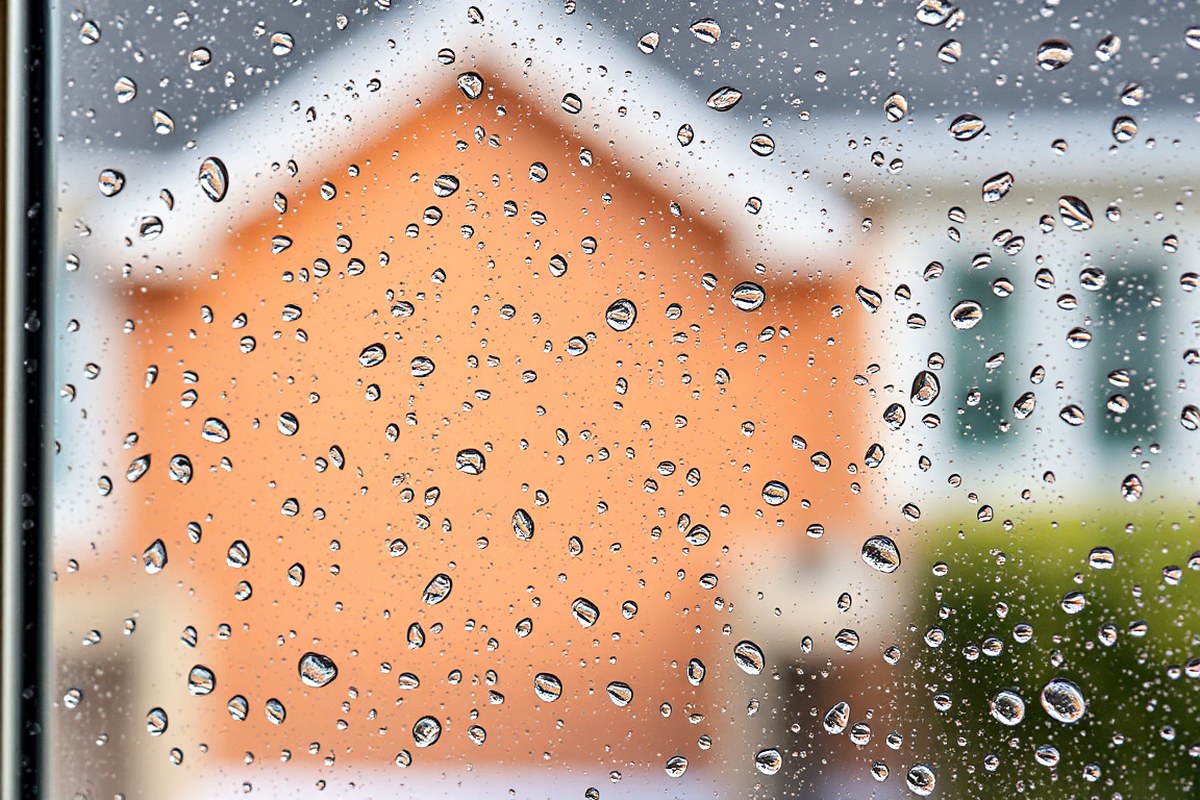
Indoor humidity rises when more moisture enters the air than leaves it. Everyday activities like cooking, showering, and drying clothes add water vapor. Without proper venting, this moisture builds up and raises humidity levels quickly.
Leaks and water intrusion also cause excess humidity in your house. A damp basement or plumbing leak soaks floors and walls. Water then evaporates into the air.
This raises indoor humidity levels. Even small leaks behind walls or under sinks can add noticeable moisture over time.
Ventilation problems often make humidity worse by trapping moist air inside. When your home lacks exhaust fans or vents, steam, and humidity have nowhere to go. Sealing air leaks without adding controlled ventilation can cause moisture to get stuck indoors.
Tracking indoor humidity starts with checking your home’s ventilation and water sources. Notice if the air feels damp or smells musty after cooking or showering.
Look under sinks and around the foundation for leaks. Also, test if exhaust fans in bathrooms and kitchens actually push moist air outside.
Homes with sealed air leaks and good ventilation reduce humidity by up to 40%. Consider hiring a professional to inspect hard-to-see spots for leaks or ventilation faults. They can use moisture meters and smoke tests to find hidden causes that raise indoor humidity.
Controlling humidity means balancing how much moisture you add and remove. Cooking and showering add several pints of water daily. So venting these areas well stops moisture from piling up.
Fix leaks right away to stop water damage. Use exhaust fans to keep humidity under 60%. This helps prevent mold and damage.
2. How Everyday Activities Increase Indoor Humidity

Cooking Adds Noticeable Moisture to Your Air
Cooking releases 0.3 to 0.5 gallons of water vapor per meal. Boiling water, simmering, and steaming create steam that raises humidity fast. Using a range hood that vents outside helps capture and remove this moisture.
Without a vented hood, kitchen humidity spreads to surrounding rooms. This makes the air feel damp and sticky, especially if your home is tightly sealed. Turn on your hood fan every time you cook.
Even short meals add moisture. The fan helps lower moisture buildup in your kitchen.
Showering Pumps Half a Gallon of Water Inside
A 10-minute shower adds about 0.5 gallons of water vapor to the air. Hot steam from showers quickly raises bathroom humidity, making mirrors fog and surfaces damp. Running an exhaust fan or opening a window right after showering vents this moisture outside.
Leaving the bathroom door open helps dry the air faster. Leaving windows closed and fans off traps steam, causing mold and mildew to form. Use your fan for at least 20 minutes after showering to keep moisture down.
Indoor Drying of Laundry Can Double Your Humidity
Drying a full load of laundry inside adds moisture to your home. It releases 1 to 2 gallons of water vapor. This extra moisture can raise indoor humidity.
This is a major humidity source, especially in colder months when outdoor drying is limited. Venting your dryer outside or line drying clothes outdoors reduces this moisture significantly.
Using a drying rack indoors without ventilation condenses moisture on walls and floors. A dehumidifier can help if you must dry laundry inside. But it will raise your electric bill.
Dry clothes outside when the weather is good. Use a properly vented dryer if you dry indoors. This helps keep moisture out of your home.
Everyday Breathing and Houseplants Also Add Moisture
Four people breathing and perspiring generate 1.5 to 2 gallons of moisture throughout a day. Houseplants emit additional humidity through transpiration, especially if you have many.
Ventilation helps remove this moisture. So opening windows or running fans is helpful when possible.
Sealing a home tightly without venting traps moisture from these normal activities. That can cause condensation on windows and damage wood or plaster surfaces. Fresh air exchange is key in reducing buildup from daily living.
Always turn on bathroom fans during and after showers to prevent moisture buildup and mold growth.
3. Why Poor Ventilation Causes Excess Moisture Indoors
Poor ventilation traps moisture inside your home, raising humidity levels. This happens when exhaust fans don’t vent outdoors or ducts leak and lose airflow. Checking and fixing ventilation helps reduce unwanted moisture and prevents mold growth.
Testing Exhaust Fans for Proper Venting
Exhaust fans in bathrooms and kitchens must vent outside your house. Fans that blow into attics or crawl spaces send moisture back inside, causing humidity to build. You can quickly test if a fan vents outdoors without opening walls.
Hold a tissue or toilet paper near the fan grill. Turn the fan on and watch the paper closely. See if the paper moves toward the fan or not.
The paper sticking tightly means the fan pulls in air. But it doesn’t guarantee outdoor venting.
Next, look outside for vent caps on walls or roof. These caps let moist air exit your home.
Here is how to check exhaust fan venting step-by-step:
- Turn on the exhaust fan.
- Hold a tissue or toilet paper near the grill to check airflow.
- Search outside for vent openings near the kitchen or bathroom.
- Use a flashlight to inspect vent paths in the attic or crawl space.
- Look for damp insulation or mold, which shows moisture problems.
- Hire a professional if you find no outdoor vent or damaged ductwork.
Timing Fan Use to Control Moisture Buildup
Running bathroom and kitchen fans during cooking or showering helps reduce humidity. Bathroom fans running 20 minutes after shower remove almost 80% of moisture. This prevents moisture from spreading into other areas of your home.
Kitchen fans should run while cooking and for a few minutes afterward. It takes time to clear airborne steam and odors created by cooking or dishwashing.
Avoid relying only on open windows or running fans briefly. They don’t remove enough moisture indoors.
Checking Ductwork for Leaks or Blockages
Leaks or blockages in ductwork reduce ventilation and trap humid air inside. Ducts running through basements, attics, or crawl spaces can develop holes, cracks, or disconnected joints. These breaks release moisture into unconditioned areas or let moist air re-enter your home.
Sealing duct leaks with mastic sealant or metal tape fixes this problem. Insulating ducts in unheated spaces also helps maintain airflow and stops condensation. To check ducts, visually inspect accessible sections and listen for air leaks while fans run.
4. How Outdoor Climate and Air Affect Indoor Humidity
Warm air holds more moisture than cold air. So outdoor humidity affects your home a lot.
In warm climates, high moisture outside can push humid air through cracks in windows and doors. This makes keeping indoor humidity below 50 percent tougher without a good seal and proper control.
Outdoor humid air enters when your windows or doors aren’t sealed well. You might notice sticky air or damp spots near these openings.
Keep your windows closed on humid days with dew points over 60°F. This stops wet air from entering your home. It helps reduce indoor moisture levels.
Season changes shift indoor humidity too. Summer months usually bring the highest indoor moisture because warm air holds more water.
In winter, cold air holds less moisture. But condensation on windows shows if indoor humidity is too high for that season’s temperature.
5. The Impact of HVAC Systems on Indoor Humidity
Heating and cooling systems directly affect your home’s humidity. Oversized air conditioners cool the air quickly but don’t run long enough to remove enough moisture.
This leaves the air cool but still humid. You may feel cool but sticky or notice musty smells inside.
Your HVAC fan setting also impacts moisture. Setting your fan to “on” makes it run all the time. It blows moisture back into the air after collecting on the coil.
This keeps humidity higher indoors. The “auto” setting stops the fan between cooling cycles. Moisture drains off the coil outside.
This prevents it from evaporating back inside. That reduces indoor humidity more effectively.
Gas heating systems can add moisture inside since burning natural gas releases water vapor. Heating or cooling units need regular care to control humidity. Poor maintenance lets humidity rise indoors.
This can cause mold and damage. Look out for condensation on windows or walls during cold months. These signs mean your system may need repair or replacement.
- Use a properly sized AC unit for your home’s square footage
- Set your HVAC fan to “auto” to minimize moisture blow-back
- Schedule yearly HVAC tune-ups to ensure proper humidity control
- Replace gas heating systems that contribute excess indoor moisture
- Consider adding a whole-house dehumidifier in very humid climates
Your HVAC system affects humidity since it moves and conditions the air. Repair or replace units causing humidity problems, especially if you see excess condensation or mold. HVAC contractors can check unit sizing and function.
Replacing a mid-sized AC system costs between $3,000 and $7,000. The price depends on the unit’s size and efficiency. Repairing parts like the fan motor or drainage pan costs $150 to $500.
Keep your HVAC fan on “auto” rather than “on” to avoid raising indoor humidity.
6. How Basement, Crawl Spaces, and Leaks Raise House Humidity
Basements and crawl spaces sit against wet soil that holds moisture year-round. This dampness seeps through concrete floors and walls, raising indoor humidity. Basement humidity above 60% without reason can mean water enters through cracks or poor drainage.
Leaks in pipes, faucets, or water heaters add more moisture inside your home. These leaks might be hidden behind walls or under floors, making humidity problems worse. Look around plumbing fixtures and baseboards for wet spots or mold.
Notice musty smells too. These signs can help you spot leaks early.
To handle moisture, check your basement and crawl space for water or damp spots. Look outside for soil that slopes toward your foundation.
Water pooling here can soak into your home’s lower levels. Peeling paint or white salt on basement walls often shows water is seeping through.
Use a hygrometer to monitor humidity levels in these spaces regularly. High moisture suggests the need for better drainage or sealing.
Fix any plumbing leaks promptly and clear gutters to keep rainwater away from your foundation. Installing a sump pump or a dehumidifier in the basement can help reduce dampness effectively.
Hire a waterproofing or foundation expert if dampness, water, or humidity over 60% stays. These experts can inspect foundation walls, apply sealants, or improve exterior drainage systems. Costs for professional waterproofing range from $2,000 to $7,000 depending on the work needed.
Ignoring basement or crawl space moisture can cause mold growth, wood rot, and higher overall humidity. You might feel sticky, smell stale air, or see window condensation even if temperatures are normal. Tackling leaks and ground moisture is key to keeping your whole house dry and comfortable.
7. Why New or Renovated Homes May Have High Humidity
New and renovated homes often have high indoor humidity because of moisture trapped in construction materials. Wood, drywall, paint, and concrete release water vapor as they dry out. This drying process can keep humidity levels improve for weeks or even months after construction ends.
This moisture release usually hits its peak in the first 2 to 3 months. After that, indoor humidity tends to decrease as materials fully dry. During task time, open windows or use exhaust fans.
This helps let moisture escape. It improves air flow in rooms. Simply airing out the house daily can lower humidity significantly.
Homes built with tight sealing and insulation hold moisture inside longer. Airtight construction prevents moist air from escaping through cracks and gaps. Airtight homes save energy but can trap moisture.
Unless your home has mechanical ventilation, like an ERV. This system exchanges air without losing heat. ERVs exchange indoor air for fresh outdoor air without wasting heat, keeping humidity balanced.
Poor ventilation lets moisture build up inside. Drying materials add humidity to daily household moisture. The air then feels damp and stuffy.
High humidity above 50 percent encourages mold growth, dust mites, and material damage. Setting up ventilation early during or right after construction keeps these problems from becoming long-term.
The cost to improve ventilation varies. Adding an ERV may range from $1,000 to $3,000 including installation.
Opening windows costs nothing but depends on weather and security. Fans and vents provide a middle ground with lower upfront expense.
Moisture from materials combined with airtight design affects how long humidity stays high. New homes without ventilation often see humidity stay improve for 3 months or longer. Proper ventilation systems reduce that time to weeks by helping moisture escape and fresh air circulate.
Notice dampness that won’t go away? Start by adding or improving ventilation. This usually fixes moisture problems first.
8. How to Measure and Monitor Indoor Humidity Accurately
Use a hygrometer to measure indoor humidity levels. These devices cost under $15 and give accurate readings fast. Place them carefully to catch true humidity changes.
Types of Humidity Meters to Consider
Digital hygrometers are easy to read and affordable. They show real-time humidity and temperature on a screen. Many models also store data or connect to apps for tracking.
Analog hygrometers use a needle and dial to show moisture levels. They don’t need batteries but can be less exact than digital devices. Some homeowners prefer an analog for its simple style.
There are smartphone apps paired with sensors that measure humidity. These work well if you want remote monitoring or alerts. The sensors cost about $20 to $50, a bit pricier but useful for constant tracking.
Optimal Placement to Track Humidity Fluctuations
Put hygrometers in main living spaces like the bedroom and living room. These areas often show the home’s overall air moisture levels more accurately. Avoid placing meters near windows, vents, or direct sunlight.
Bathrooms, kitchens, and laundry rooms usually have higher humidity. Test these rooms separately to catch spikes from showers or cooking. Keep the device at about chest height, away from walls for steady airflow around it.
Don’t place meters near humidifiers or air conditioners, or near doors to the outside. Such spots give misleading readings that don’t reflect room conditions well.
Interpreting Levels for Different Seasons and Rooms
Ideal indoor humidity is between 30% and 50% to keep you comfortable. Levels over 60% feel sticky and promote mold growth. Winter often lowers indoor humidity, needing humidifiers or sealing drafts.
Look for fluctuations during the day. In summer, humidity rises when cooking or bathing.
At night, levels may drop as ventilation slows. Track multiple rooms to spot where moisture gets trapped most.
Use these readings to decide your next step:
- Above 60%, use dehumidifiers or increase ventilation.
- Below 30%, add humidity with vaporizers or indoor plants.
- Sudden spikes suggest leaks or poor drying, investigate those areas.
- Stable readings near 40-50% mean your setup is balanced.
- Check meter accuracy regularly with a salt test or calibration.
Adjust your moisture control tools depending on season and room purpose. Bathrooms need more ventilation; bedrooms benefit from steady humidity levels.
Check your hygrometer’s battery quarterly for reliable readings. A dead battery gives false data and wastes time.
Step-by-Step Action Plan to Reduce Humidity in Your Home
Follow these steps over the next month to spot and lower indoor humidity. Check your results by using a hygrometer to track progress.
- Day 1: Buy and place a reliable hygrometer in your main living area. This tool helps you see how humid your home is.
- Week 1: Identify sources of excess moisture like leaks or damp basements. Fix leaks or call a professional if needed. Check if humidity drops after repairs.
- Week 2: Improve ventilation in bathrooms and kitchens. Use exhaust fans during and after cooking or showering. Notice if the air feels less damp.
- Week 3: Use a dehumidifier, especially in basements or crawl spaces. Run it daily and empty the water collection. Watch your hygrometer readings for improvement.
- Week 4: Adjust your HVAC system settings to control humidity. Ensure filters are clean and vents are open. See if this keeps humidity stable over several days.
- After 4 weeks: Continue monitoring your hygrometer regularly. Make small changes like drying clothes outside or sealing windows. Confirm your home feels more comfortable and less sticky.
Frequently Asked Questions
Can Cooking Cause Humidity Problems Inside a House?
Yes, cooking releases steam that raises indoor moisture levels. Using exhaust fans while cooking can help reduce excess humidity effectively.
Does Houseplant Watering Increase Indoor Humidity?
Watering houseplants adds moisture to the air, which can raise humidity. Limit overwatering and group plants by humidity needs to control moisture.
Can Drying Clothes Indoors Cause High Humidity?
Drying clothes inside releases moisture that improve indoor humidity. Use a well-ventilated area or a dryer that vents outside to prevent buildup.
Does Sealing a House Too Tightly Cause Humidity Issues?
Yes, a tightly sealed house can trap moisture without proper ventilation. Mechanical ventilation systems avoid humidity buildup in airtight homes.
Can Pets Contribute to Indoor Humidity?
Pets produce water vapor through breathing and shedding moisture from fur. Regular cleaning and ventilation help keep pet-related humidity in check.
Is Humid Outdoor Air the Main Cause of Indoor Humidity?
Humid outdoor air can raise indoor humidity if windows or doors are open. Proper sealing and dehumidifiers help block outdoor moisture from entering.
Wrapping Up
Humidity comes from many spots inside and outside your home. Fixing leaks and boosting airflow can make a big difference. Start by checking your humidity levels with a hygrometer today.