Can I Use Cactus Dirt for African Violets? What Actually Works
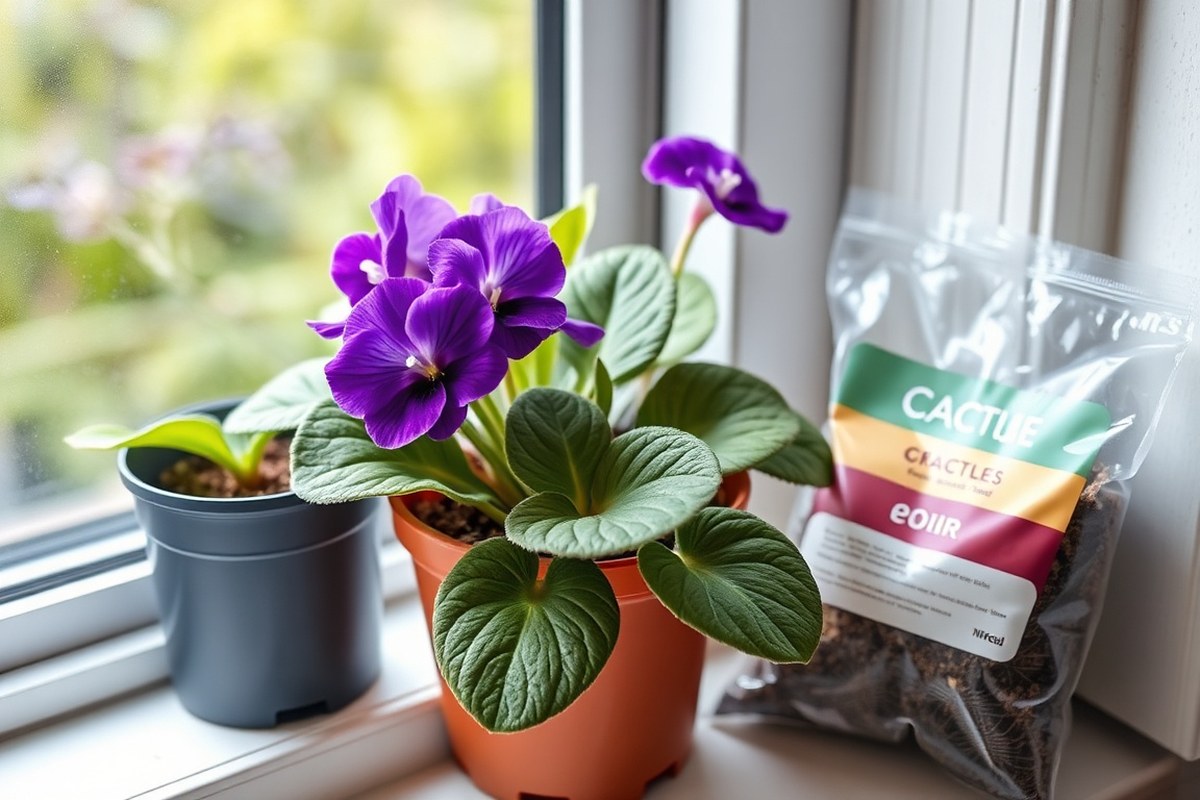
Can I use cactus dirt for African violets? Yes, you can use cactus soil, but it needs some changes first.
Cactus dirt drains quickly and is too coarse for violets to hold enough moisture. You’ll want to mix in peat moss or another moisture-retaining material for the right balance.
This mix helps violets get the moisture they need without sitting in wet soil. Watch for soil pH. African violets prefer slightly acidic soil.
Cactus dirt alone doesn’t provide this. Repot your violets every six months.
Use fresh soil each time. This keeps their roots healthy and happy.
Also, don’t go bigger than two inches larger than the violet’s rootball when you repot. Use a clean pot, soaked in a mild bleach solution to avoid fungus or pests. These small steps help your violets thrive even if you’re starting with cactus dirt.
Key Takeaways
- Mix cactus soil with peat moss for better moisture retention.
- Check soil pH to keep it slightly acidic between 5.5 and 6.5.
- Repot African violets every six months to refresh soil and roots.
- Choose pots only up to two inches wider than the violet’s rootball.
- Sanitize pots with a 1:10 bleach solution before repotting.
- Avoid soggy soil by ensuring the mix drains well but holds moisture.
Can You Use Cactus Dirt for African Violets?
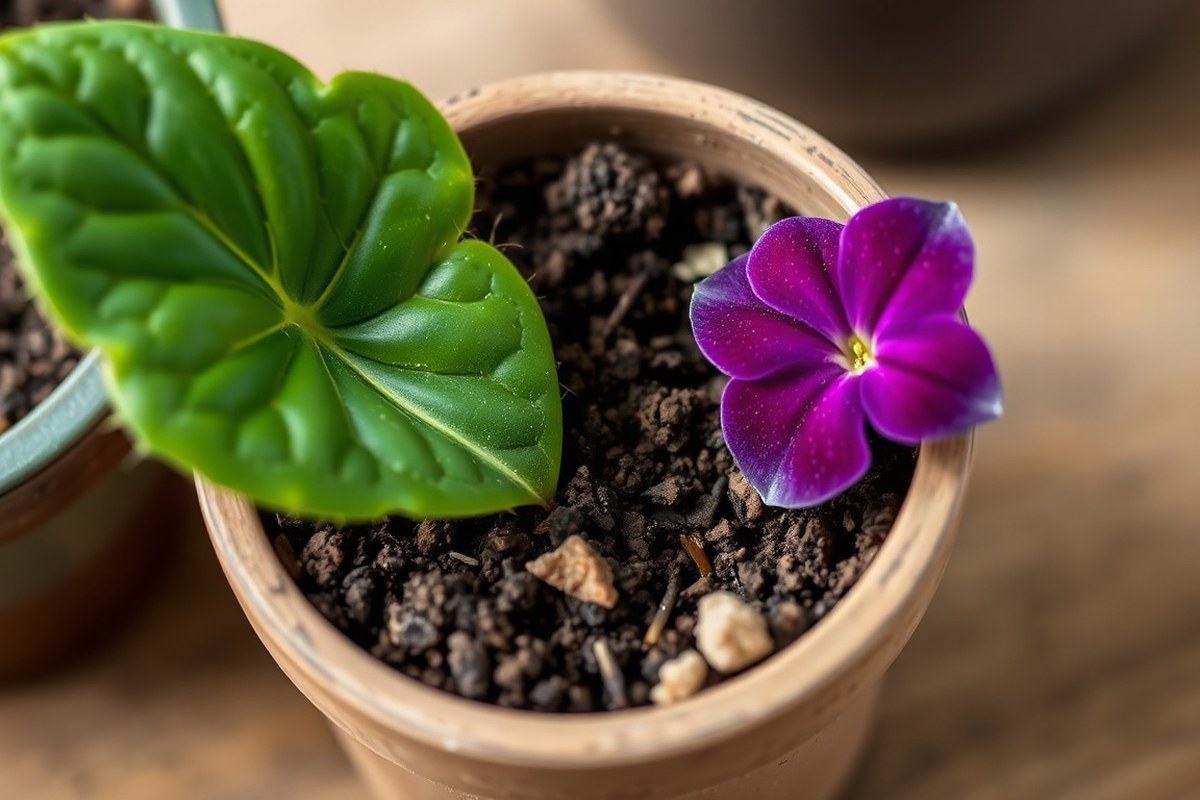
Cactus soil alone is not good for African violets. It dries out quickly and does not keep enough water. African violet roots need soil that stays a bit damp between watering.
Cactus soil usually contains coarse sand and grit for drainage. That texture lets water flow quickly, perfect for succulents but too harsh for African violets. Their roots like fine, soft particles that trap some moisture while still draining excess water.
Planting African violets directly in cactus dirt can cause stress. The roots can dry out, leading to brown, crispy leaf edges and poor growth. Cactus soil’s poor water hold means you must water often.
Too much watering can keep the pot soggy. This makes root rot more likely.
This soil often has a pH level not ideal for violets. Cactus dirt can be more alkaline.
African violets prefer slightly acidic soil between 5.8 and 6.2. The wrong pH can limit the plant’s nutrient uptake, slowing growth.
Instead of using cactus soil alone, blend it with peat moss or coconut coir. These amendments slow down drying and add fine texture. Mix equal parts cactus soil with peat or coir.
This mix drains fast but keeps enough moisture. It helps meet violet plants’ soil needs well.
Using cactus dirt with the right amendments can work if you watch watering closely. Water about once or twice a week, and use pots with drainage holes. Always re-pot violets every six months to refresh the soil and keep the mix balanced.
Differences Between Cactus Soil and African Violet Potting Mix
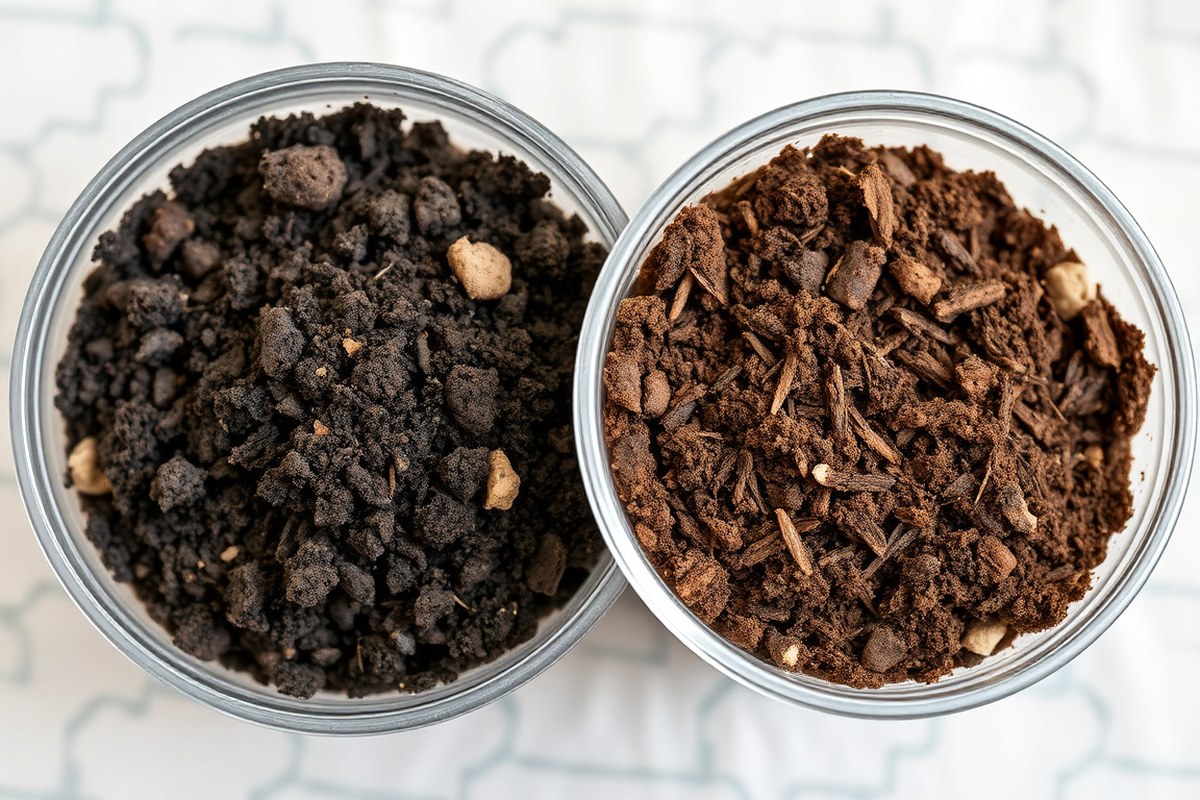
Cactus soil and African violet potting mix differ mainly in moisture handling and nutrient content. Cactus soil drains very quickly and holds little moisture. African violet mix drains well but keeps soil evenly damp to suit the plant’s needs.
The pH level of cactus soil tends to be neutral or slightly alkaline. African violets need soil that stays slightly acidic, around pH 5.5 to 6.5. This acidity helps nutrient uptake and supports healthy blooms.
| Characteristic | Cactus Soil (Straight) | Amended Mix for Violets |
|---|---|---|
| Drainage | Very fast | Fast but balanced |
| Moisture Retention | Low, dries quickly | Moderate, stays evenly damp |
| Nutrient Content | Lean | Rich enough to support blooms |
| Best For | Succulents and cacti | African violets and similar plants |
African violet mixes typically include peat moss or coconut coir, plus perlite or vermiculite. This blend holds moisture without being soggy. Cactus soil is coarser and contains less organic matter.
It drains water very fast. It also provides fewer nutrients for plants.
To keep your violets healthy, use a mix that stays slightly moist but not wet. The quick drying cactus soil can cause dry roots.
Heavy violet soil can suffocate them. Nutrients in cactus soil often lack the richness violets need to flower well.
Using straight cactus soil alone may stress your violets due to dryness and nutrient gaps.
How to Amend Cactus Soil for African Violets
You can improve cactus soil to fit African violets by adding peat moss, perlite, and vermiculite. These materials help keep the soil light, moist, and well-draining. Adjusting the soil’s pH is also important to avoid harming your plants.
Recommended Amendments for Improved Moisture
Cactus soil is usually too coarse and drains too quickly for African violets. Adding peat moss increases moisture retention without making the soil soggy. Perlite and vermiculite boost aeration and water-holding capacity.
Peat moss holds moisture gently around violet roots. Perlite prevents the soil from compacting.
Vermiculite captures moisture and slowly releases it. Using these three helps mimic the fine, airy texture African violets prefer.
How to Balance Soil pH for African Violets
Cactus soil often has a pH higher than what African violets like. Violets grow best in slightly acidic soil, around pH 6.0. You can safely lower pH by adding garden sulfur.
Peat moss also helps because it is naturally acidic. Use small amounts to avoid big changes.
Mix the amendments well with your soil and test the pH after a few days. Avoid adding too much sulfur at once as it can stress the plant. Reapply in small doses over time if the pH remains high.
Mixing Ratios and Preparation Tips
Start by mixing two parts peat moss with one part cactus soil. Add one part perlite and one part vermiculite to the mix.
This balance keeps moisture steady while draining excess water quickly. Use sterile materials to reduce pests or diseases.
Break up clumps in the cactus soil and sift large chunks out if possible. Moisten the peat and vermiculite before mixing. Avoid overwatering after planting, the soil should stay damp but not wet.
Here’s how to prepare amended cactus soil for your African violets:
- Gather materials: peat moss, perlite, vermiculite, and your cactus soil.
- Measure the components in a 2:1:1:1 ratio (peat:cactus:perlite:vermiculite).
- Break up clumps and remove any debris from cactus soil.
- Mix peat moss and vermiculite with a bit of water to moisten them.
- Combine all ingredients thoroughly in a clean container.
- Check soil pH with a test kit and add sulfur if pH is above 6.5.
- Let the mix rest for a day or two, then test pH again.
- Fill your pot and plant your African violet, watering lightly afterward.
Best Watering Practices When Using Cactus Dirt Mixes
African violets in cactus soil need careful watering to avoid root rot and dehydration. Water only when the top inch feels dry. Bottom watering helps control moisture but watch for fertilizer buildup.
How Often to Water in Cactus Soil
Water African violets every 7 to 10 days using cactus soil. Mix the soil with vermiculite and perlite first. This helps keep the right moisture level.
The exact frequency depends on your home’s humidity and temperature. Check the soil dryness by touching the top inch before watering.
Overwatering leads to root rot, while under-watering causes leaves to wilt. Let the soil dry slightly between waterings to keep roots healthy. Use plastic pots for better water control.
Bottom Watering Benefits and Risks
Bottom watering African violets prevents leaf spots and maintains even moisture. Soak the pot in water for 2 to 3 minutes. Or water the plant from the tray.
Stop when the soil surface feels moist. Avoid watering the leaves directly.
One risk with bottom watering is fertilizer buildup in the soil and pot. Flush the soil periodically by soaking in clean water to reduce salt buildup. This prevents root damage over time.
Checking Soil Moisture Without Overwatering
Feel the top inch of soil with your finger to check moisture. Check the soil first.
Water when it feels dry, do not if damp. Using a moisture meter is another option for accuracy.
Lift the pot to gauge weight. A light pot often means dry soil needing watering.
Avoid wilting leaves, which can mean both under- or overwatering. So use soil feel as your main guide.
Watering Steps for African Violets in Cactus Mix
Follow these steps to water properly and avoid common mistakes:
- Check the top 1 inch of soil dryness daily or every few days
- Fill a tray with water and set the plant pot in it for 2, 3 minutes
- Remove pot and let excess water drain completely before returning to its spot
- Flush soil every few months to prevent salt buildup
- Avoid watering leaves or crown to prevent rot
These steps help maintain the right soil moisture and protect roots. Avoid over-drying or adding too much perlite, which can stress the plant.
Adjusting Watering for Different Conditions
In humid homes, cactus soil can stay wet longer. Increase perlite to improve drainage and reduce watering frequency.
Your home’s dryness means you should water more often. Still, always check soil is dry before watering.
Seasonal changes also matter. African violets usually need less water in winter. Watch your plant and soil closely for any signs of dehydration or sogginess, then adjust.
Common Mistakes When Using Cactus Soil for African Violets
Using cactus soil alone for African violets often causes poor growth and root problems. Cactus soil usually drains too fast and lacks enough moisture retention. This makes it hard for violets to develop strong roots or bloom well.
Poor soil conditions show as wilting leaves, yellowing, or slow growth. Roots may turn brown or mushy if overwatered in fast-draining cactus soil.
African violets need a slightly moist but not soggy environment. Too much water causes root rot.
- Don’t use pure cactus soil; add about 50% peat moss and 25% perlite.
- Water your African violet deeply. Wait until the top 1 cm dries. Then water again.
- Keep perlite around 20% of the mix to avoid overly dry soil.
- Place the plant on a pebble tray with water to keep humidity near 50%.
- Use a balanced 20-20-20 fertilizer at half strength, avoiding high nitrogen formulas.
- Make sure drainage holes never get blocked to prevent water buildup.
High nitrogen fertilizers reduce flowering and encourage leafy growth. Overwatering immediately after repotting also stunts development.
Watch for white crusty salt buildup. It means you need to flush the soil occasionally with water.
Check soil moisture with a meter to avoid overwatering and root rot.
Good soil amendments help violets stay slightly root bound, which boosts flowers. Adding peat moss improves moisture retention, while perlite keeps the mix airy. Balanced care leads to steady growth and colorful blooms within weeks.
When to Choose a Dedicated African Violet Soil Mix Instead
You might hit limits using cactus soil even with amendments like peat moss. This soil is coarser and drains faster than usual. It can dry out African violets too fast.
You need to check moisture more often with this soil. Adding peat moss and vermiculite helps. But the balance may still not support delicate violet roots well.
Experts suggest choosing a dedicated African violet mix especially when growing seedlings or young cuttings. These stages need a nutrient-light, gentle medium that a cactus base usually can’t provide. Your violet’s growth can stall after four weeks in cactus soil.
Leaves may keep dropping too. Switch to a specialty violet mix then.
Buying a commercial African violet soil blend costs around $7 to $15 for a small bag. It saves time and guarantees an optimal mix.
These blends already hold moisture well and stay loose enough without extra work. For beginners, this is often worth the effort and price to avoid struggles with growth.
To decide, watch your plants closely. Use cactus soil with peat and vermiculite for mature plants. These need good airflow and humidity control to thrive.
This mix works best in that environment. Switch to a ready-made African violet mix for young plants. This helps if growth is slow or leaves drop too much.
Young plants need a gentler, moisture-retentive soil. This approach helps avoid wasting time adjusting cactus soil endlessly.
Safe Repotting Steps Using Cactus Dirt or Mixes
Repotting African violets with cactus dirt or mixes needs care to protect roots. Clean pots well and prepare soil properly before repotting. Check timing carefully to avoid stressing your plant.
Cleaning and Preparing Pots
Use pots just 1 to 2 inches larger than your violet’s rootball to avoid root rot. Wash pots thoroughly with warm, soapy water to remove old soil and bacteria. Rinse well and let pots dry completely before using them again.
Avoid using pots with cracks or damage since roots can get stuck or injured. Disinfect pots with a 10% bleach solution to kill fungi or pests, then rinse with water. Let pots air dry fully to protect your violet’s health.
Step-by-Step Repotting Instructions
Keep violet roots from direct contact with coarse cactus soil by mixing soil before repotting. Prepare a blend of two parts cactus soil to one part African violet potting mix. This mix offers enough drainage without drying out roots too fast.
- Water the violet lightly a day before repotting to keep roots moist but not soggy.
- Gently remove the violet from its pot, loosening the rootball carefully by hand.
- Inspect roots for damage or rot and trim dead parts with sterilized scissors.
- Place a thin barrier like sphagnum moss or a fine mesh in the new pot’s bottom.
- Fill the pot halfway with the prepared cactus-violet soil mix.
- Center the rootball in the pot and fill around it with soil, gently pressing down.
- Leave about half an inch from soil surface to pot rim for watering space.
Post-Repot Care Tips
Keep your violet in bright, indirect light and away from drafts for at least two weeks. Water only when the top inch of soil feels dry.
Avoid overwatering cactus soil blends. Monitor humidity and aim for 50-60% to keep leaves healthy.
Don’t fertilize for 4 to 6 weeks after repotting to reduce stress on roots. Watch for any wilting or leaf drop signaling root shock or soil drainage issues. Adjust watering and light if you spot problems.
How to Maintain African Violets in Cactus Soil Mix Long-Term
Fertilizing African violets in cactus soil calls for a balanced, water-soluble fertilizer. Use one labeled for African violets or houseplants, with a ratio near 14-12-14 (N-P-K). Feed every two weeks at half strength during growth seasons, cutting back in winter.
Humidity helps African violets thrive since they like 40-60% humidity. Place a tray of water near the plant. Use damp pebbles to boost moisture.
This helps keep the air around the leaves moist. Avoid misting directly to prevent leaf spots and fungal issues.
Replacing or refreshing cactus soil mix happens every 12 to 18 months. Keep soil loose so it drains well. This is key for cactus mixes.
These mixes dry fast but might lose nutrients. Repot the violet in fresh soil during spring to encourage healthy roots.
Keep an eye on your violet for nutrient signs like pale leaves or slow growth. Yellowing often points to nitrogen deficiency.
Weak stems and poor blooms may need more potassium or phosphorus. Correct these by adjusting fertilizer doses or switching to a formula for African violets.
- Use balanced fertilizer labeled for African violets every two weeks.
- Maintain 40-60% humidity with water trays or pebble dishes.
- Refresh cactus soil mix every 12 to 18 months in spring.
- Watch for yellowing leaves or weak flowers as nutrient warnings.
- Adjust feeding if you spot growth or color problems.
Avoid overwatering to keep cactus soil aerated and roots healthy.
Monitoring soil texture helps you spot when repotting is due. Roots can suffocate if soil compacts or drains poorly. Good cactus mix stays light, so replace it if it sticks and drains slowly.
Small humidifiers cost about $20 to $30. They keep moisture steady in dry rooms.
This helps with humidity for your plants. Avoid crowded grouping of violets, air circulation is important to stop mold and rot.
Step-by-Step Action Plan for Using Cactus Dirt with African Violets
Follow these steps to adjust cactus soil for your African violets and keep them happy.
- Before you start: Mix equal parts cactus soil and peat moss or African violet mix. The soil should feel loose and damp but not soggy.
- Day 1: Plant your African violet in the amended soil. The roots should fit comfortably without crowding.
- Week 1: Water lightly, just enough to moisten the soil surface. Check if the soil drains quickly but stays moist.
- Week 3: Observe leaf health. Leaves should look firm and bright green, not wilted or dry.
- After 1 month: Check soil moisture before watering again. Only water when the top feels dry to the touch.
- Every 2 months: Lightly fertilize with a balanced African violet fertilizer. Watch for steady growth and flowering.
- Every 6 months: Check if the plant looks root-bound or the soil feels hard. If so, repot it using fresh amended soil.
Frequently Asked Questions
Can I Use Cactus Dirt for African Violets?
Cactus dirt can work for African violets but needs adjustment. It dries quickly on its own, so blend it with normal violet soil. This mix helps keep moisture at the right level for the plants.
What Can I Use Instead of African Violet Soil?
You can use a mix of peat moss, perlite, and vermiculite instead. This blend holds moisture well and provides good aeration for roots. Avoid dense soil that traps water.
What Is the Best Dirt for African Violets?
The best dirt is light, well-draining, and rich in organic matter. You can use a commercial African violet mix for healthy roots.
A homemade blend also works well. Use peat moss and perlite to keep roots healthy.
Can Coffee Grounds Be Used on African Violets?
Yes, used coffee grounds can be added in small amounts to African violet soil. They add nutrients but should be dry and mixed well to avoid mold or root problems.
What Plants Can I Use Cactus Soil For?
Cactus soil is ideal for succulents, cacti, and other plants that need fast drainage. It works poorly for moisture-loving plants like African violets unless amended properly.
How Often Should I Repot African Violets in Cactus Soil Mix?
Repot every 6 to 12 months when using a cactus soil blend. Fresh soil keeps roots healthy and supports blooms, preventing root congestion and nutrient loss.
Key Points to Remember
Cactus soil alone isn’t ideal for African violets. But with the right tweaks, it can work.
Start by mixing in organic matter for better moisture control. Try this mix today to see your violets thrive without overwatering.