What Does a Tomato Plant Look Like? A Complete Visual Guide for Gardeners
A tomato plant starts small with a thick stem and a faint tomato scent. Seedlings grow 2 to 6 inches tall at first. Later, they develop into bushes that can reach 3 to 10 feet high depending on the type.
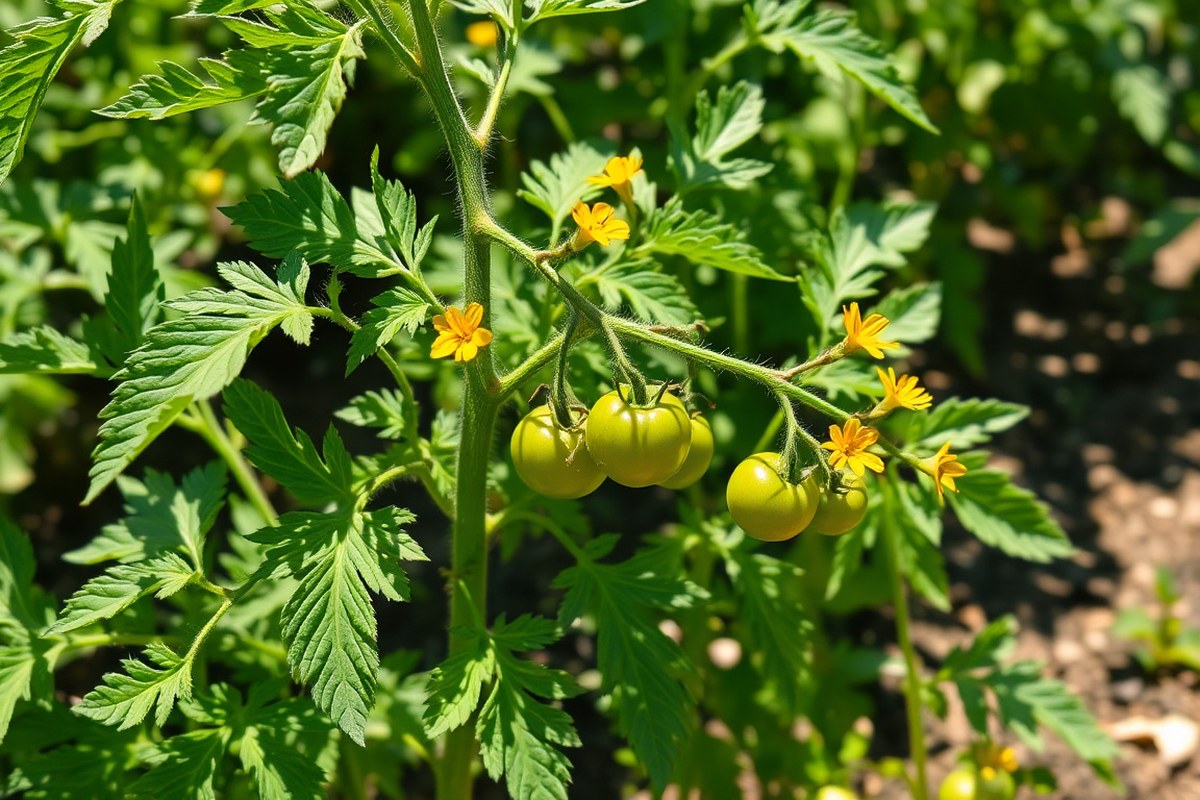
The leaves are bright green and jagged around the edges. The plant produces clusters of small yellow flowers. After pollination, flowers drop and tiny green tomatoes begin to form.
The plant changes with each stage over 60 to 100 days. That’s when the tomatoes become ready to harvest. Tomato plants need consistent sunlight and water for healthy growth.
They require 6 to 8 hours of sunlight daily and 1 to 2 inches of water per week. Knowing their size and growth helps you care for them better. This makes gardening easier and more successful.
Key Takeaways
- Tomato seedlings are 2 to 6 inches tall with thick stems and a tomato scent.
- Leaves have jagged edges and are bright green throughout growth.
- Yellow flowers measure 1 to 2 centimeters and have 5 to 6 petals.
- Pollinated flowers fall off within 24 hours, followed by fruit development.
- Determinate tomato plants grow to 3-4 feet tall and remain bushy.
- Indeterminate tomato plants can reach 6 to 10 feet with support.
What Does a Tomato Plant Look Like Throughout Its Life?
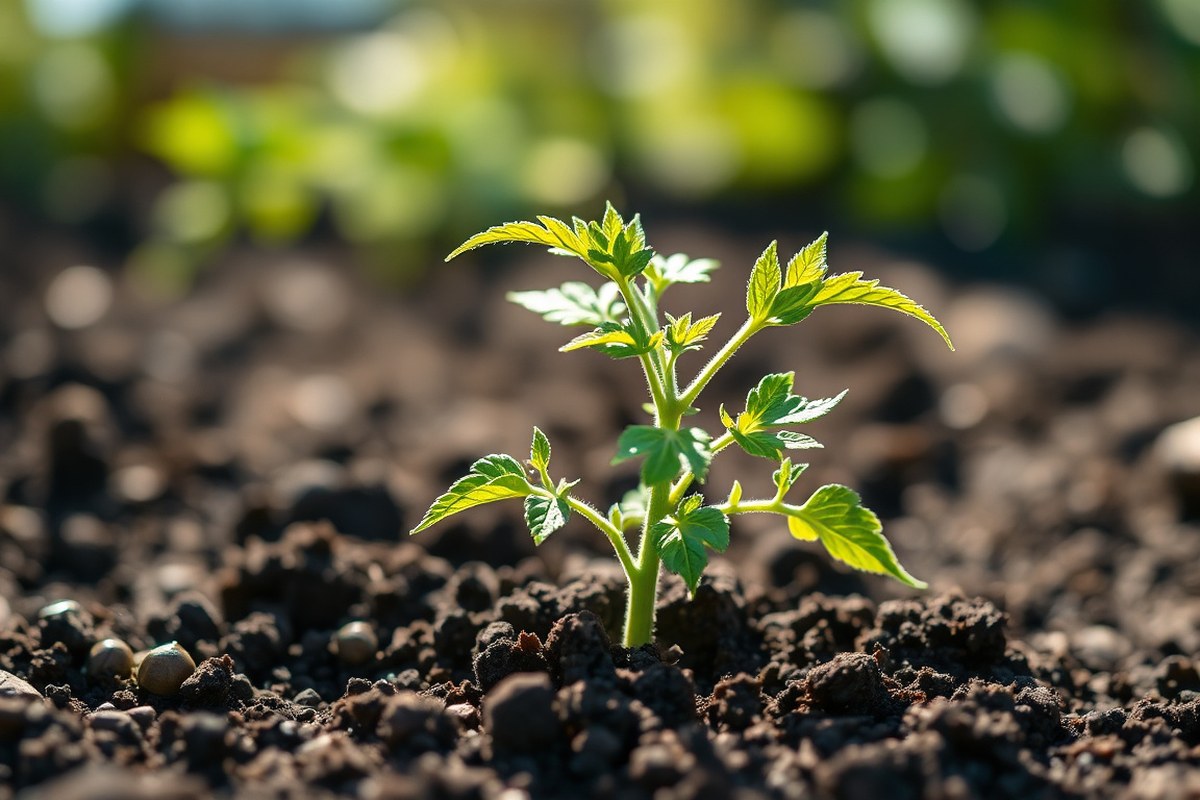
Tomato seeds normally sprout within 5 to 10 days after planting. At first, you’ll see a small green sprout emerging from the soil, about an inch tall. This marks the germination stage, which lasts roughly 6 to 8 days.
Next, the seedling grows true leaves and starts developing roots. These first leaves are bright green, oval-shaped, and slightly fuzzy.
This early growth stage takes about 25 to 35 days. It’s when you begin to recognize tomato seedlings compared to other plants.
After that, the plant enters vegetative growth for 20 to 25 days. During this stage, the vines lengthen quickly and the foliage thickens.
Leaves become more deeply lobed. Stems get stronger to support future flowers and fruit.
The flowering stage follows, lasting 20 days or more. Yellow flowers bloom in clusters on the branches. These flowers open fully and signal the start of pollination, which happens throughout the flowering phase.
Pollination leads to fruit formation over the next 20 to 30 days. Small, round green fruits appear where flowers once were. You’ll see the fruits grow larger every day.
They hang from sturdy stems. Leafy vines surround the fruits.
The final phase is ripening, lasting 15 to 20 days. Tomato fruits change from green to their mature color, usually red. But sometimes yellow or orange depending on variety.
The plants still need lots of sunlight. They also need steady water to grow well. This helps make juicy, tasty tomatoes.
Seedlings often get mistaken for weeds like nightshade or pepper plants. Tomato seedlings have hairy stems, and their early leaves are oval and smooth-edged. As the plant grows, the leaves develop a jagged, deeply divided shape unique to tomatoes.
Throughout these stages, the plant’s appearance changes sharply. The plant starts as a tiny sprout. Then it grows green and bushy or vining.
Yellow flowers and ripe fruit come next. Watching these changes helps you care for your plants.
It also helps you spot problems early. This keeps your tomatoes healthy.
How to Identify Tomato Leaves and Stems
Tomato plants have special leaves, stems, and a strong smell. These traits make them easy to spot among other plants. You can use these features to identify tomato plants.
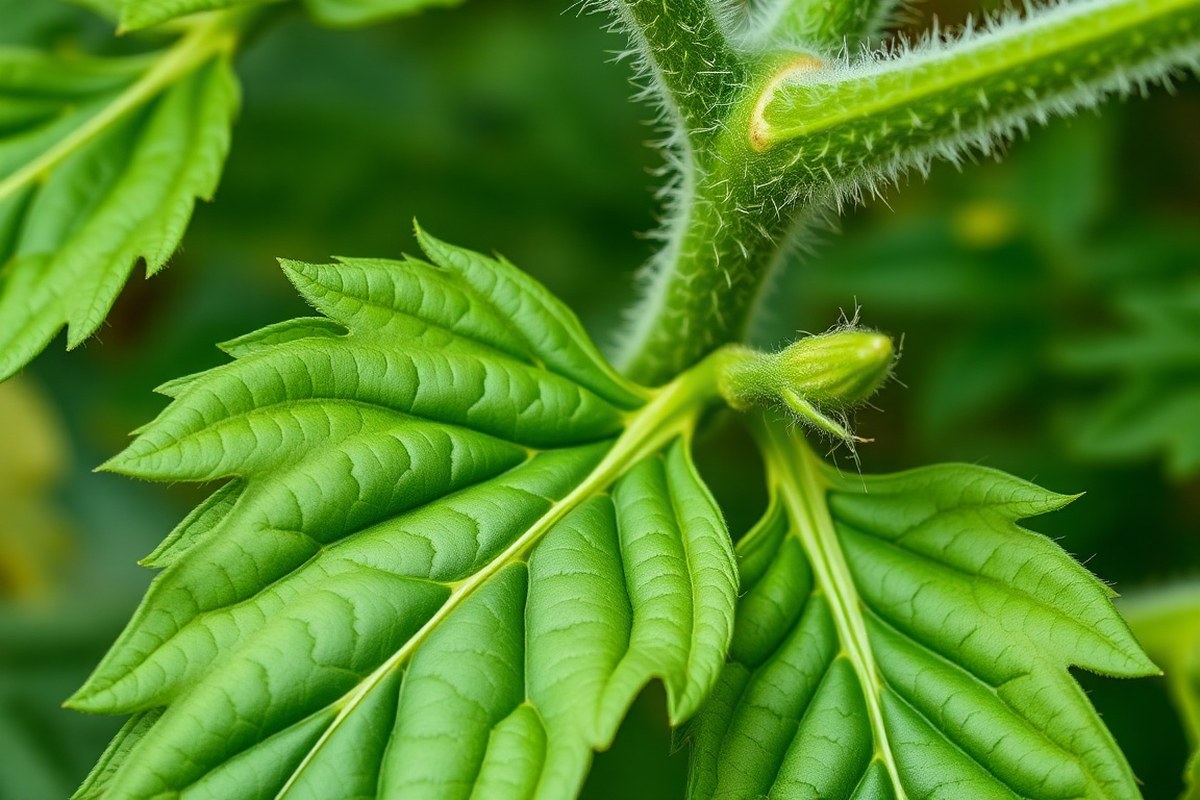
Their leaves are compound and serrated, while stems are green with fine hairs. These parts all carry a faint tomato smell, especially when touched.
Leaf Shape and Structure
Tomato plant leaves split into many small sections called leaflets. These leaflets have rough edges that look like feathers. Healthy leaves show up in a rich green color and appear one at a time up the stem.
Young leaves start smaller but still show the same serrated shape. The wide leaflets catch sunlight well for the plant’s energy.
This energy helps the tomato grow and produce fruit. Good sunlight is key for healthy tomato plants.
Check your tomato leaves for these features:
- Compound leaves made of multiple leaflets
- Serrated or jagged edges on each leaflet
- Alternate leaf arrangement along the stem
- Deep green color without yellow spots or curling
- A slightly fuzzy feel due to tiny surface hairs
Stem Characteristics and Hairs
The stems of tomato plants are soft and flexible but sturdy enough to support growth. They usually have a consistent green color and are covered in fine hairs called trichomes. The density of these hairs can vary depending on the tomato variety.
These small hairs give the stems a slightly velvety and sticky feel. They help the plant retain moisture and protect against certain pests. Young tomato stems are thick and sturdy at first.
If you gently rub them, they can smell faintly like tomatoes. This scent is a nice hint that the seedling is a tomato.
Look for these stem qualities:
- Soft, flexible, and green stems
- Dense or sparse covering of fine hairs
- Velvety, slightly sticky texture when touched
- Sturdy enough to hold up leaves and fruit
- Faint tomato scent on the youngest stems
Be careful not to confuse tomato stem hairs with prickly or rough hairs from other plants. Tomato hairs are fine and soft.
Scent and Sensory Identification
Rub the leaves or stems gently to check for the tomato plant’s signature scent. The smell is sharp, somewhat pungent, and unmistakably “tomato-like.” This aroma comes from the trichomes on leaves and stems releasing natural oils.
A healthy tomato plant will have this clear smell when touched. It helps gardeners make quick identifications, especially when plants don’t yet have flowers or fruit. This scent can also deter some insect pests.
To use scent and feel as a guide, remember:
- Crush a small leaf or stem section gently
- Smell for a sharp, fresh tomato odor
- Notice the fine hairs that feel velvety or sticky
- Check for a consistent green color in leaves and stems
- Use scent alongside leaf shape for better ID accuracy
Recognizing Tomato Flowers and Fruit Development
Tomato flowers are small and yellow, growing in clusters on the plant. After the flowers are pollinated, the small fruits start forming at their base. These fruits slowly change in size and color as they ripen.
Appearance of Tomato Flowers
Tomato flowers have a star shape with five pointed petals that curl back. They stand out with their bright yellow color, usually appearing in clusters on short stems.
These clusters appear when the plant is 12 to 18 inches tall. This happens about 5 to 7 weeks after you plant it.
The flowers need to be fully open for pollination to take place. Their small size is about half an inch across.
You might miss them if you don’t look closely. Good flower production means the plant is healthy and ready to make fruit.
Fruit Formation After Pollination
Once pollinated, the flower’s ovary at the base swells quickly. It starts turning into a tiny green tomato. You can see these fruits about the size of marbles.
They appear two to three weeks after the flower. The flower’s center also darkens and falls off within 24 hours, signaling successful pollination.
The new fruits grow steadily during the summer, forming clusters like the flowers. For indeterminate plants, this process happens continuously, creating new flowers and fruits at the same time. Determinate plants, however, tend to have a more compact set of fruits ripening all at once.
Ripening Stages and Color Changes
Tomato fruits start green and firm, slowly growing larger over 45 to 90 days after flowering. Their color changes from green to pale yellow or pink first.
Then they turn red, orange, or purple depending on type. This ripening phase is what gardeners eagerly watch for after weeks of care.
The color shift means sugars and flavors are developing inside, making the fruit tasty. The tomato skin becomes softer, and the fruit feels heavier when fully ripe. Avoid picking tomatoes too early since unripe fruits won’t develop full flavor or sweetness.
Differences Between Determinate and Indeterminate Tomato Plants
Tomato plants come in two main types with very different shapes and sizes. Determinate tomato plants grow to a fixed height, usually between 2 and 4 feet. They look bushy and compact because they stop growing once they reach their limit.
Indeterminate tomato plants keep growing all season. They can reach 6 to 12 feet or taller.
They grow like vines that need supporting structures like stakes or cages to hold their weight. These plants spread out much more than determinate ones and take longer to finish fruiting.
Determinate tomatoes tend to flower and fruit all at once within a short period. You get a big harvest in just a few weeks. Then the plant slows or stops fruiting.
Indeterminate tomatoes bloom and set fruit in waves until frost. You get tomatoes over months.
| Growth Type | Average Height | Flowering Duration | Fruit Set | Common Varieties |
|---|---|---|---|---|
| Determinate | 2, 4 ft (0.6, 1.2 m) | Short, concentrated | All at once | Roma, Bush Early Girl, Celebrity |
| Indeterminate | 6, 12 ft (1.8, 3.7 m) | Continuous until frost | Successive waves | Beefsteak, Cherokee Purple, Sun Gold |
Knowing if your tomato plant is determinate or indeterminate helps you plan its support and care. Determinate plants need less staking because they grow shorter and bushier. Indeterminate plants almost always require sturdy cages or tall stakes to keep the vines upright.
Choose determinate tomatoes if you want a quick, big batch. They are easier to manage and fit well in smaller spaces.
Indeterminate types are better for longer seasons and steady harvests. They need more care and space for support.
Common Signs of Healthy vs Unhealthy Tomato Plants
Healthy tomato plants have deep green leaves that spread wide and stand firm. Their stems look sturdy and show no signs of damage or softness. The whole plant grows vigorously and often fills the space with a strong, vibrant look.
Yellowing leaves are an easy sign something’s wrong. This color change can mean your plant is stressed from overwatering, lack of nutrients, or disease. Overwatered tomato plants often look droopy and wilted.
Their stems become soft. The soil stays wet and does not dry out between watering.
Spots on leaves or fruits are another clue. These can be black, brown, or white, and indicate fungal infections or pest damage. Common tomato pests include aphids, whiteflies, and hornworms.
They cause holes and chewed edges on leaves. Some leave sticky residues on stems too.
- Yellow or pale leaves may mean nitrogen deficiency or too much water
- Droopy, soft stems often occur from poor drainage or root rot
- Spotted leaves or fruit can signal fungal diseases like blight or mold
- Chewed or missing leaves usually point to pests like hornworms
- Sticky or curled leaves suggest aphid or whitefly infestations
- Slow growth and weak stems might mean not enough fertilizer (10-10-10 NPK works well)
- Brown edges on leaves can appear due to hot sun or inconsistent watering
Watching for these signs daily helps you catch trouble early. Feed your tomato plants balanced 10-10-10 fertilizer every 3 to 4 weeks. Start once they show good growth.
This helps them stay healthy. Keep soil moist but never soggy. Water at the base to avoid wetting leaves.
Healthy roots look white and firm when you gently dig near the base. Dark or mushy roots indicate rot, often from waterlogged soil or poor drainage. Removing affected soil and adjusting watering limits root damage and helps the plant recover.
Check leaves under and around your plants often. Spot pests early to stop them from spreading. This keeps your tomato plants safe.
How to Distinguish Tomato Plants from Look-Alikes
Tomato plants stand out by their leaf shape and stem hairs. They also have a unique smell and flower traits.
These features help you pick them out from similar garden plants. Checking all these details together gives a clear ID.
Leaf and Stem Comparison with Look-Alikes
Tomato leaves are special: they have a jagged, spearhead shape made of several smaller leaflets. Some plants like potatoes or nightshades share this look.
But tomato leaves tend to be deeper cut and softer. You’ll notice fine hairs covering the stems and leaves, which aren’t found on many look-alikes.
Tiny hairs called trichomes cover stems. These hairs give a fuzzy feel and slight stickiness. Stems are usually green or slightly purplish and feel firm but bend easily.
Plants like pepper or eggplant lack the same leaf shape. They also don’t have fuzzy stems.
Scent and Texture Clues
Rubbing or crushing a tomato leaf releases a strong, pungent smell. This scent, unique to tomatoes, combines earthy, herbal, and slightly sweet notes.
This mix of leaf shape and stem hairs helps identify tomato plants. It’s especially useful among similar leafy plants.
The texture of tomato leaves is somewhat rough, thanks to their many glandular hairs. Tomato leaves feel rough and gritty.
This contrasts with smoother leaves on basil or tobacco plants. Pay attention to small details, touch and smell help confirm your guess.
Flower Differences
Tomato flowers grow in clusters and show small yellow petals. Each flower is star-shaped with five petals.
Look for the yellow stamens that form a cone inside the flower. This shape is common on tomatoes but rare in look-alikes.
Tomato flowers stay small and bright. Other plants may have larger or different colored blossoms.
The flowers usually appear before fruit sets, helping you separate tomatoes early on. Spotting many tiny yellow flower clusters means you likely have a tomato plant.
Typical Size, Structure, and Root Features of Tomato Plants
Tomato plants usually grow between 3 and 10 feet tall, depending on the variety. Indeterminate types can reach over 10 feet if supported well.
Determinate plants stay shorter and bushier. Size varies with growing conditions, like sunlight, soil, and space.
The overall plant structure is either vine-like or compact. Indeterminate tomatoes have long, sprawling vines with many side shoots. Determinate tomatoes form a bushy shape with fruit clusters ripening all at once.
Tomato roots are thin and fibrous, spreading widely but not very deeply. They anchor the plant securely and pull water and nutrients from the soil. You will see many fine roots near the soil surface.
Thicker roots go down about 12 to 18 inches. These roots spread out from the plant base.
When you dig up a tomato’s roots, check near the main stem. Look for a dense, tangled mass of roots. This shows healthy root growth.
These roots absorb moisture quickly and help the plant take up fertilizer. Avoid disturbing roots deeper than a foot, or the plant might struggle to feed.
Roots grow quickly once seedlings start developing. Healthy roots are white or light tan and feel firm.
Dark or mushy roots mean poor health and risk disease. Well-fed plants send roots deeper, which helps them access water during dry spells.
Supporting indeterminate vines with stakes or cages helps keep the plant upright. This allows light and air to reach leaves and keeps the roots stable. Without support, heavy vines lean or break, which slows growth and reduces fruit yield.
How Environmental Factors Affect Tomato Plant Appearance
Tomato plants change a lot depending on temperature and light levels. When soil temperature reaches 65 to 70°F, seedlings are ready. You can move them outside or put them in bigger pots.
At this point, temperature matters more than sunlight amount for healthy growth. Too much heat can make the plant stretch too tall with thinner leaves. On colder days, growth slows and the plant looks short and stocky.
Water and soil quality also shape how your tomato plant looks. Uneven watering causes leaves to curl or yellow. It shows the plant is stressed.
Overwatering causes soggy soil and can rot roots, making the plant droop and wilt. Tomatoes like rich, loose soil with a pH between 6.0 and 6.8.
Soil that’s too acidic or alkaline can make leaf colors dull or spotty. Using compost or balanced fertilizer helps keep the plant lush and green.
Environmental stress changes flower and fruit appearance too. Too little light means fewer flowers and fewer tomatoes. Hot, dry weather can cause flowers to drop before fruit forms.
Using too much nitrogen fertilizer causes leafy vines. Plants have fewer flowers and fruits. This affects your tomato yield.
You’ll see bigger leaves but less red fruit. Watch for these signs after changes in care or weather.
Keep soil moisture even, not soggy or dry, to prevent leaf curl and drooping.
Planting tomatoes too early in cold soil slows growth. The plants look weak and don’t do well. To avoid this, wait until soil stays around 65 degrees Fahrenheit for several days.
Using shade cloth for young plants helps when temperatures climb above 85 degrees in the afternoon. This protects leaves from sunburn and stops them from getting pale or scorched.
Watch leaf and stem color to check plant health. It shows if watering, light, or temperature need adjusting.
Step-by-Step Action Plan for Identifying and Caring for Tomato Plants
Follow these steps to spot and care for your tomato plants at every stage. Knowing what to look for helps you grow healthy tomatoes.
- Before planting: Get familiar with tomato plant leaves and stems. Check for the jagged, furrowed leaf shape and stiff, hairy stems.
- Week 1: Find seedlings with small, round cotyledons. Check for true leaves with tomato’s serrated edges. This shows your seeds sprouted properly.
- Week 3 to 4: Watch for flower clusters forming at branch tips. Seeing yellow petals means your plant is healthy and ready to bloom.
- Week 5: Spot young green tomato fruit after flowers drop. Early fruit means pollination and growth are on track.
- Ongoing: Monitor leaf color and stem firmness weekly. Bright green leaves and strong stems mean your plant is healthy.
- After 6 weeks: Identify plant type by growth habit. Bushy, compact plants are determinate; vining and tall plants are indeterminate.
- Throughout growth: Check roots if repotting. Healthy roots look white and spread well with no black or mushy spots.
- Anytime problems appear: Compare your plant to common look-alikes like ground cherries or tomatillos. This helps avoid mix-ups.
Frequently Asked Questions
What Does a Tomato Plant Look Like at the Seedling Stage?
It has a small stem with two round cotyledon leaves. These first leaves are different from mature tomato leaves. You should keep seedlings in bright light to avoid them getting leggy.
How Can You Tell a Tomato Plant by Its Smell?
Tomato plants have tiny hairs called trichomes that release a strong tomato scent when touched. This smell helps you identify them and can deter pests. Rub a leaf gently to notice the unique aroma.
Do Tomato Plants Change Appearance Between Spring and Fall?
Yes, tomato plants grow taller and develop more leaves and fruit as the season progresses. Their shape becomes fuller in summer, then leaves may yellow in fall. This seasonal change helps you track their growth stage.
What Do Tomato Flowers Look Like Before Fruit Appears?
They are small, yellow, star-shaped blooms that grow in clusters. These flowers eventually turn into fruit after pollination. Seeing them alerts you that tomatoes will develop soon.
How Big Do Tomato Plant Roots Usually Grow?
Tomato roots spread wide and deep to anchor the plant and absorb water. Healthy roots mean better growth above ground. Gently loosen soil around roots to avoid damage when transplanting.
What Is the Appearance Difference Between Healthy and Unhealthy Tomato Stems?
Healthy stems are firm, green, and covered with fine hairs. Unhealthy stems may look brown, wilted, or slimy. Sturdy stems support plants well and signal good overall health.
The Bottom Line
Tomato plants have clear, recognizable changes as they grow. Watching their leaves, flowers, and growth habits helps you care for them right. Next time you garden, take a close look at these signs on your plants.

One Comment