How to Edge Grass for a Clean Lawn: 8 Essential Steps & Tools
How to edge grass is a common question for cleaner lawn lines. The best way is to cut a crisp, defined border using the right tool. Start by digging 2 to 3 inches down to separate the grass from the soil clearly.
Place your edging tool about 2 inches from the lawn’s edge. Then step down firmly at a 20 to 40-degree angle for a smooth slope. This angle helps keep the grass healthy and avoids drying out the edges.
Using an edger or a line trimmer held vertically along the edges gives a neat finish. Trim your lawn every 1 to 2 weeks in strong grass growth. This keeps the edges sharp.
Regular trimming helps maintain a neat look. Consistency matters more than speed when edging your lawn.
Key Takeaways
- Cut grass edges 2 to 3 inches deep for clear separation from soil.
- Hold the tool 2 inches in from the edge for best control.
- Create a 20 to 40-degree slope to prevent grass drying out.
- Use a vertical line trimmer for a clean, defined lawn edge.
- Edge every 1 to 2 weeks during the growing season for neatness.
- Step down firmly into the soil to undercut the turf properly.
1. What Is Lawn Edging and Why It Matters
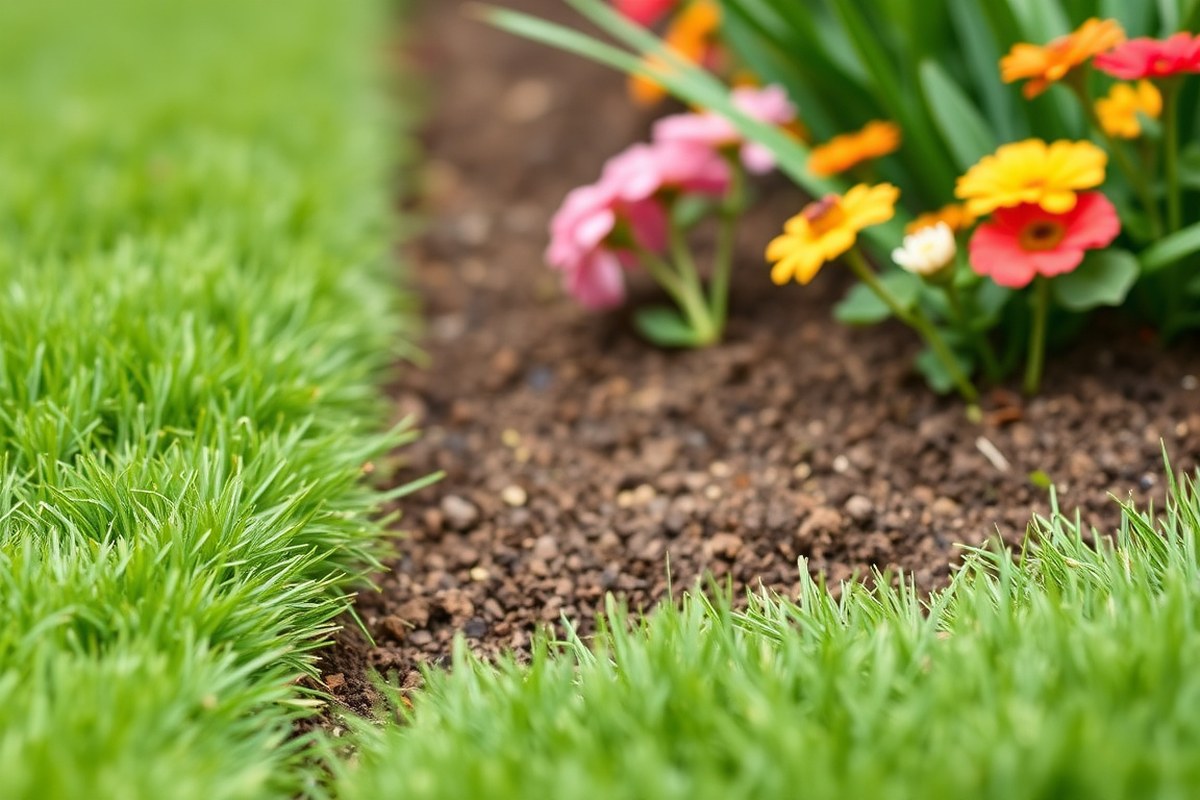
Lawn edging means cutting a clean line where your grass meets paths, flower beds, or sidewalks. It stops grass from spreading into these areas. This clear boundary makes your yard look neat and well kept.
Edging also helps your lawn stay healthy. Dig down about 2 inches next to the lawn edge. Place your edging tool about 2 inches from the border.
This cuts the grass roots that try to spread out. This keeps grass where you want it and prevents weeds from mixing in. It also protects garden beds by creating a small slope that directs water away from plants.
The best time to edge is during spring when grass grows steadily and soil is soft. Start edging right after you mow the lawn. This shows how tall your grass is now.
It helps you see where to trim. Trim the lawn edge every one or two weeks in spring and summer.
This keeps your yard looking neat. It also makes lawn care easier.
Use simple tools for edging, such as a manual half-moon blade. Or hold a string trimmer straight for a precise cut. This works well when done properly.
It usually takes around 30 to 45 minutes to edge a small to medium lawn yourself. Hiring a pro to edge costs about $4 to $10 per foot. You can choose this if you want.
Besides making your lawn look sharper, clean edges prevent grass from invading flowerbeds and paths. This also protects vegetables and flowers, giving them room to grow. Proper edging creates a polished appearance, boosting curb appeal without much extra work.
2. Which Tools Work Best for Edging Grass
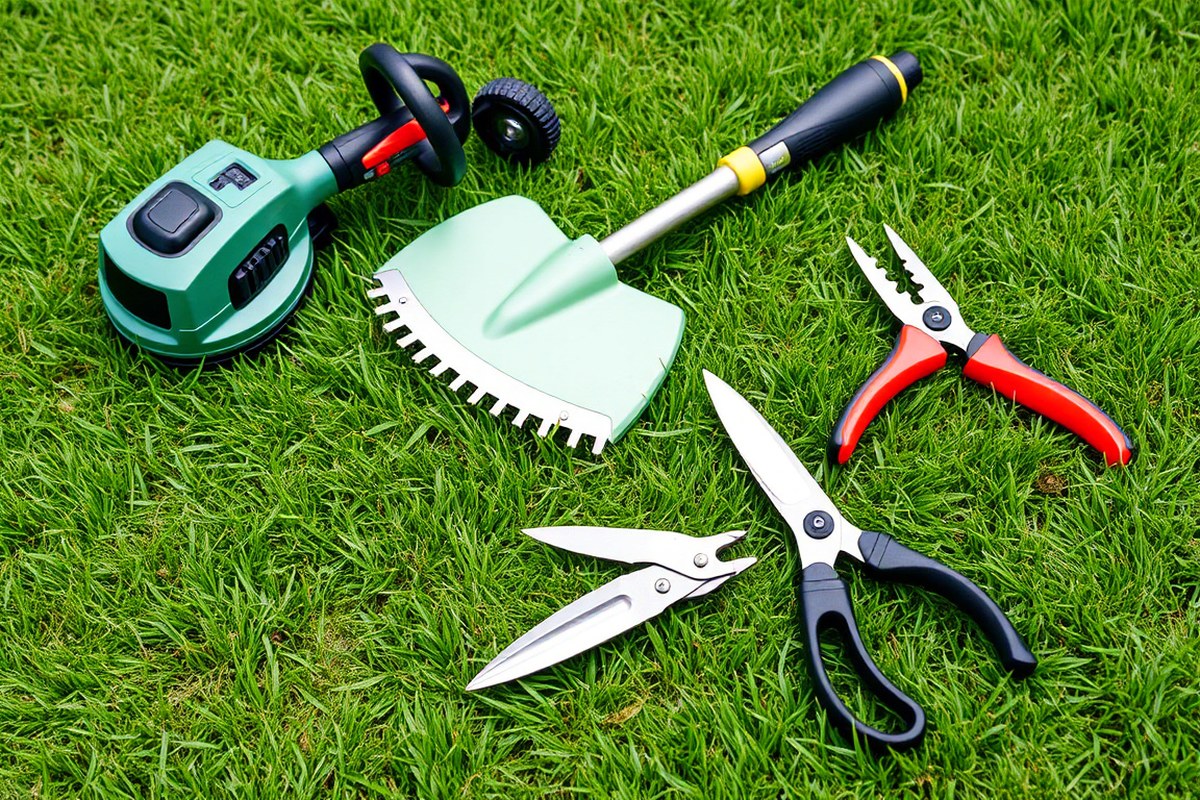
Different tools make edging grass easier or harder. It depends on your lawn size, shape, and how precise you want to be. Choose the right tool to match those needs.
String trimmers speed up the work. Manual edgers give better control on new or tricky edges.
Shears and specialized tools help with small or detailed areas. Each tool fits specific jobs and comes with its own care tips.
String Trimmers and Their Edge Mode
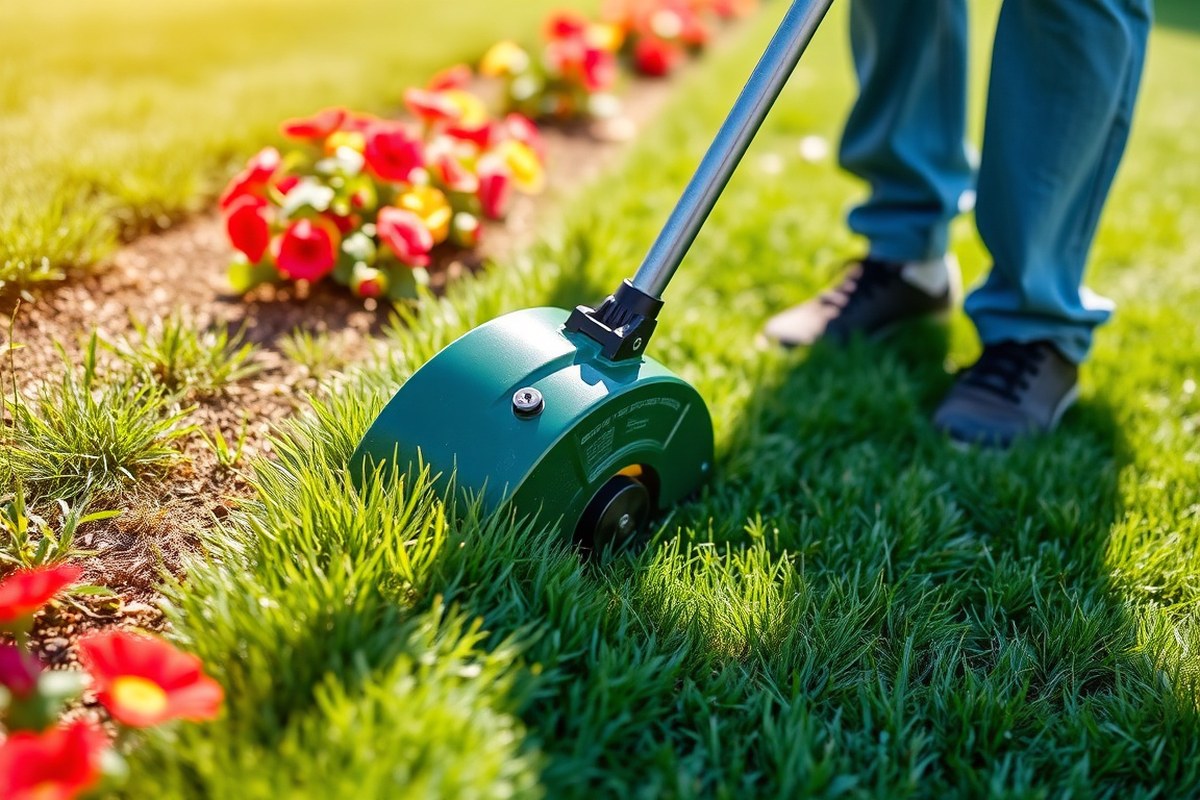
String trimmers cut grass fast and offer an edging mode for sharp lines. They work best for regular maintenance on medium to large lawns. Rotate the trimmer 90 degrees to the ground to switch to edge mode.
This gives a clean downward cut. It’s simple once you get used to it. Using a sharp line ensures a clean edge without damaging grass roots.
Trimmers with easy switch options save time, letting you mow and edge with one tool. They cost between $50 and $200, depending on power source and brand. Keep the line spool full and replace the string regularly to keep trims crisp and clean.
Work slowly along the edge in one consistent motion to avoid jagged cuts.
Manual Edgers and Half-Moon Spades
Manual edgers, including half-moon spades, cut new or deeply defined edges precisely. They suit small lawns or jobs where power tools may damage delicate plants. Push the spade down at a 90 degree angle.
Then rock it slightly to cut through the turf’s roots. This helps separate the grass cleanly. This creates a sharp, clean edge that lasts.
This method takes more time and effort but yields professional-looking, neat borders. Prices range from $20 to $70. Keep the blade sharp and clean after each use.
This stops rust and helps it cut smoothly next time. Wiping it down before storage is key.
Stand on the lawn and face the border when using manual edgers for best control.
Specialized Tools: Shears and Walk-Behind Edgers
Edge shears work well for trimming growth your mower missed along flower beds or fences. Their long handles let you stand upright and cut precisely without bending over. Use them every one to two weeks to keep edges tidy without damaging roots.
Walk-behind edgers are motorized and good for large lawns needing straight or curved edges. They offer more control than string trimmers but cost more, usually $150 to $400. Keep blades sharp and clean to protect grass health and get smooth results.
Regularly sharpen shears and blades to maintain clean, disease-free cuts on your lawn edges.
3. How to Create Straight and Curved Lawn Edges
Lawn edges look cleaner with clear lines. Marking your lawn edges before cutting helps avoid mistakes. You can create straight or curved edges using simple tools and guides.
Marking Straight Edges Using Boards or Strings
Setting straight edges needs a solid, clear reference line. A wooden board or sturdy string helps you mark where to cut. This keeps your line perfectly straight and easy to follow.
The board or string acts as a guide to hold your tool against. This way, you avoid wobbly or uneven cuts. A taut string works well if you don’t have a straight plank of wood.
- Choose the edge line you want to create.
- Put a straight wooden board along the lawn edge you want. You can also stretch a string tight between two stakes. This shows where to edge your lawn.
- Use spray paint or chalk to mark the edge along the board or string.
- Remove the board or slacken the string after marking.
- Check that the mark is clear and straight before starting to cut.
Creating Curved Edges with Garden Hose or Rope
Curved edges add a softer look and work well for flower beds. You can shape smooth curves easily with a garden hose or thick rope. The hose is flexible and stays in place while marking the curve.
Lay the hose or rope on top of the lawn surface. Move it around to make the curves you want. Shape it until you like the edge.
Secure it with U-shaped garden pegs every 1 to 2 feet to hold the shape steady. This step prevents the hose from moving before you cut.
- Pick the path for the curved edge you want to create.
- Place a garden hose or thick rope along the lawn where the curve should go.
- Adjust the hose or rope until the curve looks smooth and natural.
- Secure the hose/rope with garden pegs spaced about 1 to 2 feet apart.
- Spray paint along the outside edge of the hose or rope to mark the curve.
- Remove the hose or rope after the paint dries.
Determining Edge Depth and Width Before Cutting
Edges should be deep enough to clearly separate lawn from beds or paths. Aim for around 2 inches deep to avoid damaging grass roots. This depth also gives a clean drop-off between the lawn and border.
The width of the edge matters too. Usually, a 3 to 4 inch wide strip works well. This size is wide enough for neat trimming but not so wide it wastes lawn space.
Marking your edge with a line lets you check depth and width before cutting. Use a border spade or edging tool to create a vertical cut following the marks. Removing excess turf after marking helps form a sharp edge ready to maintain.
4. Step-by-Step Guide to Edging Grass Like a Pro
Edging your lawn step by step ensures neat, clean lines that highlight your grass and landscaping. You’ll start by mowing your lawn first.
Then use a string trimmer, power edger, or a half-moon manual edger to cut edges. Finally, finish by cleaning up the cut turf and smoothing the edges for a polished look.
Preparing the Lawn and Mowing First
Start by mowing your lawn to avoid scalping the grass during edging. Keep grass at a steady height before edging.
This helps you see the edge better. It also stops uneven spots from showing up.
Remove any debris, such as sticks or stones, from your lawn edge. This prevents damage to tools and ensures a smooth cut.
Cutting Edges with a String Trimmer or Power Edger
Using a string trimmer or power edger creates sharp, professional-looking edges quickly. Flip a straight-shaft string trimmer vertically to hold it at a 90-degree angle to the ground.
Use about 4 to 6 inches of trimmer line for a clean cut. Step down firmly to cut about 2 to 3 inches deep into the soil. Keep the throttle steady and move slowly to maintain a straight line.
- Hold the trimmer vertical, at a 90-degree angle to the soil.
- Let out 4 to 6 inches of line for an effective cut.
- Step down firmly to cut about 2 to 3 inches into the turf and soil.
- Move the tool slowly along the edge to keep it straight and even.
- Keep the throttle steady and practice first on a small section.
Using a Manual Edger to Cut and Remove Turf
A half-moon edger works well for smaller lawns or fine-tuning edges. Step down firmly with your tool. Cut through grass and soil about 2 to 3 inches deep.
Push the half-moon blade straight down. Rock it slightly, then pull up to loosen turf and remove it. This shapes the edge sharply and prevents grass from spreading.
- Place the half-moon blade on the lawn edge at the desired line.
- Step firmly on the tool to cut straight down 2 to 3 inches deep.
- Rock the blade slightly to loosen the turf from soil.
- Pull the loosened turf away carefully to reveal a clean edge.
- Repeat along the entire edge to maintain consistent depth and angle.
Cleaning and Finishing the Edge
Remove all loosened grass and soil from the edge using a broom or small rake. This makes your turf look tidy and highlights the sharp edge.
Check the angle of your edge. A 20 to 40-degree inward slope prevents grass drying and browning. You can water the edge lightly to help it recover after cutting.
5. When and How Often Should You Edge Your Lawn
Edge your lawn in early spring, before grass starts growing fast. This timing lets you clean up winter damage and define clear borders. Then, refresh your lawn edges every two months during the growing season to keep them sharp.
Grass usually grows faster in warmer months. So you may need to edge more often from late spring through summer. A good rule is to re-edge every two to four weeks during this time.
Your lawn grows fast. Edge it every two weeks for clean lines.
Avoid edging when the soil is very dry or soggy. Dry soil makes cutting clean edges harder and can cause damage. Wet or soggy ground leads to messy edges and soil compaction, which hurts grass health.
Shaded areas often have thinner grass, letting soil creep into your borders. Check these spots more often and edge monthly to keep the lines crisp. Using permanent edging like steel or rubber cuts down edging frequency.
Set your edging tool at a 20- to 40-degree angle for best results. This angle cuts a neat V-shaped trench that stops grass from growing over the edge. Freshly cut edges look tidy and help keep grass from invading flower beds or paths.
Edge your lawn once in early spring. Then edge every 2 to 4 weeks during growth. This keeps edges neat and tidy.
6. Maintaining and Caring for Lawn Edges After Cutting
Trim edges weekly with long-handled shears to keep them crisp. This regular snip prevents grass from growing over the borders. Avoid heavy trimming all at once to let grass stay healthy and strong.
Light watering right after cutting helps stressed grass recover. Use a gentle spray that moistens the soil without flooding it.
Excess water can cause the edges to become soft and messy. So water lightly and only when needed.
Mow close to the edge without cutting more than one-third of the blade. This keeps lawn edges looking neat and healthy.
Cutting too much weakens the grass and leads to bare spots. Mow slowly near the edge to avoid nicking the soil or damaging nearby mulch or barriers.
Put mulch along garden beds or paths near grass edges. It slows weed growth and keeps the edges tidy.
Use a 2 to 3-inch layer of organic mulch like bark or pine needles. Avoid edging after putting down mulch to prevent disturbing these clean borders.
For hard edges along fences or walkways, setting a physical barrier helps maintain sharp lines. Materials like plastic or metal edging cost around $1 to $3 per foot.
Dig a narrow trench to install these barriers. Press the edging into the soil to make mowing easier.
Closed edges where lawn meets sidewalk or wall are easier to care for. The clear boundary helps with maintenance. Just mow or trim right up to the edge.
For open edges near flower beds, watch for grass creeping in. Trim it weekly to keep the separation clear.
7. Common Mistakes to Avoid When Edging Grass
Cutting too deep is a common mistake that stresses grass. Power edgers and manual tools should cut just about 2 inches deep. Cutting deeper causes soil and grass edges to dry out and brown, which damages your lawn.
Using a weed wacker can create uneven, ragged edges and damage grass. Instead, try a half-moon edging tool for clean, precise cuts next to paving or beds.
You can also invert the weed eater to cut at a 90-degree angle. But only if you handle it carefully.
Rushing through edging often results in inconsistent lines and rough edges. Work slowly and steadily, cutting along the marked edge line. Mark sprinkler lines beforehand to avoid accidental damage while edging.
Work from the non-turf side with a spade. Hold the spade at a 45-degree angle. Lift the cut sod carefully for a neat edge.
This technique keeps edges clean and prevents compressing freshly cut areas with the mower later. Re-cutting edges in spring with your half-moon tool helps maintain sharp, tidy borders.
Failing to sharpen blades regularly worsens cut quality. Sharp blades keep edges smooth and reduce tool effort. Taking time to maintain your equipment pays off in crisp lawn edges that look professionally done.
8. How to Edge Grass Near Paths, Beds, and Fences Safely
Edging grass near hard surfaces and structures needs care to avoid damage. Use the right tools to protect your plants and yourself. Sharp steel blade shears and flat spades help create clean lines near sidewalks and fences.
Work slowly to avoid hitting concrete or wood. Keep a safe distance from flower beds and fences.
Use manual cutters for delicate plants to prevent harm. Professional help is best if the area has many plants or tricky corners.
- Walk along the edge of the path or fence to set your guide line.
- Use a flat spade or half-moon edger to cut a straight, clean line.
- Trim grass right up to but not into flower beds, fences, or paths.
- Use steel blade plant shears to carefully clip grass near precious plants.
- Remove grass and sod growing over sidewalks or driveways gently.
- Clear away clippings to avoid buildup near hard edges or beds.
- Consider adding mulch or brick edging to reduce future edging work.
- Call a lawn care professional if you’re unsure about tricky spots or damage risk.
Always watch your footing near hard surfaces. This helps avoid slips. Tool slips can hurt plants or you.
Step-by-Step Action Plan for Neat Lawn Edges
Follow this simple plan to get sharp, clean lawn edges in no time. Each step helps you see your progress clearly.
- Day 1: Choose the right edging tool for your lawn size and shape. Test it on a small area to check ease of use.
- Day 2: Mark the edge line using a garden hose or string. It should look smooth and guide your cuts well.
- Day 3: Edge along the marked lines, cutting about 2 inches deep. Check if grass detaches cleanly without extra tearing.
- Week 1: Use a broom or blower to clear trimmed edges. This helps you see the clean boundary clearly. Trim the edges again when they look ragged.
- Week 2: Water the edges lightly to help grass recover. Soil should feel moist but not soggy around the edges.
- Month 1: Monitor regrowth along edges. When grass grows about 2 inches over the line, repeat edging to keep shape crisp.
Frequently Asked Questions
Can I Use a String Trimmer to Edge My Lawn?
Yes, a string trimmer works well for quick lawn edges. Hold it straight up to cut a clean edge. Aim for about a 90-degree angle to the grass.
This helps keep your lawn looking tidy. This method is good for rough shapes and keeps edges tidy between deep cuts.
What Is the Best Soil Slope Angle to Prevent Grass Overgrowth?
A 20-degree slope away from your lawn is ideal. This slope helps keep grass from creeping into flower beds or vegetable gardens. After edging, pack soil along the cut line.
This forms a clear, neat boundary. It also makes lawn care easier later.
How Deep Should I Step to Cut a Clean Lawn Edge?
Step down firmly about 2 to 3 inches deep to create a clean edge. This depth ensures you cut through both soil and grass roots for a clear boundary. Avoid shallow stepping, or the edge will not hold well and grass may grow over.
Can I Edge My Lawn When the Soil Is Dry and Hard?
Dry and hard soil makes edging difficult and uneven. Spring is best for edging since soil is soft and grass grows steadily. Working in soft soil helps you cut easily and create well-defined edges without damaging the turf.
How Long Does It Usually Take to Edge a Small Lawn?
It takes roughly 30 to 45 minutes to edge a small to medium lawn. Timing depends on your lawn’s shape and the tool used. Going slow and steady helps you get neat, straight edges without missing spots.
Is It Necessary to Water the Lawn After Edging?
Lightly watering the lawn after edging helps grass recover faster. This moisture soothes freshly cut edges and prevents dry, brown patches. Avoid heavy watering, which can wash away soil packed along the edge.
Wrapping Up
Sharp lawn edges really boost your yard’s look and charm. Start by picking a tool that fits your lawn’s needs. The cleaner edges you make, the easier it gets to keep your lawn neat and inviting.