What Does Marigold Leaves Look Like? A Complete Guide to Identification & Care
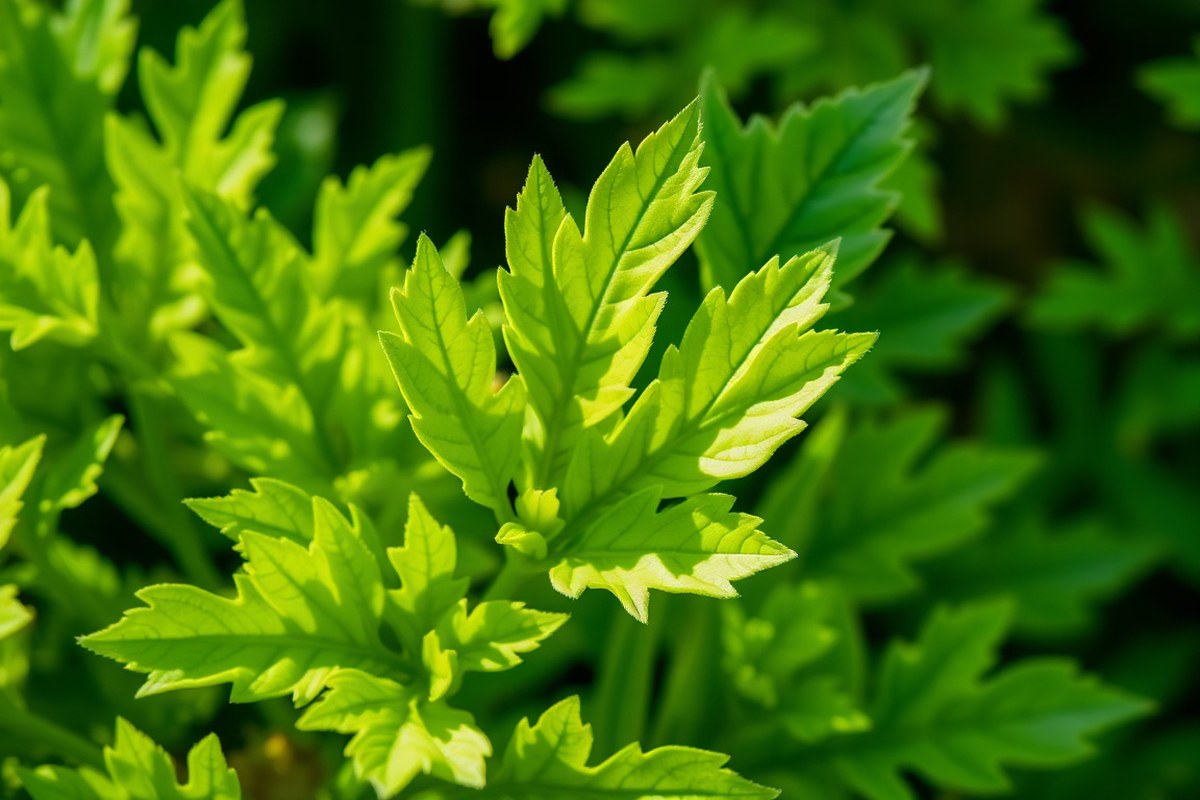
What does marigold leaves look like? They are usually lance-shaped to oval with slight serrations. Most measure between 1 and 6 inches long.
They feel hairy or sticky to touch. You can notice these textures easily.
The leaves often grow opposite on the stem and can be broad or narrowly pointed. You’ll notice they show a steady growth every few days during the growing season. Their texture varies slightly by species but usually has a mild stickiness.
Marigold leaves vary from pale to deep green. Light and soil affect their color. You might see these changes often.
Look for yellowing, browning, or curling on leaves. These signs show watering or light problems.
Acting fast helps your plant. Starting with proper sunlight and watering helps keep the leaves healthy and vibrant.
Key Takeaways
- Mature marigold leaves often measure between 1 and 6 inches long.
- Leaves typically have a lance-shaped or slightly serrated edge.
- Healthy leaves grow visibly every 3 to 5 days during active periods.
- Opposite leaf arrangement helps spot marigolds early before flowers show.
- Leaf stickiness and slight hairiness are common in most marigold types.
- Yellow or curled leaves usually signal watering or light problems.
What Do Marigold Leaves Look Like? Key Identification Features
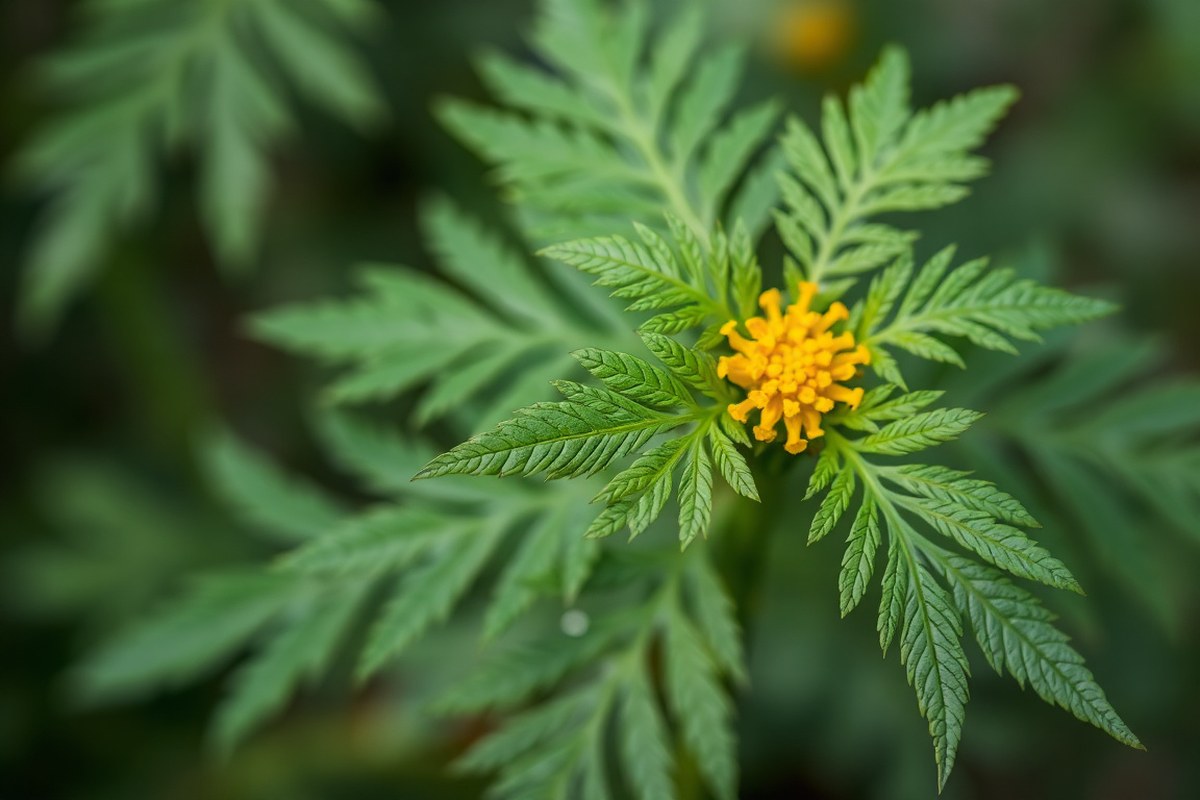
Marigold leaves typically measure between 2 and 6 inches long. Their shape is lance-like, often resembling small green feathers attached to stems. You’ll notice the leaves are deeply lobed or feathery with jagged or serrated edges.
The leaf arrangement is opposite on the lower stems, which helps with identification. Most marigold leaves have a sharp, pungent smell when crushed. This scent makes it easier to tell them apart from similar plants or weeds.
The texture can vary depending on the type of marigold. French marigold leaves are delicate and lacey.
African marigold leaves feel broader and tougher. Both types share the characteristic of finely divided or fringed leaflets.
How Marigold Leaf Appearance Differs by Species and Variety
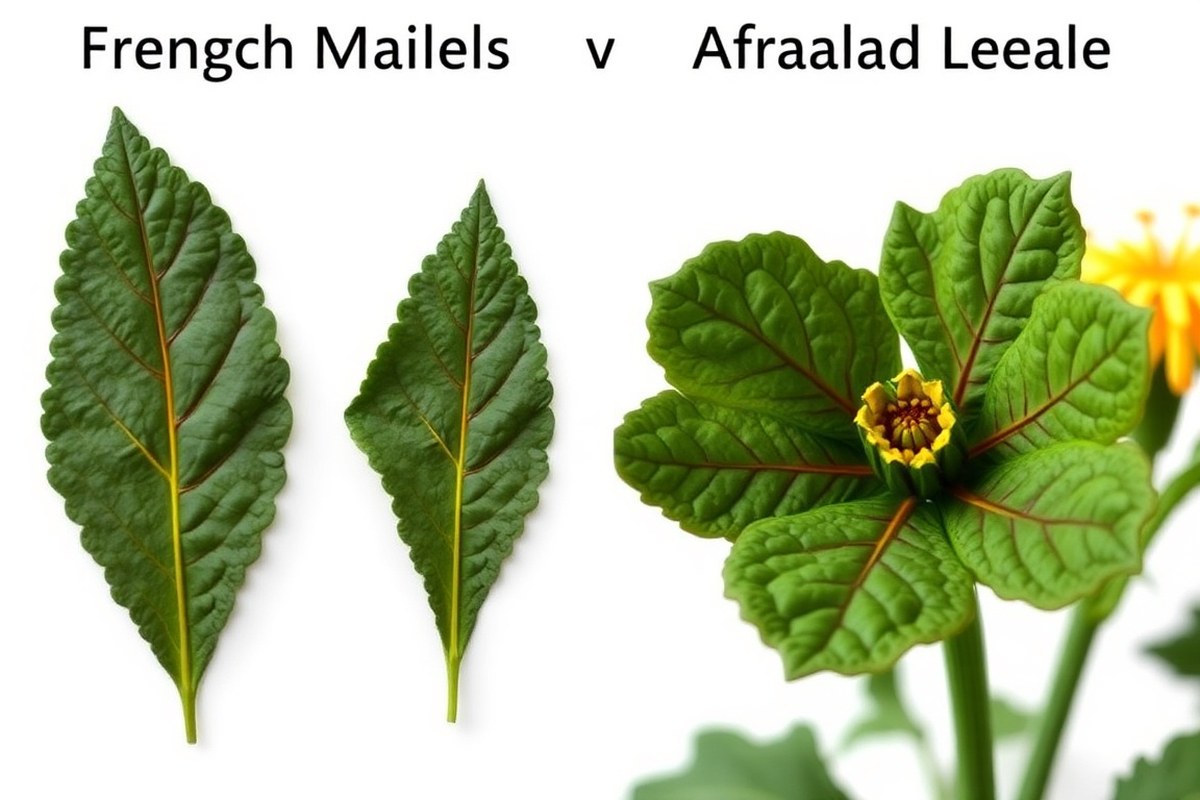
French marigold leaves tend to be smaller and more delicate than African marigold leaves. They have finely divided, feathery leaflets that look almost lace-like. African marigold leaves are broader and larger than others.
They have a coarse texture. These leaves often look strong and heavy.
The leaf shape differences come down to the species’ natural growth habits. African marigolds usually grow much bigger than others. Their leaves can reach up to 6 feet tall.
The leaves are long and spaced apart. French marigolds grow shorter and bushier, with a dense clustering of fine, deeply divided leaf segments.
Leaf texture and color also help tell these marigold types apart. African marigolds show a lighter lime-to-medium green shade. French types often have a richer, darker green color.
Texture-wise, African leaves feel firmer and slightly rough. French marigold leaves are softer and display neat, sharp teeth along the edges.
| Factor | Impact on Density | Resulting Appearance |
|---|---|---|
| High Sunlight | Stimulates lateral branching | Compact, bushy, and “tight” foliage |
| Low Light | Causes “etiolation” (stretching) | Leggy stems with sparse leaf gaps |
| Regular Pruning | Encourages new side shoots | Extremely dense, hemispherical shape |
These differences matter because leaf size and texture affect the plant’s overall look. Larger, rangy leaves on African marigolds make them stand out more. French marigolds look neater and compact.
Light and pruning affect how leaf clusters grow. These changes make clusters dense or spread out. Growing conditions matter a lot.
Most marigold species have pinnately compound or deeply pinnatifid leaves. This means the leaf is split into multiple narrow, pointed segments along a center stalk. This feature helps you identify marigold types over similar plants.
Fine, delicate leaves often belong to signet or French varieties. Larger, tougher leaves usually point to African or Aztec marigolds.
Make sure to check overall plant size and leaf texture together. Just one feature rarely tells the full story.
How to Identify Marigold Leaves Before Flowers Appear
Marigold seedlings show distinct leaves before flowers emerge. You can identify them by their narrow, feather-like shape along the stem. Watching their growth over days helps confirm the plant’s identity.
Step 1: Observe Leaf Shape and Arrangement
Seedlings first grow simple, rounded seed leaves. After these, true marigold leaves appear, showing their signature feather-like shape. Look for divided leaves with narrow sections lined up along the stem’s central stalk.
The leaf arrangement is alternate along the stem. This means leaves don’t grow opposite each other but stagger, giving a bushy look. Note how the plant forms compact clusters early on.
Step 2: Check Leaf Color and Texture
Young marigold leaves usually have a fresh green color, from bright lime to deeper shades. New growth often appears lime or chartreuse under bright sunlight.
Check for soft textures, avoiding leaves that look yellow or pale green. That could mean nutrient issues.
Healthy leaves feel slightly smooth but firm. They don’t have wilting edges or spots. Look closely for any sticky residue or insect signs, which might change leaf appearance.
Step 3: Compare with Common Seedling Lookalikes
Many seedlings look alike at first, but marigold true leaves have a feather-like division. Compare your plants to a known marigold with mature leaves if possible.
Feel the leaf texture and check the scent. Marigolds have a mild aroma when crushed.
Watch the stem thickness too. Marigolds tend to have sturdy, slightly hairy stems. Remember, some weeds have similar leaf shapes but lack this scent and growth pattern.
Step 4: Monitor Growth Patterns over Days
Marigold seedlings show steady new leaf growth every 3 to 5 days in good conditions. Track your plants’ growth closely for one to two weeks after sprouting. New leaves will develop the same divided pattern and maintain the alternate stem arrangement.
Growth slows if the plant lacks water or nutrients. Water marigolds carefully during their first 10 to 12 days after transplanting. This helps leaves stay healthy and avoid early yellowing or curling.
- Look for rounded seed leaves first, then narrow true leaves.
- Check if leaves grow alternately along the stem.
- Notice if leaves divide into narrow sections like feathers.
- Observe leaf color, making sure it stays bright green or lime.
- Feel leaf texture for firmness and smoothness.
- Smell crushed leaves for a mild, aromatic scent.
- Compare the plant’s stem to known marigold thickness and hairiness.
- Monitor leaf growth every 3 to 5 days for steady development.
How Healthy Marigold Leaves Vary in Color and Texture
Common Color Ranges of Healthy Marigold Leaves
Healthy marigold leaves usually show a bright to deep green color. The exact shade varies between lighter and darker greens, depending on the variety. This color signals good chlorophyll levels, which means the plant is photosynthesizing well.
Some marigold varieties may have slight color variations, like hints of yellow-green. However, pure yellow or brown spots usually mean stress or disease, not health. Watching leaf color helps you catch problems early before flowers bloom.
Leaf Texture and Surface Features
Marigold leaves feel soft but are firm with a slightly feathery structure. The leaves split into narrow, jagged lobes, giving them a delicate, divided look. This shape helps increase surface area for light capture.
The underside of the leaf stays clean and smooth, without fuzz or powder. Leaves also smell pungent and slightly spicy when pressed, a natural defense against pests. This smell shows leaves are fresh and healthy.
How Leaf Structure Reflects Plant Health
Leaves attach to the stems at about a 45-degree angle, allowing good sunlight exposure. Firm, upright leaves without drooping indicate the plant is well watered and not stressed. Limp or curled edges often mean overwatering or pests.
Plants with healthy leaves grow steadily during spring. By day 7 to 10 after transplanting, they show clean, bright foliage.
Early true leaves begin small but quickly develop into the feathery adult leaves. This growth pattern shows your marigold is thriving.
Variations Across Marigold Varieties
Some marigold types have leaves with finer lobes or more compact growth. These differences cause slight changes in shade and texture but still follow the feathery pattern. You can tell species apart by looking closely at these leaf details.
Yellow and orange flowers usually come with medium to dark green leaves. Varieties with different flower colors might show softer green shades.
But the feathery shape stays consistent. Knowing these leaf traits helps identify the variety without flowers.
Why Are My Marigold Leaves Turning Yellow, Brown, or Curled?
Yellow or Brown Leaves from Water Issues
Too much water can drown marigold roots, turning leaves brown or yellow. Overwatering keeps the soil wet, causing root rot and poor leaf health. On the flip side, underwatering dries out roots, also stressing leaves and causing color changes.
Check soil moisture by touching it. When soil stays soggy 1 to 2 days after watering, water less.
Allow soil to dry slightly between watering sessions. You want moist, well-drained soil, not wet or dusty dry.
Pests and Diseases That Harm Leaves
Look closely for tiny pests like aphids and spider mites if leaves curl or have holes. These insects suck leaf juices, leading to discoloration and leaf damage. Powdery mildew is a common fungal disease that covers leaves with a white, powdery layer.
Spray marigolds gently with water to wash pests off. Use insecticidal soap if bugs persist.
Remove and discard infected leaves straight away to stop fungus spread. Good air circulation helps prevent mildew and many fungus problems.
Light and Spacing Problems Cause Leggy Growth
Marigold leaves turn pale without enough sun. They need six hours. Lack of sun makes the leaves sparse too.
Overcrowded plants compete for light, making stems stretch thin and leaves fewer. You’ll see weak growth with few, light-green leaves.
Move plants to a sunnier spot or thin out crowded areas. Space seedlings 8 to 12 inches apart for good airflow and light. This encourages strong stems and plenty of healthy leaves.
Leaf Aging and Natural Changes
Older marigold leaves near the bottom often turn yellow slightly as the plant grows. This natural shedding makes room for fresh leaves on top. Yellowing that stops at old leaves is no cause for worry.
Yellowing on new growth means stress. It might be from water, pests, or nutrients. Keep an eye on fresh leaves to catch problems early and keep your marigolds healthy.
Inspect your marigold leaves regularly for pests or color changes. Early detection saves your plant time and stress.
How Light, Water, and Soil Affect Marigold Leaf Growth and Appearance
Marigold leaves need plenty of sunlight to look their best. They do well with about 6 hours of direct sun daily. Without enough light, leaves grow pale and weak, slowing new leaf development during the growing season.
Watering plays a big role in leaf health. Soak the soil deeply to reach the roots, then let it dry before watering again.
Too much water causes root damage and yellowing leaves. Underwatering makes leaves curl and turn dry.
Soil must drain well to keep marigolds healthy. Use loose, sandy, or loamy soil with good nutrients.
Poor soil or low phosphorus and potassium can turn leaves purple or patchy. Test soil in advance to keep nutrient levels balanced.
Spacing marigold plants about 8 to 12 inches apart helps air flow and leaf growth. Crowded plants get less light and often have fewer healthy leaves. Pruning off dead leaves also helps new foliage emerge fuller and greener.
Stress from heat, insects, or water issues shows quickly in new leaf edges. Watch for distorted or spotted leaves as signs your plant needs care. Adjust light, water, and check soil to get leaves growing strong again.
How to Differentiate Marigold Leaves from Similar Plants and Weeds
Look closely at leaf shape and texture to tell marigolds apart from weeds. Marigold leaves have fine, lacy divisions that make them appear feathery. This detail helps tell them apart from plants with simple leaves.
These leaves are smooth and oval, like ragweed or mugwort. Cosmos seedlings sometimes confuse gardeners because their leaves also look finely divided.
Smell is another clear way to tell marigolds from lookalikes. Crush a leaf gently and notice the scent. Marigold leaves typically give off a distinct spicy, citrusy odor.
Weeds like ragweed or mugwort usually lack this aroma or have a more herbal, earthy smell. The scent test is quick and handy, especially before flowers appear.
Watch for how leaves grow on the stem. Marigolds’ leaves often grow alternately, with each leaf on a separate point along the stem. In contrast, some similar weeds have paired leaves growing opposite each other.
It takes a careful eye, so check multiple leaves closely. Getting the timing right matters too.
Marigolds bloom around 45 to 50 days after planting. So leaf shape may become clearer by then.
Seedlings can look very similar in early stages. To reduce mistakes, wait until true leaves develop and spread before deciding what plant you have. Combine the leaf shape, smell, and leaf growth pattern for best results.
Relying on just one trait risks mixing up plants and wasting care. You could treat a weed instead of your marigold by mistake.
When to Harvest Marigold Leaves and Their Edible Uses
Marigold leaves are edible but taste quite bitter and slightly spicy. They aren’t as tender or flavorful as the petals, so chefs use them sparingly. Only the leaves and flowers of garden marigolds are safe to eat.
Other parts, like stems or roots, should not be eaten. Stick to leaves and flowers for your recipes.
Harvest leaves early in the growing season before the plant flowers. Leaves picked too late become tough and develop a stronger bitter flavour. Choose young, fresh leaves that look healthy and vibrant green without any yellow or brown spots.
Gently pinch leaves from the upper sections of the plant to avoid harming its growth. Take no more than one-third of the leaves from any single plant at once. Wash leaves well before using to remove dirt or tiny insects.
Marigold leaves are useful in salads, soups, or as a garnish. But their bitterness means a little goes a long way. Users often chop the leaves finely to blend the flavor into dishes.
Marigold also has wound-healing properties. But culinary use should focus on clean, young foliage only.
Only harvest leaves from marigold plants grown without pesticides for safe eating.
Step-by-Step Action Plan to Identify and Care for Marigold Leaves
Follow these steps to spot marigold leaves and keep them healthy in your garden.
- Before planting: Learn the leaf shape: Look for pinnate leaves with serrated edges to confirm marigolds.
- Week 1: Check foliage color and texture regularly. Healthy leaves are bright green and slightly fuzzy.
- Week 2: Look at your plants side by side with photos. Check differences in leaves or flower shapes carefully. This helps you identify your marigold species correctly.
- Week 3: Check if leaves turn yellow or brown. These colors may show your plant’s water or light stress. Adjust care to keep plants healthy.
- Week 4 and onward: Adjust watering and sunlight based on leaf health. Marigolds prefer full sun and moist soil.
- Before flowering: Identify leaves confidently to distinguish from similar weeds like ragweed or tansy.
- Harvest time: Pick only fresh, green leaves from your marigold. Avoid leaves that look damaged or have spots. This keeps your harvest high quality.
Frequently Asked Questions
How to Identify Marigold Leaves?
Look for small, green feather-like leaves attached to branching stems. They usually grow in pairs along the stem and have a slightly serrated or lance-shaped edge. New leaves appear every 3-5 days in active seasons, helping distinguish marigolds from other plants.
What Do Marigold Plants Look Like When They First Come Up?
Marigold seedlings have tiny, smooth, oval leaves at first. These early leaves differ from mature ones and are less textured. As plants grow, feather-like leaves start to form along the stem.
Do Marigolds Grow Back Every Year?
Most marigolds are annuals that die after the first frost. This means they usually don’t come back the following year. You’ll need to plant new seeds or seedlings each spring for a fresh crop.
What Does a Regular Marigold Look Like?
A common marigold is bushy with stems up to 18 inches tall or more. Leaves are green, feather-shaped, and grow opposite each other or alternately along stems. Flowers bloom after leaves fully develop.
Can Marigold Leaves Tell If the Plant Is Healthy?
Yes, healthy marigold leaves are bright green and firm. Yellow or curled leaves often indicate watering or nutrient problems. Watching leaf color helps you catch issues early.
Are Marigold Leaves Edible and Safe to Use in the Kitchen?
Yes, marigold leaves are edible but usually mild in flavor. People add them in salads or teas. Make sure leaves come from plants grown without pesticides.
Before You Go
Marigold leaves have a unique shape and texture that helps you identify them easily. Watching their leaf color and health tells you when to adjust care. Start by learning the leaf traits and watch your plants as they grow.