What Is This Weed: A Complete Guide to Identify and Control Common Weeds
What is this weed taking over your garden? Identifying the weed quickly helps you pick the right control method and keep your plants safe.
Look closely at its leaves, stems, and growth pattern to start recognizing it. Documenting your findings with photos makes research easier and prevents mistakes later.
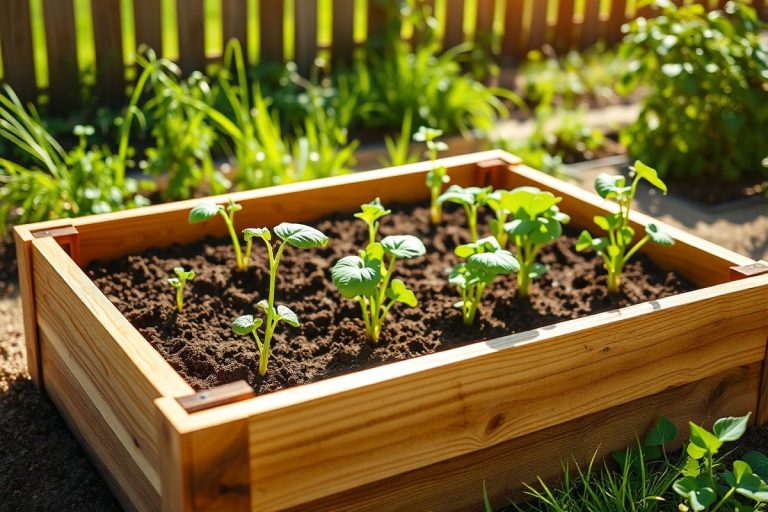
Some weeds spread by seeds, while others creep through roots deep in the soil. Knowing the growth cycle helps you time your removal before they set seeds. Mulch garden beds with at least two inches of wood chips.
This blocks sunlight from reaching weed seeds. It helps stop many of them from growing.
Watch for weeds spreading through tough root systems that can reach many feet underground. Removing seed heads early prevents the long-term buildup of dormant seeds in the soil. Using a good plant identification app can speed up this process, saving you time and guesswork.
Key Takeaways
- Inspect weed leaves, stems, and roots for distinct features before removal.
- Remove weed seed heads to prevent seeds from spreading and staying viable.
- Use a 2-3 inch layer of wood chip mulch to block weed seed germination.
- Time weed control to their growth cycle for best results.
- Beware of deep or spreading root systems that resist easy removal.
- Take photos and notes to correctly identify unfamiliar weeds later.
What Defines a Weed and Why Identification Matters
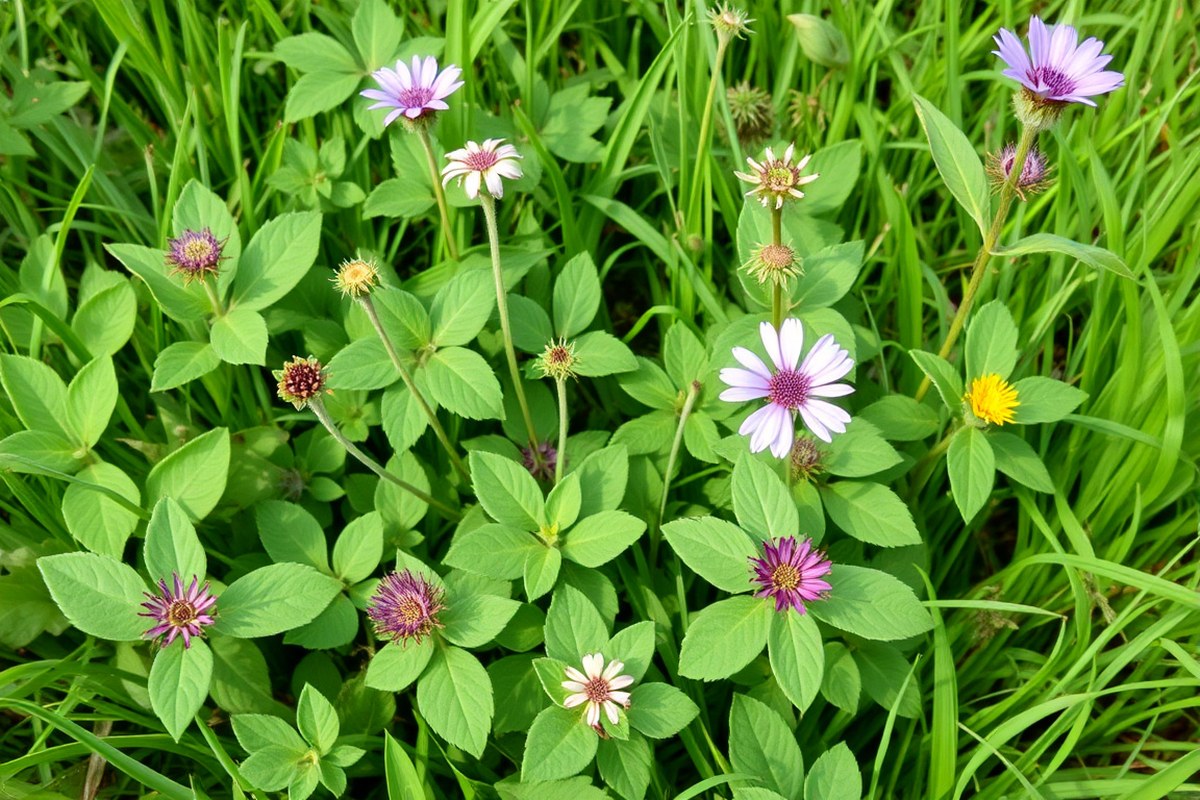
A weed is any plant that grows where you don’t want it. Weeds usually harm your garden by stealing nutrients or space. This takes resources away from the plants you want.
Your garden suffers when weeds grow unchecked. Not all unwanted plants are weeds. Some may be harmless or even helpful depending on your garden’s goals.
You need to identify a weed before removing it. Different weeds require different control methods. Knowing your weed helps you choose the right approach.
Some weeds produce thousands of seeds, spreading quickly if pulled at the wrong time. Identify if your weed is broadleaf, grassy, or sedge.
This helps you choose how to stop its growth. The right method makes control easier and faster.
Taking time to identify weeds doesn’t cost much. It can save you hours of hard work later. Knowing your weeds helps you work smarter.
You can use tools like IdentifyThis.app that offer specific weed info including lifecycle and control tips for a small annual fee. This helps you avoid wasted effort or accidentally letting harmful weeds return after treatment.
Proper weed identification also protects your garden from pests and diseases. Weeds often harbor insects or fungi that damage your cultivated plants. Removing weeds early keeps your garden healthier.
It also lowers the chance weeds come back. Early action saves you more effort later.
Some plants seen as weeds can have benefits. For example, lamb’s quarters is an edible plant. You might find useful plants by looking closer.
Identifying it correctly allows you to decide if removal is really necessary. This careful look can prevent unnecessary work and even add value to your garden.
When you identify the weed, check if it’s invasive or native. Native plants can become weeds when they spread too far. They crowd out other local plants and change the area.
This can hurt your garden’s balance. Using a guide or app helps confirm plant species.
This shows you their impact on your garden. You can then pick the best way to manage them.
Weed identification means knowing what you have. This lets you act carefully and wisely to control them. It helps protect your garden better.
Jumping into removal without knowing the plant type can lead to poor results and bigger problems. Getting familiar with your garden’s weeds first is the smartest start to effective control.
How to Identify Unknown Weeds Accurately
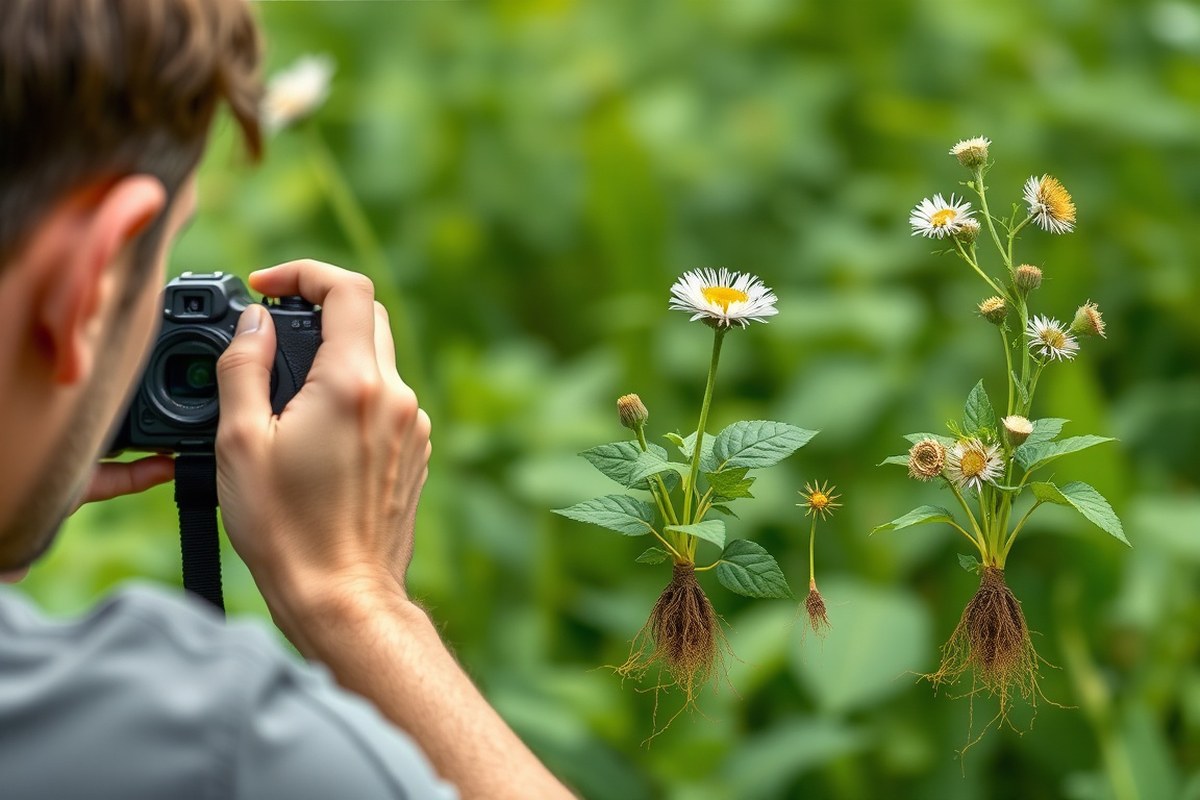
To identify unknown weeds accurately, take clear photos of key plant parts and note growth habits. Use smartphone apps to compare your photos with database images and descriptions. Focus on leaves, stems, flowers, and seeds for reliable matches.
Key Photos to Take for ID
Take clear photos of the whole weed to capture its growth pattern. Include how it stands, spreads, or climbs across the ground. Noticing these shapes helps identify the weed species faster.
Next, get close-up photos of leaves, flowers, and seed heads if available. Take multiple photos at different growth stages, especially if the plant keeps coming back. Some weeds are easier to identify when flowering.
- Photograph the whole plant against a plain background.
- Capture the leaf shape clearly from top and bottom.
- Snap close-ups of flowers or seeds if present.
- Take pictures at morning or late afternoon for better light.
- Document different growth stages over days or weeks.
- Include nearby plants or soil for context if needed.
Strong, natural light makes photos sharper, avoid harsh noon sun that causes shadows.
Using Smartphone Apps and Websites
Smartphone apps with AI weed identification can recognize over 300 species worldwide. Upload your photos to get ID suggestions and control tips. These tools save time but work best with clear close-ups of key features.
Free online databases provide photos and descriptions for manual comparison. Use dedicated weed ID sites designed for your region. Check multiple sources to confirm matches because appearance can vary by growth stage.
Apps often recommend management steps like manual pulling, mulching, or herbicide use. Use these recommendations cautiously and follow local guidelines. Apps are helpful for quick IDs but not always 100% accurate.
Features to Note: Leaves, Stems, Flowers, Seeds
Leaves show the most helpful clues. Note shape (like arrow-shaped or lobed), edge (toothed or smooth), and color. Measure leaf size and look for unique markings or hair on stems.
Flowers vary by color, size, and arrangement. Yellow dandelion-like flowers or small white clusters suggest different weed types.
Seed heads help too. Watch for white puffs, triangular pods, or spike-like structures.
Growth pattern matters: does it grow tall, creep on the ground, or form dense mats? Any visible roots or underground stems also aid ID. Record as many details as possible for a clearer picture.
Common Weed Types and Their Key Identification Features
Home gardens often contain common broadleaf and grassy weeds that compete with your plants. Knowing the key features of these weeds helps you identify and tackle them quickly. Some weeds have unique flowers or leaf shapes that make spotting them easier.
Common Broadleaf Weeds
Broadleaf weeds usually have wider leaves than grasses with visible veins and various shapes. Yarrow has feathery leaves and flat, white flower clusters. Greater Plantain grows low with broad, oval leaves and tall flower spikes.
Virginia buttonweed forms mats and has small white flowers. This weed thrives in moist, poorly drained yards. Selfheal has purple flowers and oval leaves, common across all types of lawns.
Common Grassy Weeds
Grassy weeds are narrow-leaved and grass-like, often mistaken for lawn grass but unwanted. Crabgrass is light green with spiky seed heads turning brown as they ripen. It grows quickly and invades warm-season lawns.
Quackgrass is a persistent perennial with long, shiny blades and spreading rhizomes underground. It prefers cool climates and can be hard to remove without herbicides. Look for its rough leaf edges to tell it apart from crabgrass.
Invasive vs Native Weeds
Invasive weeds come from other regions and crowd out native plants aggressively. Crabgrass is invasive and grows in nearly every climate. Bridal creeper is another invasive, threatening native plants in certain areas.
Native weeds are local plants that grow naturally in your area. They are hardier than many other plants. These weeds can still crowd the space in your garden.
Yarrow and Selfheal both are native and common but less aggressive. It’s important to ID them correctly for the right control.
| Weed Name | Type | Leaf Shape | Flower Color | Lifecycle | Invasive? |
|---|---|---|---|---|---|
| Yarrow | Broadleaf | Feathery, narrow | White | Perennial | No |
| Selfheal | Broadleaf | Oval | Purple | Perennial | No |
| Greater Plantain | Broadleaf | Broad, oval | Greenish | Perennial | No |
| Virginia Buttonweed | Broadleaf | Oval | White | Perennial | No |
| Crabgrass | Grassy | Narrow, flat | Brown spikelets | Annual | Yes |
| Quackgrass | Grassy | Long, narrow, rough edges | Greenish | Perennial | Yes |
| Bridal Creeper | Broadleaf | Broad, oval | White | Perennial | Yes |
This table shows key features to tell these common weeds apart. Notice shape, flower color, and whether they live more than one year.
For example, crabgrass dies annually but quackgrass sticks around all year through rhizomes. That difference guides the treatments you pick.
Weed Growth Cycles and How They Affect Control Methods
Some weeds come back year after year, and those are called perennials. White clover is one example of a perennial weed that can return every year.
Unlike annuals, perennial weeds have roots that live underground through winter. So pulling the top won’t stop them.
Annual and biennial weeds don’t come back the same way. Annual weeds live only one growing season and survive by dropping lots of seeds. Pigweed, for example, produces over two million seeds per plant.
Biennial weeds live two years. They grow leaves the first year and flower or seed the second.
Weed seeds can stay alive underground for a long time. Curly dock seeds last up to 80 years. Some weed seeds remain in soil for 20 to 50 years.
That’s why removing seed heads before they spread matters. Use tools like prickle rollers to scoop up mature seeds, stopping new weeds from starting.
Timing your control efforts depends on the weed type and growth habits. Chickweed begins germinating when soil temperature hits 53°F to 68°F. You want to control it early before it spreads. Perennials usually need consistent control over multiple seasons, or their roots come back.
Some perennial weeds spread not just by seeds. They can use migrating root systems to grow new plants. You might need to dig deep to remove some weeds.
Use fabric or plastic to block light on weed patches. This starves the weed and stops it from growing. Bindweed is an example of a tough perennial needing several treatments.
Good weed control means attacking weeds before they make seeds or go dormant. Don’t dig too deep in your yard or garden soil. Deep digging can bring buried seeds up to the surface.
This can cause more weeds to grow later. Regularly checking your garden and removing weeds while small keeps them manageable over time.
Understanding Weed Roots: Why They Matter for Removal
Many common weeds grow deep, spreading roots that make removal tough. Some roots go down 6 to 20 feet, like bindweed or Canada thistle. These plants send up new shoots even after you pull or dig out the visible parts.
Rhizomes, horizontal underground stems, let some weeds regrow easily from tiny root fragments. For example, milk thistle and white clover spread this way over 10 feet wide. When you leave small root pieces behind, the weed quickly returns.
Other weeds, such as dandelions, have thick taproots that dig down several feet. These roots store food, helping the plant survive drought and poor soil. If you break or leave parts of these roots, the weed can come back.
- Dig deep with a sharp spade to remove entire roots.
- Pull weeds early when roots are smallest.
- Dispose of removed roots carefully to avoid spreading.
- Use repeated digging or herbicides on rhizomatous weeds.
- Maintain healthy turf to limit weed root expansion.
- Water and feed your lawn to reduce weed stress tolerance.
- Check soil 6 inches below surface to find hidden roots.
Shallow weed roots often pull out with a firm tug. But deep and spreading roots need more effort. You may lose a shovel if the roots go 10 feet down.
So go slow and work in sections. Hard soil means loosening the dirt first with a garden fork.
Removing just a tiny root fragment often causes the weed to regrow quickly. Be thorough with digging.
Weeds with horizontal roots, like white clover, often pop up far from the original plant. Digging wider around these weeds helps catch the full root system. For severe infestations, combining digging with careful herbicide use can stop regrowth.
Practical Steps to Identify, Document, and Research Your Weed
Start by watching your weed carefully. Dig up roots without breaking them. Then check trusted sources to find its species.
Look for key signs like leaf shape, root type, and growth patterns. Handle the plant gently.
This keeps all parts for a good ID. It helps with your research too.
Examine Visual and Physical Characteristics
Begin by noting the weed’s overall size and leaf shape. Check if it has distinctive flowers, seeds, or berries. These details help separate similar-looking plants.
Next, dig around the base gently with a small shovel or trowel. Try to lift the whole plant, including the root system. Avoid breaking roots or tubers, as fragments can regrow.
Look for taproots, rhizomes, or runners in the root ball. Some weeds, like dandelions, have deep taproots reaching several inches down. Others spread with underground stems.
Collect Samples or Photos
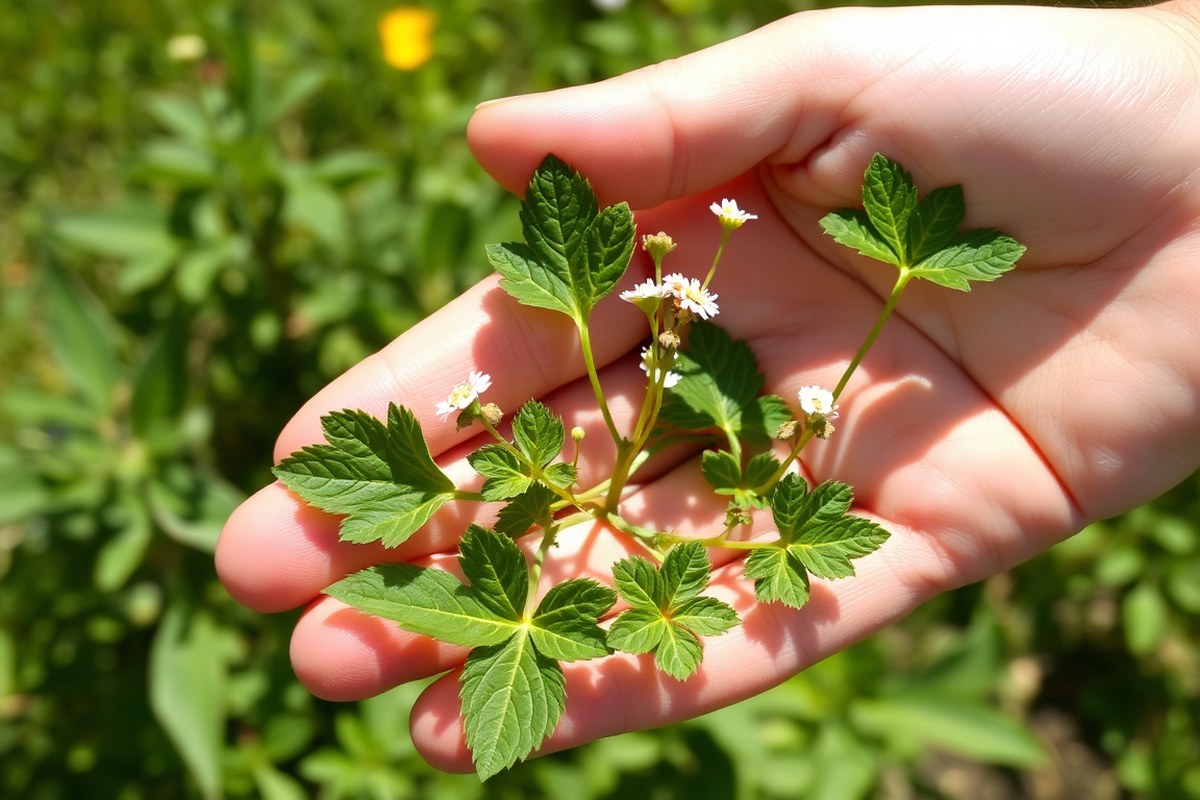
Take clear photos of the leaves, stems, flowers, and roots from different angles. Include close-ups and wider shots showing how the weed grows among other plants. Photos with visible roots can improve accuracy.
Try to collect a physical sample if you can. Use gloves to protect your hands and avoid spreading seeds. Put the sample in a plastic bag or container for transport.
Try digging gently to loosen soil if pulling the weed is hard. Remove as much root as possible, since leaving fragments might let the weed come back quickly.
Consult Trusted Weed Databases and Guides
Use online weed databases from universities or extension services. Match photos and descriptions to find known species.
These resources often cross-reference thousands of verified samples. Enter features like flower color, leaf type, and root shape for better results.
Local college extension programs or plant nurseries accept specimens for identification. Bring your sample or photos to them if you’re stuck. They offer reliable advice and can suggest control methods.
Check multiple sources and compare results. Weed ID apps can help but don’t always handle root details. Combining visual clues with expert input avoids mistakes and saves time.
- Look closely at the weed’s leaves, flowers, and growth habit.
- Use a small tool to dig up the plant carefully, preserving the roots.
- Note root type, such as taproot, rhizomes, or runners.
- Take several photos: close-up of leaves, whole plant, and roots if possible.
- Collect a sample with gloves, placing it in a plastic bag.
- Upload photos to a trusted weed identification website or app.
- Visit a local extension office or nursery with your sample if unsure.
- Compare information from multiple sources before acting.
Effective Weed Control Strategies for Home Gardens
Mulch blocks sunlight, stopping weed seeds from germinating in your garden. To work well, organic mulch should be at least 3 inches thick. Wood chips, composted yard waste, or synthetic fabrics work well.
Use mulch on top to protect plants. These are great around trees and shrubs.
Manual removal works best on weeds like foxtails and ragweed. Use your hands or special weed-pulling tools to get the entire root.
Pulling out just the top can let the weed grow back fast. Dig ragweed out before it goes to seed to avoid more spreading.
Herbicides can provide quick control but work best when timed right. They give partial control of tough weeds like foxtails but won’t prevent new ones every year. Avoid using chemical herbicides in vegetable gardens to protect your crops and soil health.
| Weed Control Method | Best Uses | Tips |
|---|---|---|
| Mulching | Crabgrass, general weed prevention | Use 3+ inches of wood chips or compost |
| Manual Pulling | Foxtails, ragweed, daisies | Pull or dig roots out fully before seed |
| Herbicides | Foxtails, broadleaf weeds (not vegetables) | Apply at correct growth stage, avoid food crops |
For new garden beds, start with weed-free soil and mulch to cut down weed problems. Applying herbicides is easier when weeds are young and actively growing. Keep in mind, you may need to repeat treatments each year to manage persistent weeds well.
Common Mistakes and How to Fix Failed Weed Control Efforts
Weeds often return quickly because their roots or seeds remain in the soil. Pulling only the visible part leaves behind root fragments that sprout again. Some weeds, like perennial ones, have deep or spreading roots tough to eradicate with simple pulling.
Mulch or herbicide failures usually happen when application isn’t done right. Mulch layers less than 2 inches thick might not block light. This lets weed seedlings grow through.
Thicker mulch works better to stop weeds. Herbicides lose power in windy or rainy weather.
Using the wrong herbicide also causes poor results. Apply them on calm, dry days for best effects.
You can improve weed control by using a mix of methods tailored to your weed problem. Consistently monitor the garden for new growth and remove weeds early. Replenish mulch annually to maintain a barrier to weed seeds and seedlings.
- Pull weeds by hand, making sure to remove entire roots
- Use a pre-emergent herbicide in early spring for seedling control
- Apply mulch at a depth of 3 to 4 inches for better weed blocking
- Spray herbicides on dry, calm days to boost effectiveness
- Rotate control methods to prevent weed resistance
- Regularly inspect your garden for small weed patches
- Consider soil health improvements to support strong garden plants
Some weeds spread rapidly because they produce thousands of seeds, like chickweed and pigweed. Removing these weeds before they flower lowers the chance of restarting the cycle next season. Perennial weeds like creeping cinquefoil have thick spreading roots.
You need to dig them out or treat repeatedly. This can take weeks to fully control them.
Don’t underestimate small weeds; removing them early saves time and effort later.
Herbicides don’t always reach deep roots in weeds. They need to move through the plant to the roots. If not, the roots may keep growing.
For tough perennial weeds, dig out the roots first. Use multiple herbicide treatments spaced weeks apart to finish them off. This approach improves your success rate.
Mulch with organic materials breaks down. So refresh it every year to keep weeds at bay.
Recognizing Toxic or Harmful Weeds and Safety Precautions
Some common garden weeds can cause serious health problems for people and pets. Giant hogweed and poison hemlock are especially dangerous, causing burns or poisoning on contact.
Asthma weed triggers severe skin reactions and worsens hay fever symptoms. So avoid touching it directly.
Pets may eat certain weeds unaware of the risks. Some oxalidaceae plants can be toxic to pets if eaten a lot. Large amounts might harm your dog or cat.
Watch them around these plants. Keep animals away from unfamiliar plants, especially when you see warnings about toxicity.
Birds-foot trefoil is generally safe for pets but can irritate skin. So wear gloves when handling it.
Protect yourself by dressing properly during weed removal. Wear long sleeves, long pants, and gloves at all times. Wear eye protection and a dust mask.
Use a respirator when handling dusty or pollen-heavy weeds. This is key for asthma weed. Handling without these can lead to rashes, breathing problems, or eye irritation.
Remove toxic weeds carefully with hand pulling or digging. Do not mow or trim them, as this spreads seeds and pollen.
Always bag the pulled plants to stop seed spread, then throw them away with regular trash. Wash your tools and clothes with soap and water immediately after completing the work.
Stay alert while working in the garden. Stop work if your skin itches, turns red, or breathing is hard. Wash your skin right away.
Take care to avoid these issues. Seek medical advice if symptoms worsen or last more than a few hours. Teach children about toxic weeds so they avoid them while playing outdoors.
When to Consult Professionals for Weed Identification and Control
Call a pro when weeds cover more than 10% of your lawn. It’s best to get help for big infestations. Lawn experts can handle tough weed problems safely.
Your safer bet is to call an expert when weed control fails. Don’t wait if weeds spread fast despite your actions. Also call a pro if the weed looks toxic or you are unsure about its identification.
Professionals can offer more than identification. They provide tailored control plans using herbicides or mechanical methods suited to your yard’s specific needs.
They also have access to stronger, EPA-approved products that aren’t available to homeowners. Experts can evaluate soil and environmental conditions to recommend long-term strategies for reducing weed growth.
Look for licensed weed control specialists or extension agents tied to land-grant universities. Many states have cooperative extension services offering free weed identification by mail or online. Check local reviews and ask for credentials before hiring.
A good pro explains costs, results, and safety clearly. They tell you what to expect for family and pets. You’ll know how they keep everyone safe.
To decide on a pro, take photos of the weed in its growing spot. Include pictures from several angles and a wide shot showing the surrounding area.
Send these to the extension service or expert for evaluation. Keep a record of dates and control methods you’ve tried so far to help the professional.
Costs for professional weed control vary widely. Small lawns with minor infestations might cost $100 to $300 for treatment. Larger areas or recurring problems can exceed $500 per visit.
Results may take a few weeks. Dead leaves and fewer new shoots mean the treatment works well.
Check your plants for these signs after treatment. Poor outcomes can happen if wrong herbicides are used or if treatments aren’t repeated as recommended.
Using Technology and Apps to Assist Weed Identification
Several apps specialize in identifying weeds from photos you take in your garden. INaturalist and PictureThis lead with big databases and AI. They match your plant image quickly.
These apps are free or cost a few dollars. You get detailed control advice with premium.
AI tools work well for common weeds but can struggle with rare or young plants. They analyze leaf shape, color, and textures but may confuse similar species.
Taking clear, close-up photos in good light improves accuracy significantly. It’s worth testing the app with known plants to see how well it identifies them first.
Some apps also suggest treatment options based on the weed identified. For example, PictureThis includes tips on herbicides or organic methods suited for home gardens.
However, these recommendations vary by location and local regulations. So verifying with local extension services or garden centers is wise.
Apps like PlantSnap or Seek ID broad-leaf weeds fast. They often work in under a minute.
INaturalist’s community lets experts help with tricky garden plants. It increases ID accuracy.
Be prepared for occasional misidentifications, especially if your images are blurry or the weed is immature. That’s when consulting a professional or sending photos to your local extension office helps. Use app results as a fast first step, not a final diagnosis, especially before applying chemicals.
Clean your gardening tools after weeds work. This stops spreading seeds in your garden.
Step-by-Step Action Plan for Identifying and Controlling Your Weed
Follow this plan to spot weeds in your garden. Learn what each weed needs to grow. Use this info to keep weeds out.
- Day 1: Take clear photos of the weed’s leaves, stems, and flowers. Use these to compare with online resources or apps.
- Day 2: Try a free weed identification app or website using your photos. Confirm the weed’s name and traits.
- Week 1: Observe the weed’s growth cycle and root type. This helps pick the best removal method.
- Week 2: Remove small weeds by hand pulling or hoeing before they set seed. Check if roots come out easily.
- Week 3: Apply a targeted organic or chemical weed control product if hand removal was tough. Follow label instructions exactly.
- Month 1: Monitor the treated area weekly. New sprouting means you should repeat removal or treatment.
- Anytime: Wear gloves and wash hands after handling unknown or possibly toxic weeds. Keep pets and kids away.
- Ongoing: Keep a garden journal. Note weed types and control results to improve your weed management.
Frequently Asked Questions
How Can I Tell If a Plant Is a Weed or Just an Unusual Garden Plant?
A plant is a weed if it grows where you don’t want it. Check if it spreads quickly and crowds your other plants.
What Should I Do If the Weed Changes Appearance During Seasons?
Weeds might look different as seasons change. Note its shape and leaf pattern year-round for better ID.
Can Weed Seeds Survive in Soil Under Mulch?
Yes, weed seeds can survive but mulch limits their growth. Use 2 inches of organic mulch to block weed seeds.
How Fast Do Creeping Rootstock Weeds Spread in My Garden?
They spread shoots every 8 to 12 inches. Removing the rootstock is key to stop them.
Is It Normal for Some Weeds to Grow All Year Long?
Some weeds like asthma weed grow year-round. Identifying these helps you decide on control timing.
Why Might Some Weeds Come Back After Pulling Them Out?
Perennial weeds have roots that stay alive. Pulling without removing roots lets them regrow.
Final Thoughts
Knowing your weed is key to stopping it from taking over. Start by capturing good pictures today. This simple step sets you on the right path to a healthier garden.