How Long Does It Take for Gladiolus to Bloom? A Complete Guide with Timelines & Tips
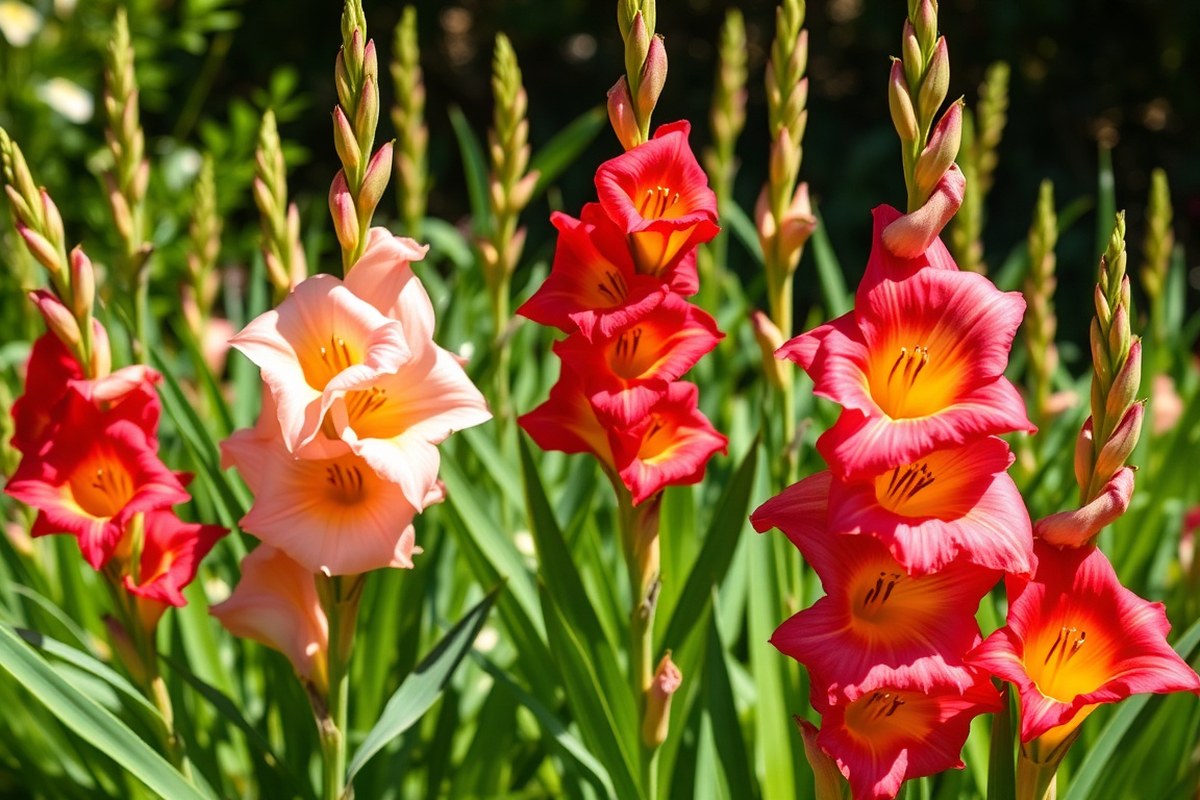
Gladiolus usually bloom between 60 and 90 days after planting. The exact time depends on the type of gladiolus and local growing conditions. So, the climate and care you provide can change when they flower.
Early gladiolus types can flower in about 45 to 50 days. Some late types of gladiolus need up to 120 days to bloom.
This happens especially if the soil stays cool. Shorter daylight hours also slow down blooming.
Make sure to plant gladiolus corms when the soil temperature is above 60°F. Warm soil allows gladiolus shoots to grow quickly. It also helps flowers bloom earlier in the 60 to 90 day window. Cooler soil slows these processes down.
Expect your gladiolus to show flowers roughly 10 to 14 weeks from planting. Watching soil warmth and sunlight carefully gives you the best chance for timely blooms.
Key Takeaways
- Plant gladiolus corms in soil consistently warmer than 60°F for quicker blooms.
- Early-glow cultivars may bloom in as few as 45 days after planting.
- Late-blooming varieties can take up to 120 days to flower fully.
- Warm daylight and good soil drainage speed up gladiolus flowering.
- Most gladiolus sprout within 7 to 14 days post planting.
- Expect blooms roughly 10 to 14 weeks from planting corms.
How Long Does It Take Gladiolus to Bloom After Planting?
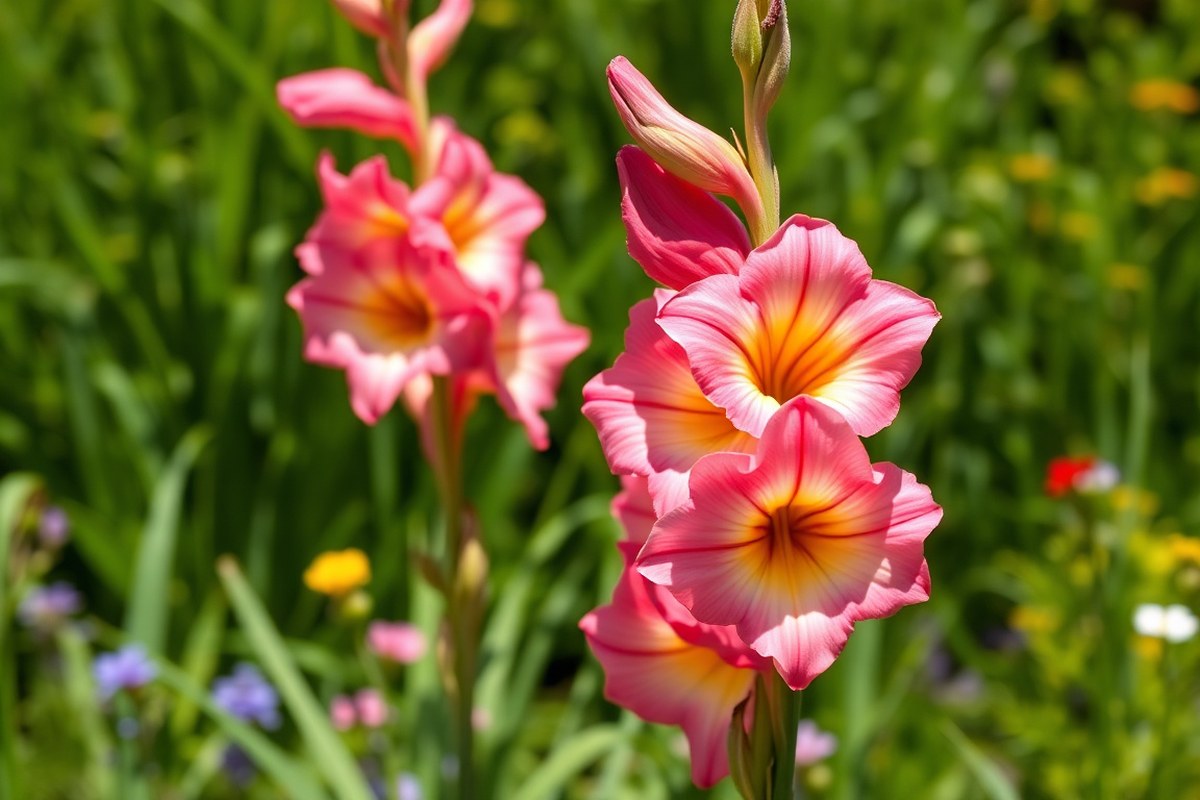
Gladiolus usually bloom about 60 to 90 days after planting the corm. Some early types might bloom as soon as 50 days.
Slow growers can take up to 120 days. This wide range reflects differences in variety and growing conditions.
The flowering window for most garden gladiolus falls in roughly 70 to 80 days after planting. You often see blooms in mid to late summer if planted in spring. Delays happen if temperatures stay cool or if the soil remains cold for a long time.
Climate and planting time affect how soon you’ll get flowers. Warmer soil speeds up growth, pushing bloom times toward the earlier side of that range. Cooler weather can make gladiolus take longer to bloom.
Planting late also extends the growth period. The time might stretch to 100 days or more. Planning your planting date with local frost dates helps ensure blooms appear when you want them.
How Different Gladiolus Varieties Affect Bloom Timing
How Different Gladiolus Varieties Affect Bloom Timing
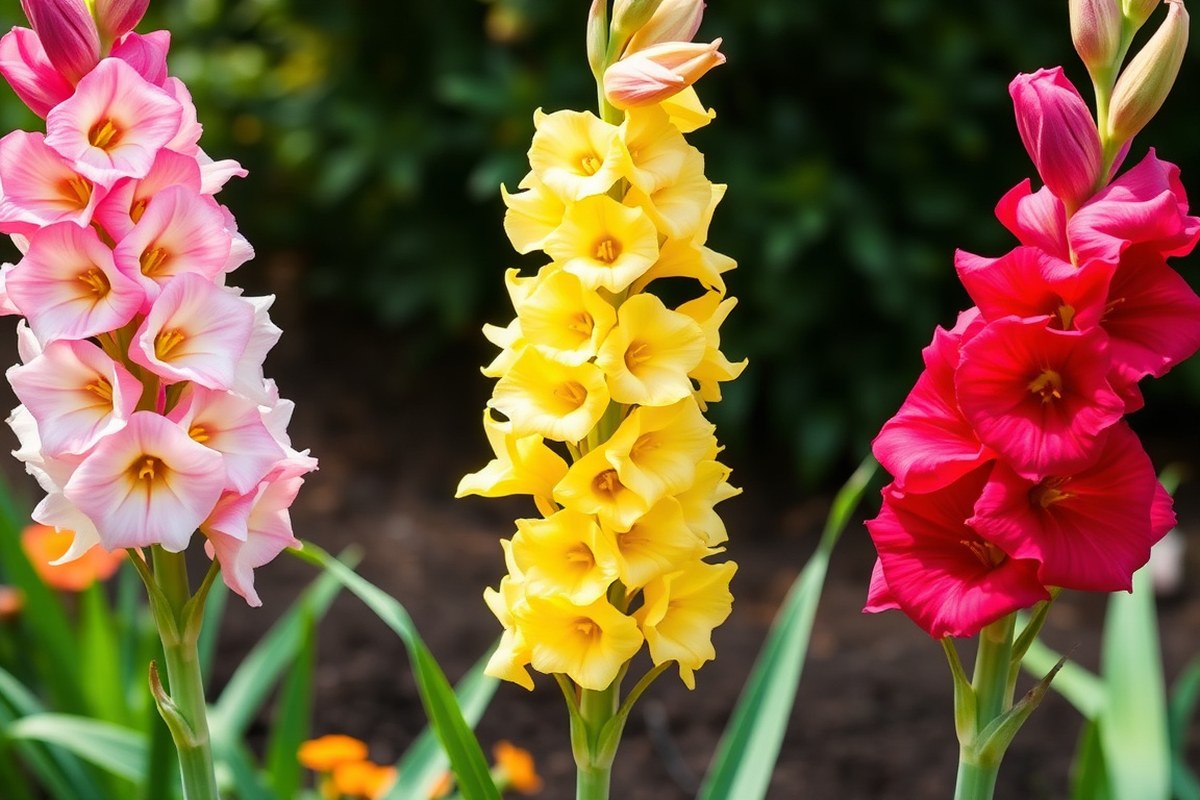
Gladiolus bloom timing varies mainly by variety and corm size. Early types can flower in about 45 to 60 days. Giants or late cultivars often need 90 to 120 days to bloom, depending on conditions.
Early-Blooming Gladiolus Cultivars
Early gladiolus varieties usually bloom within 45 to 60 days after planting. They help gardeners get flowers sooner, often by late June or early July. These types are good for starting the season early or forcing blooms in a greenhouse.
Some early cultivars flower in as little as 40 days. This happens if you plant them in a heated greenhouse.
On average, early types open flowers about 9 weeks after planting. Choosing these saves time if you want quick, reliable blooms.
Bloom Times for Dwarf vs. Tall Varieties
Dwarf or nanus gladiolus tend to bloom faster than the taller giants. Nanus varieties flower in about 60 to 65 days.
Tall cultivars can take about 14 weeks to bloom. Their compact size often means quicker growth and bloom cycles.
Tall grandiflora types may take longer because they grow larger plants and flowers. These giants often need stakes for the heavy flower spikes. Dwarf gladiolus bloom faster than others, giving quick flower displays.
Effect of Corm Size on Flowering Speed
The size of the corm you plant strongly influences how fast gladiolus bloom. Larger corms usually produce flowers sooner and more reliably. This is because they store more energy to jump-start growth.
Small corms may take longer or fail to bloom well. Plant larger corms first when you have mixed sizes.
This helps get flowers faster. Splitting your planting into batches by corm size also helps stagger the bloom season.
Plant larger corms early to speed up bloom and improve flower quality.
How Soil Temperature and Planting Time Influence Flowering
Plant gladiolus corms only after soil reaches the right temperature. Timing planting after the last frost ensures healthy roots and timely blooms. Soil warmer than 55°F is key to good growth and flowering.
Minimum Soil Temperature for Planting
Soil needs to be at least 55°F (about 13°C) for gladiolus to start growing well. Cooler soil slows root growth, stretching time until blooming. Wait until soil holds this warmth for a few days to avoid problems.
When soil is below 55°F, corms can rot or fail to develop roots. You might see no shoots for weeks if planted too early. Warm soil triggers corms to absorb moisture and nutrients fast.
Timing Planting Around Frost Dates
Plant gladiolus after the last frost in your area to prevent cold damage. For example, gardeners in USDA Zone 6 should plant in April or May. This timing matches soil warming with safe conditions for growth.
Planting gladiolus corms before the soil warms can delay flowering. Waiting too long to plant shrinks the time they have to grow. To enjoy flowers longer, plant corms every week or two from late spring through early summer.
Tips for Measuring Soil Temperature
Use a soil thermometer inserted 2 to 4 inches deep to check temperature. Measure soil in the morning and afternoon for the best reading. You can buy a simple soil thermometer for less than $15 at garden centers.
Don’t rely on air temperature alone since soil warms more slowly. Measure in several spots if your garden varies in sun or shade. Keep soil moist because dry soil may warm faster but won’t support growth well.
Sunlight, Watering, and Fertilizing Tips to Get Gladiolus Blooming
Gladiolus need at least 6 to 8 hours of direct sunlight daily. This much sun helps the corms gather energy for flower spike development. Less sun slows blooming or might stop it altogether.
Watering should keep the soil evenly moist, not soaked or dry. Water deeply once or twice a week, depending on rain and temperature. Irregular watering can delay blooms by up to two weeks.
Balanced fertilizer boosts growth and flower size. Use a water-soluble fertilizer every 4 to 6 weeks during the growing season.
Feed once when leaves reach 6 inches tall. Again when the flower spike appears.
- Plant gladiolus where they get 6-8 hours of full sun
- Water deeply once or twice weekly to keep soil moist
- Use a balanced, water-soluble fertilizer every 4-6 weeks
- Apply fertilizer when leaves are 6 inches tall and at spike emergence
- Avoid over-fertilizing to prevent excess leaf growth over flowers
- Consistent sun and moisture keep bloom timing around 60 to 90 days
Too much shade or poor watering drops flower spike production. Planting corms too deep or feeding with too rich fertilizer delays blooming. Following the sunlight, watering, and fertilizing tips helps gladiolus bloom on time and look their best.
Strategies for Staggered Planting to Extend the Bloom Season
To enjoy gladiolus blooms all summer long, plant corms every two weeks. This staggered planting spreads out the blooming times. It keeps flowers coming from early summer through fall.
Scheduling Planting Intervals for Continuous Blooms
Plant gladiolus corms every 14 days to keep blooms coming. Each batch starts flowering about 10 to 13 weeks after planting. Staggering planting helps avoid all flowers blooming at once and then fading.
You can plan each round of planting like clockwork through the growing season. Start planting in early spring when soil warms to 50°F (10°C). Continue every two weeks until about 90 days before your area’s frost date.
This recurring schedule ensures there’s always a fresh batch of gladioli growing and blooming. For example, plant on May 1.
Then plant again May 15. Next batch goes in on May 29.
Adjusting Planting Depth and Spacing
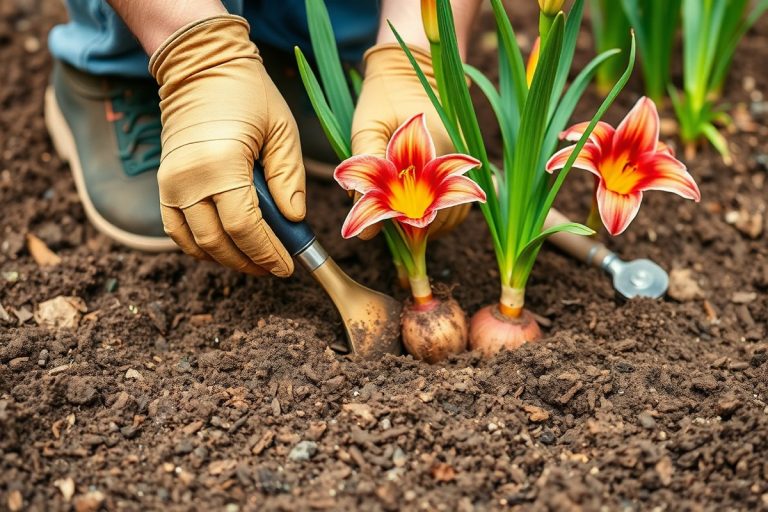
Plant each gladiolus corm about 4 inches deep. Space the corms 6 inches apart for good airflow and growth. These distances help the plants develop strong stems and healthy blooms.
Keep the spacing consistent with each planting batch for neat rows. Crowding may lead to less flowering or disease. Shallower planting can risk frost damage while deeper can delay sprouting.
Spacing and depth help each batch grow well and bloom on schedule. Maintaining uniform spacing also makes watering and fertilizing easier across all batches.
Calculating Final Planting Date for Your Region
Find your average first frost date before the last planting. Count backward 90 days from that day to set your final planting date. This gives gladiolus enough time to bloom before frost kills the plants.
If your first frost date is October 15, plan carefully. Plant your corms no later than July 17.
Planting after this risks no flowering and wasted effort. Adjust for your local climate and yearly variations.
Adjust for hot summer areas by planting earlier or choosing heat-tolerant gladiolus. Cooler climates may delay planting to reduce frost risk but watch bloom timing closely.
Begin your planting count from the first batch. This helps avoid missing the last safe planting date.
Here’s how to stagger your gladiolus planting for ongoing blooms:
- Check your region’s average first frost date.
- Count back 90 days from the frost date for your last planting.
- Choose your earliest planting date based on soil temperature (about 50°F).
- Plan planting intervals every two weeks from the earliest to the last date.
- Plant corms 4 inches deep and 6 inches apart each time.
- Label each planting batch by date for easy tracking.
- Water and fertilize each batch uniformly for best bloom quality.
- Monitor for pests and diseases to keep blooms healthy between batches.
Common Reasons Gladiolus Bloom Late or Fail to Flower
Gladiolus often grow lots of leaves but no flowers due to several common mistakes. Cool soil slows their root and flower development.
The soil should stay moist but not soaked, avoiding waterlogged or very dry dirt. Soil that is too cold, under 60°F, can delay blooming.
Poor light can stop flower spikes from forming. Gladiolus need full sun, at least six hours daily, to produce blooms. Too much shade makes gladiolus grow leaves, not flowers.
Also, planting depth matters. Plant corms at the right depth to help flower spikes grow.
Here’s a quick checklist to avoid late or missing blooms:
- Plant corms 4-6 inches deep, pointy end up.
- Provide at least 6 hours of sunlight each day.
- Keep soil moist, with about 1 inch of water weekly.
- Avoid waterlogged or soggy soil, which causes rot.
- Plant when soil temperature reaches about 60°F or higher.
- Use balanced fertilizer to support flower growth, not just leaves.
- Stake taller gladiolus to prevent damage delaying blooms.
Planting corms too shallow means roots dry out. Planting corms too deep slows shoots or keeps them underground. Keeping soil moisture steady helps gladiolus spend energy on flowers.
Too much fertilizer gives growth lots of leaves but fewer blooms. Balanced fertilizing with phosphorus and potassium boosts flowers.
Gladiolus need sun and warmth to start blooming. You can expect flowers in 60 to 90 days. You can speed this up by starting corms indoors in warm trays before planting outside.
Just keep the soil moist and warm in a greenhouse. Yellow leaves or no flowers after six weeks means a problem. Check soil temperature, light, or watering.
Using Pots and Greenhouses to Speed Up Gladiolus Blooming
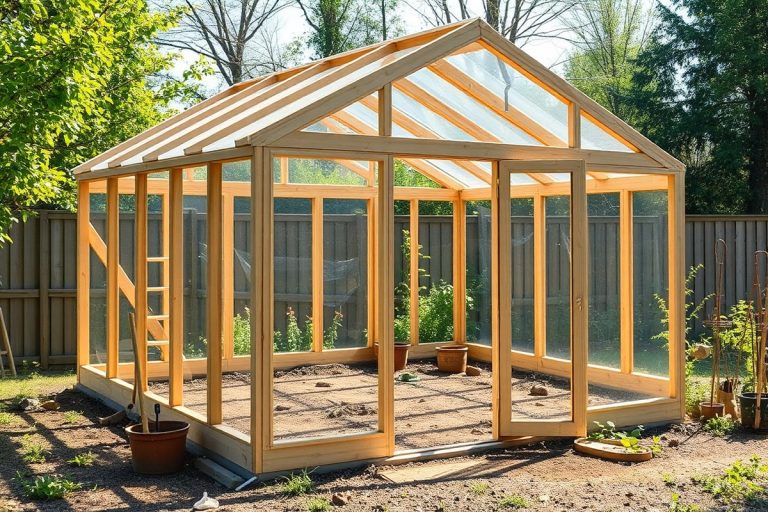
Growing gladiolus in pots or greenhouses can make them bloom faster. Containers warm up sooner than garden soil. Greenhouses keep the air and soil temperature stable, which helps the corms grow quicker.
Inside a greenhouse, aim to keep the soil temperature steady around 60°F or higher. This warmth wakes up the corms early. Avoid letting temperatures swing widely because it stresses the plants and slows blooming.
Starting gladiolus corms indoors before planting outside gives a head start, too. You can sprout them 2 to 3 weeks early in small pots inside. This means the bloom season begins sooner when you move the plants outside.
Use this step-by-step method to speed up gladiolus flowering in pots or greenhouses:
- Choose firm, large corms about 1 to 1.5 inches wide for faster blooms.
- Plant corms in 6- to 8-inch pots with well-draining potting mix.
- Keep the pots indoors where it stays warm. The temperature should be 60°F or warmer. Let them pre-sprout there for 2 to 3 weeks.
- Water moderately to keep soil slightly moist but never soggy.
- After sprouts appear, move pots into a greenhouse or sunny room with steady warmth.
- Wait until the outdoor soil is at least 60°F. Then move the plants outside for a few days. Let them harden off in this cooler air.
- Then transfer pots outside or plant corms directly in the garden soil.
- Maintain regular watering and full sun exposure to speed bloom development.
This approach typically cuts 10 to 15 days off the usual bloom time. Larger, pre-sprouted corms flower sooner because they start growing immediately.
Watch the flower spikes reach about 30 to 45 cm tall before blooms open. This helps you gauge bloom timing accurately.
Keep an eye on soil moisture and temperature. Too cold or waterlogged soil delays growth.
Corms left indoors too long grow leggy and weak. This can delay blooming once planted outside.
What to Expect Once Gladiolus Begins to Bloom
Gladiolus flowers open gradually from the bottom of the spike upward. You’ll see the spike elongate quickly through the center of the leaf fan as buds develop. Before flowers open, look for swelling buds with a firm feel.
The stem should be about 5 mm thick. This shows they’re ready to cut soon.
The flowers typically last 7 to 10 days after opening on the plant. They can bloom more than once, extending your enjoyment. Cutting the spike too late shortens vase life, so timing matters.
For the longest vase life, cut stems with tight buds. Make sure stems are thicker than 5 mm before cutting. This helps flowers last longer indoors.
After cutting, the flower will open its florets one by one. This happens naturally while the stem sits in your vase.
It keeps blooming over several days. This usually keeps the arrangement fresh for 10 to 12 days.
After cutting, place gladiolus stems in clean, cool water immediately. Change the water every couple of days to prevent bacterial growth. Keep flowers away from direct sunlight and hot spots to slow wilting.
Harvesting while the stem’s still growing lets it continue to elongate a bit after cutting. You get a fuller bloom sequence this way compared to cutting fully open flowers. This also helps keep the blossoms firm and vibrant longer.
Cut gladiolus spikes early for longest vase life. Wait until buds are tight and stems reach 5 mm thick. This timing gives flowers a longer display period.
Step-by-Step Action Plan to Get Gladiolus Blooming on Time
Follow these easy steps to plant gladiolus bulbs. Care for them well to time their bloom right. Watch for signs of growth and adjust care as needed.
- Before Planting: Choose healthy bulbs and pick a sunny spot with well-drained soil. Bulbs should be firm and free of mold.
- Planting Day: Put bulbs 4 to 6 inches deep in soil. Space bulbs 6 inches apart. Plant when soil hits 55°F. Cover with soil and water lightly.
- Week 1: Keep soil moist but not soggy. Check daily to prevent drying out or standing water.
- Week 3: Look for shoots breaking ground. This shows bulbs are growing and will bloom soon.
- Week 4: Begin fertilizing with a balanced fertilizer every two weeks. Watch for greener leaves and stronger stems.
- Week 6: Expect buds forming. Stake tall spikes to keep them upright and prevent damage.
- Week 7 to 9: Watch for flowers opening. Deadhead spent blooms to encourage more flowers if desired.
- After Bloom: Let leaves yellow naturally before removing bulbs. Store bulbs in a cool, dry place for next year.
Frequently Asked Questions
How Long Does It Take for Gladiolus to Sprout After Planting?
Gladiolus bulbs usually begin to sprout in 7 to 14 days. This early growth depends on soil warmth and moisture.
Can Gladiolus Bloom More Than Once in a Growing Season?
Gladiolus generally bloom just once per season from the same corm. You can plant new corms later for another bloom cycle.
Do Gladiolus Flowers Open All at Once or Gradually?
Gladiolus flowers open gradually from the bottom upwards along the spike. This helps extend the blooming display for several days.
How Does Cutting Gladiolus Affect the Bloom Time?
Cutting gladiolus flowers doesn’t change bloom time but prolongs vase life. It’s best to cut when lower florets start opening.
Can Gladiolus Bloom Indoors Under Grow Lights Instead of Sunlight?
Yes, gladiolus can bloom indoors with strong grow lights mimicking full sun. Keep lights on for about 12 hours daily for best results.
What Pests or Diseases Can Delay Gladiolus Blooming?
Thrips and fungal diseases like botrytis can stress plants and delay bloom. Regular monitoring and treatment can prevent these issues.
The Bottom Line
Gladiolus usually bloom 8 to 10 weeks after planting, depending on care and variety. Keep soil warm, moist, and feed plants well for on-time blooms. Try planting bulbs in stages now to enjoy fresh flowers over several weeks.