How to Grow ZZ Plant Indoors: Complete Care & Growth Guide
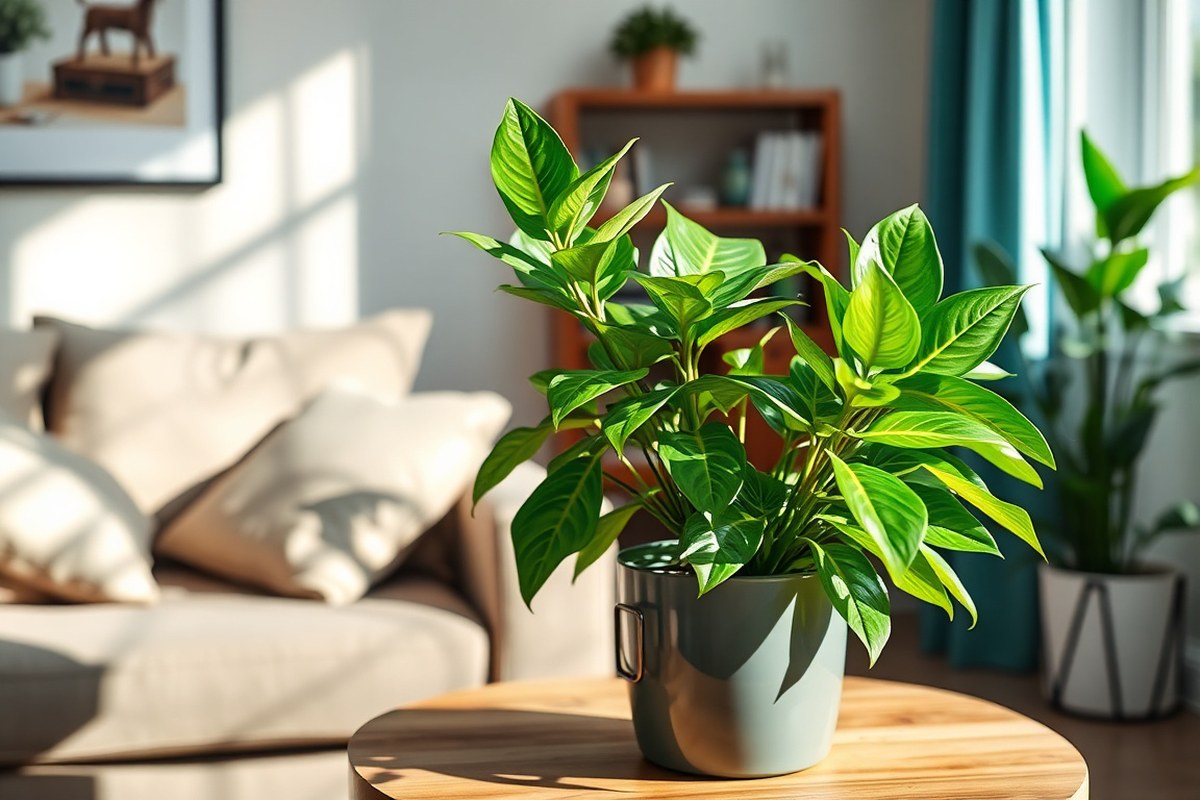
Growing a ZZ plant indoors works best with bright, indirect light. Place it near an east- or north-facing window, about 2 to 6 feet away. This spot gives your plant soft sunlight without burning its leaves.
Use soil that drains well and a pot 1 to 2 inches bigger than the roots. A mix of one part potting soil and one part perlite or sand works well. This prevents water from sitting too long and harming your plant.
Water only when the top 2 inches of soil feel dry. Overwatering can cause root rot, the most common issue for ZZ plants. Always empty any excess water from the saucer after watering.
Keep your ZZ plant between 65 and 80°F for steady growth. Avoid cold drafts or heating vents that can dry it out. This temperature range helps prevent stress or shock.
Key Takeaways
- Put your ZZ plant 2 to 6 feet away from a north or east window. This provides indirect sunlight without harsh rays.
- Use a pot 1-2 inches wider than the root ball for healthy root growth.
- Wait to water your ZZ plant until the top 2 inches of soil are dry. Overwatering can damage the roots and slow growth.
- Keep indoor temperature steady between 65°F and 80°F for best growth.
- Feed your ZZ plant liquid fertilizer every 6 to 8 weeks in spring and summer. This helps the plant grow stronger during its active seasons.
- Wait 2-3 years before dividing ZZ plants to avoid shock to young plants.
How to Grow ZZ Plants Indoors Successfully
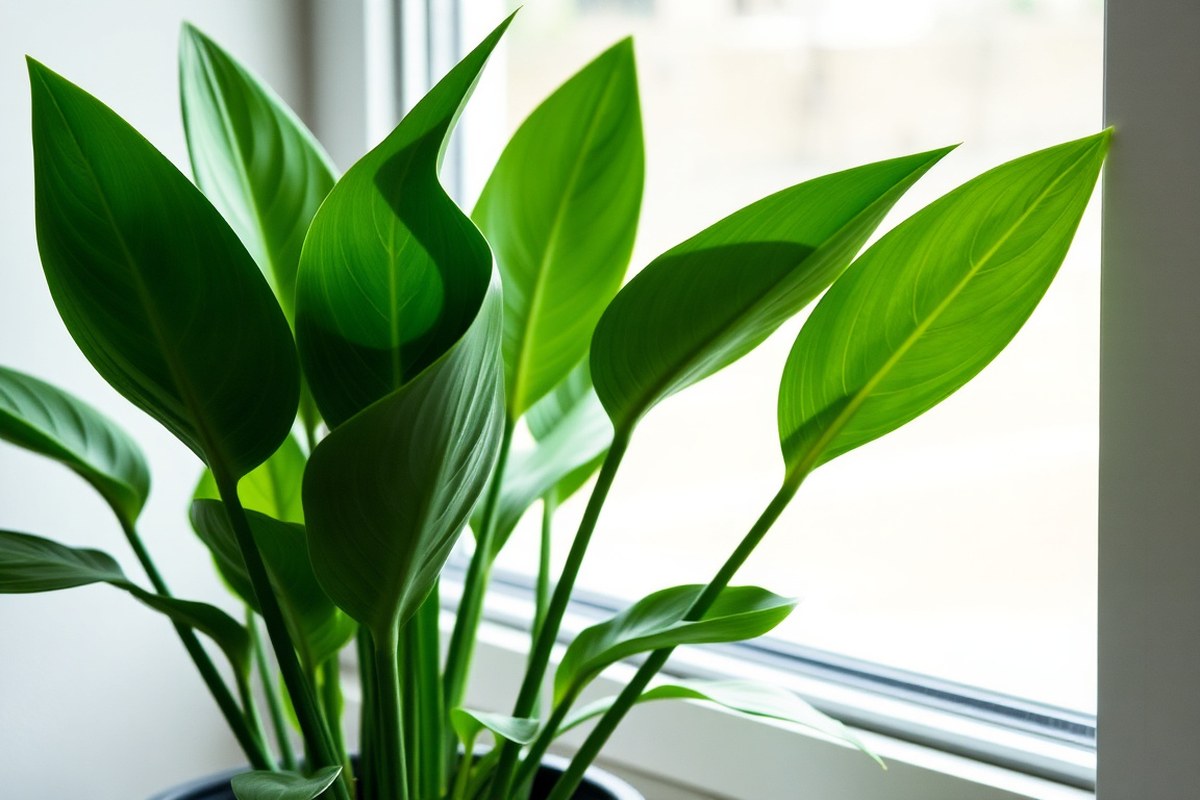
Growing ZZ plants indoors is simple if you follow clear steps. Start with the right spot and basic daily care. ZZ plants thrive where light, temperature, and watering match their needs.
Here’s how to keep your ZZ plant healthy day-to-day, and avoid common mistakes. These steps help your ZZ plant grow well indoors.
They focus on practical care you can easily do. Follow them to keep your plant healthy and steady.
- Choose a good place: Put your plant 2 to 6 feet from an east window. Avoid direct harsh sun by using a north-facing window instead. This spot gives your plant soft, indirect light it prefers. This provides bright, indirect light all day without harsh sun.
- Maintain a consistent temperature: Aim to keep the area between 65°F and 85°F (18°C to 29°C). Stay away from cold areas or air drafts. Make sure the temperature never falls below 50°F (10°C).
- Water sparingly: Water only when the soil feels completely dry. ZZ plants store water in thick rhizomes, so they tolerate dry spells well.
- Use well-draining soil: Ensure you use soil that dries quickly to prevent root rot. A mix designed for succulents or cacti works well.
- Feed occasionally: Apply a liquid indoor plant fertilizer every two weeks from spring to fall. Use a gentle product like Yates Thrive Indoor Liquid Plant Food.
- Watch for growth direction: Keep your plant upright by rotating it weekly. This helps stems grow straight and balanced toward the light.
- Keep leaves clean: Wipe leaves gently with a damp cloth to remove dust. Clean leaves absorb light better and keep your plant healthy.
- Avoid overcare: Don’t water on a schedule. Check soil moisture first. Avoid placing your ZZ in direct sun or freezing spots.
Follow these steps to get your ZZ plant to grow new upright shoots steadily. Slow growth can mean the plant is too cold or receiving low light. Less frequent watering suits drier indoor air and dimmer winter days.
Yellow leaves or mushy stems often mean too much water or poor drainage. Check soil moisture before watering again. Good drainage helps keep roots healthy and dry.
Avoid these by watering less and ensuring the pot drains well. Good ZZ plant care takes a little attention but rewards you with years of reliable greenery.
Choosing the Right Light and Temperature for Growth
How Much Light Does a ZZ Plant Need?
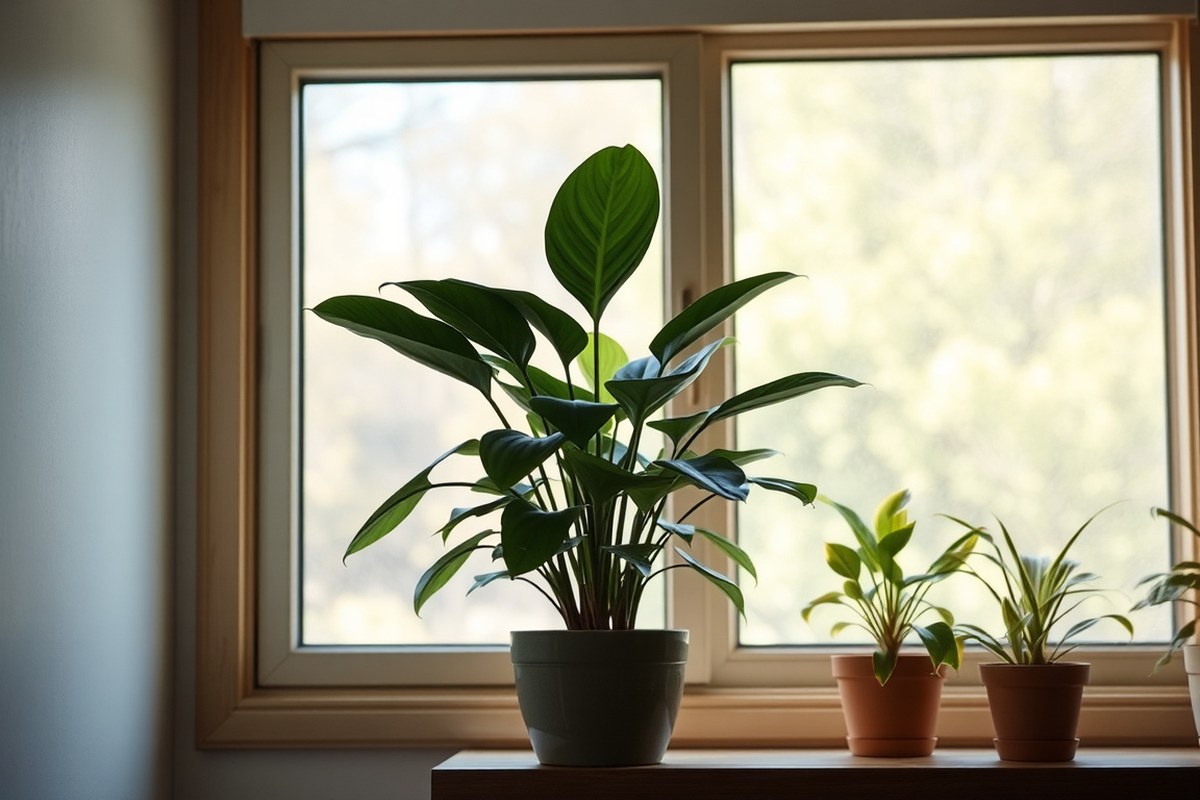
ZZ plants prefer bright, indirect light for the best growth. They can survive in low light, but growth slows down and looks sparse. Avoid direct sunlight since it can scorch the leaves and cause brown spots.
Place your ZZ plant near an east-facing window for bright indirect light. Or put it a few feet from a south-facing window. This spot gives the right light without direct sun.
Your plant will survive in low light like a north-facing window. Growth might be slower with less sunlight in a corner room. Using a fluorescent lamp works well in low-light rooms and offices.
Can ZZ Plants Grow in Low Light?
ZZ plants are known for tolerating low light better than most houseplants. Their dark green, glossy leaves absorb limited light efficiently. In low light, expect little new growth.
The plant will look leggier, with longer stems. It won’t be as full or bushy.
Water your plant less often in low light. It uses water slower in dim conditions. Check the soil for dryness before watering.
Don’t add fertilizer in low light or cooler months. The plant won’t use nutrients well then. Save fertilizer for warmer, brighter times.
Ideal Temperature Range for ZZ Plants
ZZ plants grow best between 60 and 75°F (16 to 24°C). Keep them above 55°F (13°C) to avoid damage. Below 45°F (7°C) can hurt or kill your plant.
Keep your ZZ plant away from cold drafts, open windows in winter, and air conditioner vents. Consistent temperatures help the plant stay healthy and encourage steady growth. A warm room that doesn’t dip below 55°F works well year-round.
Adjusting Light and Temperature for Different Spaces
Use fluorescent or LED grow lights in low-light rooms or offices. Set a timer for 8 to 10 hours daily. This helps your plant grow better without natural sunlight.
Choose a fixture that stays about 12 inches away from leaves to avoid burning. This small step helps keep your ZZ plant lively without direct sunlight.
Move your ZZ plant closer to a heater in winter if your home is cool. A warmer spot helps protect it from cold stress.
Don’t expose it to temperatures below 50°F (10°C). During warmer months, a spot near a shaded window is perfect for faster growth.
Never place your ZZ plant in direct sunlight or near cold drafts to prevent leaf damage.
Selecting Soil and Pot for Healthy Roots
Choose a well-draining potting mix designed for indoor plants to keep ZZ roots healthy. You can mix three parts potting soil with one part cactus or succulent mix. Adding some compost or worm castings boosts nutrients, especially during the growing season.
Drainage is key because ZZ plants dislike sitting in soggy soil. Use pots with drainage holes to prevent water buildup, which causes root rot. Let the top 2 inches of soil dry out completely before watering again to avoid overwatering.
Choose a pot 1 to 2 inches bigger than your plant’s root ball. Larger pots keep too much water, causing soil to stay wet longer. Keep soil at least 3 inches deep below roots and 2 inches under the rim.
- Use a light, free-draining soil blend with potting soil and cactus mix
- Choose a pot with drainage holes to avoid waterlogged roots
- Select a pot just 1, 2 inches wider in diameter than the root ball
- Keep 3 inches of soil below roots and 2 inches space above soil
- Water only when the top 2 inches of soil completely dry
- Repot every 2, 3 years or if roots press against the pot
- Divide crowded roots when repotting for faster growth
When repotting, gently remove the plant and trim roots if rootbound. Fill space around roots with fresh soil and press lightly to avoid air pockets.
Healthy roots are firm and white. Brown, mushy roots mean rot and need trimming to save the plant.
Watering and Fertilizing: When and How Much
ZZ plants need water only when the top 1 to 2 inches of soil feel dry. Water your ZZ plant deeply once every 7 to 14 days. Do this during spring and summer.
These months are the plant’s main growing season. In fall and winter, cut back on watering.
Water only once a month. Or water when the soil is completely dry.
Overwatering is the main cause of yellowing leaves and mushy stems in ZZ plants. Make sure your pot allows proper drainage. Never let the plant sit in water.
Check soil moisture by sticking your finger into the soil. The soil may still be damp. Wait a few more days before watering again.
Fertilize lightly during spring and summer to support healthy growth. Use a balanced liquid fertilizer every 6 to 8 weeks. Stop feeding by late October.
Avoid fertilizing during cool months since the plant’s growth naturally slows. Excess fertilizer can harm the roots.
In warm months, watch leaves for fading or droopiness. These signs mean your ZZ plant needs water. Check the plant regularly.
Yellow or soft leaves usually hint at overwatering. So scale back if you see those. Feel the soil often to check moisture.
This helps you know when your ZZ needs water. It also tells when to let it rest.
Adjust watering depending on your home’s humidity and temperature. Dryer or warmer rooms may need watering closer to every week. Cooler or more humid environments allow you to stretch watering intervals to two weeks or more.
When and How to Repot for Better Growth
ZZ plants need repotting when their root ball fills the pot or growth slows. Repot in spring or summer to reduce stress and boost growth. Use well-draining soil and a slightly larger pot for best results.
Signs You Need to Repot
Your ZZ plant may show signs like roots growing out of drainage holes. Crowded roots can make the plant top-heavy or slow its growth. When a plant looks lopsided or stops growing well, it often needs more space.
The soil may dry out very fast, or the plant can droop even with regular watering. If you see the soil pulling away from the pot edges, your plant may be root-bound. This often happens when roots grow too much inside the pot.
It can stop your plant from growing well. These signs mean the plant has outgrown its pot and needs repotting soon.
Preparing the Plant and Pot
Choose a terracotta pot about 2 inches wider in diameter than the current one. Terracotta allows better air flow and helps prevent root rot. Pick spring or summer for repotting because the plant grows stronger then.
Prepare fresh, well-draining soil like Tui Indoor Plant Mix, which has starter fertilizer. This mix helps reduce transplant shock and supports steady growth. Keep tools and gloves handy to protect your hands during the process.
Repotting Step-by-Step
Follow these steps to repot your ZZ plant with minimal shock:
- Water the plant a day before to ease root removal.
- Gently remove the ZZ plant from its pot, supporting the base.
- Loosen and tease apart roots with your fingers to reduce crowding.
- Cut away any dead or mushy roots to prevent rot.
- Place a layer of soil at the bottom of the new pot.
- Set your plant in the center, spreading roots evenly.
- Fill the pot with soil, leaving about an inch of space at the top.
- Lightly press soil to secure the plant but avoid compacting it.
Don’t repot during cold months below 50°F; the plant won’t recover well.
Post-Repotting Care
Keep your ZZ plant in bright, indirect light after repotting to avoid stress. Water lightly right after repotting, then wait until the top inch of soil dries out. Avoid feeding for about six weeks to let the roots settle.
Watch for drooping or wilting; this can happen but should improve within a week. Use a plant stand or place the pot where it won’t get bumped. Gradually return to regular watering and feeding to support new growth.
Propagating ZZ Plants: Methods and Tips
ZZ plants can be propagated by leaf cuttings, division, or rhizome separation. Division is the fastest method, while leaf cuttings take the longest but are beginner-friendly. You can choose based on how quickly you want new plants and how patient you feel.
Leaf Cuttings Method
Leaf cuttings mean cutting a healthy leaf at the base. Then, place it in water or soil to root. This method takes 3 to 9 months since ZZ plants grow slowly.
You see each stage of growth clearly. This makes it great to watch plants develop.
Keep the leaf in bright, indirect light and maintain temperatures near 70, 80°F. Soil should stay moist but not soggy. Avoid direct sunlight, which can scorch leaves or slow rooting.
Changing water every 1, 2 weeks prevents bacteria growth if rooting in water. Using a propagation tray with bottom heat helps speed root growth.
Keep the heat at 80°F for best results. Patience is key for this method.
Division of Mature Plants
Division means separating a large ZZ plant into smaller sections, each with roots and stems. This method quickly creates mature plants but can stress the plant. It’s best done during repotting when roots are loose.
Gently remove the plant from its pot and loosen the soil around rhizomes. Cut or pull apart rhizomes with enough roots and stems for each section. Repot these immediately in fresh soil and keep them in warm, bright spots.
Division speeds up growth compared to leaf cuttings but needs more care. Avoid dividing too often since ZZ rhizomes take a long time to recover to full size. Only divide when the plant is large and healthy.
Rhizome Separation Technique
Rhizome separation involves cutting the underground stems or rhizomes apart to create new plants. It’s slower than division but can be done during repotting. Healthy rhizomes should be firm and have some roots and buds.
Remove the whole plant and shake off excess soil gently. Cut rhizomes into 2 to 3 inch sections with a tip.
Use a clean knife to avoid infection. Plant these in warm, moist soil and keep humidity high near 80°F to speed growth.
Using a propagation tray or a warm bathroom can help rhizomes grow faster. Rhizome separation offers reliable propagation but roots develop slowly. Keep soil barely moist until you see new leaf growth to avoid rot.
| Propagation Method | Time to Root/Regrow | Ease for Beginners | Plant Size at Start | Care Requirements | Success Rate Tips |
|---|---|---|---|---|---|
| Leaf Cuttings | 3 to 9 months | Very easy | Single leaf | Keep moist, indirect light | Use warm (80°F) spot, change water |
| Division | Fast, weeks to months | Moderate | Mature plant sections | Repot immediately, bright area | Divide during repotting, avoid frequent division |
| Rhizome Separation | Slow, similar to leaf cuttings | Moderate | Rhizomes with roots/buds | Warm (80°F), moist soil, high humidity | Use propagation tray, avoid overwatering |
Choose leaf cuttings for a patient, beginner-friendly option. Division works best for fast, mature plants but requires care when handling roots.
Rhizome separation is good during repotting but takes months to show visible growth. Keeping temperatures near 80°F and moderate humidity helps all methods succeed.
Common Problems, Pests, and How to Fix Them
Drooping leaves on a ZZ plant usually mean it needs water. The leaves soften and hang down if the soil is dry.
However, drooping can also happen if the plant is overwatered. So check the soil before watering again.
Yellow leaves often signal overwatering, especially if multiple leaves show the change. Overwatered soil stays damp and can cause root rot. Keep the plant’s soil allowed to dry out between waterings to avoid damage.
Pests on ZZ plants suck sap from leaves and stems. You might spot small bugs or sticky residue on leaves. Holes in leaves could be a sign of pests or sun damage, so inspect carefully.
- Water only when the top 1 to 2 inches of soil are dry.
- Remove any yellow or drooping leaves with clean scissors to improve health.
- Check for tiny bugs like spider mites or mealybugs on leaf undersides.
- Wipe leaves with a damp cloth to remove pests and dust gently.
- When pests show up, treat with insecticidal soap as the label directs.
- Move the plant away from cold drafts to prevent leaf damage.
- Keep the pot’s top root ball about an inch below the rim for watering room.
When fixing overwatering, hold off on watering immediately. Let the soil dry out completely before watering again. When root rot occurs, repot the ZZ plant in dry, fresh soil, cutting off mushy roots.
Look for a firm stem base and bright green leaves for sure signs of recovery. Avoid watering too often to prevent repeating the problem. Good drainage in the pot helps keep roots healthy over time.
Safety and Toxicity Precautions for ZZ Plants
ZZ plants contain calcium oxalate crystals, which makes all parts toxic. Pets such as cats and dogs might get mouth irritation from the plant. They can also have stomach upset if they chew on it.
Watch your pets to keep them safe around your ZZ plant. Small children may also get vomiting or diarrhea if they accidentally eat it.
To keep everyone safe, place your ZZ plant where kids and pets cannot reach it. High shelves or wall-mounted brackets work well.
ZZ plants do fine in low light. So a higher spot won’t hurt their growth.
Always wash your hands with soap and water after touching or dividing the plant. This helps avoid skin irritation from the sap. Use gloves if you want extra protection while handling or repotting your ZZ plant.
Watch for drooling, vomiting, or unusual actions when a child or pet swallows the plant. Seek help if these signs appear after swallowing any part of it.
Call a poison control center or your vet right away. Do not try to induce vomiting unless a professional advises you to do so.
Keep ZZ plants completely out of reach. Wash your hands after any contact with the leaves or sap.
Step-by-Step Action Plan for Growing Your ZZ Plant
Follow this plan to get your ZZ plant growing strong indoors. Each step helps you check you’re on track.
- Day 1: Place your plant in bright, indirect light to avoid leaf burn.
- Week 1: Water only when the top 1 inch of soil feels dry. Leaves should stay firm.
- Week 2: Feed with a balanced, water-soluble houseplant fertilizer at half strength.
- Month 1: Check for pests like spider mites or scale. Treat quickly if spotted.
- Month 3: Repot if roots peek through drainage holes or soil stays wet too long.
- Month 6: Try propagating a healthy leaf cutting in water to grow a new plant.
- Every 3 months: Dust leaves and adjust light if growth slows or leaves turn yellow.
Frequently Asked Questions
How Long Does It Take for a ZZ Plant to Grow Enough to Divide?
It usually takes 3-5 years for a ZZ plant to develop enough rhizomes to divide. Patience is key, as dividing younger plants can harm their growth.
Can I Grow a ZZ Plant in a Very Small Pot?
Yes, ZZ plants do well in small pots, as small as 200mm in diameter. This keeps the soil from staying too wet and reduces root rot risk.
Why Does One Stem of My ZZ Plant Grow Faster Than the Others?
It’s normal for one stem to outgrow the rest, making the plant look uneven. Pruning slower stems can help balance the plant’s shape.
Can ZZ Plants Grow Well with Little Sunlight?
ZZ plants tolerate low light but grow best in bright, indirect light. Keep them 2-6 feet from an east or north window for balanced growth.
Should I Fertilize My ZZ Plant in Winter?
It’s best to avoid fertilizing in winter when the plant rests. Feeding every 6-8 weeks in spring and summer supports healthy growth.
Is It Okay If My ZZ Plant Leans to One Side?
ZZ plants sometimes lean if crowded or if outer stems grow sideways. Space your plant well and prune crowded stems to keep it upright.
The Bottom Line
Caring for a ZZ plant takes only steady attention to light, water, and pests. You can start right now by checking your plant’s light and soil moisture. Watch your ZZ plant respond as it grows and changes in your home.